
Summary of Spanish colonization of Equatorial Guinea (1478-1968)
Discover the enchanting history of Equatorial Guinea's Spanish legacy.
How Do You Learn Best?
Learn by Reading
Immerse yourself in the 10-minute visual lesson for a comprehensive understanding of the topic.
Learn by Reviewing
Jump directly to the key facts, timeline, and vocabulary lists to build a solid foundation of details.
Learn by Doing
Challenge yourself! Jump straight into the interactive games to learn by trial, error, and discovery.
Spanish colonization of Equatorial Guinea in 10 Minutes

Introduction
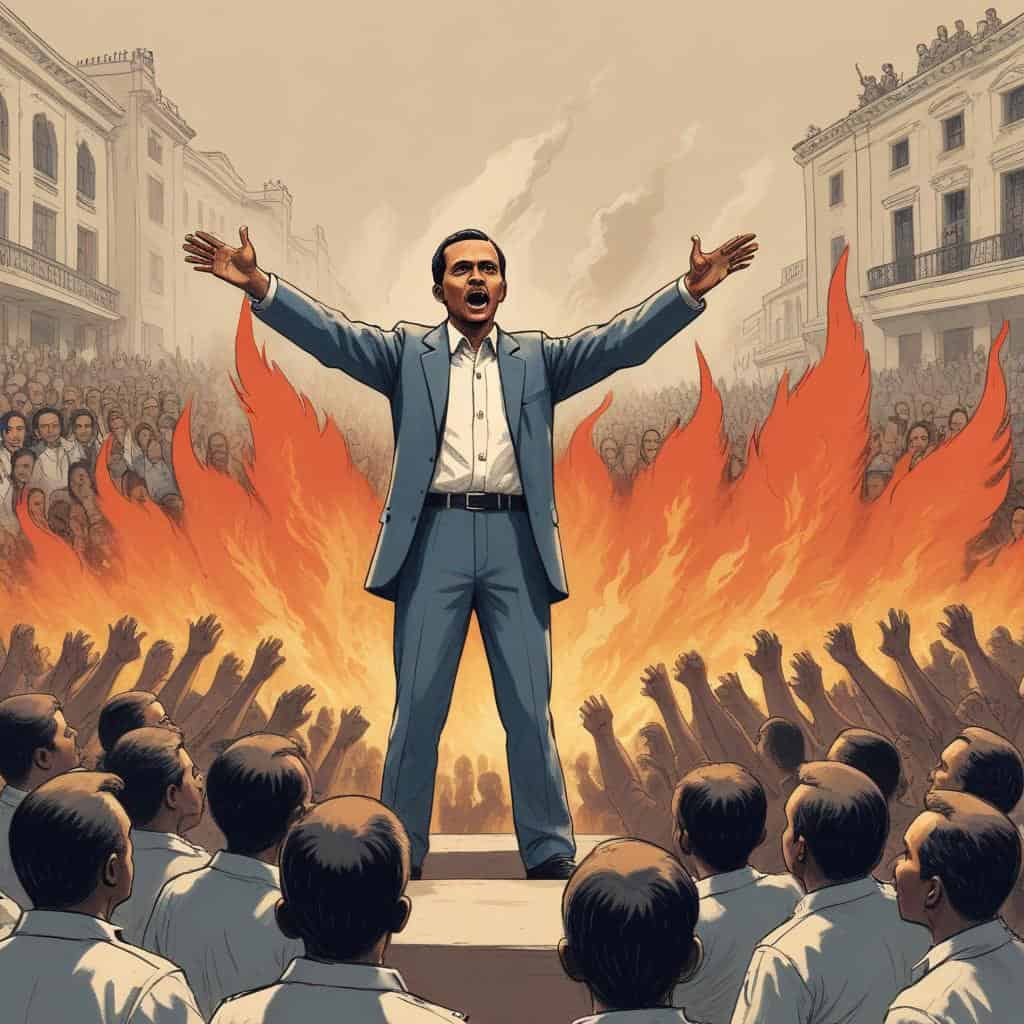
Francisco Macías Nguema
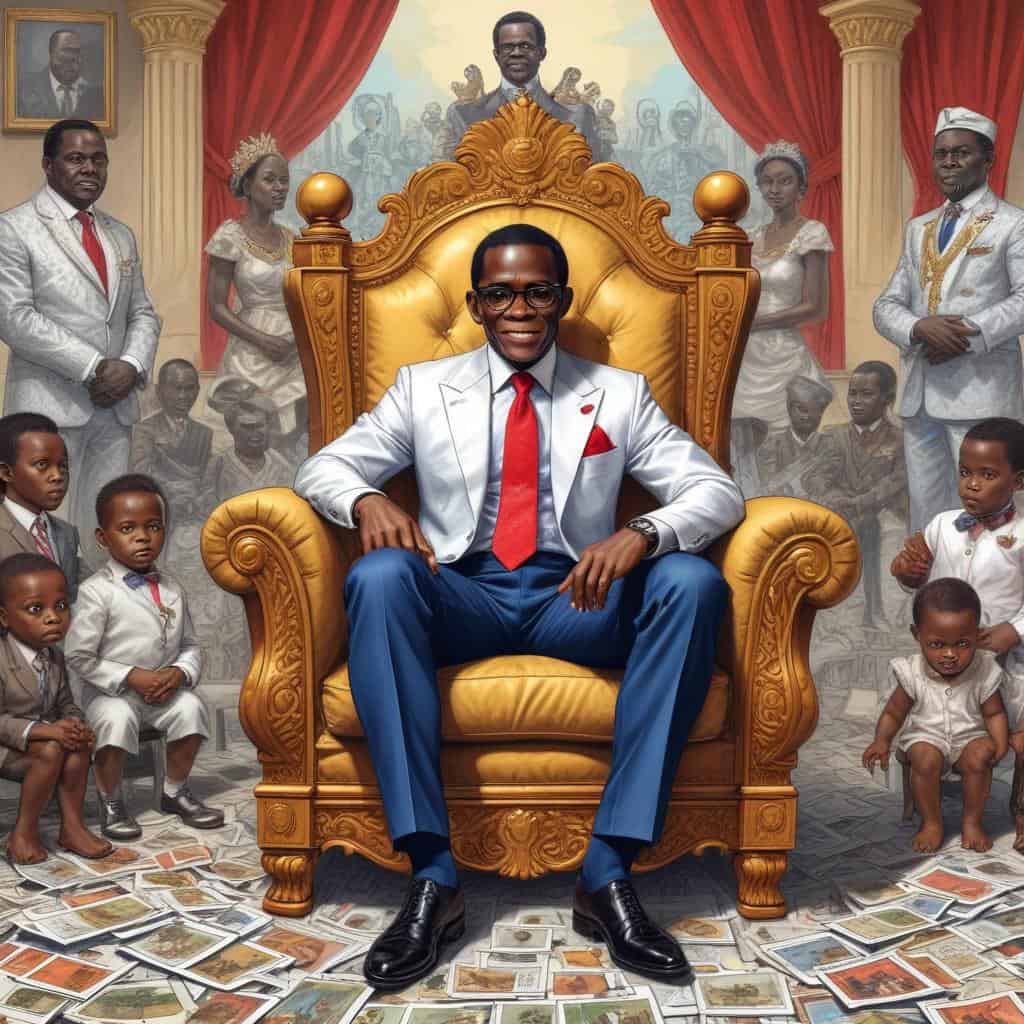
Teodoro Obiang Nguema Mbasogo
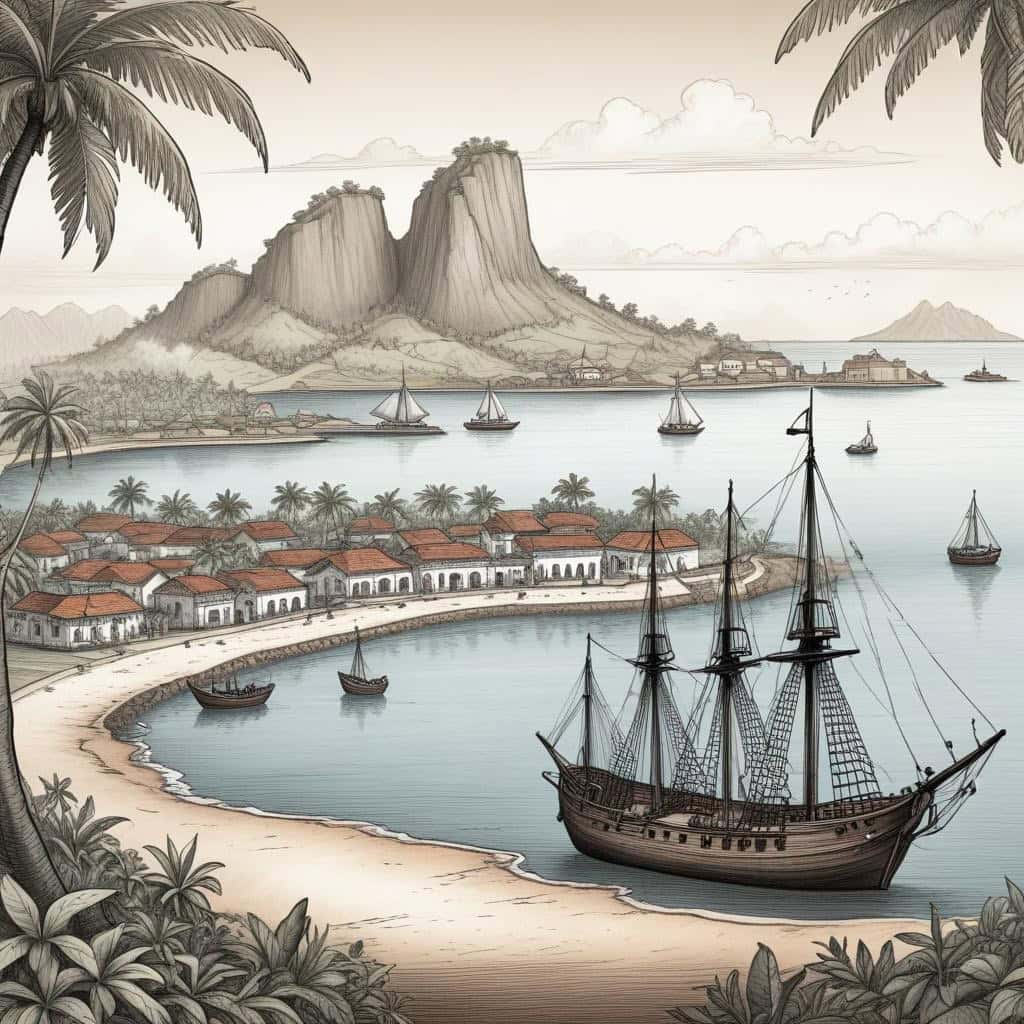
Fernando Pó
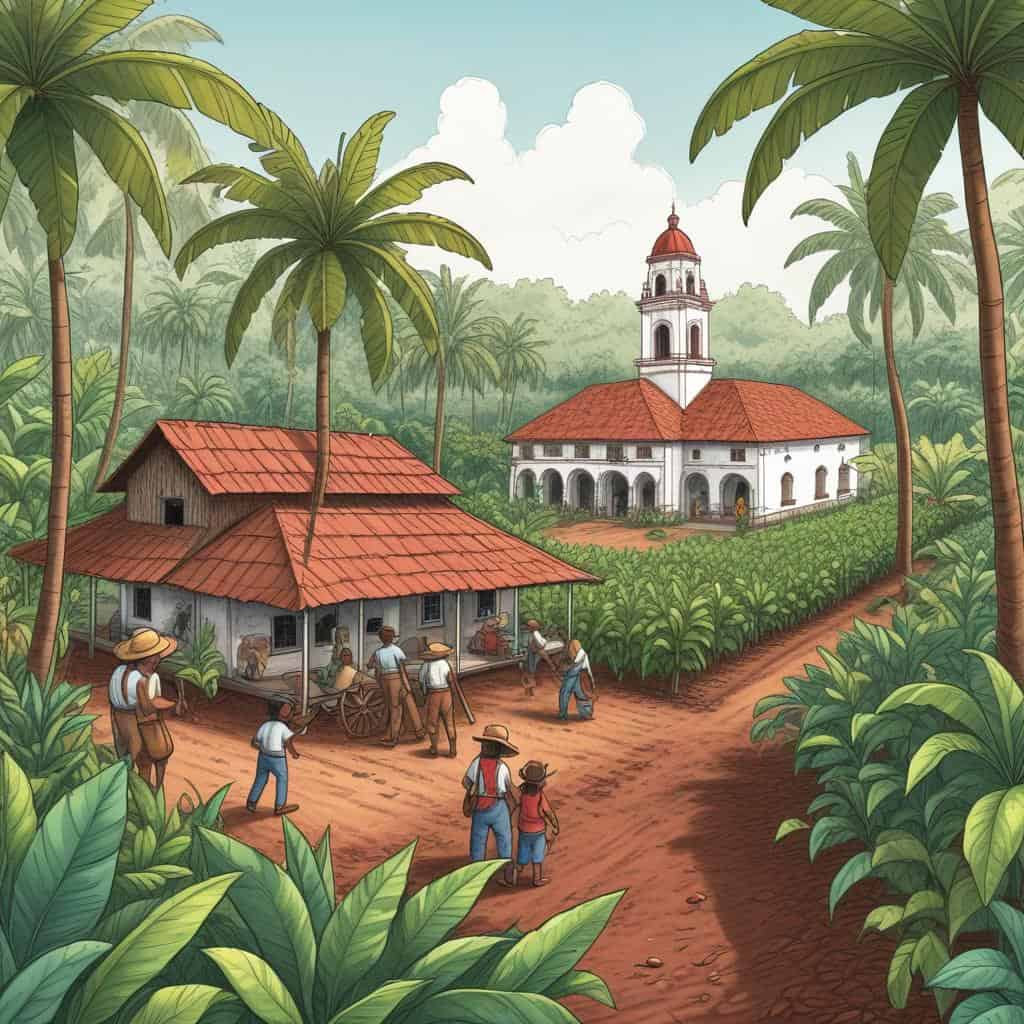
Río Muni
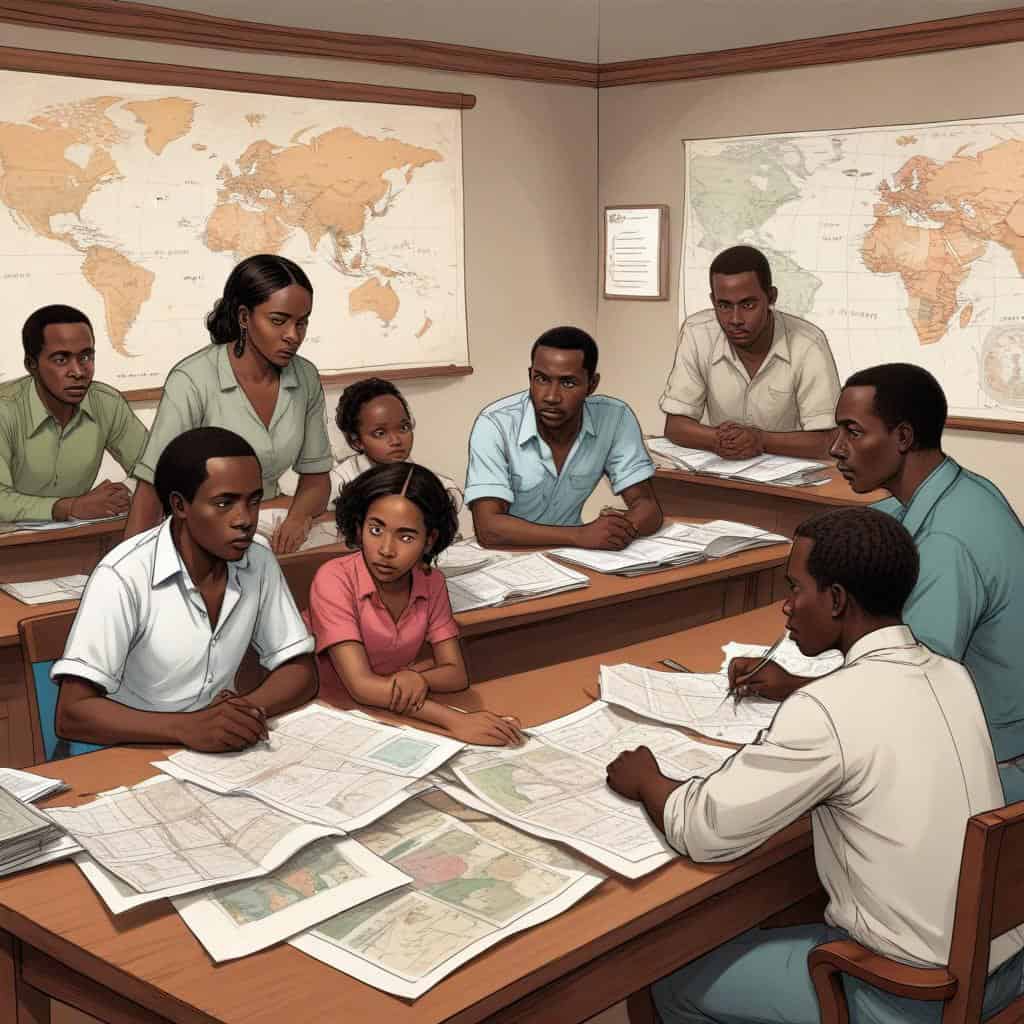
Colonial Administrators
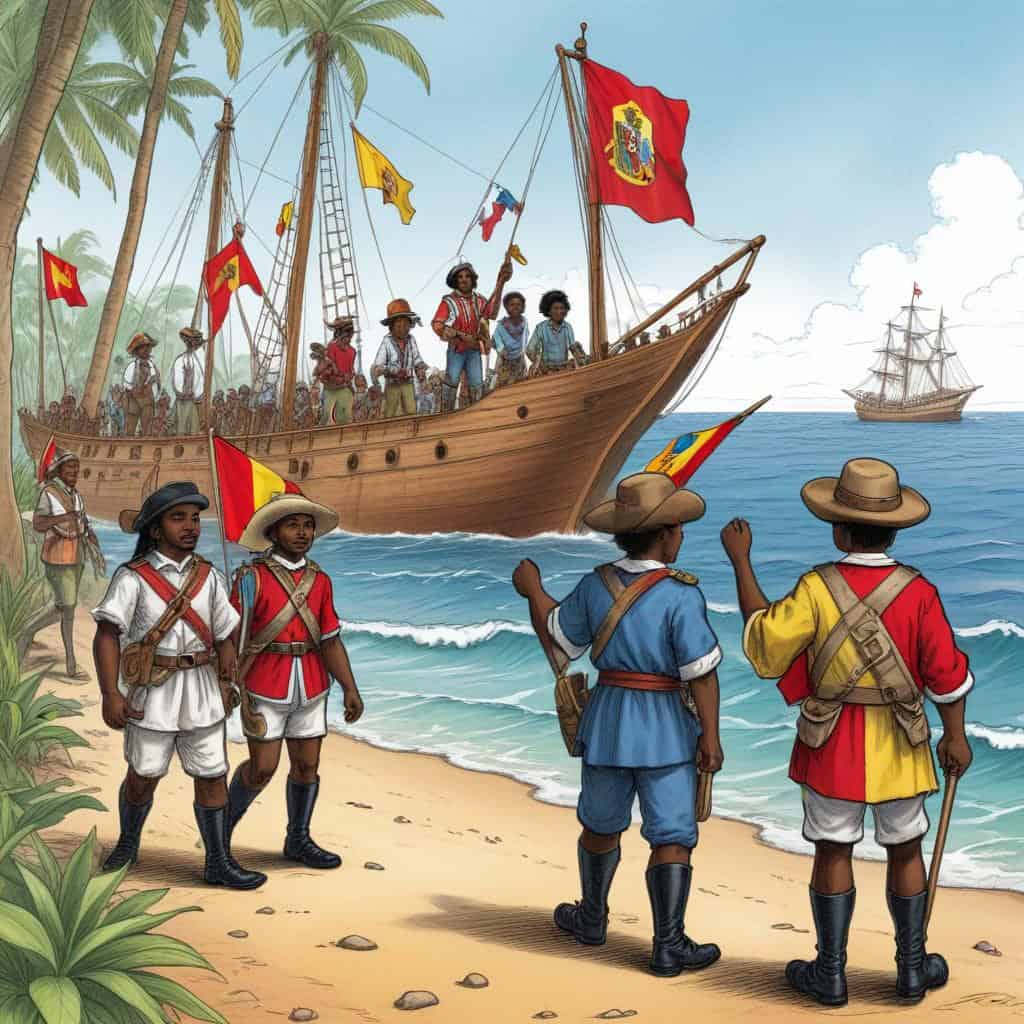
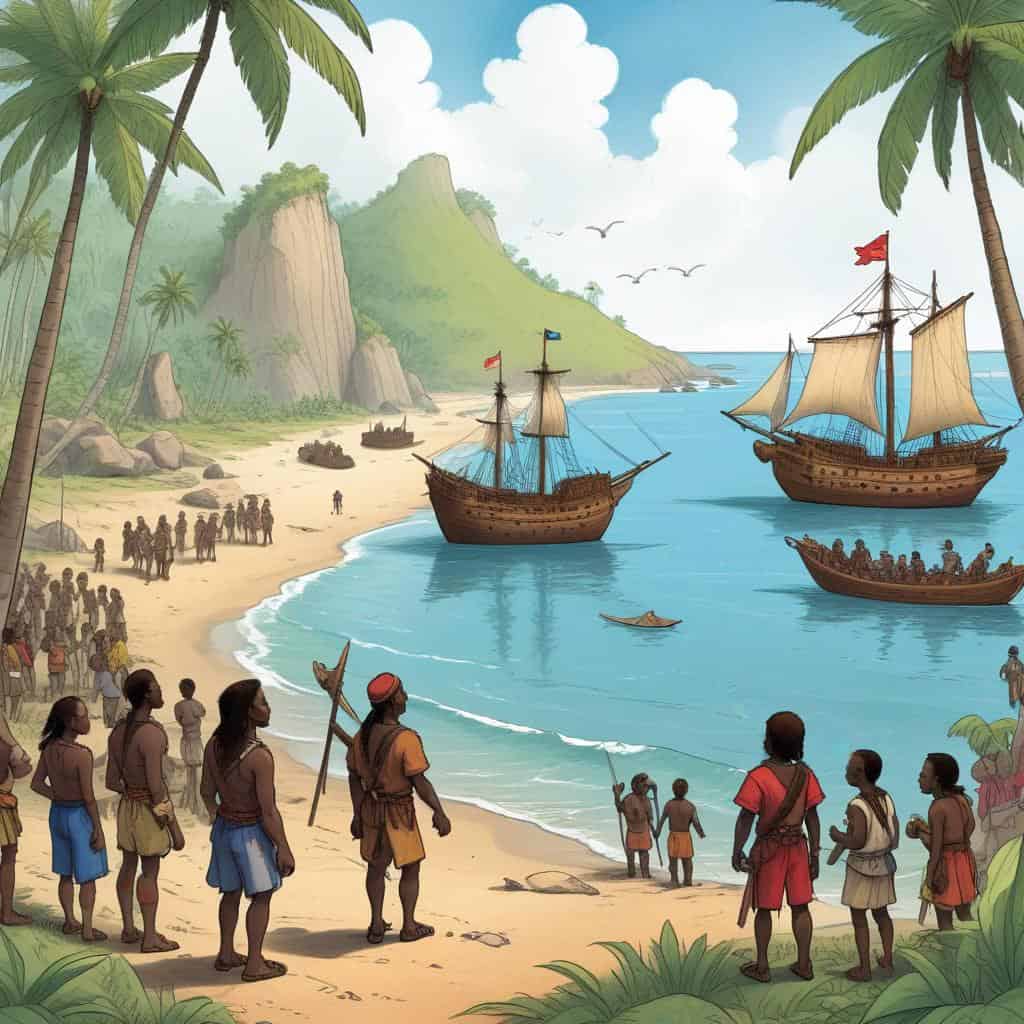
The Arrival of the Spanish Explorers
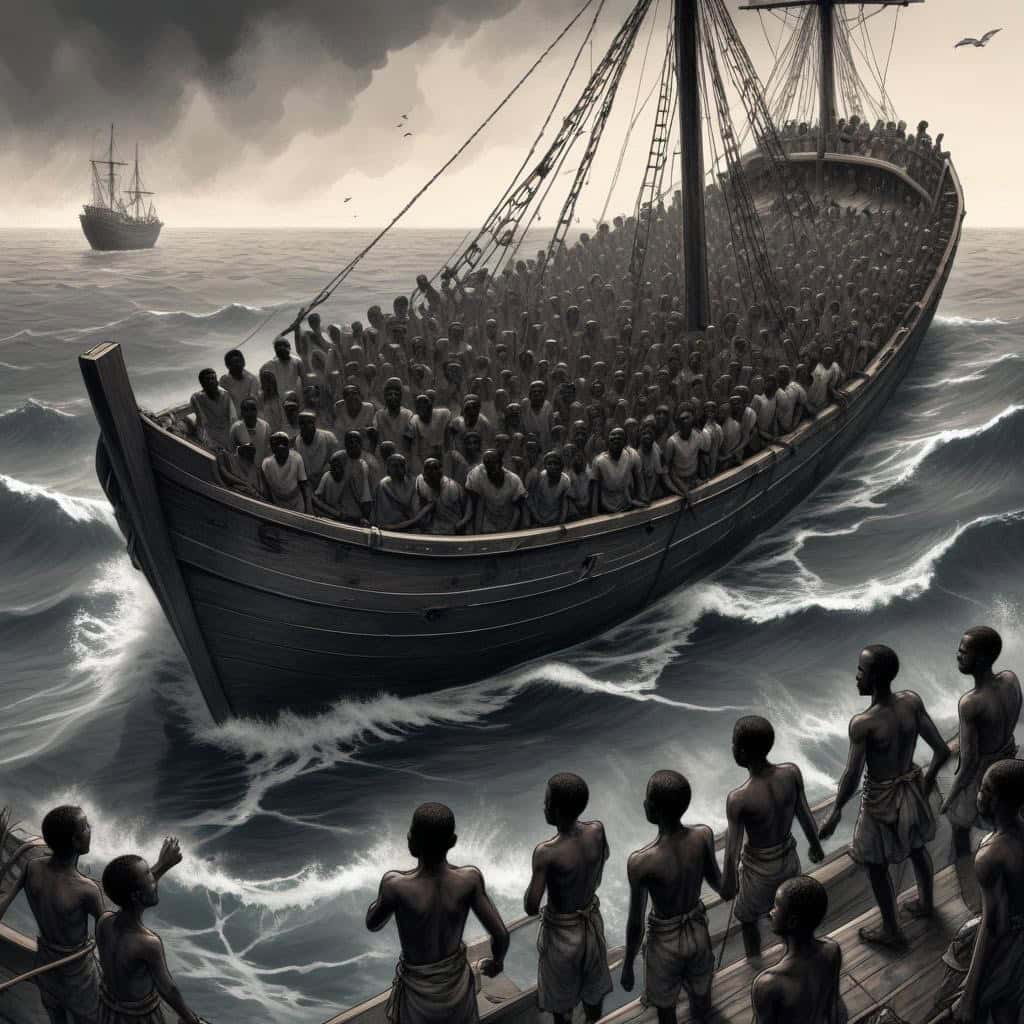
The Slave Trade

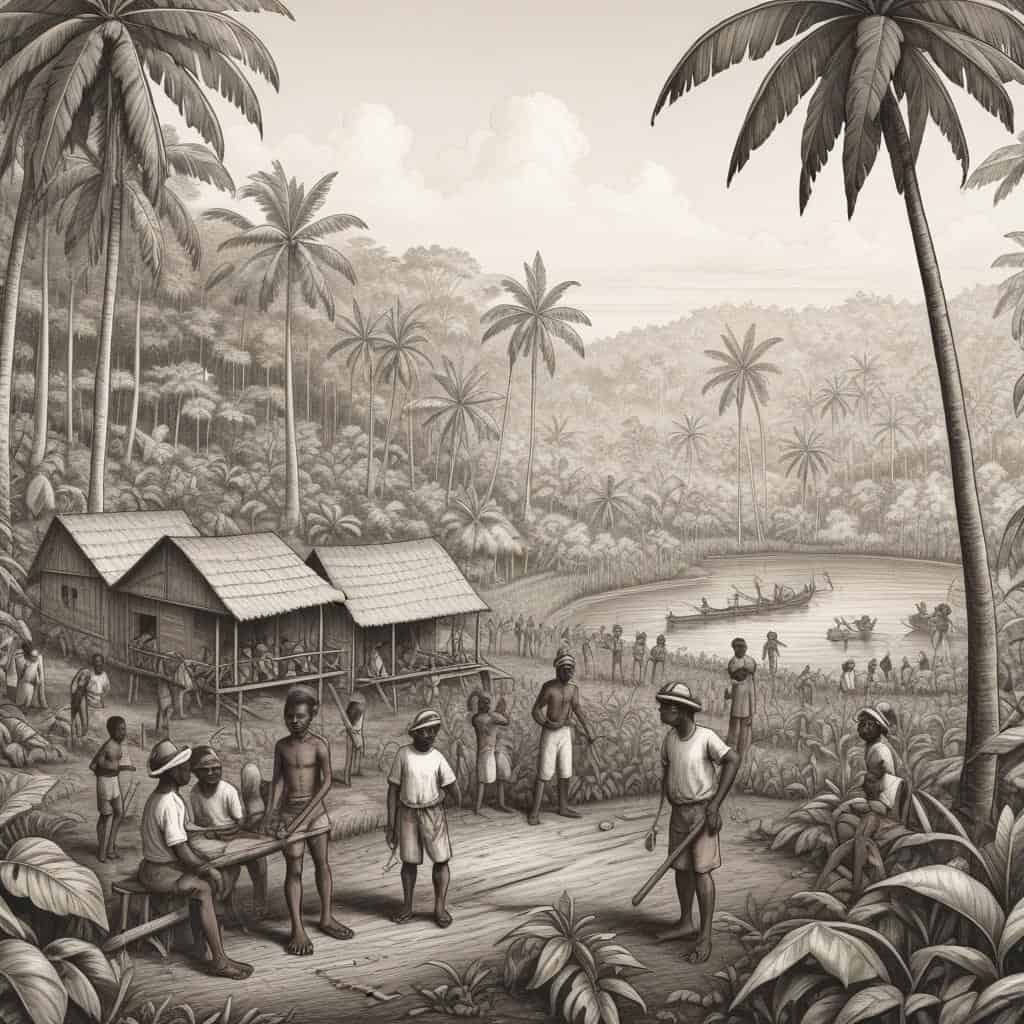
Spanish Colonial Rule
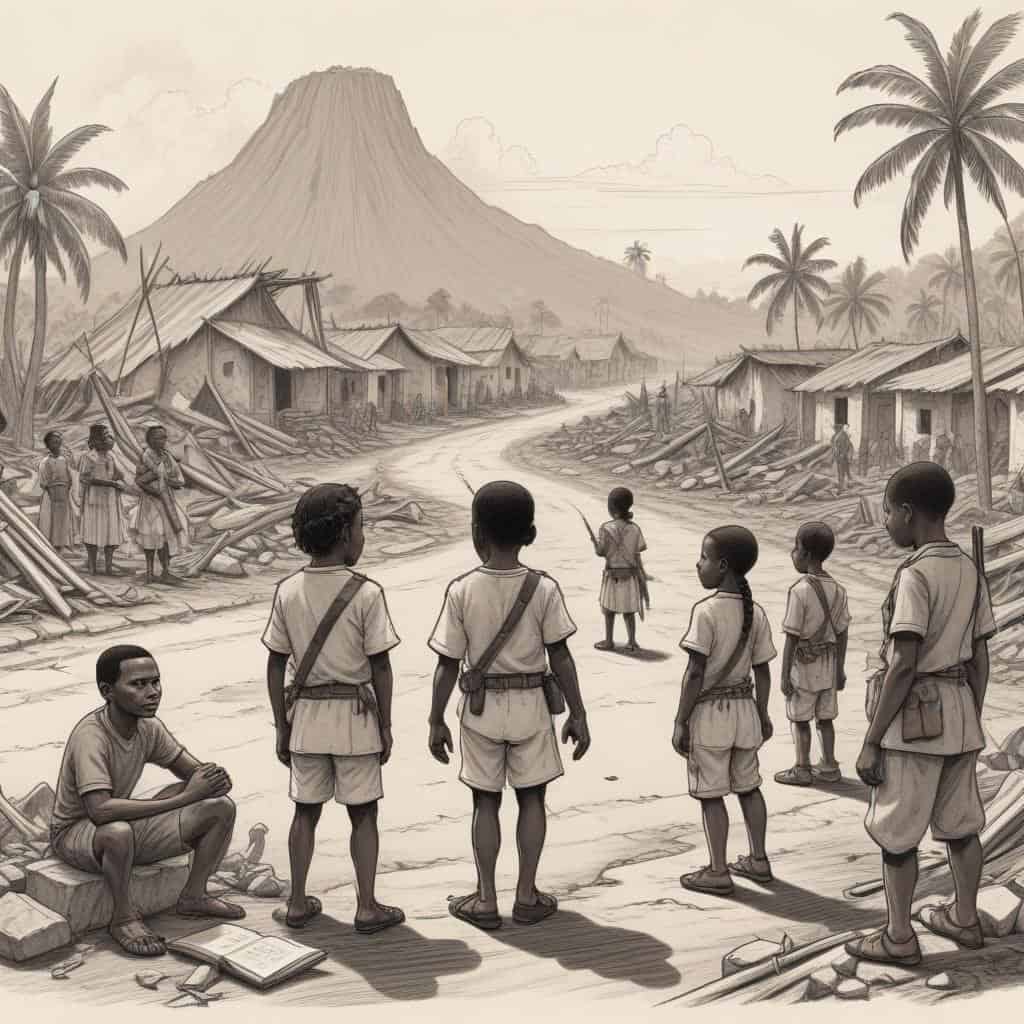
The Impact of Colonialism
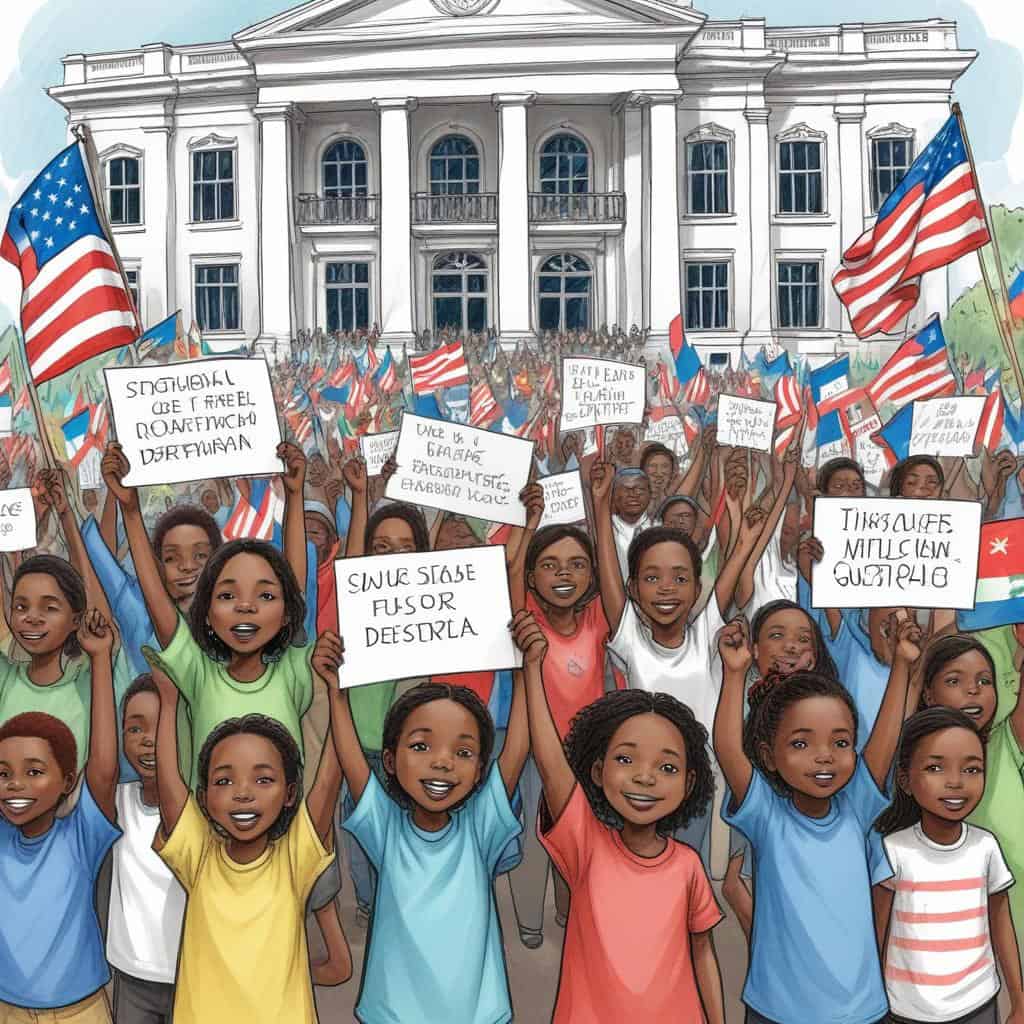
The Struggle for Independence
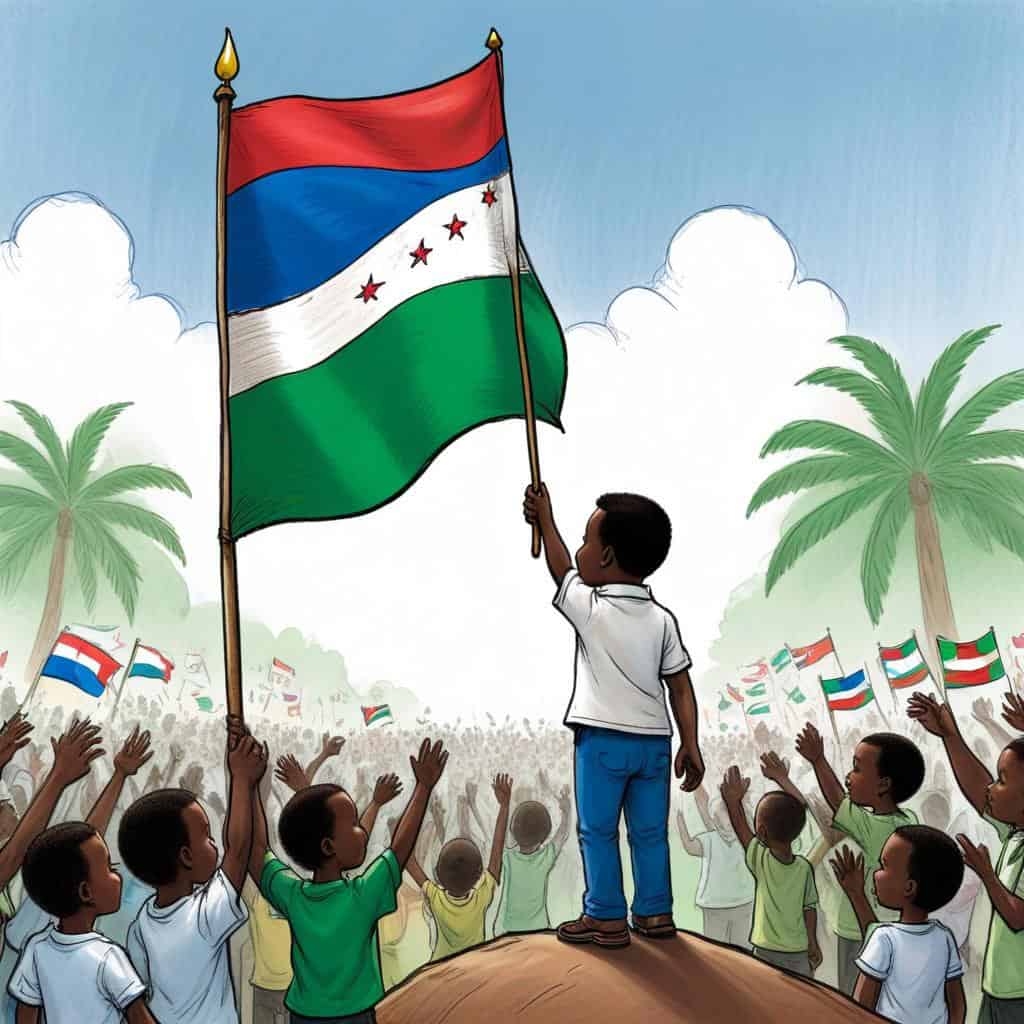
Independence and Post-Colonial Challenges

Political Turmoil and Dictatorship

Oil Discovery and Economic Growth
International Criticism and Human Rights Abuses
The Legacy of Spanish Colonization
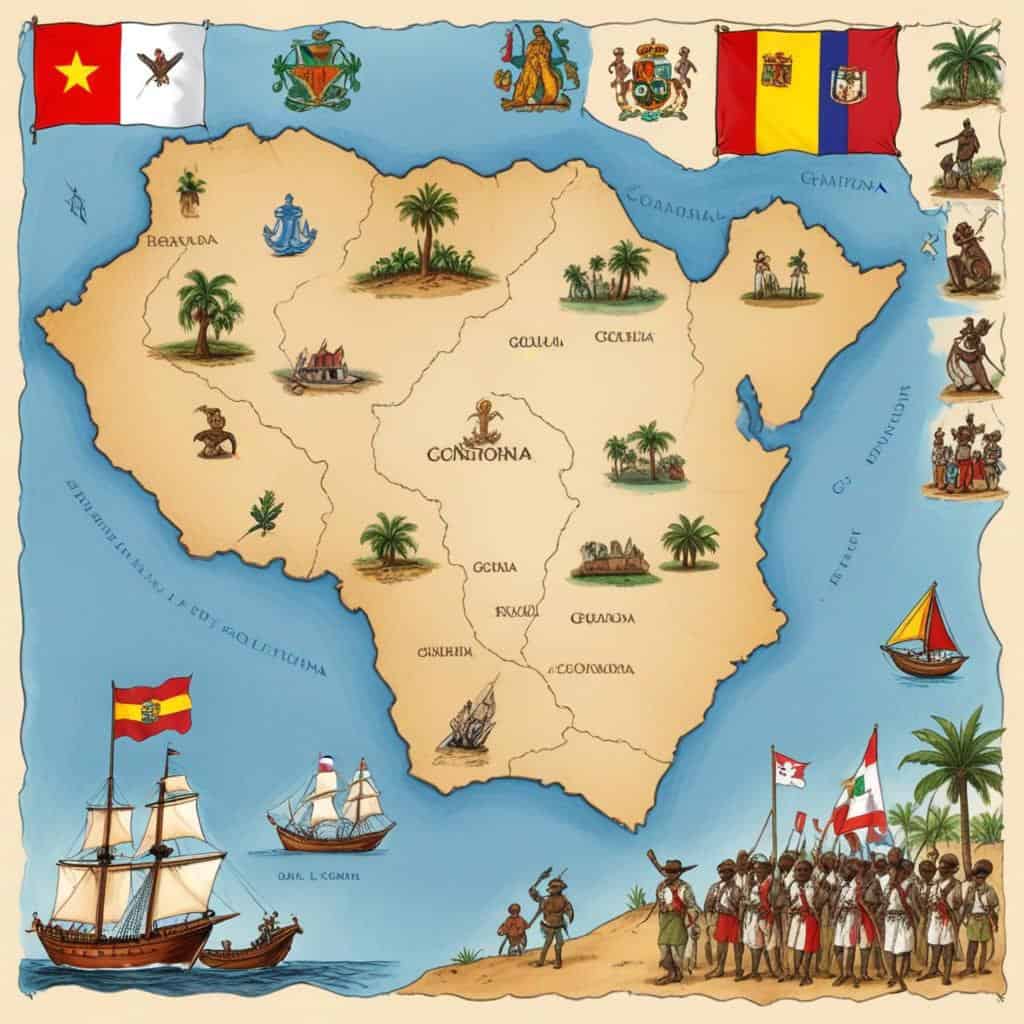
Lesson Details & Resources
In a Nutshell
- What: Spanish colonization of Equatorial Guinea
- When: 1478-1968
- Who: Spanish explorers, colonial administrators, indigenous peoples
- Outcome: Establishment of Spanish rule, exploitation of resources, cultural impact
Famous Figures in the Spanish colonization of Equatorial Guinea
-
Fernando Poo
Fernando Poo was a Spanish explorer who discovered the island that now bears his name in Equatorial Guinea.
-
Francisco Macías Nguema
Francisco Macías Nguema was the first President of Equatorial Guinea after gaining independence from Spain in 1968.
-
Teodoro Obiang Nguema Mbasogo
Teodoro Obiang Nguema Mbasogo has been the President of Equatorial Guinea since 1979, following a military coup.
-
Manuel Iradier
Manuel Iradier was a Spanish explorer and geographer who conducted research in Equatorial Guinea during the colonial period.
-
Clara Campoamor
Clara Campoamor was a Spanish politician and feminist who advocated for women's rights, including in the Spanish colonies.
Timeline of Spanish colonization of Equatorial Guinea
First European contact with Equatorial Guinea by Portuguese explorers
Spanish explorer Fernández de Oviedo visits the region
Spanish colonization of Bioko Island
Creation of the Spanish colony of Spanish Guinea
Spanish Guinea becomes a Spanish province
Discovery of oil reserves in Equatorial Guinea
Equatorial Guinea granted limited autonomy by Spain
Equatorial Guinea gains independence from Spain
Francisco Macías Nguema becomes the first President of Equatorial Guinea
Macías Nguema declares himself President for life
Macías Nguema launches a campaign of terror and repression
Macías Nguema overthrown in a military coup
Teodoro Obiang Nguema Mbasogo becomes President of Equatorial Guinea
Equatorial Guinea becomes a one-party state under Obiang's rule
Equatorial Guinea discovers vast oil reserves
Equatorial Guinea becomes one of the largest oil producers in Sub-Saharan Africa
Human rights abuses and corruption under Obiang's regime
Equatorial Guinea joins the Community of Portuguese Language Countries
Equatorial Guinea elected to the United Nations Security Council
Equatorial Guinea celebrates 50 years of independence
Vocabulary List
- Exploration
- The Spanish began their exploration of Equatorial Guinea in the late 15th century.
- Conquest
- The conquest of Equatorial Guinea by the Spanish began in the 18th century.
- Colonization
- Spanish colonization of Equatorial Guinea lasted for nearly 500 years.
- Enslave
- The Spanish enslaved many Africans in Equatorial Guinea to work on plantations.
- Exploitation
- The Spanish engaged in the exploitation of natural resources in Equatorial Guinea.
- Missionary
- Spanish missionaries played a significant role in converting the indigenous population to Christianity.
- Independence
- Equatorial Guinea gained independence from Spain in 1968.
- Cultural assimilation
- The Spanish imposed their language and culture on the people of Equatorial Guinea.
- Resistance
- There were several instances of resistance by the indigenous population against Spanish rule.
- Legacy
- The legacy of Spanish colonization can still be seen in Equatorial Guinea today.
Key Facts
This is the information used in the fact matching game
- Equatorial Guinea was colonized by Spain in 1478, making it one of the oldest colonies in Africa.
- Spanish colonization of Equatorial Guinea began with the arrival of Portuguese explorers in the late 15th century.
- The Spanish established trading posts and missions in Equatorial Guinea to exploit the region's resources, including ivory and slaves.
- For centuries, Equatorial Guinea was a key hub in the transatlantic slave trade, with thousands of Africans being shipped to the Americas as slaves.
- Spain ruled Equatorial Guinea as a colony until it gained independence in 1968.
- Spanish colonial rule in Equatorial Guinea was marked by brutal repression and exploitation of the local population.
- During the colonial period, the Spanish forced many Equatorial Guineans to work on plantations and in mines under harsh conditions.
- The Spanish also imposed their language and culture on the local population, leading to the decline of indigenous languages and traditions.
- Under Spanish rule, Equatorial Guinea's economy was based on cash crops like cocoa, coffee, and palm oil, which were exported to Spain.
- The Spanish introduced Catholicism to Equatorial Guinea, converting many of the indigenous people to Christianity.
- Equatorial Guinea was one of the last African colonies to gain independence from European rule.
- Following independence in 1968, Equatorial Guinea experienced political instability and human rights abuses under a series of authoritarian rulers.
- The legacy of Spanish colonization continues to impact Equatorial Guinea today, with deep social and economic inequalities persisting in the country.
- Spanish influence can still be seen in Equatorial Guinea's architecture, language, and cuisine.
- Equatorial Guinea's official language, Spanish, is a remnant of the country's colonial past.
- The Spanish introduced modern infrastructure, such as roads, schools, and hospitals, to Equatorial Guinea during the colonial period.
- Spanish colonization had a devastating impact on the indigenous Bantu tribes of Equatorial Guinea, leading to the near extinction of some groups.
- Spain's control over Equatorial Guinea waned in the mid-20th century, as anti-colonial movements gained momentum in Africa.
- Equatorial Guinea's economy remains heavily dependent on oil, a legacy of the country's colonial past.
- The Spanish colonial period in Equatorial Guinea left a lasting impact on the country's political, social, and economic development.
Analysis & Significance
Immediate Consequences
The Spanish colonization of Equatorial Guinea in 1478 led to immediate consequences such as the exploitation of resources, forced labor, and the introduction of Spanish language and culture. This colonization also resulted in the displacement and mistreatment of the indigenous population, leading to social unrest and resistance.
Long-Term Impact
The long-term impact of Spanish colonization on Equatorial Guinea includes the lasting influence of Spanish language and culture, the establishment of a hierarchical social structure, and the economic dependence on colonial powers. This period also laid the foundation for political instability and corruption that continues to affect the country today.
Cultural Significance Today
The legacy of Spanish colonization in Equatorial Guinea is still evident in the country’s language, religion, and architecture. It also influences contemporary issues such as political corruption, economic inequality, and social discrimination. Understanding this history is crucial for addressing the challenges faced by Equatorial Guinea and ensuring a more equitable and inclusive future for its people.
Spanish colonization of Equatorial Guinea Games


Take Your Learning Offline
Want a convenient, print-ready study guide for this lesson? Become a Memory Wizards Pro member to unlock the downloadable " Memory Scrolls" for this topic and our entire library!
- ✓ Complete Vocabulary Lists
- ✓ Key Facts & Timelines
- ✓ Beautifully Formatted for Print & Mobile