
Summary of Scramble for Africa (1884-1885)
Uncover the hidden powers at play during Africa's colonization frenzy.
How Do You Learn Best?
Learn by Reading
Immerse yourself in the 10-minute visual lesson for a comprehensive understanding of the topic.
Learn by Reviewing
Jump directly to the key facts, timeline, and vocabulary lists to build a solid foundation of details.
Learn by Doing
Challenge yourself! Jump straight into the interactive games to learn by trial, error, and discovery.
Scramble for Africa in 10 Minutes
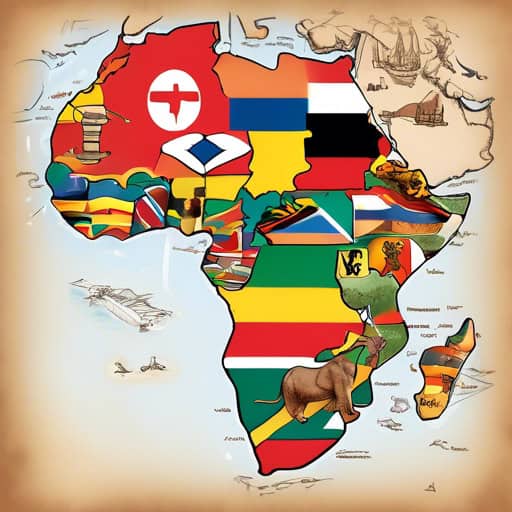
Introduction
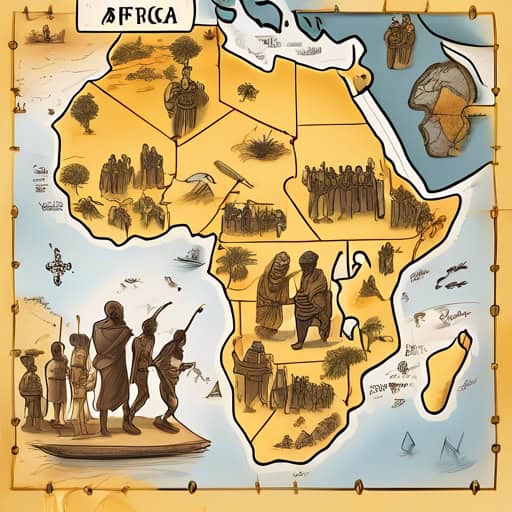
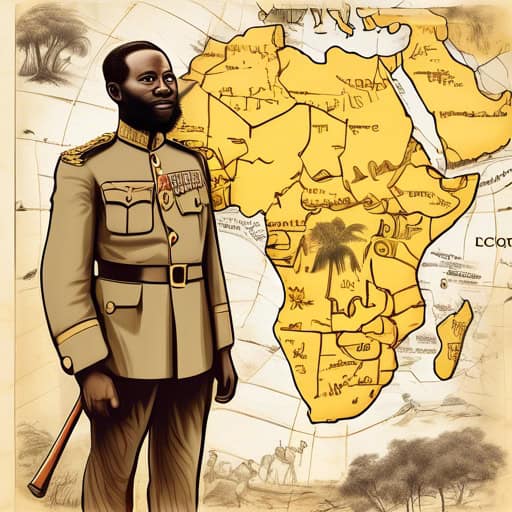
King Leopold II of Belgium
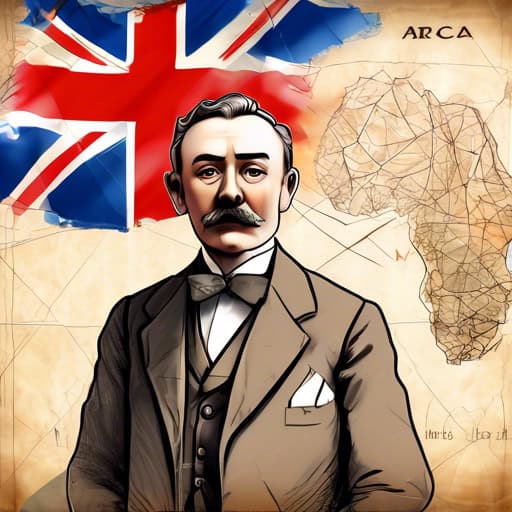
Cecil Rhodes
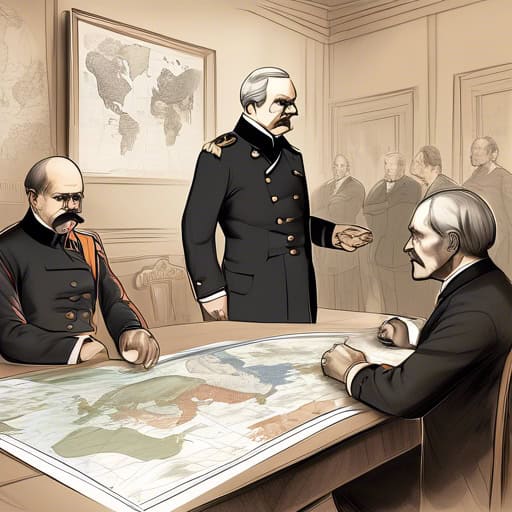
Otto von Bismarck
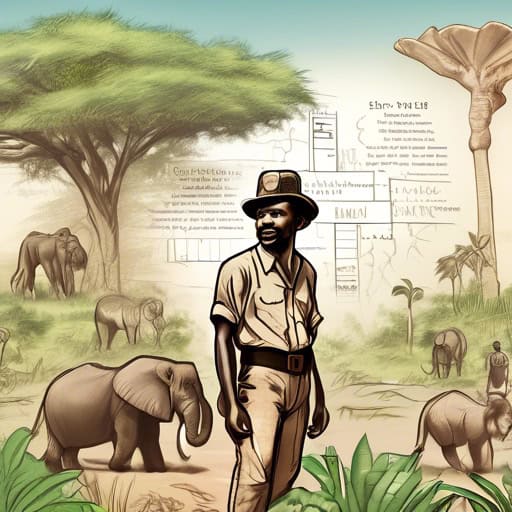
David Livingstone
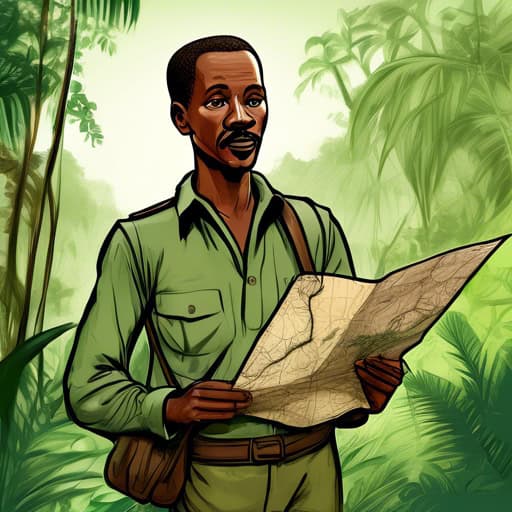
Henry Morton Stanley

The Berlin Conference

The Scramble for Africa Begins
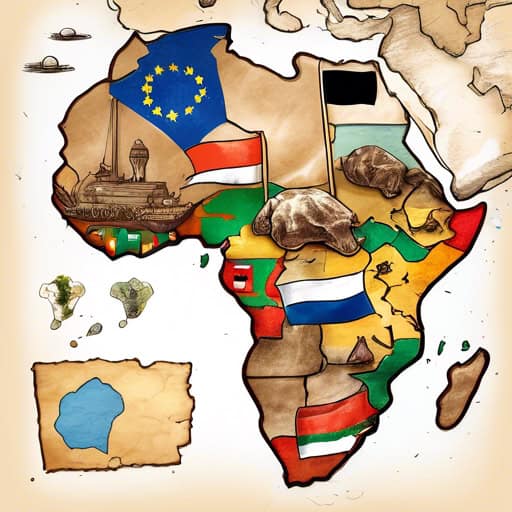
Competition for Resources
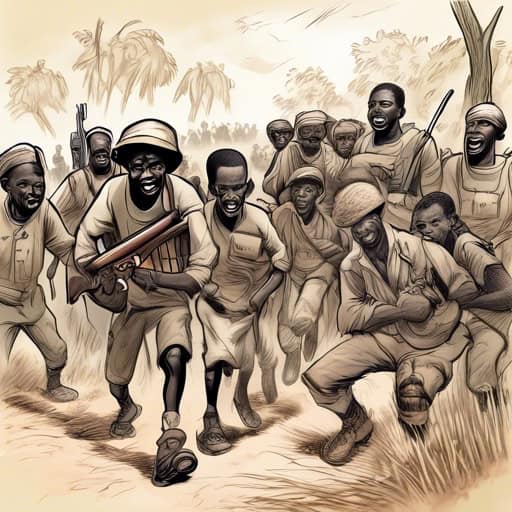
Violence and Oppression
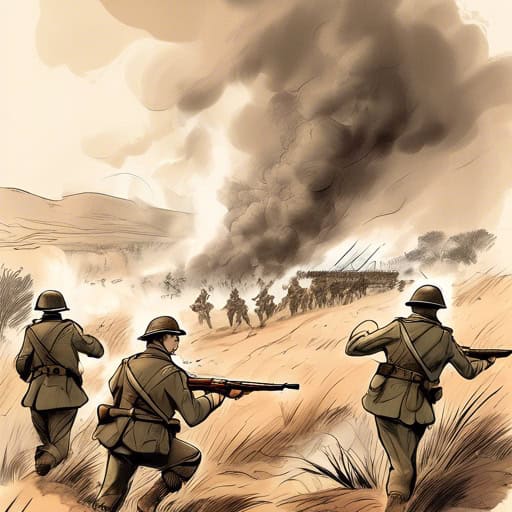
The Boer Wars

Resistance and Rebellion

Division of Africa

The Scramble for Africa Ends

Legacy of Colonization

Reflection and Reconciliation
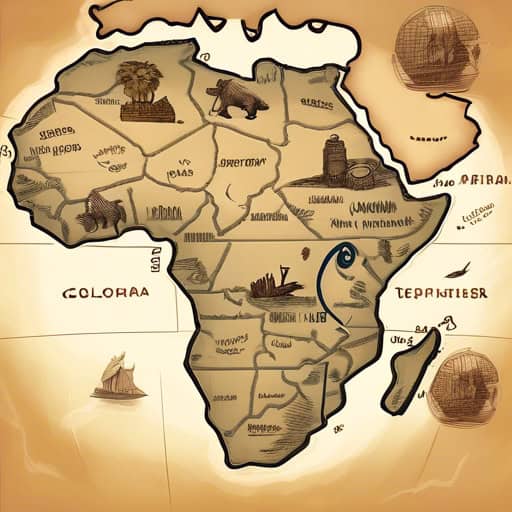
Lesson Details & Resources
In a Nutshell
- What: The division and colonization of Africa by European powers.
- When: 1884-1885
- Who: European countries such as Britain, France, Germany, Belgium, and Portugal. African kingdoms and tribes.
- Outcome: European powers gained control over most of Africa, leading to exploitation, colonization, and the imposition of colonial rule.
Famous Figures in the Scramble for Africa
-
Cecil Rhodes
Cecil Rhodes was a British businessman and politician who played a key role in the colonization of Southern Africa.
-
Leopold II of Belgium
Leopold II of Belgium was the king of Belgium who controlled the Congo Free State, exploiting its resources for personal gain.
-
Otto von Bismarck
Otto von Bismarck was the Chancellor of Germany who organized the Berlin Conference, which formalized the rules for the colonization of Africa.
-
David Livingstone
David Livingstone was a Scottish explorer and missionary who explored much of Central Africa and advocated for the abolition of the slave trade.
-
Henry Morton Stanley
Henry Morton Stanley was a Welsh-American explorer who famously found Livingstone in Africa and later undertook further expeditions in the region.
Timeline of Scramble for Africa
Berlin Conference begins to regulate European colonization and trade in Africa
Berlin Conference concludes with the signing of the General Act of the Conference
France establishes a protectorate over Tunisia
France colonizes Madagascar
Belgium claims the Congo Free State under King Leopold II
Italy invades and conquers Eritrea
British South Africa Company is granted a royal charter to colonize present-day Zimbabwe
Germany declares Togoland a protectorate
France establishes a protectorate over Niger
British establish a protectorate over Uganda
Portugal claims Mozambique as a colony
Italy claims Libya as a colony
Belgium annexes Rwanda and Burundi
Germany loses colonies in Africa after World War I
Egypt becomes a British protectorate
Spain loses control of its colonies in Africa
Namibia gains independence from South Africa
Eritrea gains independence from Ethiopia
South Sudan gains independence from Sudan
Vocabulary List
- Imperialism
- The Scramble for Africa was driven by European countries' desire for imperialism and expansion.
- Colonization
- European powers engaged in colonization in Africa during the late 19th century.
- Partition
- The Berlin Conference of 1884-1885 led to the partitioning of Africa among European powers.
- Nationalism
- The competition for African territories fueled nationalist sentiments in Europe.
- Exploitation
- European powers exploited African resources and labor during the Scramble for Africa.
- Resistance
- Africans put up resistance against European colonization and imperialism.
- Sphere of Influence
- European powers established spheres of influence in Africa to control trade and resources.
- Missionaries
- Christian missionaries played a role in European colonization by converting Africans to Christianity.
- Ethnic tensions
- The arbitrary borders created during the Scramble for Africa led to ethnic tensions and conflicts.
- Legacy
- The Scramble for Africa left a lasting legacy of colonialism and exploitation on the continent.
Key Facts
This is the information used in the fact matching game
- The Scramble for Africa was a period of intense European colonization and imperialistic expansion in Africa from 1884 to 1885.
- The Berlin Conference of 1884-1885 was a meeting of European powers to establish rules for the colonization of Africa.
- The conference resulted in the partitioning of Africa into territories controlled by European powers.
- Leopold II of Belgium claimed the Congo Free State as his own personal colony at the Berlin Conference.
- France expanded its colonial holdings in Africa through the Scramble for Africa, acquiring territories like Algeria and Madagascar.
- Britain sought to establish a continuous path of territory from Cairo to Cape Town during the Scramble for Africa.
- Germany's colonies in Africa included territories like Togo, Cameroon, and Namibia as a result of the Scramble for Africa.
- Italy gained control of territories in Africa like Eritrea and Somalia during the Scramble for Africa.
- Portugal expanded its colonial empire in Africa, claiming territories like Angola and Mozambique during the Scramble for Africa.
- Spain established colonies in Africa, including territories like Western Sahara and Equatorial Guinea, during the Scramble for Africa.
- The Scramble for Africa led to the exploitation of African resources and the imposition of European political control over indigenous populations.
- The legacy of the Scramble for Africa includes ongoing political and economic challenges in many African countries.
- The Scramble for Africa contributed to the creation of artificial borders that divided ethnic groups and led to conflict in the region.
- European powers used military force and diplomacy to expand their colonial empires in Africa during the Scramble for Africa.
- The Scramble for Africa was driven by the desire for resources, markets, and strategic advantages in the region.
- European powers justified their colonization of Africa by claiming to bring civilization and Christianity to the continent.
- The Scramble for Africa had a profound impact on the demographics, cultures, and political systems of African societies.
- Resistance to European colonization in Africa included armed uprisings, diplomatic negotiations, and political movements.
- The Scramble for Africa set the stage for decolonization movements in the 20th century and the eventual independence of many African nations.
- The effects of the Scramble for Africa are still felt today in the form of economic disparities, political instability, and cultural conflicts in the region.
Analysis & Significance
Immediate Consequences
The Scramble for Africa in 1884-1885 resulted in the rapid colonization and division of the African continent among European powers. This led to immediate conflicts, exploitation of resources, and disruption of existing African societies.
Long-Term Impact
The lasting impact of the Scramble for Africa is evident in the borders that were drawn without regard for ethnic or cultural divisions, leading to ongoing tensions and conflicts in many African countries. The exploitation of resources and imposition of colonial rule also left a legacy of economic and social inequality that continues to shape the region.
Cultural Significance Today
The Scramble for Africa remains a significant chapter in history, highlighting the effects of imperialism and colonialism on a continent and its people. It serves as a reminder of the importance of understanding the complexities of past events in order to navigate the challenges of the present and strive for a more just and equitable future.
Scramble for Africa Games


Take Your Learning Offline
Want a convenient, print-ready study guide for this lesson? Become a Memory Wizards Pro member to unlock the downloadable " Memory Scrolls" for this topic and our entire library!
- ✓ Complete Vocabulary Lists
- ✓ Key Facts & Timelines
- ✓ Beautifully Formatted for Print & Mobile