
Summary of Italian colonization of Libya (1911-1947)
Unveiling the untold history of Italy's legacy in North Africa.
How Do You Learn Best?
Learn by Reading
Immerse yourself in the 10-minute visual lesson for a comprehensive understanding of the topic.
Learn by Reviewing
Jump directly to the key facts, timeline, and vocabulary lists to build a solid foundation of details.
Learn by Doing
Challenge yourself! Jump straight into the interactive games to learn by trial, error, and discovery.
Italian colonization of Libya in 10 Minutes
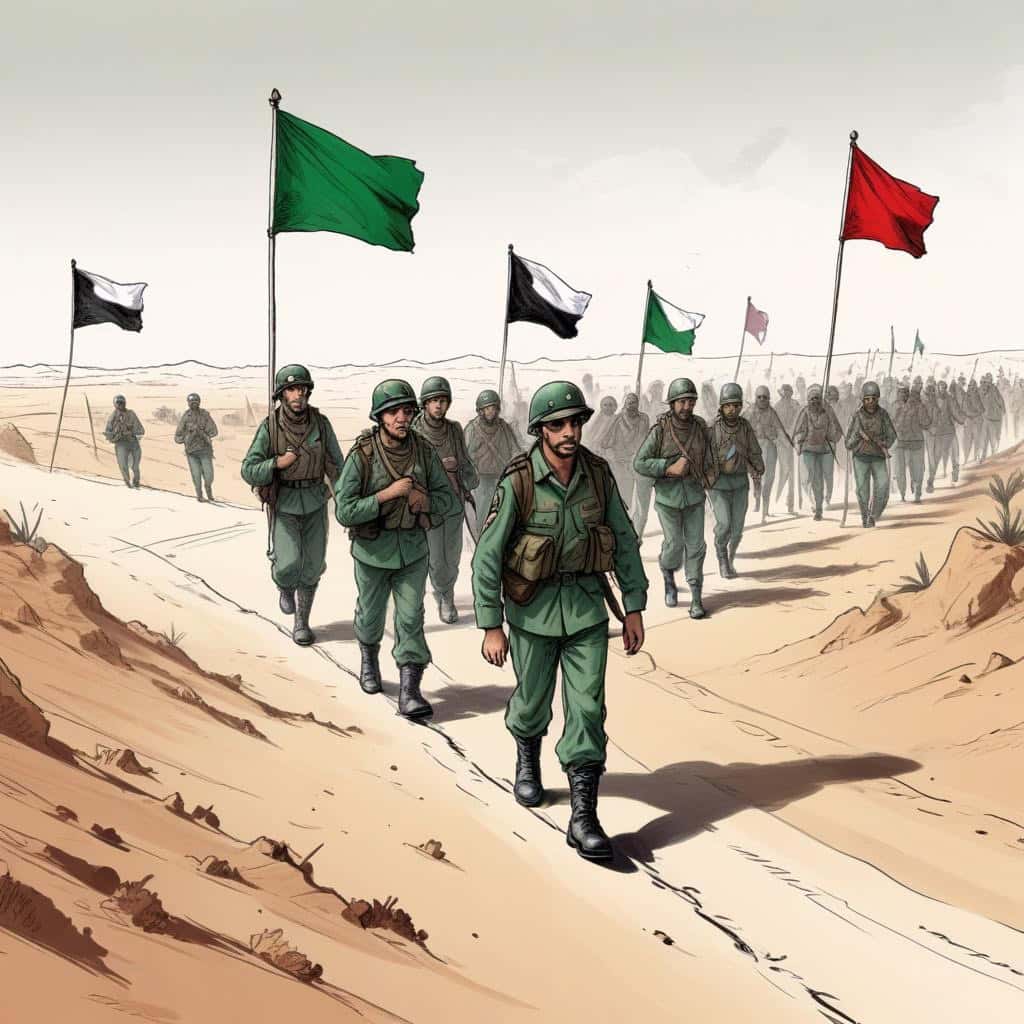
Introduction
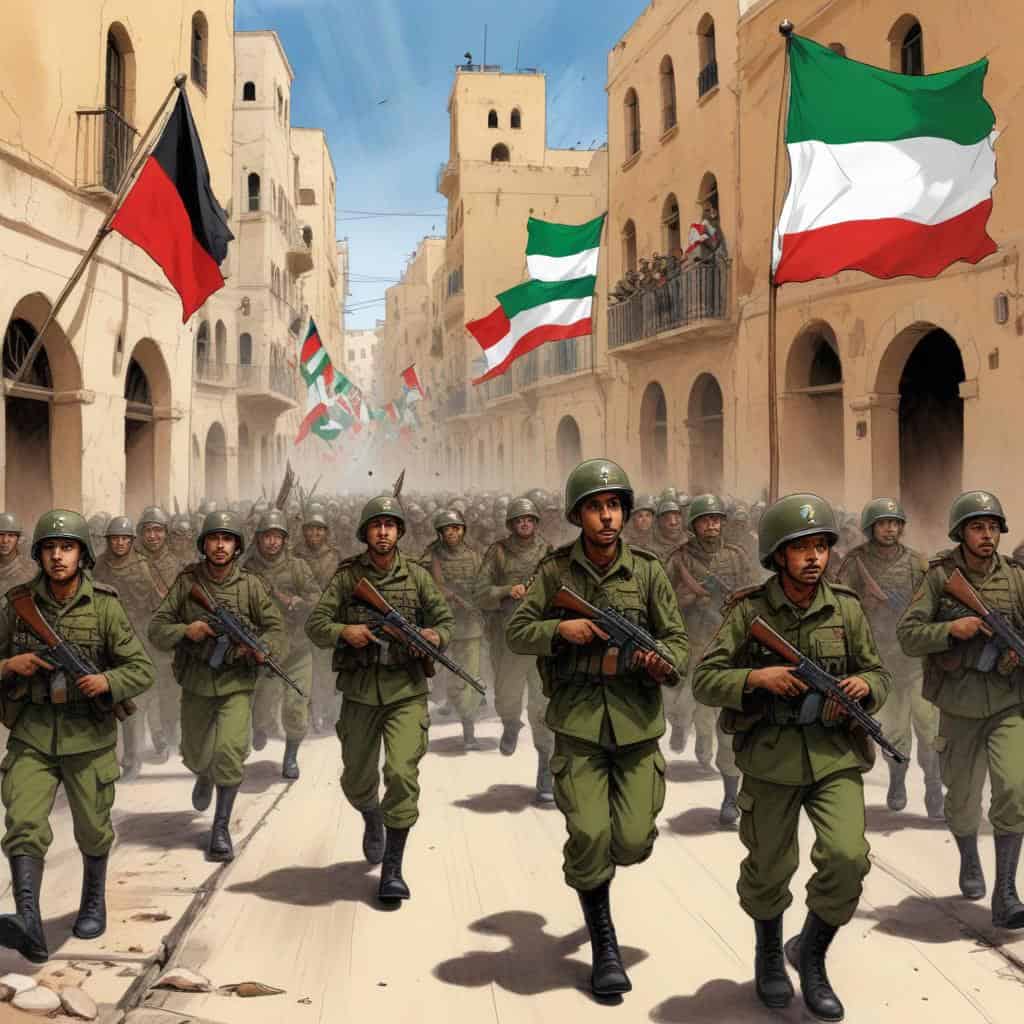
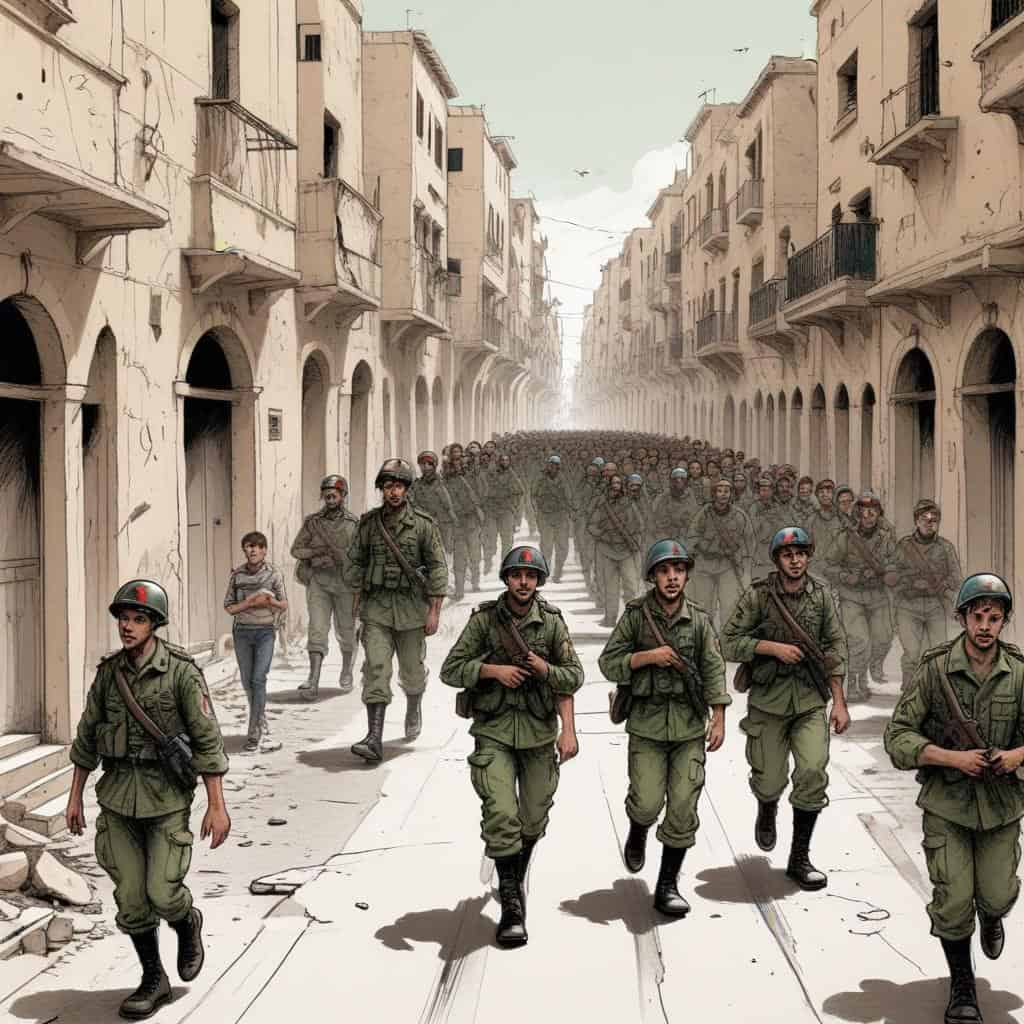
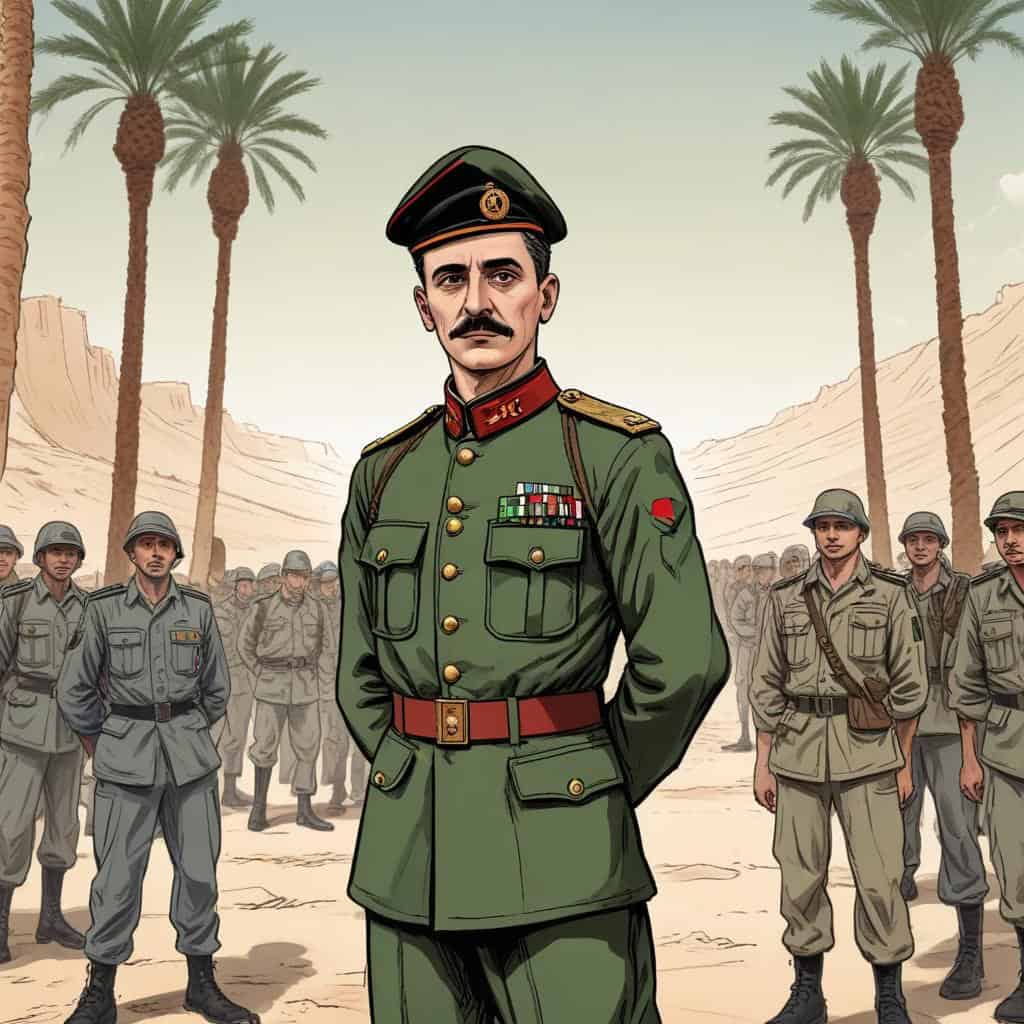
Italo Balbo

Omar Mukhtar
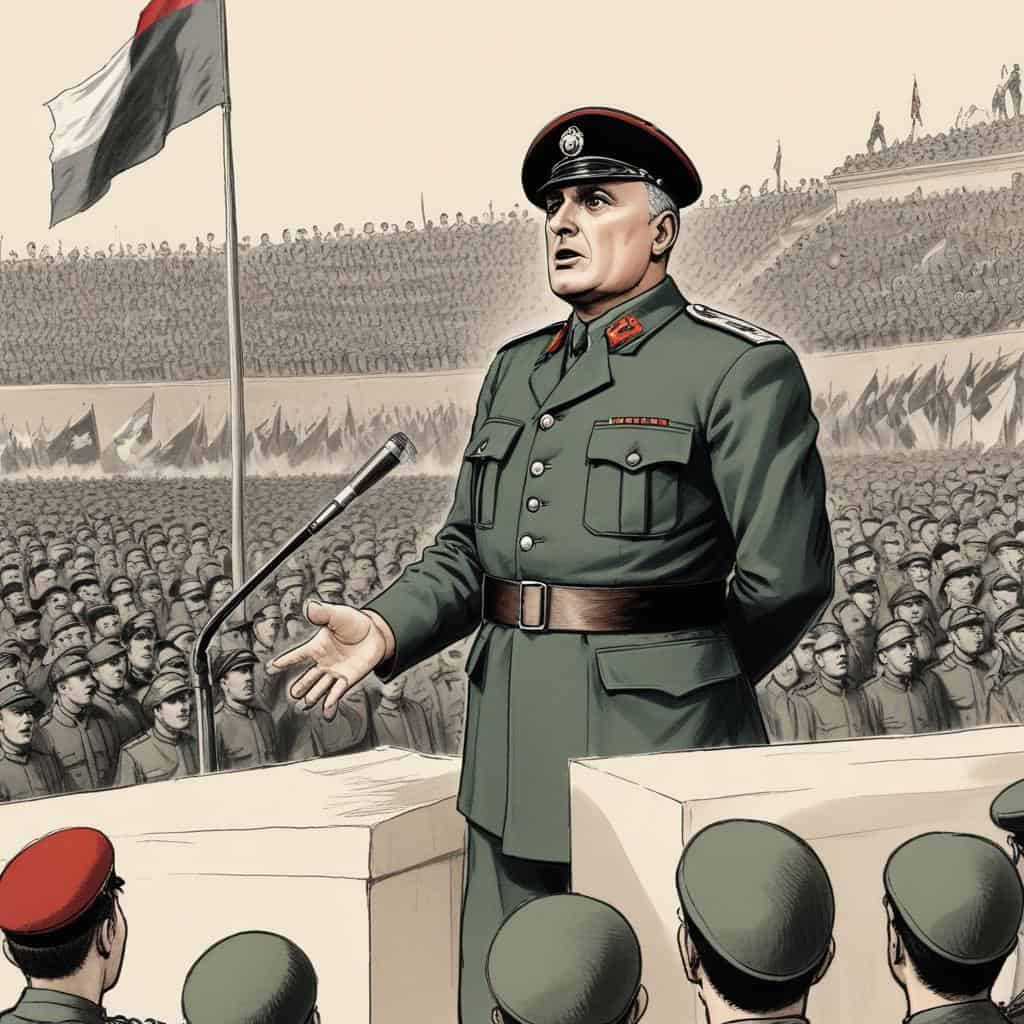
Benito Mussolini
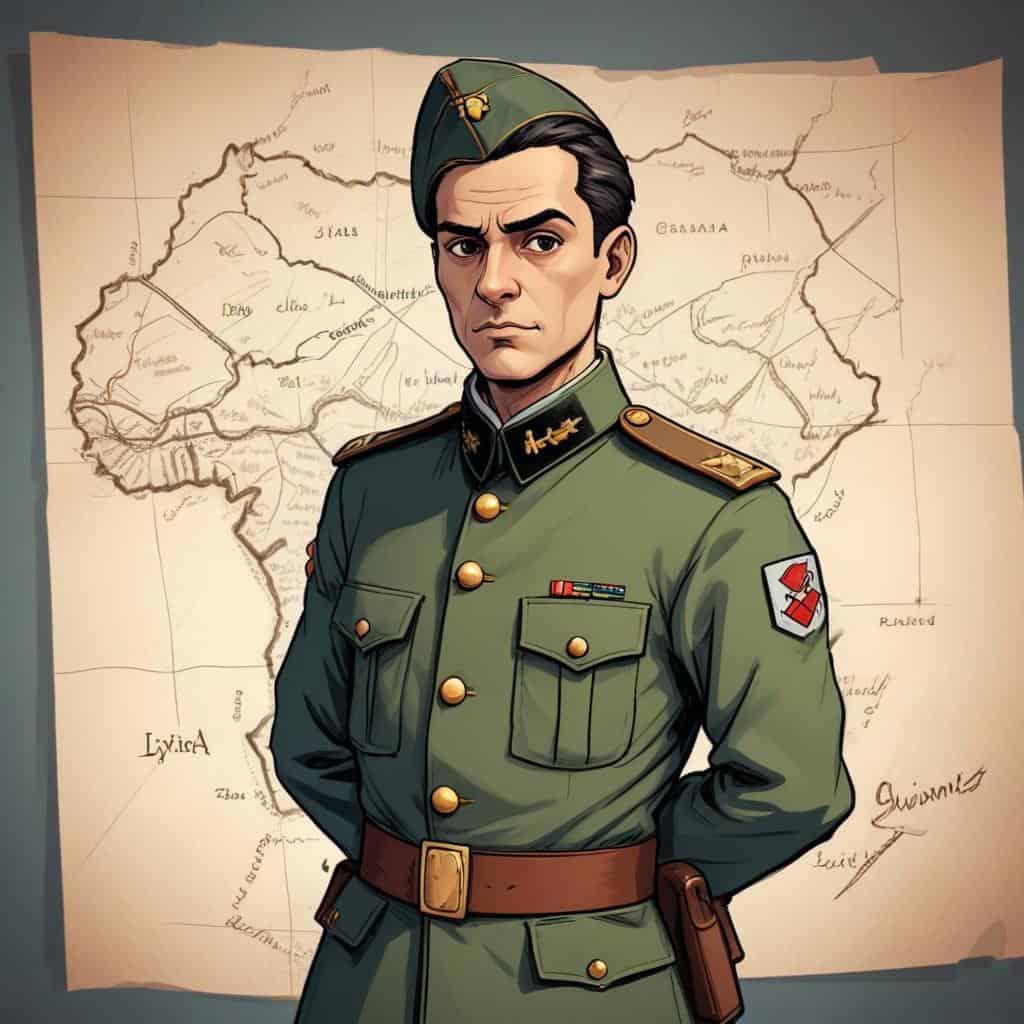
Giovanni Messe
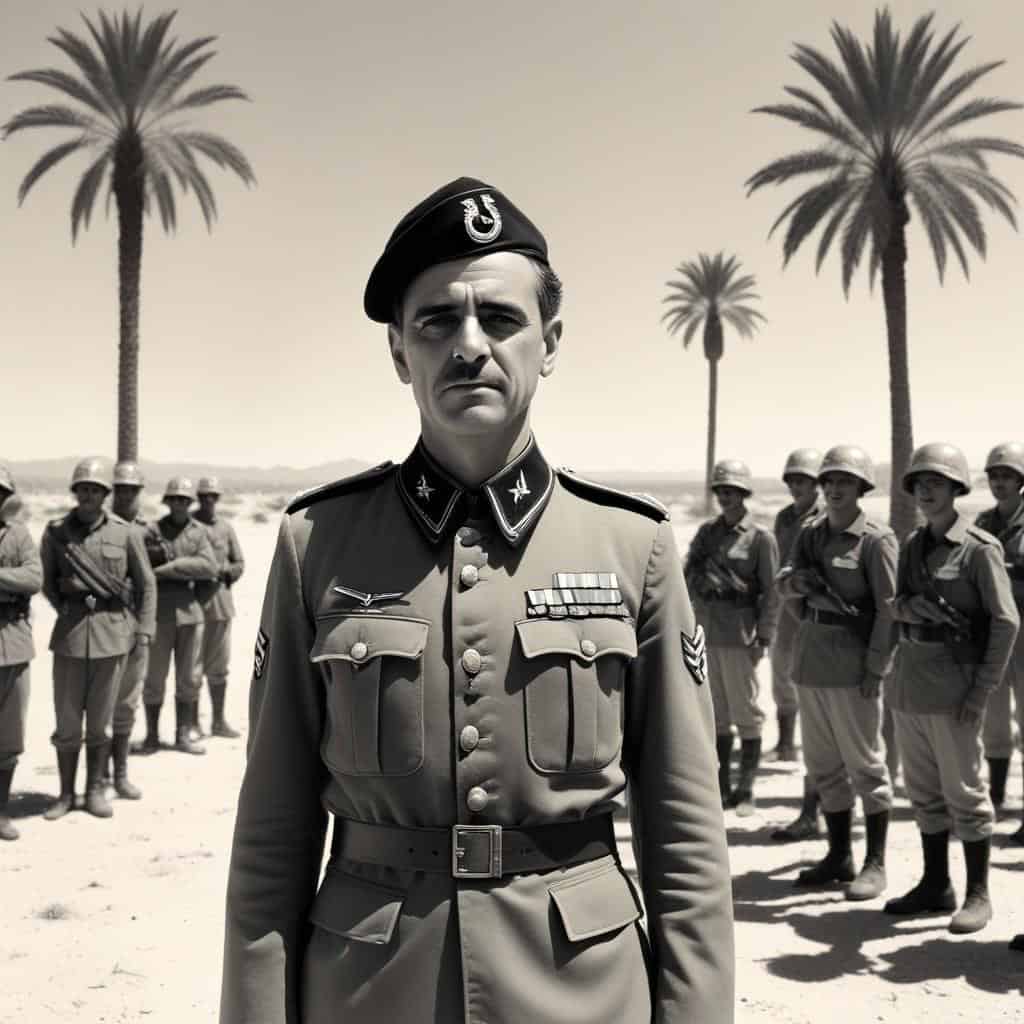
Enrico Caviglia

Italian Invasion of Libya

Resistance from Libyan Tribes

Italian Rule and Repression

Libyan Revolts

World War II and Allied Occupation

Libyan Independence

Legacy of Italian Colonization

Reconciliation and Healing

Remembering the Past

Lessons Learned
Lesson Details & Resources
In a Nutshell
- What: Italian colonization of Libya (1911-1947)
- When: 1911-1947
- Who: Italy, Ottoman Empire, Libyan resistance groups
- Outcome: Italy gained control of Libya, leading to increased tensions and conflicts in the region.
Famous Figures in the Italian colonization of Libya
-
Italo Balbo
Italo Balbo was an Italian Blackshirt leader and one of the key figures in the Italian colonization of Libya.
-
Rodolfo Graziani
Rodolfo Graziani was an Italian military officer who played a prominent role in the Italian colonization of Libya.
-
Umberto II of Italy
Umberto II of Italy was the last King of Italy and ruled during the Italian colonization of Libya.
-
Mussolini
Mussolini was the fascist dictator of Italy during the Italian colonization of Libya.
-
Omar Mukhtar
Omar Mukhtar was a Libyan resistance leader who fought against Italian colonization.
Timeline of Italian colonization of Libya
Italian-Turkish War begins
Italian forces invade Libya
Cyrenaica falls to Italian control
Tripolitania falls to Italian control
Libyan resistance against Italian colonization
Italian forces defeat Libyan resistance
Libya becomes an Italian colony
Italian fascist dictator Benito Mussolini comes to power
Italian colonization policies intensify in Libya
Italian concentration camps established in Libya
Italian settlers encouraged to move to Libya
Start of World War II
Allied forces liberate Libya from Italian control
End of World War II
Italy loses control of Libya
Libya gains independence from Italy
Vocabulary List
- Tripoli
- The capital city of Libya, which was an important strategic location for the Italian colonization of the region.
- Italo-Turkish War
- The conflict between Italy and the Ottoman Empire over control of Libya, resulting in Italian colonization of the region.
- Italo-Libyan Treaty
- The agreement in which Italy gained control of Libya from the Ottoman Empire, leading to colonization.
- Cyrenaica
- A region in eastern Libya that was colonized by Italy during this period.
- Senussi
- A religious and political movement in Libya that resisted Italian colonization.
- Fascism
- The political ideology of the Italian government during its colonization of Libya.
- Italianization
- The policy of imposing Italian culture and language on the Libyan population during colonization.
- Resistance
- The efforts of Libyan nationalists and rebels to fight against Italian colonization and maintain their independence.
- Graziani
- The Italian military commander who led the brutal suppression of resistance in Libya.
- Second Italo-Ethiopian War
- The conflict between Italy and Ethiopia that further strained resources and manpower during the colonization of Libya.
Key Facts
This is the information used in the fact matching game
- Italy invaded Libya in 1911, beginning the period of Italian colonization.
- The Italian colonization of Libya lasted from 1911 to 1947.
- Italian colonization of Libya was characterized by harsh repression of the local population.
- Italy established concentration camps in Libya to suppress resistance to colonization.
- Italian colonial authorities exploited Libya's resources for the benefit of Italy.
- Italian settlers were encouraged to move to Libya to strengthen Italy's hold on the territory.
- Italy imposed its language and culture on the Libyan population during colonization.
- Libyan resistance to Italian colonization was met with brutal reprisals by Italian forces.
- Italian colonization of Libya led to widespread poverty and suffering among the local population.
- Italian authorities imposed harsh labor conditions on Libyan workers during colonization.
- Italy used Libya as a base for its military operations in North Africa during World War II.
- Italian colonization of Libya ended in 1947 with the establishment of an independent Libyan state.
- The Italian colonization of Libya had a lasting impact on the country's economy and social structure.
- Italian forces carried out widespread destruction of Libyan towns and villages during colonization.
- Italy sought to exploit Libya's strategic location for its own geopolitical interests during colonization.
- Italian colonization of Libya led to a loss of traditional lands and livelihoods for many Libyans.
- Italian authorities implemented discriminatory policies against Libyans during colonization.
- Italy established a puppet government in Libya to maintain control over the territory during colonization.
- Italian colonization of Libya sparked nationalist movements seeking independence from Italy.
- The legacy of Italian colonization of Libya continues to shape relations between the two countries today.
Analysis & Significance
Immediate Consequences
The Italian colonization of Libya from 1911 to 1947 resulted in immediate consequences such as the loss of lives, displacement of local populations, and the imposition of Italian authority over the region. The colonization also led to the establishment of Italian settlements and infrastructure, as well as the exploitation of Libya’s resources for the benefit of the Italian government.
Long-Term Impact
The lasting impact of Italian colonization on Libya includes the legacy of oppression and resistance, the shaping of Libya’s modern borders and political landscape, and the influence of Italian culture and language on Libyan society. The colonization also contributed to the development of nationalist movements in Libya and the broader Arab world, as well as the ongoing socio-economic challenges faced by the country.
Cultural Significance Today
The cultural significance of Italian colonization in Libya is evident in the historical memory and national identity of the Libyan people. It continues to shape contemporary relations between Italy and Libya, as well as the discourse on colonialism, imperialism, and post-colonialism in the region. The legacy of Italian colonization also highlights the importance of understanding the complex dynamics of power, identity, and memory in shaping global history and politics.
Italian colonization of Libya Games


Take Your Learning Offline
Want a convenient, print-ready study guide for this lesson? Become a Memory Wizards Pro member to unlock the downloadable " Memory Scrolls" for this topic and our entire library!
- ✓ Complete Vocabulary Lists
- ✓ Key Facts & Timelines
- ✓ Beautifully Formatted for Print & Mobile