
Summary of German colonization of Namibia (1884-1915)
Uncover the untold stories of German settlers in African lands.
How Do You Learn Best?
Learn by Reading
Immerse yourself in the 10-minute visual lesson for a comprehensive understanding of the topic.
Learn by Reviewing
Jump directly to the key facts, timeline, and vocabulary lists to build a solid foundation of details.
Learn by Doing
Challenge yourself! Jump straight into the interactive games to learn by trial, error, and discovery.
German colonization of Namibia in 10 Minutes
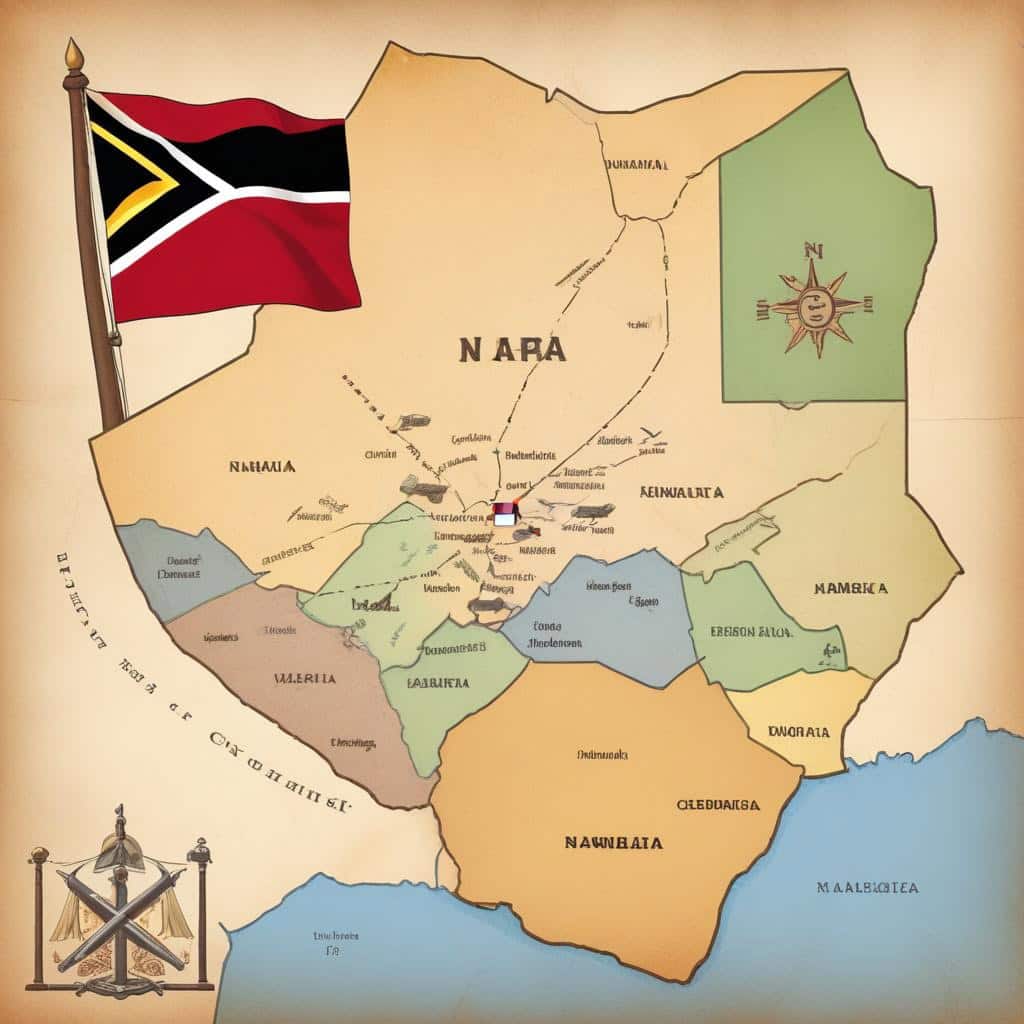
Introduction
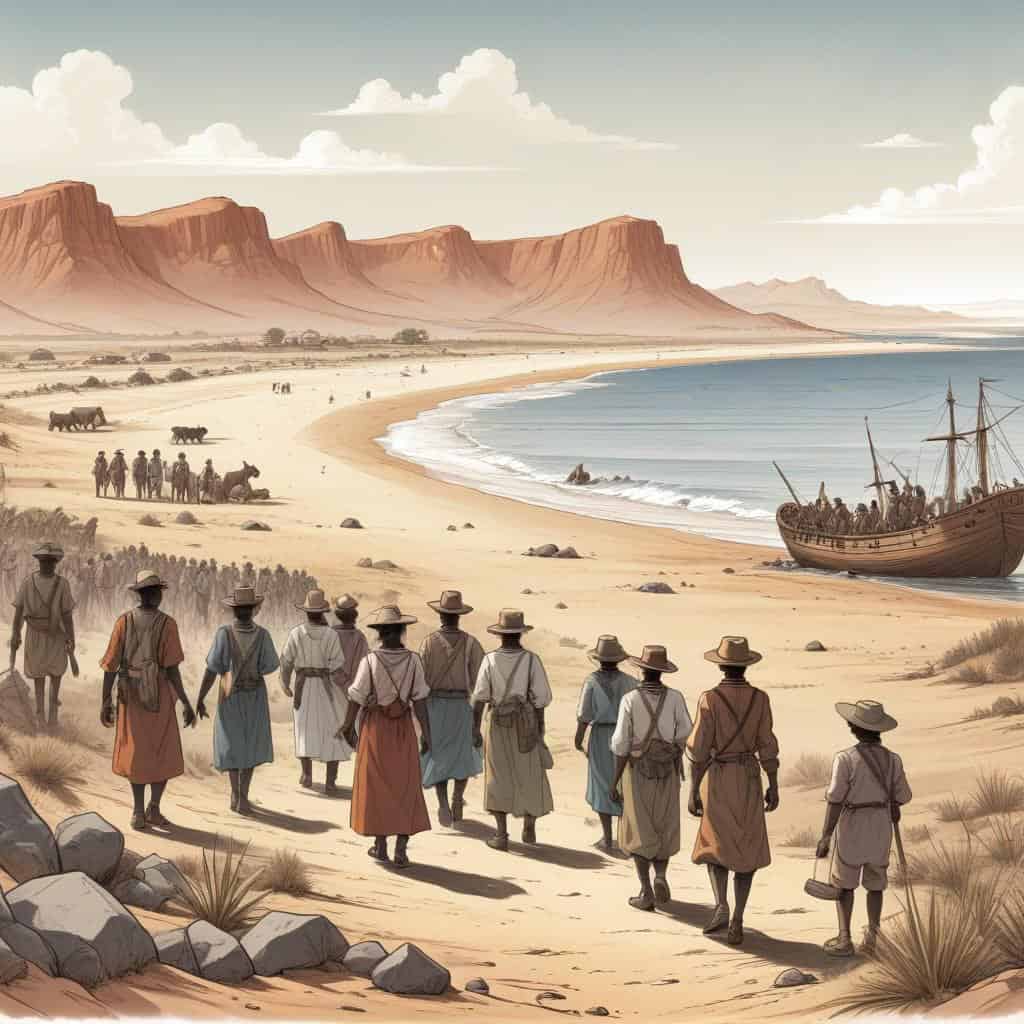
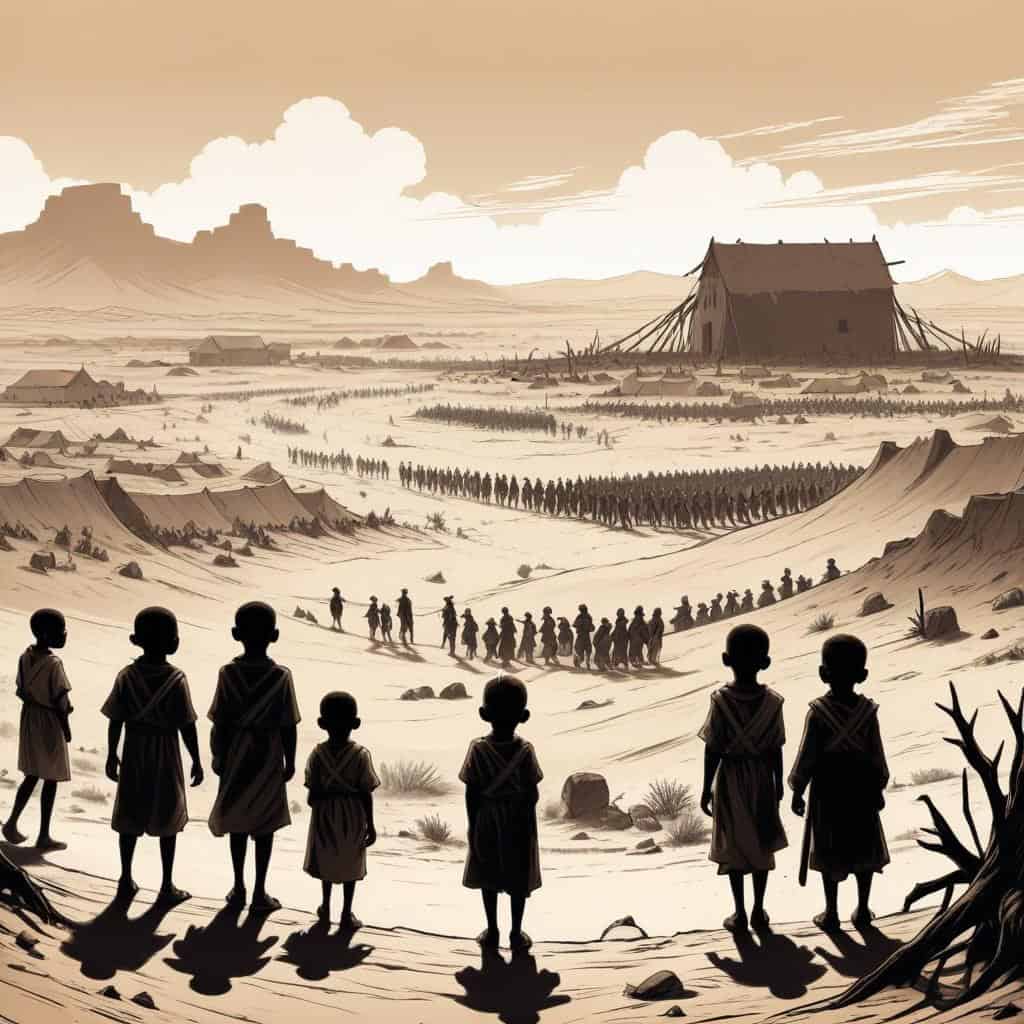
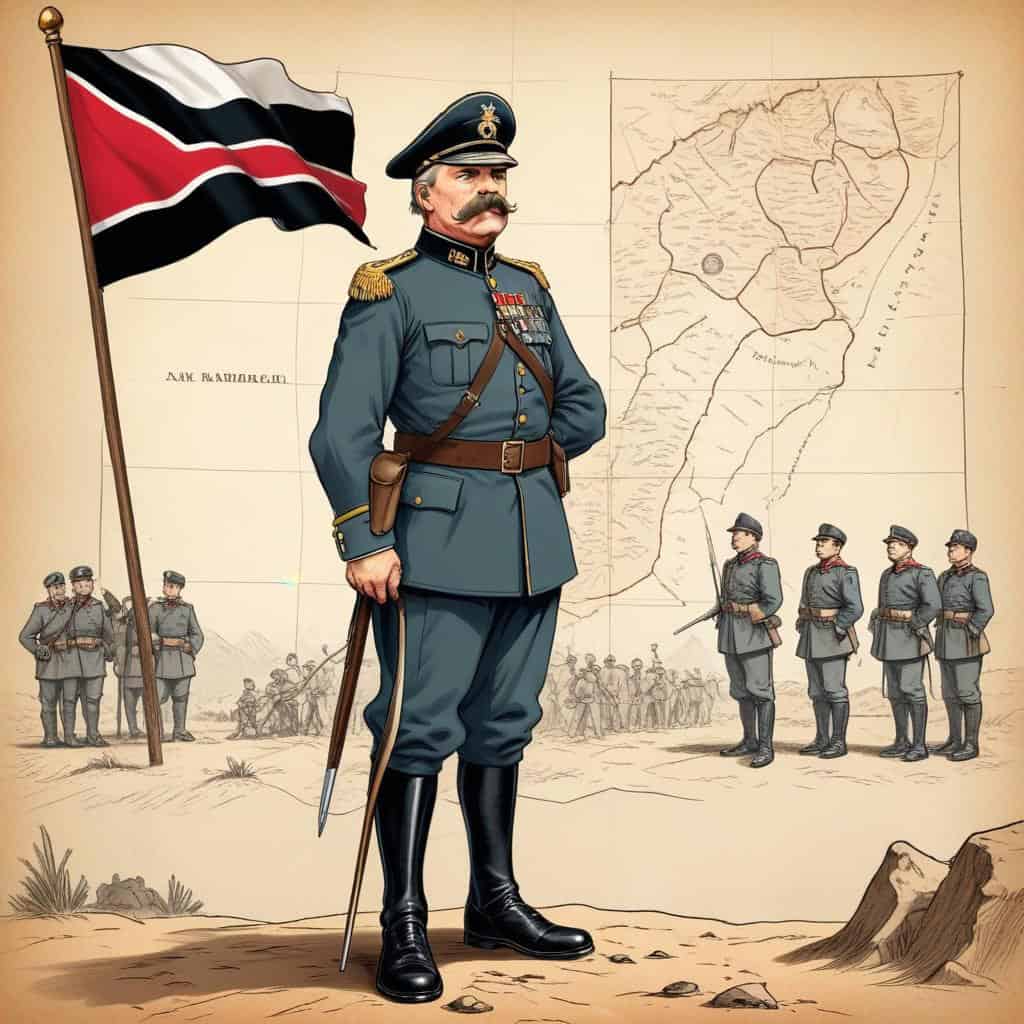
Otto von Bismarck
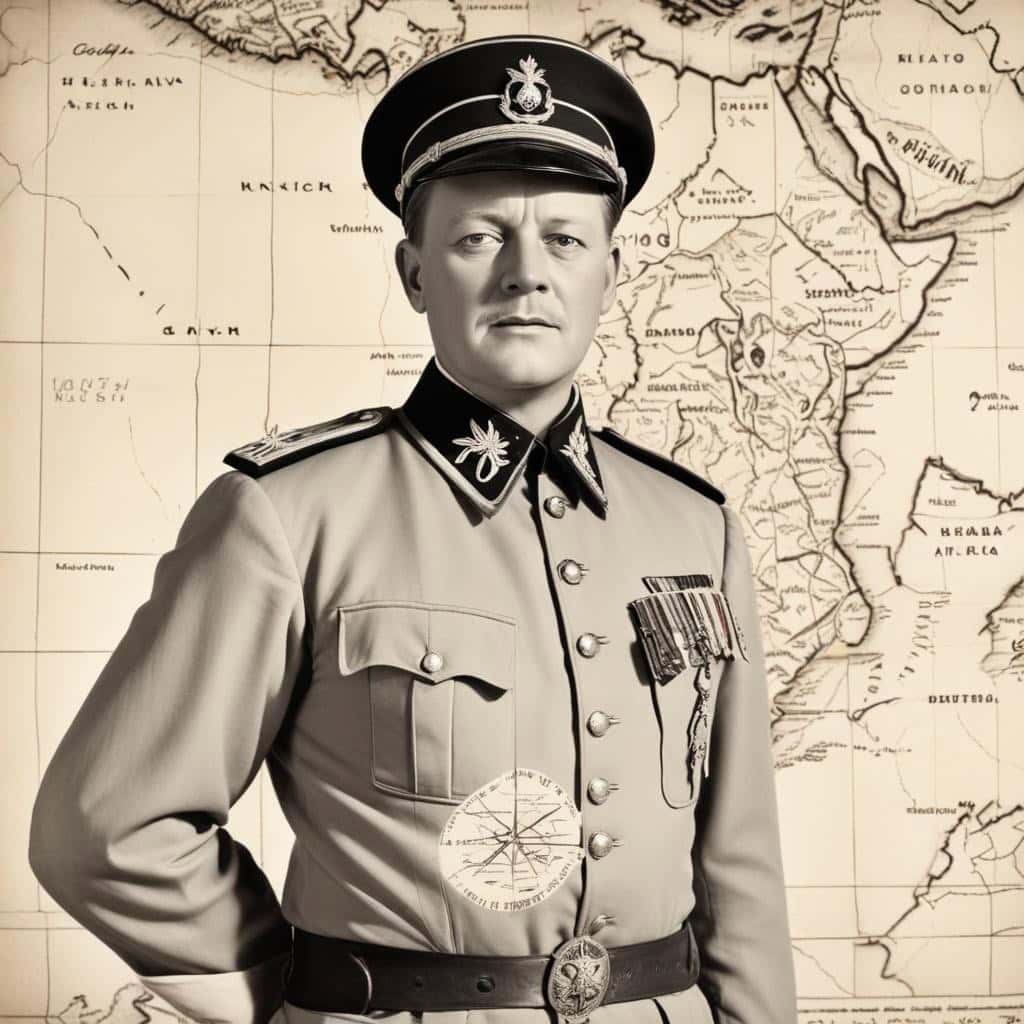
Heinrich Ernst Goring
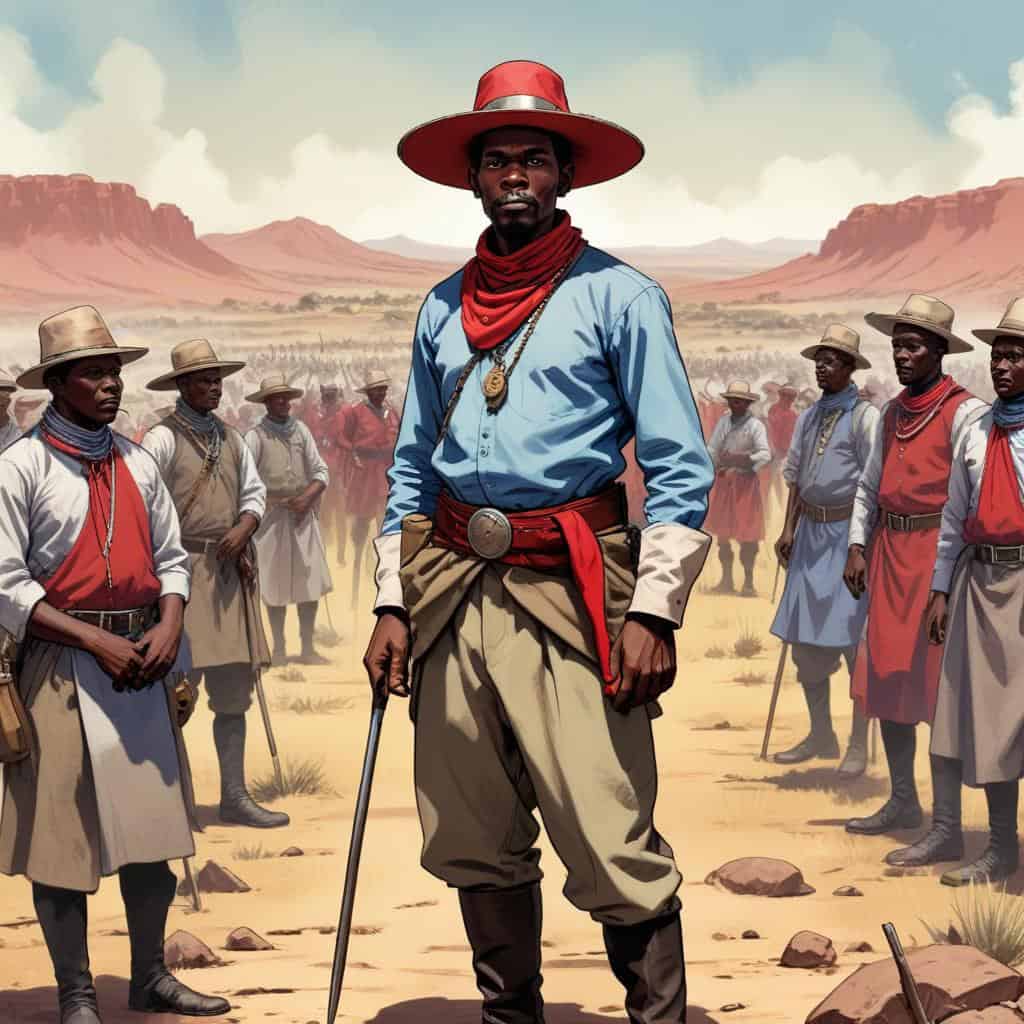
Samuel Maharero
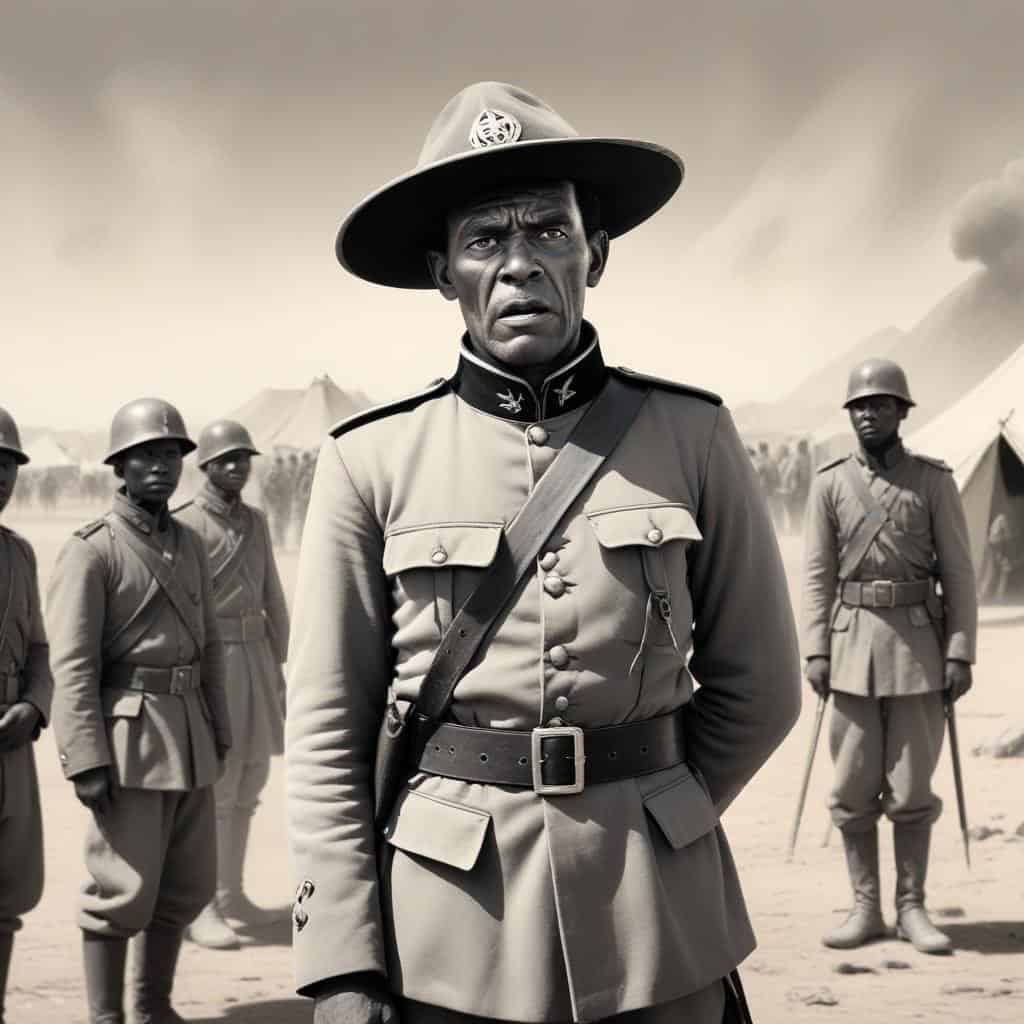
Lothar von Trotha
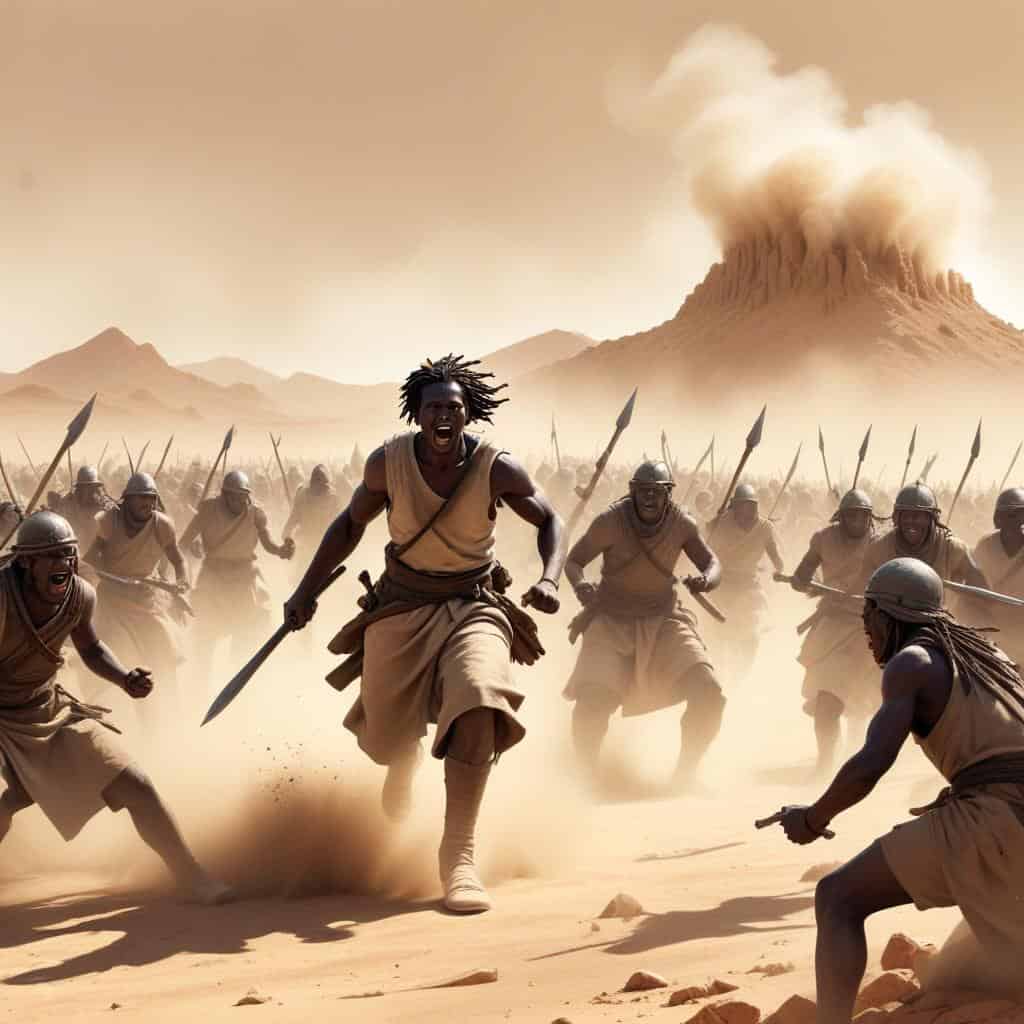
Jacob Morenga
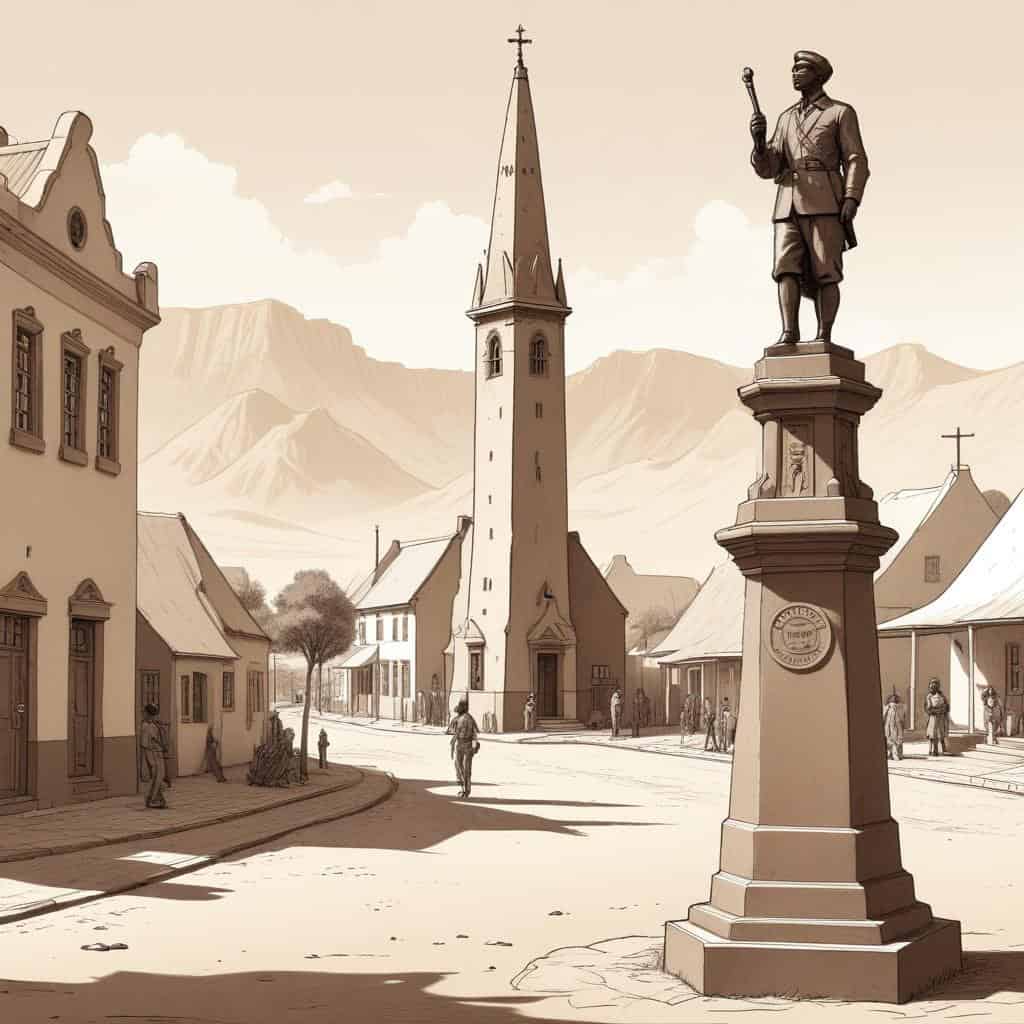
Adolf Lüderitz

German Colonization Begins

The Herero and Nama Resistance

German Rule and Exploitation

The Genocide of the Herero and Nama

The Aftermath of the Genocide
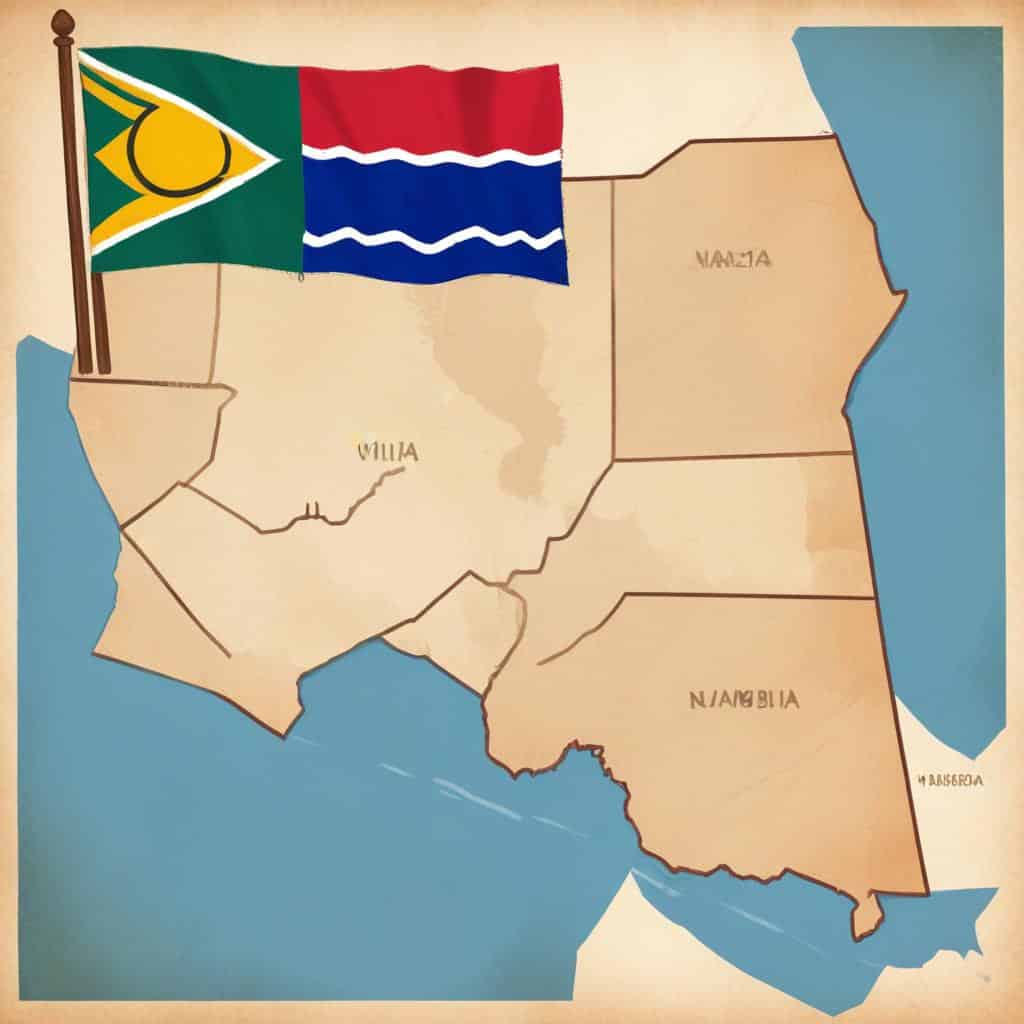
The League of Nations Mandate

The Legacy of German Colonization
Reparations and Reconciliation

Namibia Today
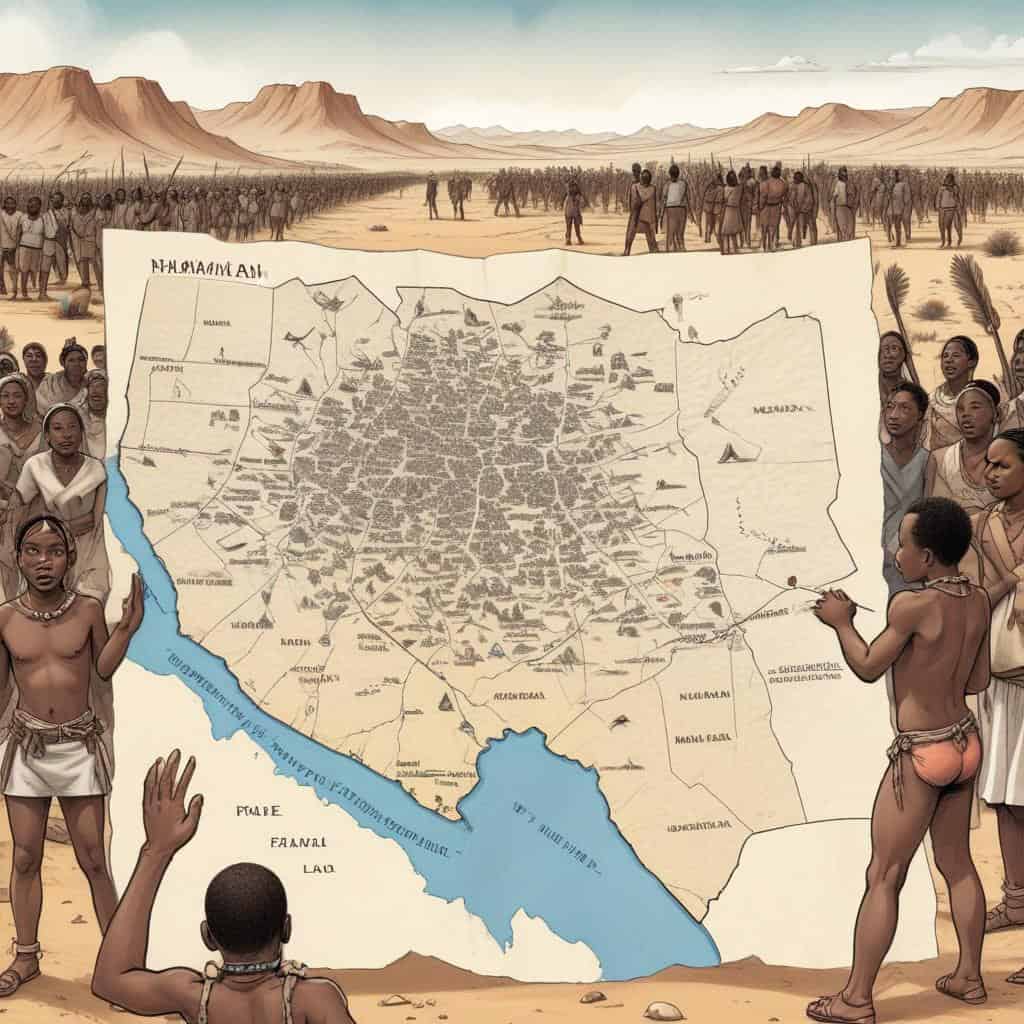
Lesson Details & Resources
In a Nutshell
- What: German colonization of Namibia (1884-1915)
- When: 1884-1915
- Who: German Empire, indigenous Namibian tribes
- Outcome: Harsh treatment of indigenous peoples, genocide of the Herero and Nama people
Famous Figures in the German colonization of Namibia
-
Heinrich Ernst Goring
Heinrich Ernst Goring was a German colonial governor of Southwest Africa (modern-day Namibia) from 1890 to 1894.
-
Lothar von Trotha
Lothar von Trotha was a German military officer who issued the infamous extermination order during the Herero and Namaqua genocide in Namibia.
-
Gustav Nachtigal
Gustav Nachtigal was a German explorer and diplomat who played a key role in the establishment of German colonies in Africa, including Namibia.
Timeline of German colonization of Namibia
German merchant Franz Adolf Eduard Lüderitz buys land from a local chief, leading to the establishment of German South West Africa
The German government officially declares a protectorate over South West Africa
The German flag is raised in Windhoek, the capital of German South West Africa
The Herero and Namaqua people rebel against German colonial rule in what becomes known as the Herero and Namaqua Genocide
The German colonial administration enacts the Land Act, which restricts land ownership to Germans, leading to further tensions with the indigenous population
The Battle of Waterberg takes place, resulting in the defeat of the Herero people by German forces
German forces under General Lothar von Trotha issue the Vernichtungsbefehl, or extermination order, against the Herero people
The Nama people also rebel against German colonial rule, leading to further violence and repression
The Shark Island concentration camp is established by the Germans, where thousands of Herero and Nama people are interned and subjected to forced labor and harsh conditions
The last major battle of the Herero and Namaqua Genocide takes place at the Battle of Riet
The German colonial administration enacts the Forced Labour Ordinance, which further exploits the indigenous population for economic gain
The German government officially renames South West Africa as German South West Africa
The League of Nations mandates that South West Africa be administered by South Africa, effectively ending German colonial rule in the region
The South West Africa Campaign takes place during World War I, leading to the defeat of German forces by South African and British troops
The Treaty of Versailles formally transfers control of German South West Africa to South Africa
The League of Nations officially grants South Africa a mandate to administer South West Africa, which becomes known as Namibia
The United Nations takes over the administration of Namibia from South Africa, leading to the country's independence in 1990
Vocabulary List
- Schutztruppe
- The German colonial military force in Namibia, tasked with protecting German interests and enforcing colonial rule.
- Herero
- One of the indigenous ethnic groups in Namibia that resisted German colonization and faced brutal repression, including the Herero Genocide.
- Nama
- Another indigenous ethnic group in Namibia that also resisted German colonization and faced violence and displacement.
- Landhunger
- The German term for the desire for land and resources that drove the colonization of Namibia.
- Windhoek
- The capital city of Namibia, founded by the Germans during their colonization of the territory.
- Kaiserliche Gouvernement
- The German colonial government in Namibia, which implemented policies to exploit the land and resources of the territory.
- Rehoboth Basters
- A mixed-race group in Namibia that allied with the Germans during the colonial period in exchange for land and autonomy.
- Okahandja
- A town in Namibia that was a center of resistance against German colonization, particularly during the Herero Wars.
- Witbooi
- A prominent Nama leader who fought against German colonization and led the Nama people in resistance.
- Genocide
- The systematic extermination of the Herero and Nama people by German colonial forces, considered one of the first genocides of the 20th century.
Key Facts
This is the information used in the fact matching game
- German colonization of Namibia began in the late 19th century, with the arrival of German traders and missionaries in the region.
- In 1884, Germany officially claimed control over Namibia, then known as German South-West Africa.
- German colonial rule in Namibia was characterized by brutal repression of the local population, including forced labor and land seizures.
- The Herero and Nama peoples rebelled against German rule in 1904, leading to the Herero and Namaqua genocide.
- An estimated 65,000 Herero and 10,000 Nama people were killed during the genocide, with many more subjected to forced labor and internment.
- The German colonial administration established concentration camps in Namibia to detain and control the local population.
- German settlers in Namibia appropriated large tracts of land for agriculture and mining, displacing indigenous communities from their ancestral lands.
- German colonial authorities implemented a policy of racial segregation in Namibia, with discriminatory laws and practices targeting the indigenous population.
- The German colonial administration in Namibia was known for its harsh treatment of the local population, including forced labor, punitive expeditions, and massacres.
- The German colonial government in Namibia sought to exploit the region's natural resources, such as diamonds and copper, for the benefit of the German Empire.
- German colonization of Namibia had a lasting impact on the country's demographic, social, and economic landscape, with many of the injustices and inequalities of the colonial era persisting to this day.
- The German colonial presence in Namibia came to an end in 1915, when South African forces occupied the territory during World War I.
- Namibia remained under South African control until gaining independence in 1990, after a long and bloody struggle against apartheid and colonial rule.
- The legacy of German colonization in Namibia continues to shape the country's politics, society, and culture, with ongoing debates about reparations for the crimes of the colonial era.
- The German government has recently acknowledged its historical responsibility for the atrocities committed during the colonial period in Namibia, but has stopped short of offering formal reparations.
- Descendants of the survivors of the Herero and Nama genocide continue to seek justice and reparations for the crimes committed against their ancestors by the German colonial authorities.
- The Herero and Nama peoples have filed lawsuits in US courts seeking reparations from the German government for the genocide committed against their ancestors in Namibia.
- The genocide of the Herero and Nama peoples in Namibia is considered one of the first genocides of the 20th century and a dark chapter in German colonial history.
- The German government has agreed to provide financial support for projects in Namibia aimed at reconciliation and development, but has faced criticism for not offering formal reparations to the victims of the colonial atrocities.
Analysis & Significance
Immediate Consequences
The immediate consequences of the German colonization of Namibia were devastating for the indigenous population. The Herero and Nama peoples faced violent suppression, forced labor, and concentration camps, resulting in the loss of thousands of lives and the destruction of their traditional way of life.
Long-Term Impact
This period of colonization had a lasting impact on Namibia, shaping its social, economic, and political landscape for decades to come. The scars of German colonial rule can still be seen in the unequal distribution of land and resources, as well as the deep-rooted trauma and intergenerational trauma experienced by the affected communities.
Cultural Significance Today
The German colonization of Namibia continues to hold cultural significance today, as it serves as a reminder of the atrocities committed during the colonial era. Efforts to acknowledge and address this dark chapter in history have led to calls for reparations, truth and reconciliation processes, and greater recognition of the indigenous peoples’ rights and contributions to Namibian society.
German colonization of Namibia Games


Take Your Learning Offline
Want a convenient, print-ready study guide for this lesson? Become a Memory Wizards Pro member to unlock the downloadable " Memory Scrolls" for this topic and our entire library!
- ✓ Complete Vocabulary Lists
- ✓ Key Facts & Timelines
- ✓ Beautifully Formatted for Print & Mobile