
Summary of Dutch colonization of South Africa (1652-1910)
Uncover the untold story of Dutch explorers in South Africa.
How Do You Learn Best?
Learn by Reading
Immerse yourself in the 10-minute visual lesson for a comprehensive understanding of the topic.
Learn by Reviewing
Jump directly to the key facts, timeline, and vocabulary lists to build a solid foundation of details.
Learn by Doing
Challenge yourself! Jump straight into the interactive games to learn by trial, error, and discovery.
Dutch colonization of South Africa in 10 Minutes
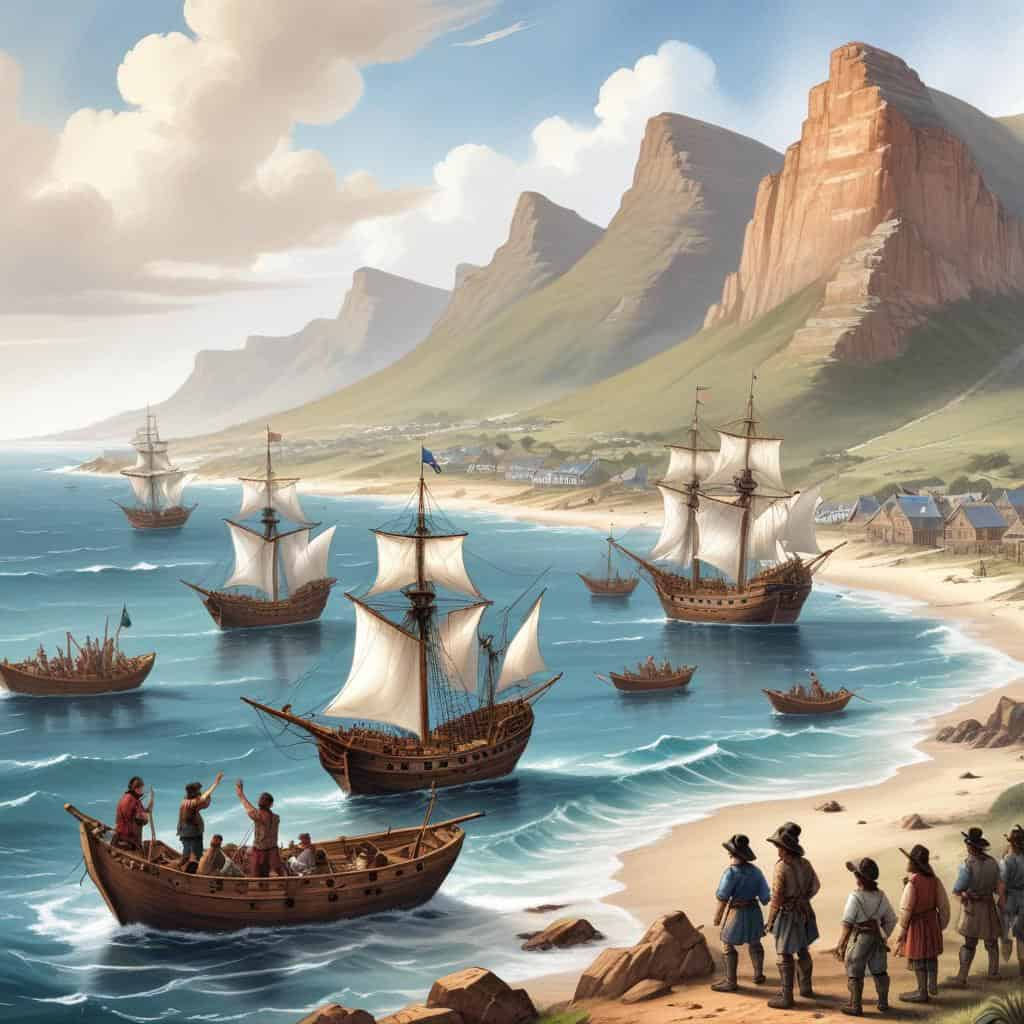
Introduction
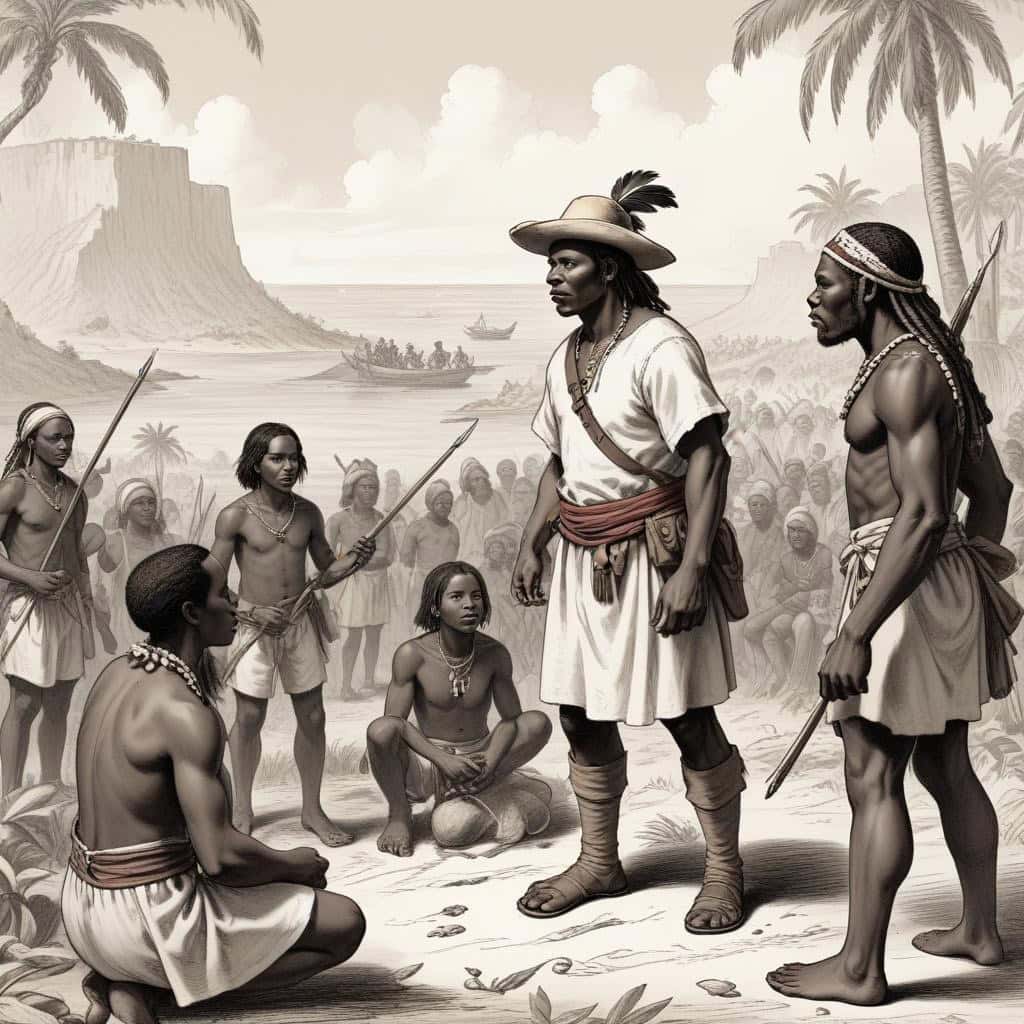
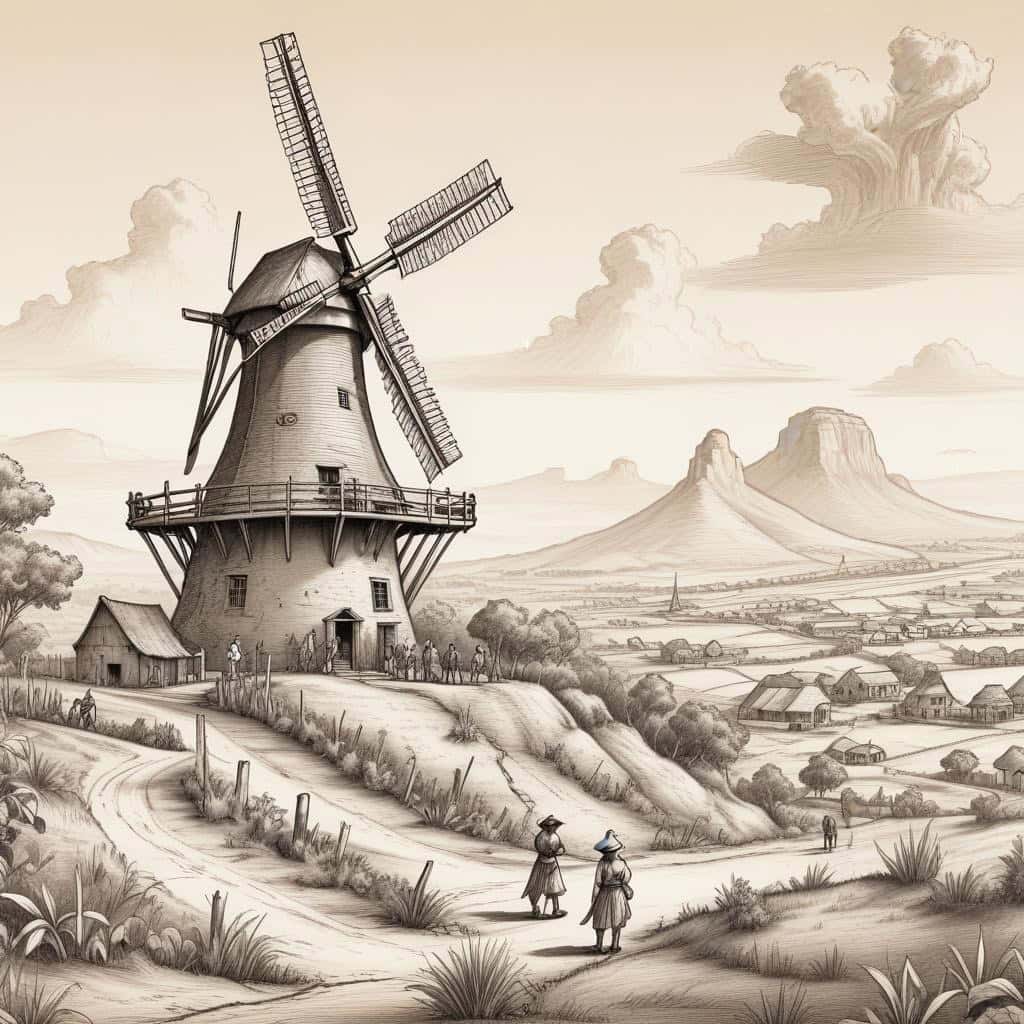
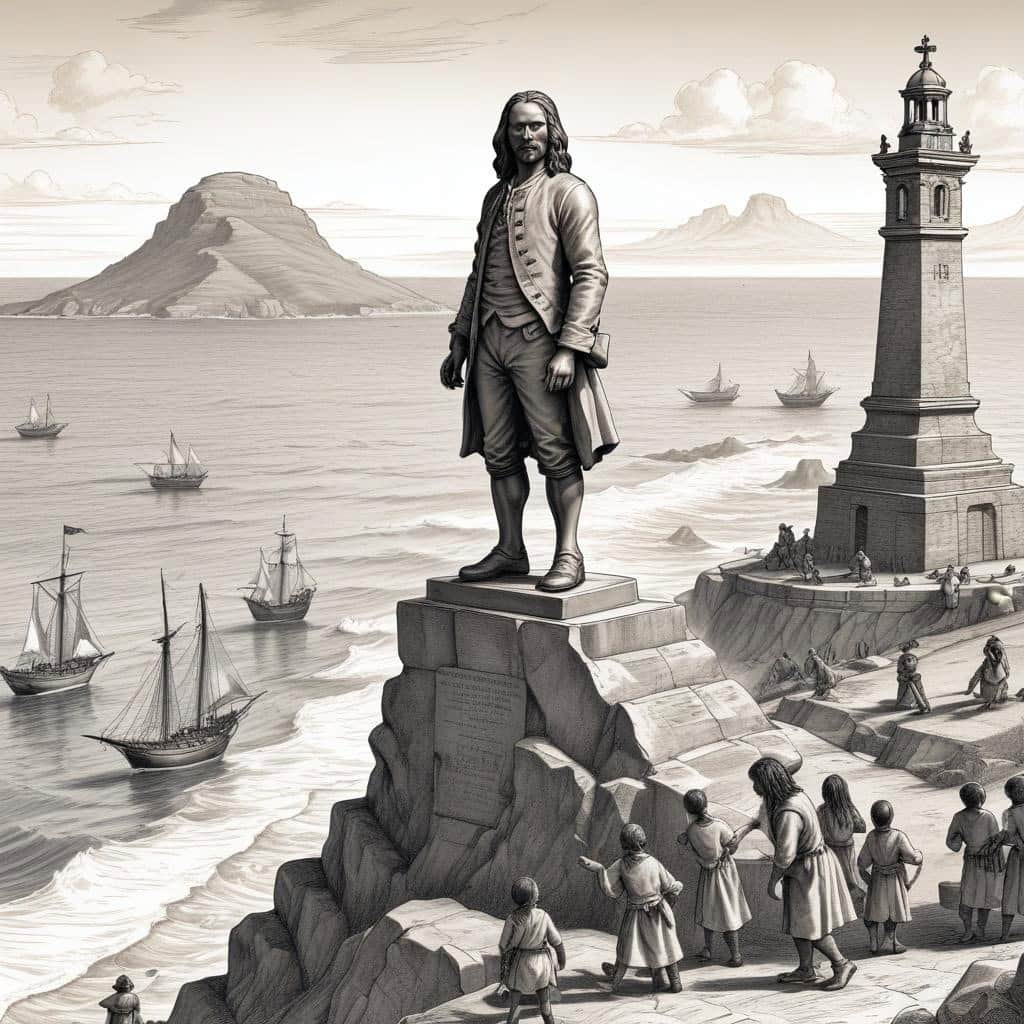
Jan van Riebeeck
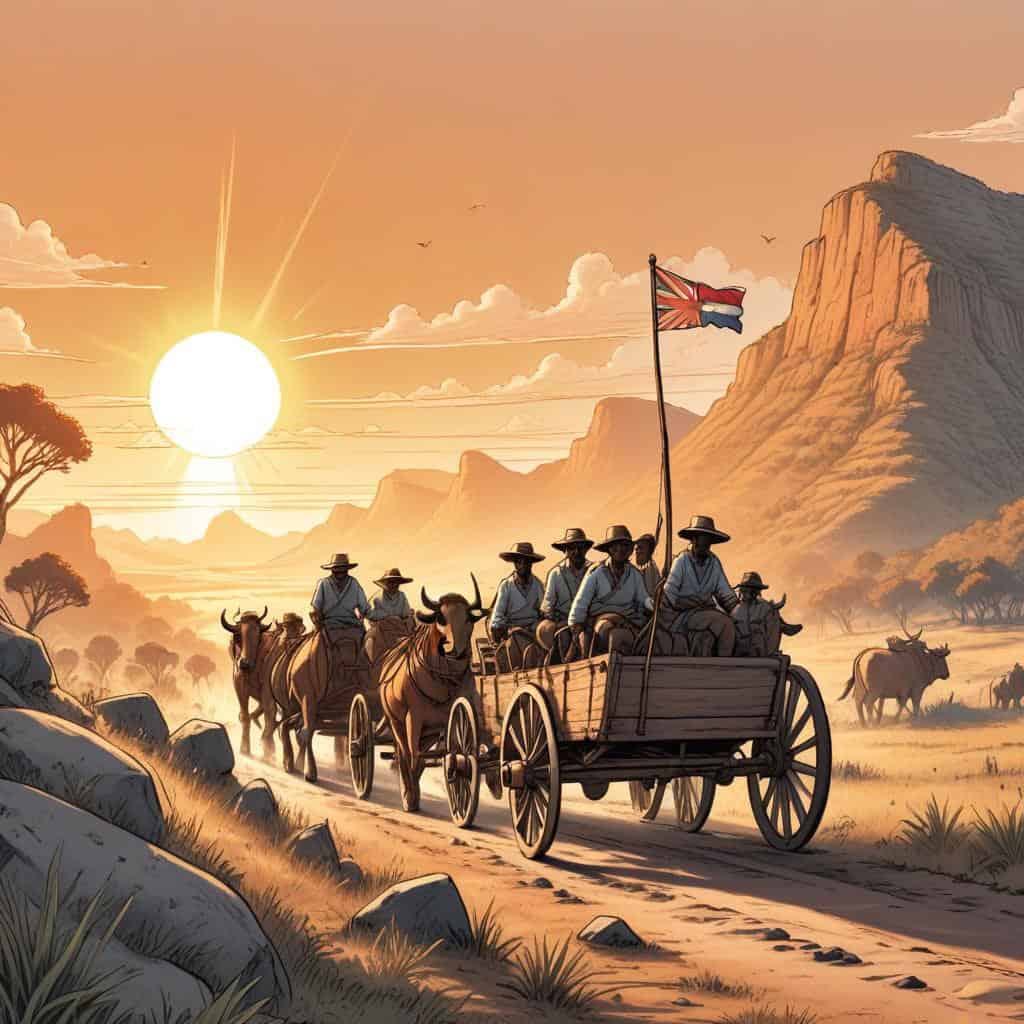
Voortrekkers
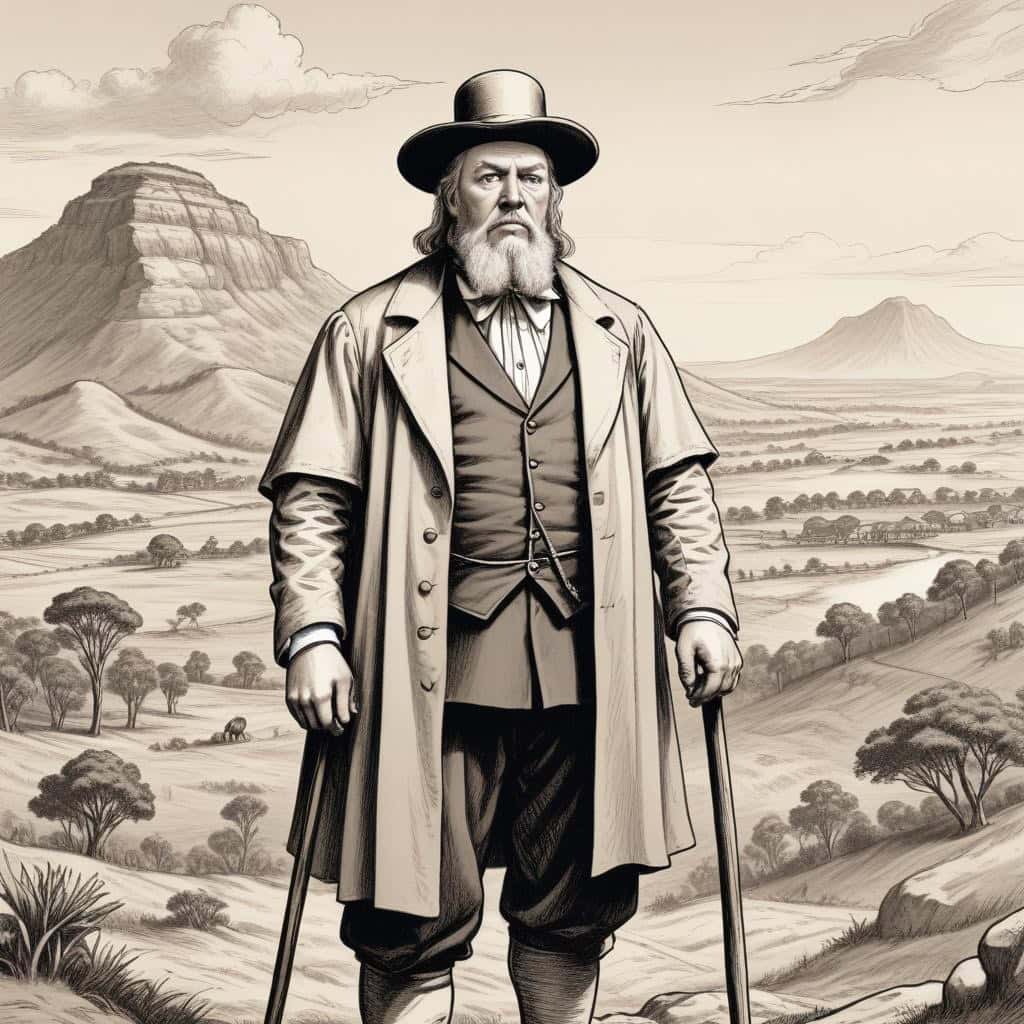
Paul Kruger
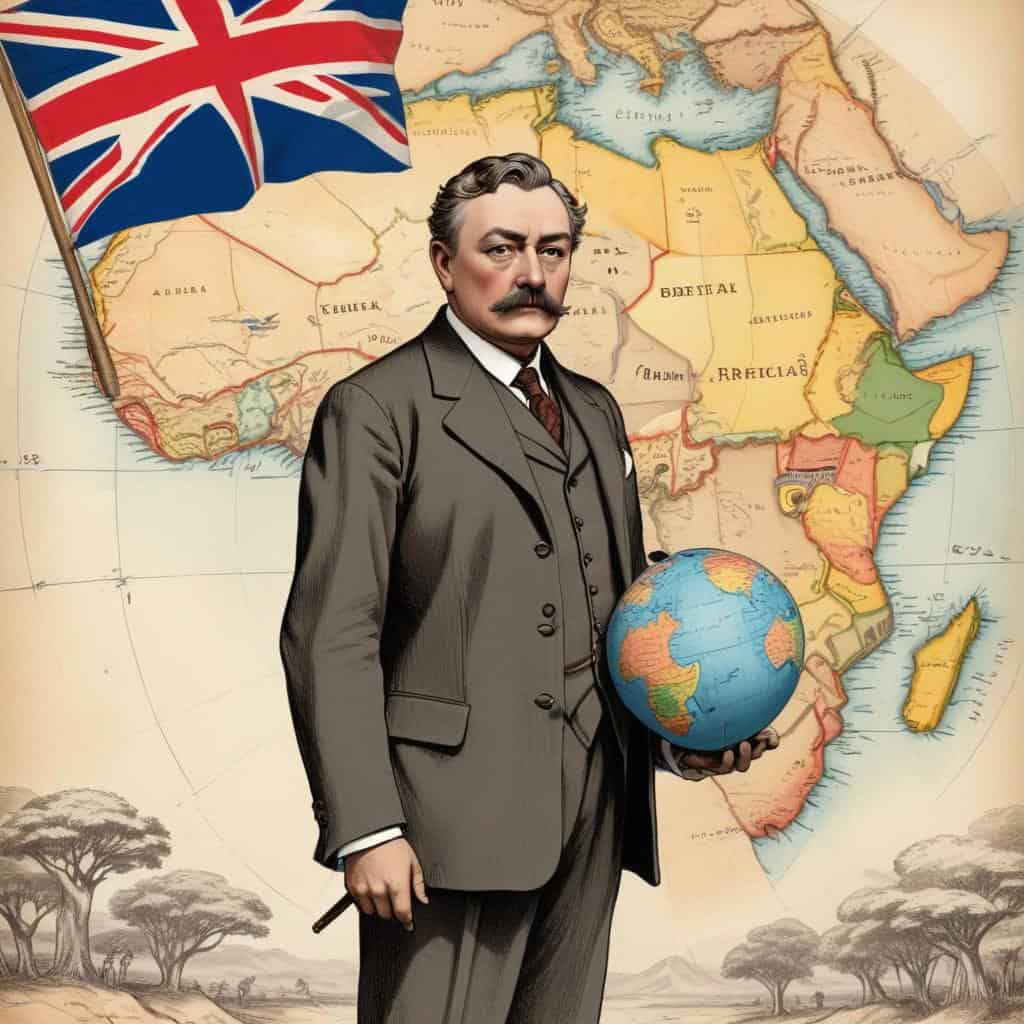
Cecil Rhodes

The Dutch East India Company Begins Colonization

Expansion and Control

Conflict with the Khoikhoi

The Arrival of the British

The Great Trek

The Anglo-Zulu War

The South African War

The Legacy of Dutch Colonization
Resistance and Reconciliation

Conclusion
Lesson Details & Resources
In a Nutshell
- What: Dutch colonization of South Africa (1652-1910)
- When: 1652-1910
- Who: Dutch East India Company, Boers, Zulu Kingdom
- Outcome: Establishment of Dutch settlements, Boer republics, and eventual British control
Famous Figures in the Dutch colonization of South Africa
-
Jan van Riebeeck
Jan van Riebeeck was a Dutch colonial administrator who established the first European settlement in South Africa in 1652.
-
Simon van der Stel
Simon van der Stel was the Governor of the Cape Colony in the late 17th century and played a significant role in the colonization of South Africa.
-
Cecil Rhodes
Cecil Rhodes was a British businessman and politician who played a key role in the expansion of British influence in Southern Africa, including the colonization of South Africa.
-
Paul Kruger
Paul Kruger was a Boer leader and President of the South African Republic during the late 19th century, known for his opposition to British colonial rule.
-
Louis Botha
Louis Botha was a Boer general and the first Prime Minister of the Union of South Africa, playing a key role in the unification of the country.
-
Olive Schreiner
Olive Schreiner was a South African author and activist who wrote about the injustices of British colonial rule in South Africa.
Timeline of Dutch colonization of South Africa
Establishment of the Cape Colony by the Dutch East India Company
Battle of Muizenberg between the Dutch and the British
British occupation of the Cape Colony
Dutch regaining control of the Cape Colony
British reoccupation of the Cape Colony
British annexation of the Cape Colony
Great Trek by Boers to escape British rule
Establishment of the South African Republic (Transvaal)
British annexation of the South African Republic
First Anglo-Boer War
Establishment of the Orange Free State
Second Anglo-Boer War
Treaty of Vereeniging ending the Second Anglo-Boer War
Union of South Africa established as a British dominion
Vocabulary List
- Boer
- The Boers were Dutch settlers who established farms in South Africa during the colonial period.
- Afrikaner
- The Afrikaners were descendants of Dutch settlers who became a distinct cultural group in South Africa.
- Cape Colony
- The Cape Colony was a Dutch colony established at the Cape of Good Hope in South Africa.
- Great Trek
- The Great Trek was a mass migration of Boers in the 1830s to escape British control and establish their own independent republics.
- Anglo-Boer War
- The Anglo-Boer War was fought between British forces and Boer republics in South Africa, resulting in British victory and the annexation of the Boer territories.
- Apartheid
- Apartheid was a system of racial segregation and discrimination enforced by the South African government, which was influenced by Dutch colonial policies.
- Voortrekkers
- The Voortrekkers were Boer pioneers who embarked on the Great Trek to establish their own independent republics in South Africa.
- Dutch East India Company
- The Dutch East India Company was instrumental in establishing Dutch colonies in South Africa, including the Cape Colony.
- Cape Dutch architecture
- Cape Dutch architecture refers to the style of architecture developed by Dutch settlers in South Africa, characterized by white-washed buildings with thatched roofs.
- Natives Land Act
- The Natives Land Act was a piece of legislation passed by the South African government in 1913 to restrict black South Africans from owning land, reflecting Dutch colonial attitudes towards land ownership.
Key Facts
This is the information used in the fact matching game
- The Dutch East India Company established a settlement at the Cape of Good Hope in 1652, marking the beginning of Dutch colonization in South Africa.
- Dutch settlers, known as Boers, began expanding inland from the Cape Colony in the 18th century, leading to conflicts with indigenous African groups.
- The Dutch introduced the system of apartheid in South Africa, which later became official government policy under British rule.
- The Dutch introduced European farming methods to South Africa, transforming the landscape and economy of the region.
- Dutch settlers brought European diseases to South Africa, leading to a decline in the indigenous population.
- The Dutch established a strict racial hierarchy in South Africa, with Europeans at the top and indigenous Africans at the bottom.
- Dutch settlers relied on slave labor from Asia and Africa to work on their farms and in their households.
- The Dutch East India Company controlled the Cape Colony until it was taken over by the British in 1795.
- The Dutch introduced the Afrikaans language to South Africa, which is still spoken by many people in the country today.
- Dutch settlers established towns and cities in South Africa, including Cape Town, Stellenbosch, and Swellendam.
- The Dutch Reformed Church played a significant role in the cultural and religious life of Dutch settlers in South Africa.
- Dutch settlers in South Africa traded with indigenous African groups for cattle, ivory, and other goods.
- The Dutch introduced new crops to South Africa, including grapes, wheat, and citrus fruits.
- Dutch settlers in South Africa established a system of land ownership that favored Europeans over indigenous Africans.
- The Dutch East India Company imported slaves from Indonesia, Madagascar, and India to work in the Cape Colony.
- Dutch settlers in South Africa clashed with the British over control of the region, leading to a series of wars and conflicts.
- The Dutch introduced the practice of indentured labor to South Africa, bringing in workers from India and Southeast Asia.
- Dutch settlers in South Africa established a system of racially segregated schools, hospitals, and neighborhoods.
- The Dutch East India Company established a refreshment station at the Cape of Good Hope to provide supplies to ships traveling to and from the East Indies.
- The Dutch introduced European legal systems to South Africa, including Roman-Dutch law, which still influences the country's legal system today.
Analysis & Significance
Immediate Consequences
The immediate consequences of Dutch colonization of South Africa included the establishment of the Dutch East India Company’s trading post at the Cape of Good Hope in 1652. This led to conflicts with the indigenous Khoikhoi and San peoples, as well as the introduction of European diseases that decimated their populations.
Long-Term Impact
The long-term impact of Dutch colonization in South Africa was the foundation of a racially segregated society that would shape the country’s history for centuries to come. The Dutch settlers laid the groundwork for apartheid policies that would oppress and marginalize the native African population, leading to social, economic, and political inequalities that still persist today.
Cultural Significance Today
The cultural significance of Dutch colonization in South Africa is evident in the diverse population and multicultural society that exists in the country today. The legacy of colonization can be seen in the language, architecture, and customs that have been influenced by Dutch settlers. It also serves as a reminder of the need to address the historical injustices and inequalities that continue to impact South Africa’s society.
Dutch colonization of South Africa Games


Take Your Learning Offline
Want a convenient, print-ready study guide for this lesson? Become a Memory Wizards Pro member to unlock the downloadable " Memory Scrolls" for this topic and our entire library!
- ✓ Complete Vocabulary Lists
- ✓ Key Facts & Timelines
- ✓ Beautifully Formatted for Print & Mobile