
Summary of British annexation of Egypt (1882)
Uncover the secrets behind Britain's conquest of ancient Egypt in 1882.
How Do You Learn Best?
Learn by Reading
Immerse yourself in the 10-minute visual lesson for a comprehensive understanding of the topic.
Learn by Reviewing
Jump directly to the key facts, timeline, and vocabulary lists to build a solid foundation of details.
Learn by Doing
Challenge yourself! Jump straight into the interactive games to learn by trial, error, and discovery.
British annexation of Egypt in 10 Minutes
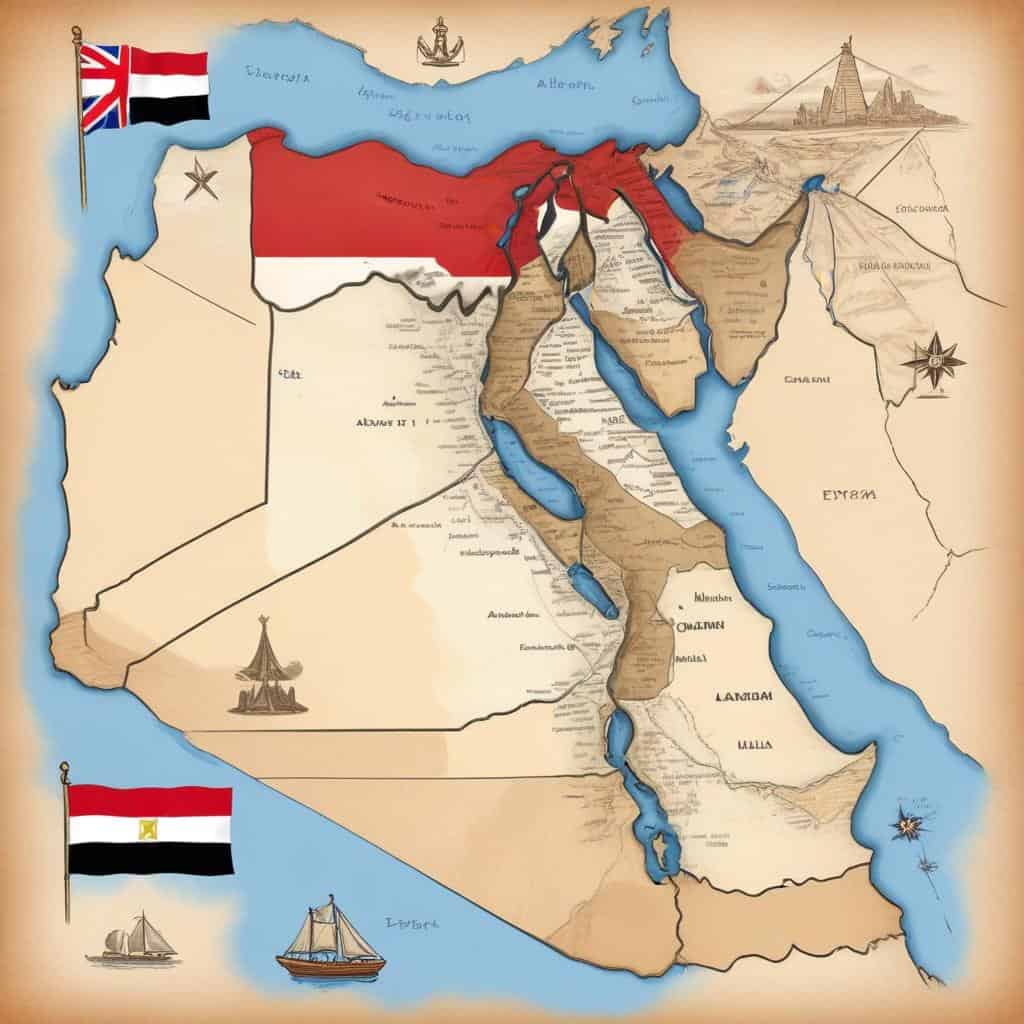
Introduction

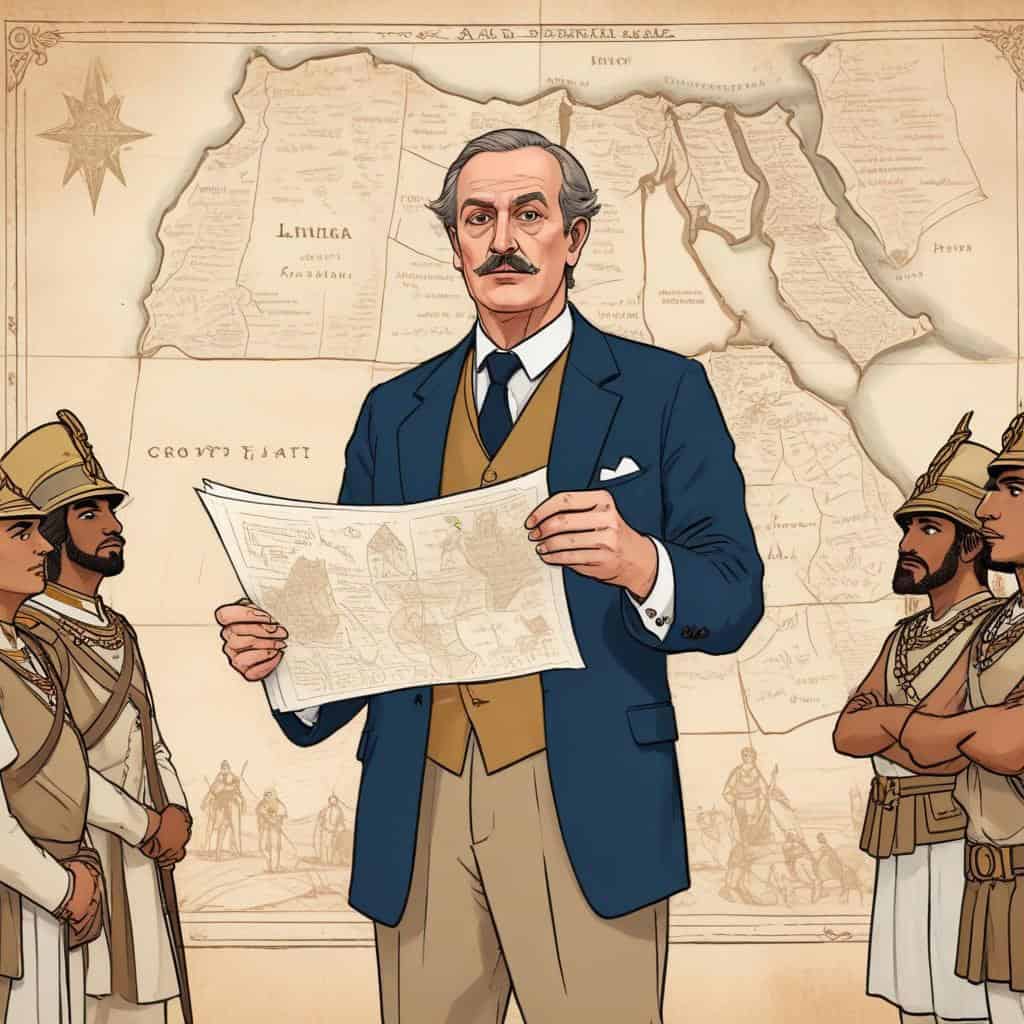
Lord Cromer
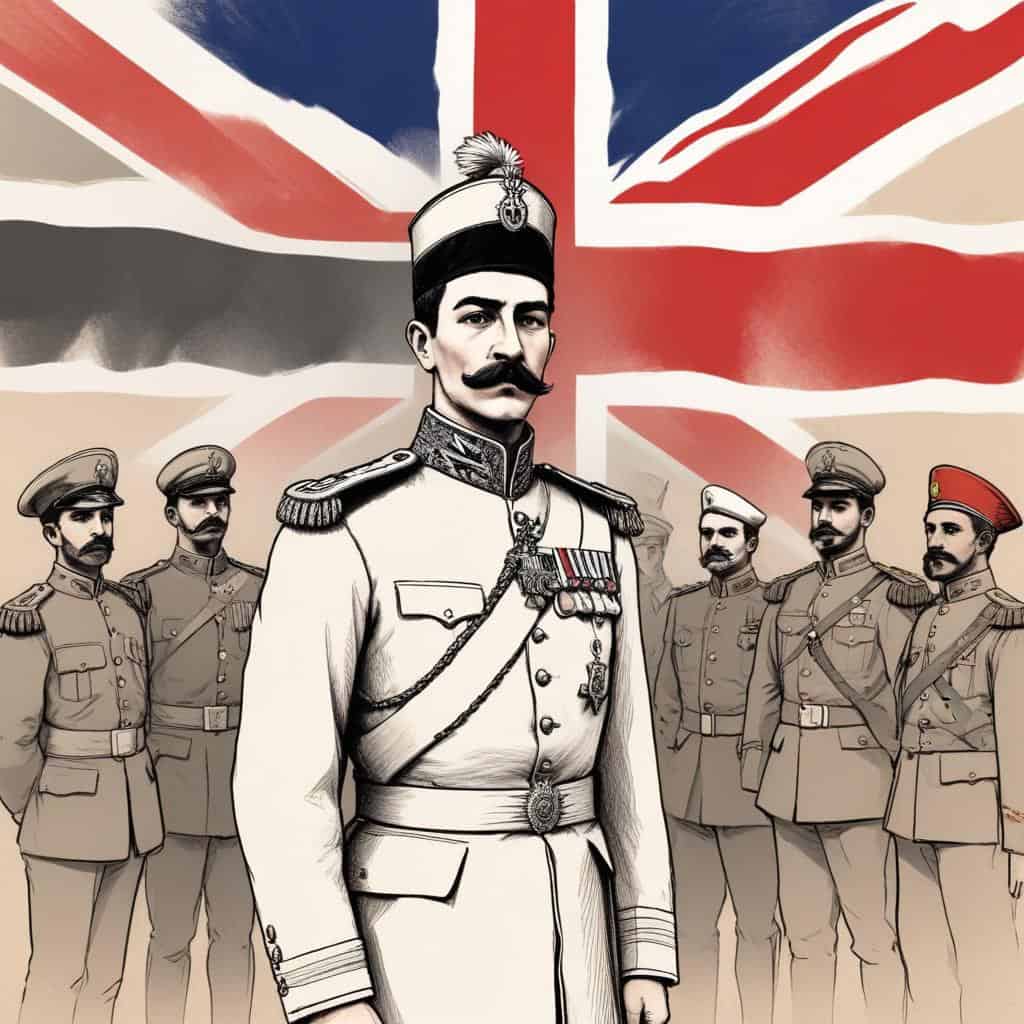
Khedive Tewfik Pasha
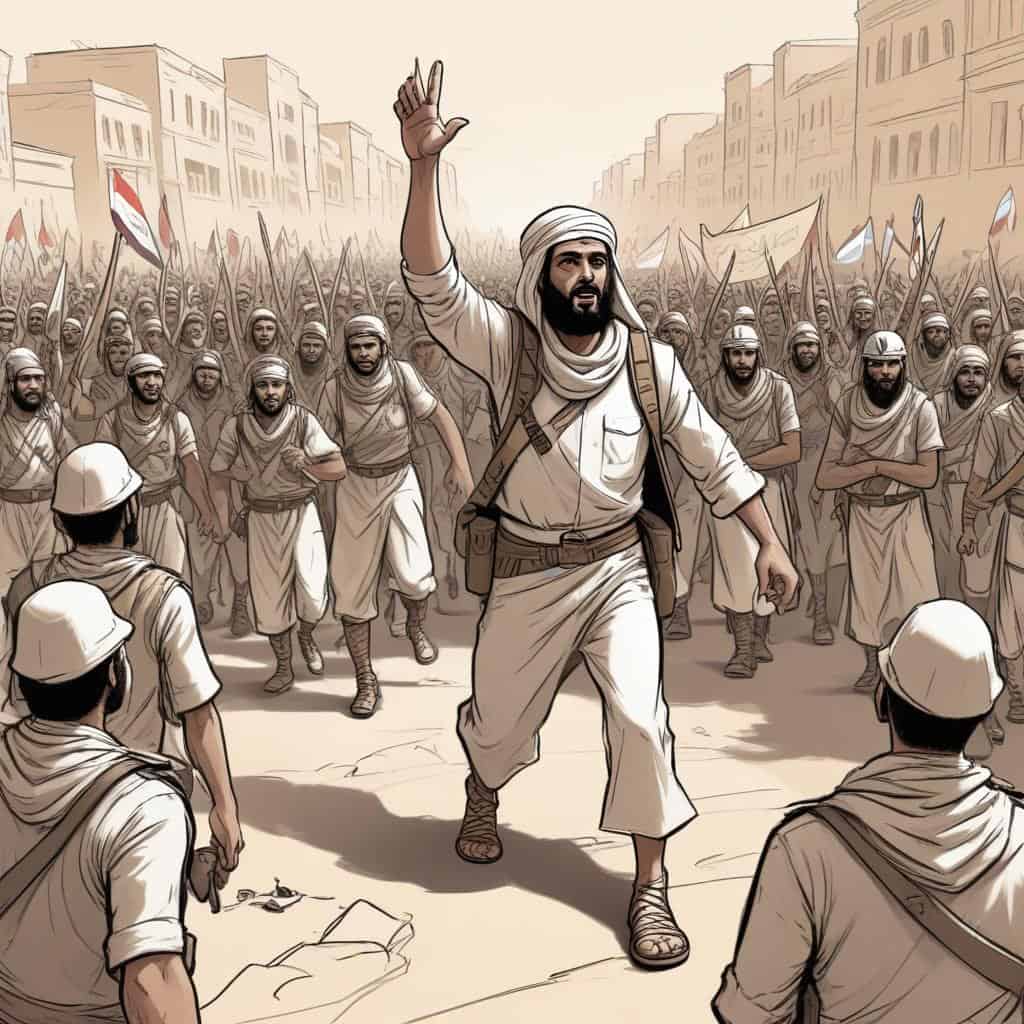
Ahmad Urabi

The Ottoman Empires Decline

Egypts Debt Crisis

The Urabi Revolt

The British Intervention

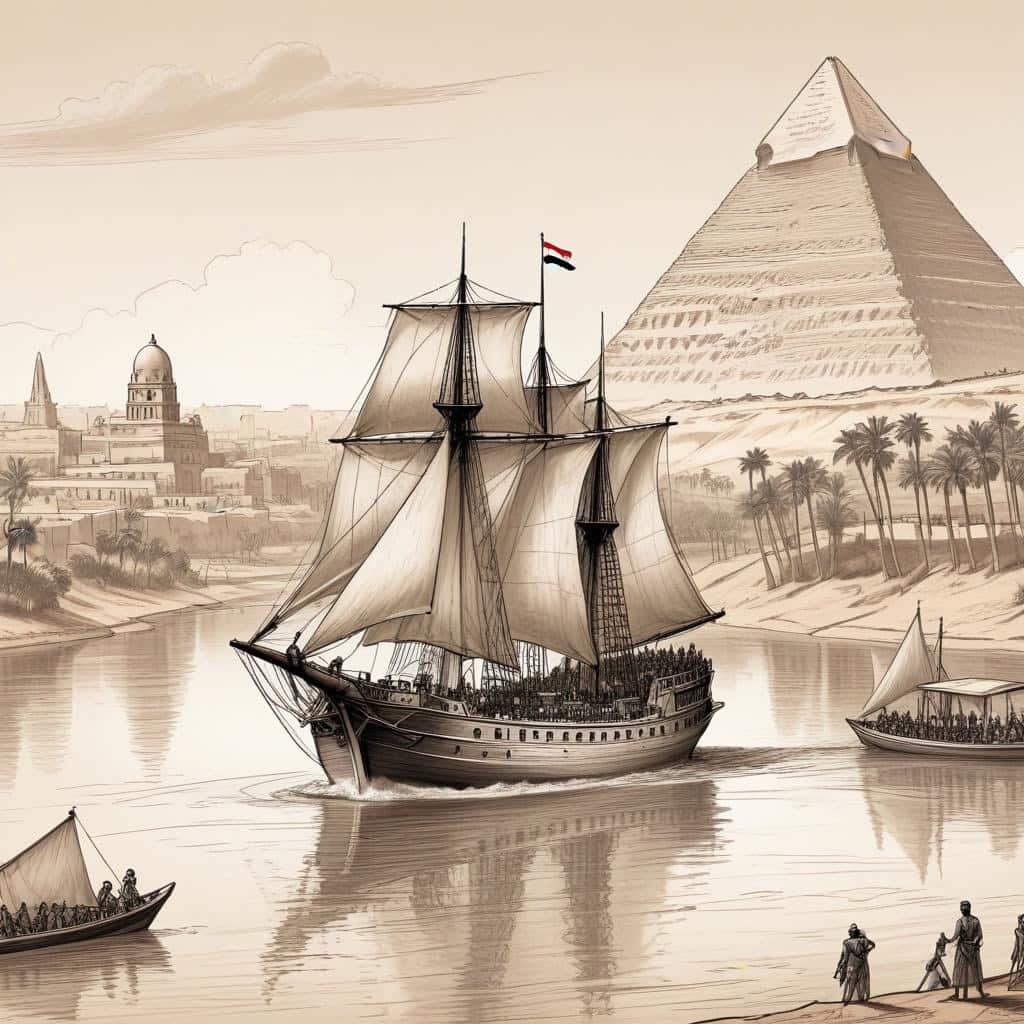
The Bombardment of Alexandria

The Occupation of Cairo

The End of the Urabi Revolt

The British Protectorate

The Impact on Egyptian Society

The Legacy of British Annexation
Lesson Details & Resources
In a Nutshell
- What: The British annexation of Egypt in 1882
- When: 1882
- Who: British forces, Egyptian government
- Outcome: British control over Egypt, leading to its status as a protectorate
Famous Figures in the British annexation of Egypt
-
Sir Evelyn Baring
Sir Evelyn Baring, also known as Lord Cromer, was a British statesman who played a key role in the British annexation of Egypt in 1882.
-
Lord Cromer
Lord Cromer was a British diplomat and colonial administrator who served as the British Consul-General in Egypt during the time of the annexation.
-
Ahmed Orabi
Ahmed Orabi was an Egyptian nationalist leader who led a revolt against British rule in 1882, ultimately leading to the annexation of Egypt.
-
Tewfik Pasha
Tewfik Pasha was the Khedive of Egypt at the time of the British annexation in 1882, and was seen as a puppet ruler under British control.
Timeline of British annexation of Egypt
British naval bombardment of Alexandria
British occupation of Alexandria
Battle of Tel El Kebir
British forces occupy Cairo
British forces establish control over Suez Canal
Establishment of British military administration in Egypt
Appointment of British Consul-General in Egypt
British control over Egyptian finances
British control over Egyptian government
Formation of British Advisory Council in Egypt
Establishment of British protectorate over Egypt
British suppression of nationalist uprising in Egypt
British recognition of Khedive Tewfik as ruler of Egypt
Formation of British-Egyptian Condominium over Sudan
British control over Egyptian army and police
Establishment of British residency in Cairo
Implementation of British reforms in Egyptian administration
British suppression of Mahdist uprising in Sudan
British recognition of Egyptian sovereignty under British protection
British control over Egyptian foreign policy
Vocabulary List
- Annexation
- The act of taking control of a territory or country, usually by force or through a legal process.
- Imperialism
- The policy of extending a country's power and influence through colonization, use of military force, or economic dominance.
- Occupation
- The control and possession of a territory by a foreign power, usually involving military presence.
- Colonialism
- The practice of establishing colonies in distant territories and exploiting their resources and people for the benefit of the colonizing power.
- Resistance
- The opposition or defiance of a group or population to foreign occupation or control.
- Diplomacy
- The art and practice of conducting negotiations and maintaining relationships between countries, often in the pursuit of political or economic goals.
- Invasion
- The incursion of an armed force into a territory with the intent of conquest or occupation.
- Nationalism
- The belief in the superiority and importance of one's own nation, often leading to the desire for independence or self-determination.
- Treaty
- A formal agreement between two or more countries, often outlining terms of peace, trade, or alliance.
Key Facts
This is the information used in the fact matching game
- The British annexed Egypt in 1882 following a period of political instability and economic crisis.
- The annexation was a response to the growing influence of France and the Ottoman Empire in Egypt.
- The British established a protectorate over Egypt, effectively taking control of the country's government and finances.
- The annexation of Egypt was met with resistance from nationalist movements and anti-colonial activists.
- The British installed a puppet ruler, Tewfik Pasha, as the Khedive of Egypt to maintain control over the country.
- The British occupation of Egypt was motivated by strategic interests in securing the Suez Canal, a vital waterway for trade and military transportation.
- The British established a system of indirect rule in Egypt, allowing local officials to govern on behalf of the colonial administration.
- The British implemented economic reforms in Egypt to prioritize the interests of British investors and merchants.
- The annexation of Egypt sparked widespread protests and uprisings against British colonial rule.
- The British military presence in Egypt led to the growth of nationalist movements advocating for independence and self-rule.
- The British justified their annexation of Egypt as a means to bring stability and modernization to the country.
- The British occupation of Egypt lasted until 1952 when a military coup led by Gamal Abdel Nasser overthrew the monarchy and established a republic.
- The British presence in Egypt had a significant impact on the country's political, social, and economic development.
- The annexation of Egypt by the British Empire was part of a broader scramble for Africa by European colonial powers in the late 19th century.
- The British used Egypt as a base for their imperial expansion in the Middle East and North Africa, extending their influence over the region.
- The annexation of Egypt by the British Empire marked the beginning of a period of colonial rule that would last for over 70 years.
- The British colonial administration in Egypt implemented policies that favored European settlers and marginalized the local population.
- The British annexation of Egypt had far-reaching consequences for the country's cultural heritage, as British authorities imposed their own cultural values and norms on Egyptian society.
- The British occupation of Egypt led to the construction of major infrastructure projects, such as railways, telegraph lines, and irrigation systems, to facilitate colonial rule and economic exploitation.
- The British annexation of Egypt was met with mixed reactions from the international community, with some powers supporting British imperialism and others condemning it as a violation of Egyptian sovereignty.
Analysis & Significance
Immediate Consequences
The British annexation of Egypt in 1882 led to the establishment of a British protectorate over the country, effectively taking control of its government and resources. This action sparked immediate backlash from Egyptian nationalists and fueled anti-British sentiments in the region.
Long-Term Impact
The long-term impact of the British annexation of Egypt was profound. It marked the beginning of British dominance in the region and set the stage for further colonial expansion in the Middle East. This event also laid the groundwork for the eventual independence movements that would emerge in Egypt and other Arab countries in the 20th century.
Cultural Significance Today
The legacy of the British annexation of Egypt continues to influence relations between Egypt and the United Kingdom. It serves as a reminder of the colonial past and the struggles for independence that have shaped the modern Middle East. The event also highlights the complexities of imperialism and its lasting effects on national identities and politics in the region.
British annexation of Egypt Games


Take Your Learning Offline
Want a convenient, print-ready study guide for this lesson? Become a Memory Wizards Pro member to unlock the downloadable " Memory Scrolls" for this topic and our entire library!
- ✓ Complete Vocabulary Lists
- ✓ Key Facts & Timelines
- ✓ Beautifully Formatted for Print & Mobile