
Summary of Belgian colonization of the Congo (1885-1908)
Unveiling the dark legacy of Belgian rule in the heart of Africa.
How Do You Learn Best?
Learn by Reading
Immerse yourself in the 10-minute visual lesson for a comprehensive understanding of the topic.
Learn by Reviewing
Jump directly to the key facts, timeline, and vocabulary lists to build a solid foundation of details.
Learn by Doing
Challenge yourself! Jump straight into the interactive games to learn by trial, error, and discovery.
Belgian colonization of the Congo in 10 Minutes
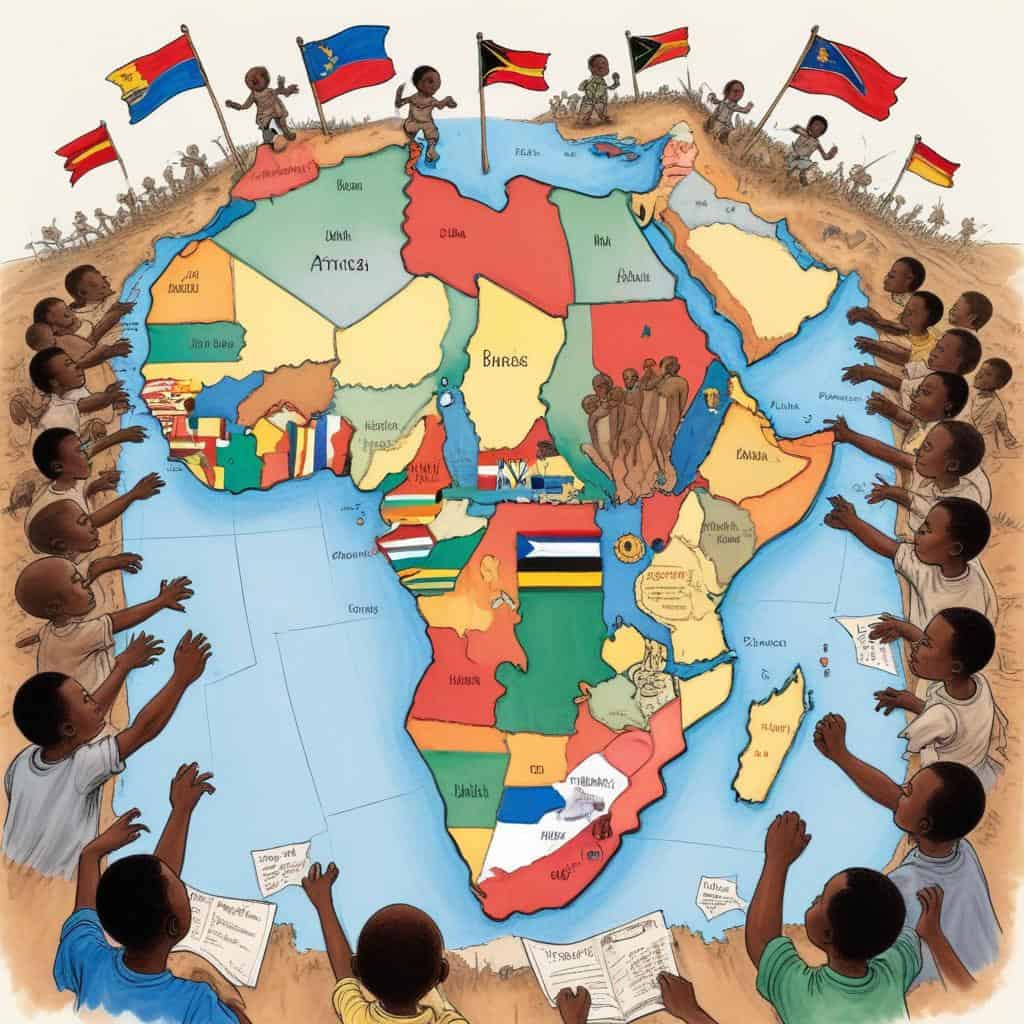
Introduction
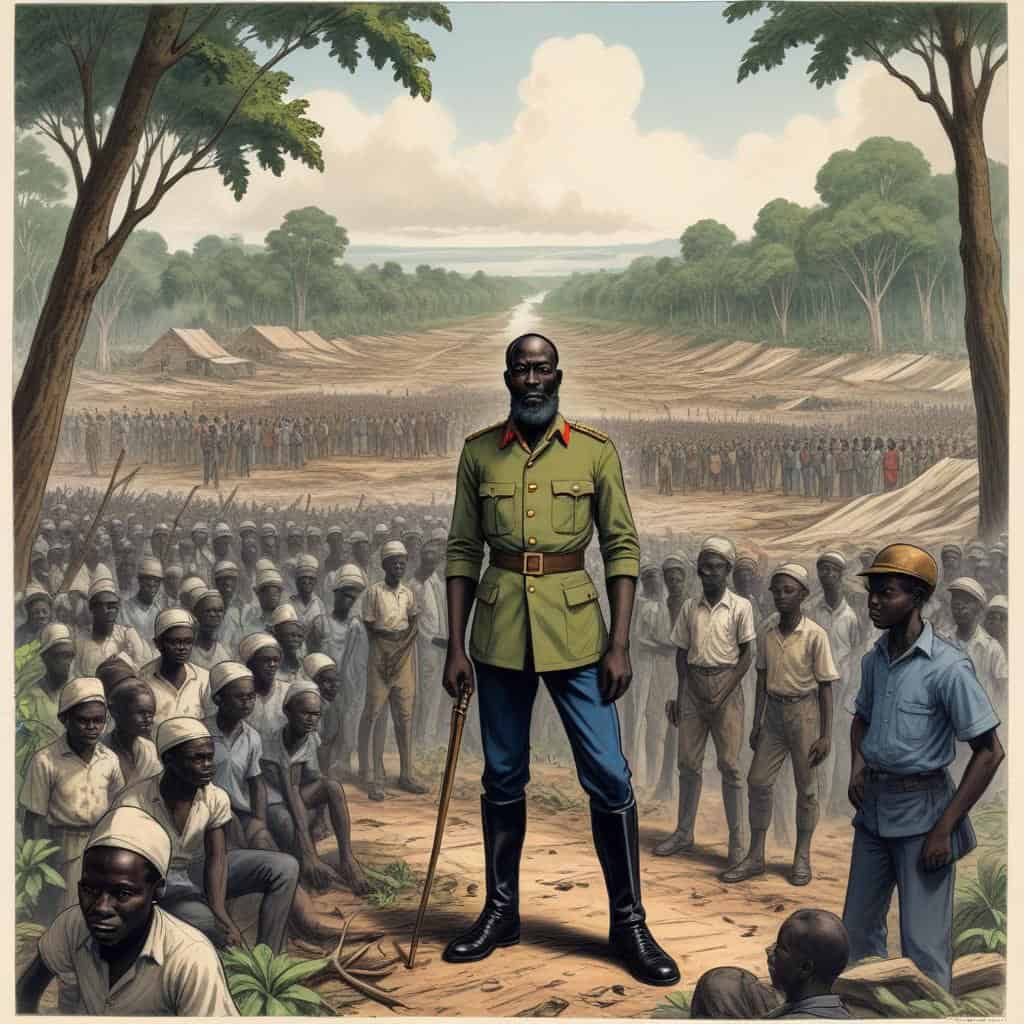
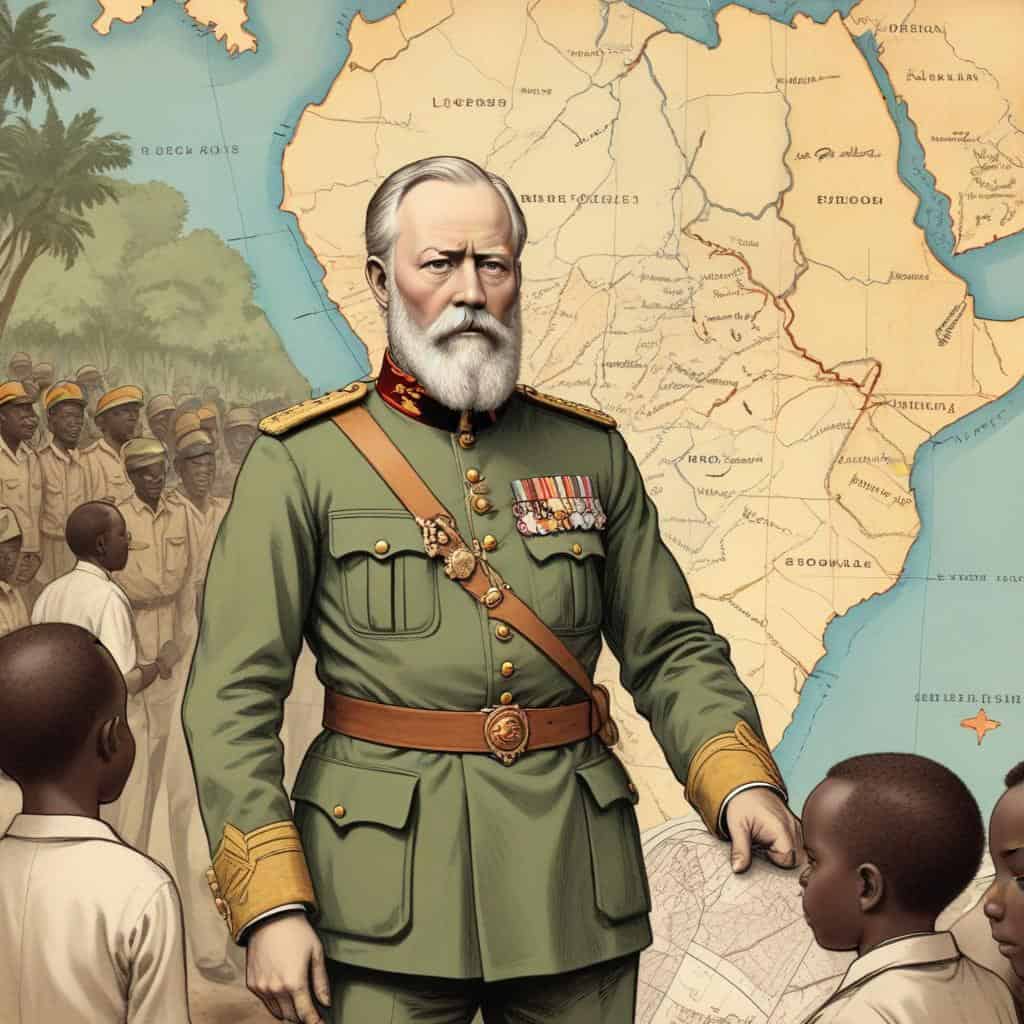
King Leopold II
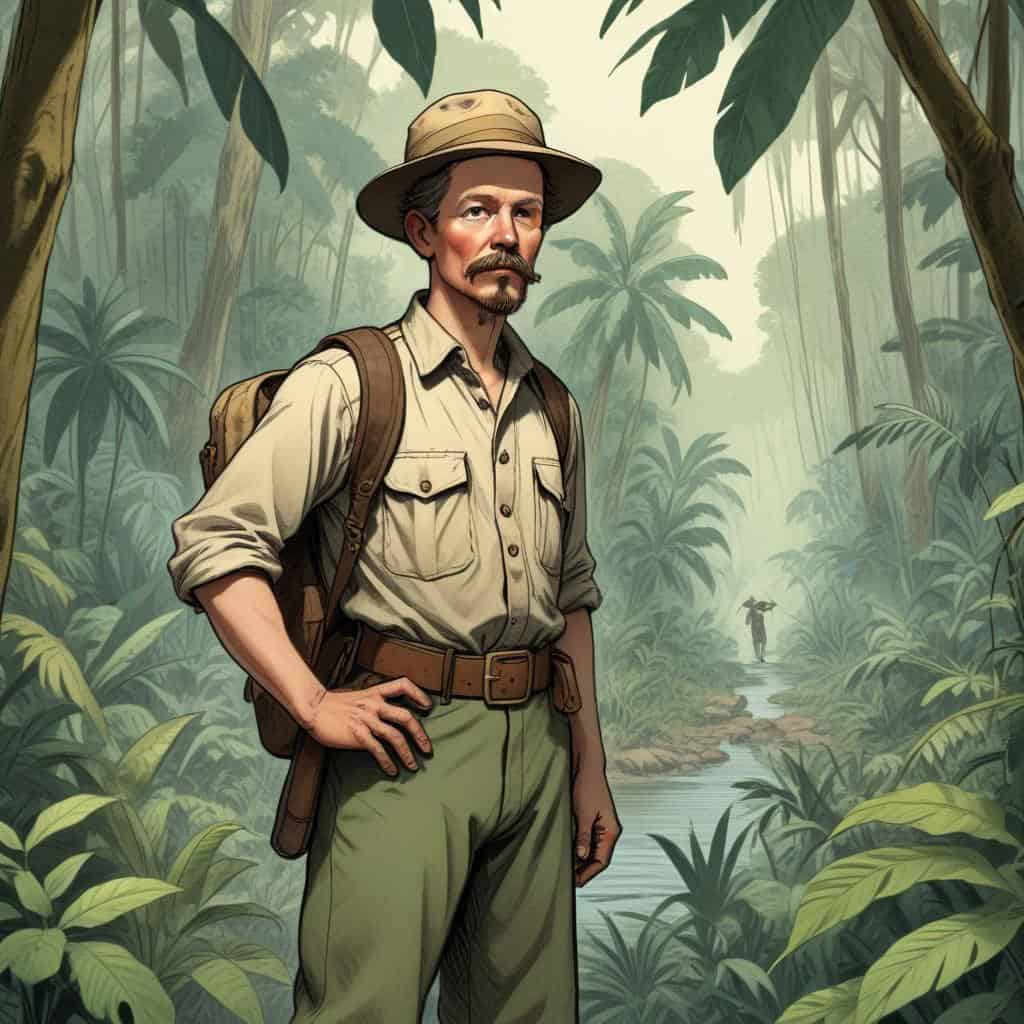
Henry Morton Stanley
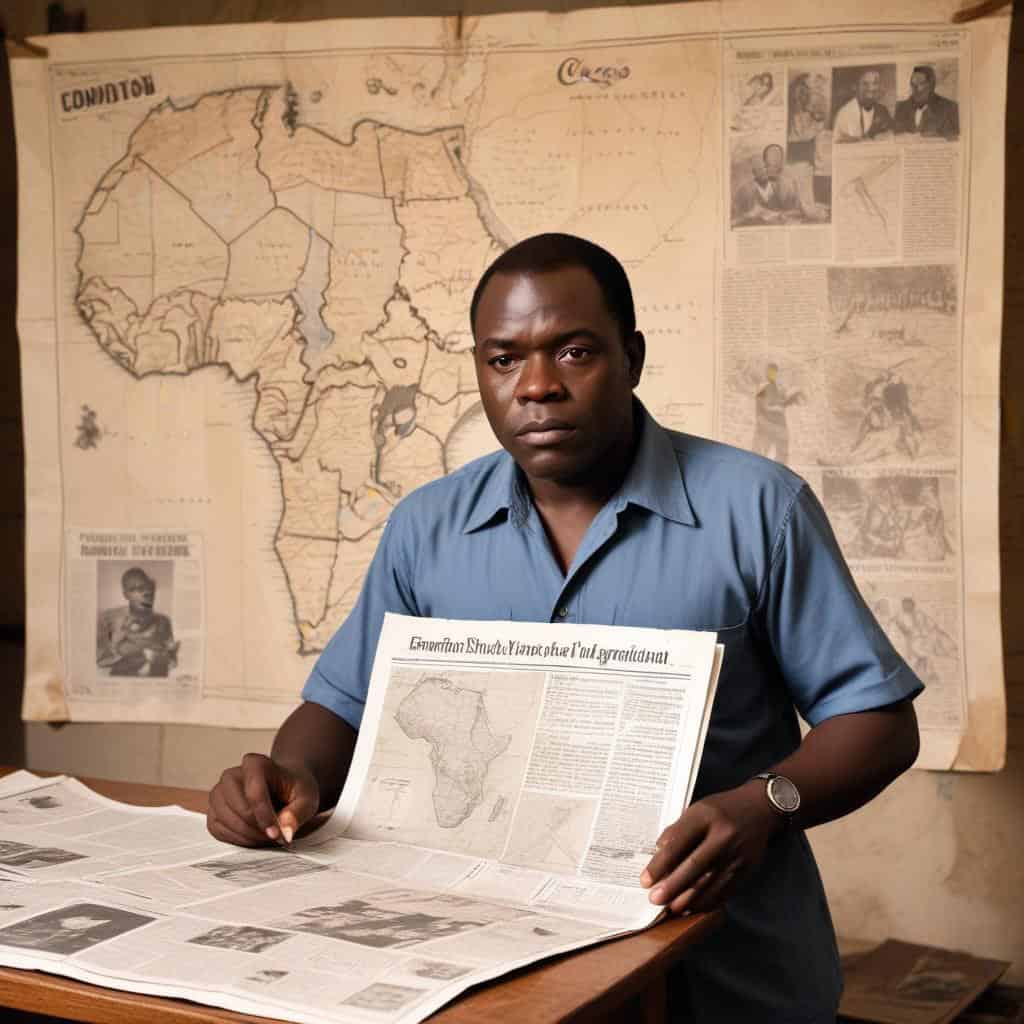
Edmund Dene Morel
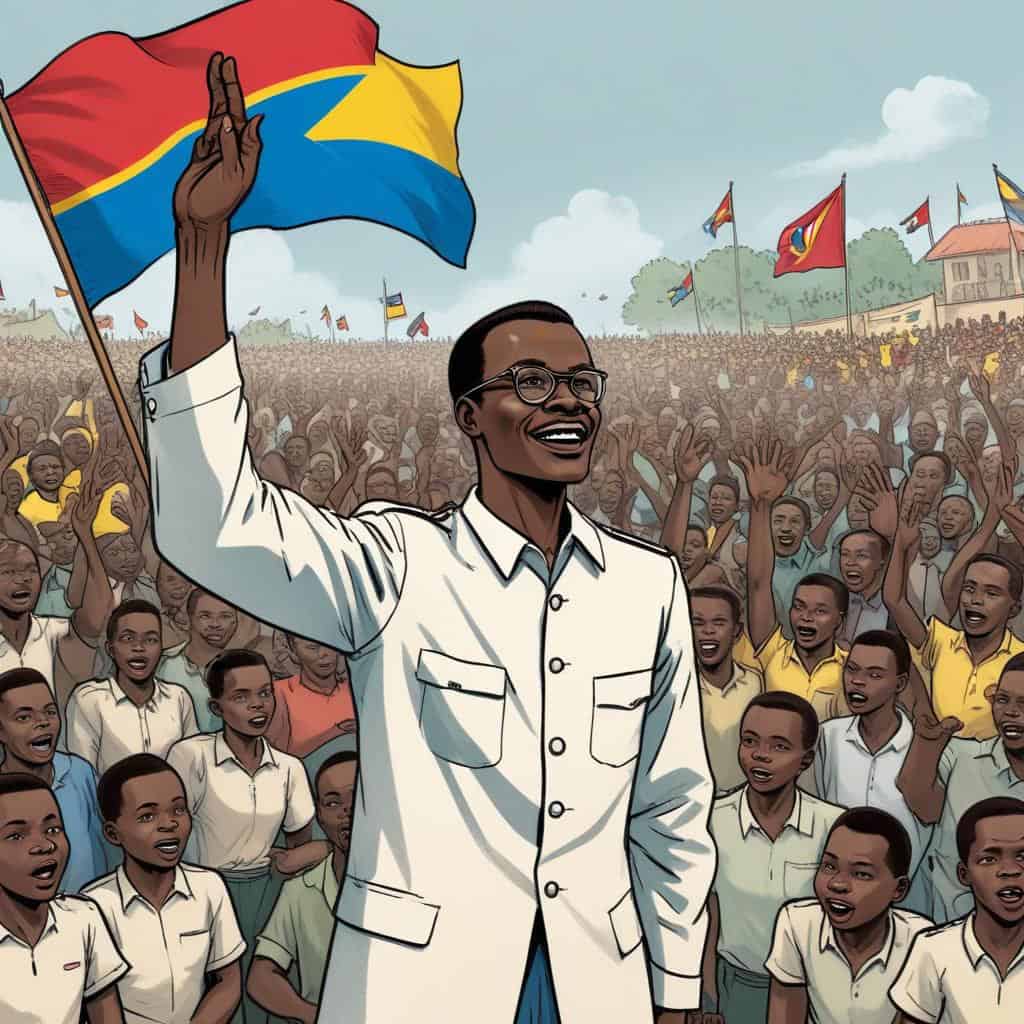
Patrice Lumumba

The Berlin Conference of 1884-1885
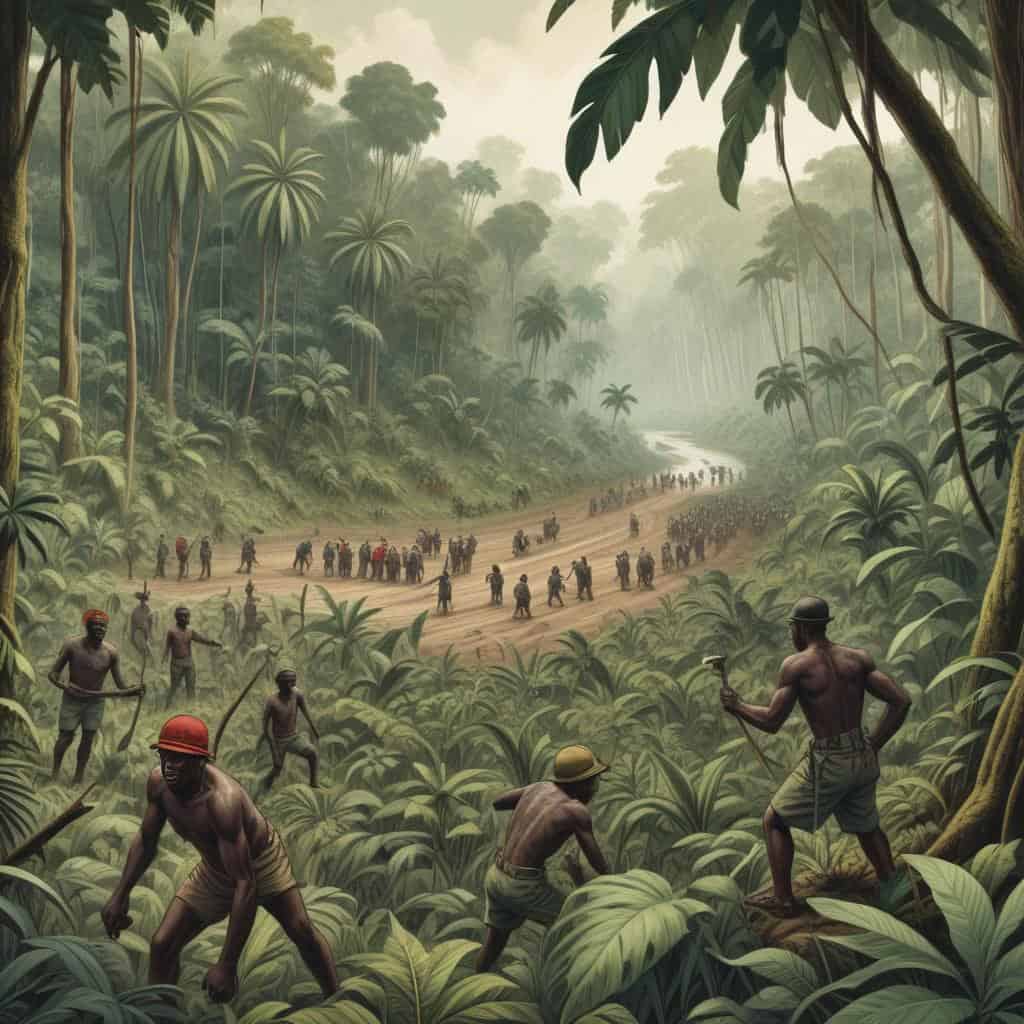
Exploitation of Rubber and Ivory

The Reign of Terror

The Atrocities of Force Publique

The Population Decline

Resistance and Rebellion

International Outcry
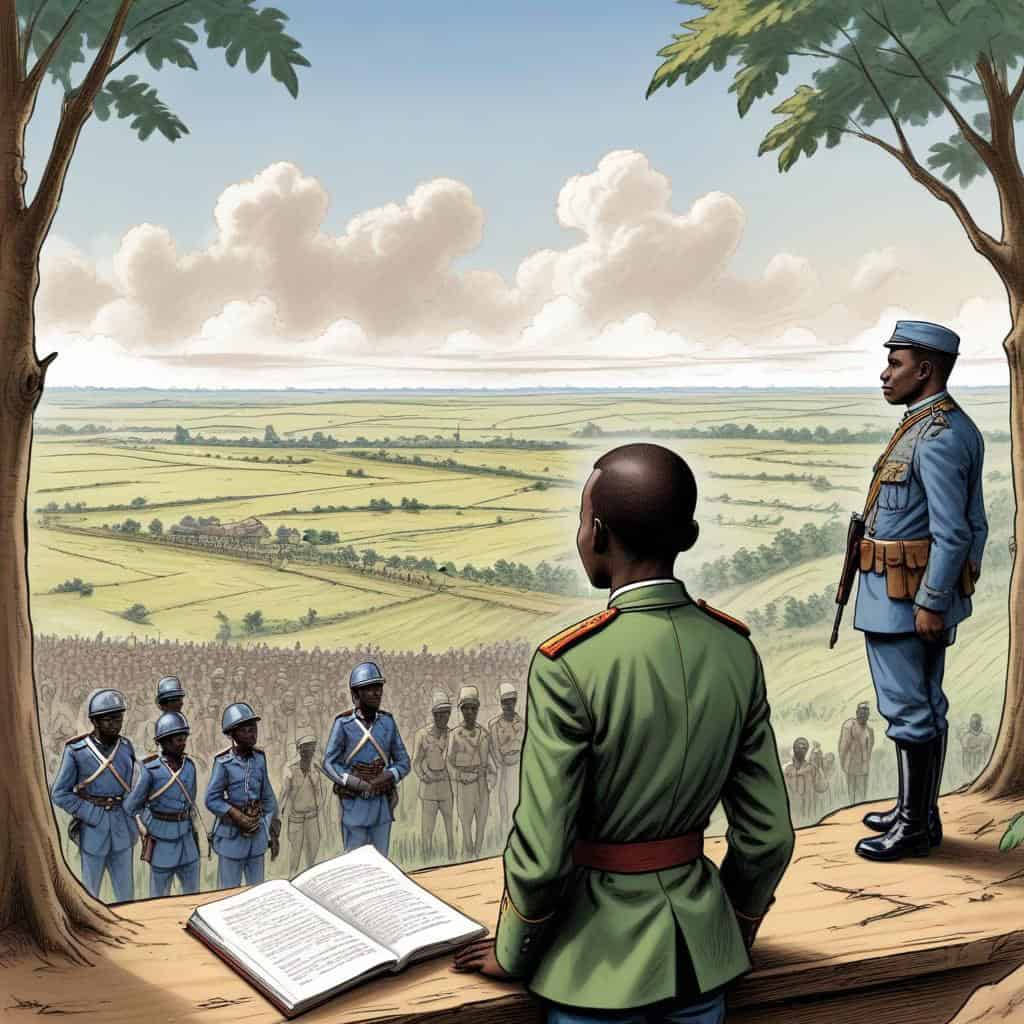
The Transition to Belgian State Rule

The Legacy of Belgian Colonization

Reconciliation and Healing
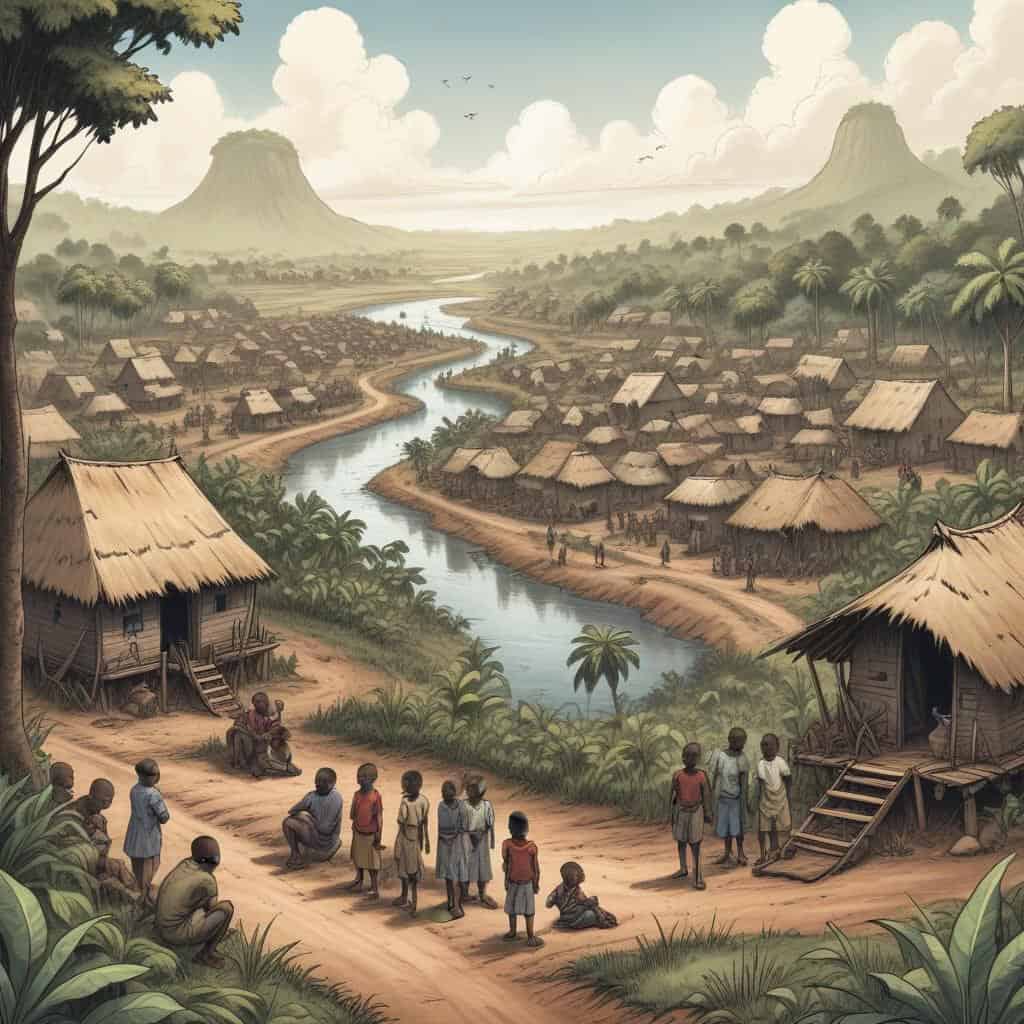
Lesson Details & Resources
In a Nutshell
- What: The Belgian colonization of the Congo
- When: 1885-1908
- Who: King Leopold II of Belgium, Congolese people
- Outcome: Exploitation of the Congo’s resources, forced labor, and atrocities committed against the local population
Famous Figures in the Belgian colonization of the Congo
-
Leopold II of Belgium
Leopold II of Belgium was the King of Belgium and the founder and sole owner of the Congo Free State, which he governed as a personal colony.
-
Henry Morton Stanley
Henry Morton Stanley was a Welsh journalist and explorer who played a key role in the exploration and colonization of Central Africa, including the Congo region.
-
Roger Casement
Roger Casement was an Irish diplomat and humanitarian who exposed the atrocities committed by the Belgian colonial authorities in the Congo.
-
Joseph Conrad
Joseph Conrad was a Polish-British writer who wrote the novel 'Heart of Darkness', which explores the dark side of European imperialism in Africa, particularly in the Congo.
Timeline of Belgian colonization of the Congo
Belgium establishes the Congo Free State under King Leopold II
King Leopold II appoints Henry Morton Stanley as his envoy to the Congo
The Berlin Conference recognizes the Congo Free State as Leopold's personal property
Leopold's agents use forced labor and violence to extract resources from the Congo
Reports of atrocities and abuses in the Congo Free State begin to emerge
The Casement Report exposes widespread abuses and atrocities in the Congo Free State
International pressure forces Belgium to take over the administration of the Congo Free State
The Belgian Parliament annexes the Congo Free State as the Belgian Congo
Belgium introduces reforms to improve conditions in the Congo
The Congo Reform Association campaigns for better treatment of Congolese people
Belgium establishes a colonial administration in the Congo
Belgium expands its control over the Congo's resources and economy
Belgium enforces labor policies and taxation on the Congolese population
Congolese people resist Belgian rule through uprisings and protests
Belgium invests in infrastructure and development projects in the Congo
The Belgian Congo gains more autonomy and self-governance
Congolese independence movement grows in strength and demands self-rule
Belgium grants independence to the Congo
The Congo becomes the independent Republic of the Congo
The legacy of Belgian colonization in the Congo continues to impact the country's development and politics
Vocabulary List
- Exploitation
- The Belgian colonization of the Congo was marked by the brutal exploitation of its natural resources and indigenous population.
- Forced labor
- Belgian colonial authorities imposed a system of forced labor on the Congolese people, leading to widespread suffering and death.
- Rubber trade
- The rubber trade played a central role in the economic exploitation of the Congo by Belgian colonizers.
- Atrocities
- The Belgian colonization of the Congo was characterized by numerous atrocities, including mass killings and mutilations.
- Concession
- Belgian companies were granted concessions by the colonial government to exploit the natural resources of the Congo.
- Indigenous
- The indigenous population of the Congo suffered greatly under Belgian colonial rule, facing violence, disease, and displacement.
- Rebellion
- Several rebellions broke out in response to the harsh conditions imposed by Belgian colonizers in the Congo.
- Missionaries
- Belgian missionaries played a role in the colonization of the Congo, often collaborating with colonial authorities to convert and control the local population.
- Depopulation
- The brutal tactics employed by Belgian colonizers in the Congo led to widespread depopulation in many regions.
- King Leopold II
- King Leopold II of Belgium was the driving force behind the colonization of the Congo, establishing a personal colony known as the Congo Free State.
Key Facts
This is the information used in the fact matching game
- The Belgian colonization of the Congo began in 1885 when King Leopold II of Belgium established the Congo Free State as his personal possession.
- The Belgian colonization of the Congo was characterized by brutal exploitation, forced labor, and widespread human rights abuses.
- King Leopold II claimed to be on a humanitarian mission in the Congo, but in reality, he was primarily interested in exploiting the region's natural resources, such as rubber and ivory.
- The local population in the Congo was subjected to harsh treatment under Belgian rule, including forced labor, mutilation, and violence.
- The Belgian colonization of the Congo led to the deaths of millions of Congolese people, primarily due to disease, starvation, and violence.
- The rubber trade in the Congo was particularly brutal, with workers forced to meet quotas and punished harshly for failing to do so.
- The Belgian authorities in the Congo implemented a system of forced labor, known as the corvée, to extract resources from the local population.
- The Belgian colonization of the Congo was marked by extreme inequality, with the indigenous population living in poverty while European settlers and officials profited from the exploitation of the region.
- King Leopold II's rule in the Congo was so brutal that it sparked an international outcry, leading to the formation of a commission of inquiry in 1904 to investigate human rights abuses in the region.
- The commission of inquiry confirmed widespread abuses in the Congo, prompting the Belgian government to take over the administration of the colony from King Leopold II in 1908.
- The Belgian government's takeover of the Congo marked the end of the Congo Free State and the beginning of Belgian colonial rule in the region.
- Under Belgian colonial rule, the Congo saw some improvements in infrastructure and education, but the exploitation of the local population continued.
- The legacy of Belgian colonization in the Congo continues to impact the region today, with ongoing political instability, economic inequality, and social tensions.
- The Belgian colonization of the Congo is considered one of the most brutal episodes in the history of European imperialism in Africa.
- The atrocities committed during the Belgian colonization of the Congo have been compared to genocide, with estimates of the death toll ranging from 5 to 10 million people.
- The exploitation of the Congo's natural resources, particularly rubber, ivory, and minerals, enriched Belgium and fueled its industrialization in the late 19th and early 20th centuries.
- The Congo's independence from Belgium in 1960 marked the end of colonial rule in the region, but the legacy of Belgian colonization continues to shape the country's political, social, and economic landscape.
- Belgium has faced calls to officially apologize for its colonial legacy in the Congo and to provide reparations to the Congolese people for the atrocities committed during the colonial period.
- Efforts to address the legacy of Belgian colonization in the Congo have included public apologies, historical research, and initiatives to promote reconciliation and justice for the victims of colonial violence.
- The Belgian government has taken steps to acknowledge and address its colonial past in the Congo, including the creation of a parliamentary commission to investigate Belgium's role in the colonization and exploitation of the region.
Analysis & Significance
Immediate Consequences
The Belgian colonization of the Congo from 1885 to 1908 resulted in immediate devastation for the Congolese people. Forced labor, violence, and exploitation of resources led to widespread suffering and death among the indigenous population. Entire communities were uprooted and traditional ways of life were destroyed.
Long-Term Impact
The long-term impact of Belgian colonization in the Congo is profound and far-reaching. It laid the foundation for decades of political instability, economic exploitation, and social inequality in the region. The scars of this period continue to shape the Congo’s development and relations with the rest of the world.
Cultural Significance Today
The legacy of Belgian colonization in the Congo is still felt today. It serves as a stark reminder of the brutal consequences of imperialism and the importance of acknowledging and learning from the past. The atrocities committed during this time continue to influence debates on reparations, human rights, and global power dynamics.
Belgian colonization of the Congo Games


Take Your Learning Offline
Want a convenient, print-ready study guide for this lesson? Become a Memory Wizards Pro member to unlock the downloadable " Memory Scrolls" for this topic and our entire library!
- ✓ Complete Vocabulary Lists
- ✓ Key Facts & Timelines
- ✓ Beautifully Formatted for Print & Mobile