
Summary of Reign of Henry VII (1485-1509)
Unravel the mysteries of Henry VII's legendary reign and legacy.
How Do You Learn Best?
Learn by Reading
Immerse yourself in the 10-minute visual lesson for a comprehensive understanding of the topic.
Learn by Reviewing
Jump directly to the key facts, timeline, and vocabulary lists to build a solid foundation of details.
Learn by Doing
Challenge yourself! Jump straight into the interactive games to learn by trial, error, and discovery.
Reign of Henry VII in 10 Minutes
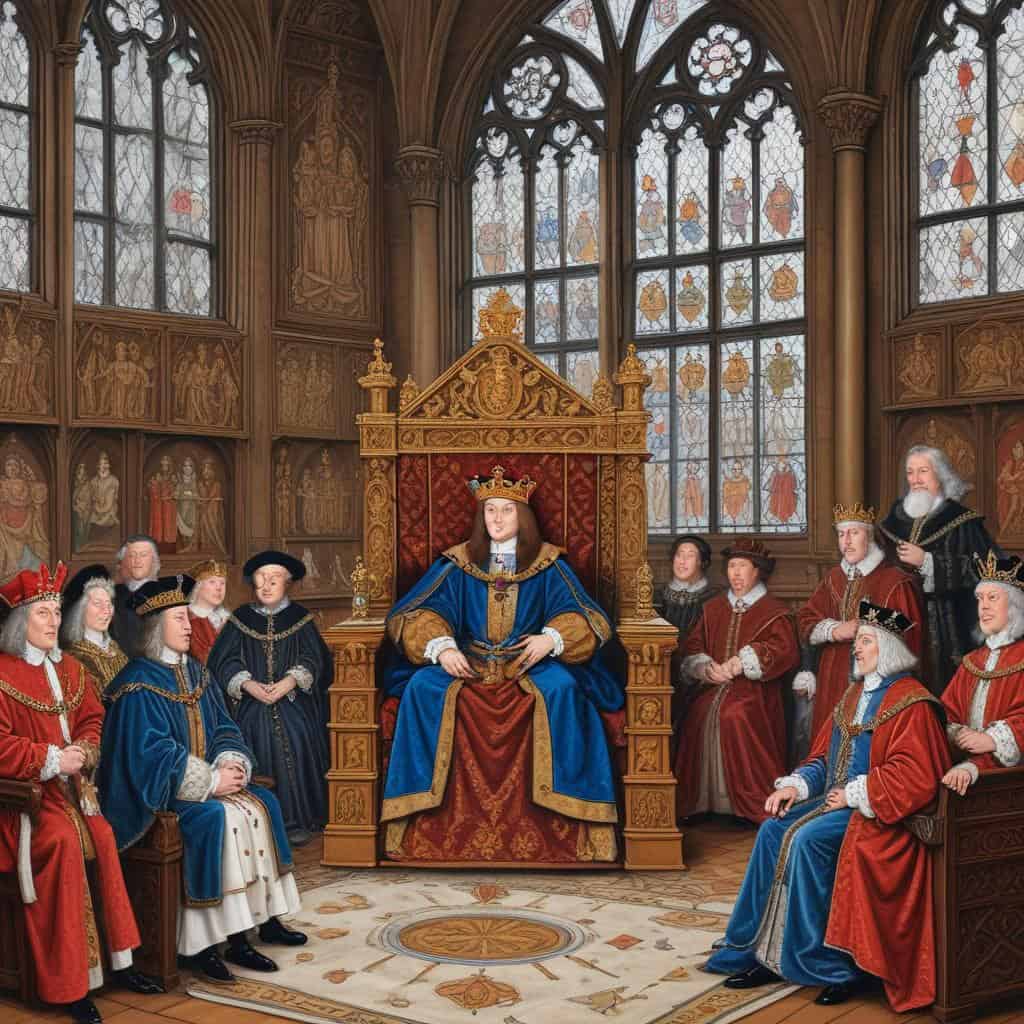
Introduction
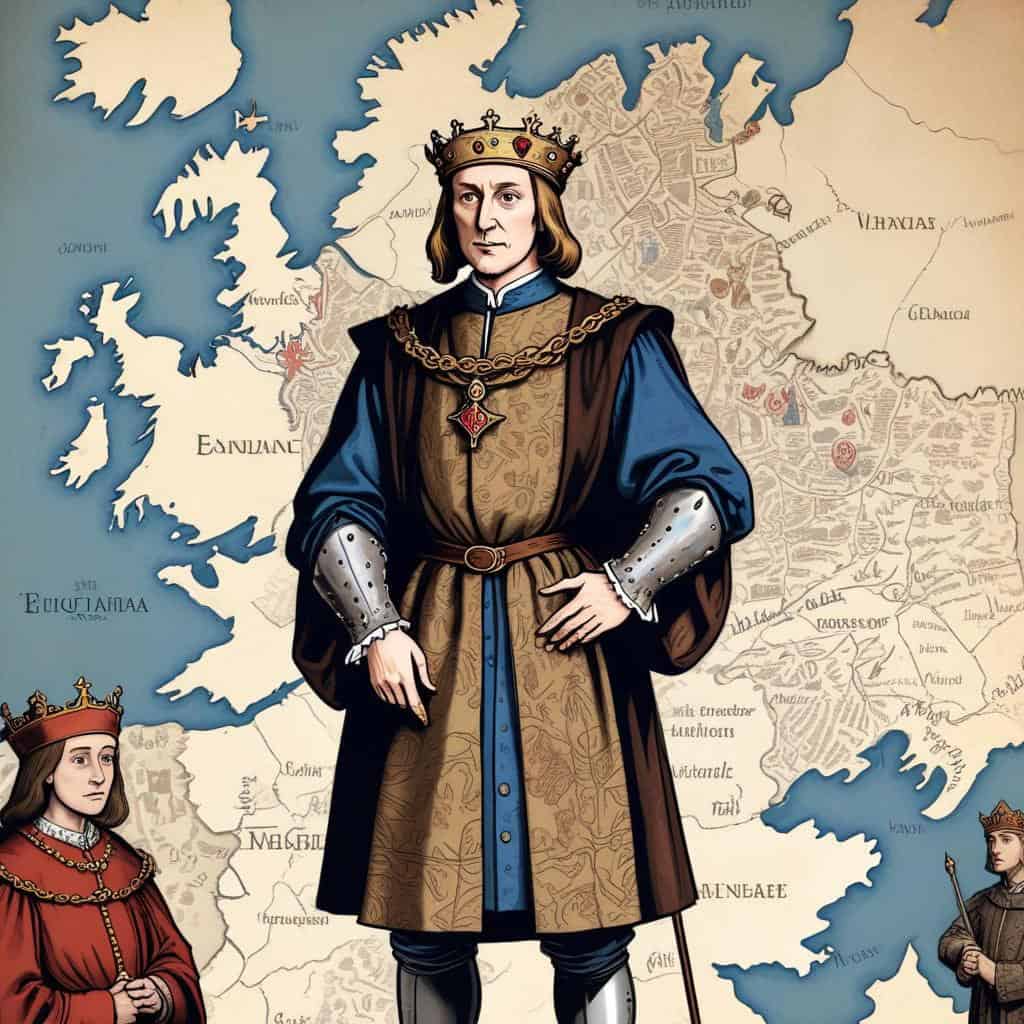
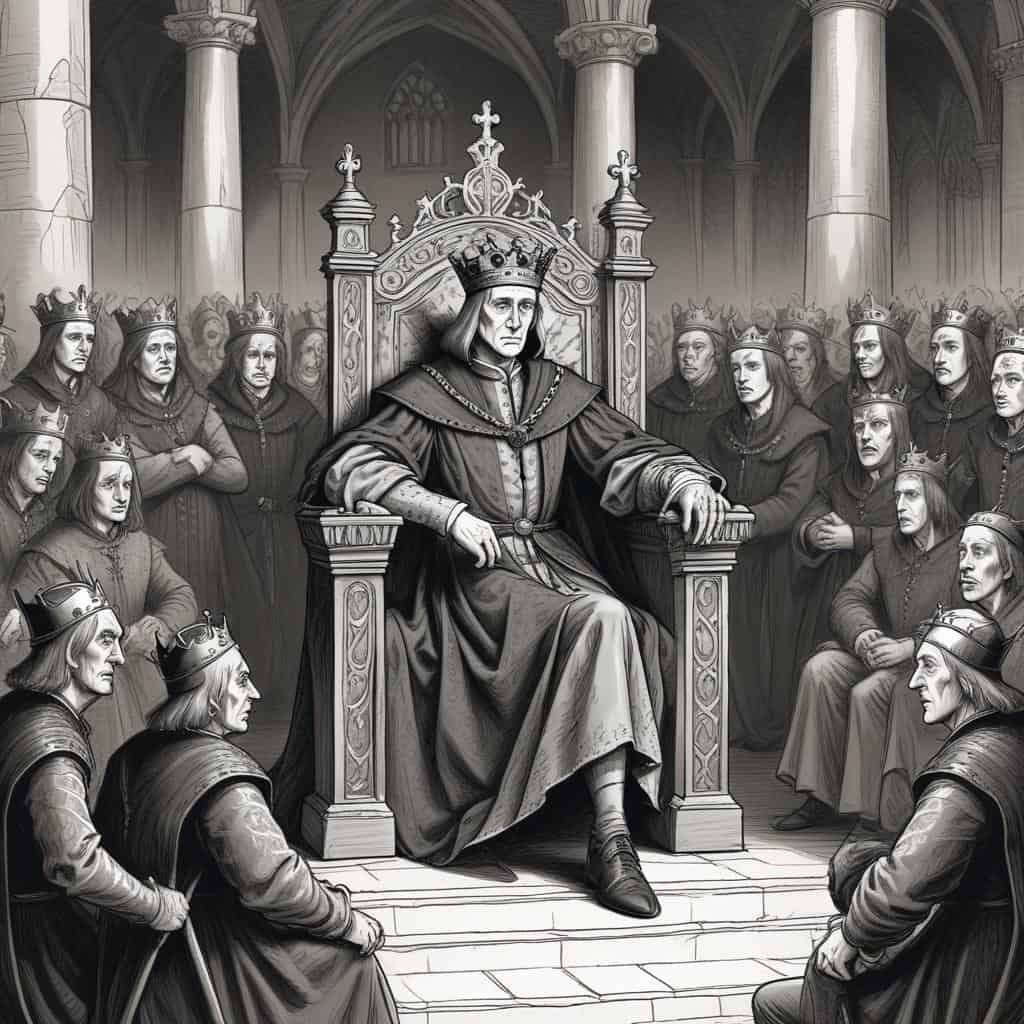
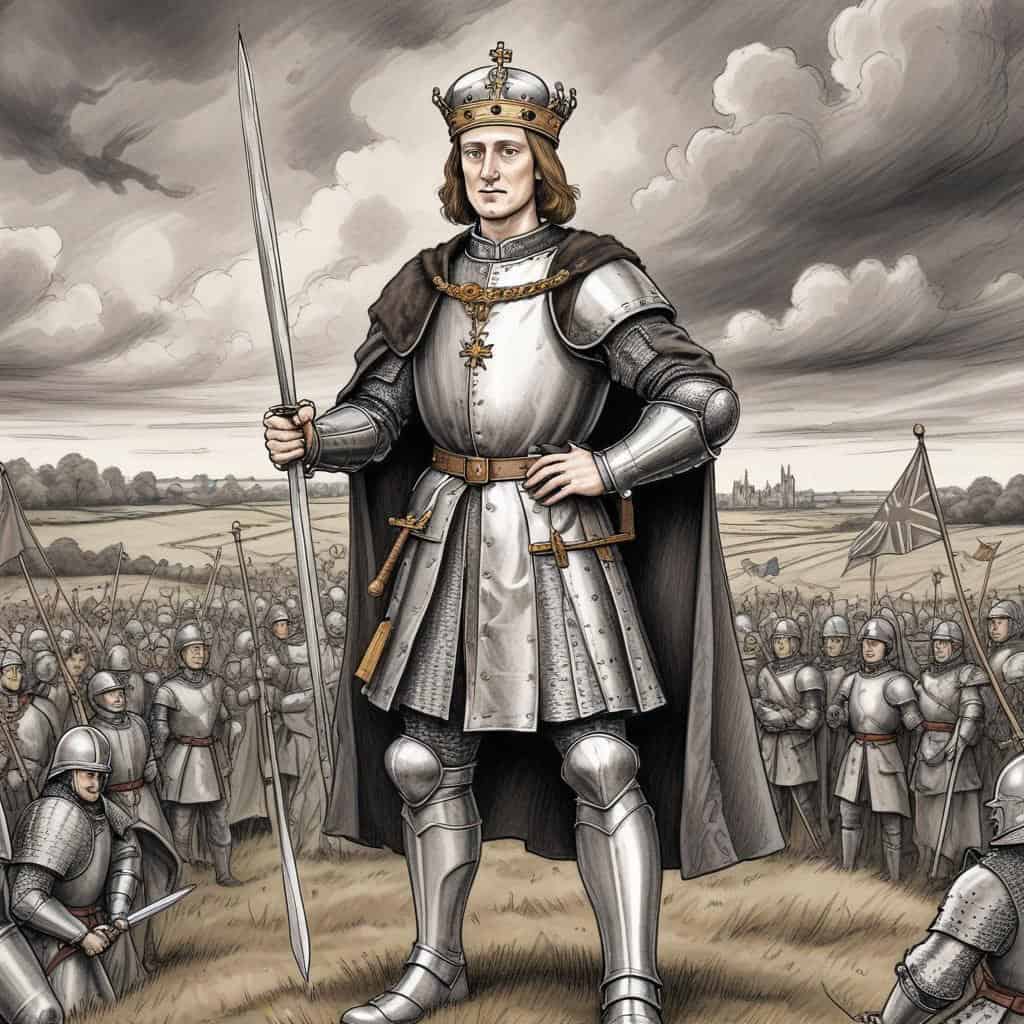
Henry VII
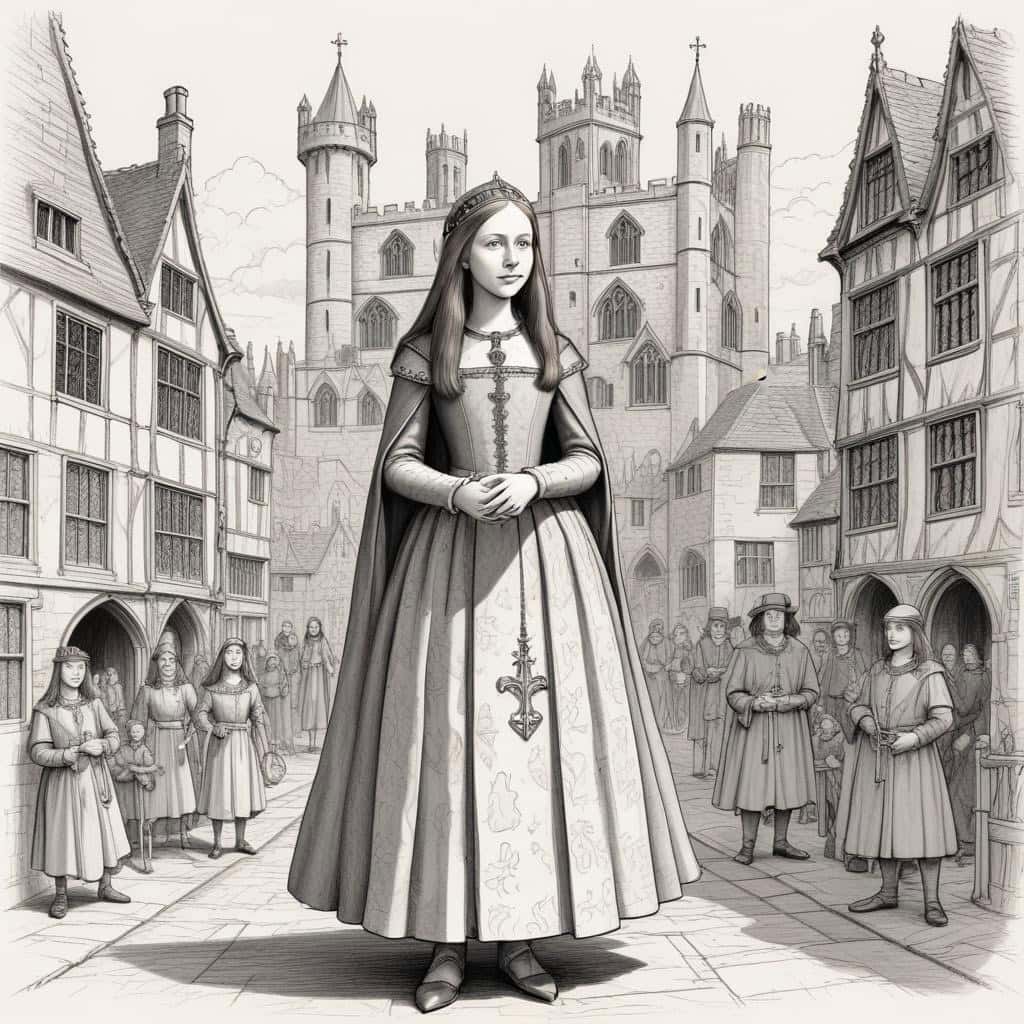
Elizabeth of York
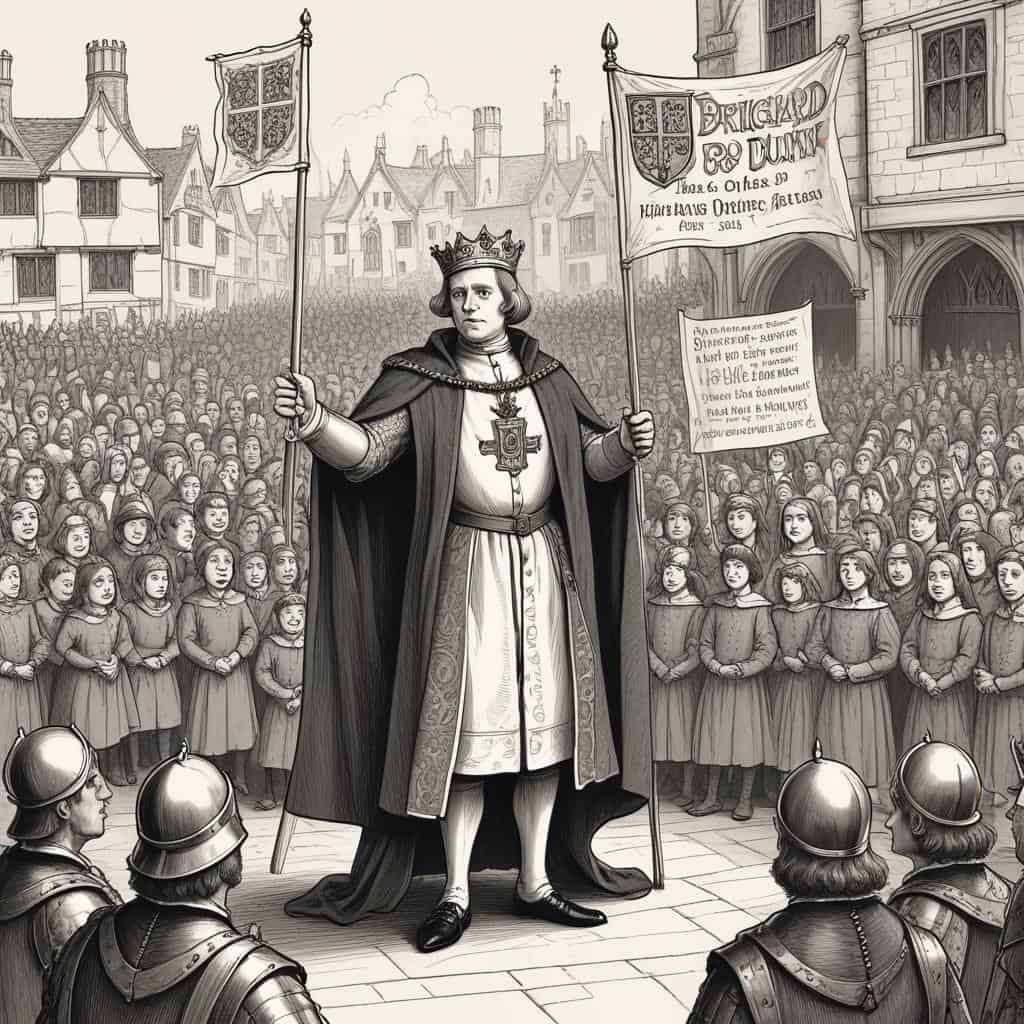
Perkin Warbeck
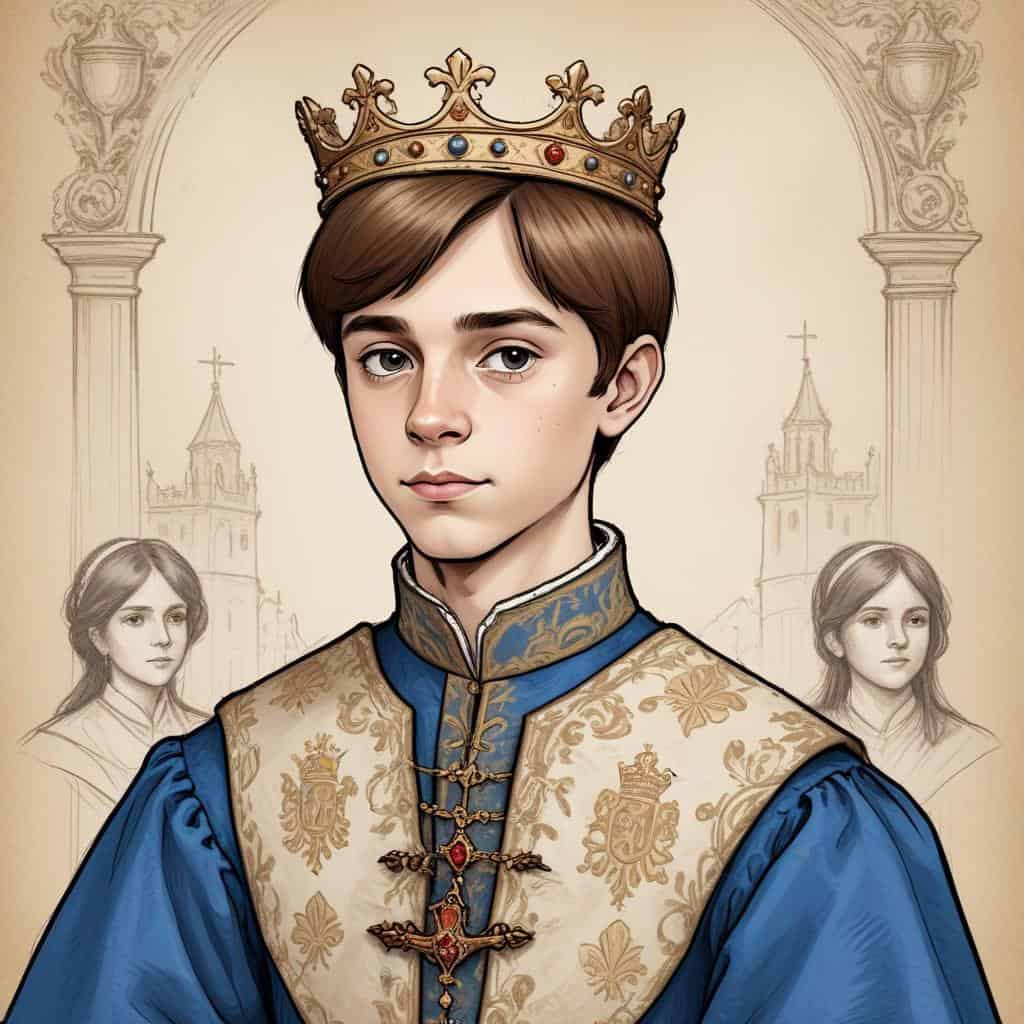
Arthur, Prince of Wales
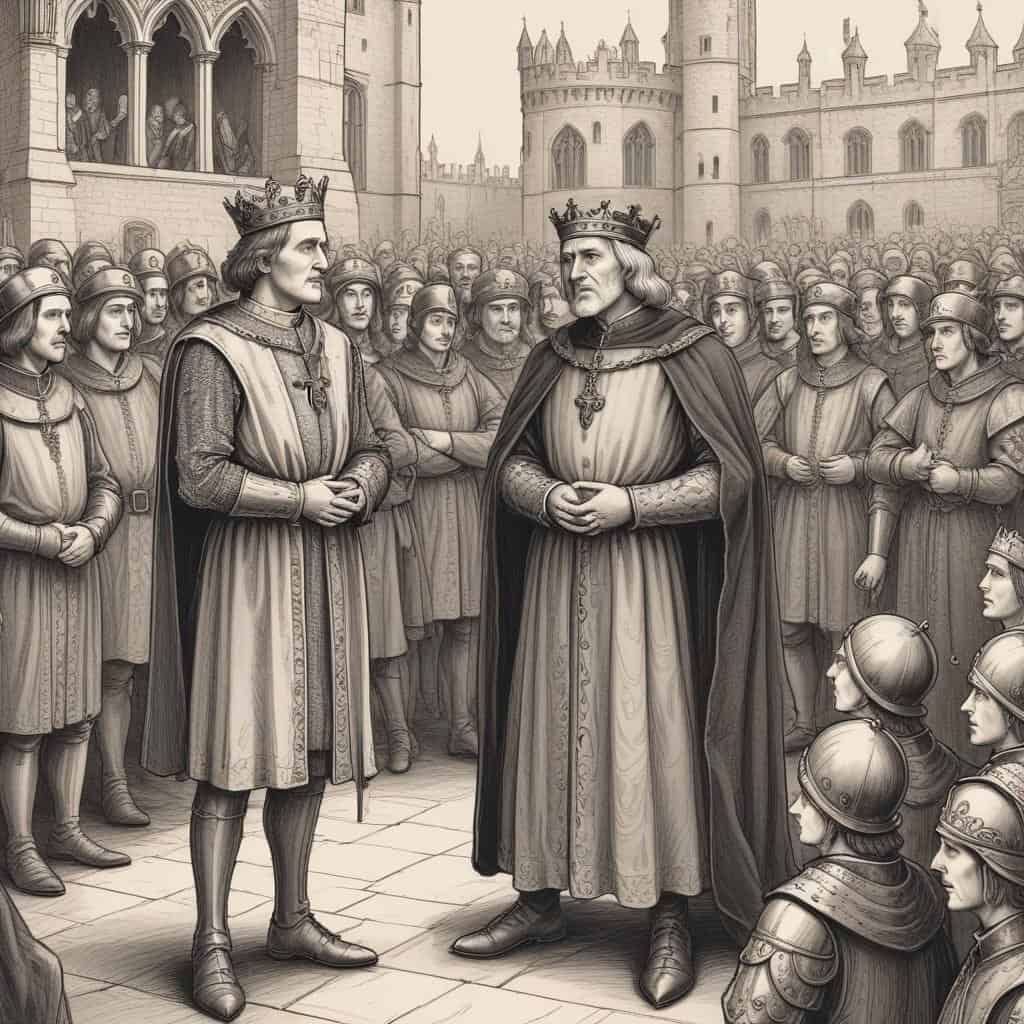
Empson and Dudley

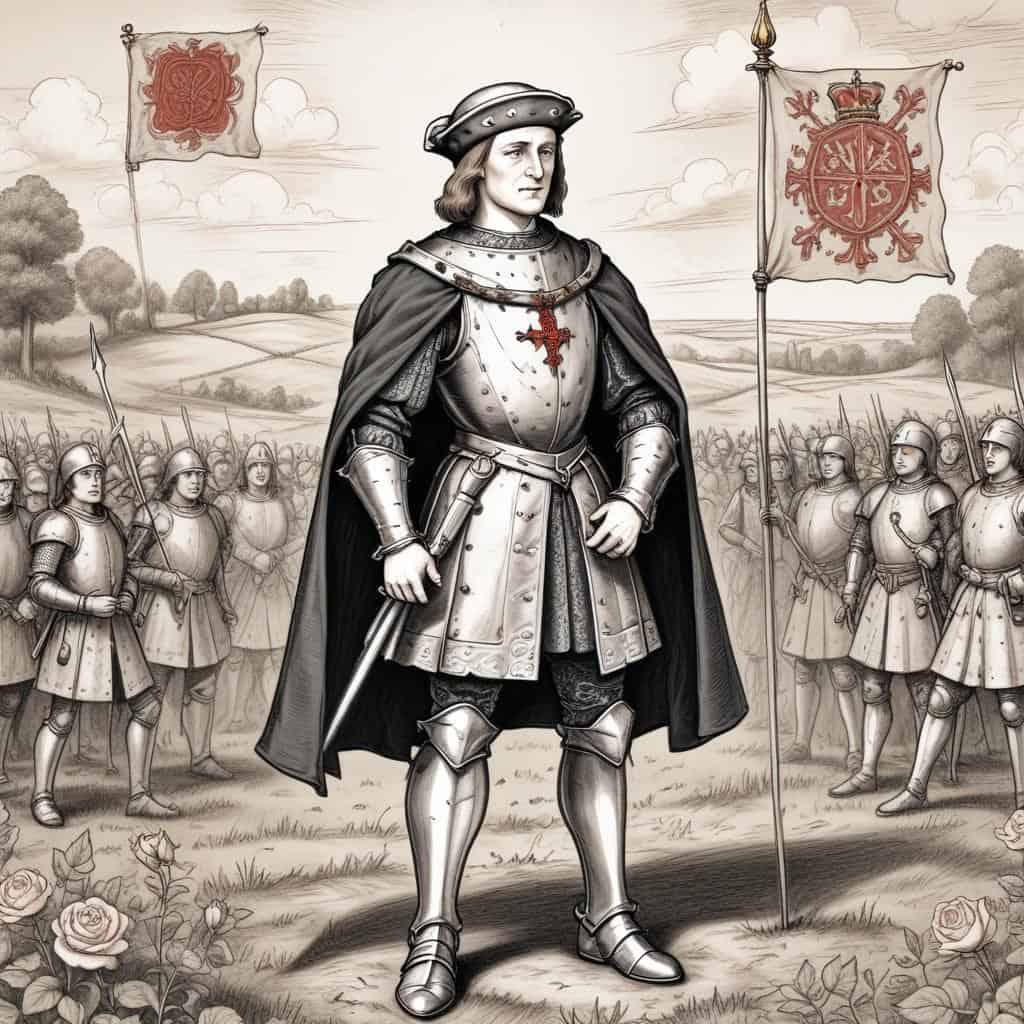
The Battle of Bosworth Field

The Establishment of the Tudor Dynasty
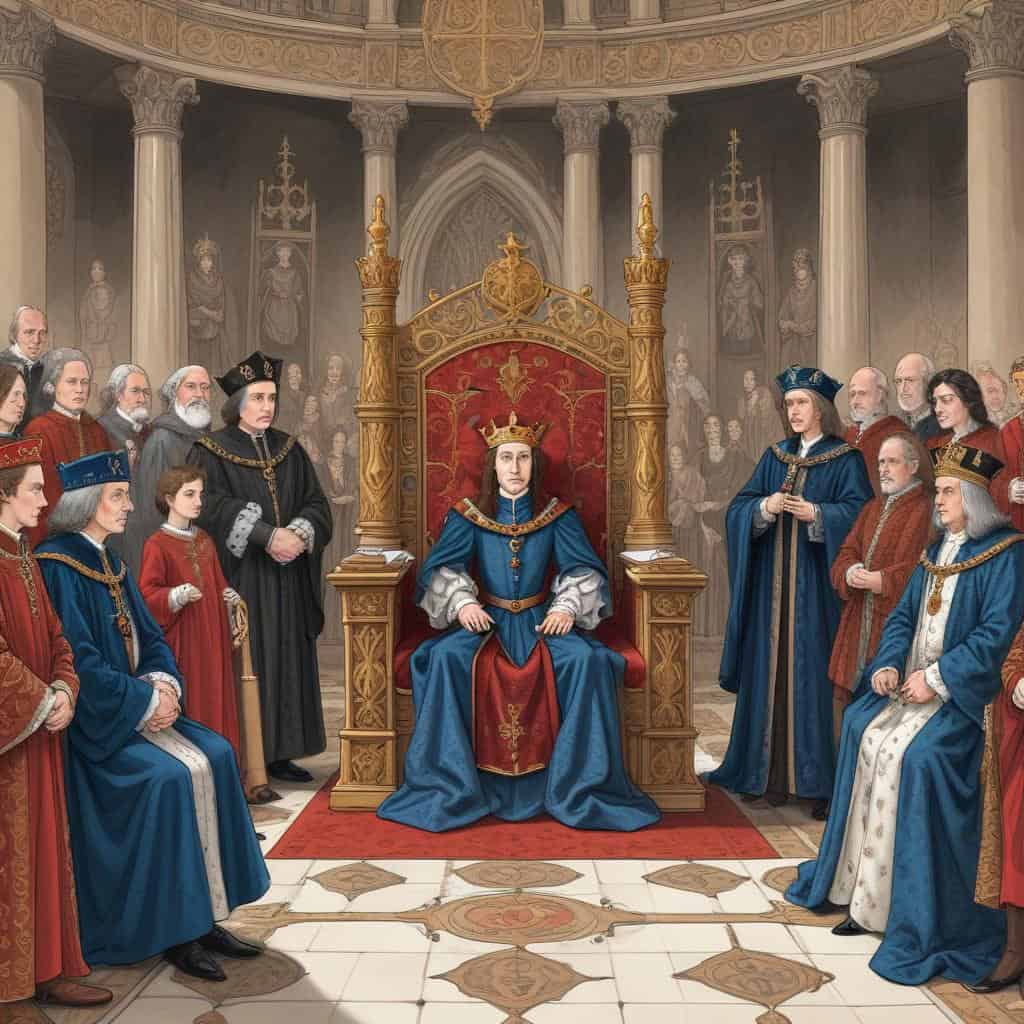
The Reign of Henry VII

The Perkin Warbeck Rebellion

The Marriage of Prince Arthur

The Treaty of Perpetual Peace

The Death of Elizabeth of York

The Final Years of Henry VII

The Death of Henry VII
Lesson Details & Resources
In a Nutshell
- What: The reign of Henry VII
- When: 1485-1509
- Who: Henry VII, Tudor dynasty, War of the Roses
- Outcome: Establishment of the Tudor dynasty, end of the War of the Roses
Famous Figures in the Reign of Henry VII
-
Henry VII
Henry VII was the first Tudor monarch, who established the Tudor dynasty and ended the War of the Roses.
-
Elizabeth of York
Elizabeth of York was the wife of Henry VII, and her marriage helped unite the warring houses of York and Lancaster.
-
Margaret Beaufort
Margaret Beaufort was Henry VII's mother and played an influential role in his reign as a trusted advisor.
-
Arthur, Prince of Wales
Arthur, Prince of Wales, was Henry VII's eldest son and heir to the throne, but he died young before becoming king.
-
Catherine of Aragon
Catherine of Aragon was the first wife of Henry VIII and was initially married to Arthur, Prince of Wales, before his death.
-
Thomas More
Thomas More was a prominent lawyer, statesman, and author who served as a counselor to Henry VII.
-
Thomas Wolsey
Thomas Wolsey was a powerful cardinal and statesman who served as a close advisor to Henry VII.
-
Richard III
Richard III was the last Yorkist king of England and was defeated by Henry VII at the Battle of Bosworth Field.
-
Perkin Warbeck
Perkin Warbeck claimed to be Richard, Duke of York, one of the Princes in the Tower, and challenged Henry VII's reign.
-
Christopher Columbus
Christopher Columbus was an Italian explorer who received support from Henry VII for his voyages to the New World.
Timeline of Reign of Henry VII
Battle of Bosworth
Henry VII crowned King of England
Establishment of the Council Learned in the Law
Perkin Warbeck's first invasion of England
Warbeck's second invasion of England
Treaty of Medina del Campo signed with Spain
Marriage of Henry VII's daughter, Margaret, to James IV of Scotland
Death of Henry VII's wife, Elizabeth of York
Treaty of Perpetual Peace signed with Scotland
Establishment of the Star Chamber
Henry VII's eldest son, Arthur, Prince of Wales, marries Catherine of Aragon
Death of Arthur, Prince of Wales
Start of the Italian Wars
Death of Henry VII's mother, Lady Margaret Beaufort
Establishment of the Court of the King's Bench
Henry VII's son, Henry, Duke of York, is born
Henry VII's son, Edmund, Duke of Somerset, is born
Establishment of the Council of the North
Death of Henry VII
Accession of Henry VIII to the throne
Vocabulary List
- Tudor
- The Reign of Henry VII marked the beginning of the Tudor dynasty in England.
- Bosworth
- The Battle of Bosworth in 1485 was a significant event during Henry VII's reign.
- Dynasty
- The Tudor dynasty, which included Henry VII's reign, lasted for over a century.
- Wars of the Roses
- Henry VII's reign saw the end of the Wars of the Roses, a series of civil wars in England.
- Pretenders
- Henry VII faced several pretenders to the throne during his reign, including Perkin Warbeck.
- Marriage Alliances
- Henry VII strategically used marriage alliances to strengthen his position and secure peace.
- Perkin Warbeck
- Perkin Warbeck was a pretender to the English throne during Henry VII's reign.
- Star Chamber
- The Star Chamber was a court established by Henry VII to deal with cases of political and social unrest.
- Trade Expansion
- Henry VII encouraged trade expansion and exploration during his reign, leading to economic growth.
- Treaty of Etaples
- The Treaty of Etaples in 1492 brought peace between England and France during Henry VII's reign.
Key Facts
This is the information used in the fact matching game
- Henry VII was the first Tudor king of England.
- Henry VII came to power after defeating Richard III in the Battle of Bosworth Field.
- Henry VII established the Tudor dynasty, which ruled England for over a century.
- Henry VII married Elizabeth of York, uniting the houses of Lancaster and York.
- Henry VII faced multiple pretenders to the throne, including Lambert Simnel and Perkin Warbeck.
- Henry VII implemented strict financial policies to restore the kingdom's treasury.
- Henry VII established the Court of Star Chamber to ensure royal control over the nobility.
- Henry VII promoted trade and exploration, including supporting John Cabot's voyages to North America.
- Henry VII signed the Treaty of Medina del Campo, strengthening trade relations between England and Spain.
- Henry VII established a strong central government, reducing the power of the nobility.
- Henry VII's reign saw the beginning of the Protestant Reformation in Europe.
- Henry VII faced several rebellions early in his reign, including the Lambert Simnel uprising.
- Henry VII established the Court of Requests to provide justice for the poor.
- Henry VII's reign saw the emergence of a strong navy, laying the foundation for future naval dominance.
- Henry VII's reign is often considered a time of stability and consolidation after the Wars of the Roses.
- Henry VII established the Court of Wards to manage the estates of minors.
- Henry VII's reign saw the flourishing of Renaissance culture in England.
- Henry VII commissioned the construction of the Henry VII Chapel at Westminster Abbey.
- Henry VII's reign saw the expansion of English influence in Ireland.
- Henry VII died in 1509 and was succeeded by his son, Henry VIII.
Analysis & Significance
Immediate Consequences
The reign of Henry VII, following the tumultuous Wars of the Roses, brought stability to England. His policies aimed at strengthening the monarchy and establishing a strong central government. This period saw the end of the Plantagenet dynasty and the beginning of the Tudor dynasty, marking a significant shift in English history.
Long-Term Impact
Henry VII’s reign laid the foundation for the future prosperity of England. His pragmatic approach to governance and financial management set the stage for the Golden Age of his son, Henry VIII. The stability he brought allowed for advancements in trade, exploration, and the arts, shaping England into a major European power.
Cultural Significance Today
The reign of Henry VII is remembered as a pivotal moment in English history that shaped the nation’s future. His legacy continues to influence our understanding of monarchy, politics, and governance. The Tudor period remains a popular subject in literature, film, and television, showcasing the enduring fascination with this era and its impact on modern society.
Reign of Henry VII Games




Take Your Learning Offline
Want a convenient, print-ready study guide for this lesson? Become a Memory Wizards Pro member to unlock the downloadable " Memory Scrolls" for this topic and our entire library!
- ✓ Complete Vocabulary Lists
- ✓ Key Facts & Timelines
- ✓ Beautifully Formatted for Print & Mobile