
Summary of Reign of Edward VI (1547-1553)
Discover the boy king who ruled England in a turbulent time.
How Do You Learn Best?
Learn by Reading
Immerse yourself in the 10-minute visual lesson for a comprehensive understanding of the topic.
Learn by Reviewing
Jump directly to the key facts, timeline, and vocabulary lists to build a solid foundation of details.
Learn by Doing
Challenge yourself! Jump straight into the interactive games to learn by trial, error, and discovery.
Reign of Edward VI in 10 Minutes
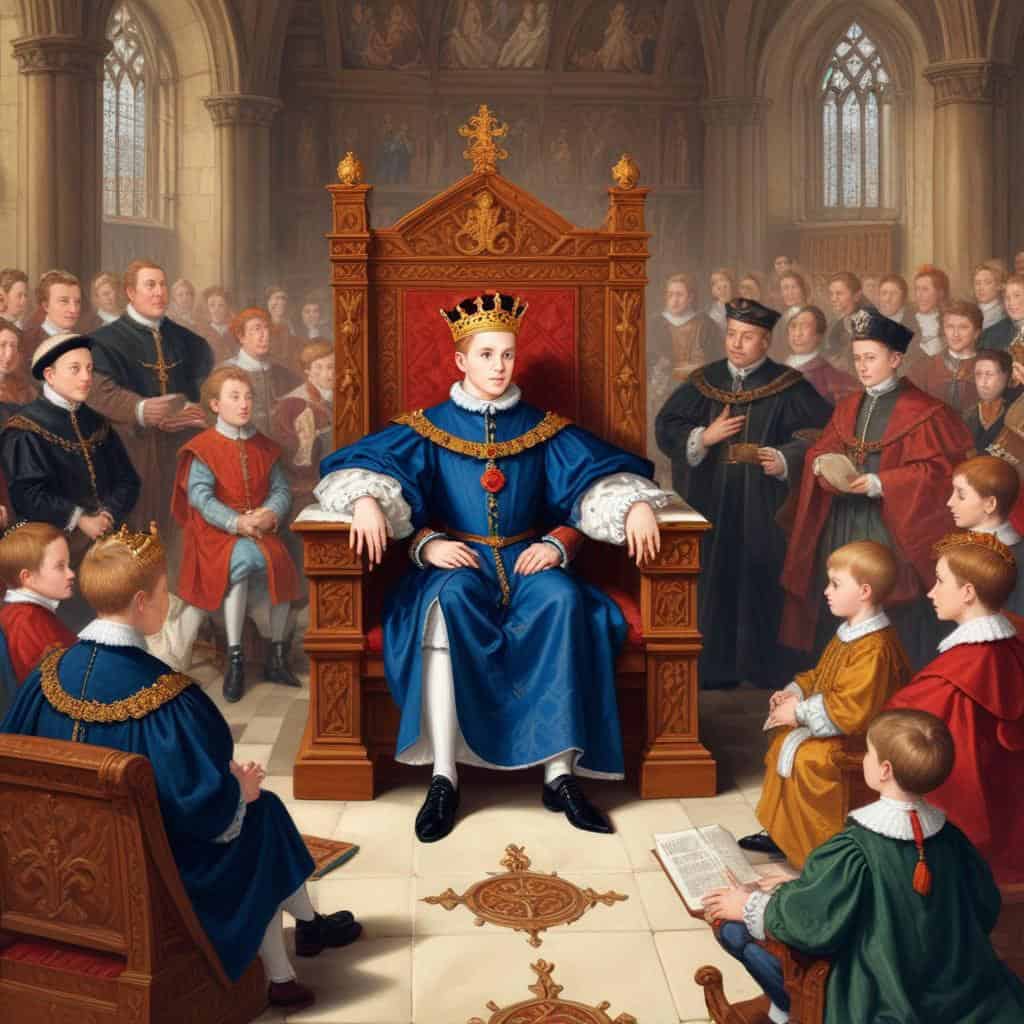
Introduction
Edward VI
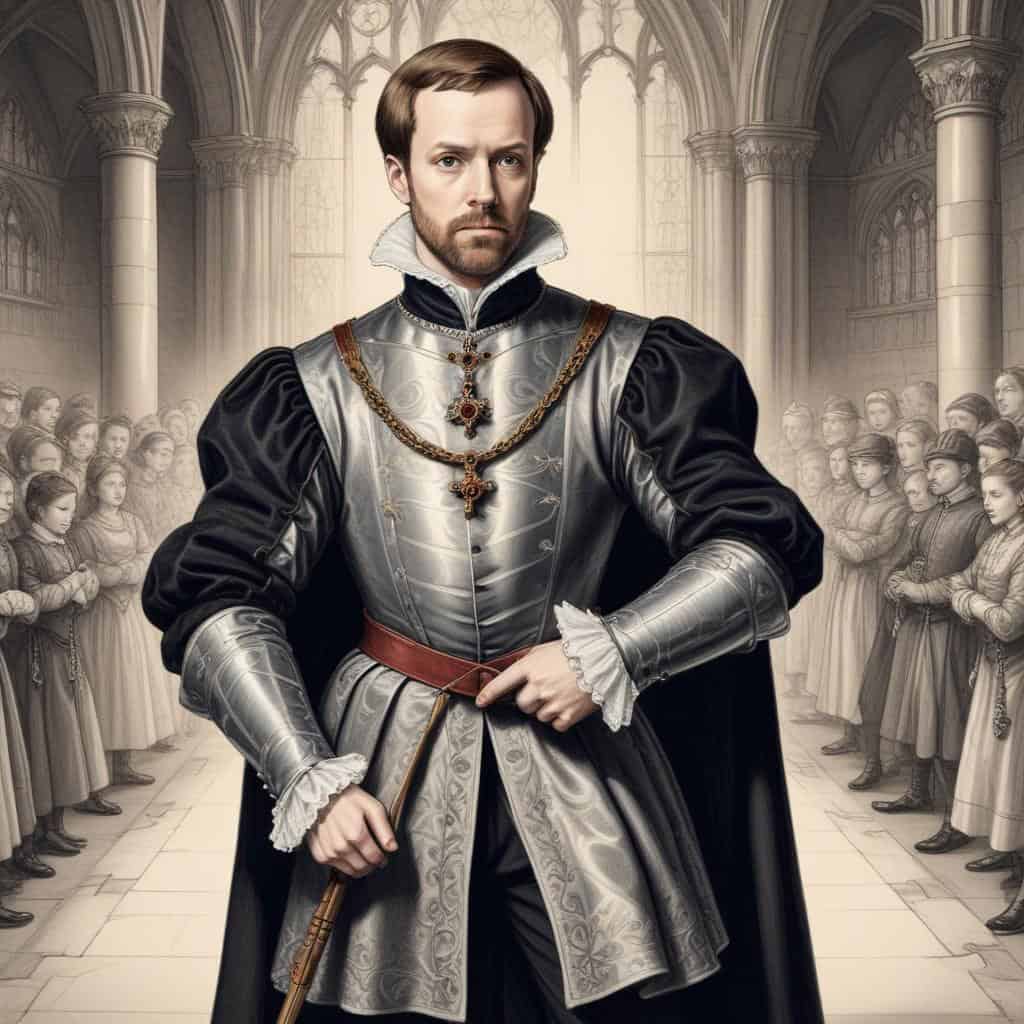
Thomas Seymour
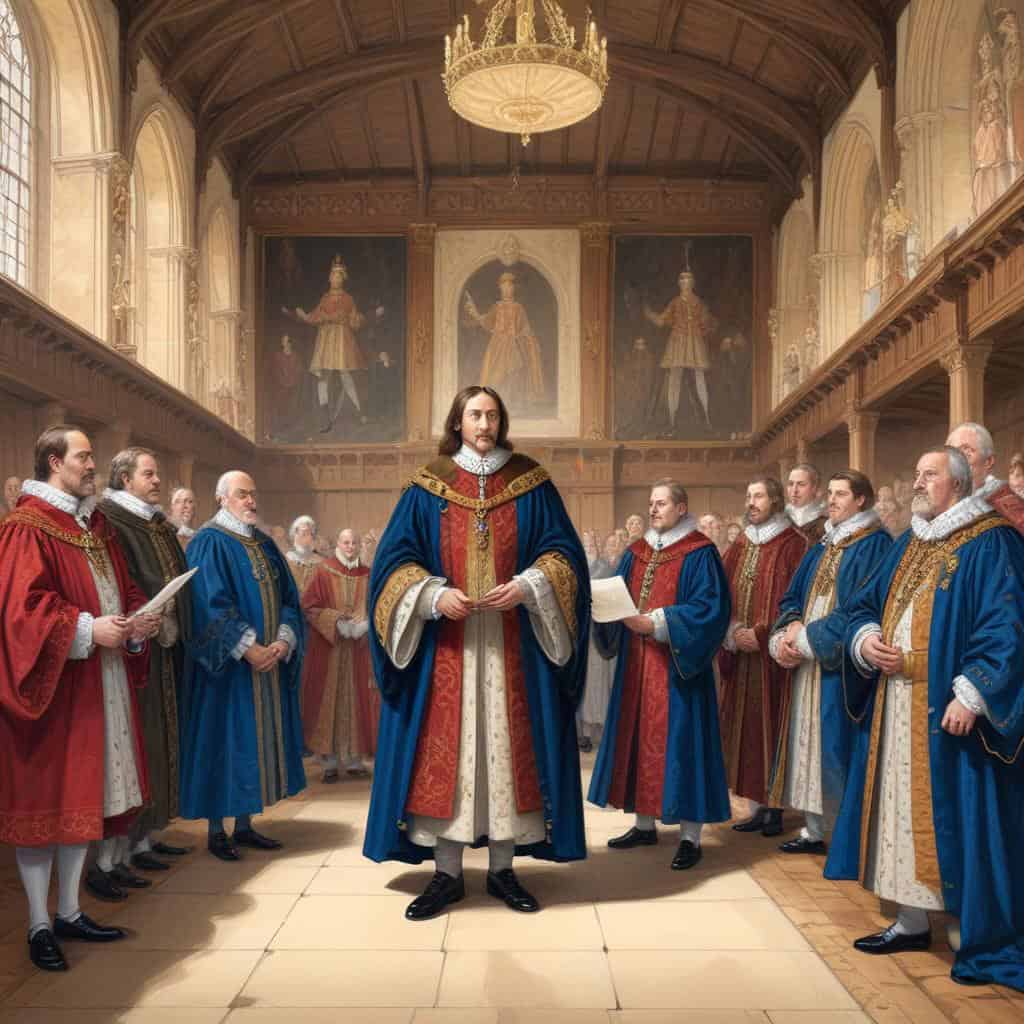
John Dudley, Duke of Northumberland
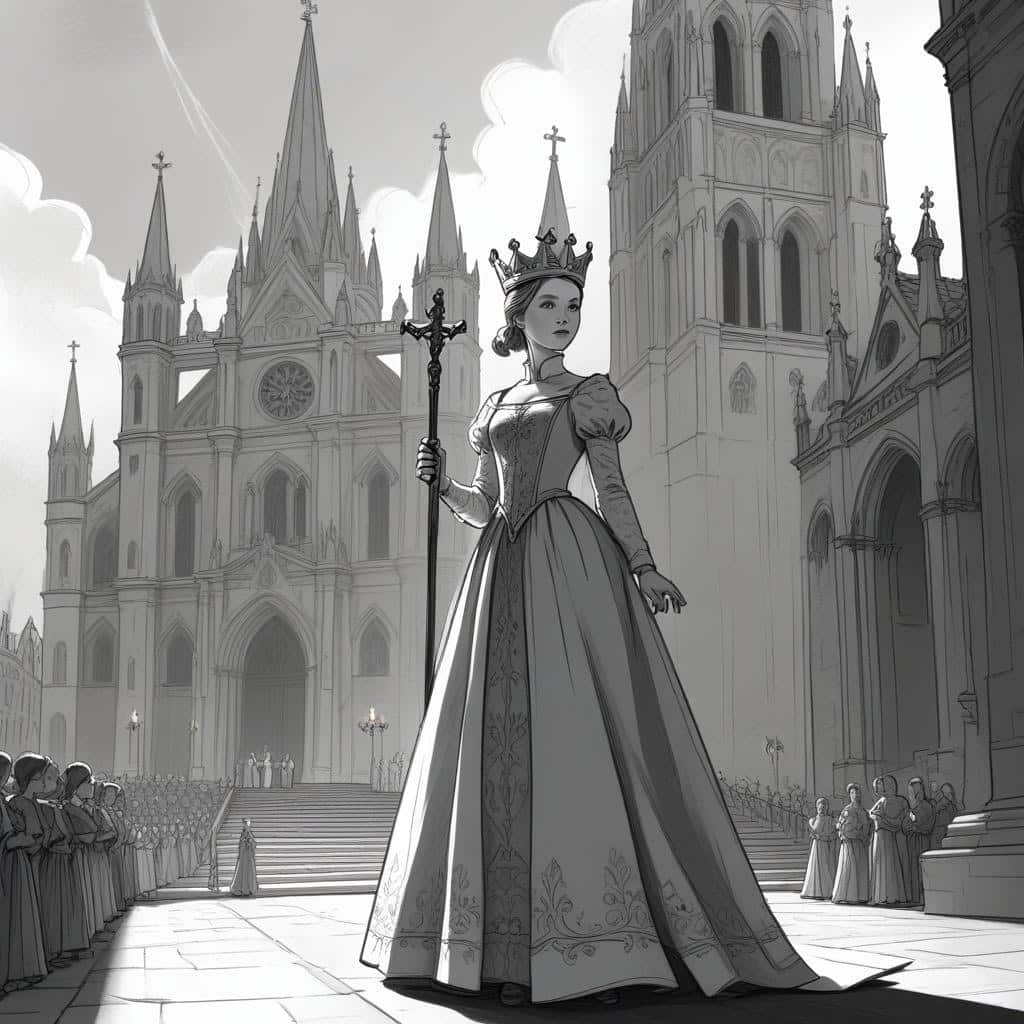
Mary I
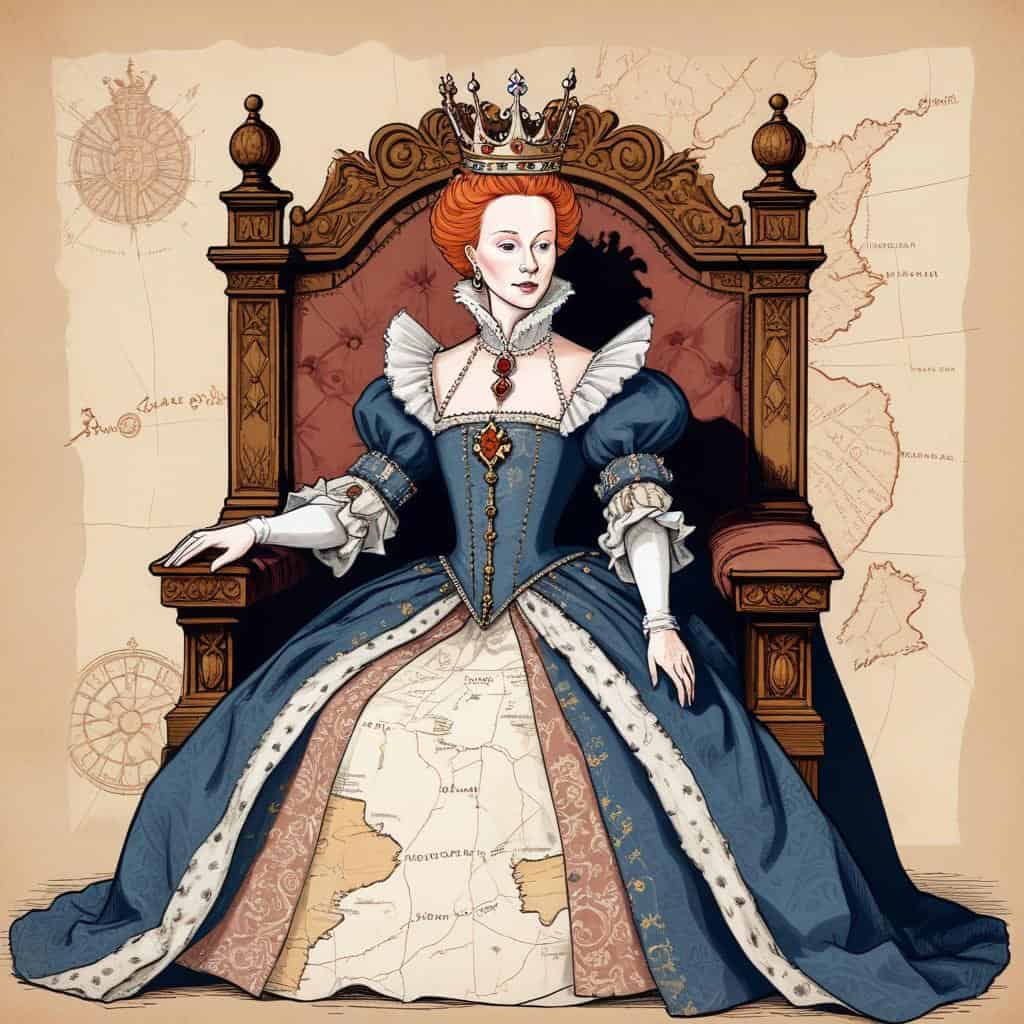
Elizabeth I

1. Ascension to the Throne

2. Religious Reforms
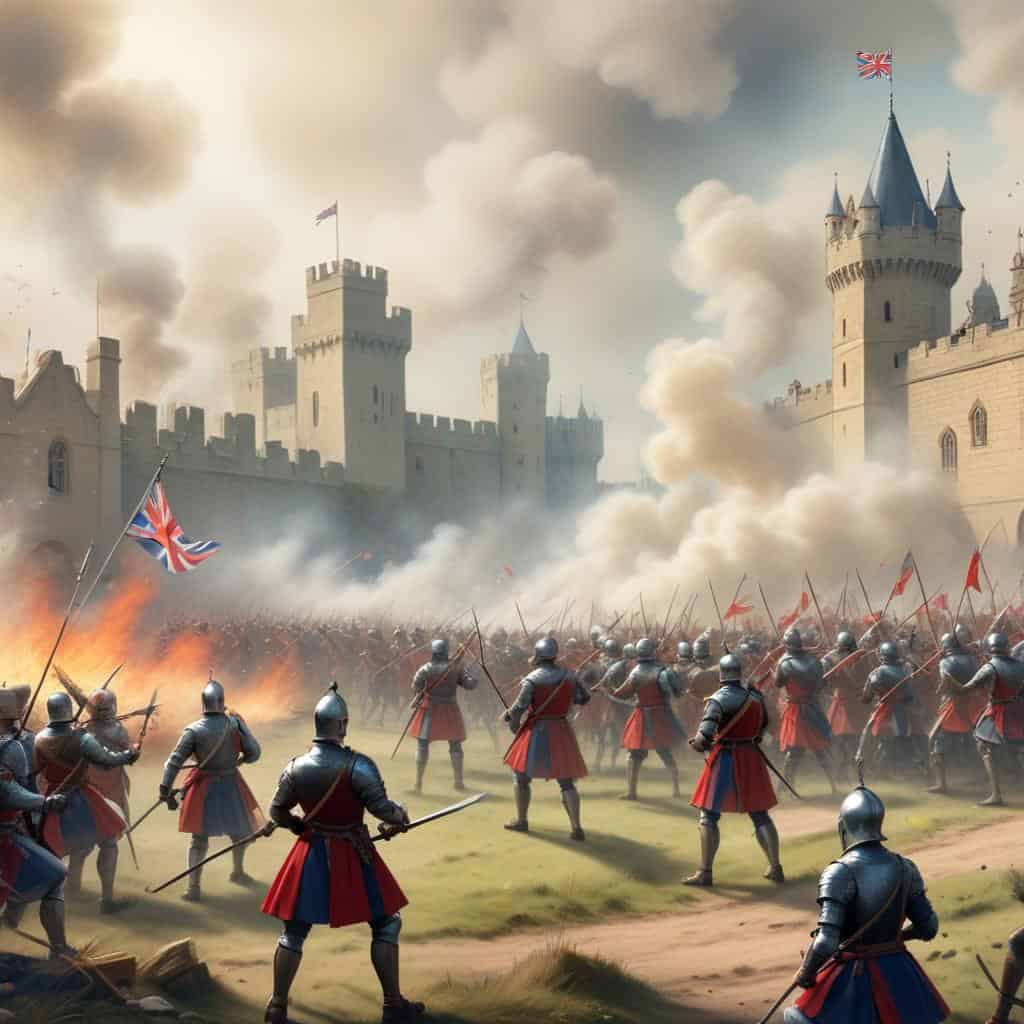
3. Wars with Scotland and France

4. Health Issues

5. Advisors and Council

6. Execution of Lady Jane Grey

7. Death and Succession

8. Legacy

9. Impact on Successors

10. Historical Significance
Lesson Details & Resources
In a Nutshell
- What: A period of English history during the reign of King Edward VI.
- When: 1547-1553
- Who: King Edward VI, Lord Protector Edward Seymour, Duke of Somerset, Lady Jane Grey
- Outcome: Edward VI’s reign marked significant religious reforms in England, including the establishment of Protestantism as the official religion.
Famous Figures in the Reign of Edward VI
-
Edward VI
Edward VI was King of England and Ireland from 1547 until his death in 1553.
-
Lady Jane Grey
Lady Jane Grey was a cousin of Edward VI and briefly ruled as Queen of England for nine days in 1553.
-
Thomas Cranmer
Thomas Cranmer was the Archbishop of Canterbury during the reign of Edward VI and played a key role in the English Reformation.
-
Edward Seymour
Edward Seymour, 1st Duke of Somerset, was Lord Protector of England during Edward VI's minority.
-
John Dudley
John Dudley, 1st Duke of Northumberland, was a leading political figure during the reign of Edward VI and played a key role in the succession crisis following Edward's death.
Timeline of Reign of Edward VI
Edward VI becomes King of England following the death of his father, Henry VIII
Edward VI's coronation at Westminster Abbey
Edward VI's uncle, Edward Seymour, becomes Lord Protector of England
Act of Uniformity establishes Protestantism as the official religion of England
Execution of Edward Seymour, Duke of Somerset
Edward VI falls ill with tuberculosis
Edward VI names Lady Jane Grey as his successor in his will
Edward VI dies at the age of 15
Lady Jane Grey proclaimed Queen of England
Mary I declared Queen of England after supporters abandon Lady Jane Grey
Lady Jane Grey executed for treason
Mary I marries Philip II of Spain
Restoration of Roman Catholicism in England
Repeal of Act of Uniformity and restoration of Catholic practices
Execution of Thomas Cranmer, former Archbishop of Canterbury
Mary I dies and Elizabeth I becomes Queen of England
Vocabulary List
- Protectorate
- During the Reign of Edward VI, England was under the Protectorate of Edward Seymour, Duke of Somerset.
- Reformation
- The Reign of Edward VI saw further religious reforms as the Protestant Reformation gained momentum.
- Book of Common Prayer
- The Book of Common Prayer was introduced during Edward VI's reign as a way to standardize worship in the Church of England.
- Act of Uniformity
- The Act of Uniformity was passed in 1549 to enforce the use of the Book of Common Prayer in all churches.
- Dudley Conspiracy
- The Dudley Conspiracy was a plot to install Lady Jane Grey as queen after Edward VI's death, but it ultimately failed.
- Treason Act
- The Treason Act of 1547 was passed during Edward VI's reign to punish those who opposed the religious reforms.
- Somerset House
- Somerset House was built during Edward VI's reign as the official residence of the Lord Protector, Edward Seymour.
- Prayer Book Rebellion
- The Prayer Book Rebellion in 1549 was a protest against the religious changes imposed by Edward VI's government.
Key Facts
This is the information used in the fact matching game
- Edward VI became king of England at the age of 9 following the death of his father, Henry VIII.
- During his reign, Edward VI was heavily influenced by Protestant advisors, leading to the implementation of Protestant reforms in England.
- Edward VI's reign saw the introduction of the first Book of Common Prayer in 1549, which established the Church of England as a Protestant church.
- Edward VI's reign was marked by economic difficulties, including inflation and debasement of the coinage.
- Edward VI's reign also saw the introduction of the Treason Act in 1547, which made it a crime to imagine, devise, or intend the death of the king.
- Edward VI's reign saw the suppression of monasteries and religious houses as part of the Protestant reforms.
- Edward VI died at the age of 15 in 1553, possibly from tuberculosis or pneumonia.
- Edward VI was succeeded by his half-sister Mary I, who sought to restore Catholicism in England.
- Edward VI's reign saw the introduction of the Act of Uniformity in 1549, which mandated the use of the Book of Common Prayer in all churches.
- Edward VI's reign also saw the publication of the Forty-Two Articles in 1553, which outlined the doctrinal beliefs of the Church of England.
- Edward VI's reign saw the introduction of new coinage, known as 'base' or 'debased' coinage, in an attempt to address economic issues.
- Edward VI's reign saw the introduction of the First Act of Uniformity in 1549, which mandated the use of the Book of Common Prayer in all church services.
- Edward VI's reign saw the introduction of the Second Act of Uniformity in 1552, which made further changes to the worship and practices of the Church of England.
- Edward VI's reign saw the introduction of the Vagrancy Act in 1547, which aimed to address the issue of homelessness and vagrancy in England.
- Edward VI's reign saw the introduction of the Act for the Advancement of True Religion in 1549, which aimed to promote Protestantism in England.
- Edward VI's reign saw the introduction of the Chantries Act in 1547, which dissolved chantries and seized their assets as part of the Protestant reforms.
- Edward VI's reign saw the introduction of the Poor Act in 1552, which aimed to address poverty and provide relief for the poor in England.
- Edward VI's reign saw the introduction of the Act for the Uniformity of Service in 1549, which mandated the use of the Book of Common Prayer in all church services.
- Edward VI's reign saw the introduction of the Act for the Dissolution of Colleges and Chantries in 1547, which dissolved colleges and chantries and seized their assets.
- Edward VI's reign saw the introduction of the Act for the Dissolution of Chantries in 1547, which dissolved chantries and seized their assets as part of the Protestant reforms.
Analysis & Significance
Immediate Consequences
The reign of Edward VI saw significant changes in religious practices, with the introduction of Protestantism and the dissolution of monasteries. This led to widespread unrest and rebellions, such as the Prayer Book Rebellion in Cornwall, as people resisted the new religious ideology imposed by the government.
Long-Term Impact
The religious reforms implemented during Edward VI’s reign laid the foundation for the Protestant Church of England. These changes had a lasting impact on the religious landscape of England, shaping the country’s religious identity and influencing future events such as the English Reformation and the establishment of the Anglican Church.
Cultural Significance Today
The reign of Edward VI continues to be remembered for its role in shaping the religious and political history of England. The Protestant legacy of his reign is still evident in the Church of England today, highlighting the enduring influence of his short but impactful rule on the country’s cultural and religious landscape.
Reign of Edward VI Games


Take Your Learning Offline
Want a convenient, print-ready study guide for this lesson? Become a Memory Wizards Pro member to unlock the downloadable " Memory Scrolls" for this topic and our entire library!
- ✓ Complete Vocabulary Lists
- ✓ Key Facts & Timelines
- ✓ Beautifully Formatted for Print & Mobile