
Summary of The Princes in The Tower
The mysterious disappearance of two young princes shakes medieval England.
How Do You Learn Best?
Learn by Listening
Start with the 3-minute audio summary to get the key facts and narrative highlights quickly.
Learn by Reading
Immerse yourself in the 10-minute visual lesson for a comprehensive understanding of the topic.
Learn by Reviewing
Jump directly to the key facts, timeline, and vocabulary lists to build a solid foundation of details.
Learn by Doing
Challenge yourself! Jump straight into the interactive games to learn by trial, error, and discovery.
Audio Library
As one of our featured lessons, this topic includes premium audio guides.
Unlock the Wizard's Cram Session
This powerful audio study guide is a Pro-exclusive feature. Upgrade to Memory Wizards Pro to access this and all of our premium learning tools.
Upgrade to ProThe Princes in The Tower in 10 Minutes

Introduction
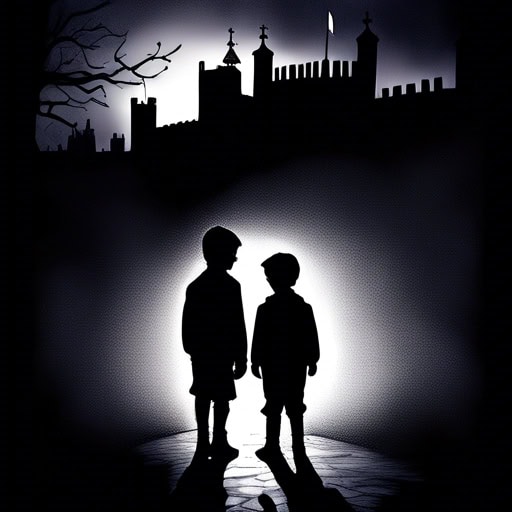

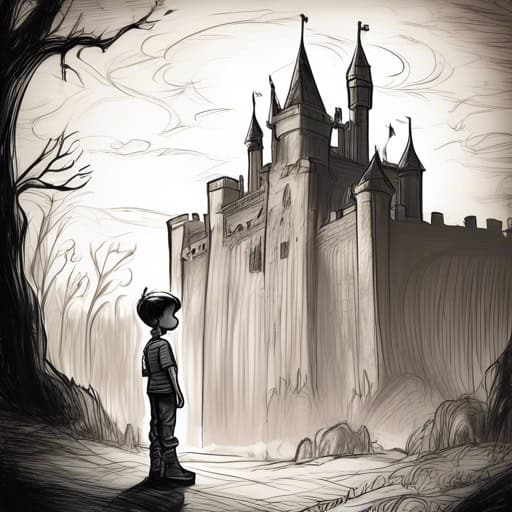
Edward V
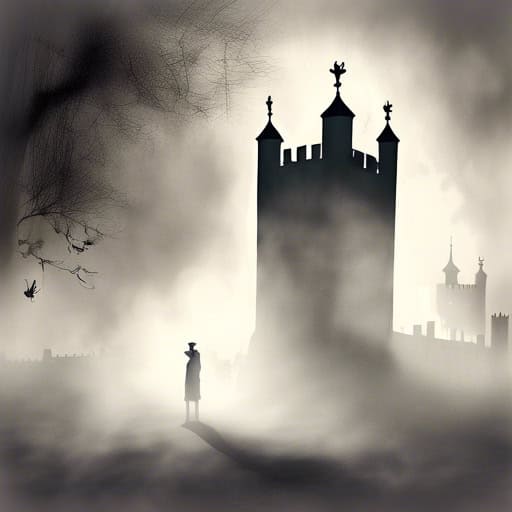
Richard of Shrewsbury, Duke of York
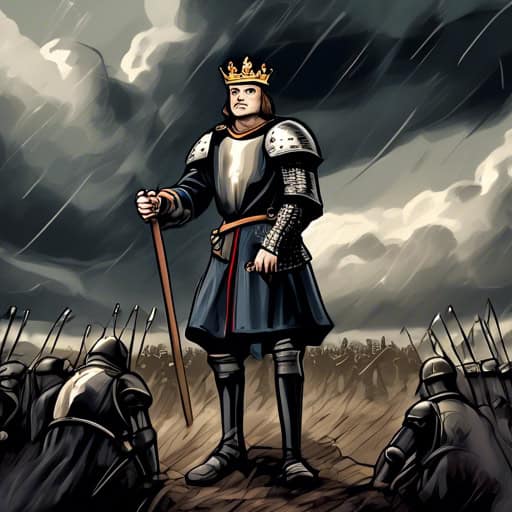
Richard III

The Princes in The Tower

Richard, Duke of Gloucester, Takes the Throne

The Mystery Deepens

Discovery of Two Small Bodies

Conflicting Accounts

Theories and Speculations

Legacy of The Princes
The Search for Answers

Remembering the Princes

Lesson Details & Resources
In a Nutshell
- What: The mysterious disappearance of two young princes from the Tower of London.
- When: 1483
- Who: Edward V and Richard of Shrewsbury, Duke of York; King Richard III
- Outcome: The fate of the princes remains unknown, leading to conspiracy theories and speculation about their deaths.
Famous Figures in the The Princes in The Tower
-
Richard III
King of England who was accused of murdering the Princes in the Tower
-
Edward IV
Father of the Princes in the Tower
-
Elizabeth Woodville
Mother of the Princes in the Tower
-
Edward V
Younger of the Princes in the Tower
-
Richard of Shrewsbury, Duke of York
Younger brother of Edward V, also known as one of the Princes in the Tower
-
Henry VII
Founder of the Tudor dynasty, defeated Richard III at the Battle of Bosworth Field
-
Elizabeth of York
Daughter of Edward IV and sister of the Princes in the Tower
-
Anne Neville
Wife of Richard III and mother of the Princes in the Tower
-
Margaret Beaufort
Mother of Henry VII and grandmother of the Princes in the Tower
-
Thomas More
Author of 'History of King Richard III' which discusses the disappearance of the Princes in the Tower
Timeline of The Princes in The Tower
Edward IV becomes king of England
Edward IV marries Elizabeth Woodville
Edward V, the eldest son of Edward IV, is born
Edward IV dies, leaving his young son as the new king
Edward V is declared king
Richard, Duke of Gloucester, is named protector of the realm
Edward V and his younger brother Richard, Duke of York, are taken to the Tower of London
Richard III seizes power and is crowned king
Richard III's reign begins
Rumors of the princes' disappearance start circulating
Perkin Warbeck, claiming to be Richard, Duke of York, emerges
Perkin Warbeck is executed
Bones believed to be those of the princes are discovered in the Tower
The bones are reburied in Westminster Abbey
The Tower of London becomes a popular tourist attraction with the story of the Princes in the Tower
The Princes in the Tower mystery continues to captivate historians and researchers
Vocabulary List
- Princes
- The main characters of the story, who are the sons of King Edward IV.
- Tower
- Referring to the Tower of London, where the Princes were believed to have been imprisoned.
- Edward IV
- The father of the Princes and the King of England during their time.
- Richard III
- The uncle of the Princes and the one accused of ordering their murder.
- Succession
- The process of determining who will inherit the throne after the death of a monarch.
- Monarchy
- A form of government where a single person, usually a king or queen, holds the power.
- Conspiracy
- A secret plan or agreement to carry out an illegal or harmful act.
- Mystery
- The unresolved question surrounding the fate of the Princes.
- Historical
- Relating to events in the past, particularly those of significant importance.
- Propaganda
- Information, often biased or misleading, used to promote a particular political cause or point of view.
- Tudor
- The ruling dynasty in England after the War of the Roses, succeeding the Plantagenets.
- Inheritance
- The passing down of property, titles, or rights from one generation to another.
- Regent
- A person appointed to govern a kingdom in the absence, minority, or incapacity of the monarch.
- Allegiance
- Loyalty or commitment to a person or cause, in this case, loyalty to the rightful monarch.
- Heir
- A person who is entitled to inherit the rank, title, or property of another.
- Betrayal
- The act of breaking trust or loyalty, often with severe consequences.
- Power struggle
- A situation where multiple individuals or groups compete for control or authority.
- Royal family
- A family that is related to a king or queen, usually consisting of immediate relatives.
- Execution
- The act of carrying out a death sentence, often as a punishment for a crime.
- Historical fiction
- A genre of literature that combines fictional characters and events with historical settings and contexts.
Key Facts
This is the information used in the fact matching game
- The Princes in the Tower were two young boys, Edward V and Richard of Shrewsbury, who were the sons of King Edward IV of England.
- The Princes in the Tower disappeared in 1483 and their fate remains a mystery.
- The boys were confined to the Tower of London by their uncle, Richard III, after their father's death.
- Richard III was accused of ordering the murder of the Princes in the Tower to secure his claim to the throne.
- The Princes' disappearance is believed to have taken place in the summer of 1483.
- Their mother, Elizabeth Woodville, sought sanctuary for her remaining children after the boys' disappearance.
- The Princes were declared illegitimate by an Act of Parliament in 1483, which paved the way for Richard III to become king.
- The bones of two children were discovered in the Tower of London in the 17th century, believed to be the remains of the Princes.
- The bones were reburied in Westminster Abbey in 1678.
- In 1933, the bones were examined and it was determined that they belonged to two boys between the ages of 10 and 12.
- Shakespeare's play 'Richard III' portrays Richard III as the villain responsible for the murder of the Princes in the Tower.
- The mystery of the Princes in the Tower has inspired numerous novels, plays, and films.
- Many theories exist about the fate of the Princes, including being smothered, poisoned, or sent into hiding.
- The disappearance of the Princes remains one of the most famous unsolved cases in English history.
- The Princes' story highlights the struggles for power and succession during the Wars of the Roses.
- The Princes' deaths paved the way for Henry VII, the first Tudor monarch, to ascend to the throne.
- The story of the Princes in the Tower continues to captivate historians and the public alike.
- The fate of the Princes in the Tower remains a subject of debate and ongoing research.
- The mystery surrounding the Princes in the Tower has led to various conspiracy theories and speculation.
- The Princes' tragic story has become a symbol of innocence lost and the dangers of political intrigue.
Analysis & Significance
Immediate Consequences
The disappearance of the Princes in the Tower, Edward V and Richard of Shrewsbury, in 1483 led to a power struggle within the English nobility and ultimately paved the way for Richard III to seize the throne. This event sparked immediate controversy and speculation, creating a cloud of suspicion and uncertainty that lingered in the court and among the people.
Long-Term Impact
The mystery surrounding the fate of the Princes in the Tower has left a lasting mark on English history, fueling debates and conspiracy theories for centuries. The unresolved nature of their disappearance has contributed to the enduring fascination with the Tudor era and the intrigue of royal succession. The story of the Princes in the Tower continues to captivate historians and storytellers, shaping our understanding of power, betrayal, and loyalty in medieval England.
Cultural Significance Today
The legacy of the Princes in the Tower endures in popular culture, with references to their story appearing in literature, film, and television. Their tragic fate serves as a cautionary tale of the dangers of court politics and the vulnerability of royal heirs. The mystery surrounding their disappearance continues to inspire curiosity and speculation, reminding us of the enduring power of historical mysteries to captivate our imagination and shape our understanding of the past.
The Princes in The Tower Games


Take Your Learning Offline
Want a convenient, print-ready study guide for this lesson? Become a Memory Wizards Pro member to unlock the downloadable " Memory Scrolls" for this topic and our entire library!
- ✓ Complete Vocabulary Lists
- ✓ Key Facts & Timelines
- ✓ Beautifully Formatted for Print & Mobile