
Summary of Field of the Cloth of Gold (1520)
A royal rendezvous like no other: the extraordinary Field of the Cloth of Gold.
How Do You Learn Best?
Learn by Reading
Immerse yourself in the 10-minute visual lesson for a comprehensive understanding of the topic.
Learn by Reviewing
Jump directly to the key facts, timeline, and vocabulary lists to build a solid foundation of details.
Learn by Doing
Challenge yourself! Jump straight into the interactive games to learn by trial, error, and discovery.
Field of the Cloth of Gold in 10 Minutes
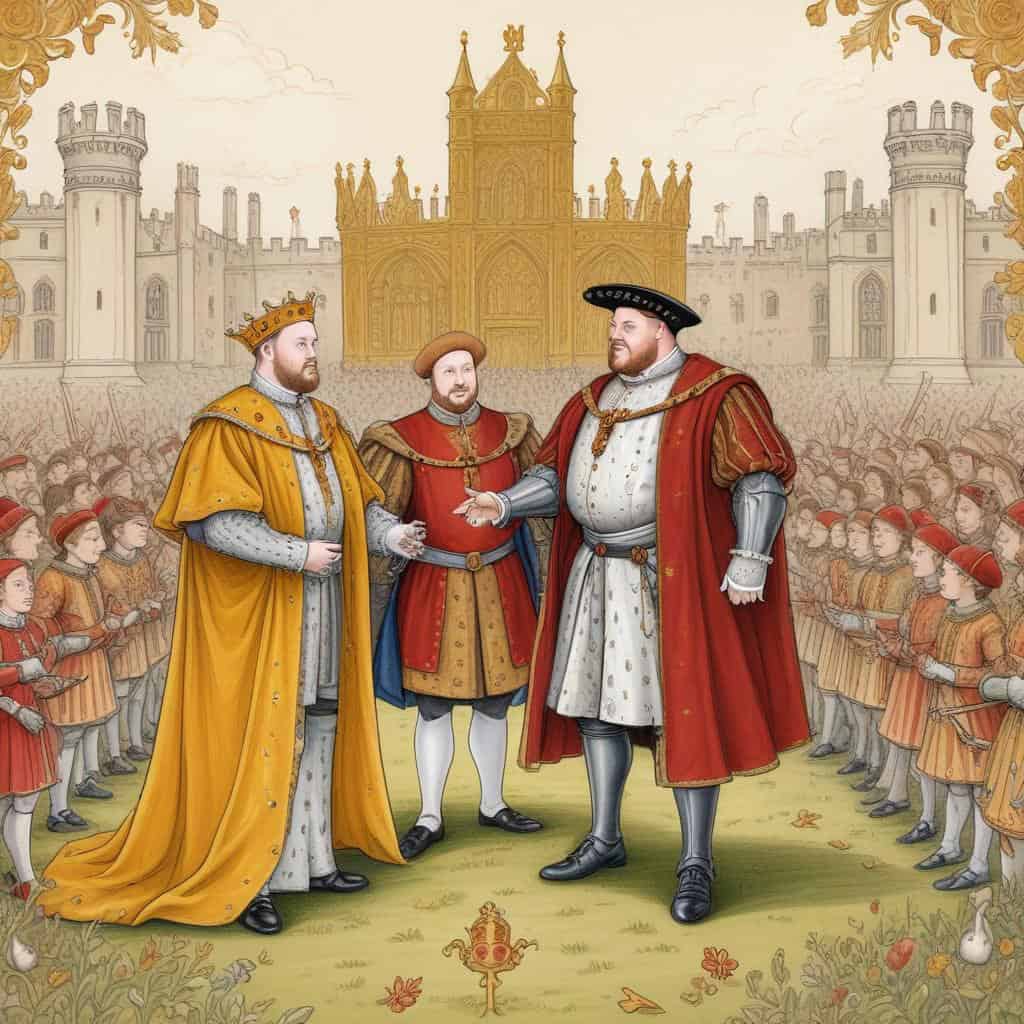
Introduction
King Henry VIII of England
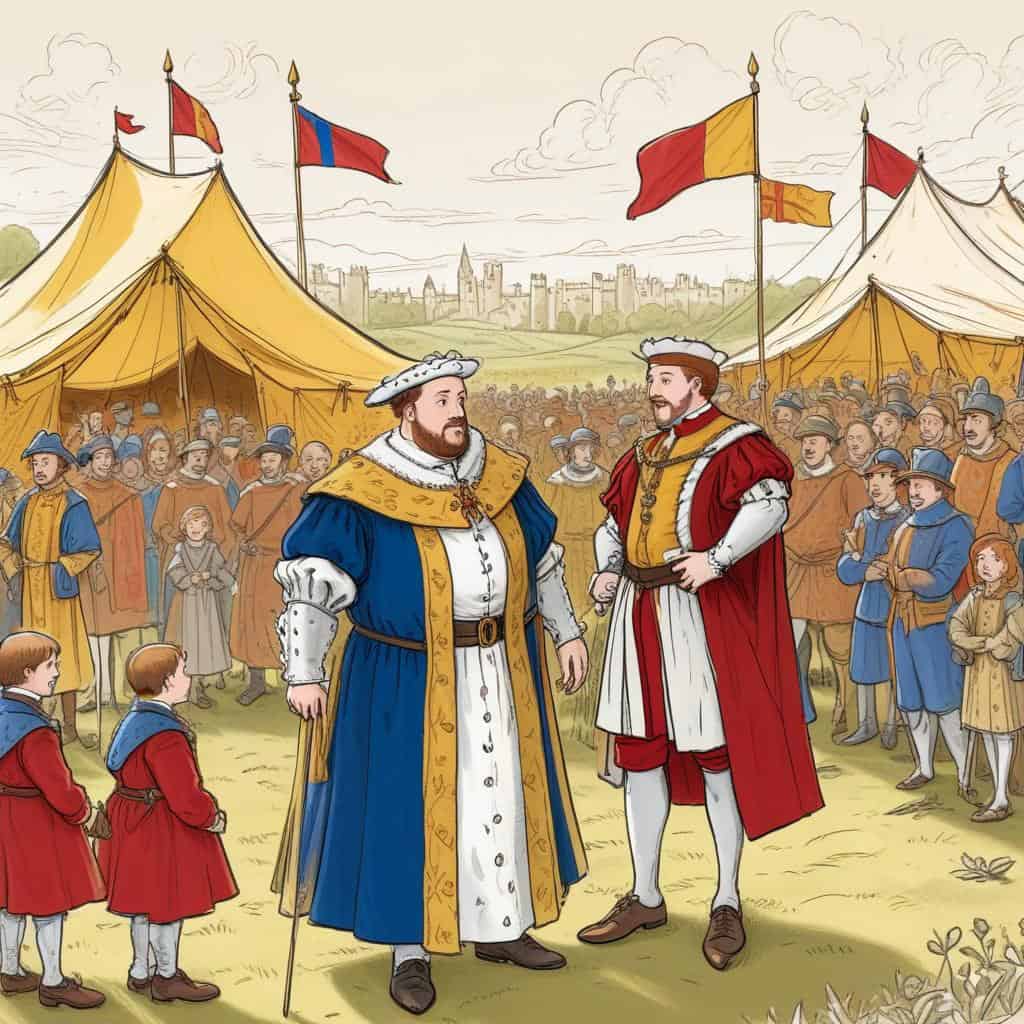
King Francis I of France
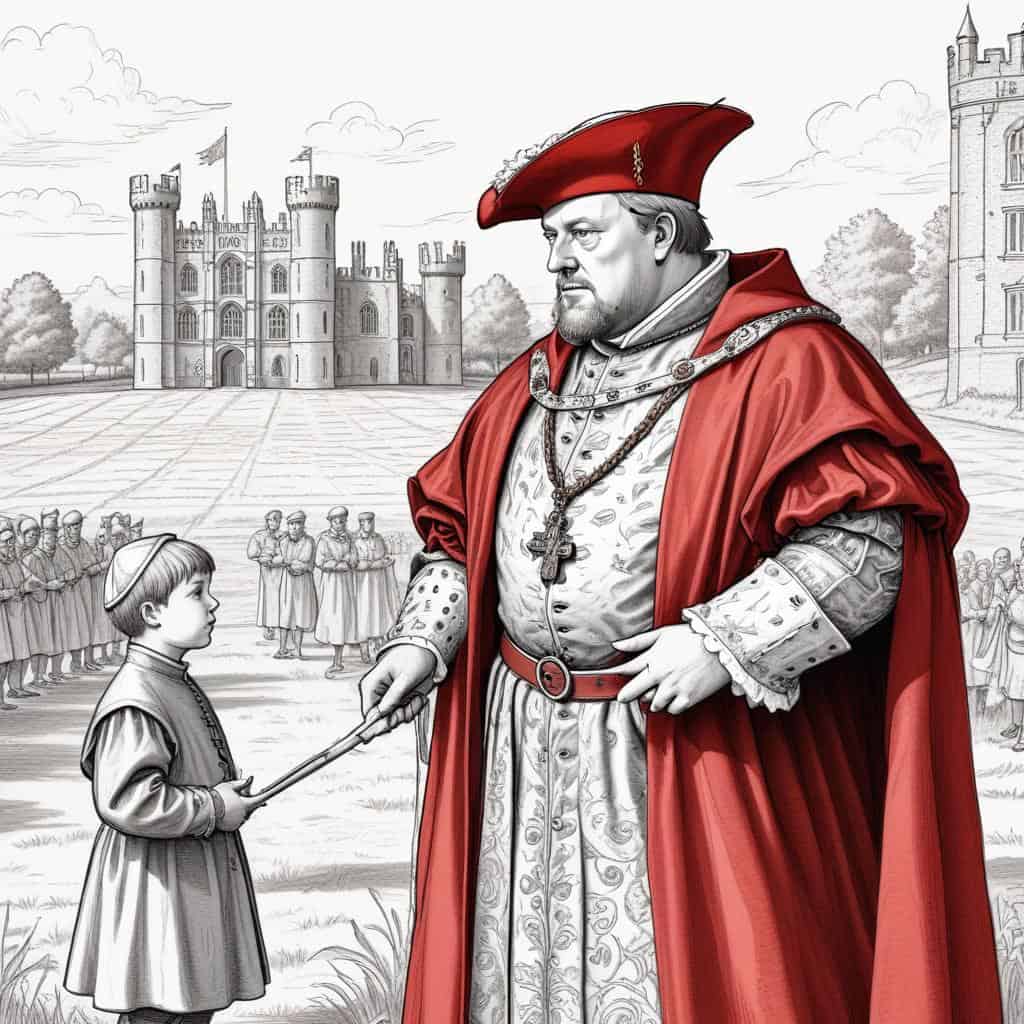
Cardinal Wolsey
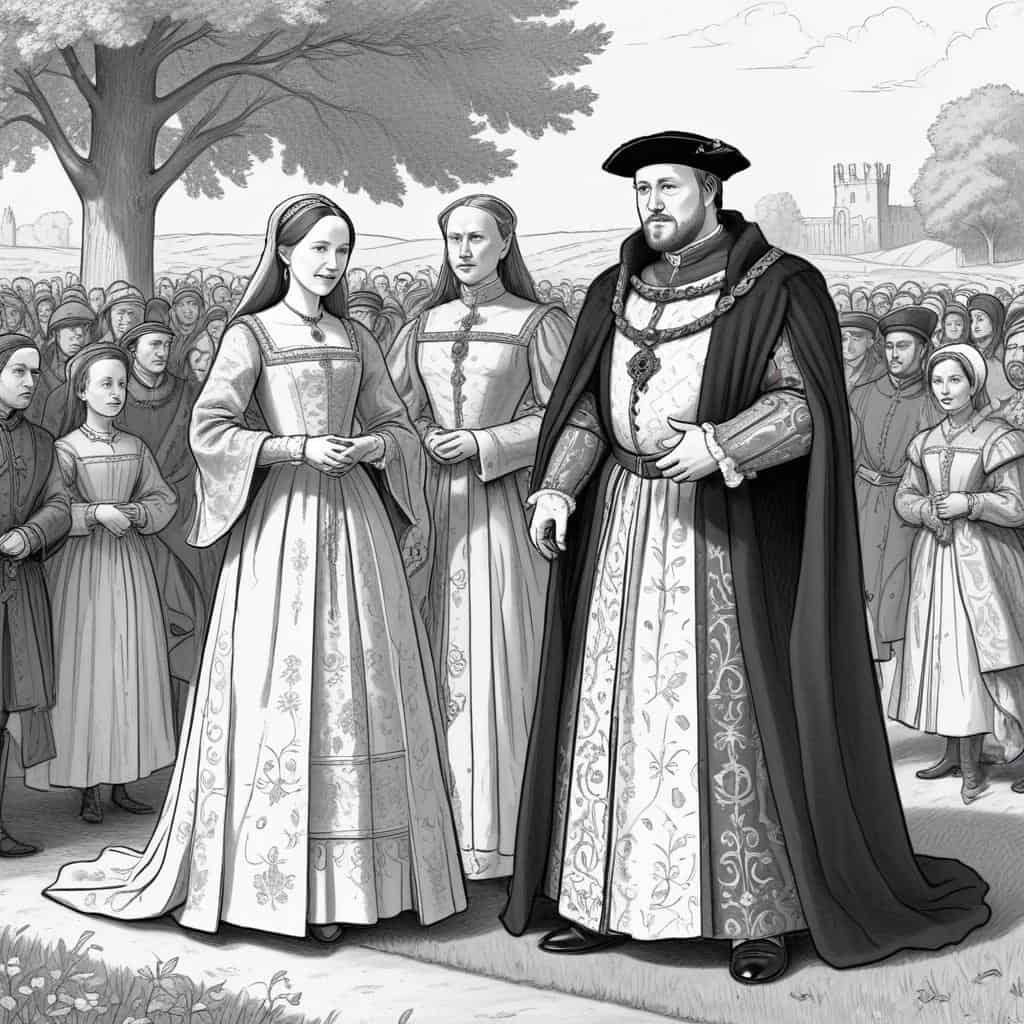
Queen Catherine of Aragon
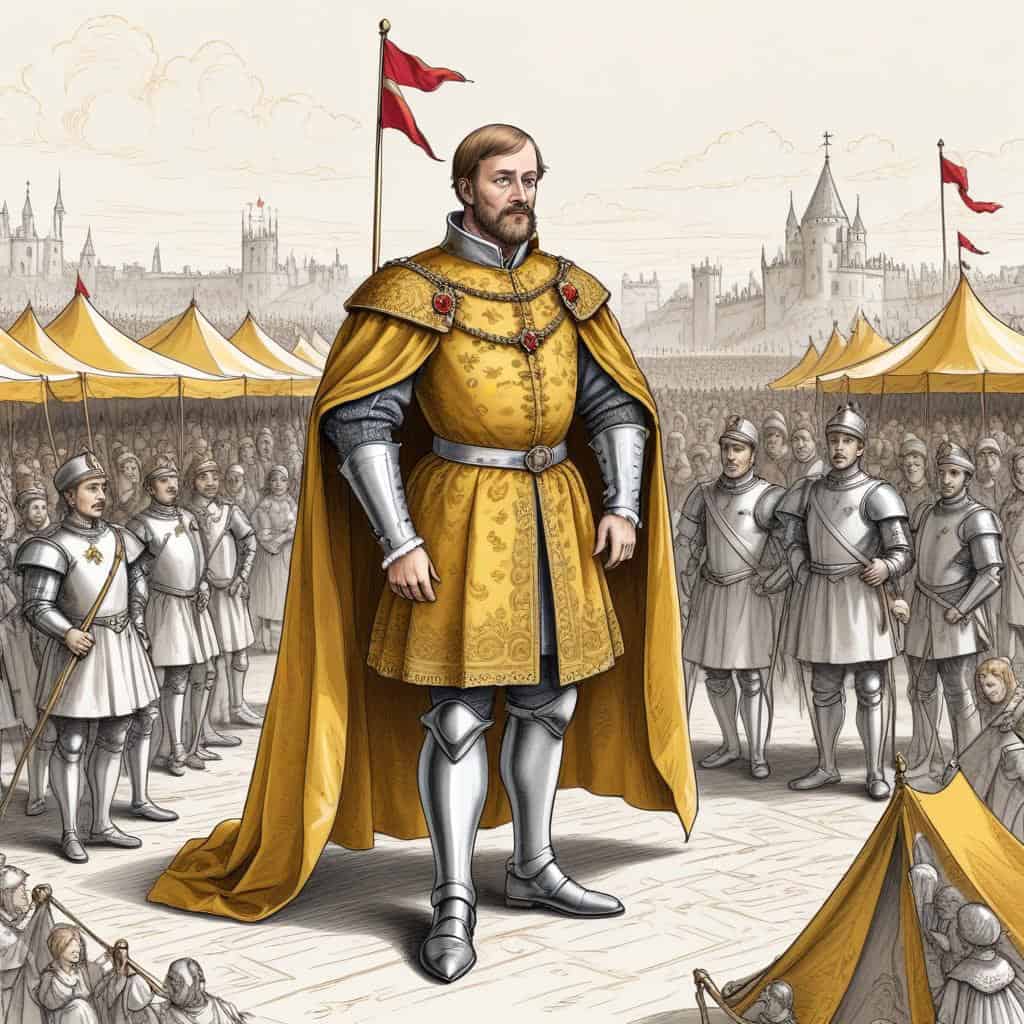
Emperor Charles V

The Royal Invitation

Preparations for the Event

The Arrival of the Kings

The Spectacle Begins
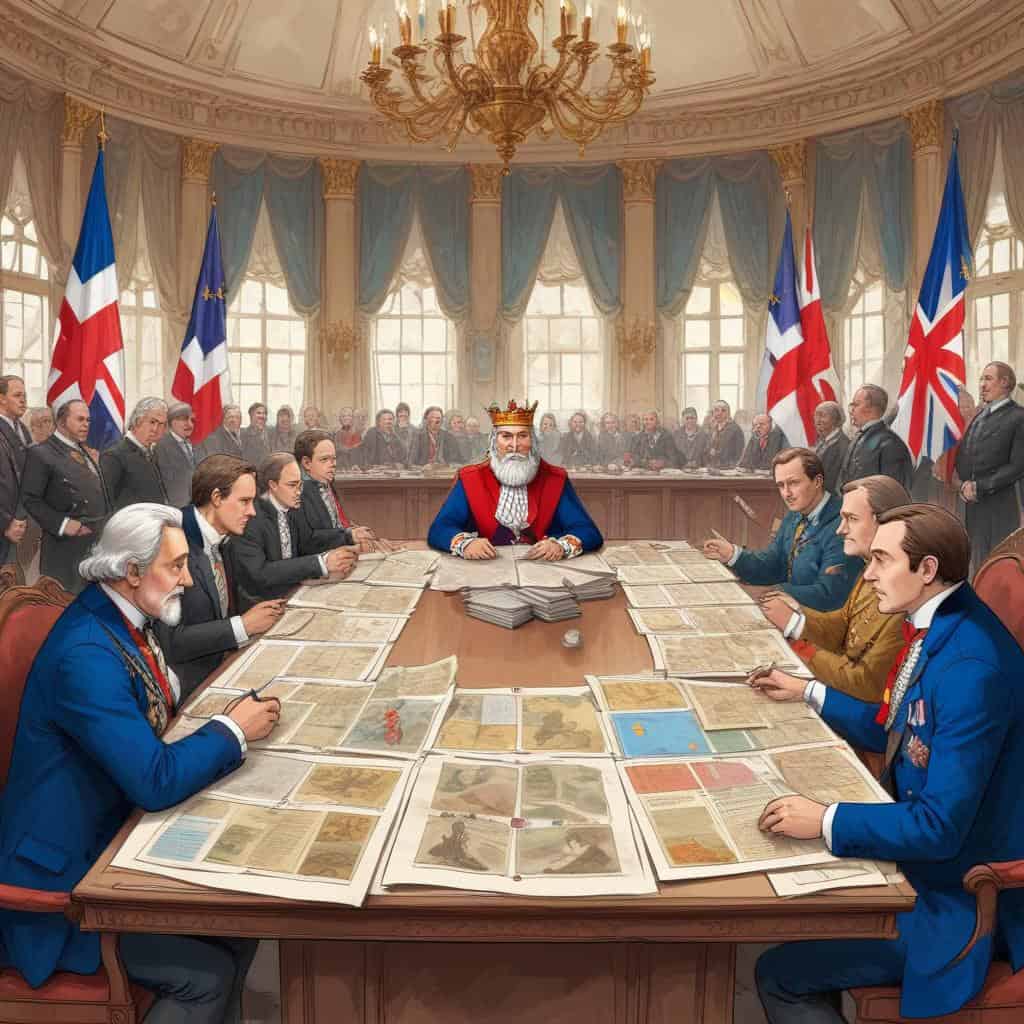
Diplomatic Discussions

A Display of Wealth

The End of the Summit

Lingering Tensions
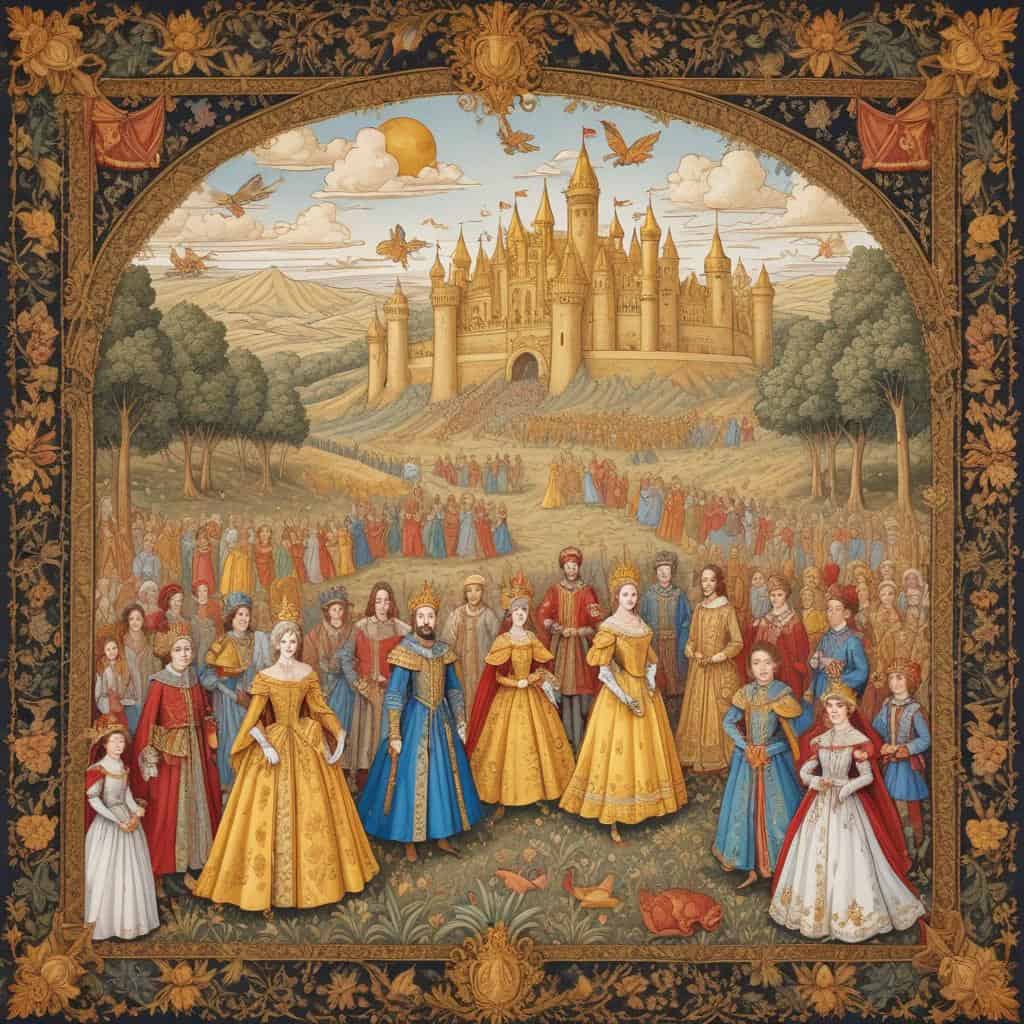
A Legacy of Extravagance

Remembering the Summit
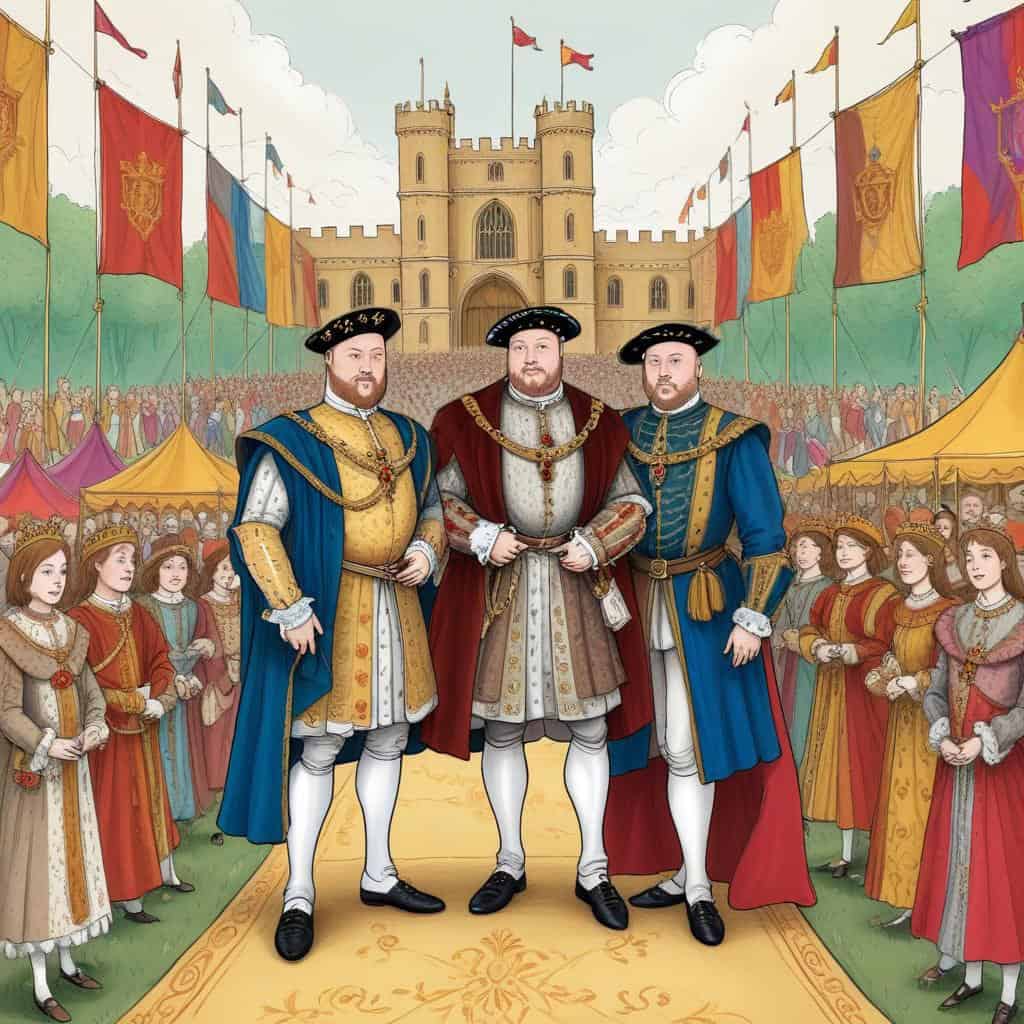
Lesson Details & Resources
In a Nutshell
- What: A meeting between King Henry VIII of England and King Francis I of France
- When: June 7 to June 24, 1520
- Who: King Henry VIII of England and King Francis I of France
- Outcome: An extravagant display of wealth and power but did not lead to any lasting peace between England and France
Famous Figures in the Field of the Cloth of Gold
-
King Henry VIII of England
King Henry VIII of England was the host of the Field of the Cloth of Gold and sought to display his power and wealth.
-
King Francis I of France
King Francis I of France was the invited guest and rival of King Henry VIII. The meeting aimed to strengthen the alliance between England and France.
-
Catherine of Aragon
Catherine of Aragon was King Henry VIII's first wife and attended the Field of the Cloth of Gold.
-
Anne Boleyn
Anne Boleyn, who later became Henry VIII's second wife, was also present at the Field of the Cloth of Gold.
-
Charles V, Holy Roman Emperor
Charles V, Holy Roman Emperor, was a significant figure in European politics and closely observed the events of the Field of the Cloth of Gold.
-
Cardinal Wolsey
Cardinal Wolsey, the chief advisor to King Henry VIII, played a crucial role in organizing the Field of the Cloth of Gold.
-
Thomas More
Thomas More, a prominent English lawyer and philosopher, attended the event as part of the English delegation.
-
Thomas Wolsey
Thomas Wolsey, Archbishop of York, was one of the key organizers of the Field of the Cloth of Gold.
-
Francis Bryan
Francis Bryan, a close friend of Henry VIII, was part of the English delegation and actively participated in the festivities.
-
Thomas Howard, 3rd Duke of Norfolk
Thomas Howard, 3rd Duke of Norfolk, was an influential nobleman and military leader who attended the Field of the Cloth of Gold.
Timeline of Field of the Cloth of Gold
Henry VIII of England and Francis I of France meet at the Field of the Cloth of Gold
Construction of temporary palaces and pavilions begins at the Field of the Cloth of Gold
Henry VIII and his entourage depart from London towards the Field of the Cloth of Gold
Francis I and his entourage depart from Paris towards the Field of the Cloth of Gold
Henry VIII arrives at Canterbury
Francis I arrives at Ardres
Henry VIII arrives at Guînes
Francis I arrives at Guînes
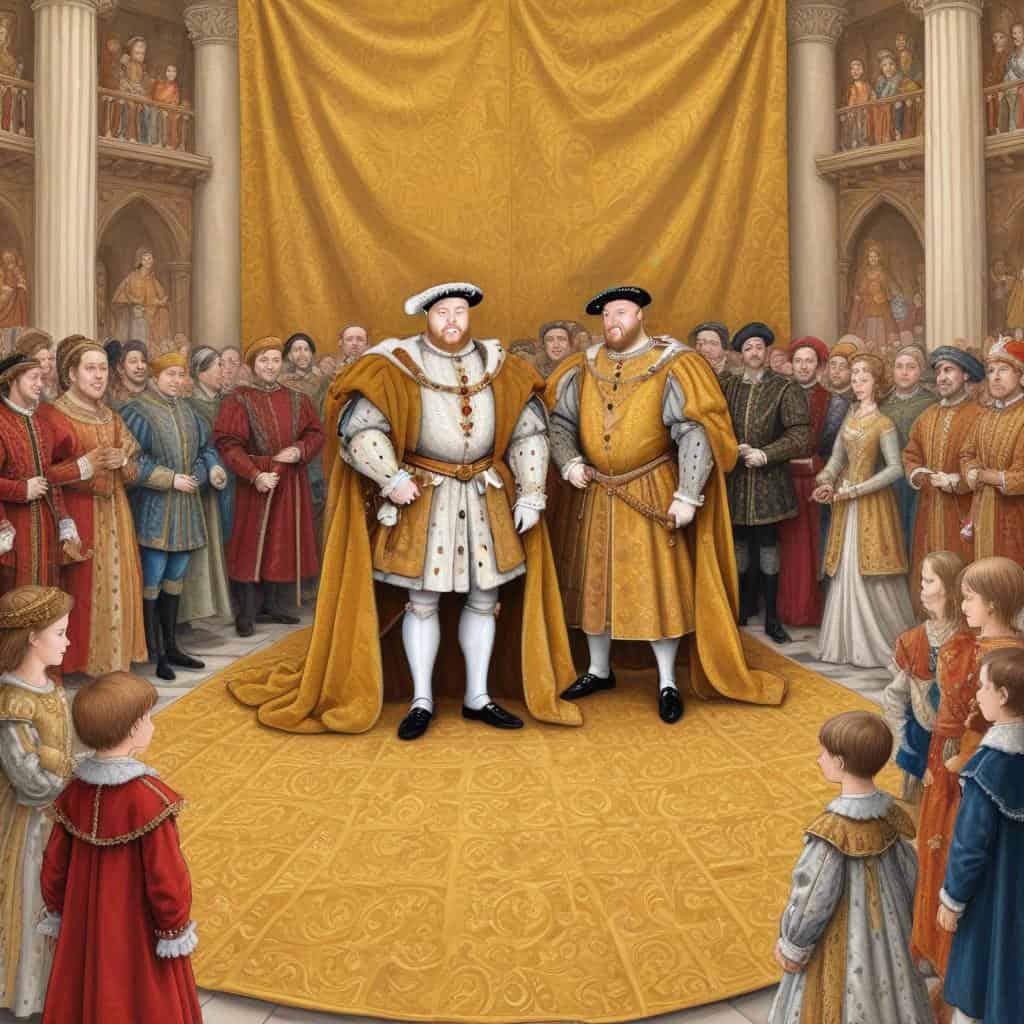
Henry VIII and Francis I meet for the first time at the Field of the Cloth of Gold
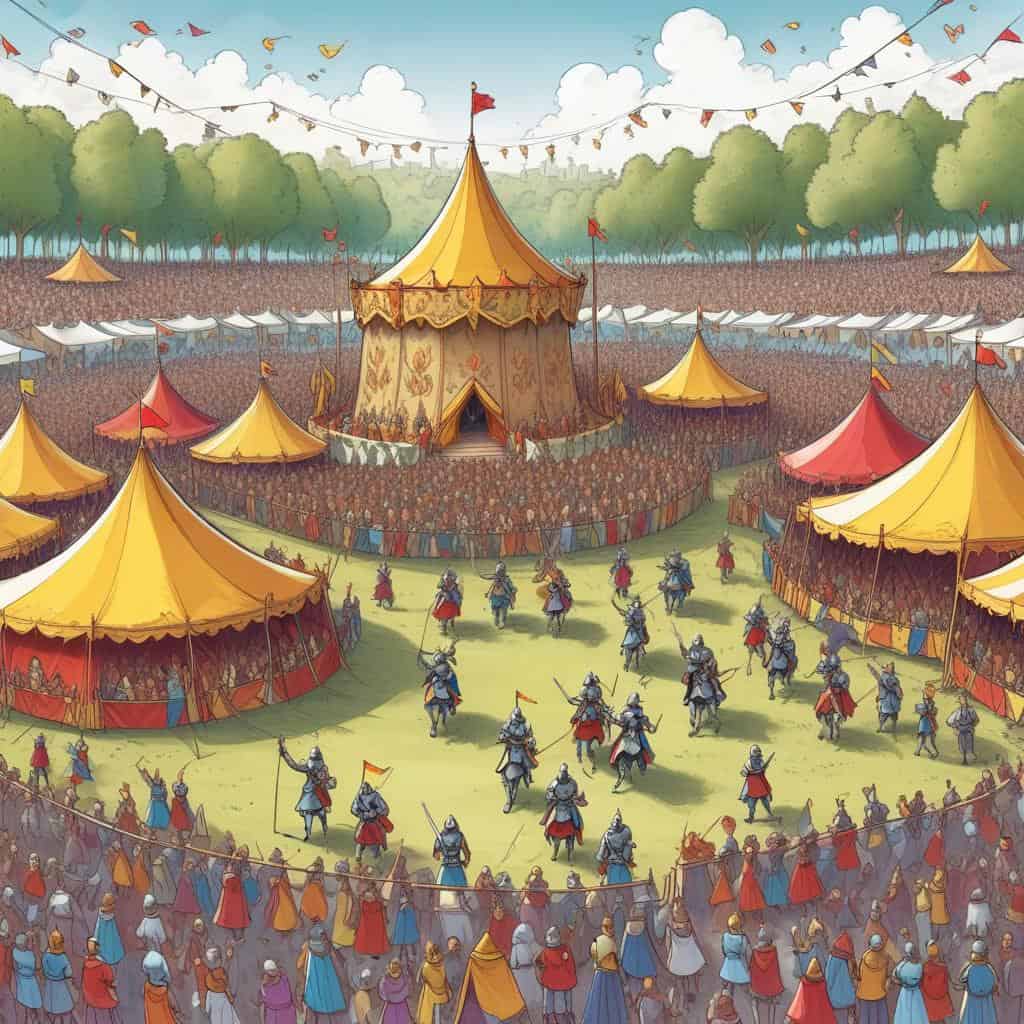
The two kings engage in various athletic competitions, including jousting and wrestling
A temporary palace built for the event burns down due to a fire
The two kings swear an oath of eternal friendship
Henry VIII departs from the Field of the Cloth of Gold
Francis I departs from the Field of the Cloth of Gold
Henry VIII returns to London
Francis I returns to Paris
The Field of the Cloth of Gold is dismantled
The Treaty of London is signed between England and France, solidifying the alliance
Despite the extravagant display, the alliance between Henry VIII and Francis I does not last long
Henry VIII declares war on France
Vocabulary List
- Field of the Cloth of Gold
- The Field of the Cloth of Gold was a lavish summit meeting that took place in 1520 between King Henry VIII of England and King Francis I of France.
- Summit meeting
- The summit meeting at the Field of the Cloth of Gold aimed to strengthen the bond between England and France through diplomatic negotiations and extravagant displays of wealth and power.
- King Henry VIII
- King Henry VIII was the ruler of England during the Field of the Cloth of Gold and played a significant role in organizing the event.
- King Francis I
- King Francis I was the ruler of France during the Field of the Cloth of Gold and was one of the key participants in the summit meeting.
- Diplomatic negotiations
- The Field of the Cloth of Gold involved extensive diplomatic negotiations between the English and French delegations, aiming to resolve various political and territorial issues.
- Extravagant displays
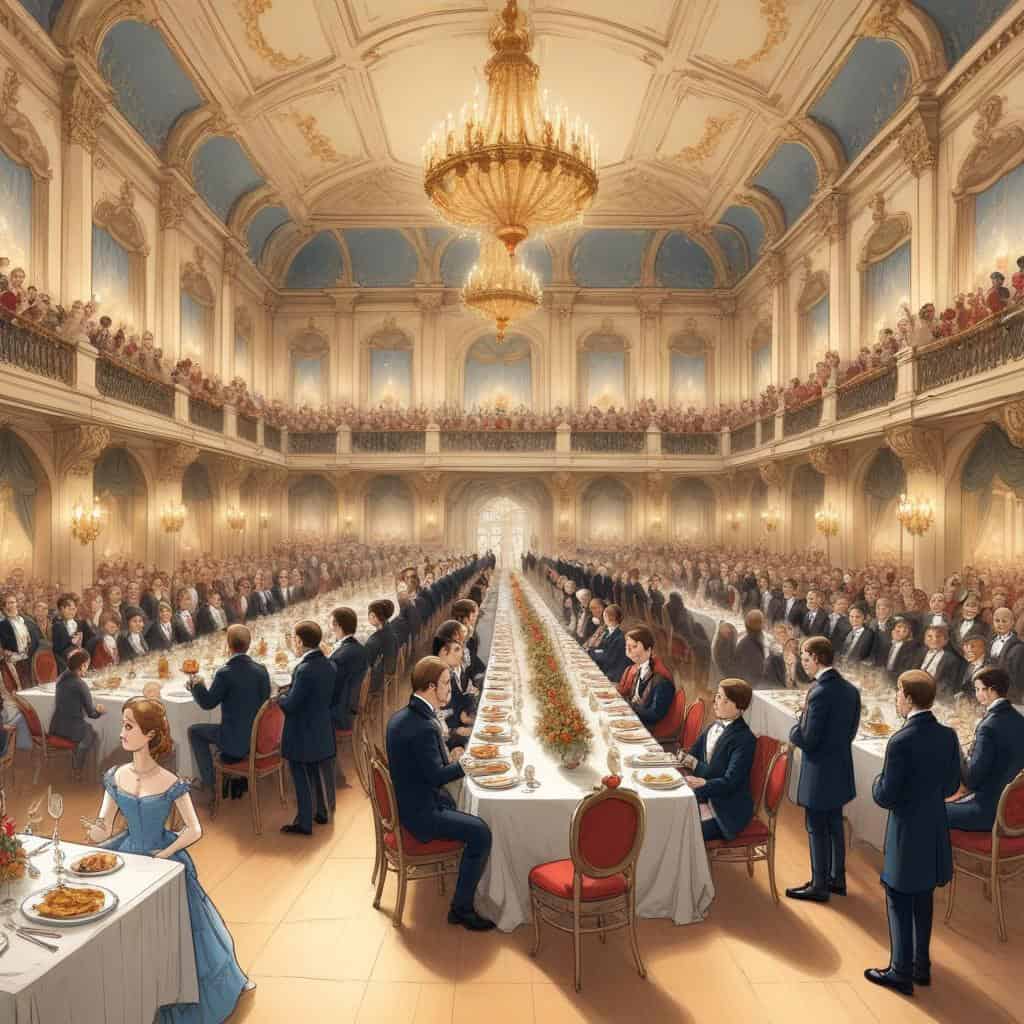
- Both King Henry VIII and King Francis I showcased their wealth and power through extravagant displays of opulence, including feasts, tournaments, and elaborate tents.
- Political alliance
- The Field of the Cloth of Gold aimed to solidify a political alliance between England and France, as both kings sought mutual cooperation against common enemies.
- Tournaments
- Tournaments were organized as part of the entertainment during the Field of the Cloth of Gold, allowing knights and nobles from both sides to showcase their skills and chivalry.
- Opulence
- The Field of the Cloth of Gold was characterized by the opulence displayed by the English and French courts, with extravagant costumes, jewelry, and decorations.
- Territorial disputes
- The Field of the Cloth of Gold provided an opportunity for the English and French delegations to discuss and potentially resolve ongoing territorial disputes between their countries.
Key Facts
This is the information used in the fact matching game
- The Field of the Cloth of Gold was a summit meeting between King Henry VIII of England and King Francis I of France.
- The meeting took place between June 7 and June 24, 1520, in Balinghem, France.
- The purpose of the meeting was to improve relations between England and France.
- The name 'Field of the Cloth of Gold' comes from the extravagant decorations and clothing worn by the participants.
- The event was also a display of wealth and power by both kings.
- Both Henry VIII and Francis I brought large retinues of nobles and courtiers to the meeting.
- The two kings competed in tournaments and games of skill during the meeting.
- The meeting was also an opportunity for diplomatic negotiations between England and France.
- The cost of the event was incredibly high, with both kings spending large sums of money on food, entertainment, and decorations.
- The event featured lavish feasts, jousting tournaments, and other entertainments for the guests.
- The meeting did not lead to any lasting peace or alliances between England and France.
- Despite the lack of lasting impact, the Field of the Cloth of Gold is remembered as a symbol of extravagance and pageantry in the Renaissance.
- The event was attended by many important figures from both England and France, including Thomas Wolsey, Anne Boleyn, and Charles V of Spain.
- The Field of the Cloth of Gold was one of the most extravagant and opulent events of the Renaissance period.
- The meeting between Henry VIII and Francis I was intended to solidify the Treaty of London, which aimed to create a lasting peace between European powers.
- The Field of the Cloth of Gold was a significant event in the history of Anglo-French relations and European diplomacy.
- The event showcased the wealth and power of both England and France, as well as their commitment to diplomacy and peace.
- The meeting between Henry VIII and Francis I was carefully choreographed to emphasize the status and authority of both kings.
- The Field of the Cloth of Gold was a grand spectacle that captivated the imaginations of people across Europe.
- Despite its initial promise, the Field of the Cloth of Gold did not lead to lasting peace between England and France, and the two countries continued to be at odds for many years to come.
Analysis & Significance
Immediate Consequences
The Field of the Cloth of Gold in 1520 was a lavish meeting between King Henry VIII of England and King Francis I of France. While the event was intended to showcase the wealth and power of both monarchs, it ultimately strained relations between the two countries due to the excessive spending and political posturing.
Long-Term Impact
The Field of the Cloth of Gold had a lasting impact on the rivalry between England and France, contributing to a series of wars that would continue for decades. The extravagant display of wealth also highlighted the power and influence of the European monarchies during the Renaissance period.
Cultural Significance Today
Today, the Field of the Cloth of Gold is remembered as a symbol of the opulence and grandeur of the Renaissance courts. The event continues to be studied by historians and scholars for its insights into the political and social dynamics of the time, shaping our understanding of early modern European history.
Field of the Cloth of Gold Games


Take Your Learning Offline
Want a convenient, print-ready study guide for this lesson? Become a Memory Wizards Pro member to unlock the downloadable " Memory Scrolls" for this topic and our entire library!
- ✓ Complete Vocabulary Lists
- ✓ Key Facts & Timelines
- ✓ Beautifully Formatted for Print & Mobile