
Summary of The Battle of Bosworth (1485)
Uncover the secrets of Richard III's fateful clash at Bosworth Field.
How Do You Learn Best?
Learn by Reading
Immerse yourself in the 10-minute visual lesson for a comprehensive understanding of the topic.
Learn by Reviewing
Jump directly to the key facts, timeline, and vocabulary lists to build a solid foundation of details.
Learn by Doing
Challenge yourself! Jump straight into the interactive games to learn by trial, error, and discovery.
The Battle of Bosworth in 10 Minutes

Introduction
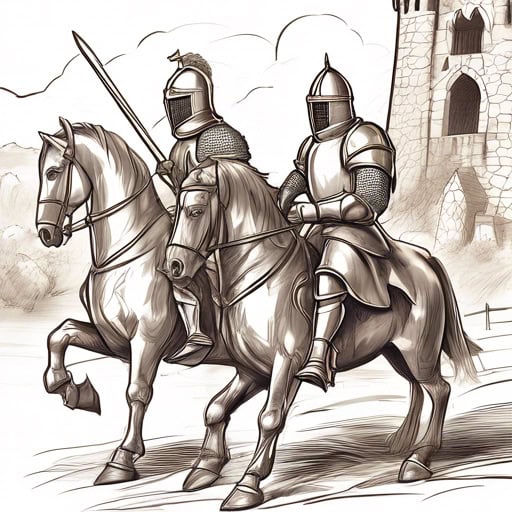
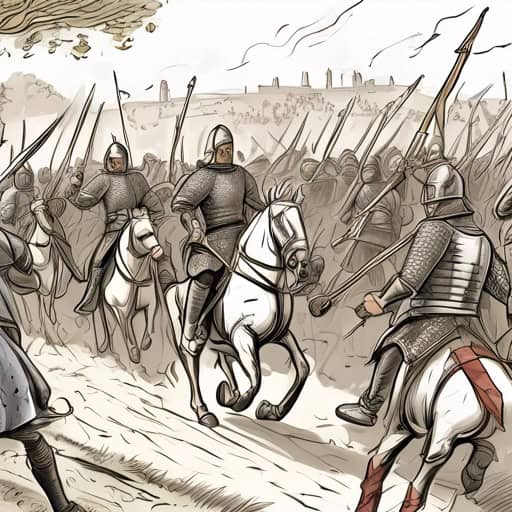
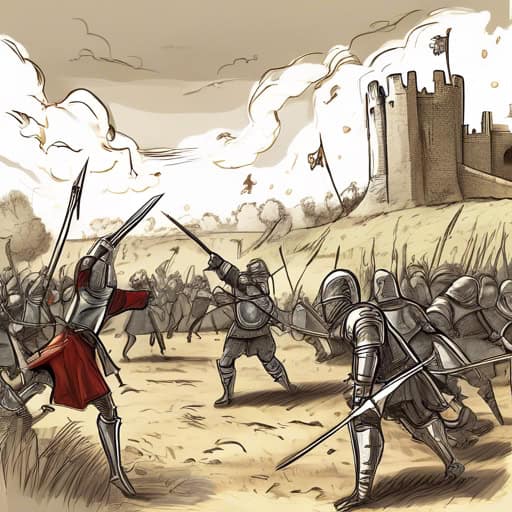
King Richard III
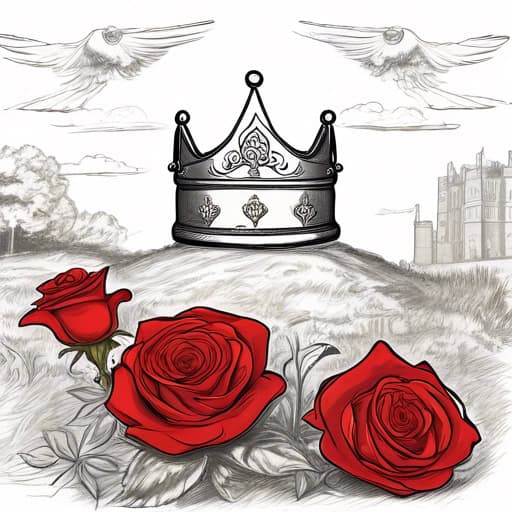
Henry Tudor

Thomas Stanley
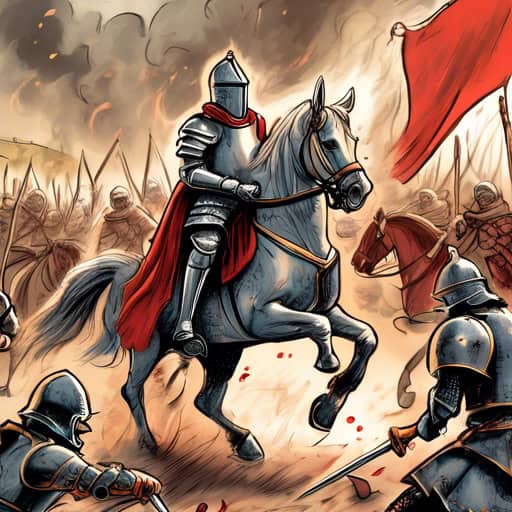
John Howard

Richard Neville

1. Richard III vs. Henry Tudor

2. The Wars of the Roses

3. The Battle Begins
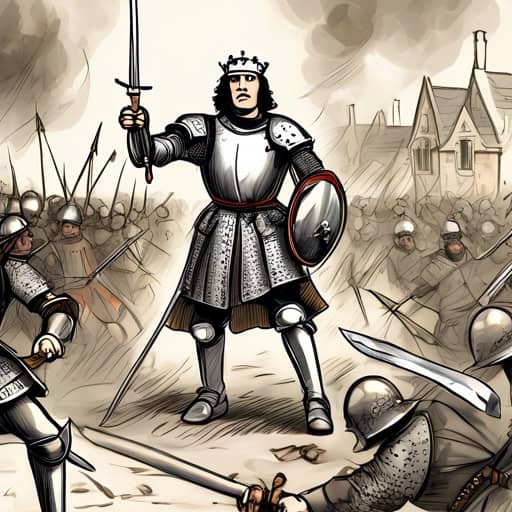
4. The Death of Richard III

5. Henry Tudors Victory

6. The End of the Plantagenet Dynasty

7. The Impact of the Battle

8. Richard IIIs Remains

9. Historical Significance

10. Remembering the Battle
Lesson Details & Resources
In a Nutshell
- What: The battle that ended the Wars of the Roses and led to the establishment of the Tudor dynasty in England.
- When: August 22, 1485
- Who: King Richard III of England vs. Henry Tudor (Henry VII) of England
- Outcome: Henry Tudor’s victory, Richard III was killed in battle, and Henry Tudor became King of England.
Famous Figures in the The Battle of Bosworth
-
Henry VII
Henry VII was the victorious leader of the Tudor forces in the Battle of Bosworth. His triumph marked the end of the Wars of the Roses and the beginning of the Tudor dynasty.
-
Richard III
Richard III was the reigning King of England during the Battle of Bosworth. His defeat in the battle resulted in his death and the end of the Plantagenet dynasty.
-
Henry Stafford
Henry Stafford, also known as the Duke of Buckingham, initially supported Richard III but later switched sides to fight alongside Henry VII in the Battle of Bosworth.
-
Thomas Stanley
Thomas Stanley, the Earl of Derby, played a crucial role in the Battle of Bosworth by delaying his support for either side until the outcome became clear.
-
John Howard
John Howard, the Duke of Norfolk, fought on the side of Richard III in the Battle of Bosworth but was killed during the battle.
-
John de Vere
John de Vere, the Earl of Oxford, fought for Henry VII in the Battle of Bosworth and played a significant role in securing victory for the Tudor forces.
-
William Stanley
William Stanley, the brother of Thomas Stanley, initially fought for Richard III but ultimately switched sides to support Henry VII, which helped secure the Tudor victory.
-
Thomas Howard
Thomas Howard, the Earl of Surrey, fought for Richard III in the Battle of Bosworth and played a prominent role in the Yorkist forces.
-
Richard de la Pole
Richard de la Pole, a Yorkist claimant to the English throne, fought on Richard III's side in the Battle of Bosworth but managed to escape and continued to challenge the Tudor rule.
-
Rhys ap Thomas
Rhys ap Thomas, a Welsh nobleman and military commander, fought alongside Henry VII in the Battle of Bosworth and is said to have delivered a decisive blow to Richard III.
Timeline of The Battle of Bosworth
Henry Tudor lands in Wales with a small force
Henry Tudor gains support from Welsh allies
Henry Tudor's army grows as he marches through Wales
Henry Tudor defeats Richard III's forces at the Battle of Bosworth
Richard III is killed in battle
Henry Tudor is crowned King Henry VII of England
Henry VII marries Elizabeth of York, uniting the Houses of Lancaster and York
Henry VII establishes the Tudor dynasty
Henry VII's reign begins
Henry VII establishes the Court of Star Chamber
Henry VII strengthens royal finances
Henry VII promotes trade and exploration
Henry VII establishes peace and stability in England
Henry VII's son, Arthur, is born
Henry VII signs the Treaty of Medina del Campo with Spain
Henry VII's daughter, Margaret, is born
Henry VII's son, Henry, is born
Henry VII enacts laws against benevolences
Henry VII founds the Royal College of Physicians
Henry VII dies
Vocabulary List
- Battle of Bosworth
- The Battle of Bosworth was the final battle of the Wars of the Roses in England, fought in 1485.
- Richard III
- Richard III was the King of England who was defeated and killed at the Battle of Bosworth.
- Henry Tudor
- Henry Tudor, also known as Henry VII, emerged victorious at the Battle of Bosworth and became the first monarch of the Tudor dynasty.
- Wars of the Roses
- The Wars of the Roses were a series of civil wars fought in England between the House of Lancaster and the House of York, culminating in the Battle of Bosworth.
- House of Lancaster
- The House of Lancaster was one of the two rival branches of the Plantagenet dynasty, which ultimately prevailed in the Wars of the Roses.
- House of York
- The House of York was the other rival branch of the Plantagenet dynasty that competed with the House of Lancaster for the English throne during the Wars of the Roses.
- Battlefield
- The battlefield of Bosworth, located in Leicestershire, was the site of the decisive battle that ended the Wars of the Roses and changed the course of English history.
- Claim to the throne
- The Battle of Bosworth was fought between two claimants to the English throne, Richard III and Henry Tudor, who both had competing claims based on their lineage.
- Henry Percy, Earl of Northumberland
- Henry Percy, the Earl of Northumberland, was a key supporter of Richard III at the Battle of Bosworth, but ultimately failed to provide the necessary reinforcements, contributing to Richard's defeat.
Key Facts
This is the information used in the fact matching game
- King Richard III of England was killed in the battle
- The battle took place on August 22, 1485
- It was fought between the forces of Richard III and Henry Tudor
- Henry Tudor's forces were victorious
- The battle marked the end of the Plantagenet dynasty
- Henry Tudor became King Henry VII of England after the battle
- Richard III is the last English king to die in battle
- The battle took place near the town of Market Bosworth in Leicestershire, England
- It was the final battle of the Wars of the Roses
- The Wars of the Roses were a series of civil wars in England
- The battle resulted in the death of several prominent nobles on both sides
- It is estimated that around 1,000 soldiers died in the battle
- The battle is often seen as the beginning of the Tudor dynasty
- Henry Tudor's victory led to the end of the Yorkist dynasty
- The Tudor rose, combining the symbols of the House of Lancaster and the House of York, became the emblem of the new Tudor dynasty
- The battle was a turning point in English history, leading to the establishment of a more centralized monarchy
- The exact location of the battlefield is still debated among historians
- The battle was depicted in William Shakespeare's play Richard III
- The Battle of Bosworth is sometimes referred to as the Battle of Redemore
- The discovery of King Richard III's remains in 2012 added to the historical significance of the battle
- The battle was the last time that an English king was killed in battle.
Analysis & Significance
Immediate Consequences
The Battle of Bosworth in 1485 marked the end of the Wars of the Roses and the beginning of the Tudor dynasty in England. The death of Richard III and the victory of Henry Tudor led to a period of relative stability after years of civil unrest.
Long-Term Impact
The Battle of Bosworth had a significant impact on English history, as it paved the way for the reign of the Tudor monarchs, including Henry VIII and Elizabeth I. It also marked the end of the Plantagenet dynasty and the beginning of a new era in England.
Cultural Significance Today
The Battle of Bosworth is remembered as a pivotal moment in English history, as it brought an end to the War of the Roses and established a new ruling dynasty. The battle is also a popular subject in literature and art, with many works depicting the dramatic events of that fateful day.
The Battle of Bosworth Games


Take Your Learning Offline
Want a convenient, print-ready study guide for this lesson? Become a Memory Wizards Pro member to unlock the downloadable " Memory Scrolls" for this topic and our entire library!
- ✓ Complete Vocabulary Lists
- ✓ Key Facts & Timelines
- ✓ Beautifully Formatted for Print & Mobile