
Summary of The Act of Supremacy (1534)
Unravel the power struggle that defined the English Reformation.
How Do You Learn Best?
Learn by Reading
Immerse yourself in the 10-minute visual lesson for a comprehensive understanding of the topic.
Learn by Reviewing
Jump directly to the key facts, timeline, and vocabulary lists to build a solid foundation of details.
Learn by Doing
Challenge yourself! Jump straight into the interactive games to learn by trial, error, and discovery.
The Act of Supremacy in 10 Minutes

Introduction


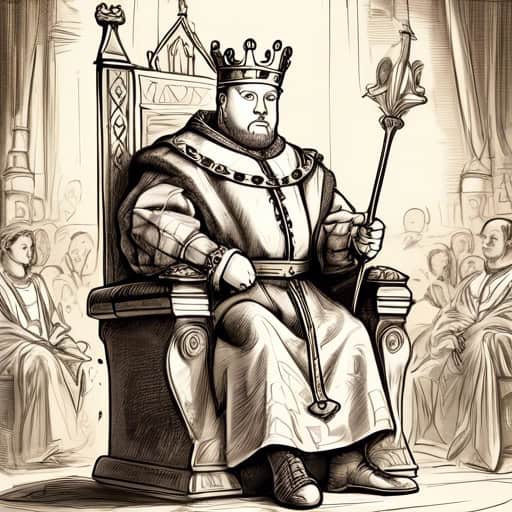
King Henry VIII

Thomas Cranmer

Thomas More

Anne Boleyn

1. King Henry VIIIs Desire for an Heir

2. The Popes Refusal to Annul Henrys Marriage
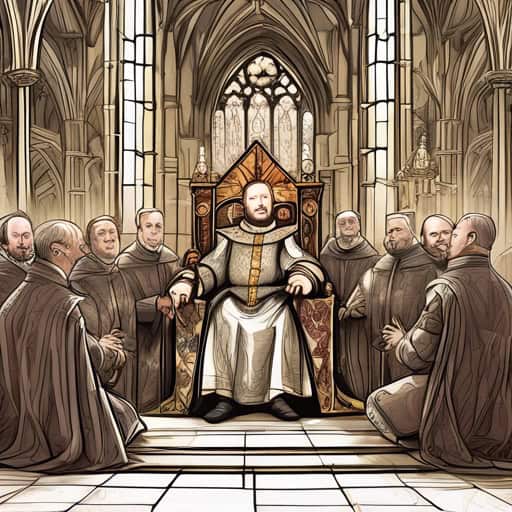
3. Establishment of the Church of England

4. Oath of Allegiance to the King

5. Dissolution of the Monasteries

6. Resistance from Catholic Church Supporters

7. Impact on Religious Practices
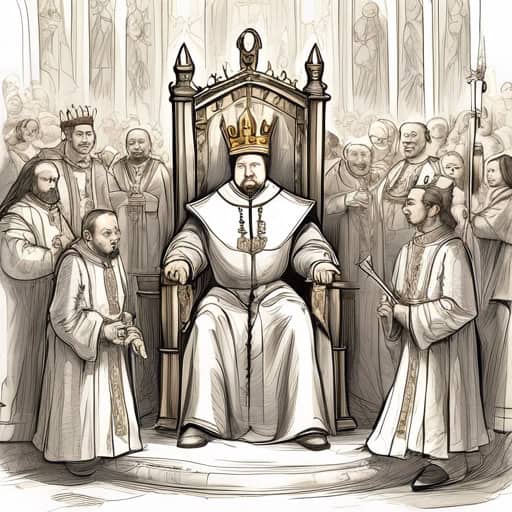
8. Legacy of the Act of Supremacy

9. Repeal and Reinstatement

10. Continued Debate and Controversy

Lesson Details & Resources
In a Nutshell
- What: The Act of Supremacy established the English monarch as the head of the Church of England.
- When: 1534
- Who: King Henry VIII, Pope Clement VII, Thomas Cranmer
- Outcome: The Act led to the English Reformation and the break from the authority of the Pope in Rome.
Famous Figures in the The Act of Supremacy
-
King Henry VIII
He was the King of England who instigated the Act of Supremacy in 1534, declaring the monarch as the supreme head of the Church of England.
-
Thomas More
He was a prominent statesman and humanist who opposed the Act of Supremacy and refused to acknowledge the king as the head of the Church of England, leading to his execution.
-
Anne Boleyn
She was the second wife of King Henry VIII and played a significant role in the events surrounding the Act of Supremacy, ultimately being executed on charges of adultery and treason.
-
Thomas Cromwell
He was a key advisor to King Henry VIII and instrumental in the passing of the Act of Supremacy, which led to the separation of the Church of England from the authority of the Pope.
-
Catherine of Aragon
She was the first wife of King Henry VIII and her refusal to accept the annulment of their marriage by the Pope played a major role in the events leading to the Act of Supremacy.
-
Thomas Cranmer
He was the Archbishop of Canterbury who supported the annulment of Henry VIII's marriage to Catherine of Aragon and played a crucial role in the implementation of the Act of Supremacy.
-
Cardinal Wolsey
He was an influential cardinal and Lord Chancellor who fell out of favor with King Henry VIII due to his failure to secure an annulment of the king's marriage to Catherine of Aragon.
-
Thomas Audley
He was the Lord Chancellor who succeeded Thomas More and played a key role in implementing the Act of Supremacy, solidifying the monarch's authority over the Church of England.
-
John Fisher
He was a prominent bishop who opposed the Act of Supremacy and the religious reforms of King Henry VIII, leading to his execution on charges of treason.
-
Richard Rich
He was a lawyer and politician who supported the Act of Supremacy and gained favor with King Henry VIII, eventually becoming the Lord Chancellor and benefiting from the dissolution of the monasteries.
Timeline of The Act of Supremacy
January 1533: Henry VIII marries Anne Boleyn
September 1533: Anne Boleyn gives birth to Elizabeth, later known as Elizabeth I
November 1534: Parliament passes the Act of Supremacy
December 1534: Henry VIII is declared the Supreme Head of the Church of England
January 1535: Thomas More, former Lord Chancellor, refuses to take the Oath of Supremacy
April 1535: Execution of Sir Thomas More for treason
May 1536: Anne Boleyn is executed on charges of adultery and treason
June 1536: Henry VIII marries Jane Seymour
October 1536: Dissolution of the monasteries begins
October 1537: Jane Seymour dies after giving birth to Edward, later known as Edward VI
July 1538: English Bible is ordered to be placed in every church
April 1539: Act of Six Articles reaffirms certain Catholic doctrines
July 1540: Henry VIII annuls his marriage to Anne of Cleves
January 1543: Henry VIII marries Catherine Parr, his sixth and final wife
July 1544: Henry VIII gains control of the Irish Parliament
July 1545: Henry VIII passes the Treasons Act, making it a crime to deny his supremacy
January 1547: Henry VIII dies and is succeeded by his son Edward VI
1549: The Book of Common Prayer is introduced
1553: Edward VI dies and is succeeded by his half-sister Mary I
1559: Elizabeth I becomes Queen and passes the Act of Supremacy reinstating the Protestant Church
Vocabulary List
- Act of Supremacy
- The Act of Supremacy was a piece of legislation passed in 1534 by the Parliament of England that made King Henry VIII the supreme head of the Church of England.
- Parliament
- The Act of Supremacy was passed by the Parliament of England, which was the legislative body responsible for making laws in the country.
- King Henry VIII
- The Act of Supremacy made King Henry VIII the supreme head of the Church of England, giving him authority over religious matters in the country.
- Church of England
- The Act of Supremacy established the Church of England as a separate entity from the Roman Catholic Church, with the monarch as its supreme head.
- Separation from Rome
- The Act of Supremacy marked the formal separation of England from the authority of the Pope in Rome and the Roman Catholic Church.
- Religious Reformation
- The Act of Supremacy was a significant step in the religious reformation in England, as it led to the establishment of the Church of England and the breakaway from the Roman Catholic Church.
- Pope
- The Act of Supremacy undermined the authority of the Pope in England, as it declared the monarch as the supreme head of the Church of England.
- Authority
- The Act of Supremacy granted King Henry VIII the authority to make decisions regarding religious matters in England, giving him control over the Church of England.
- Clergy
- The Act of Supremacy affected the clergy in England, as it required them to acknowledge the king as the supreme head of the Church of England and swear an oath of loyalty to him.
- Oath of Supremacy
- The Act of Supremacy introduced the requirement for individuals, including clergy and government officials, to take an oath recognizing the king as the supreme head of the Church of England.
Key Facts
This is the information used in the fact matching game
- The Act of Supremacy was an English parliamentary act passed in 1534
- It declared King Henry VIII the Supreme Head of the Church of England
- The Act was a response to the Pope's refusal to annul Henry VIII's marriage to Catherine of Aragon
- It marked the beginning of the English Reformation
- The Act stated that the English monarch held ultimate authority over the English church
- It prohibited the Pope from having any authority in England
- The Act required all subjects to take an oath recognizing the King's supremacy
- Thomas Cromwell played a significant role in drafting and implementing the Act
- The Act also required clergy members to swear an oath of loyalty to the King
- Those who refused to take the oath were subject to punishment
- The Act led to the dissolution of monasteries and confiscation of church lands
- It established the English monarch as the head of both the church and state
- The Act was a major step towards the break from the Catholic Church
- It solidified Henry VIII's control over religious matters in England
- The Act was repealed during the reign of Mary I, Henry's daughter
- It was reinstated under Elizabeth I, Henry's second daughter
- The Act remained in force until 1559
- The Act marked a shift in religious power from the Pope to the English monarch
- It laid the groundwork for the establishment of the Church of England as a separate entity
- The Act of Supremacy had significant implications for religious freedom in England.
Analysis & Significance
Immediate Consequences
The Act of Supremacy (1534) immediately resulted in the formal break between the English church and the Roman Catholic Church. This led to the dissolution of monasteries, religious unrest, and the establishment of the Church of England with King Henry VIII as its head.
Long-Term Impact
The long-term impact of the Act of Supremacy was significant, as it laid the foundation for the Protestant Reformation in England. It also solidified the power of the monarchy over the church and marked the beginning of the English Reformation, which had lasting effects on religious practices and beliefs in the country.
Cultural Significance Today
The Act of Supremacy continues to be culturally significant today as it shaped the religious landscape of England and influenced the development of Protestantism in the country. It also serves as a reminder of the complex relationship between religion and politics, highlighting the enduring impact of historical events on modern society.
The Act of Supremacy Games


Take Your Learning Offline
Want a convenient, print-ready study guide for this lesson? Become a Memory Wizards Pro member to unlock the downloadable " Memory Scrolls" for this topic and our entire library!
- ✓ Complete Vocabulary Lists
- ✓ Key Facts & Timelines
- ✓ Beautifully Formatted for Print & Mobile