
How Do You Learn Best?
Learn by Reading
Immerse yourself in the 10-minute visual lesson for a comprehensive understanding of the topic.
Learn by Reviewing
Jump directly to the key facts, timeline, and vocabulary lists to build a solid foundation of details.
Learn by Doing
Challenge yourself! Jump straight into the interactive games to learn by trial, error, and discovery.
Life’s Little Ironies in 10 Minutes
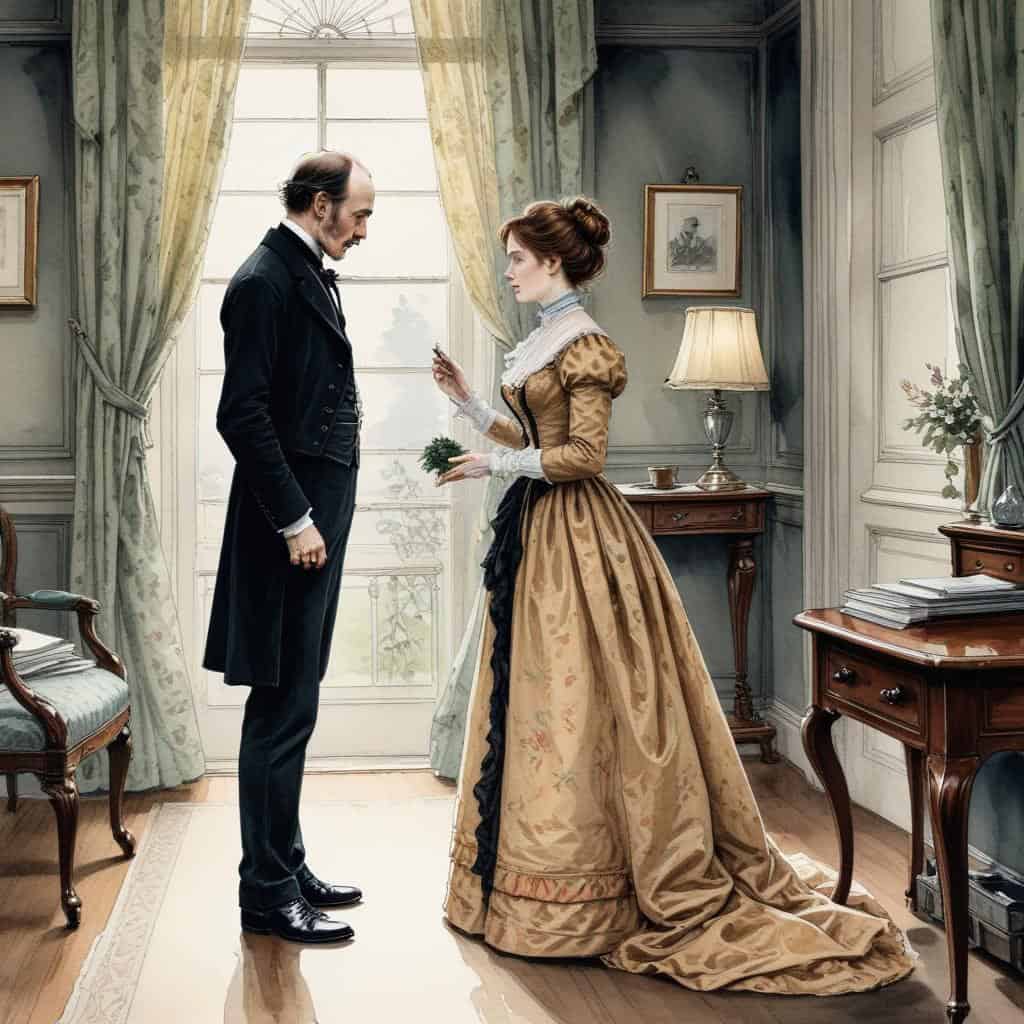
Introduction
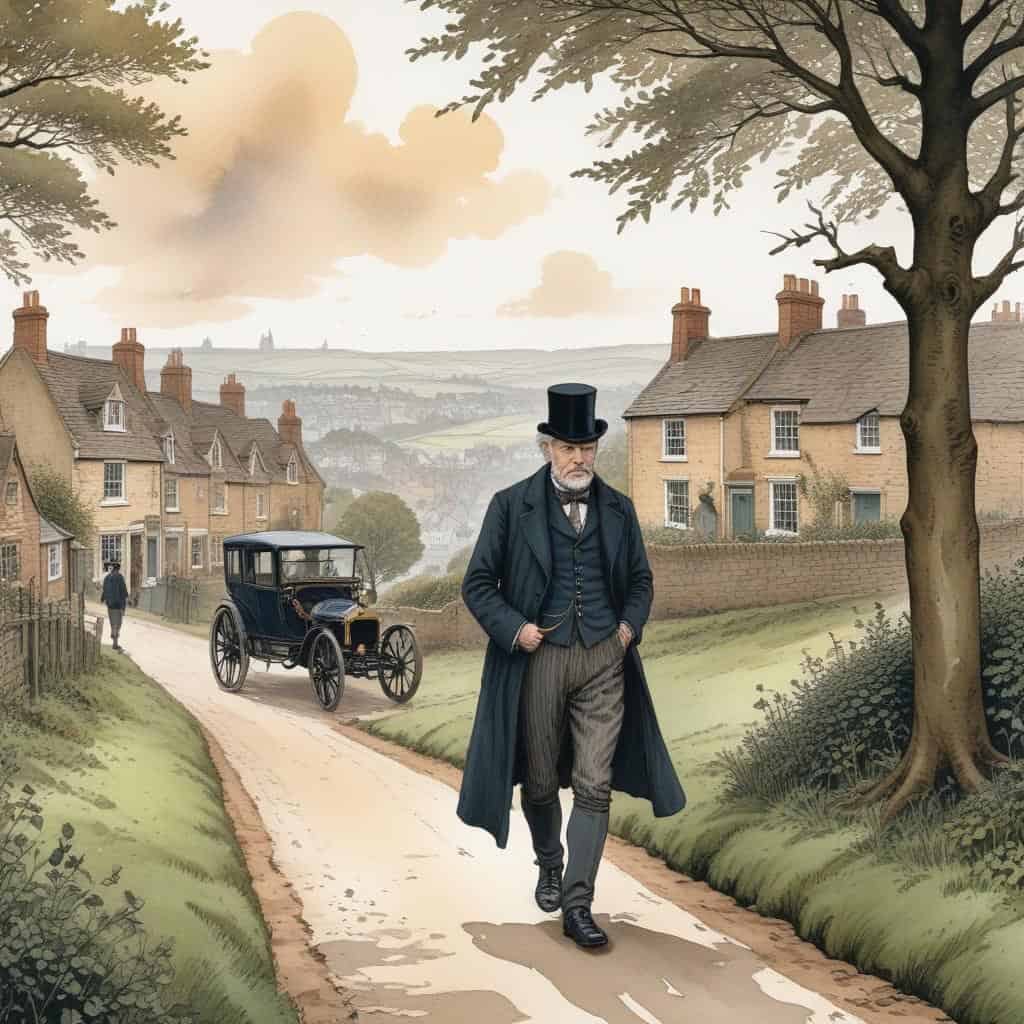
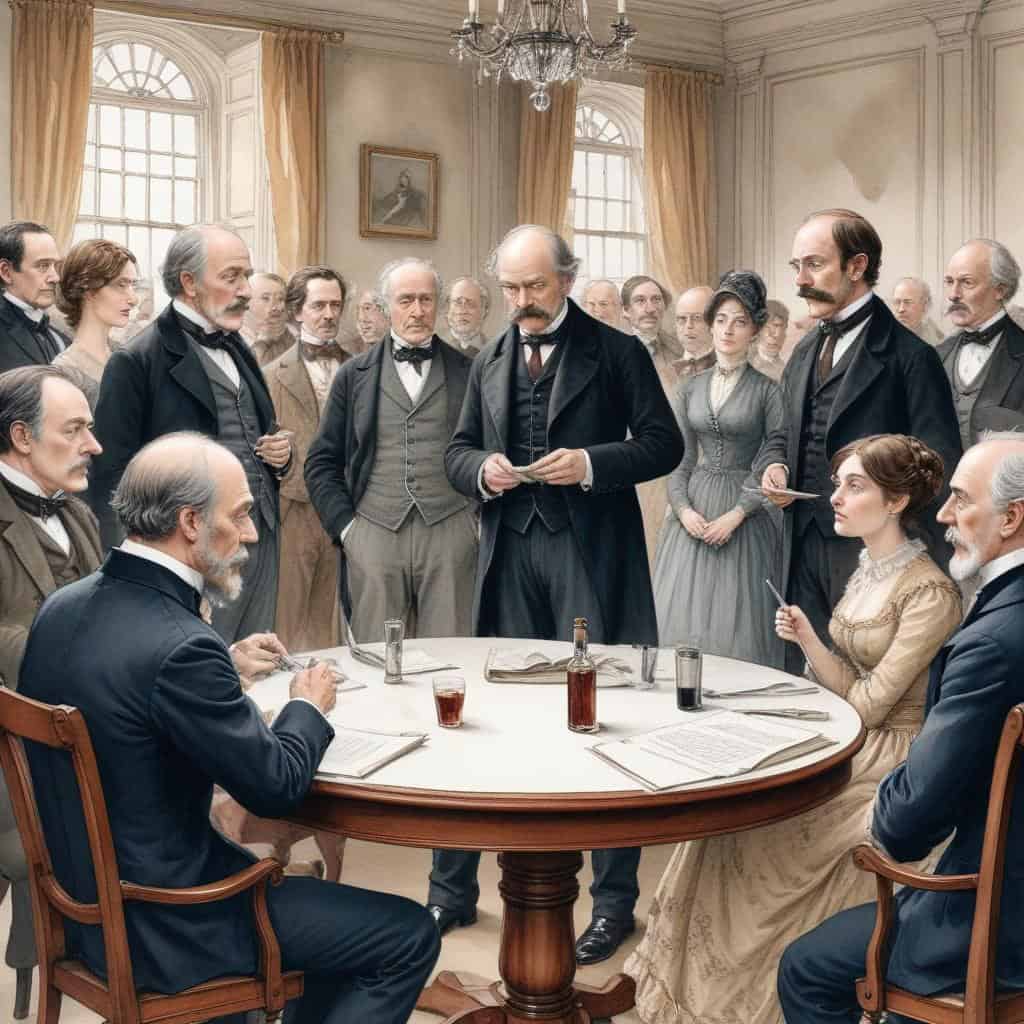

Tony Kytes

Unity Sallet

Millie Richards

Hannah Jolliver
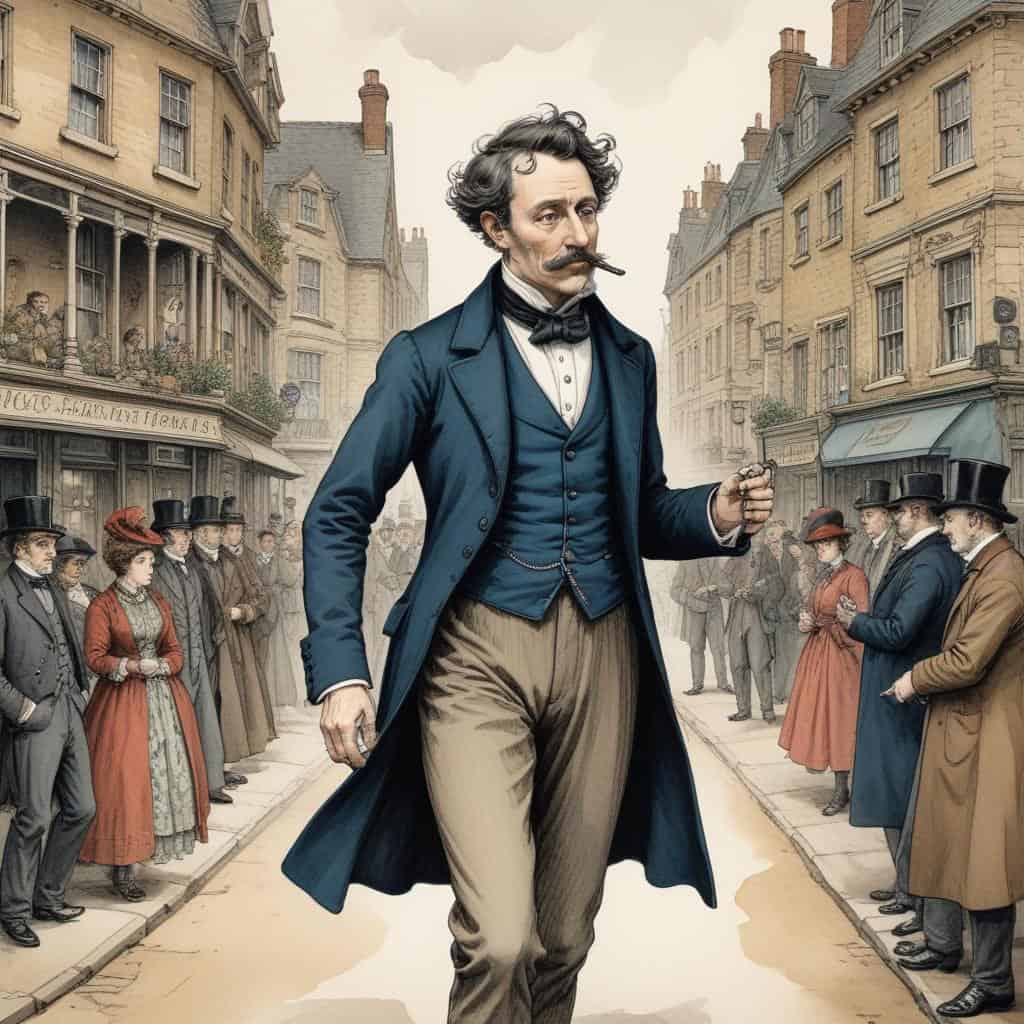
Adolphus Shapcott
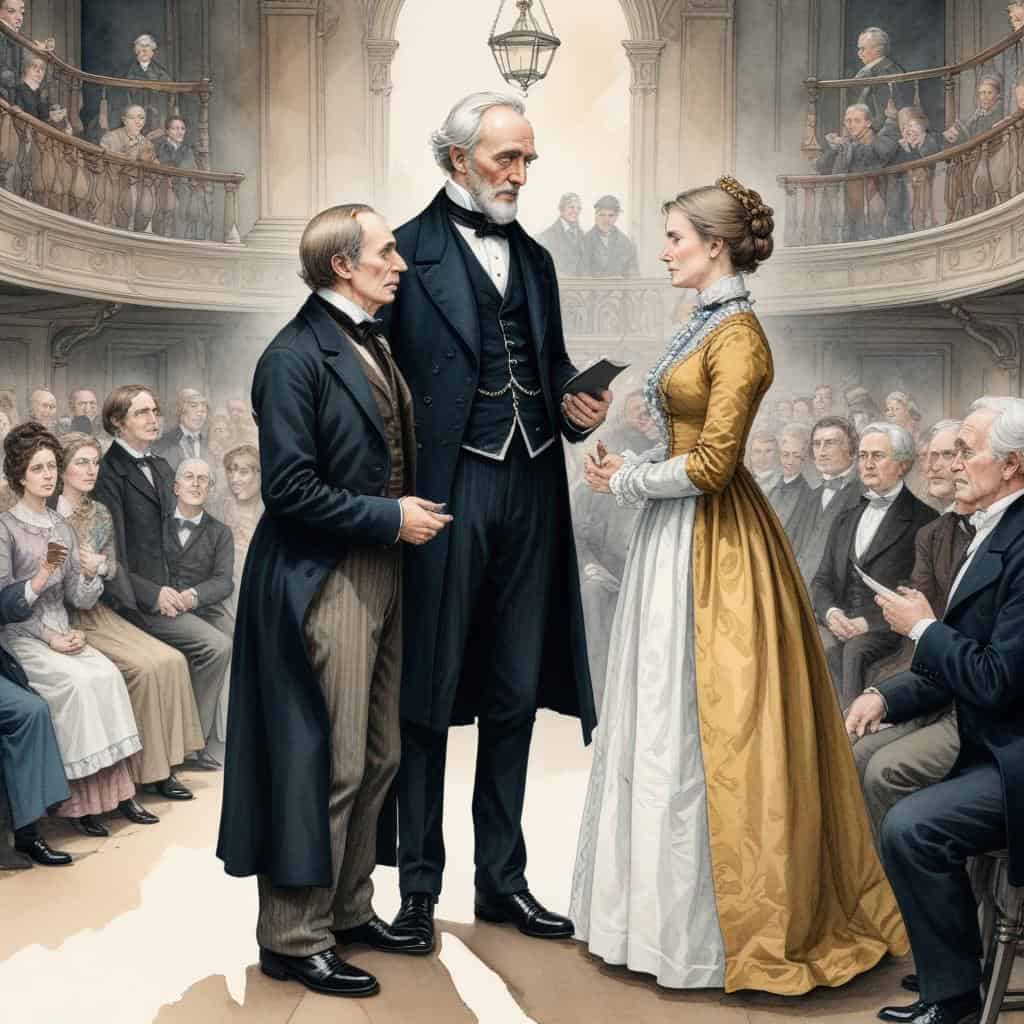
The Unfortunate Marriage Proposal
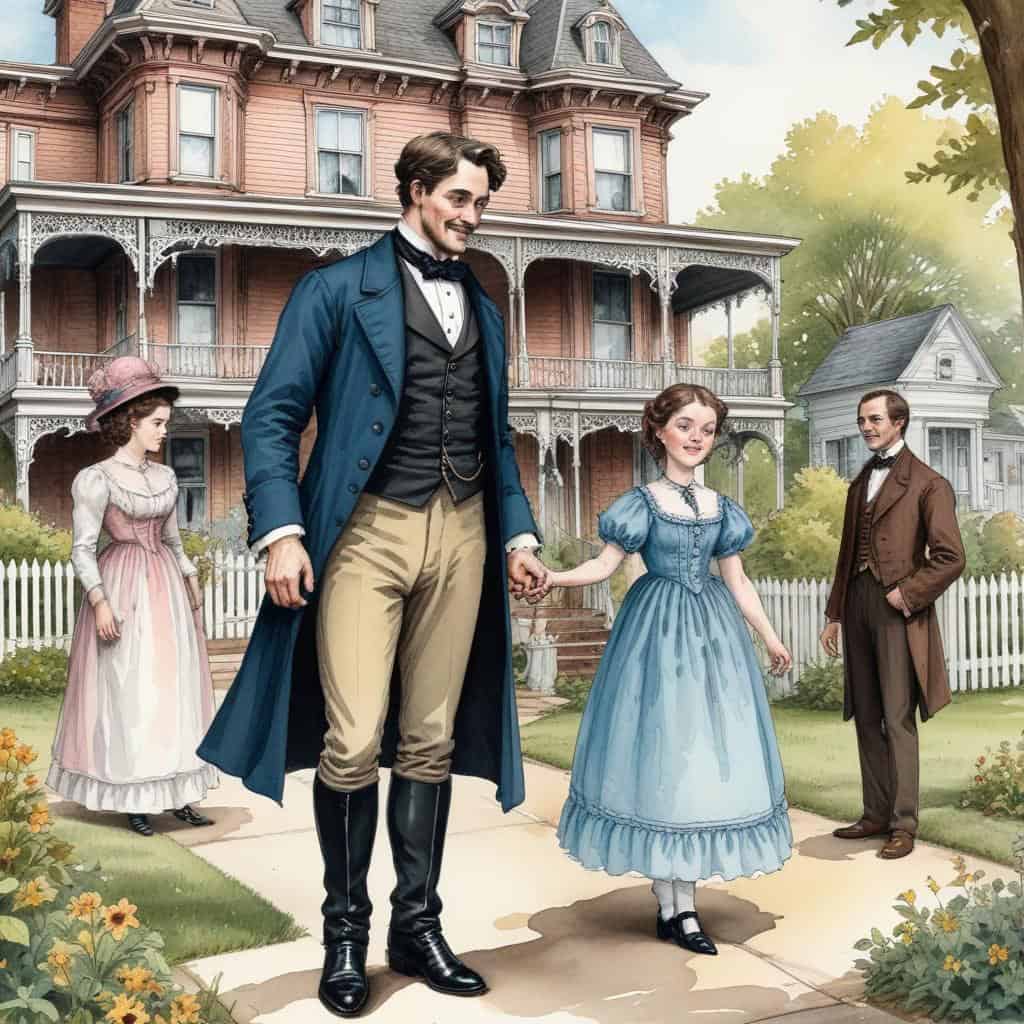
The Arrival of Randolph
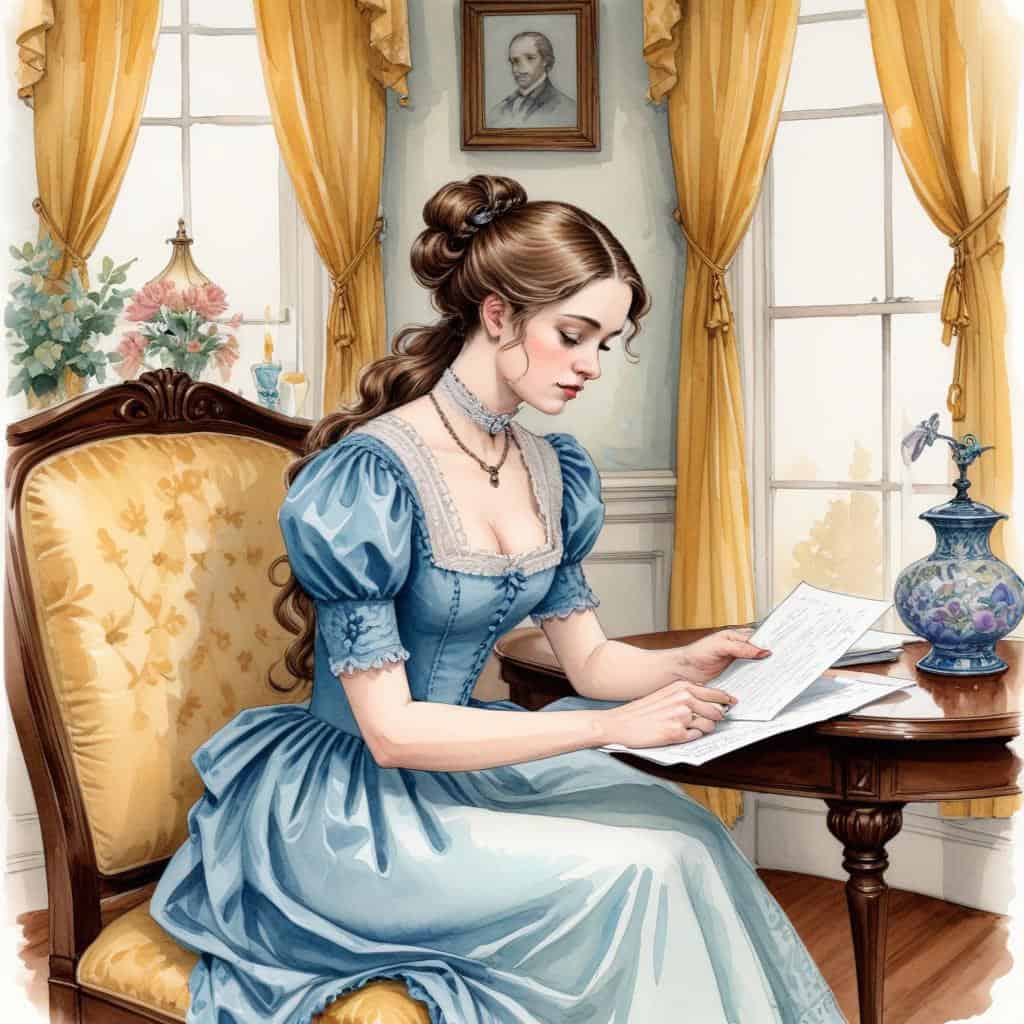
The Letter from Sam

The Piano Tuners Visit
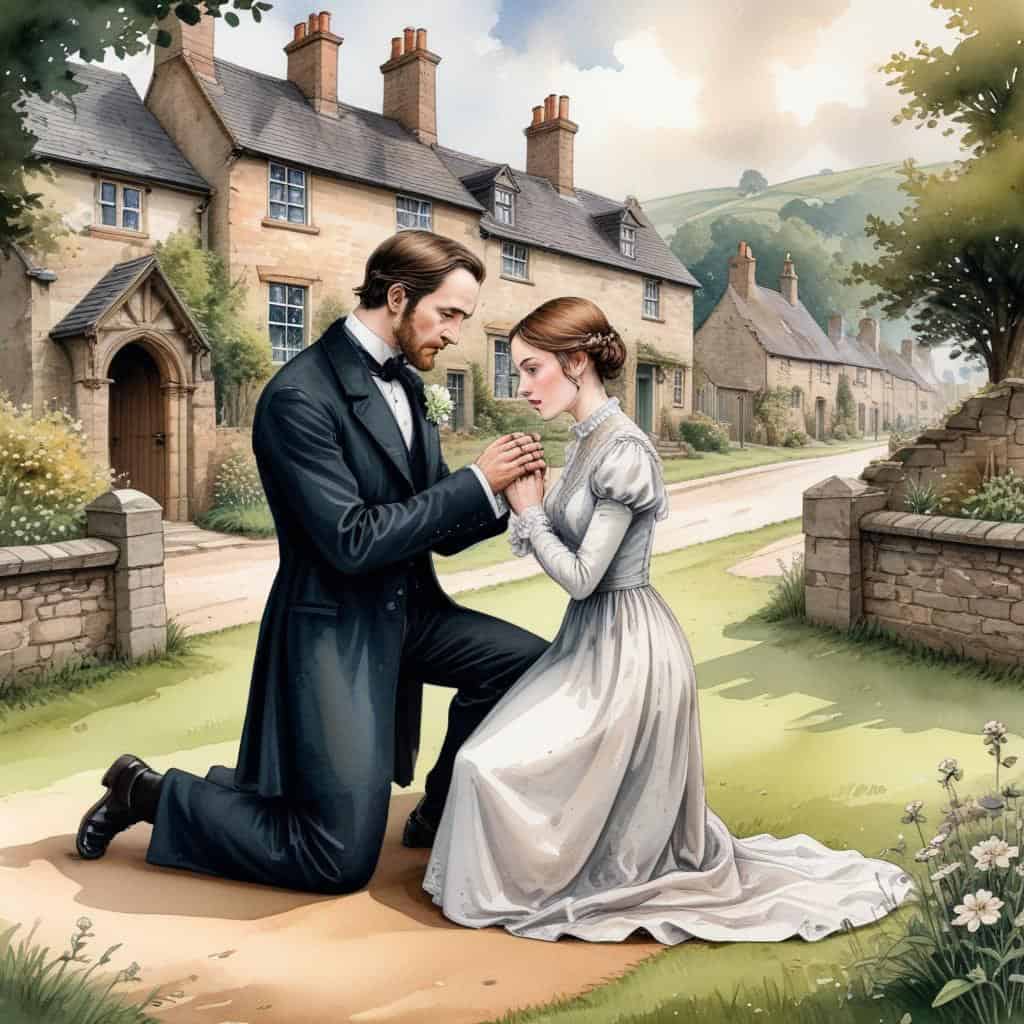
The Proposal from Mr. Gradfield
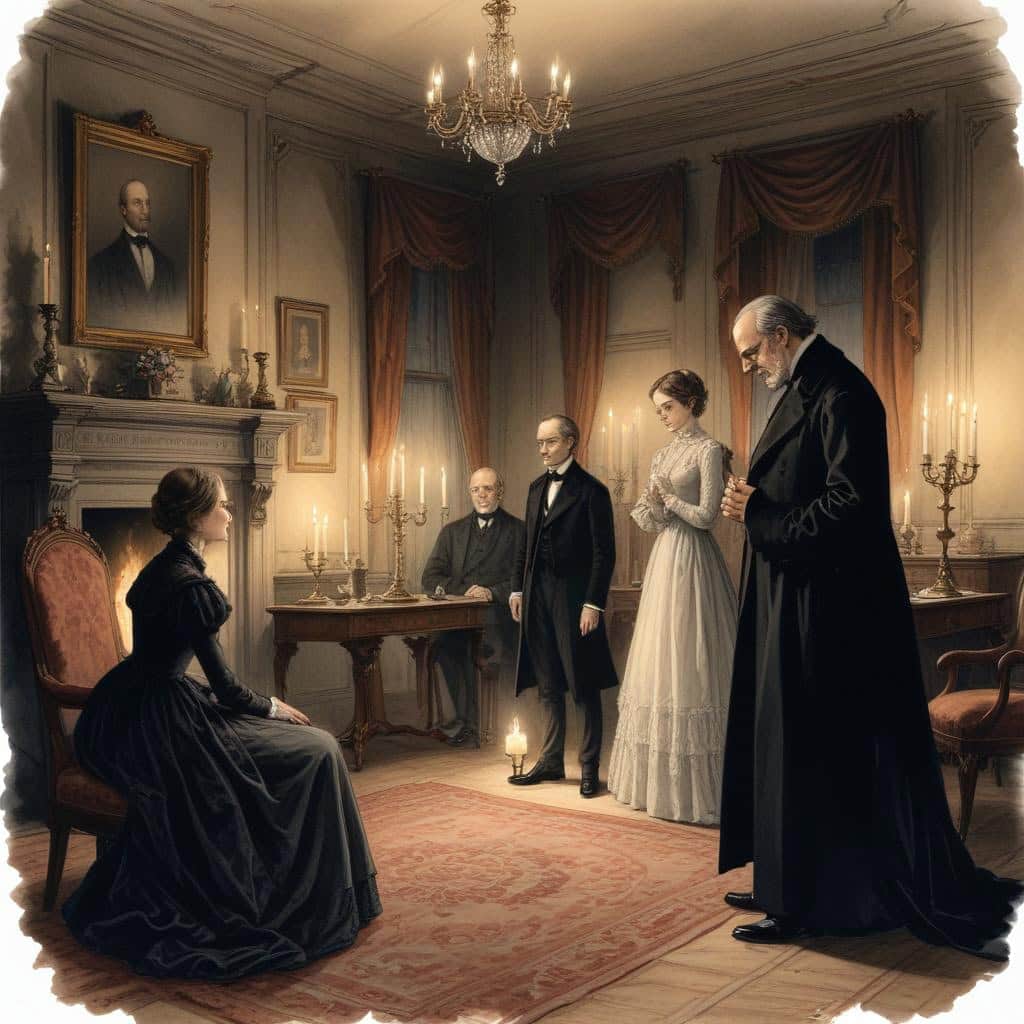
The Death of Reverend Twycott
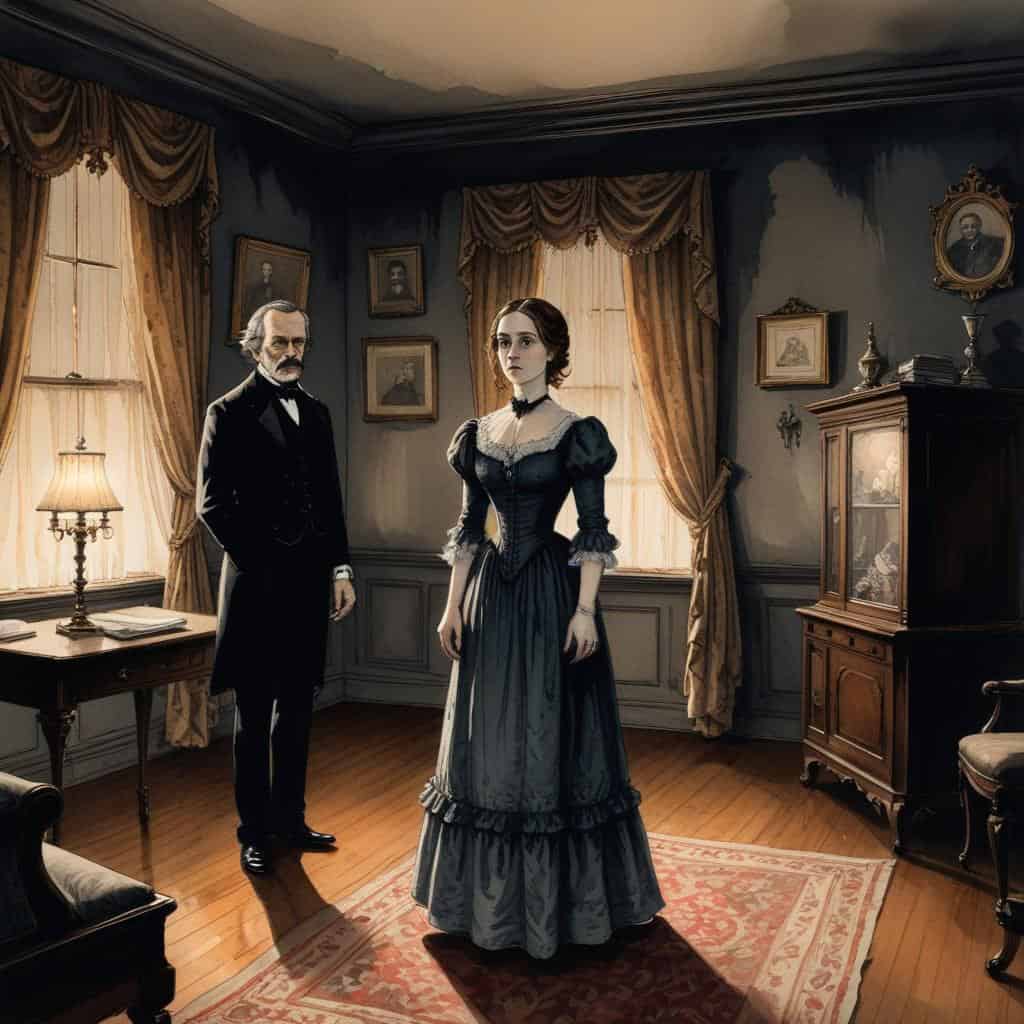
The Marriage to Mr. Gradfield
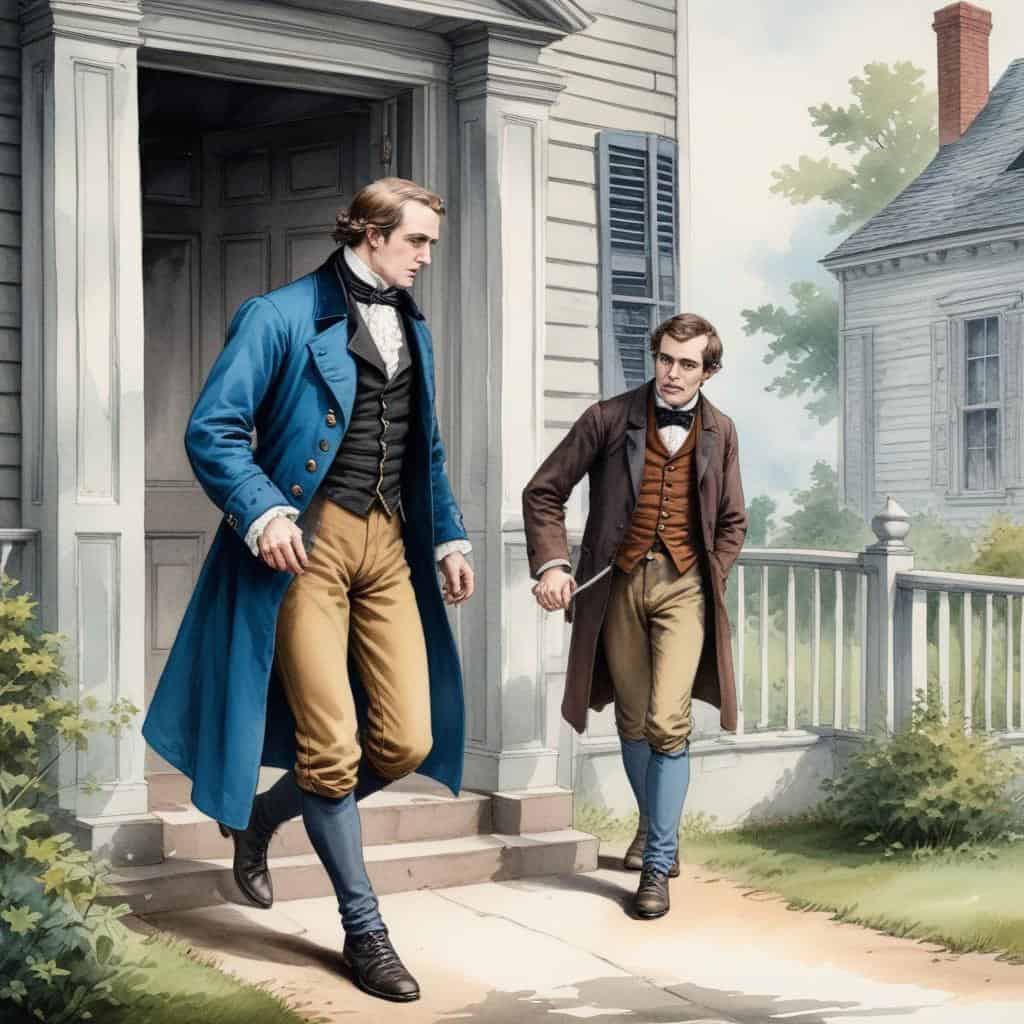
The Return of Randolph
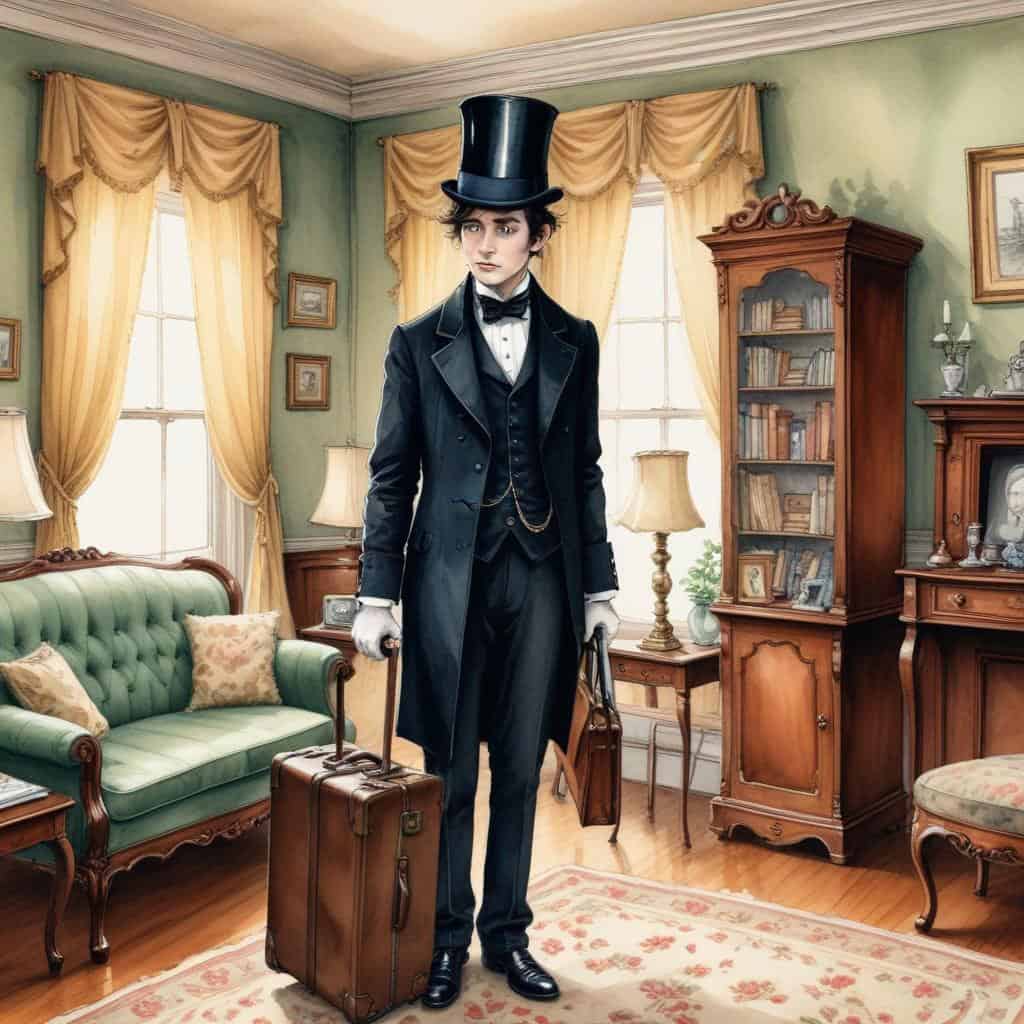
The Departure of Randolph
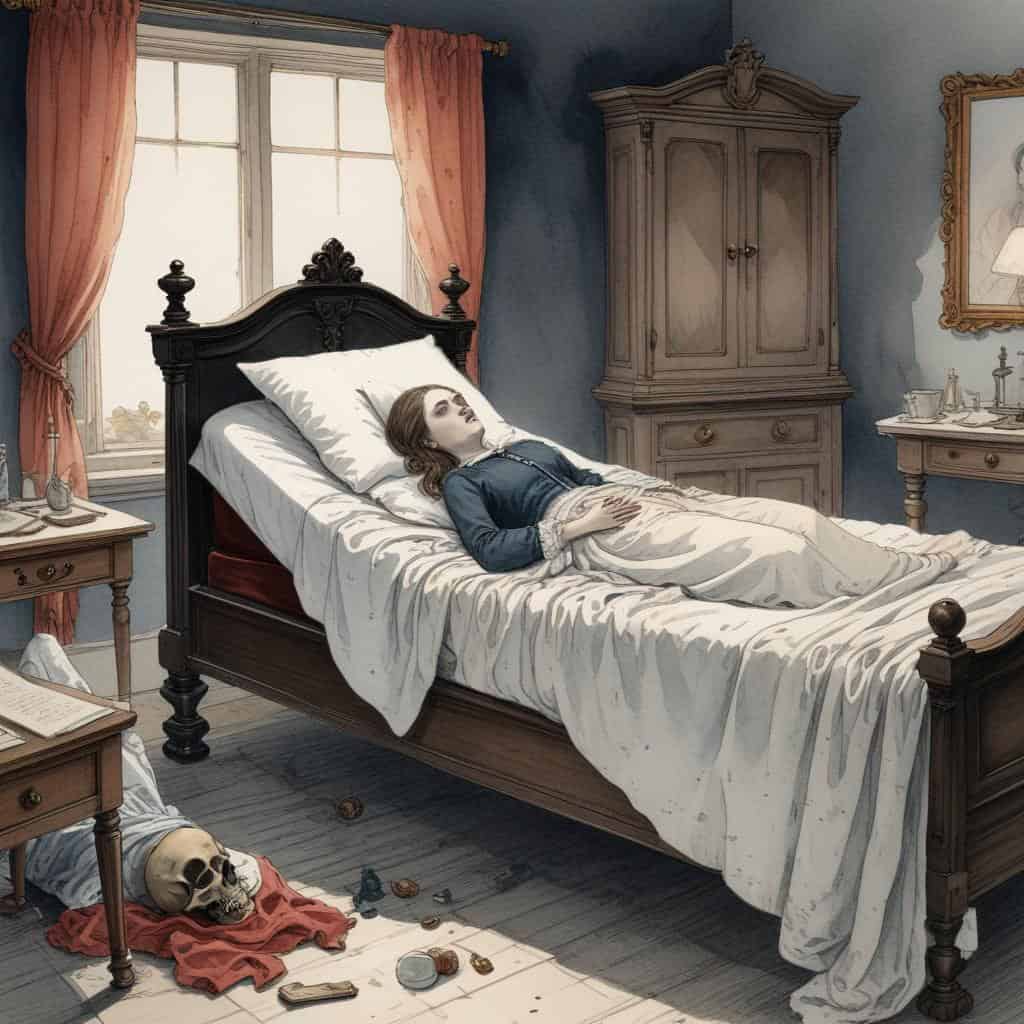
The Tragic Ending
Lesson Details & Resources
In a Nutshell
- What: ‘Life’s Little Ironies’ by Thomas Hardy
- When: Written in the Victorian era
- Who: Main characters include Sophy Twycott, Randolph Twycott, and Mr. Twycott
- Theme: The work explores the theme of irony and the unexpected twists of fate in everyday life
List of Characters in Life’s Little Ironies
-
Fitzpiers
Fitzpiers is a charming but unreliable doctor who causes turmoil in the lives of those around him.
-
Grace Melbury
Grace Melbury is a young woman caught between her love for Giles Winterborne and her desire for social advancement.
-
Giles Winterborne
Giles Winterborne is a hardworking and devoted man who is in love with Grace Melbury.
-
Mrs. Charmond
Mrs. Charmond is a wealthy and manipulative widow who becomes entangled in the lives of the other characters.
-
Marty South
Marty South is a kind and loyal young woman who is in love with Giles Winterborne.
Timeline of Life’s Little Ironies
A young man named Marty South works as a labourer
Marty's father dies and he is left alone
Marty encounters a man named Swithin St. Cleeve, who is an astronomer
Swithin falls in love with a woman named Viviette Constantine
Viviette invites Swithin to visit her at her house
Swithin and Viviette become engaged
Swithin's aunt disapproves of the engagement
Viviette confesses to Swithin that she is already married
Swithin breaks off the engagement
Marty continues working as a labourer and becomes infatuated with Swithin
Swithin and Marty become close friends
Swithin decides to leave his hometown and pursue his astronomical studies in London
Marty is devastated by Swithin's departure
Marty decides to follow Swithin to London
Marty disguises herself as a boy named Mark Clark
Marty finds work as a servant for a wealthy family in London
Marty continues to secretly watch Swithin's progress in his studies
Marty reunites with Swithin and confesses her true identity
Swithin is shocked by Marty's revelation
Swithin becomes engaged to a woman named Olive
Marty is heartbroken and decides to leave London
Marty returns to her hometown and resumes her work as a labourer
Marty learns that Swithin's engagement to Olive has been broken off
Swithin visits Marty in her hometown
Swithin and Marty reconcile their friendship
Swithin and Marty decide to remain friends and support each other in their respective lives.
Vocabulary List
- Irony
- The story is filled with instances of irony, such as the poor man finding wealth only after his death.
- Paradox
- The paradox of the situation is that the character's efforts to improve his life only lead to more suffering.
- Fate
- The characters in the story struggle against their fates, but ultimately find themselves trapped by circumstances beyond their control.
- Tragedy
- The story is a tragedy, with characters facing hardship and misfortune at every turn.
- Society
- The societal norms and expectations of the time play a significant role in shaping the characters' lives.
- Ambition
- The characters' ambitions often lead to their downfall, as they become consumed by their desire for success.
- Hypocrisy
- The characters often engage in acts of hypocrisy, pretending to be something they are not in order to fit in with society.
- Regret
- Many of the characters in the story are filled with regret over past choices and missed opportunities.
- Sacrifice
- The characters must make difficult sacrifices in order to achieve their goals, often at great personal cost.
- Misfortune
- Misfortune follows the characters throughout the story, leading to a sense of hopelessness and despair.
Key Facts
This is the information used in the fact matching game
- 1. "Life's Little Ironies" is a collection of eight short stories written by Thomas Hardy.
- 2. The stories were published between 1881 and 1900.
- 3. The collection explores the ironic nature of life and the unexpected twists of fate.
- 4. One of the most famous stories in the collection is "An Imaginative Woman."
- 5. "An Imaginative Woman" tells the story of a woman who becomes infatuated with a man she has never met.
- 6. Another well-known story is "The Melancholy Hussar of the German Legion."
- 7. "The Melancholy Hussar of the German Legion" follows the tragic love affair between a soldier and a young woman.
- 8. The collection also includes stories such as "The Son's Veto," "The Withered Arm," and "Barbara of the House of Grebe."
- 9. "The Son's Veto" deals with themes of class and social expectations.
- 10. "The Withered Arm" explores the consequences of jealousy and betrayal.
- 11. "Barbara of the House of Grebe" tells the story of a woman who struggles to find happiness in her marriage.
- 12. Hardy's writing style in these stories is characterized by vivid descriptions and a focus on the inner emotions of his characters.
- 13. The stories are set in rural England, reflecting Hardy's own upbringing in the countryside.
- 14. Many of the stories contain elements of tragedy and the hardships faced by the working class.
- 15. Hardy often incorporates themes of love, loss, and the complexities of human relationships in his stories.
- 16. The collection received mixed reviews upon its initial publication, with some critics praising Hardy's storytelling abilities while others criticized the darker themes.
- 17. Despite the initial reception, "Life's Little Ironies" has since gained recognition as an important work in Hardy's literary career.
- 18. The stories in the collection were written at different points in Hardy's life, showcasing his growth as a writer.
- 19. "Life's Little Ironies" reflects Hardy's pessimistic view of life and the challenges faced by ordinary individuals.
- 20. The collection serves as a reminder of the unpredictability and irony that can be found in everyday existence.
Analysis & Significance
Impact on Literature
‘Life’s Little Ironies’ by Thomas Hardy has had a lasting impact on literature by showcasing the complexities of human nature and the twists of fate that govern our lives. Hardy’s exploration of irony and coincidence in everyday events has influenced countless writers to delve deeper into the intricacies of human experience, paving the way for a more nuanced and layered storytelling approach.
Enduring Themes
The timeless themes of love, fate, and the unpredictability of life in ‘Life’s Little Ironies’ continue to resonate with modern audiences. Hardy’s exploration of how small, seemingly insignificant events can have profound consequences speaks to the universal human experience of navigating the twists and turns of life with grace and resilience.
Cultural Significance Today
Hardy’s ‘Life’s Little Ironies’ remains a cultural touchstone, with its themes of irony and fate still influencing contemporary literature and popular culture. The collection has been adapted for stage and screen, further solidifying its legacy as a timeless work that continues to captivate audiences with its astute observations on the complexities of human existence.
Life’s Little Ironies Games


Take Your Learning Offline
Want a convenient, print-ready study guide for this lesson? Become a Memory Wizards Pro member to unlock the downloadable " Memory Scrolls" for this topic and our entire library!
- ✓ Complete Vocabulary Lists
- ✓ Key Facts & Timelines
- ✓ Beautifully Formatted for Print & Mobile