
How Do You Learn Best?
Learn by Reading
Immerse yourself in the 10-minute visual lesson for a comprehensive understanding of the topic.
Learn by Reviewing
Jump directly to the key facts, timeline, and vocabulary lists to build a solid foundation of details.
Learn by Doing
Challenge yourself! Jump straight into the interactive games to learn by trial, error, and discovery.
A Group of Noble Dames in 10 Minutes
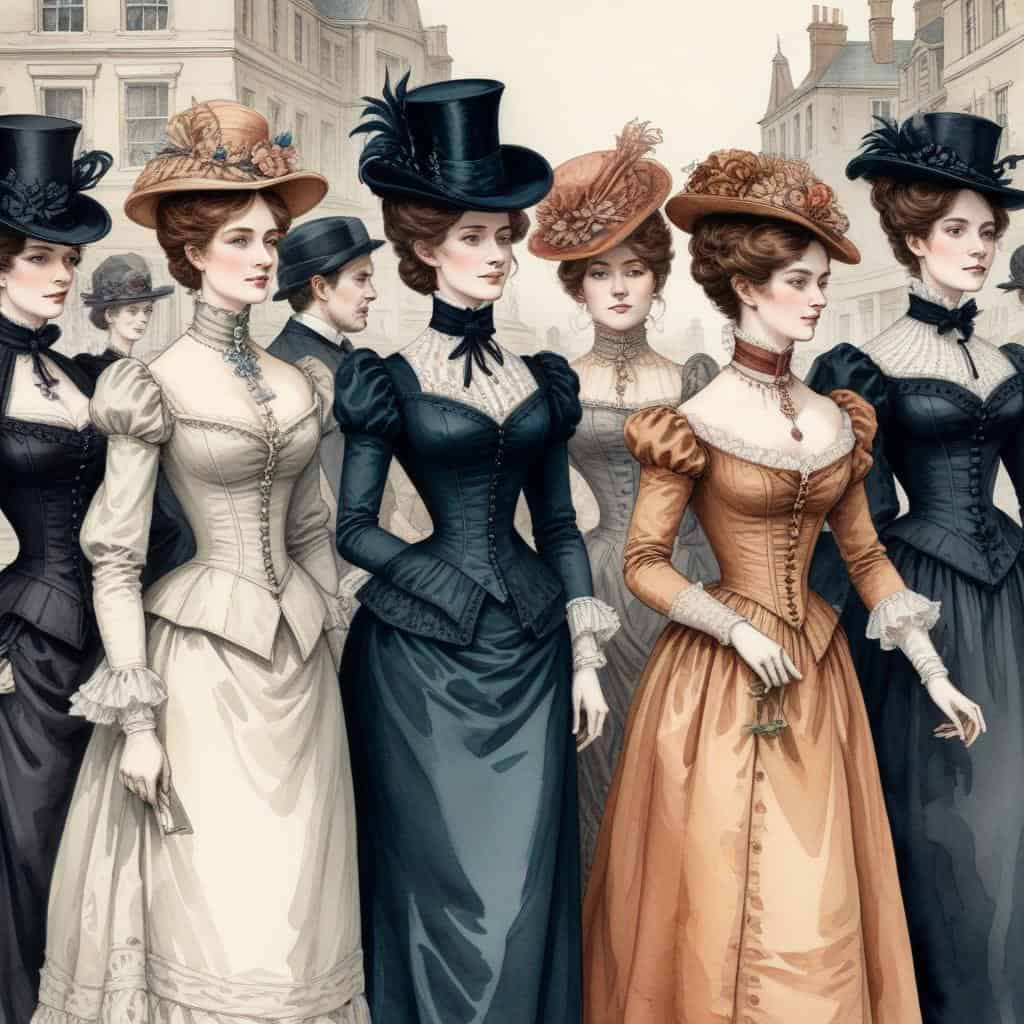
Introduction
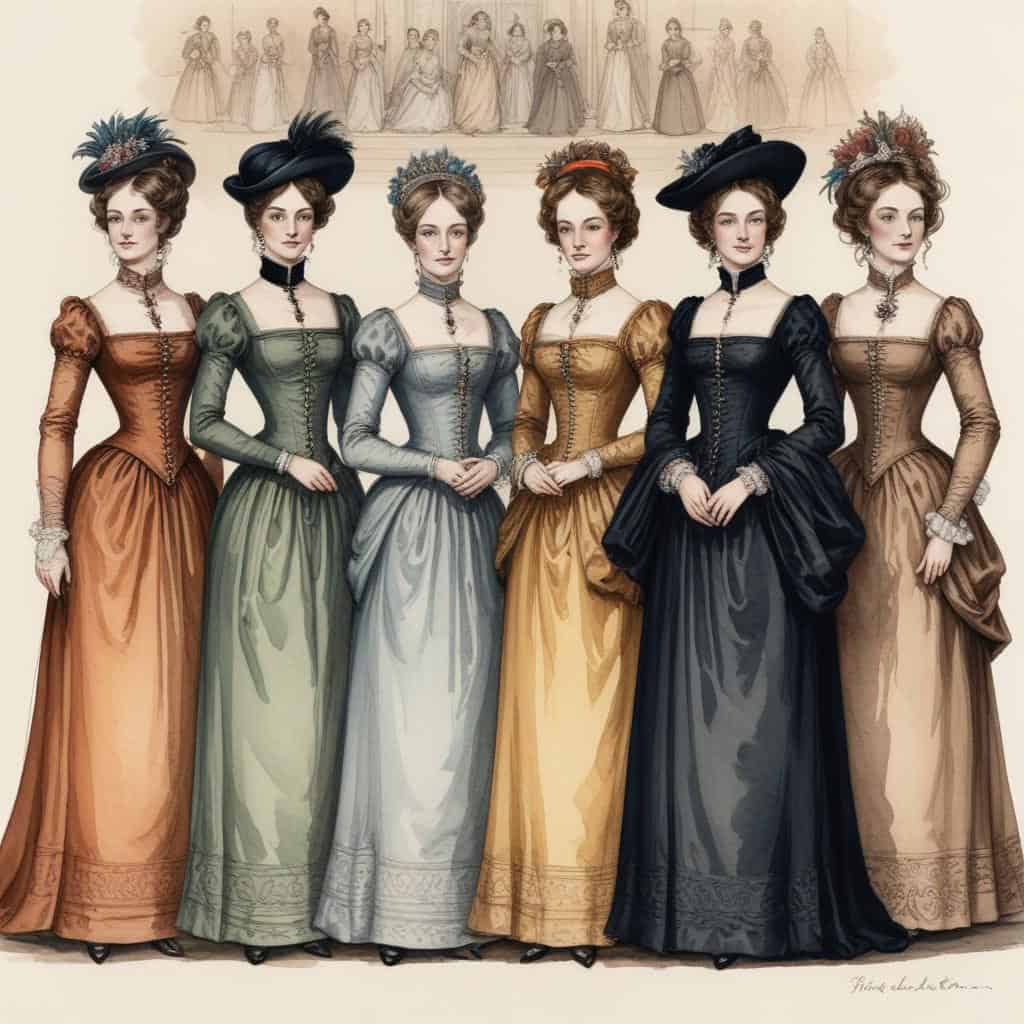
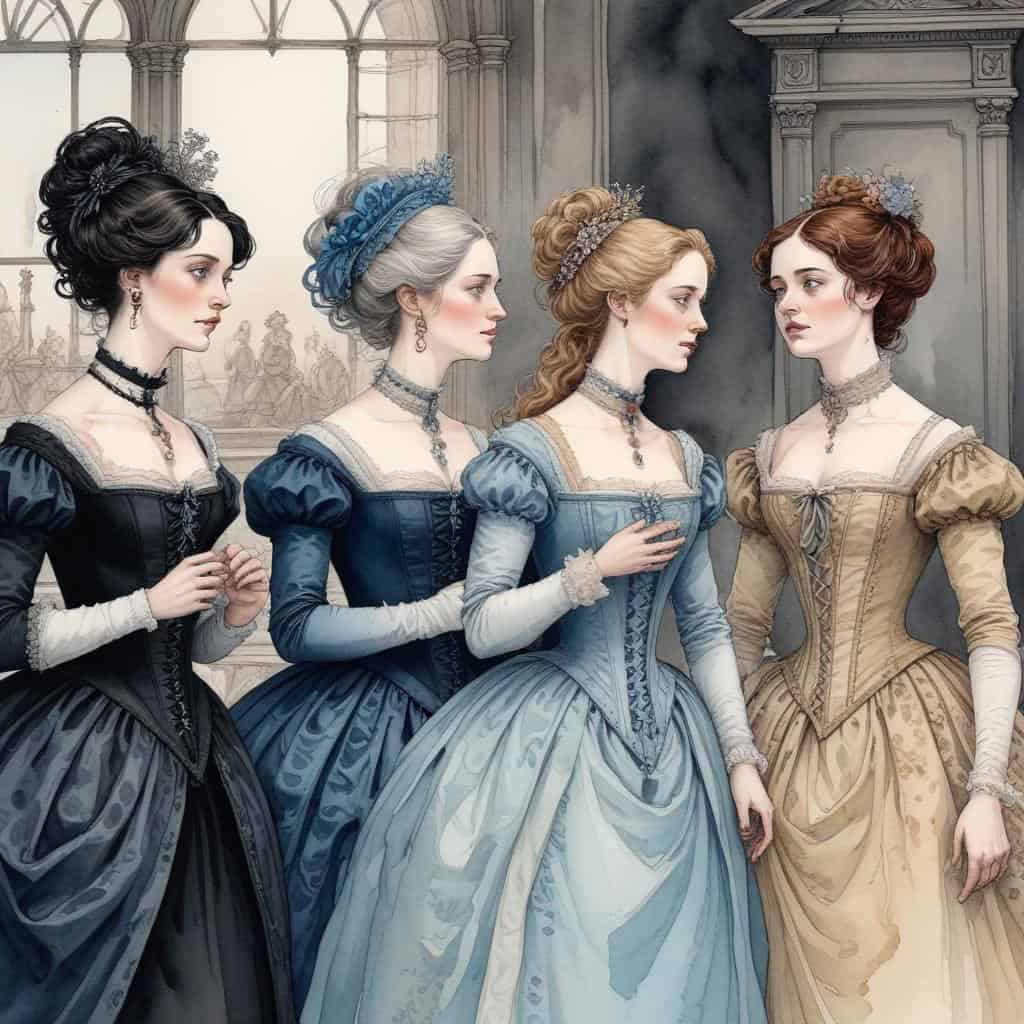

Baroness Greystock

Lady Mottisfont

The Countess of Wessex

Lady Penelope
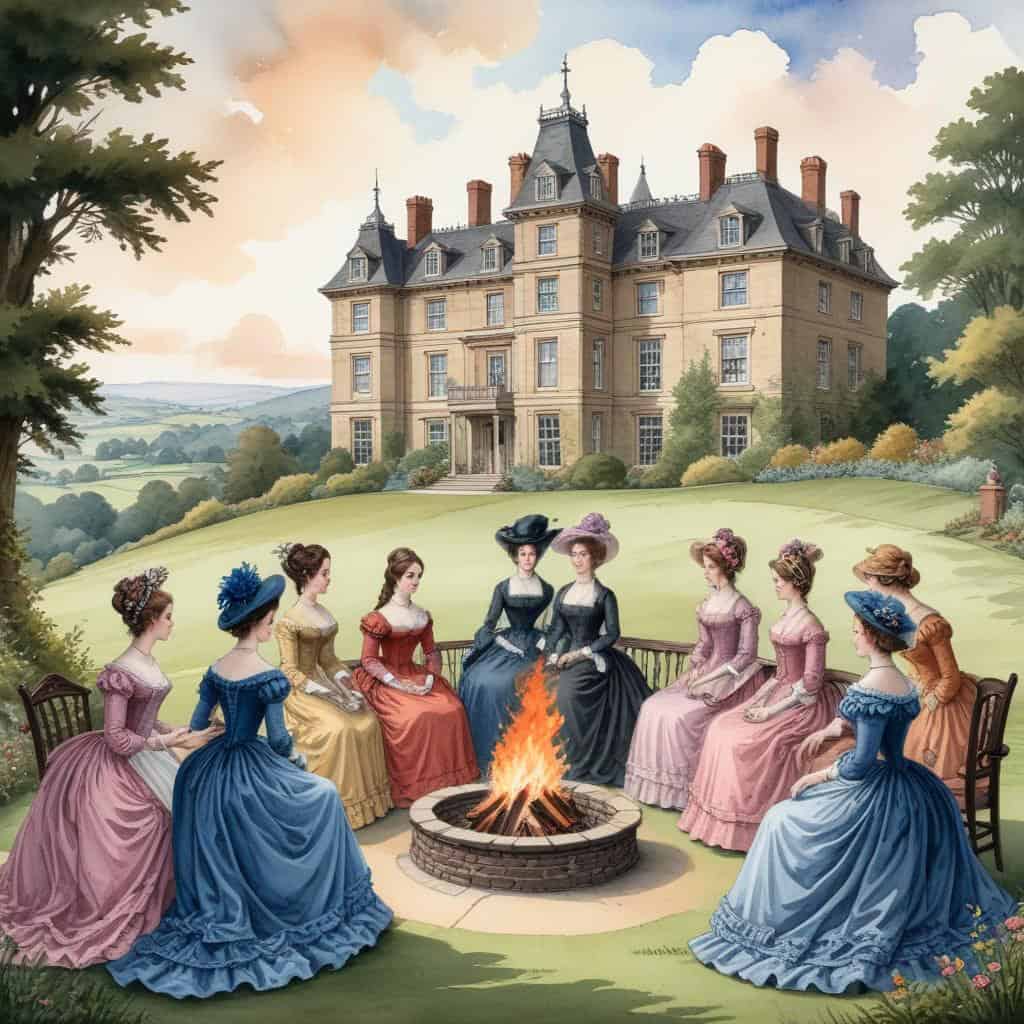
The Introduction of the Noble Dames
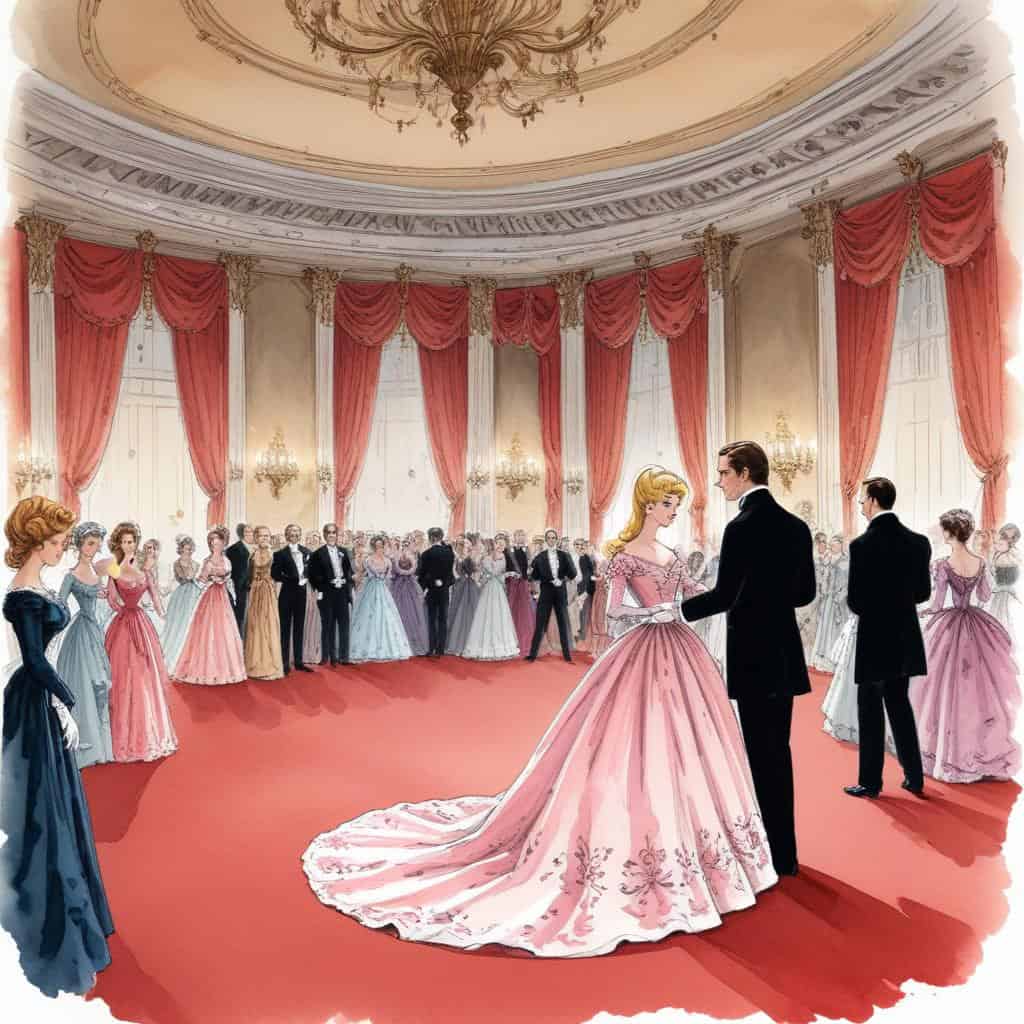
The Story of Lady Penelope
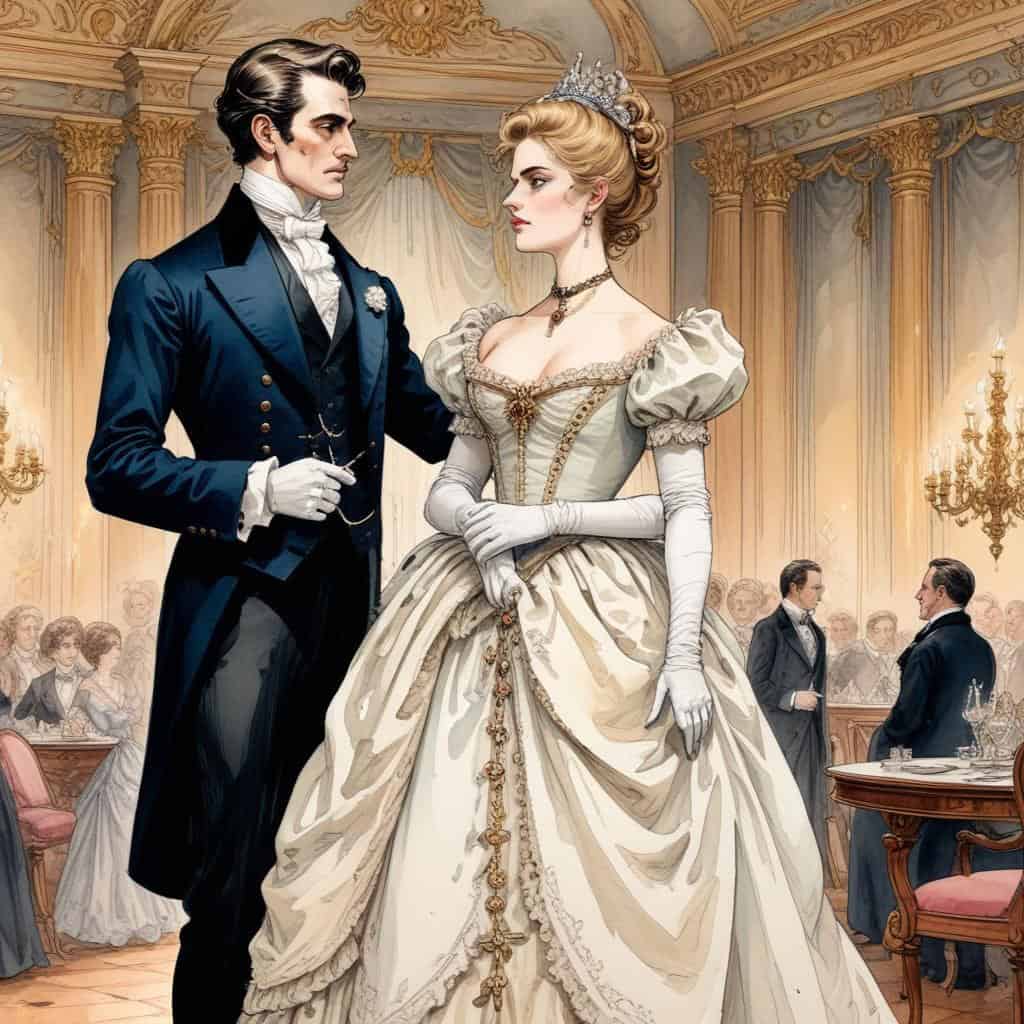
The Tale of Lady Constantine
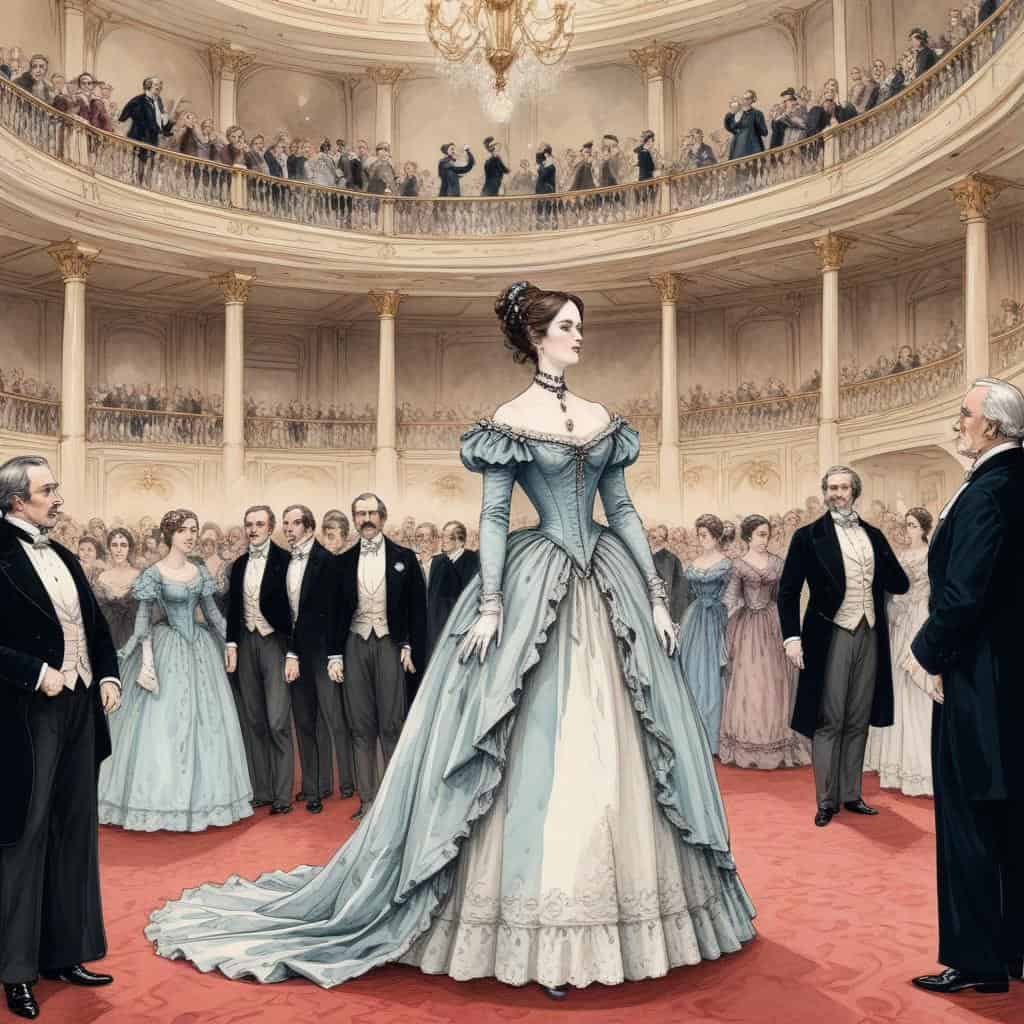
The Misfortune of Lady Grace
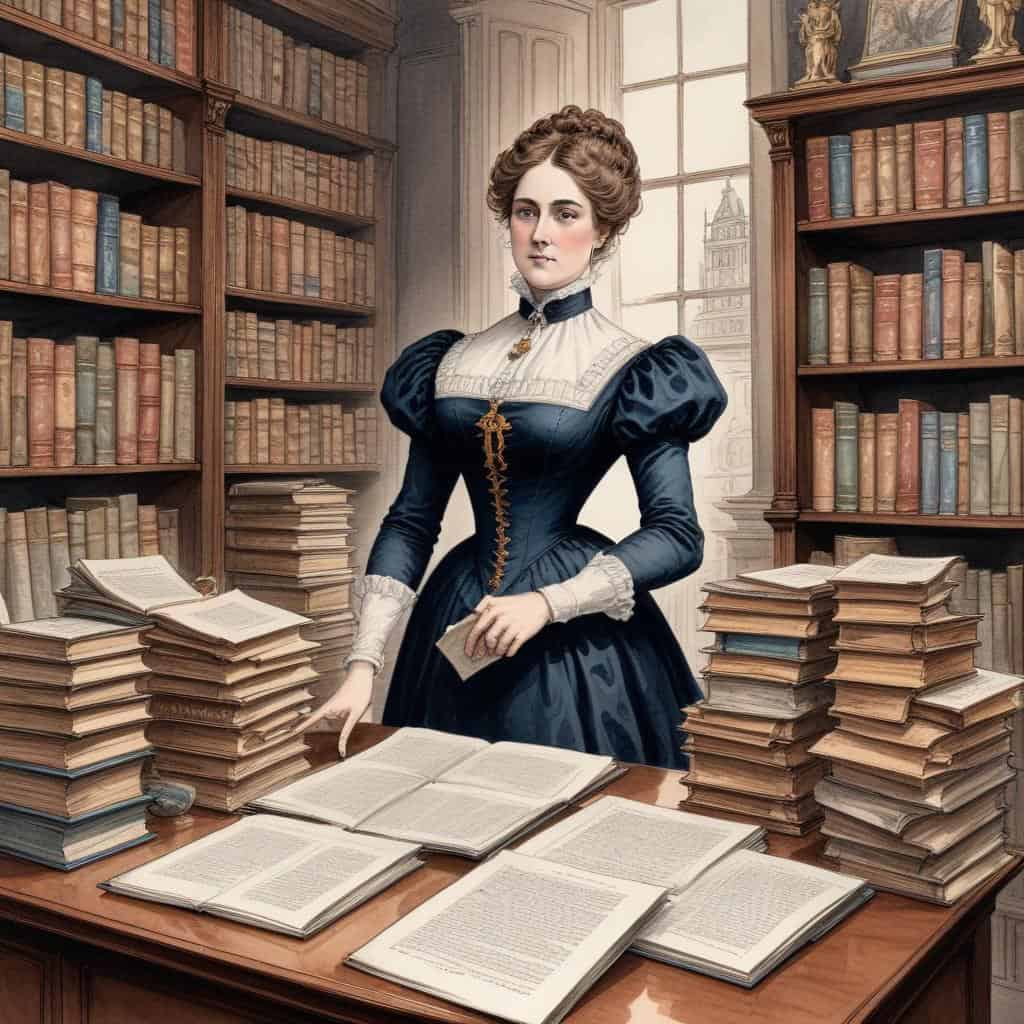
The Triumph of Lady Carbury
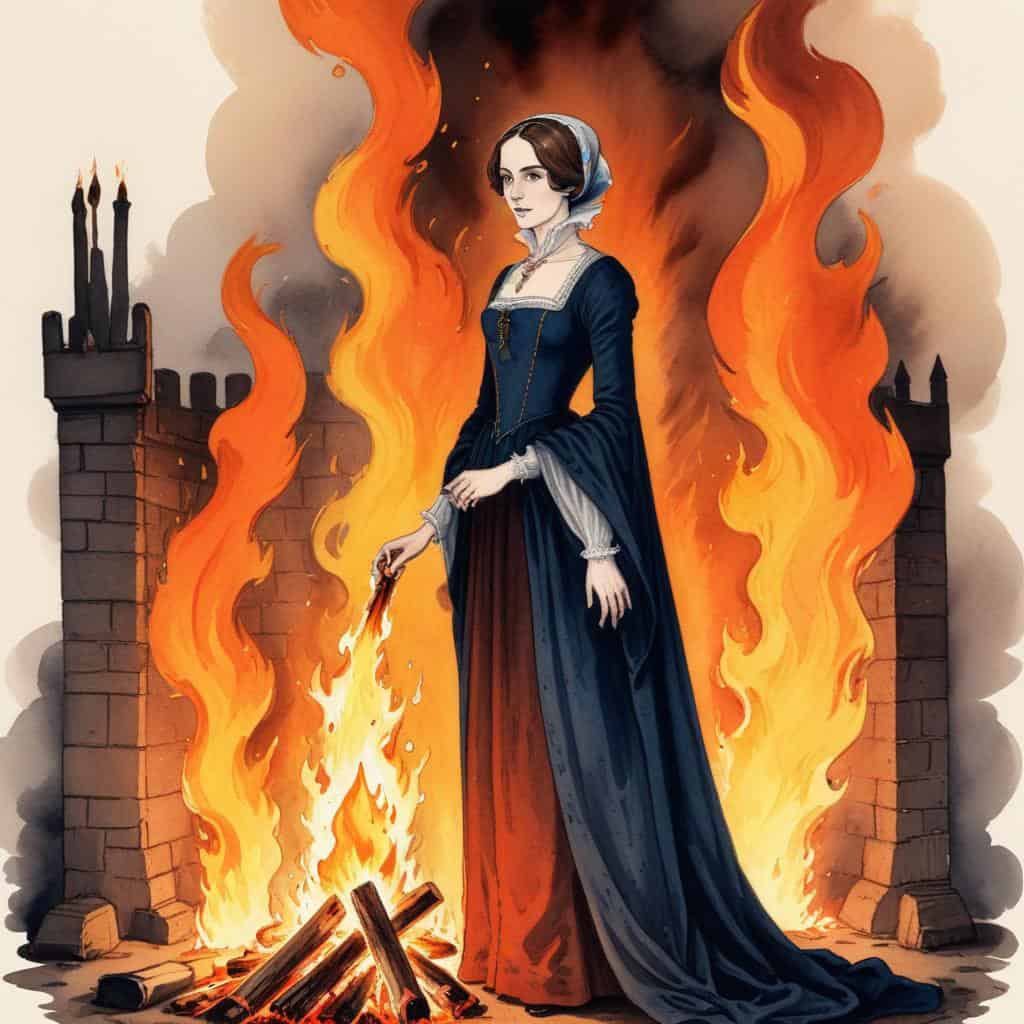
The Sacrifice of Lady Mary
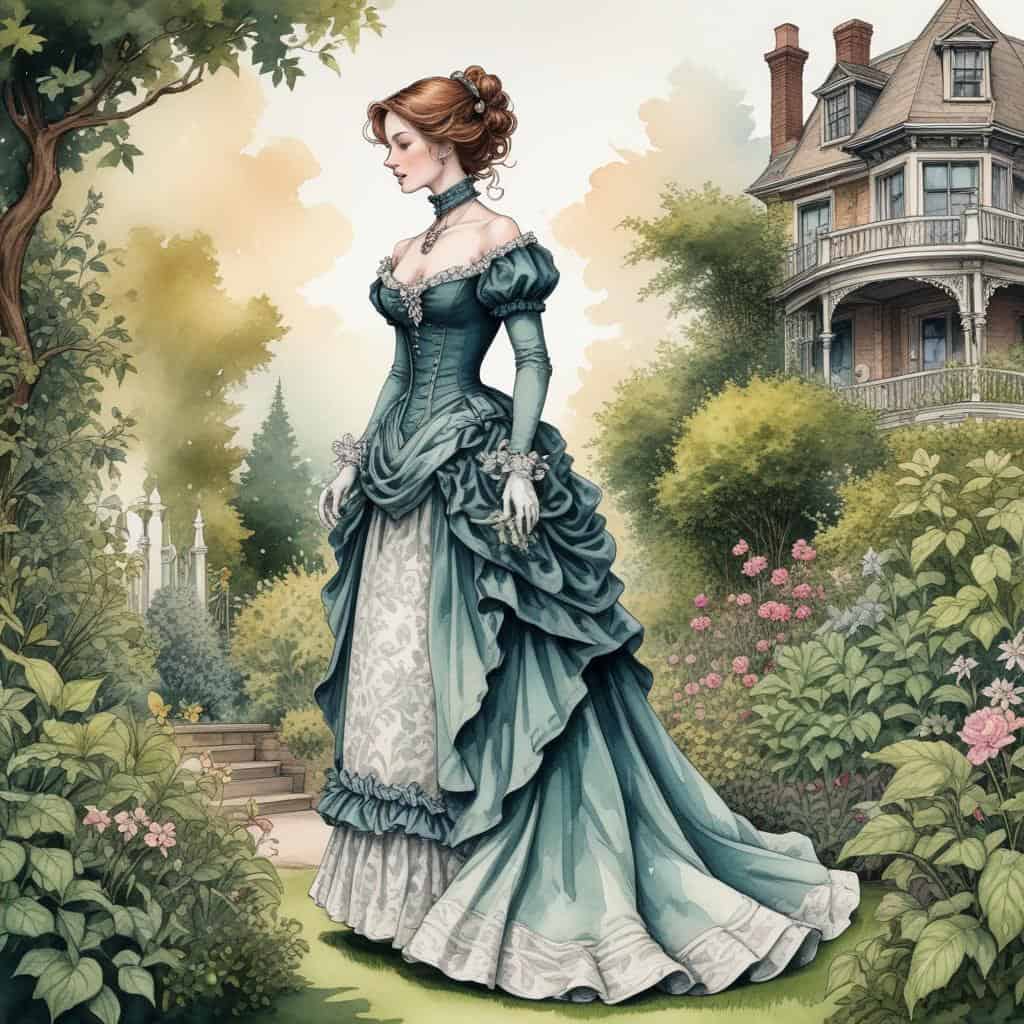
The Resilience of Lady Viviette
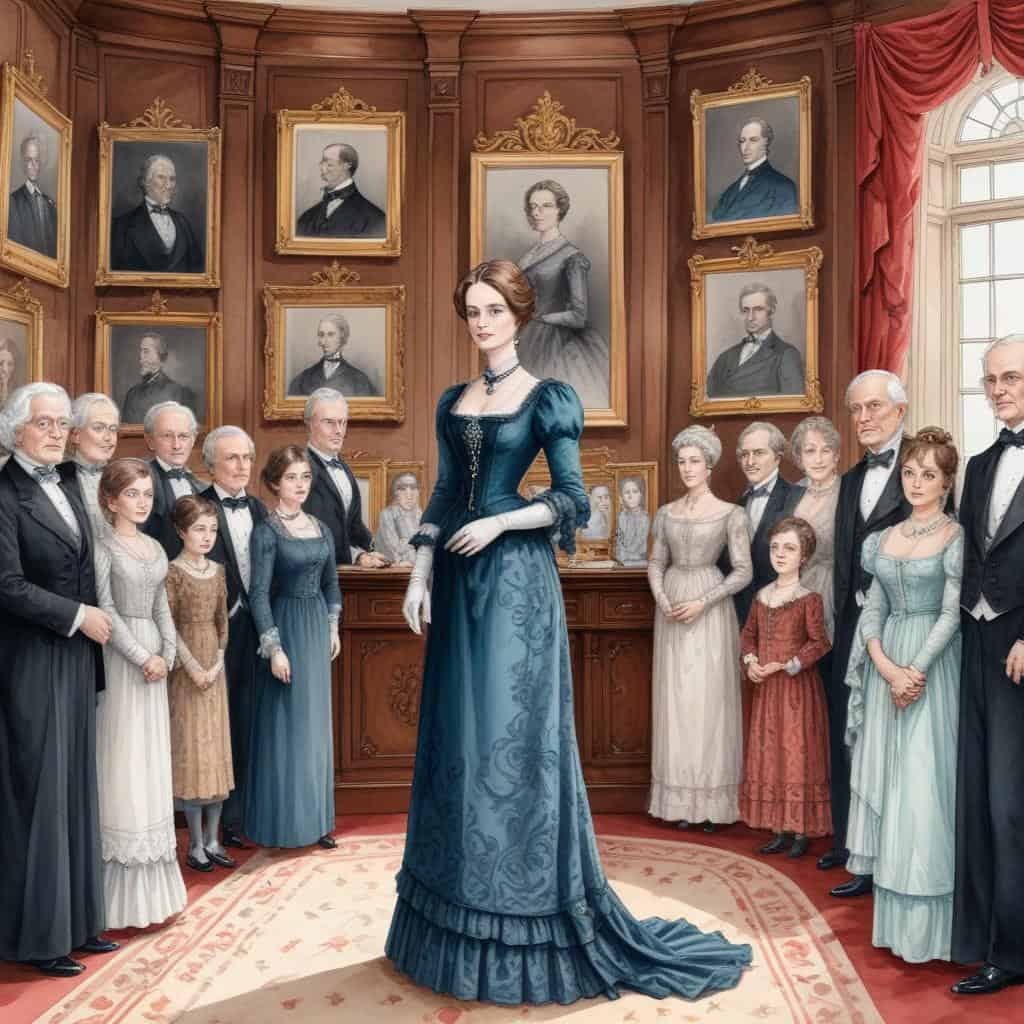
The Legacy of Lady Mottisfont
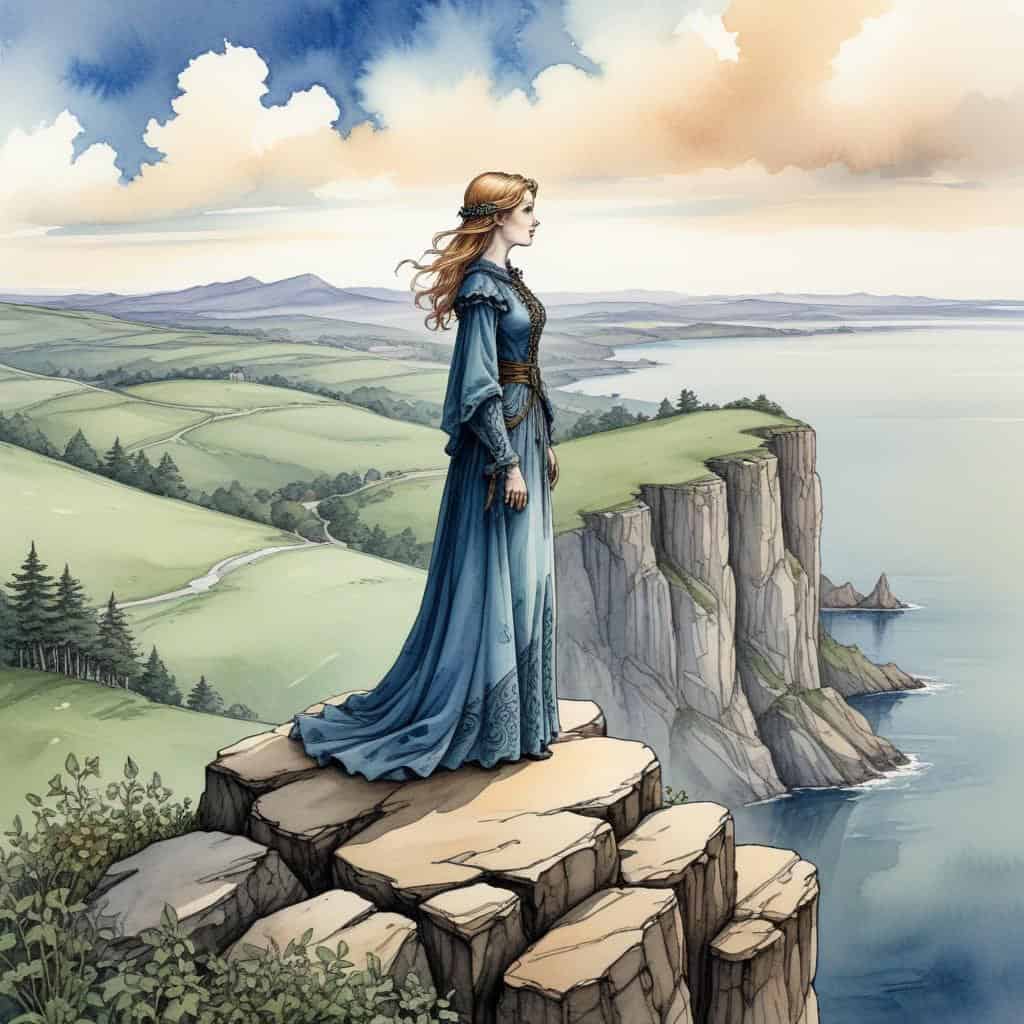
The Redemption of Lady Elfride
The Conclusion of the Noble Dames
Lesson Details & Resources
In a Nutshell
- What: The literary work ‘A Group of Noble Dames’ by Thomas Hardy
- When: Written in the late 19th century
- Who: Main characters include Lady Penelope, Lady Constantine, and Lady Grace
- Theme: The core theme of the work revolves around the lives and experiences of noble women in society
List of Characters in A Group of Noble Dames
-
Mrs. Edlin
Mrs. Edlin is a kind-hearted and loyal servant who plays a significant role in the lives of the noble dames.
-
Lady Penelope
Lady Penelope is a wealthy and influential lady who is admired and respected by all in the community.
-
Miss Altos
Miss Altos is a young and charming maiden who captures the attention of many suitors.
-
Mrs. Starling
Mrs. Starling is a mysterious and enigmatic figure who holds a dark secret that eventually comes to light.
Timeline of A Group of Noble Dames
The narrator attends a party where he meets the elderly Lady Day, who tells him about a group of noble dames from the 17th and 18th centuries.
Lady Farewell, an ancestor of Lady Day, is abandoned by her husband and becomes a nun.
Lady Pridmore marries Sir Walter Pridmore, who is infatuated with Lady Pridmore's cousin, Lady Barton.
Lady Barton, a beautiful and flirtatious woman, marries Sir Ralph Barton but has an affair with Sir Walter Pridmore.
Lady Barton gives birth to a daughter, who is rumored to be Sir Walter Pridmore's child.
Lady Davenant, a widow, marries Sir Andrew Davenant, who becomes paranoid and accuses her of infidelity.
Lady Davenant's reputation is ruined when a letter from Sir Andrew's previous wife, who died under suspicious circumstances, is discovered.
Lady Davenant's son, Julian, is sent away to school and later becomes a soldier.
Lady Penelope, a wealthy widow, refuses several marriage proposals until she falls in love with a young poet, Harry Stow.
Lady Penelope's family disapproves of her relationship with Harry Stow, and she eventually breaks off the engagement.
Lady Penelope becomes a recluse and is never seen in society again.
Lady Carbury elopes with a poor artist, Henry Halliday, against the wishes of her family.
Lady Carbury's family disowns her, and she lives in poverty with Henry Halliday.
Lady Carbury's son, Everard, becomes a successful landscape painter.
Lady Day dies, and the narrator reflects on the stories of the noble dames and their tragic lives.
Vocabulary List
- Noble
- The group of dames were all of noble birth and carried themselves with grace and dignity.
- Dames
- The novel revolves around a group of noble dames who share stories of love, loss, and betrayal.
- Aristocracy
- The dames belonged to the aristocracy and were esteemed members of high society.
- Heritage
- Each of the noble dames had a rich heritage and came from a long line of esteemed ancestors.
- Manners
- The noble dames were known for their impeccable manners and refinement.
- Gentry
- The group of noble dames were considered part of the gentry class, known for their wealth and status.
- Ancestors
- The noble dames often spoke of their ancestors and the legacy they had left behind.
- Prestige
- Being part of the group of noble dames brought a certain level of prestige and recognition in society.
- Lineage
- The noble dames were proud of their noble lineage and the history that came with it.
- Nobility
- The group of noble dames embodied the qualities of nobility, including honor, grace, and integrity.
Key Facts
This is the information used in the fact matching game
- - A Group of Noble Dames is a collection of short stories written by Thomas Hardy.
- - The book was first published in 1891.
- - The stories are set in the fictional county of Wessex, which is a recurring setting in Hardy's works.
- - Each story revolves around a noble dame, highlighting the lives and experiences of women from different social backgrounds.
- - The collection explores themes of love, marriage, societal expectations, and the limitations imposed on women during the Victorian era.
- - One of the most well-known stories in the collection is "The Duchess of Hamptonshire," which follows the life of Lady Grace Hampton from youth to old age.
- - Another prominent story is "The Lady Penelope," which tells the story of a woman who is forced into a loveless marriage.
- - The stories often depict the struggles and sacrifices made by women to conform to societal norms.
- - Hardy's writing style in this collection is characterized by his attention to detail and his ability to capture the complexities of human emotions.
- - The collection received mixed reviews upon its publication, with some critics praising Hardy's portrayal of women while others criticized his pessimistic view of marriage.
- - Hardy's own views on marriage and women's roles were complex and often reflected in his works.
- - The stories in A Group of Noble Dames are interconnected through familial ties and friendships between the characters.
- - Hardy explores the consequences of societal expectations on women's happiness and fulfillment.
- - The collection highlights the limited choices available to women in the Victorian era and the impact of those choices on their lives.
- - Some of the stories end tragically, emphasizing the hardships faced by women in a patriarchal society.
- - A Group of Noble Dames showcases Hardy's keen observations of human nature and his ability to create realistic and relatable characters.
- - The collection is a departure from Hardy's usual themes of rural life and the natural world.
- - Through these stories, Hardy challenges traditional notions of femininity and explores the complexities of women's lives.
- - A Group of Noble Dames is an often-overlooked gem within Hardy's extensive literary repertoire.
- - The collection serves as a testament to Hardy's skill as a storyteller and his deep understanding of human relationships.
Analysis & Significance
Impact on Literature
‘A Group of Noble Dames’ by Thomas Hardy has had a lasting impact on literature by showcasing Hardy’s talent for character development and intricate storytelling. This collection of short stories explores the lives of women from different social backgrounds, shedding light on the complexities of human nature and relationships.
Enduring Themes
The timeless themes of love, betrayal, regret, and societal expectations explored in ‘A Group of Noble Dames’ still resonate with modern audiences today. Hardy’s exploration of the lives of women in Victorian England offers a poignant commentary on the constraints placed on individuals by society.
Cultural Significance Today
The legacy of ‘A Group of Noble Dames’ lives on through its continued relevance in discussions of gender roles, class distinctions, and the impact of societal norms on personal freedom. This work has been adapted into various forms, including stage productions and radio dramas, keeping Hardy’s stories alive for new generations of readers and audiences.
A Group of Noble Dames Games


Take Your Learning Offline
Want a convenient, print-ready study guide for this lesson? Become a Memory Wizards Pro member to unlock the downloadable " Memory Scrolls" for this topic and our entire library!
- ✓ Complete Vocabulary Lists
- ✓ Key Facts & Timelines
- ✓ Beautifully Formatted for Print & Mobile