Teleology In The Philosophy Of Kant

Unlocking the Purpose of Existence: Delving into Kant's Teleology.

How Do You Learn Best?

Note: You can explore any or all of these paths in any order you prefer!

Teleology In The Philosophy Of Kant in 10 Minutes

Introduction

Introduction

Teleology, the study of purpose or goal-directedness in nature, has been a central topic in the philosophy of Immanuel Kant. In his works, Kant grappled with questions about whether there is a purpose or design in the natural world, and how we can understand and interpret it.

Throughout his writings, Kant developed a unique perspective on teleology, emphasizing the importance of understanding nature in terms of its inherent laws and principles. He argued that teleology should not be seen as evidence of a divine creator, but rather as a way to interpret and make sense of the natural world.

By examining Kant's views on teleology, we can gain insights into his broader philosophical project and his ideas about human knowledge, morality, and the nature of reality. This brief overview will explore Kant's thoughts on teleology and shed light on the complexities of his philosophical system.

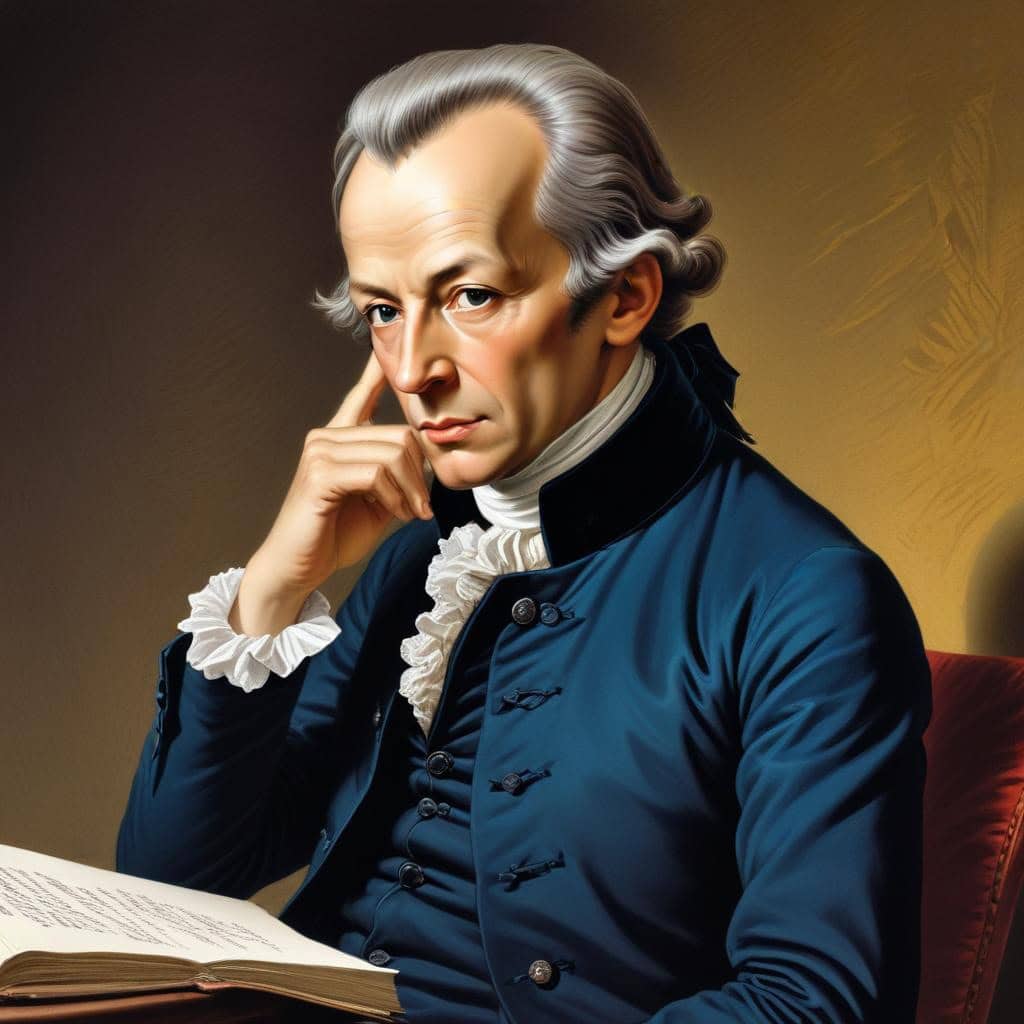
Immanuel Kant

Immanuel Kant

Immanuel Kant was a German philosopher who developed the concept of teleology in his philosophical work. He argued that there is a purpose or end goal in nature, and that human beings have a moral duty to strive towards fulfilling this purpose.

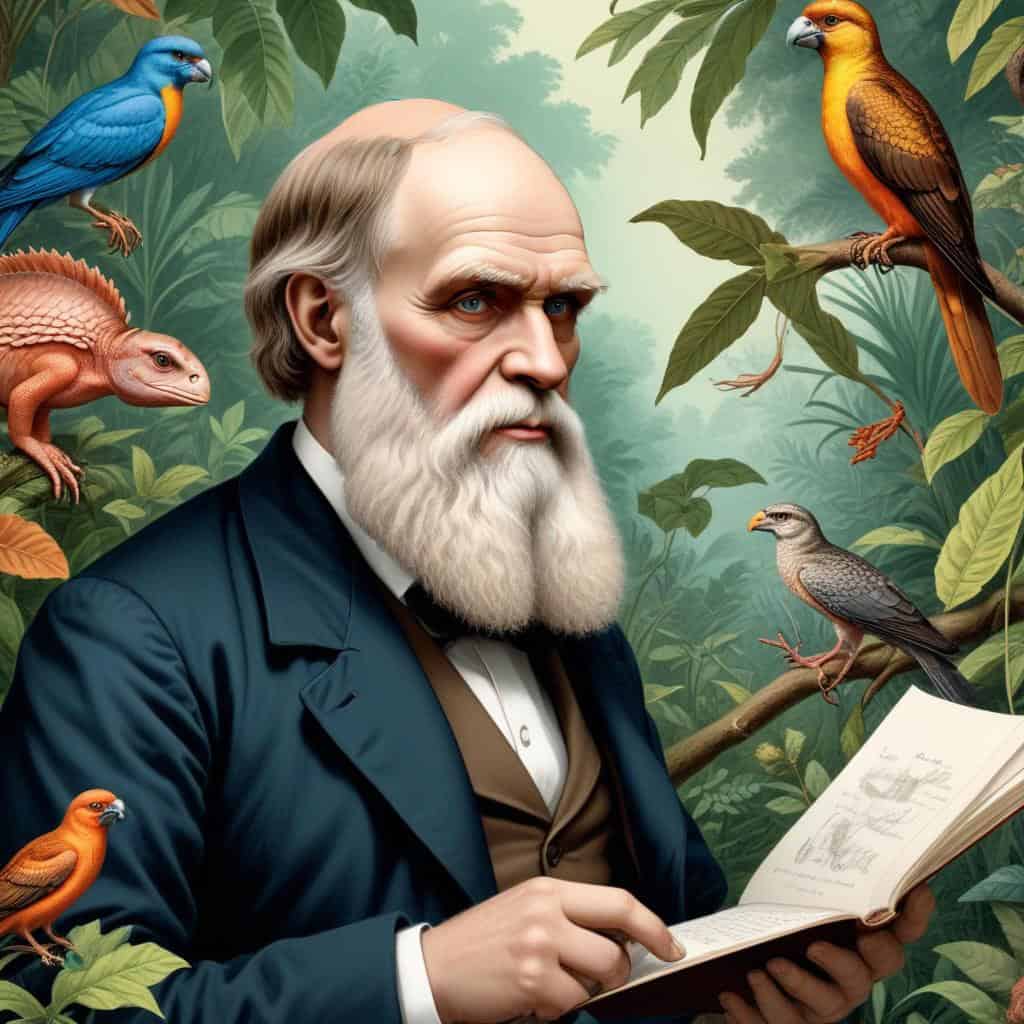
Charles Darwin

Charles Darwin

Charles Darwin was a naturalist and biologist who proposed the theory of evolution by natural selection. His work challenged traditional teleological views of nature by suggesting that organisms evolve through a process of adaptation and survival, rather than towards a pre-determined end goal.

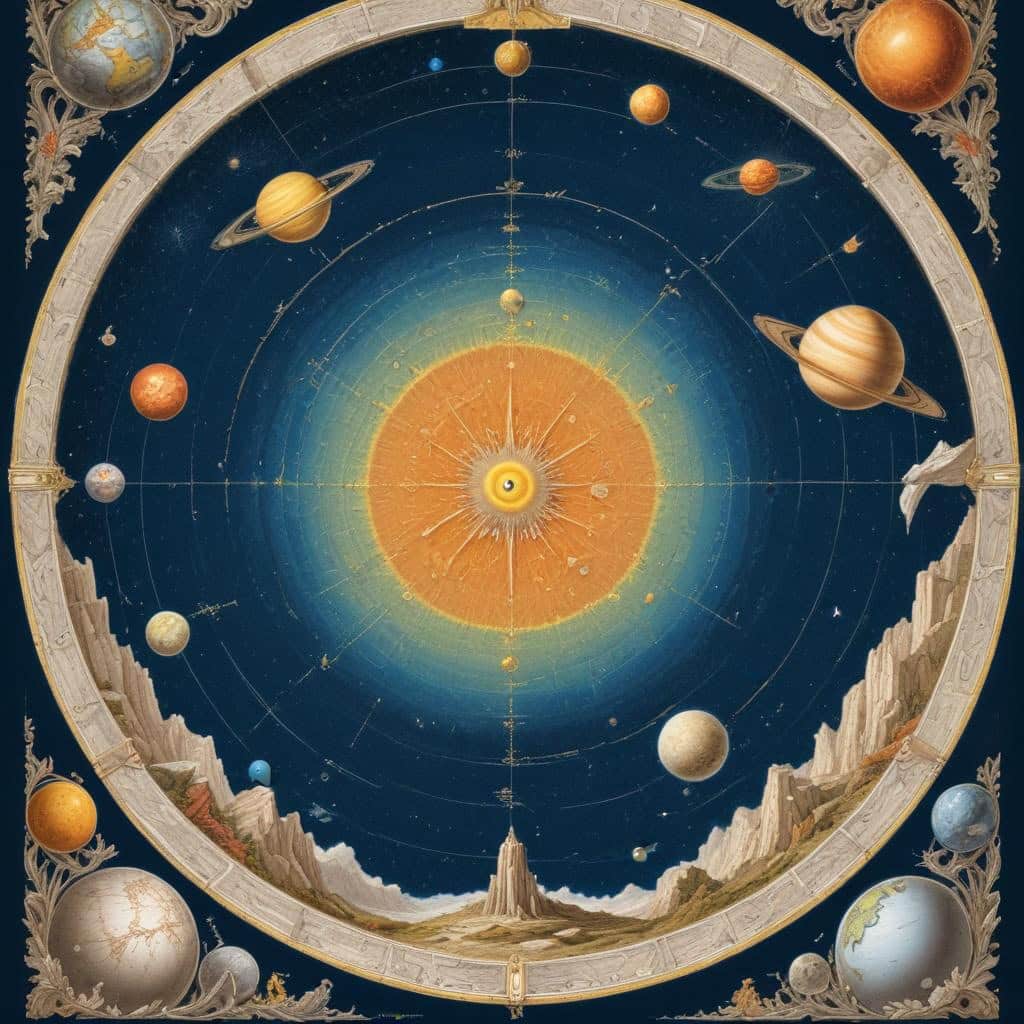
Aristotle

Aristotle

Aristotle was an ancient Greek philosopher who also explored the concept of teleology in his work. He believed that everything in nature has a purpose or final cause, and that understanding these purposes can help us understand the natural world.

1. Kants Background

1. Kants Background

Immanuel Kant was a renowned German philosopher who lived in the 18th century. He is best known for his work in the fields of metaphysics, ethics, and epistemology.

2. Teleology Defined

2. Teleology Defined

Teleology is the philosophical study of design and purpose in nature. Kant believed that the universe is ordered and structured in a way that suggests a purpose or goal.

3. Natural Teleology

3. Natural Teleology

Kant distinguished between natural and technical teleology. Natural teleology refers to the inherent purpose or design found in living organisms, while technical teleology refers to the purposeful creations of humans.

4. Organisms as Ends in Themselves

4. Organisms as Ends in Themselves

According to Kant, living organisms are ends in themselves, meaning they have intrinsic value and should not be treated merely as means to an end. This idea is central to his moral philosophy.

5. Harmony in Nature

5. Harmony in Nature

Kant believed that there is a harmony and order in nature that points to a higher purpose or design. He argued that this harmony is evidence of a rational and purposeful creator.

6. Critique of Traditional Teleology

6. Critique of Traditional Teleology

While Kant accepted the existence of teleology in nature, he critiqued traditional teleological arguments that relied on the idea of a divine designer. He believed that teleology could be explained through natural laws and principles.

7. The Critique of Judgment

7. The Critique of Judgment

Kant's ideas on teleology are most fully developed in his work The Critique of Judgment. In this work, he explores the role of teleological judgments in aesthetics and biology.

8. Aesthetic Judgment

8. Aesthetic Judgment

Kant argued that aesthetic judgments, such as those about beauty in nature, are based on a subjective sense of purposiveness. While beauty is not objective, it reflects a harmony and order that appeals to our sense of purpose.

9. Biological Teleology

9. Biological Teleology

In his discussion of biological teleology, Kant proposed that living organisms exhibit a self-organizing principle that gives them a purposeful structure and function. This principle is not imposed from outside, but emerges from within the organism itself.

10. Legacy of Kants Teleology

10. Legacy of Kants Teleology

Kant's ideas on teleology have had a lasting influence on philosophy and science. His emphasis on the purposeful nature of living organisms and the harmony in nature continues to be a topic of debate and discussion in contemporary philosophy.

In conclusion, Kant's teleology in philosophy emphasizes the idea that nature has a purpose and is governed by laws that are separate from human understanding. This concept challenges traditional views of teleology and provides a unique perspective on the relationship between nature and human reason.

Overall, Kant's teleology invites further exploration and contemplation of the intricate connections between the natural world and human cognition. By delving into Kant's philosophy, we gain a deeper understanding of the complexities of nature and the inherent purpose that lies within it.

1 / 19

Lesson Details & Resources

In a Nutshell

  • Concept: Teleology in the Philosophy of Kant is the study of purpose or design in nature, particularly as it relates to the existence of God.
  • Thinkers: Immanuel Kant, 18th Century
  • Central Question: How can we understand the purpose or design in the natural world, and what implications does this have for the existence of God?
  • Core Implication: Kant argues that teleology can provide a basis for belief in God, even though it is not a conclusive proof.

Timeline of Teleology In The Philosophy Of Kant

No timeline events found.

Vocabulary List

No vocabulary terms found.

Key Facts

This is the information used in the fact matching game

    No key facts found.

Analysis & Significance

The Core Argument

Teleology in the philosophy of Kant revolves around the idea that the universe is inherently purposeful and that all natural phenomena are directed towards a specific end or goal. Kant believed that this teleological view was necessary to make sense of the order and harmony found in nature.

Criticisms and Counterarguments

One major criticism of Kant’s teleology is that it relies on a form of anthropocentrism, assuming that nature operates with human-like intentions or purposes. Critics argue that this view is overly simplistic and fails to account for the complexity and randomness often observed in the natural world.

Modern Relevance

In today’s world, the concept of teleology in the philosophy of Kant can be applied to discussions on environmental ethics and sustainability. By considering the inherent purposefulness of nature, we can better understand the interconnectedness of ecosystems and the importance of preserving the balance and harmony found in the natural world. This philosophical idea can also inform debates on technology and artificial intelligence, prompting us to consider the ethical implications of creating systems that mimic or surpass human intelligence.

Teleology In The Philosophy Of Kant Games

Was This Lesson Helpful?

Please log in or sign up to rate this lesson. 

Take Your Learning Offline

Want a convenient, print-ready study guide for this lesson? Become a Memory Wizards Pro member to unlock the downloadable " Memory Scrolls" for this topic and our entire library!

  • ✓ Complete Vocabulary Lists
  • ✓ Key Facts & Timelines
  • ✓ Beautifully Formatted for Print & Mobile
Upgrade to Pro

You must be logged in to provide feedback. Please log in or create a free account.

Scroll to Top