Introduction To Teleology

What is the purpose behind the unfolding of the universe?

How Do You Learn Best?

Note: You can explore any or all of these paths in any order you prefer!

Introduction To Teleology in 10 Minutes

Introduction
Introduction

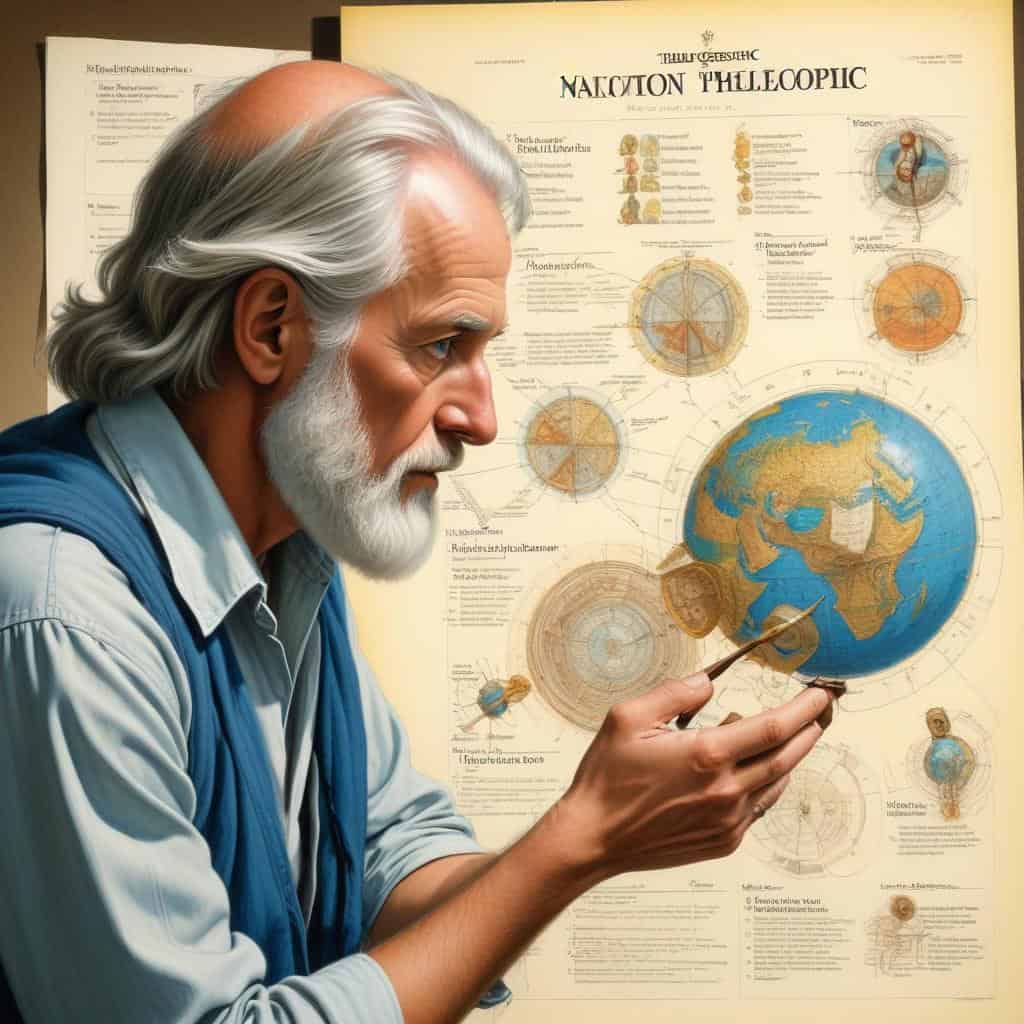
Have you ever wondered about the purpose or end goal of things in the world? This is where the concept of teleology comes into play. In philosophy, teleology is the study of the purpose or design in nature, often associated with the idea of a final cause or ultimate aim.

In this article, we will delve into the essence of teleology and explore its significance in philosophy. By unraveling the complexities of teleology, we aim to provide a concise overview that will help you grasp the fundamental concepts and key points of this intriguing philosophical theory.

Whether you are a philosophy enthusiast or simply curious about the concept of teleology, this summary article will serve as a helpful guide to understanding this fascinating topic. Join us on a journey of exploring teleology and uncovering the mysteries behind this age-old philosophical principle.

1. Aristotle

1. Aristotle

Ancient Greek philosopher who is considered the father of Teleology. He believed that everything in nature has a purpose and goal.

2. Immanuel Kant

2. Immanuel Kant

German philosopher who proposed that teleology is a fundamental aspect of human cognition, guiding our understanding of the world.

3. Thomas Aquinas

3. Thomas Aquinas

Medieval philosopher who incorporated teleology into his Christian theology, arguing that everything in nature has a purpose determined by God.

4. David Hume

4. David Hume

Scottish philosopher who criticized teleology, arguing that it is based on human projection rather than inherent purpose in nature.

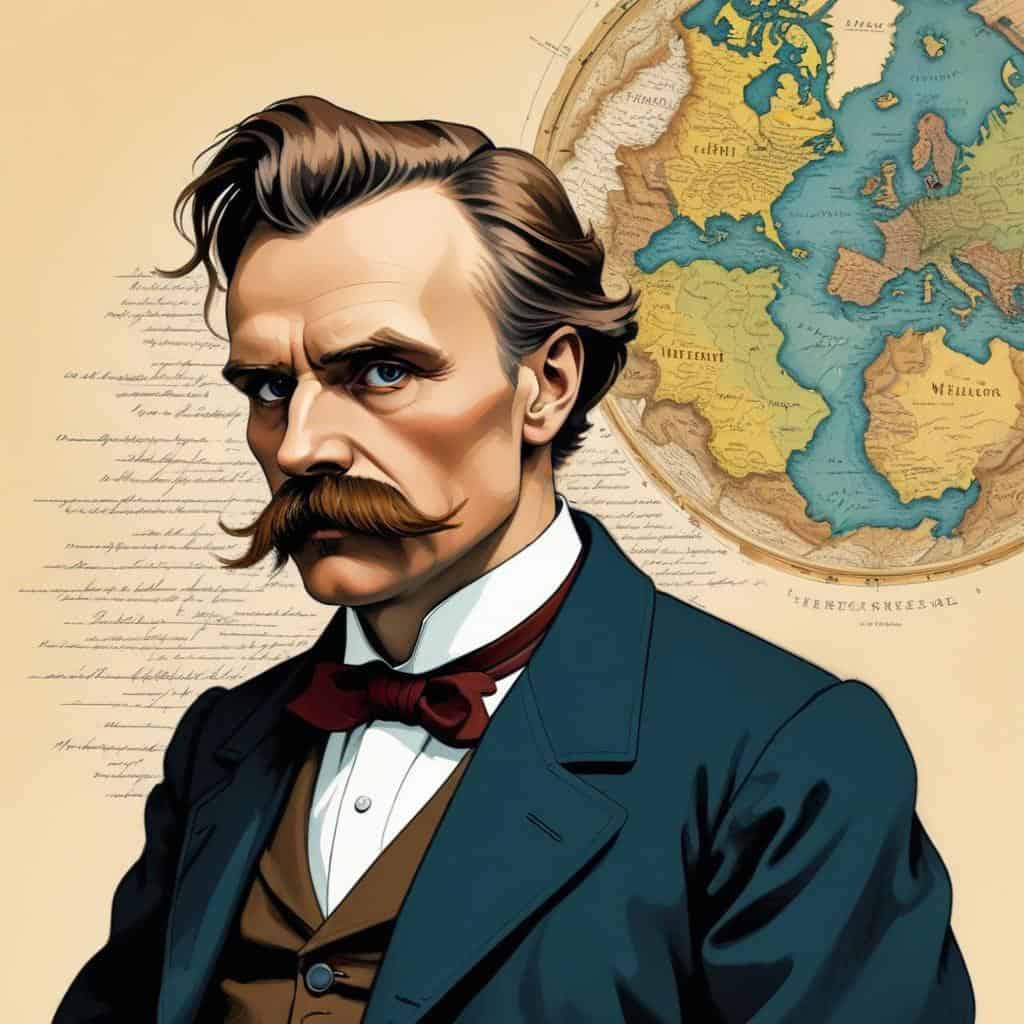
5. Friedrich Nietzsche

5. Friedrich Nietzsche

German philosopher who rejected teleology, believing that life is inherently purposeless and that individuals must create their own meaning.

Defining Teleology

Defining Teleology

Teleology is the philosophical study of purpose and design in nature. It examines the idea that things have inherent goals or purposes that guide their development and behavior.

Aristotles Influence

Aristotles Influence

Aristotle was one of the first philosophers to explore teleology. He believed that everything in nature has a final cause or purpose, and that understanding these purposes helps us understand the world.

Modern Interpretations

Modern Interpretations

In modern philosophy, teleology is often discussed in relation to evolution and biology. Some argue that the apparent design in nature is the result of natural selection, rather than a pre-determined purpose.

Teleology in Ethics

Teleology in Ethics

Teleology also plays a role in ethics, where it is used to determine the rightness or wrongness of actions based on their outcomes. This approach is known as consequentialism.

Critiques of Teleology

Critiques of Teleology

Critics of teleology argue that it is a form of anthropomorphism, where human attributes are imposed on non-human entities. They suggest that the appearance of design in nature can be explained through natural processes.

Teleology in Religion

Teleology in Religion

Teleology is also a key concept in religious beliefs, where it is often used to explain the existence of a higher power or purpose in the universe. Some argue that the complexity and order in nature point to an intelligent designer.

Teleology in Science

Teleology in Science

In science, teleology is often avoided due to its potential for bias and lack of empirical evidence. However, some scientists argue that teleological explanations can be useful in certain contexts, such as in understanding biological systems.

Teleology and Determinism

Teleology and Determinism

Teleology raises questions about determinism and free will, as it suggests that there may be a predetermined purpose or goal for everything in nature. This has implications for how we understand causation and agency.

Contemporary Debates

Contemporary Debates

Contemporary philosophers continue to debate the role of teleology in philosophy and science. Some argue that teleological explanations are essential for understanding complex systems, while others maintain that they are unnecessary and misleading.

Overall, teleology is a philosophical concept that explores the idea of purpose and design in the world. By examining the goals and intentions behind natural phenomena, teleology helps us understand the order and structure in the universe.

Through this brief overview, we have touched upon the key points of teleology and its significance in the realm of philosophy. As we continue to delve deeper into this intriguing field, we will uncover more insights into the purposeful nature of existence.

1 / 19

Lesson Details & Resources

In a Nutshell

  • Concept: The study of the purpose or end goals of things in nature.
  • Thinkers: Aristotle, 4th Century BC.
  • Central Question: What is the ultimate purpose or goal of objects and organisms?
  • Core Implication: Everything in nature has a specific function or goal that contributes to the overall order of the universe.

Timeline of Introduction To Teleology

No timeline events found.

Vocabulary List

No vocabulary terms found.

Key Facts

This is the information used in the fact matching game

    No key facts found.

Analysis & Significance

The Core Argument

Teleology is the philosophical study of purpose and design in nature, arguing that there is a purpose or end goal inherent in the natural world. This concept posits that everything in the universe has a specific purpose or function, and that events unfold in a way that leads to the realization of this purpose.

Criticisms and Counterarguments

Critics of teleology argue that attributing purpose to natural phenomena is a form of anthropomorphism, projecting human intentions onto non-human entities. They also raise concerns about the implications of teleology for concepts such as free will and determinism, questioning whether events are truly driven by purpose or if they are simply the result of causal processes.

Modern Relevance

In modern society, the concept of teleology remains relevant in discussions about ethics and environmental stewardship. Understanding the inherent purpose in nature can influence how we approach issues such as climate change and conservation, prompting us to consider the consequences of our actions on the larger ecosystem. By recognizing the interconnectedness of all living things, we can strive to align our behavior with the greater purpose of preserving the balance of the natural world.

Introduction To Teleology Games

Was This Lesson Helpful?

Please log in or sign up to rate this lesson. 

Take Your Learning Offline

Want a convenient, print-ready study guide for this lesson? Become a Memory Wizards Pro member to unlock the downloadable " Memory Scrolls" for this topic and our entire library!

  • ✓ Complete Vocabulary Lists
  • ✓ Key Facts & Timelines
  • ✓ Beautifully Formatted for Print & Mobile
Upgrade to Pro

You must be logged in to provide feedback. Please log in or create a free account.

Scroll to Top