Criticisms Of Teleology

What drives the universe towards purposeful ends, despite doubt and criticism?

How Do You Learn Best?

Note: You can explore any or all of these paths in any order you prefer!

Criticisms Of Teleology in 10 Minutes

Introduction

Introduction

Teleology, the philosophical concept that suggests that things have a purpose or goal, has been a topic of debate and criticism among philosophers for centuries. In this article, we will delve into some of the most common criticisms of teleology in philosophy and explore the arguments against this idea.

By breaking down the criticisms of teleology, we aim to provide a comprehensive overview of the negative aspects associated with this philosophical perspective. From debunking common critiques to exploring the controversies surrounding teleology, we will dissect the case against teleology in philosophy and shed light on the reasons why some philosophers reject this concept.

Join us as we take a closer look at the critiques of teleology in philosophy, dismantle the teleology debate, and summarize the arguments against this controversial philosophical idea. Whether you are a seasoned philosopher or a curious mind looking to explore different perspectives, this article will provide insight into the criticisms of teleology in philosophy.

1. Immanuel Kant

1. Immanuel Kant

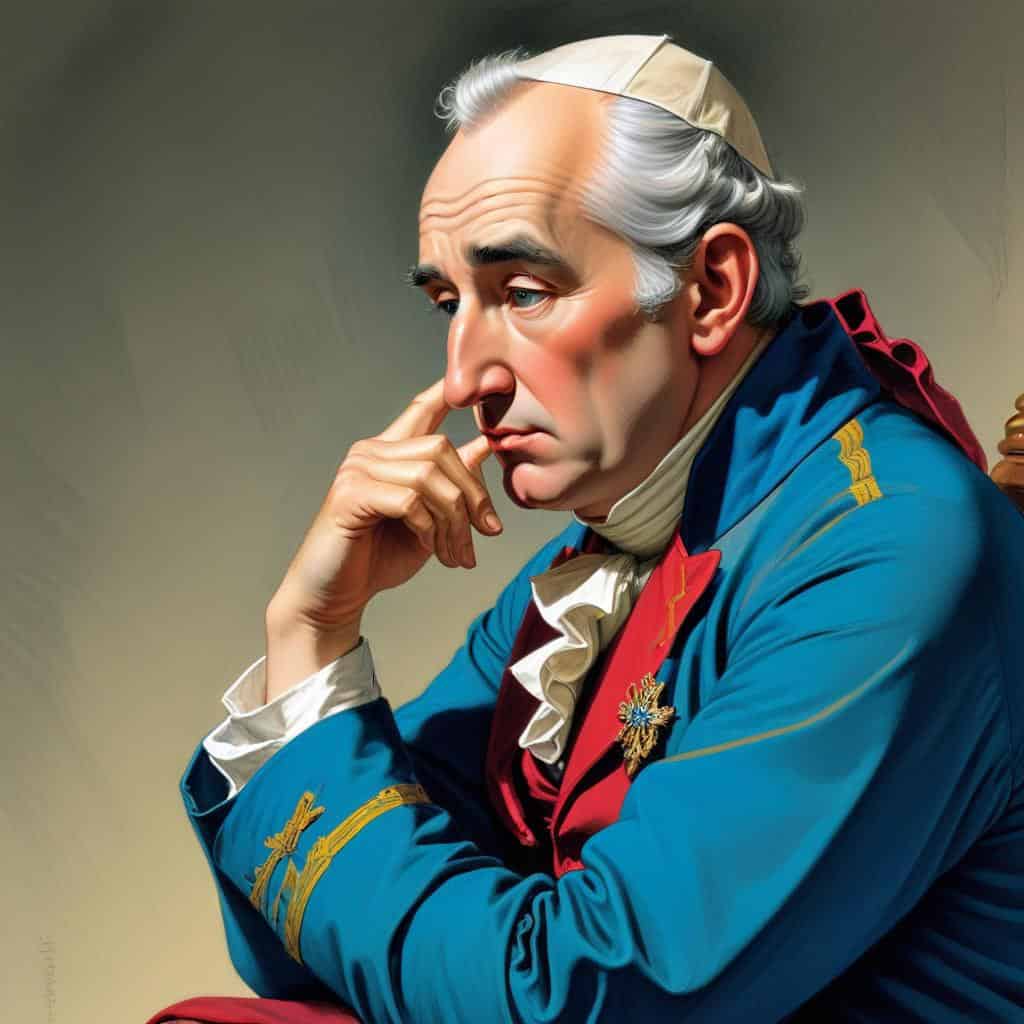
Immanuel Kant was a German philosopher who criticized teleology in philosophy by arguing that it leads to anthropocentrism and limits our understanding of the natural world. He believed that teleology relies too heavily on human intentions and purposes, rather than objective facts.

2. David Hume

2. David Hume

David Hume, a Scottish philosopher, also questioned teleology in philosophy by challenging the idea of design and purpose in the natural world. He argued that teleological explanations are based on human perceptions and biases, rather than empirical evidence.

3. Friedrich Nietzsche

3. Friedrich Nietzsche

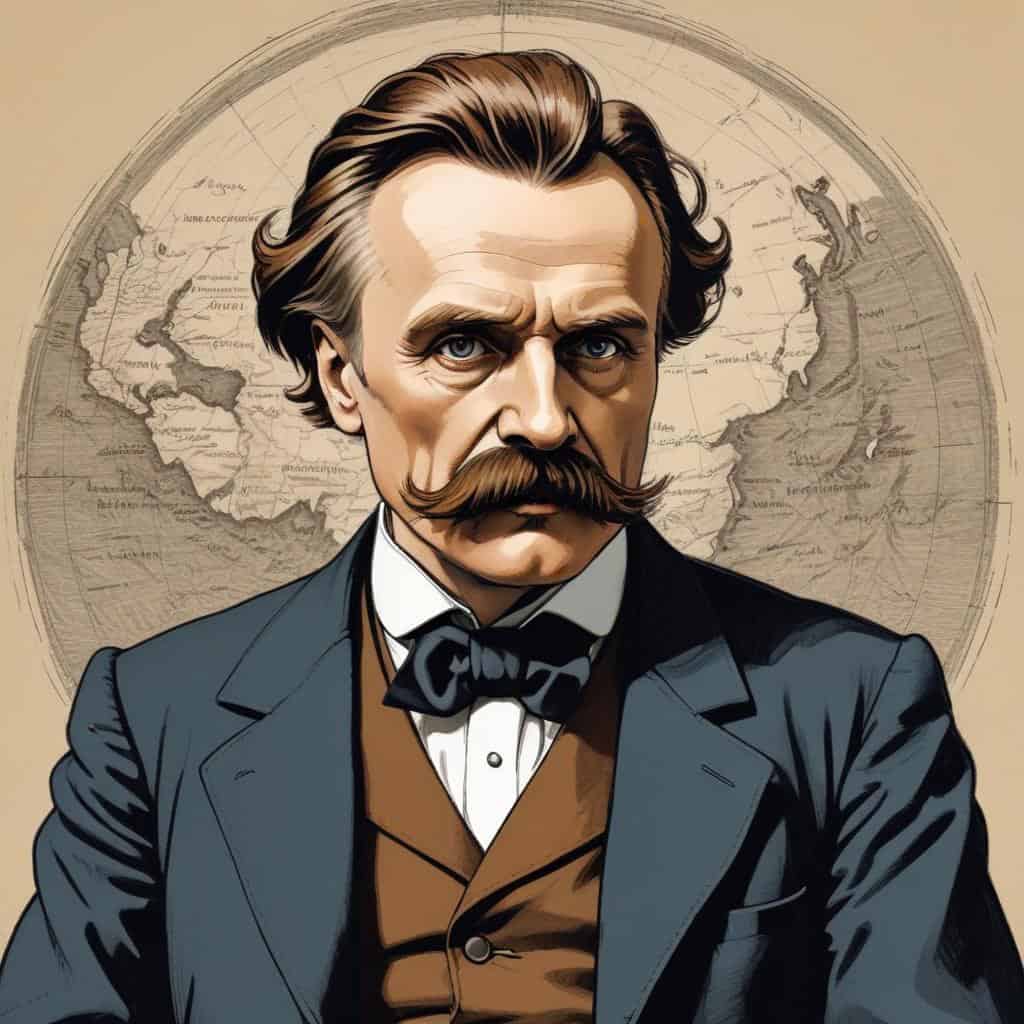
Friedrich Nietzsche, a German philosopher, criticized teleology in philosophy for promoting a simplistic view of morality and human nature. He believed that teleological thinking limits our ability to embrace complexity and diversity in the world.

4. Karl Marx

4. Karl Marx

Karl Marx, a German philosopher and economist, rejected teleology in philosophy for its emphasis on predetermined outcomes and historical progression. He argued that teleological thinking stifles social change and perpetuates oppressive power structures.

5. Simone de Beauvoir

5. Simone de Beauvoir

Simone de Beauvoir, a French philosopher and feminist, critiqued teleology in philosophy for reinforcing gender stereotypes and limiting women's agency. She believed that teleological thinking perpetuates patriarchal norms and restricts opportunities for social progress.

1. The Argument Against Purpose in Nature

1. The Argument Against Purpose in Nature

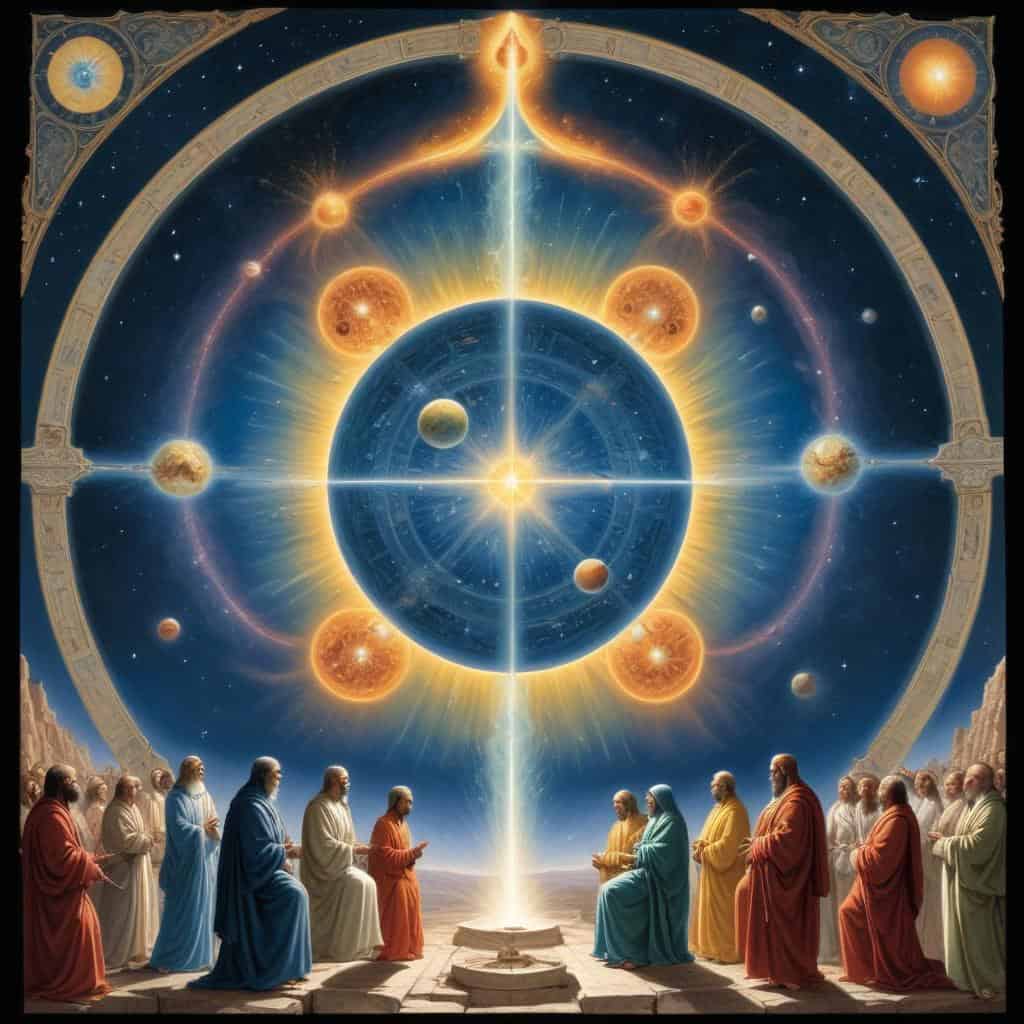
One of the main criticisms of teleology in philosophy is the argument against the idea that there is a purpose or end goal in nature. Critics argue that the natural world operates based on cause and effect, rather than a predetermined purpose. They believe that attributing purpose to natural phenomena is a form of anthropomorphism, projecting human characteristics onto non-human entities.

2. The Problem of Design in Nature

2. The Problem of Design in Nature

Another common criticism of teleology in philosophy is the problem of design in nature. Critics question the idea that complex structures in the natural world, such as the human eye or the structure of a cell, are evidence of intelligent design. They argue that these structures can be explained through natural processes, such as evolution, without the need for a designer.

3. The Rejection of Final Causes

3. The Rejection of Final Causes

Critics of teleology also reject the concept of final causes, or the idea that natural phenomena have an ultimate purpose or end goal. They argue that this view is not supported by empirical evidence and that it is a relic of outdated metaphysical beliefs. Instead, they advocate for a more scientific approach to understanding the natural world based on observable causes and effects.

4. The Role of Teleology in Biology

4. The Role of Teleology in Biology

In the field of biology, teleology has been criticized for its potential to hinder scientific progress. Critics argue that attributing purpose to biological processes can lead to a misunderstanding of evolutionary mechanisms and the complexities of natural selection. They advocate for a more nuanced approach to studying living organisms that takes into account the role of chance and adaptation.

5. The Problem of Divine Teleology

5. The Problem of Divine Teleology

Another criticism of teleology in philosophy is the problem of divine teleology, or the idea that the universe is governed by a divine purpose. Critics argue that this view is based on religious beliefs rather than empirical evidence, and that it is not compatible with a scientific understanding of the natural world. They advocate for a secular approach to studying the universe based on observable phenomena.

6. The Illusion of Design in Nature

6. The Illusion of Design in Nature

Some critics of teleology argue that the perception of design in nature is an illusion created by human cognition. They point to examples such as pareidolia, where people see patterns or faces in random stimuli, as evidence that our brains are predisposed to see purpose and order in the world. They believe that this illusion of design can lead to misconceptions about the true nature of the universe.

7. The Limitations of Teleological Explanations

7. The Limitations of Teleological Explanations

Critics of teleology also highlight the limitations of using teleological explanations in philosophy. They argue that attributing purpose to natural phenomena can be a form of intellectual laziness, as it may discourage further inquiry into the underlying causes of events. They advocate for a more critical and evidence-based approach to understanding the world around us.

8. The Problem of Teleological Language

8. The Problem of Teleological Language

Another criticism of teleology in philosophy is the problem of teleological language, or the use of purpose-driven language to describe natural phenomena. Critics argue that this type of language can lead to misunderstandings and misinterpretations of the natural world. They advocate for a more precise and scientific approach to communicating about the complexities of nature.

9. The Evolutionary Critique of Teleology

9. The Evolutionary Critique of Teleology

In the context of evolutionary theory, teleology has been criticized for its potential to undermine the principles of natural selection. Critics argue that attributing purpose to biological processes can detract from our understanding of how organisms adapt to their environments through random variation and selective pressures. They advocate for a more nuanced and evidence-based approach to studying the mechanisms of evolution.

10. The Philosophical Implications of Teleology

10. The Philosophical Implications of Teleology

Finally, critics of teleology in philosophy point to the broader implications of teleological thinking on our understanding of the universe. They argue that attributing purpose to natural phenomena can lead to a teleological worldview that is deterministic and closed-minded. They advocate for a more open and exploratory approach to philosophy that embraces uncertainty and complexity.

1 / 19

Lesson Details & Resources

In a Nutshell

  • Concept: Criticisms of Teleology
  • Thinkers: Immanuel Kant, David Hume, Friedrich Nietzsche
  • Central Question: Does the idea of a predetermined purpose or end goal in nature make sense?
  • Core Implication: Teleology may lead to anthropocentrism and limit our understanding of the natural world.

Timeline of Criticisms Of Teleology

No timeline events found.

Vocabulary List

No vocabulary terms found.

Key Facts

This is the information used in the fact matching game

    No key facts found.

Analysis & Significance

The Core Argument

Teleology is a philosophical concept that suggests all things have a purpose or end goal towards which they strive. Critics of teleology argue that this deterministic view limits free will and ignores the complexities of individual actions and intentions. They question whether everything in the world can be neatly categorized into a predetermined order.

Criticisms and Counterarguments

One major criticism of teleology is the problem of evil, which questions how suffering and pain can exist if everything is supposedly moving towards a greater good. Additionally, critics argue that teleology can lead to a sense of complacency or resignation, as individuals may believe that their actions are predetermined and their efforts are futile in the grand scheme of things.

Modern Relevance

In modern times, the criticisms of teleology are relevant in discussions about technology and artificial intelligence. As society grapples with questions about the ethics of AI development and the impact of automation on the workforce, the deterministic view of teleology raises concerns about the potential consequences of creating machines that are programmed to have a specific purpose without considering the broader implications for humanity.

Criticisms Of Teleology Games

Was This Lesson Helpful?

Please log in or sign up to rate this lesson. 

Take Your Learning Offline

Want a convenient, print-ready study guide for this lesson? Become a Memory Wizards Pro member to unlock the downloadable " Memory Scrolls" for this topic and our entire library!

  • ✓ Complete Vocabulary Lists
  • ✓ Key Facts & Timelines
  • ✓ Beautifully Formatted for Print & Mobile
Upgrade to Pro

You must be logged in to provide feedback. Please log in or create a free account.

Scroll to Top