
The Role Of Criticism In Aesthetics
Can criticism enhance beauty or does it tarnish its essence?
How Do You Learn Best?
Learn by Reading
Immerse yourself in the 10-minute visual lesson for a comprehensive understanding of the topic.
Learn by Reviewing
Jump directly to the key facts, timeline, and vocabulary lists to build a solid foundation of details.
Learn by Doing
Challenge yourself! Jump straight into the interactive games to learn by trial, error, and discovery.
The Role Of Criticism In Aesthetics in 10 Minutes

Introduction




Immanuel Kant

Oscar Wilde

Clement Greenberg

Susan Sontag

Defining Aesthetics and Criticism

Interpreting Artistic Intentions
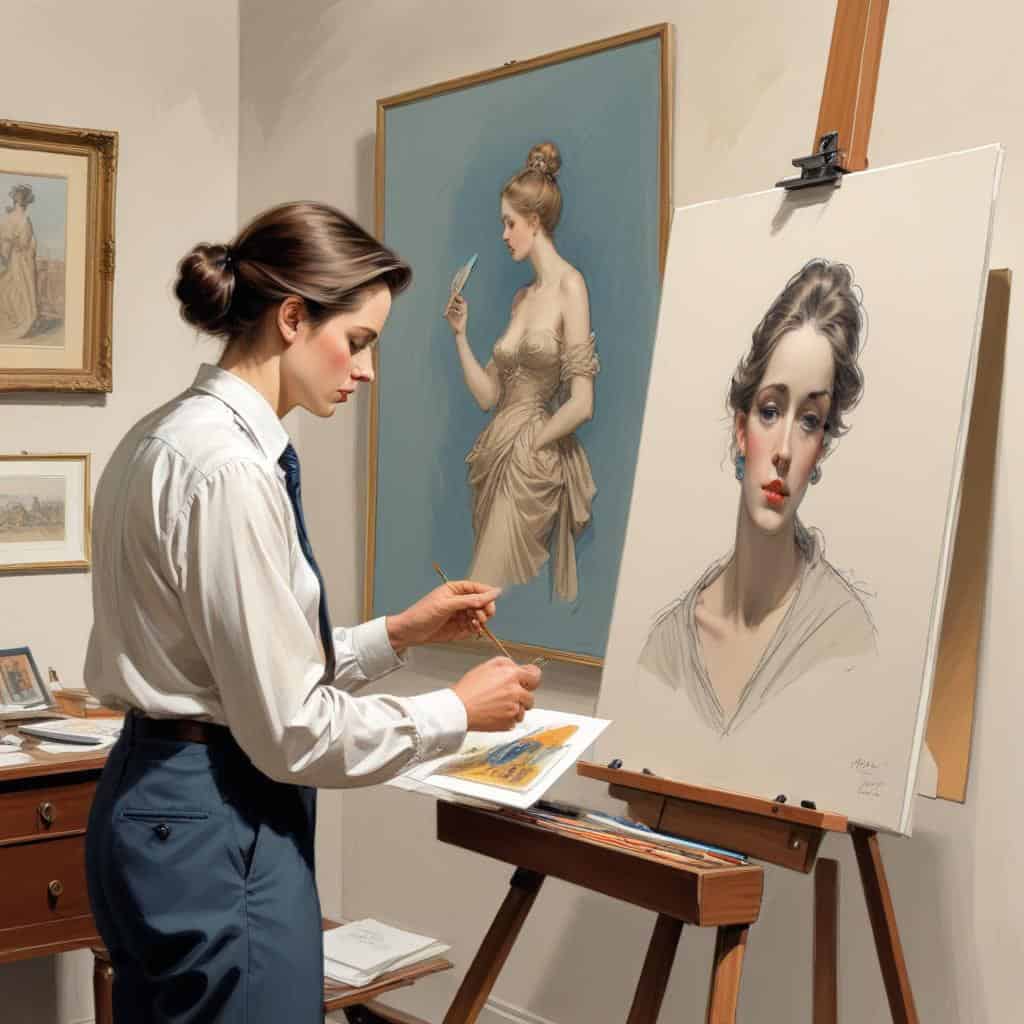
Evaluating Artistic Merit

Engaging in Dialogue

Challenging Conventions

Promoting Diversity

Preserving Cultural Heritage

Inspiring Creativity

Shaping Public Perception


Lesson Details & Resources
In a Nutshell
- Concept: The Role of Criticism in Aesthetics
- Thinkers: Immanuel Kant, 18th Century
- Central Question: How can we judge the aesthetic value of art and beauty?
- Core Implication: Criticism plays a crucial role in determining the quality and significance of artistic works.
Timeline of The Role Of Criticism In Aesthetics
Plato's Republic discusses the role of art in society and the importance of criticism in shaping moral values
Aristotle's Poetics introduces the concept of catharsis and the importance of criticism in understanding the impact of art on emotions
Horace's Ars Poetica lays out principles for literary criticism and the importance of constructive feedback in improving artistic works
David Hume's Of the Standard of Taste explores the subjective nature of aesthetic judgments and the role of criticism in evaluating art
Immanuel Kant's Critique of Judgment discusses the role of aesthetic judgment and the importance of criticism in determining the validity of artistic claims
Friedrich Schiller's On the Aesthetic Education of Man emphasizes the role of criticism in developing a sense of beauty and refinement in society
Georg Wilhelm Friedrich Hegel's Lectures on Aesthetics examines the role of criticism in the historical development of art and the formation of aesthetic ideals
John Ruskin's Modern Painters critiques contemporary art and emphasizes the importance of moral and social criticism in evaluating artistic works
Walter Pater's Studies in the History of the Renaissance advocates for the importance of subjective criticism and personal interpretation in appreciating art
Clive Bell's Art advocates for the significance of formalist criticism and the role of aesthetic experience in evaluating art
Theodor Adorno's Aesthetic Theory critiques the commodification of art and emphasizes the role of critical theory in analyzing the social and political implications of artistic production
Susan Sontag's Against Interpretation challenges traditional modes of criticism and argues for a more direct engagement with art and aesthetics
Jacques Derrida's The Truth in Painting deconstructs traditional approaches to art criticism and questions the authority of interpretation in aesthetic evaluations
Arthur Danto's The Transfiguration of the Commonplace explores the role of art criticism in defining the boundaries between art and everyday objects
Judith Butler's Bodies That Matter examines the role of criticism in shaping perceptions of gender and sexuality in artistic representations
Elaine Scarry's On Beauty and Being Just argues for the ethical implications of aesthetic criticism and the importance of beauty in promoting justice and equality
Terry Eagleton's The Ideology of the Aesthetic critiques the political dimensions of aesthetic judgments and the role of criticism in reinforcing or challenging dominant power structures
Martha Nussbaum's Upheavals of Thought explores the role of emotions in aesthetic judgments and the importance of criticism in cultivating empathy and compassion through art
Kwame Anthony Appiah's The Ethics of Identity examines the role of criticism in shaping cultural identities and promoting understanding and tolerance across diverse perspectives
Rita Felski's The Limits of Critique challenges traditional modes of literary criticism and advocates for a more expansive and inclusive approach to engaging with texts and artworks
Vocabulary List
- Aesthetics
- Aesthetics philosophy explores the concepts of beauty, art, and taste, and how they are perceived and appreciated by individuals.
- Criticism
- Criticism in aesthetics philosophy involves examining and assessing the artistic or literary merits of a piece of work, and providing insights into its value and quality.
- Interpretation
- Interpretation in aesthetics philosophy involves delving into the deeper meanings and implications of a piece of art or literature to uncover its significance.
- Subjectivity
- Subjectivity plays a significant role in aesthetics philosophy as individuals' personal feelings, tastes, and opinions can greatly influence their interpretations and criticisms of art.
- Objective
- In aesthetics philosophy, there is an ongoing debate about the role of objectivity in criticism, with some arguing for a more objective approach to evaluating art and others emphasizing the importance of subjective perspectives.
Key Facts
This is the information used in the fact matching game
- Criticism in aesthetics plays a crucial role in evaluating and interpreting works of art.
- Criticism helps to deepen our understanding and appreciation of art by providing insights and analysis.
- Criticism allows for the examination of the cultural, historical, and social contexts in which artworks are created.
- Criticism helps to identify the strengths and weaknesses of artworks, contributing to the development of artistic practices.
- Criticism can challenge traditional conventions and norms in art, leading to innovation and experimentation.
- Criticism can provoke debate and discussion about the value and meaning of art in society.
- Criticism can inspire artists to push boundaries and explore new ideas and techniques.
- Criticism can help audiences engage with art on a deeper level, encouraging reflection and introspection.
- Criticism can raise awareness of issues such as representation, diversity, and ethics in art.
- Criticism can lead to the reevaluation of established canons and hierarchies in the art world.
- Criticism can contribute to the democratization of art by making it more accessible and inclusive.
- Criticism can foster a sense of community and shared understanding among artists, critics, and audiences.
- Criticism can help to bridge the gap between theory and practice in art, facilitating dialogue and exchange.
- Criticism can highlight the unique perspectives and voices of marginalized and underrepresented artists.
- Criticism can challenge the notion of objective aesthetic standards, promoting a more subjective and pluralistic approach to art.
- Criticism can serve as a form of advocacy for art and artists, promoting their visibility and recognition.
- Criticism can reveal the interconnectedness of art with other disciplines such as politics, philosophy, and science.
- Criticism can contribute to the ongoing dialogue and evolution of aesthetic theories and concepts.
- Criticism can challenge the boundaries between high and low art, questioning hierarchies of value and taste.
- Criticism can shape public perceptions and attitudes towards art, influencing cultural norms and values.
Analysis & Significance
The Core Argument
The core argument in the philosophical concept of ‘The Role of Criticism in Aesthetics’ is that criticism plays a crucial role in evaluating and understanding the value and meaning of art. Critics analyze artworks, interpret their significance, and provide insights that help audiences appreciate and engage with the aesthetic experience.
Criticisms and Counterarguments
Some critics argue that subjective opinions and personal biases can influence the validity of criticism, leading to varying interpretations and judgments about art. Others believe that the focus on criticism can overshadow the intrinsic value of art itself, reducing it to mere intellectual discourse rather than a genuine emotional response.
Modern Relevance
In today’s digital age, where social media platforms allow for instant critique and feedback on all forms of art, the role of criticism in aesthetics is more important than ever. With the abundance of opinions and voices, it is essential to cultivate a critical mindset that can discern between insightful analysis and superficial commentary, guiding us towards a deeper appreciation of art in a world saturated with images and information.
The Role Of Criticism In Aesthetics Games


Take Your Learning Offline
Want a convenient, print-ready study guide for this lesson? Become a Memory Wizards Pro member to unlock the downloadable " Memory Scrolls" for this topic and our entire library!
- ✓ Complete Vocabulary Lists
- ✓ Key Facts & Timelines
- ✓ Beautifully Formatted for Print & Mobile