
How Do You Learn Best?
Learn by Reading
Immerse yourself in the 10-minute visual lesson for a comprehensive understanding of the topic.
Learn by Reviewing
Jump directly to the key facts, timeline, and vocabulary lists to build a solid foundation of details.
Learn by Doing
Challenge yourself! Jump straight into the interactive games to learn by trial, error, and discovery.
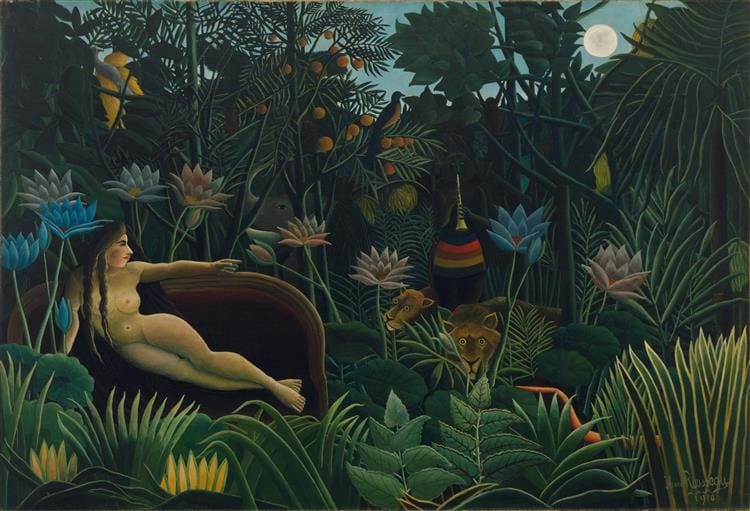
The Masterpiece: Henri Rousseau- The Dream
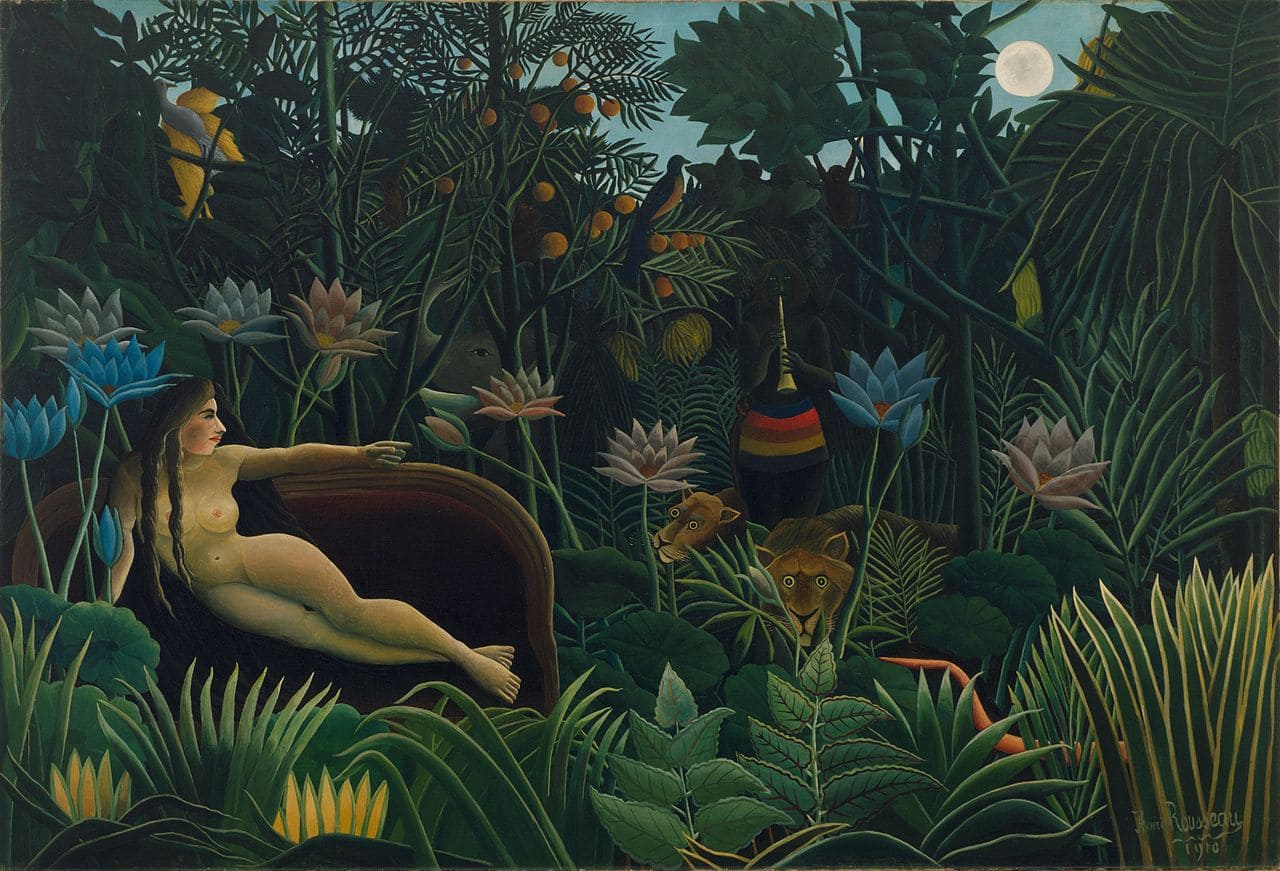
Deconstructing the Masterpiece
Dreamlike Imagery
Surreal and fantastical elements create a dream-like atmosphere, blurring the line between reality and imagination.
Jungle Setting
Lush vegetation and exotic animals evoke a sense of the exotic and mysterious, transporting viewers to an otherworldly realm.
Flat Perspective
The lack of depth perception and flattened space give the composition a two-dimensional quality, reminiscent of traditional folk art.
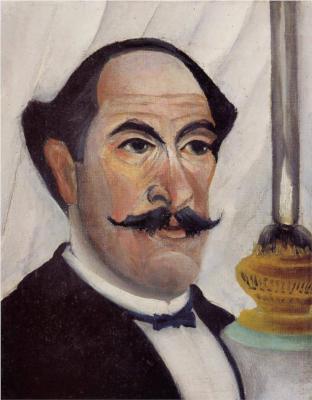
Self-Portrait
The inclusion of the artist's own likeness in the painting adds a personal touch and blurs the boundaries between the real and the imagined.
Henri Rousseau: An Analysis in 10 Minutes
Introduction
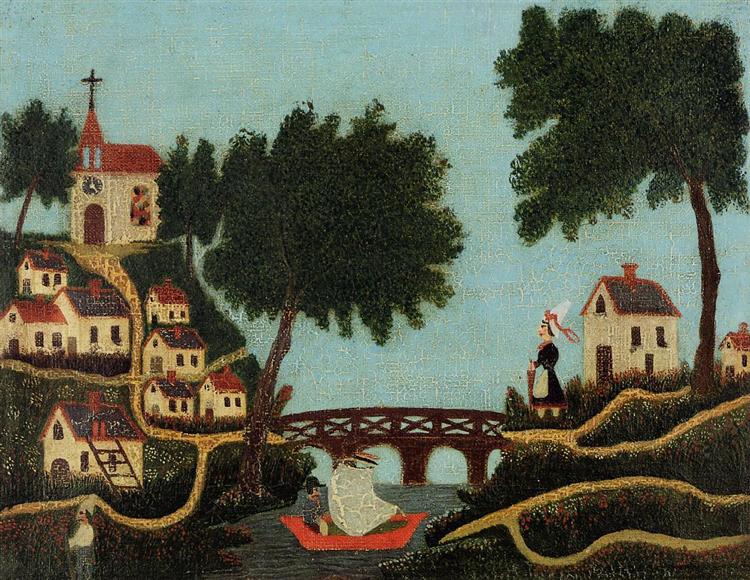
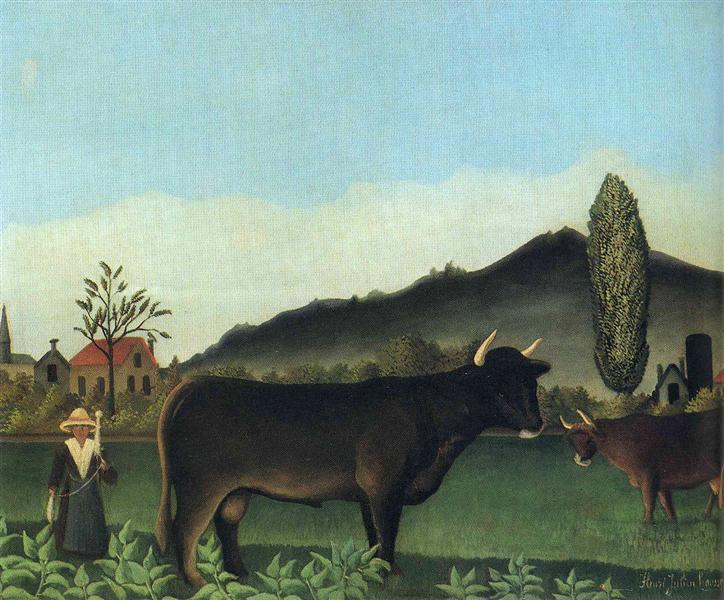
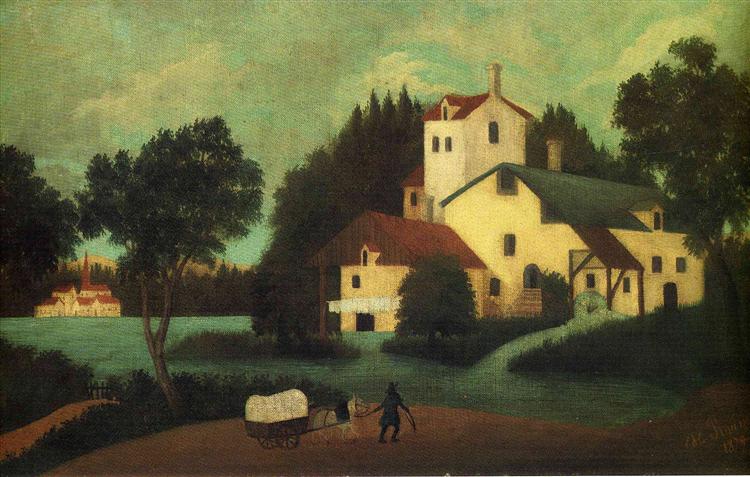
The Early Life of Henri Rousseau
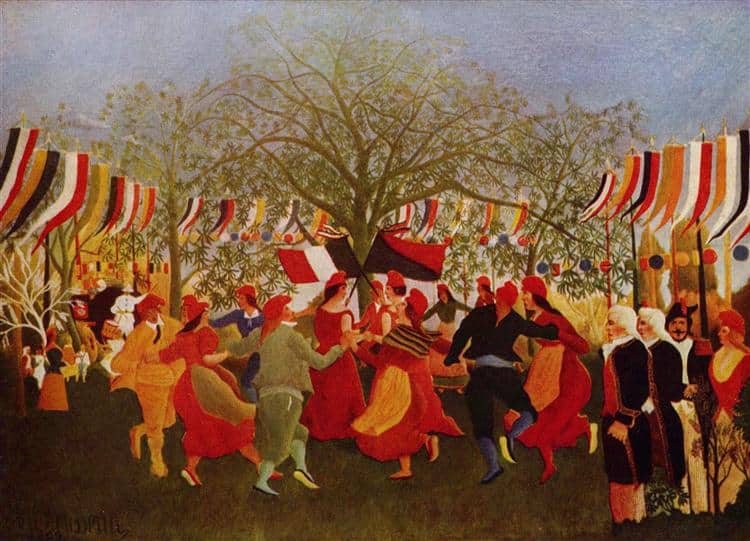
Rousseaus Unique Style
Symbolism in Rousseaus Art
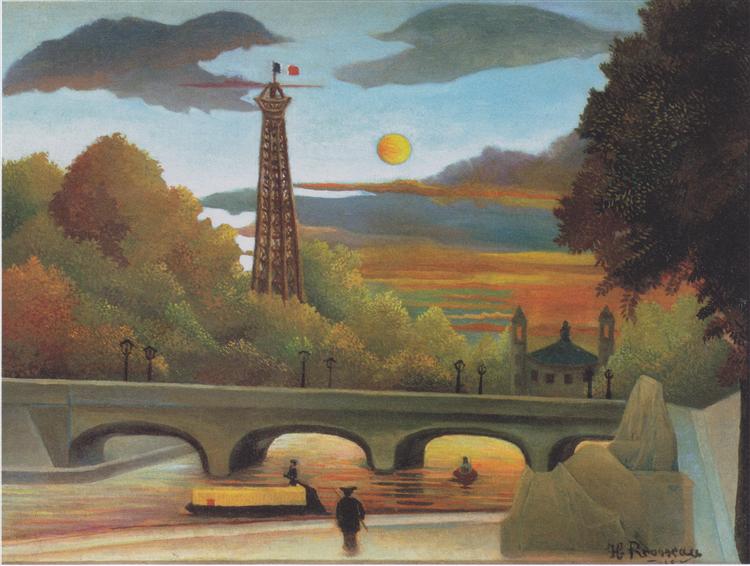
Rousseau and the Art Nouveau Movement
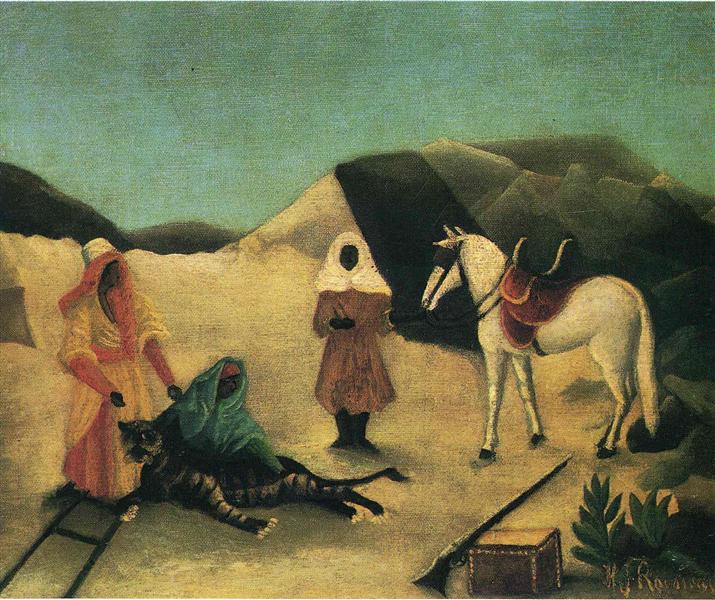
The Influence of Rousseaus Work
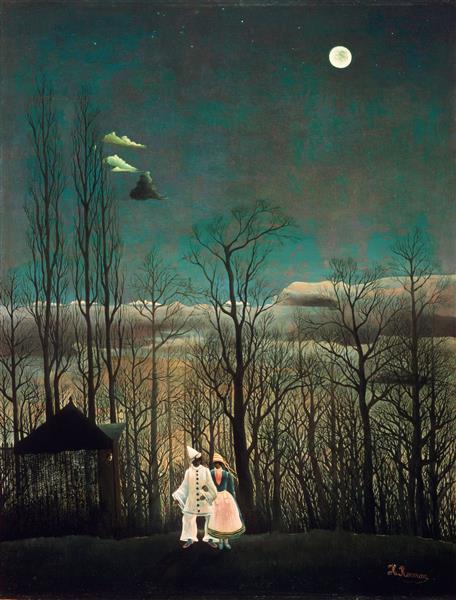
Rousseaus Legacy
Lesson Details & Resources
In a Nutshell
- Artist: Henri Rousseau
- Year: 1910
- Medium: Oil on canvas
- Location: National Gallery of Art, Washington D.C.
Vocabulary List
- Jungle
- Rousseau's paintings often featured lush jungles filled with exotic plants and animals.
- Foliage
- The artist's attention to detail in painting foliage in his jungle scenes was remarkable.
- Fauna
- Rousseau's artwork typically included a diverse range of fauna, such as tigers, monkeys, and snakes.
- Flora
- The artist's depictions of tropical flora in his paintings were vibrant and colorful.
- Exotic
- Rousseau's paintings transported viewers to exotic and mysterious lands.
- Dreamlike
- The dreamlike quality of Rousseau's artwork captured the imagination of many.
- Surreal
- Some critics described Rousseau's paintings as surreal due to their fantastical elements.
- Primitive
- The artist's naive style was often referred to as primitive by art critics.
- Naive
- Rousseau's naive approach to painting added a charming innocence to his work.
- Mysterious
- There was a sense of mystery and intrigue in many of Rousseau's paintings.
- Folktale
- The artist's paintings seemed to capture scenes from a fantastical folktale.
- Fantasy
- Rousseau's artwork was filled with elements of fantasy and imagination.
- Enchanted
- Viewers often felt enchanted by the magical worlds depicted in Rousseau's paintings.
- Untamed
- The untamed beauty of nature was a recurring theme in Rousseau's artwork.
- Vivid
- The vivid colors used by the artist brought his jungle scenes to life.
- Mystical
- There was a mystical quality to Rousseau's paintings that captivated viewers.
- Dreamscape
- Rousseau's paintings often resembled dreamscapes, filled with fantastical imagery.
- Lush
- The lush landscapes in Rousseau's paintings were teeming with life.
- Fable
- The artist's paintings seemed to tell a fable-like story through their imagery.
- Magical
- Rousseau's paintings had a magical quality that transported viewers to another world.
Timeline of Henri Rousseau: An Analysis
Henri Rousseau is born in Laval, France
Rousseau joins the army and serves for four years
Rousseau begins working as a toll collector in Paris
Rousseau starts painting in his spare time
Rousseau retires from his job as a toll collector
Rousseau exhibits his paintings at the Salon des Indépendants
Rousseau's work is ridiculed by critics
Rousseau's painting 'The Sleeping Gypsy' is exhibited at the Salon des Indépendants
Rousseau's work is praised by avant-garde artists such as Picasso and Kandinsky
Rousseau's first solo exhibition is held at Galerie Bernheim-Jeune in Paris
Rousseau's painting 'The Dream' is exhibited at the Armory Show in New York
Rousseau dies in Paris
Rousseau's work becomes influential to the Surrealist movement
Rousseau's work is featured in a major retrospective at the Museum of Modern Art in New York
Rousseau's painting 'The Dream' is sold for a record price at auction
Rousseau's work continues to be celebrated and studied by art historians and critics
Key Facts
Analysis & Significance
Artistic Innovation
Henri Rousseau’s paintings introduced a unique style known as “naïve art,” characterized by its childlike simplicity, bold colors, and fantastical imagery. His works often depicted jungle scenes, exotic animals, and dreamlike landscapes, challenging traditional notions of realism and perspective in art.
Influence on Art History
Rousseau’s unconventional approach to painting inspired the Surrealists and other avant-garde artists of the early 20th century. His dreamlike compositions and uninhibited use of color paved the way for new artistic movements that prioritized creativity, imagination, and the subconscious mind over traditional techniques.
Cultural Significance Today
Today, Rousseau’s paintings are celebrated for their whimsical charm and imaginative spirit. His work continues to captivate audiences around the world, with major museums and galleries showcasing his pieces as masterpieces of modern art. Rousseau’s legacy as a self-taught artist who defied artistic norms remains a source of inspiration for contemporary creators.
Henri Rousseau: An Analysis Games


Take Your Learning Offline
Want a convenient, print-ready study guide for this lesson? Become a Memory Wizards Pro member to unlock the downloadable " Memory Scrolls" for this topic and our entire library!
- ✓ Complete Vocabulary Lists
- ✓ Key Facts & Timelines
- ✓ Beautifully Formatted for Print & Mobile