
How Do You Learn Best?
Learn by Reading
Immerse yourself in the 10-minute visual lesson for a comprehensive understanding of the topic.
Learn by Reviewing
Jump directly to the key facts, timeline, and vocabulary lists to build a solid foundation of details.
Learn by Doing
Challenge yourself! Jump straight into the interactive games to learn by trial, error, and discovery.
The Masterpiece: The_Kiss-Gustav_Klimt
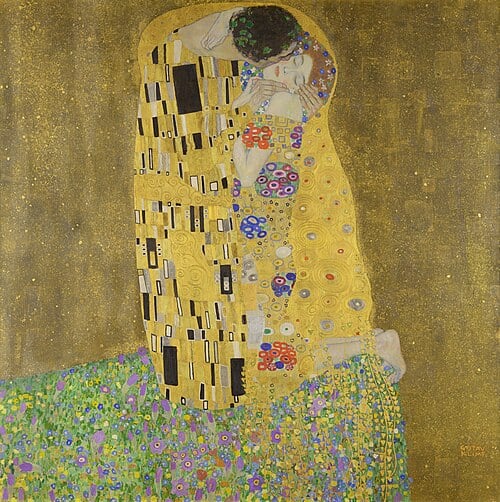
Deconstructing the Masterpiece
Gold Leaf
The use of gold leaf adds a luxurious and decorative element, symbolizing eternity and spirituality.
Patterned Background
The intricate patterns and motifs create a sense of depth and richness, enhancing the overall composition.
Intertwined Figures
The entwined bodies of the figures symbolize unity and intimacy, while their stylized forms add a sense of surrealism.
Flat Perspective
The lack of traditional depth and perspective creates a two-dimensional, decorative quality, emphasizing the ornamental nature of the artwork.
Gustav Klimt: An Analysis in 10 Minutes
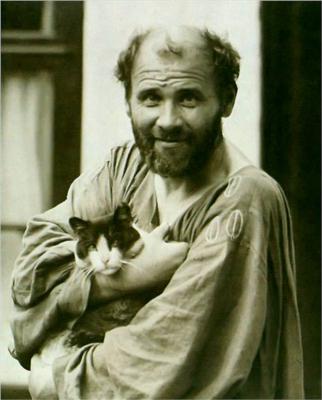
Introduction
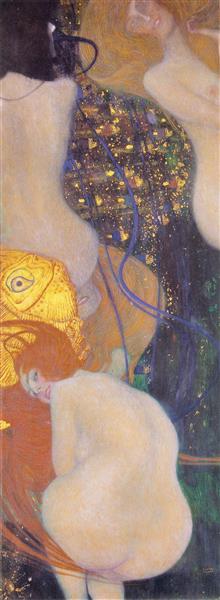
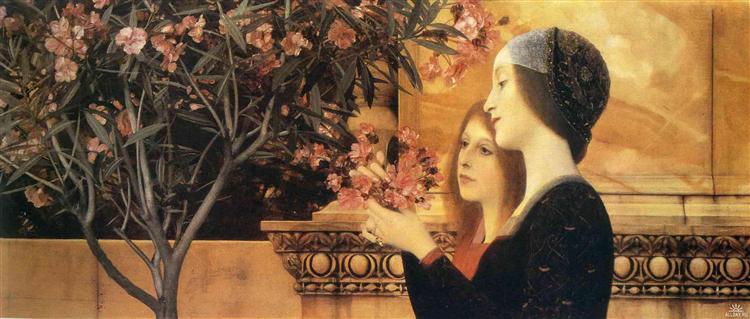
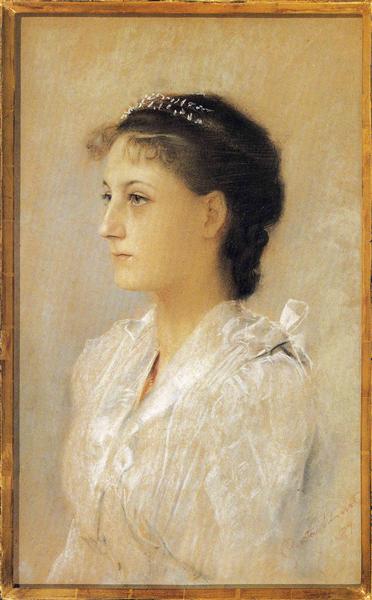
The Early Years
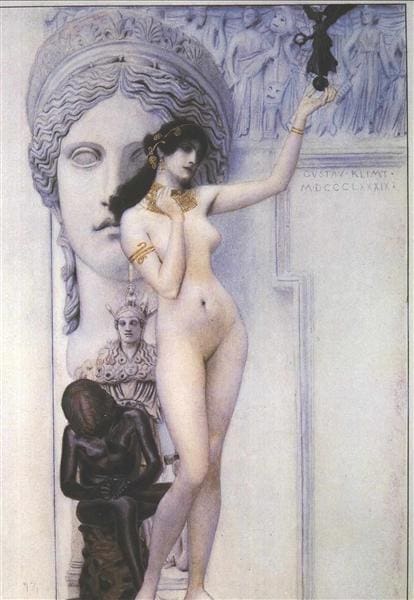
The Secession Movement
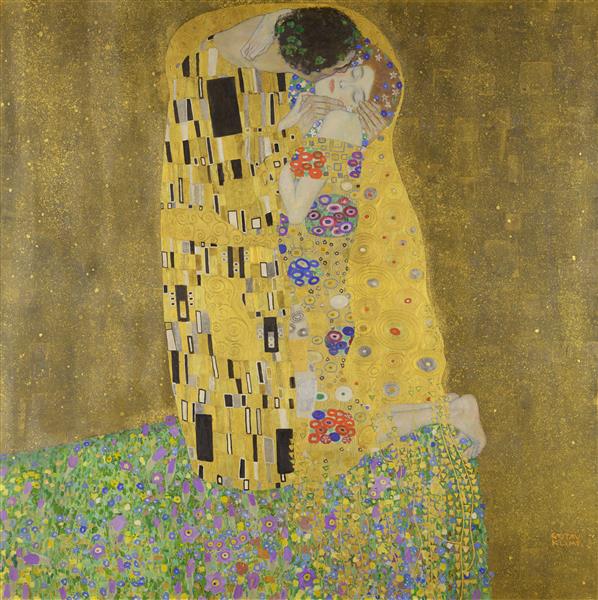
The Gold Phase
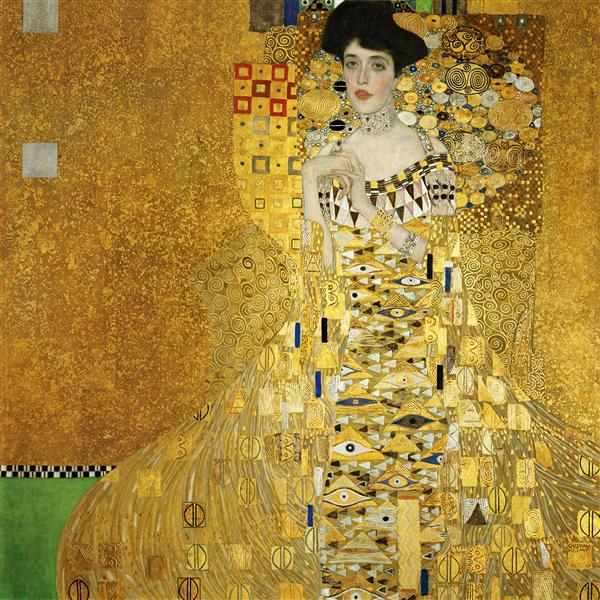
Symbolism in Klimts Work
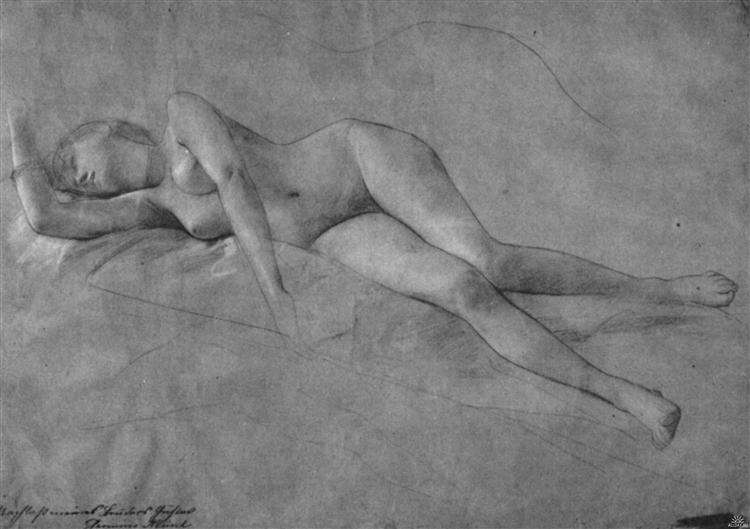
The Female Form
Influences and Inspirations
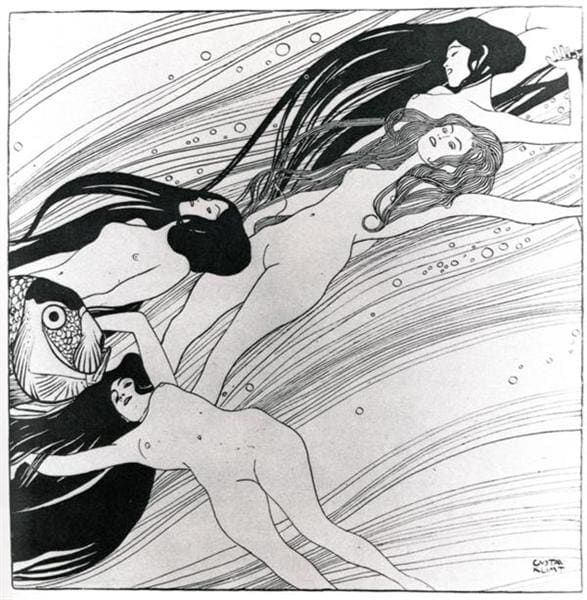
Legacy and Impact
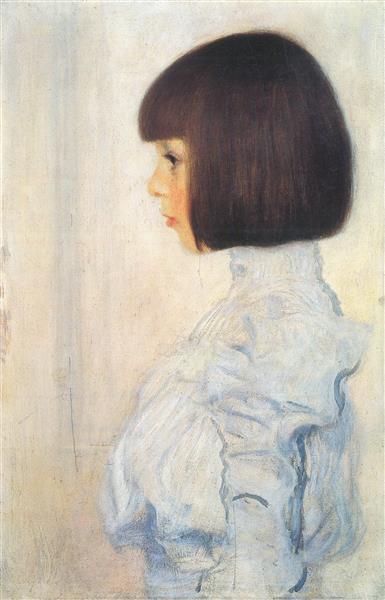
The Beethoven Frieze
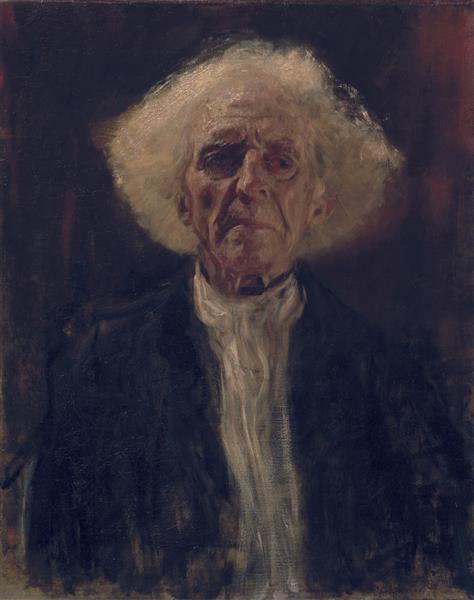
The Death of Klimt
Lesson Details & Resources
In a Nutshell
- Artist: Gustav Klimt
- Year: 1907
- Medium: Oil on canvas
- Location: Belvedere Museum, Vienna
Vocabulary List
- Symbolism
- Klimt's use of symbolic imagery in his paintings often represented deeper meanings and emotions.
- Ornamentation
- Klimt's intricate and elaborate use of patterns and designs in his artwork.
- Gold leaf
- Klimt's signature use of gold leaf in many of his paintings, giving them a luxurious and shimmering quality.
- Vienna Secession
- The art movement that Klimt was a part of, which sought to break away from traditional artistic styles and conventions.
- Femme fatale
- Klimt often portrayed women as powerful and alluring figures in his artwork, embodying the concept of the femme fatale.
- Eros
- The Greek god of love and desire, often depicted in Klimt's paintings.
- Serpentine lines
- Klimt's use of flowing, sinuous lines in his artwork, giving them a sense of movement and energy.
- Gustav Klimt
- The Austrian symbolist painter known for his decorative and erotic artworks.
- Seurat
- Klimt was influenced by the pointillist technique of Georges Seurat, incorporating it into his own work.
- Art Nouveau
- The decorative art style that influenced Klimt's work, characterized by organic forms and flowing lines.
- The Kiss
- One of Klimt's most famous paintings, depicting a couple embracing amidst a golden background.
- Allegory
- Klimt often used allegorical imagery in his paintings to convey deeper meanings and themes.
- Portrait
- Klimt was known for his portraits, often depicting wealthy and influential individuals in society.
- Secessionist
- Klimt was a prominent member of the Vienna Secession, a group of artists who sought to break away from traditional artistic institutions.
- Pattern
- Klimt's use of intricate and decorative patterns in his artwork, influenced by the art nouveau style.
- Gilded
- Klimt's paintings often featured gilded surfaces, giving them a rich and opulent appearance.
- Embrace
- Klimt often depicted intimate and sensual embraces in his paintings, symbolizing themes of love and connection.
- Hierarchy
- Klimt's compositions often featured a clear hierarchy of figures and elements, emphasizing certain aspects over others.
- Reproduction
- Klimt's artwork has been widely reproduced and is still popular today, influencing contemporary artists.
- Decorative arts
- Klimt's work blurred the lines between fine art and decorative arts, incorporating elements of both in his paintings.
Timeline of Gustav Klimt: An Analysis
Gustav Klimt is born in Baumgarten, near Vienna, Austria
Klimt attends the Vienna School of Arts and Crafts
Klimt becomes a founding member of the Vienna Secession movement
Klimt's painting 'The Kiss' is completed
Klimt completes 'Portrait of Adele Bloch-Bauer I'
Klimt's work is exhibited at the Beethoven Exhibition in Vienna
Klimt is commissioned to paint the ceiling of the Great Hall of the University of Vienna
Klimt paints 'Judith and the Head of Holofernes'
Klimt's painting 'The Tree of Life' is created
Klimt's work is included in the first 'International Art Exhibition' in Rome
Klimt dies of a stroke in Vienna
Klimt's paintings are exhibited at the Venice Biennale
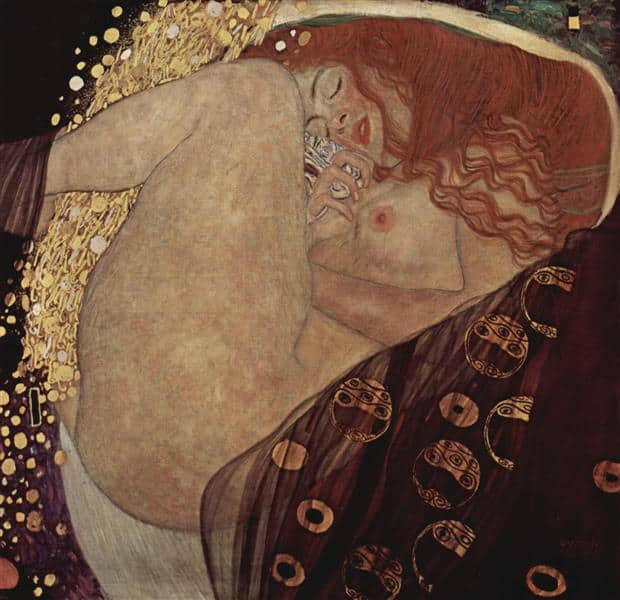
Klimt's painting 'Danaë' is completed
Klimt's 'Beethoven Frieze' is completed for the 14th Vienna Secessionist exhibition
Klimt's work is included in the 'Sonet' exhibition in Prague
Klimt's painting 'Adele Bloch-Bauer II' is completed
Klimt's painting 'The Three Ages of Woman' is created
Klimt's 'Portrait of Eugenia Primavesi' is completed
Klimt's work is featured in the 'International Exhibition of Art' in Rome
Klimt's painting 'The Maiden' is completed
Key Facts
Analysis & Significance
Artistic Innovation
Gustav Klimt’s work introduced a unique blend of symbolism, decorative arts, and eroticism, pushing the boundaries of traditional art. His use of gold leaf and intricate patterns created a luxurious and mesmerizing visual language that captivated viewers with its opulence and sensuality.
Influence on Art History
Klimt’s daring style laid the foundation for the Vienna Secession movement and Art Nouveau, inspiring artists like Egon Schiele and Oskar Kokoschka. His emphasis on the inner emotional world of his subjects and rejection of academic norms paved the way for modernist approaches to art.
Cultural Significance Today
Today, Klimt’s works, such as “The Kiss” and “Portrait of Adele Bloch-Bauer I,” continue to be celebrated for their beauty and symbolism. His art resonates with audiences worldwide, symbolizing the search for truth, love, and the complexities of human existence, making him a revered figure in the art world.
Gustav Klimt: An Analysis Games


Take Your Learning Offline
Want a convenient, print-ready study guide for this lesson? Become a Memory Wizards Pro member to unlock the downloadable " Memory Scrolls" for this topic and our entire library!
- ✓ Complete Vocabulary Lists
- ✓ Key Facts & Timelines
- ✓ Beautifully Formatted for Print & Mobile