
How Do You Learn Best?
Learn by Reading
Immerse yourself in the 10-minute visual lesson for a comprehensive understanding of the topic.
Learn by Reviewing
Jump directly to the key facts, timeline, and vocabulary lists to build a solid foundation of details.
Learn by Doing
Challenge yourself! Jump straight into the interactive games to learn by trial, error, and discovery.
The Masterpiece: At_the_Moulin_Rouge
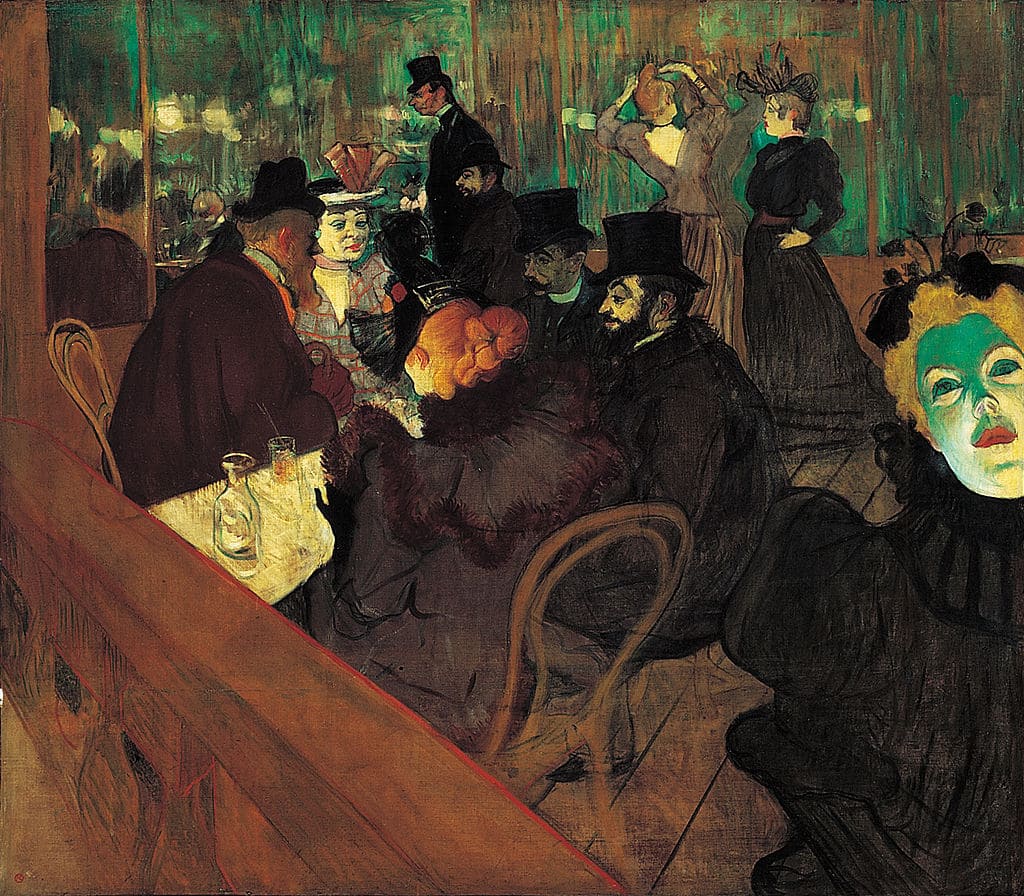
Deconstructing the Masterpiece
Vibrant Color Palette
Bold, contrasting colors and expressive brushwork capture the lively atmosphere of the Moulin Rouge cabaret.
Unconventional Cropping
Figures are cut off at the edges, creating a sense of immediacy and suggesting a snapshot of a moment in time.
Social Interaction
The arrangement of figures and their body language convey a sense of camaraderie and interaction within the bustling cabaret setting.
‘Fin de Siècle: An Analysis’ in 10 Minutes
Introduction
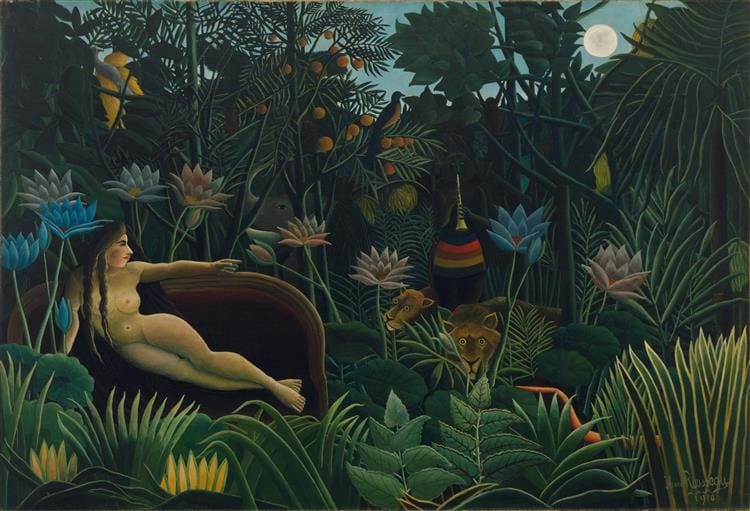
The Rise of Symbolism
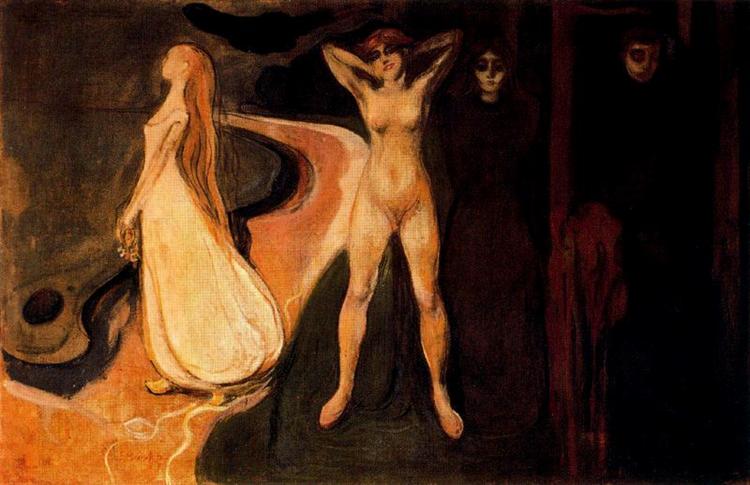
Themes of Symbolism
The Influence of Symbolism
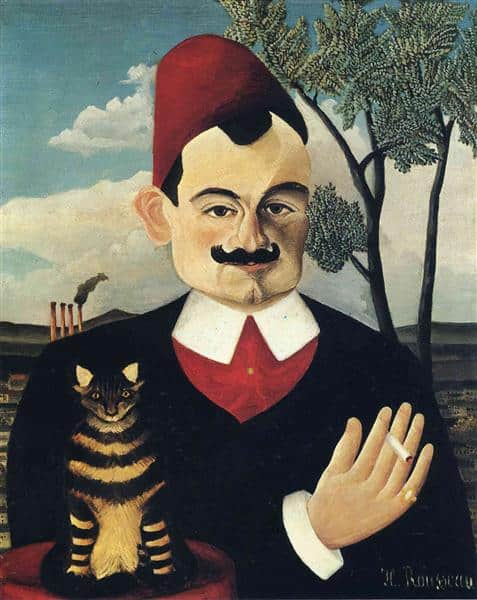
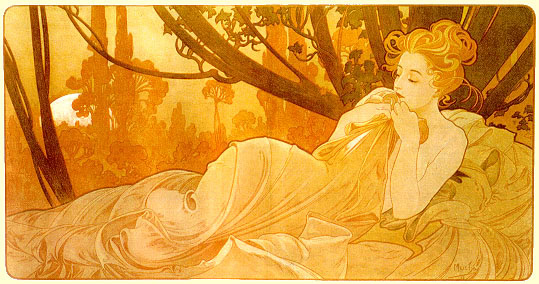
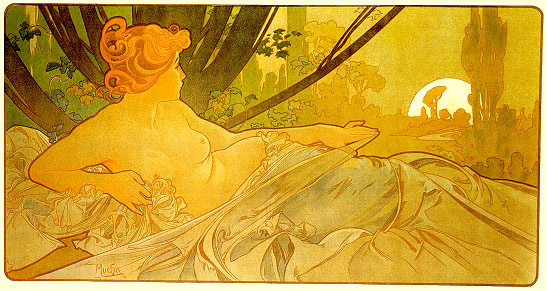
The Emergence of Art Nouveau
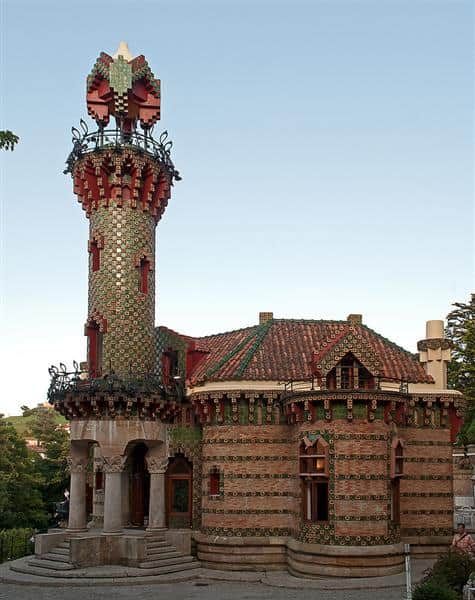
Art Nouveau Architecture
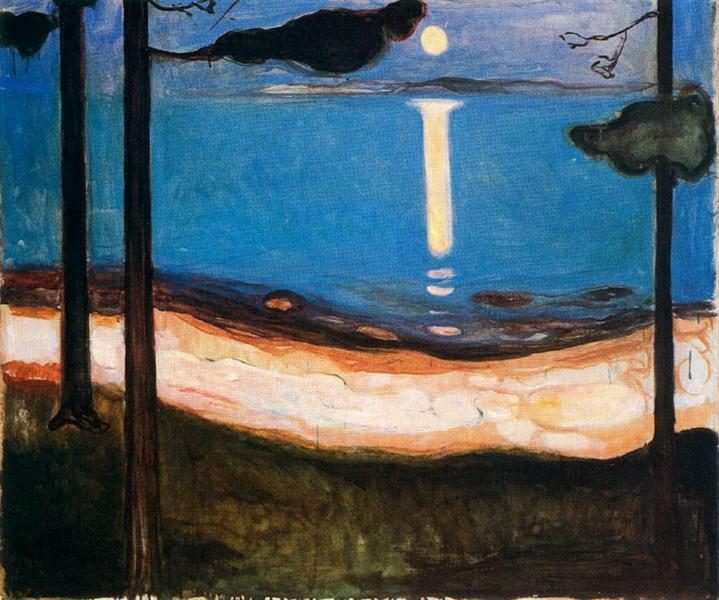
The Influence of Nature
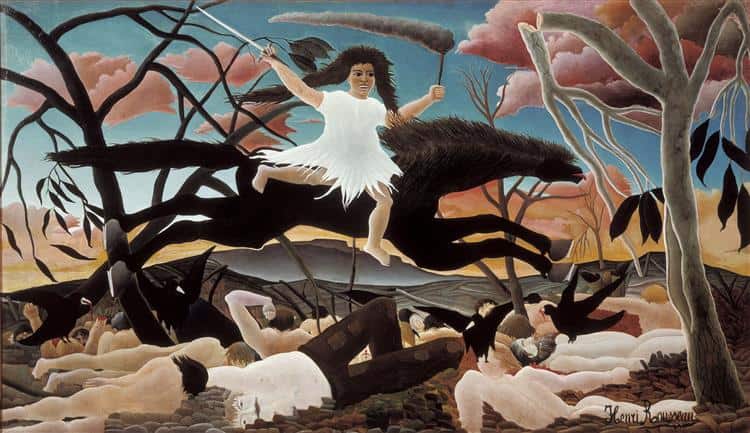
Symbolism in Art Nouveau
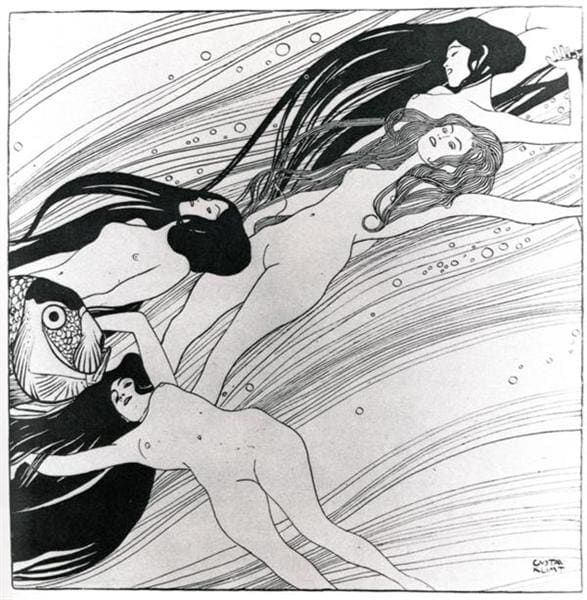
The Legacy of Fin de Siècle
Lesson Details & Resources
In a Nutshell
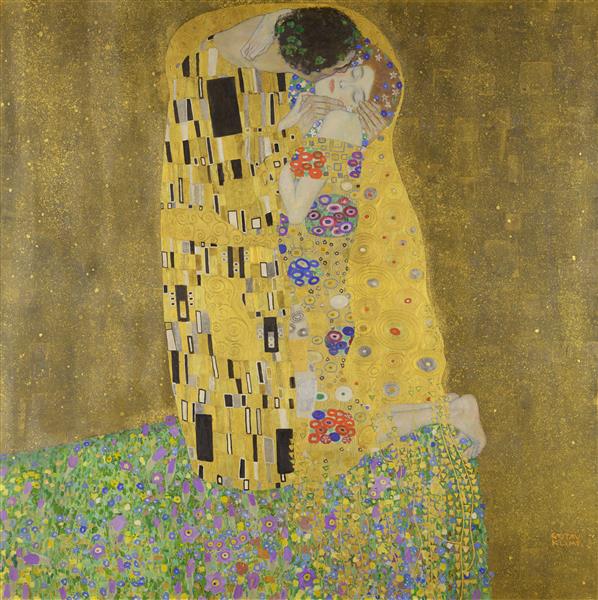
- Artist: Gustav Klimt
- Year: 1900
- Medium: Oil on canvas
- Location: Belvedere Museum, Vienna
Vocabulary List
- Decadence
- The artwork of 'Fin de Siècle' often reflected a sense of decadence and moral decay in society.
- Anxiety
- The artists of 'Fin de Siècle' captured the pervasive sense of anxiety and uncertainty in their works.
- Pessimistic
- Many of the paintings from the 'Fin de Siècle' era had a pessimistic view of the future.
- Fantastical
- The art of 'Fin de Siècle' often featured fantastical and dreamlike elements.
- Alienation
- The theme of alienation was common in the art of 'Fin de Siècle', reflecting a sense of disconnection from society.
- Melancholy
- There was a pervasive sense of melancholy in the artwork of 'Fin de Siècle', reflecting a mood of sadness and introspection.
- Introspection
- The artists of 'Fin de Siècle' often focused on introspection, exploring the inner thoughts and emotions of their subjects.
- Ennui
- The feeling of ennui, or boredom and discontent, was a common theme in the art of 'Fin de Siècle'.
- Decadent
- The decadent lifestyle of the upper class was often depicted in the artwork of 'Fin de Siècle'.
- Surreal
- Many of the paintings from the 'Fin de Siècle' era had a surreal quality, blurring the lines between reality and fantasy.
- Symbolism
- Symbolism was a key element in the art of 'Fin de Siècle', with artists using symbolic imagery to convey deeper meanings.
- Dreamlike
- The dreamlike quality of the art of 'Fin de Siècle' added to its sense of mystery and otherworldliness.
- Disillusionment
- The art of 'Fin de Siècle' often reflected a sense of disillusionment with society and traditional values.
- Macabre
- The macabre and eerie were common themes in the art of 'Fin de Siècle', reflecting a fascination with death and decay.
- Introspective
- The introspective nature of the art of 'Fin de Siècle' invited viewers to reflect on their own inner thoughts and emotions.
- Haunting
- The haunting imagery of the art of 'Fin de Siècle' lingered in the minds of viewers long after they had left the gallery.
- Morbidity
- The morbidity and focus on death in the art of 'Fin de Siècle' reflected a fascination with the darker aspects of life.
- Uncanny
- The uncanny and unsettling were common themes in the art of 'Fin de Siècle', creating a sense of unease in the viewer.
- Symbolic
- The use of symbolic imagery was a defining characteristic of the art of 'Fin de Siècle', allowing artists to convey deeper meanings.
- Existential
- Many of the artworks from the 'Fin de Siècle' era grappled with existential questions about the meaning and purpose of life.
Timeline of ‘Fin de Siècle: An Analysis’
Key Facts
This is the information used in the fact matching game
- Fin de Siècle translates to 'end of the century' in French, referring to the time period around the turn of the 20th century.
- Artists of the Fin de Siècle were influenced by the social, political, and technological changes of the time, including industrialization and urbanization.
- The artwork of the Fin de Siècle often reflected a sense of disillusionment with traditional values and a fear of the future.
- Symbolism was a prominent artistic movement of the Fin de Siècle, emphasizing the use of symbols and metaphors to convey deeper meanings.
- Artists of the Fin de Siècle were drawn to themes of decay, decadence, and the supernatural.
- Gustav Klimt, a key figure of the Fin de Siècle, is known for his decorative, ornamental style and use of gold leaf in his paintings.
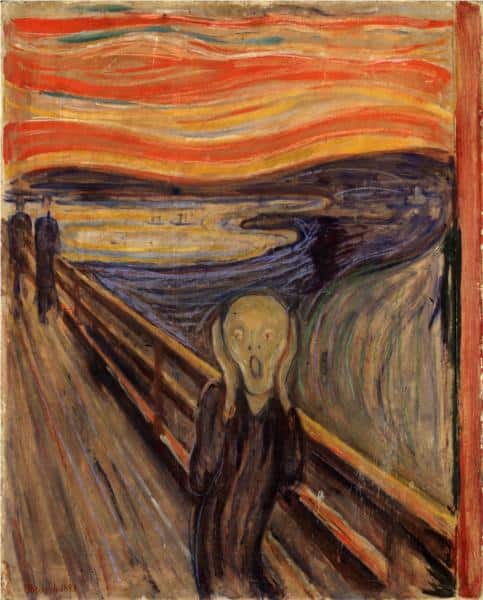
- Edvard Munch's famous painting 'The Scream' is often associated with the angst and existential dread of the Fin de Siècle.
- The Pre-Raphaelite Brotherhood, a group of English artists, influenced the Fin de Siècle with their emphasis on medievalism and symbolism.
- Much of the art of the Fin de Siècle explored themes of sexuality, death, and the subconscious mind.
- Fin de Siècle art often featured dreamlike, hallucinatory imagery and blurred boundaries between reality and fantasy.
- Artists such as Aubrey Beardsley and Félicien Rops embraced themes of eroticism and the macabre in their work during the Fin de Siècle.
- The art of the Fin de Siècle was characterized by a sense of unease, nostalgia, and a desire to escape from the pressures of modern life.
- The Vienna Secession, a group of artists founded by Gustav Klimt, sought to break away from traditional artistic institutions and embrace new forms of expression.
- Literary figures such as Oscar Wilde and Charles Baudelaire influenced the art of the Fin de Siècle with their writings on decadence, beauty, and the grotesque.
- The art of the Fin de Siècle often featured women as symbols of beauty, mystery, and eroticism, reflecting changing attitudes towards gender and sexuality.
- The use of bold colors, dynamic compositions, and exaggerated forms was common in the art of the Fin de Siècle, reflecting a desire to break away from academic traditions.
- The Fin de Siècle was a time of rapid technological advancement, leading artists to explore themes of mechanization, alienation, and the loss of individuality.
- Artists of the Fin de Siècle often depicted urban landscapes, industrial scenes, and crowded city streets to convey a sense of modernity and alienation.
- The art of the Fin de Siècle was characterized by a sense of ambiguity, ambivalence, and multiple interpretations, inviting viewers to engage with the work on a deeper level.
- The Fin de Siècle marked a transitional period in art history, paving the way for modernist movements such as Cubism, Futurism, and Surrealism.
Analysis & Significance
Artistic Innovation
The artwork ‘Fin de Siècle’ introduced a radical departure from traditional academic art, embracing a new form of expression known as Symbolism. This movement focused on conveying powerful emotions, dreams, and the subconscious through mysterious, fantastical imagery. Artists like Gustav Klimt and Edvard Munch explored themes of mortality, desire, and the supernatural, pushing the boundaries of artistic representation.
Influence on Art History
‘Fin de Siècle’ paved the way for the development of modern art movements such as Expressionism, Surrealism, and Art Nouveau. Its emphasis on subjective experience, inner turmoil, and the irrational inspired later artists to explore their own psyche and challenge conventional artistic norms. This shift towards introspection and emotional intensity marked a significant turning point in the history of art.
Cultural Significance Today
Today, ‘Fin de Siècle’ remains a powerful and influential force in the art world. Its haunting beauty, rich symbolism, and exploration of the human condition continue to captivate audiences worldwide. The legacy of Symbolism can be seen in contemporary art, literature, and film, reflecting a lasting impact on how we perceive and interpret the complexities of the human experience.
‘Fin de Siècle: An Analysis’ Games


Take Your Learning Offline
Want a convenient, print-ready study guide for this lesson? Become a Memory Wizards Pro member to unlock the downloadable " Memory Scrolls" for this topic and our entire library!
- ✓ Complete Vocabulary Lists
- ✓ Key Facts & Timelines
- ✓ Beautifully Formatted for Print & Mobile