
How Do You Learn Best?
Learn by Reading
Immerse yourself in the 10-minute visual lesson for a comprehensive understanding of the topic.
Learn by Reviewing
Jump directly to the key facts, timeline, and vocabulary lists to build a solid foundation of details.
Learn by Doing
Challenge yourself! Jump straight into the interactive games to learn by trial, error, and discovery.
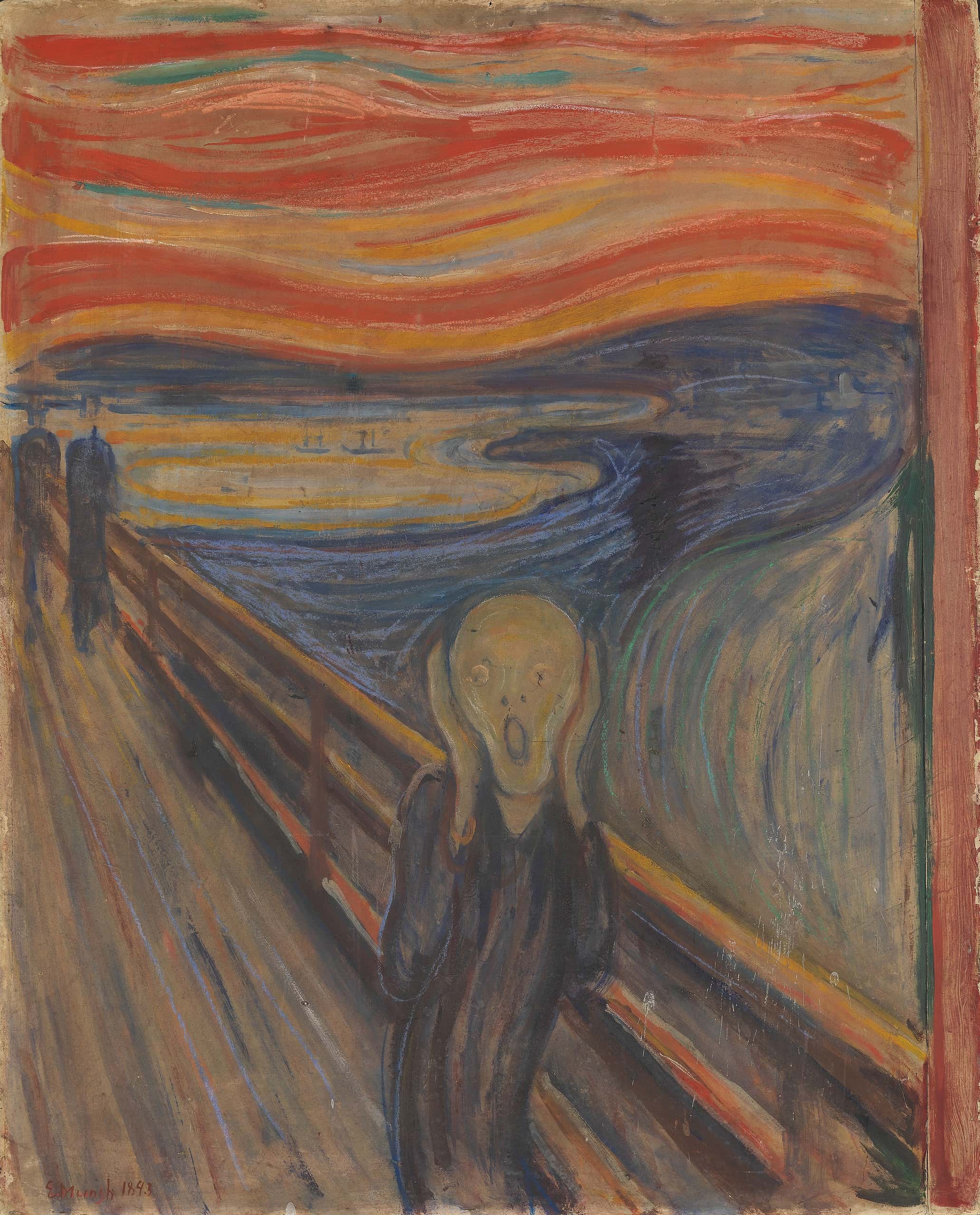
The Masterpiece: Edvard Munch's Iconic Painting 'The Scream'
Deconstructing the Masterpiece
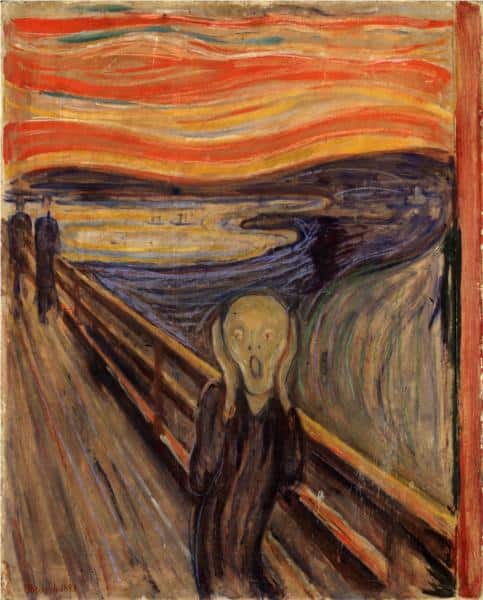
Vibrant Colors
The bold, expressive use of color enhances the emotional intensity and psychological impact of the artwork.
Distorted Forms
Exaggerated, contorted figures convey a sense of inner turmoil and existential angst, reflecting the artist's psychological state.
Simplified Background
The stark, minimalistic background focuses attention on the central figure, intensifying the feeling of isolation and despair.
Edvard Munch: An Analysis in 10 Minutes
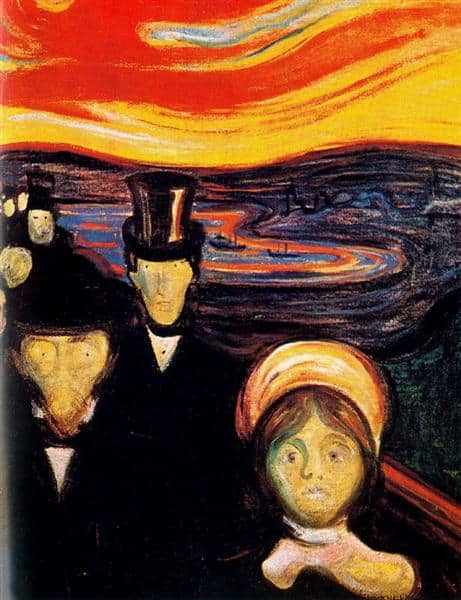
Introduction
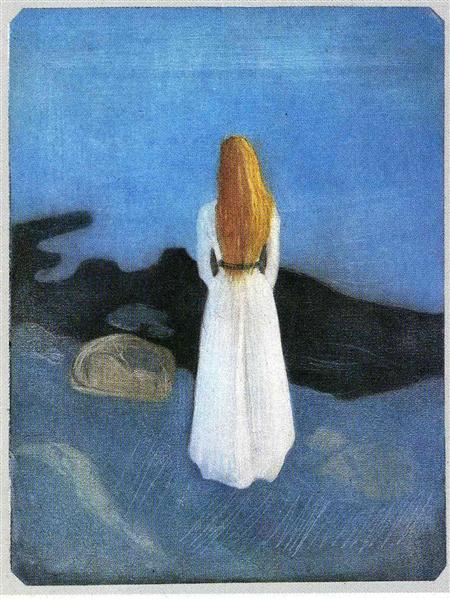
The Early Life of Edvard Munch
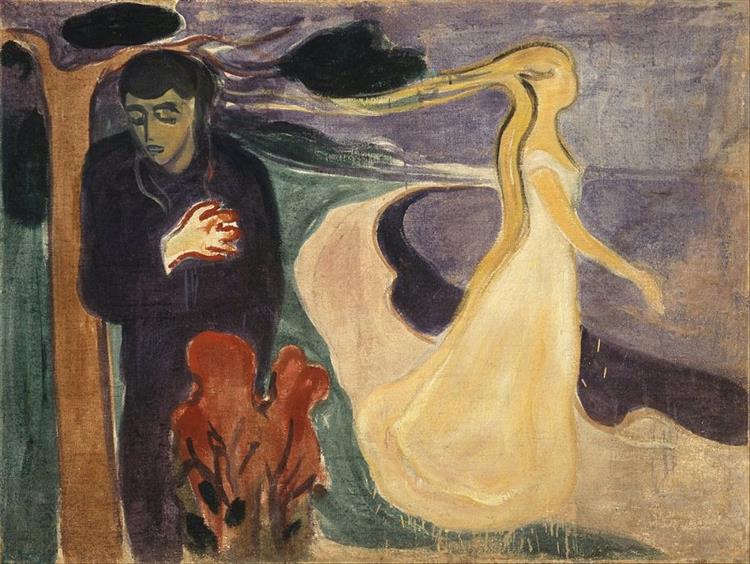
Exploring Symbolism in Munchs Art
Embracing the Art Nouveau Movement
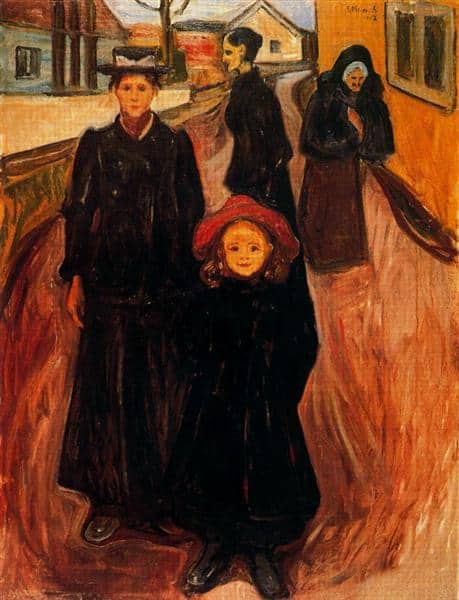
The Influence of Literature on Munchs Work
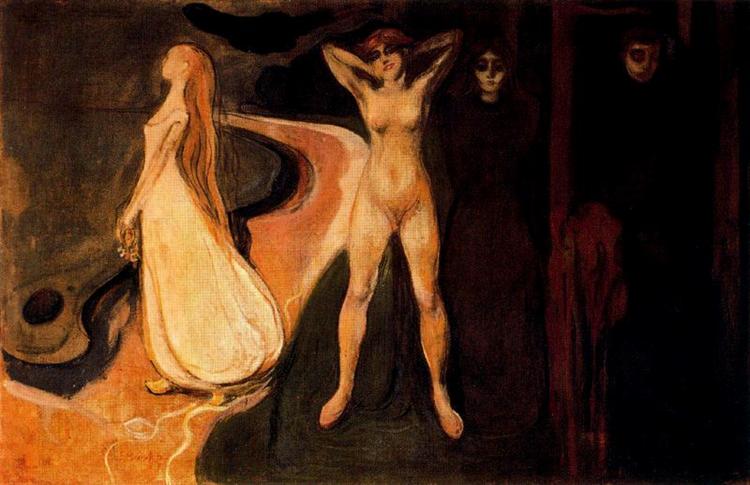
Munchs Impact on the Art World
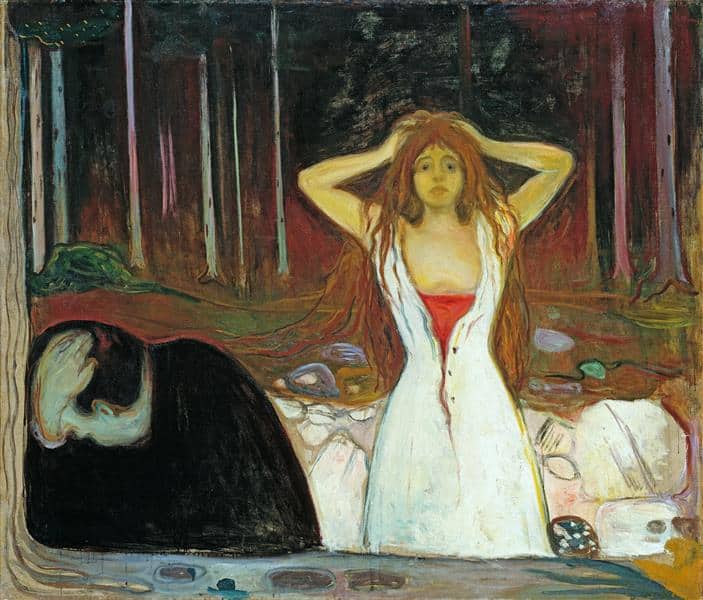
Personal Struggles and Mental Health
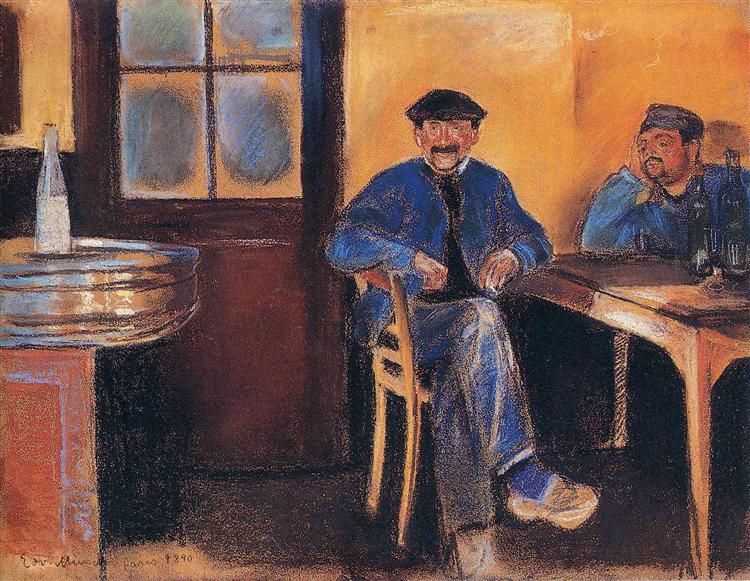
The Legacy of Edvard Munch
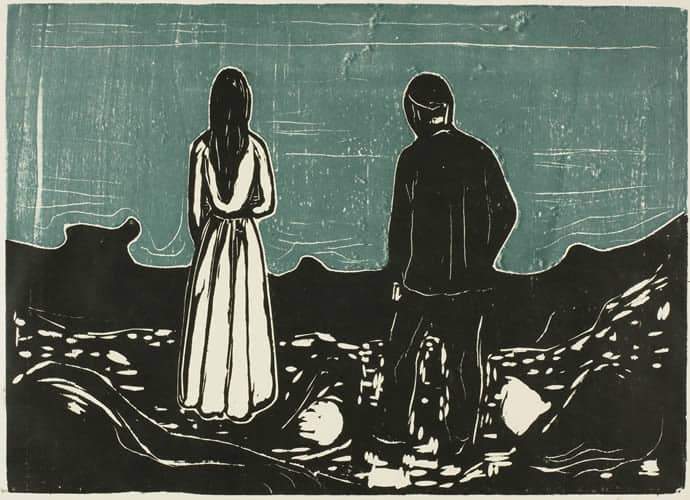
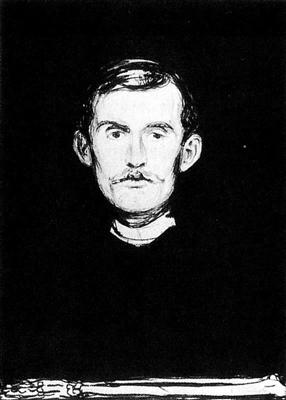
Symbolism in Munchs Self-Portraits
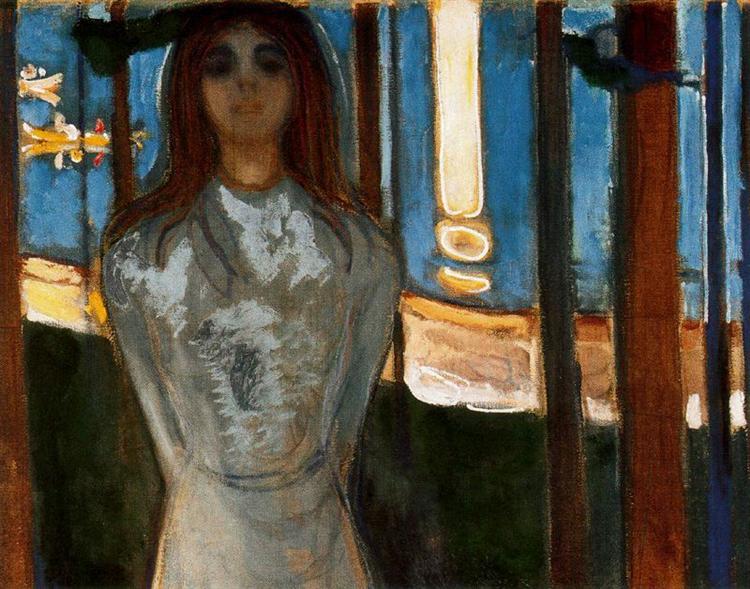
Artistic Evolution and Experimentation
Legacy and Influence on Modern Art
Lesson Details & Resources
In a Nutshell
- Artist: Edvard Munch
- Year: 1893
- Medium: Oil on canvas
- Location: National Gallery, Oslo
Vocabulary List
- Anxiety
- Munch's famous painting 'The Scream' is often associated with feelings of anxiety and fear.
- Isolation
- Many of Munch's artworks depict themes of loneliness and isolation.
- Melancholy
- The artist's use of dark colors and haunting imagery often evoke a sense of melancholy in viewers.
- Expressionism
- Munch is considered a pioneer of the expressionist movement, known for his emotive and psychological works.
- Death
- Themes of death and mortality are common in Munch's art, reflecting his own experiences with illness and loss.
- Despair
- The figures in Munch's paintings often convey a sense of despair and hopelessness.
- Madness
- Munch's work explores themes of madness and mental illness, reflecting his own struggles with anxiety and depression.
- Loneliness
- The figures in Munch's paintings often appear isolated and alone, emphasizing a sense of loneliness.
- Fear
- Munch's art often conveys a sense of fear and unease, particularly in his famous painting 'The Scream'.
- Anguish
- The contorted figures in Munch's paintings often express deep anguish and emotional turmoil.
- Darkness
- Munch's use of dark colors and shadowy imagery creates a sense of darkness and foreboding in his art.
- Sorrow
- The sorrowful expressions of Munch's figures convey a sense of deep sadness and grief.
- Uncertainty
- Munch's art often explores themes of existential uncertainty and the mysteries of human existence.
- Haunting
- Munch's paintings have a haunting quality, with their ghostly figures and eerie atmospheres.
- Introspection
- Munch's art reflects his deep introspection and self-exploration, often delving into the depths of the human psyche.
- Desperation
- The frantic gestures and distorted forms in Munch's art convey a sense of desperation and urgency.
- Alienation
- Munch's figures often appear alienated from society, reflecting the artist's own feelings of isolation and disconnection.
- Torment
- The tormented expressions of Munch's figures reveal a sense of inner torment and psychological distress.
- Vulnerability
- Munch's art captures the vulnerability and fragility of the human condition, eliciting empathy and compassion from viewers.
- Intensity
- The emotional intensity of Munch's art is palpable, drawing viewers into the raw and powerful emotions depicted in his works.
Timeline of Edvard Munch: An Analysis
Edvard Munch is born in Loten, Norway
Munch's mother dies of tuberculosis
Munch's father dies of pneumonia
Munch's sister Sophie dies of tuberculosis
Munch studies at the Royal School of Art and Design in Kristiania (now Oslo)
Munch's first solo exhibition in Kristiania
Munch's painting 'The Scream' is created
Munch's work is included in the Berlin Secession exhibition
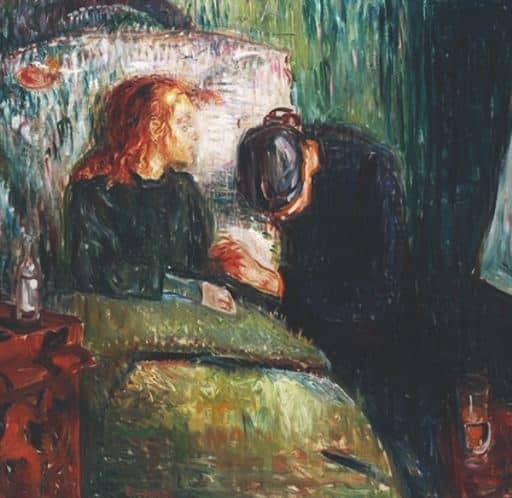
Munch's father's death inspires the painting 'The Sick Child'
Munch's works are exhibited at the World Exhibition in Paris
Munch's paintings are exhibited in Munich, Germany
Munch's mental health deteriorates, leading to a nervous breakdown
Munch's work is featured in the Armory Show in New York City
Munch's first major retrospective exhibition is held in Berlin
Munch's artwork is declared 'degenerate' by the Nazis
Munch dies in Oslo, Norway
Munch's artwork is posthumously celebrated and recognized internationally
Key Facts
This is the information used in the fact matching game
- Edvard Munch's most famous painting is 'The Scream', which has become an iconic image of existential angst and has been reproduced in various forms.
- Munch was a Norwegian painter and printmaker, known for his emotionally charged works that often explored themes of love, death, and anxiety.
- Munch's work was influenced by the Symbolist and Expressionist movements, as well as by his own experiences of illness and mental health struggles.
- He was one of the pioneers of the modern art movement, known for his innovative use of color, composition, and psychological insight.
- Munch's paintings often feature distorted figures and exaggerated emotions, reflecting his interest in the inner workings of the human psyche.
- In addition to painting, Munch was also a skilled printmaker, producing a large body of work in etching, lithography, and woodcut.
- Munch's work was controversial in his time, with some critics accusing him of being too avant-garde and radical in his approach to art.
- Munch's 'The Dance of Life' is another one of his famous works, depicting three stages of a woman's life in a single composition.
- Munch's art was influenced by his tumultuous personal life, including the deaths of his mother and sister when he was young, as well as his own struggles with mental illness.
- Munch's use of bold colors and dramatic lighting effects helped to create a sense of emotional intensity in his paintings.
- Munch's work has inspired countless artists and continues to be a source of inspiration for contemporary art movements.
- Munch's 'Madonna' is a haunting depiction of a woman with glowing eyes, symbolizing both beauty and danger.
- Munch's paintings often explore themes of love and desire, as well as the darker aspects of human relationships.
- Munch's work has been the subject of numerous exhibitions and retrospectives, showcasing his influence on modern art.
- Munch's 'Self-Portrait with Skeleton Arm' is a powerful self-portrait that reflects his fascination with death and mortality.
- Munch's use of symbolism and allegory in his paintings adds layers of meaning and depth to his work, inviting viewers to interpret his art in various ways.
- Munch's 'The Sick Child' is a poignant depiction of his sister's death from tuberculosis, reflecting his own experiences of loss and grief.
- Munch's 'Death in the Sickroom' is a somber portrayal of his family gathered around his dying sister, capturing the emotions of sorrow and despair.
- Munch's 'Vampire' is a chilling image of a woman with glowing eyes and bared teeth, symbolizing both seduction and danger.
- Munch's art continues to be celebrated for its raw emotion and psychological depth, resonating with viewers on a deeply personal level.
Analysis & Significance
Artistic Innovation
Edvard Munch’s expressive use of color, brushwork, and composition in works such as “The Scream” redefined the boundaries of emotional expression in art. His raw, visceral depictions of anxiety, despair, and isolation broke away from traditional academic conventions, paving the way for the expressionist movement.
Influence on Art History
Munch’s innovative approach to conveying intense personal emotions had a profound impact on the development of modern art. His bold use of symbolism and psychological themes influenced artists like Egon Schiele and Oskar Kokoschka, while also foreshadowing the rise of abstract expressionism and other forms of avant-garde art.
Cultural Significance Today
Today, Edvard Munch’s works, particularly “The Scream,” continue to resonate with audiences worldwide. The painting’s haunting imagery and universal themes of angst and existential dread have made it an enduring symbol of modern anxiety and alienation. Munch’s ability to capture the complexities of the human experience ensures his lasting legacy in the art world.
Edvard Munch: An Analysis Games


Take Your Learning Offline
Want a convenient, print-ready study guide for this lesson? Become a Memory Wizards Pro member to unlock the downloadable " Memory Scrolls" for this topic and our entire library!
- ✓ Complete Vocabulary Lists
- ✓ Key Facts & Timelines
- ✓ Beautifully Formatted for Print & Mobile