
How Do You Learn Best?
Learn by Reading
Immerse yourself in the 10-minute visual lesson for a comprehensive understanding of the topic.
Learn by Reviewing
Jump directly to the key facts, timeline, and vocabulary lists to build a solid foundation of details.
Learn by Doing
Challenge yourself! Jump straight into the interactive games to learn by trial, error, and discovery.
The Masterpiece: Casa_batllo_roof
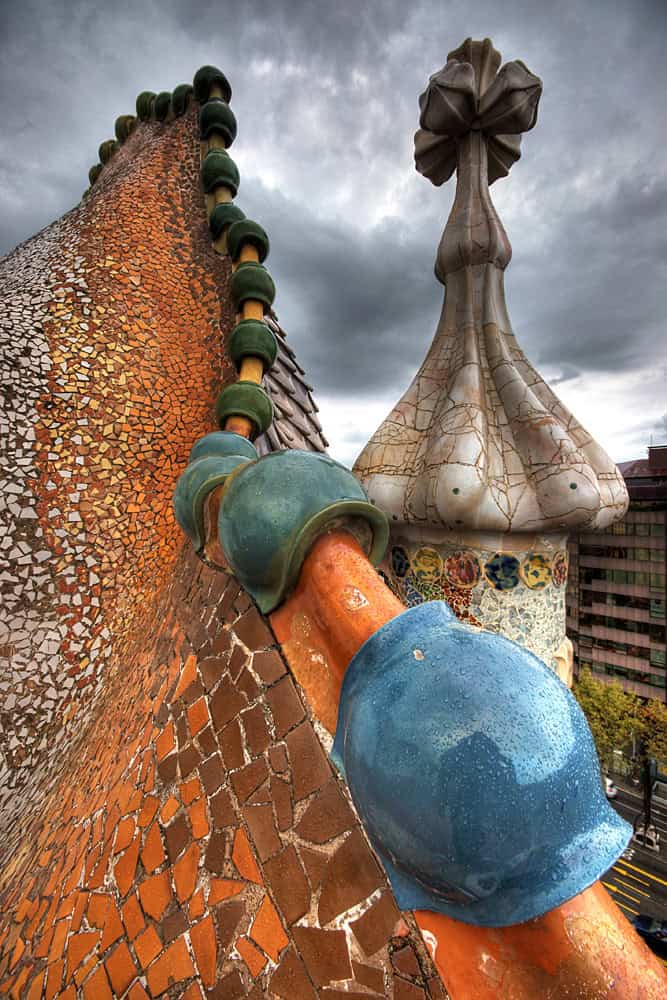
Deconstructing the Masterpiece
Organic Forms
The undulating shapes and curves mimic natural elements, such as waves and sea creatures, creating a harmonious relationship with the environment.
Colorful Mosaic
The vibrant colors and intricate mosaic patterns symbolize the diversity and richness of Catalan culture and craftsmanship.
Sculptural Chimneys
The sculptural chimneys resemble medieval knight helmets, adding a whimsical and fantastical element to the rooftop landscape.
Antoni Gaudí: An Analysis in 10 Minutes
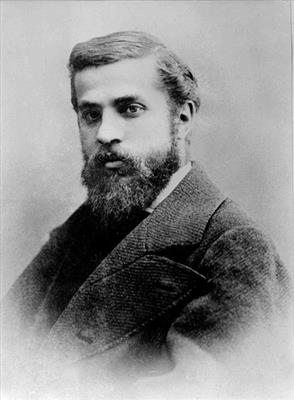
Introduction
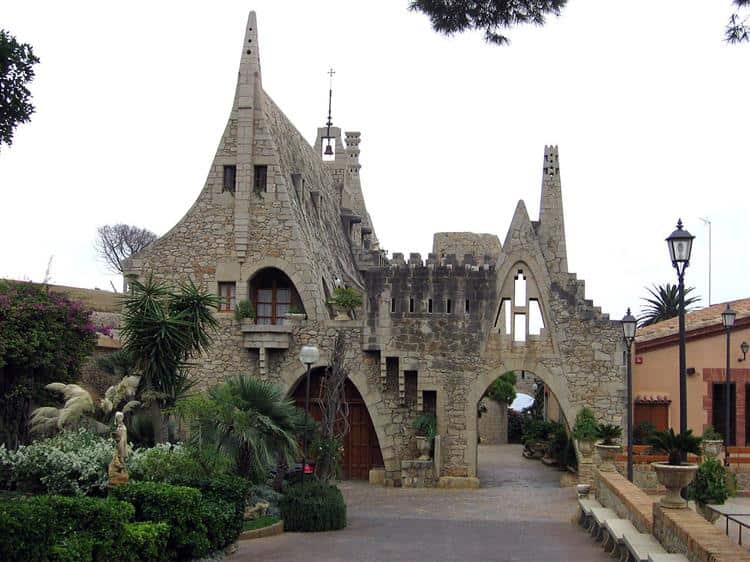
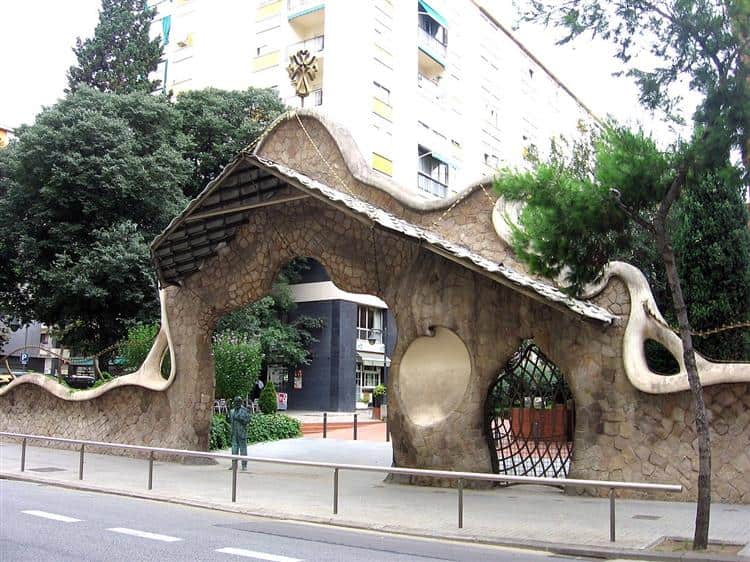
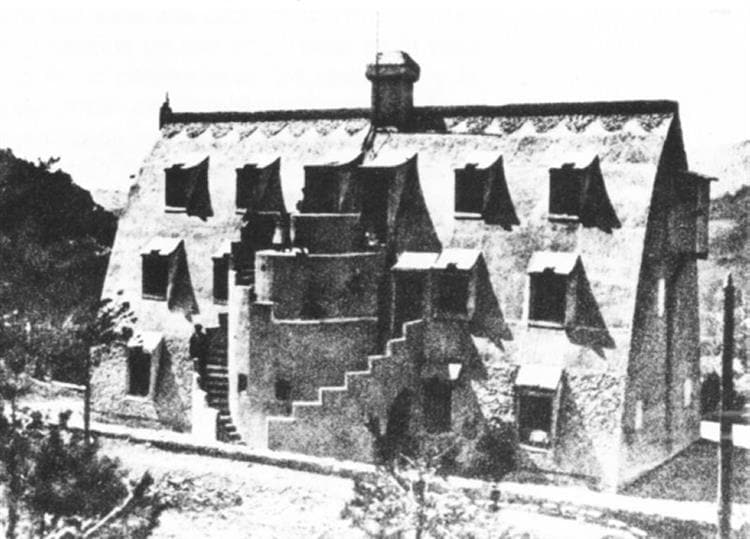
The Early Life of Antoni Gaudí
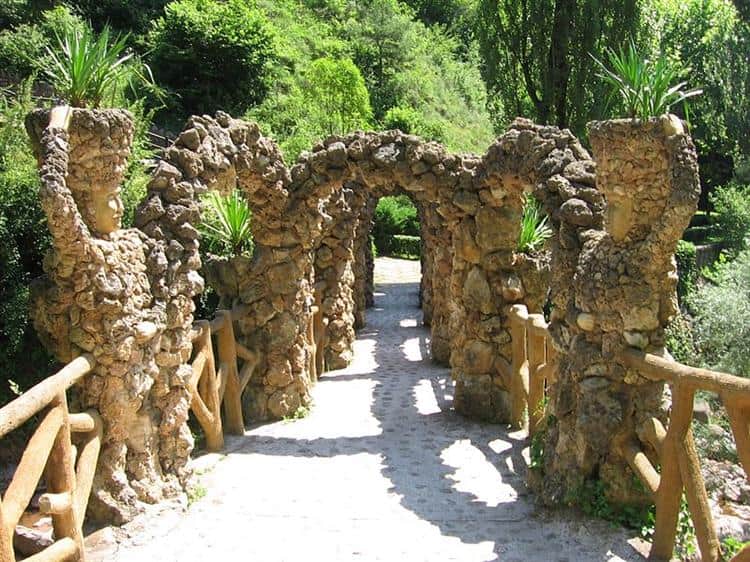
Gaudís Art Nouveau Style
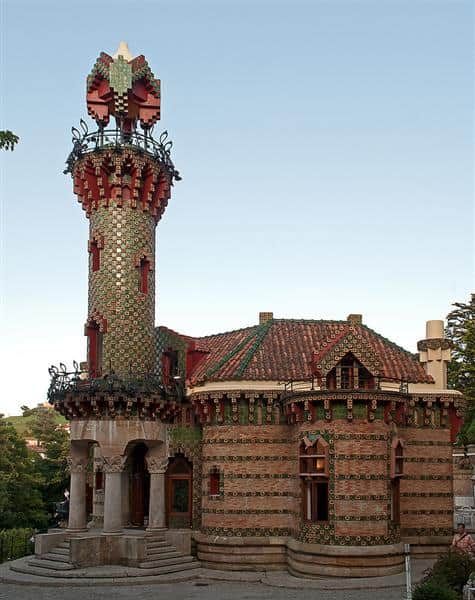
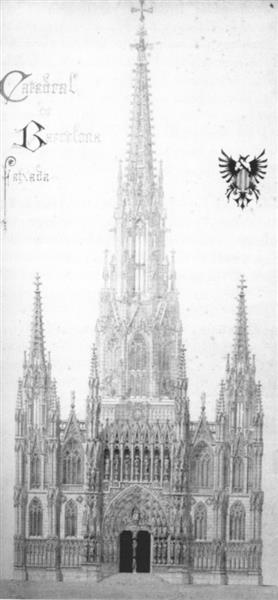
The Sagrada Família
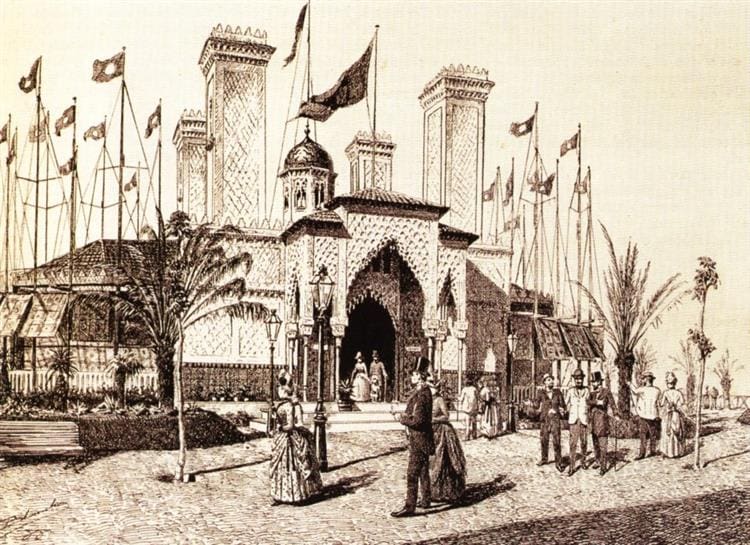
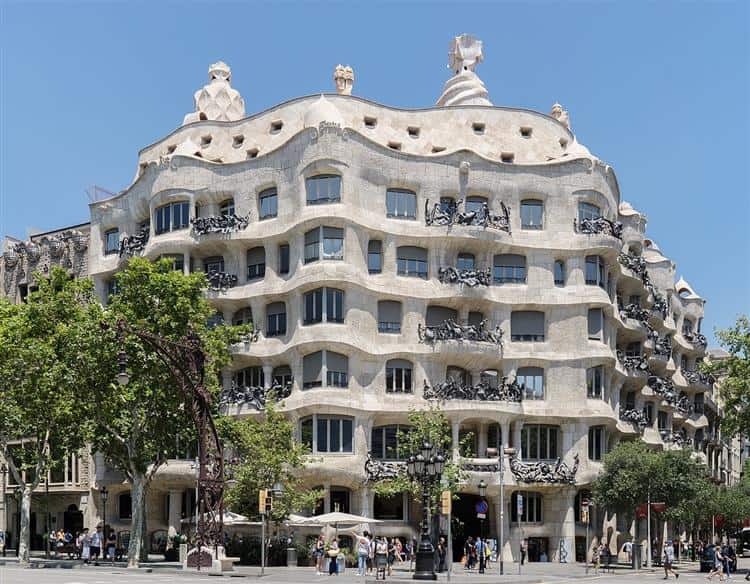
Casa Batlló and Casa Milà
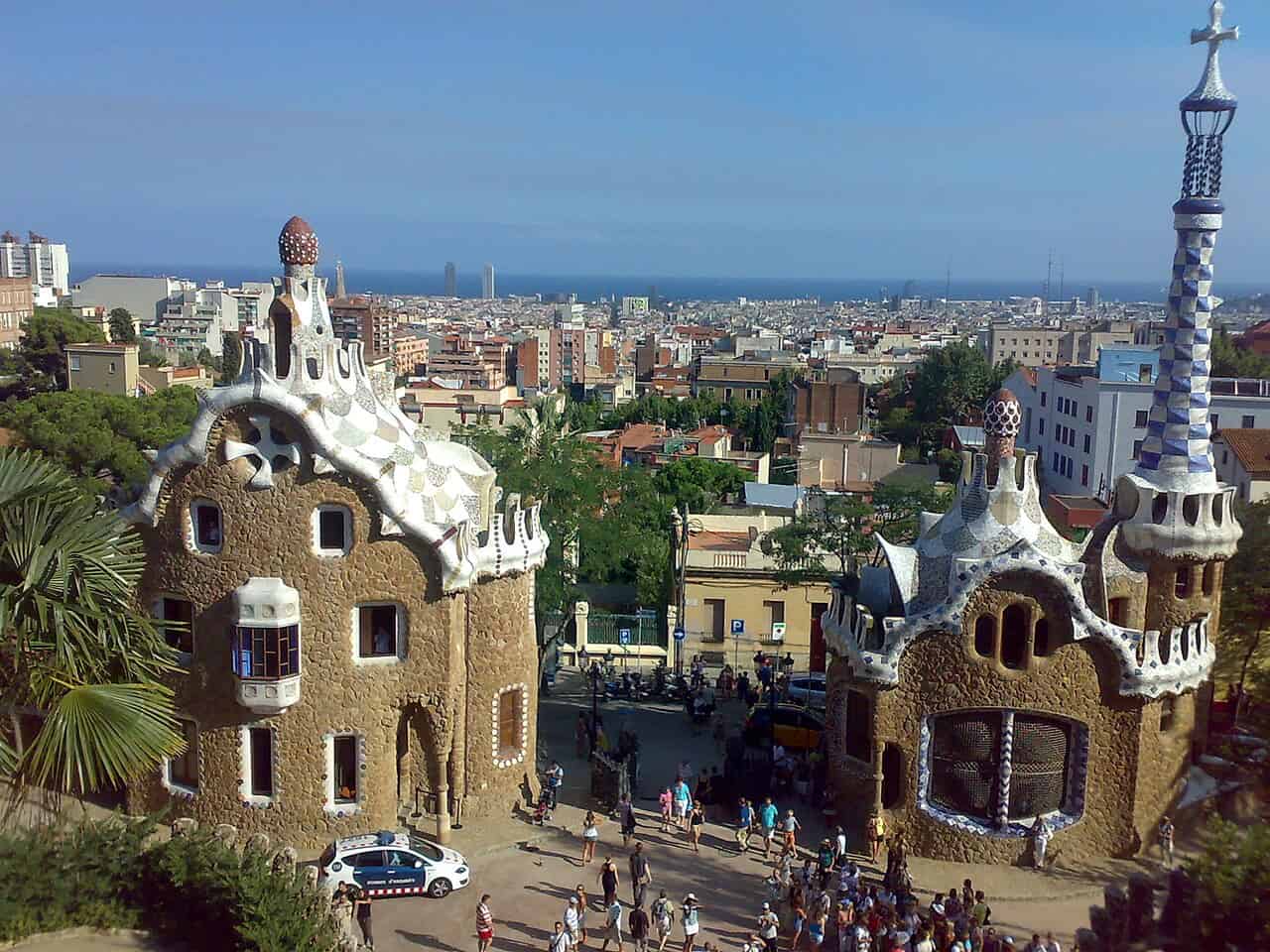
Park Güell
Symbolism in Gaudís Work
Gaudís Influence on Modern Architecture
The Legacy of Antoni Gaudí
Lesson Details & Resources
In a Nutshell
- Artist: Antoni Gaudí
- Year: 1883
- Medium: Architectural design
- Location: Sagrada Família, Barcelona
Vocabulary List
Timeline of Antoni Gaudí: An Analysis
Antoni Gaudí is born in Reus, Catalonia, Spain
Attends the School of Architecture in Barcelona
Begins working for architect Josep Fontserè
Designs his first major commission, the Casa Vicens
Becomes the lead architect of the Sagrada Família project
Designs the crypt for the Sagrada Família
Begins work on Park Güell
Begins work on Casa Batlló
Designs the Casa Milà (La Pedrera)
Suffers a tragic accident and is hit by a tram
Dies from injuries sustained in the accident
Funeral held at the Sagrada Família
Sagrada Família construction continues under various architects
Gaudí's work gains international recognition and acclaim
Sagrada Família declared a UNESCO World Heritage Site
Casa Vicens opens to the public as a museum
Completion of the Sagrada Família's main nave and façade
Gaudí's canonization cause officially opened by the Vatican
Sagrada Família expected to be completed
Key Facts
This is the information used in the fact matching game
- Antoni Gaudí was a Catalan architect known for his unique and distinctive style.
- Gaudí's most famous work is the Sagrada Familia in Barcelona, Spain.
- He was a leader of the Modernist movement in architecture.
- Gaudí's designs were heavily influenced by nature, religion, and his Catalan heritage.
- He often used hyperbolic paraboloid shapes and intricate tile mosaics in his buildings.
- Gaudí's work is characterized by its organic forms and colorful decoration.
- He was a devout Catholic and incorporated religious symbolism into many of his designs.
- Gaudí's Park Güell in Barcelona is a UNESCO World Heritage site.
- He was known for his attention to detail and meticulous craftsmanship.
- Gaudí's buildings often feature intricate wrought ironwork and stained glass windows.
- He designed several private residences in Barcelona, including Casa Batlló and Casa Milà.
- Gaudí's work was not widely appreciated during his lifetime, but has since become iconic.
- He was tragically struck by a tram in Barcelona in 1926 and died a few days later.
- Gaudí's unfinished masterpiece, the Sagrada Familia, is still under construction and is expected to be completed in the early 2020s.
- He drew inspiration from Gothic architecture, as well as Moorish and Oriental art.
- Gaudí was known for his use of catenary arches, which mimic the natural curve of a hanging chain.
- His designs often incorporated elements of Catalan nationalism and regional pride.
- Gaudí's work has had a lasting impact on the city of Barcelona and the field of architecture as a whole.
- He was posthumously declared a saint by the Russian Orthodox Church.
- Gaudí's designs are often considered to be ahead of their time and continue to inspire architects and artists today.
Analysis & Significance
Artistic Innovation
Antoni Gaudí’s architectural style, known as Modernisme, introduced a unique blend of organic forms, vibrant colors, and intricate detailing inspired by nature. His use of innovative structural techniques, such as hyperbolic paraboloids and trencadís mosaic work, pushed the boundaries of traditional architecture and created a sense of whimsy and fantasy in his designs.
Influence on Art History
Gaudí’s work not only influenced the Catalan Modernisme movement but also had a profound impact on the development of 20th-century architecture. His organic forms and innovative use of materials inspired future architects, such as Frank Lloyd Wright and Le Corbusier, and contributed to the emergence of Art Nouveau and the broader Modernist movement.
Cultural Significance Today
Today, Gaudí’s masterpieces, such as the Sagrada Família and Casa Batlló, continue to attract millions of visitors each year, showcasing his visionary approach to architecture. His buildings are recognized as UNESCO World Heritage Sites and have become iconic symbols of Barcelona, drawing admirers from around the world who are captivated by his unique blend of art, architecture, and nature.
Antoni Gaudí: An Analysis Games


Take Your Learning Offline
Want a convenient, print-ready study guide for this lesson? Become a Memory Wizards Pro member to unlock the downloadable " Memory Scrolls" for this topic and our entire library!
- ✓ Complete Vocabulary Lists
- ✓ Key Facts & Timelines
- ✓ Beautifully Formatted for Print & Mobile