
How Do You Learn Best?
Learn by Reading
Immerse yourself in the 10-minute visual lesson for a comprehensive understanding of the topic.
Learn by Reviewing
Jump directly to the key facts, timeline, and vocabulary lists to build a solid foundation of details.
Learn by Doing
Challenge yourself! Jump straight into the interactive games to learn by trial, error, and discovery.
The Masterpiece: The Object

Deconstructing the Masterpiece
Surrealistic Composition
Combining unexpected objects in a dreamlike arrangement challenges traditional notions of reality and invites viewers to question their perceptions.
Absurdity
The placement of a fur-lined teacup on a saucer subverts the familiar, transforming everyday objects into something strange and uncanny.
Texture Play
Oppenheim's use of contrasting textures, like smooth porcelain and soft fur, creates tactile interest and adds a sensory dimension to the work.
The Uncanny: An Analysis in 10 Minutes
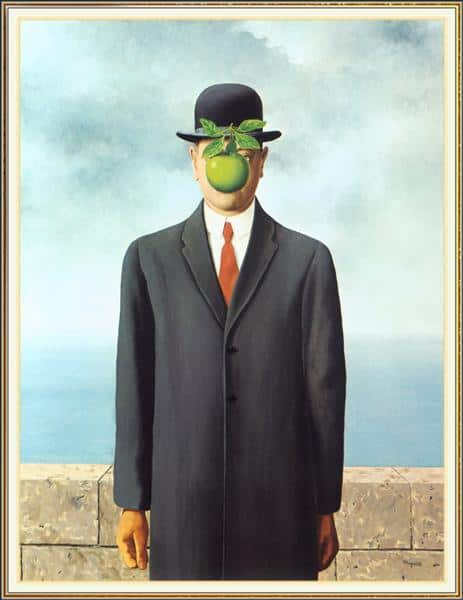
Introduction
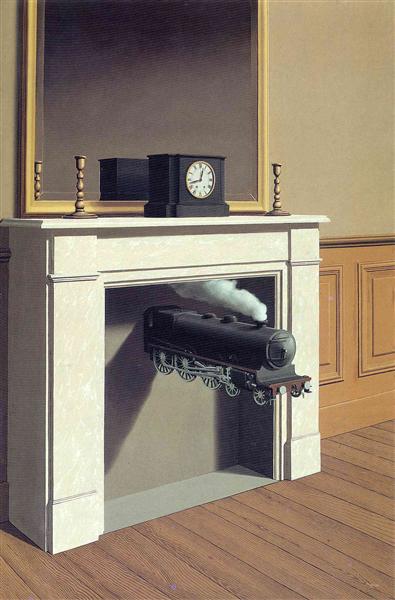
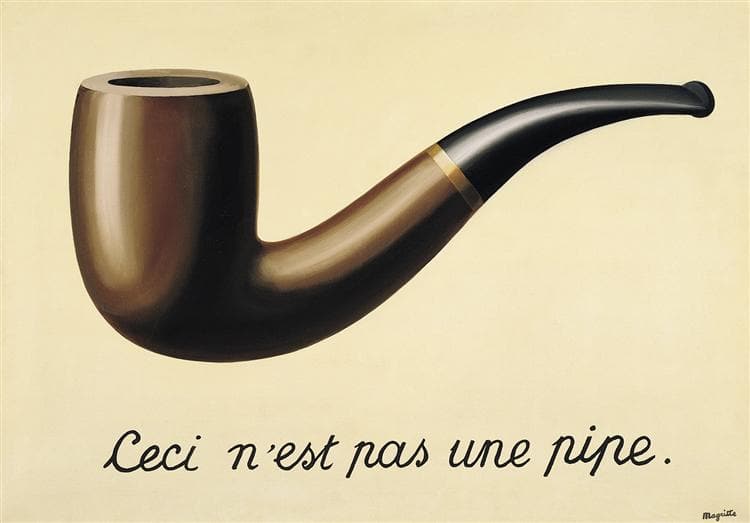
Exploring the Concept of the Uncanny
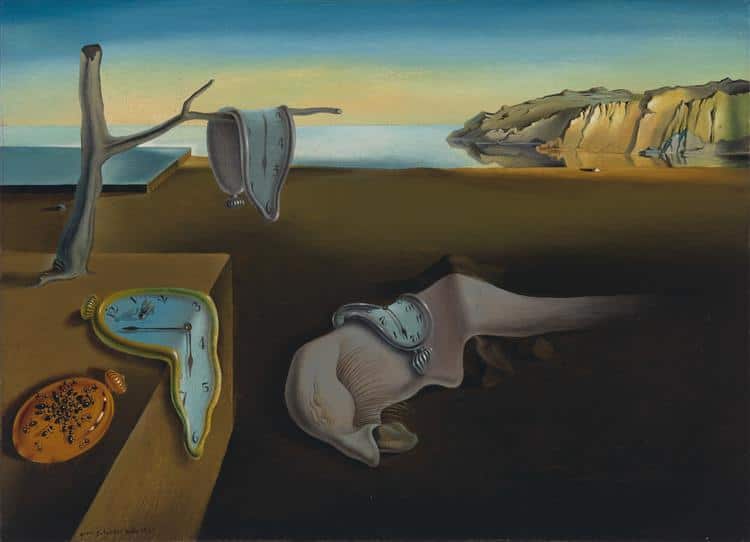
Freuds Influence on Surrealism
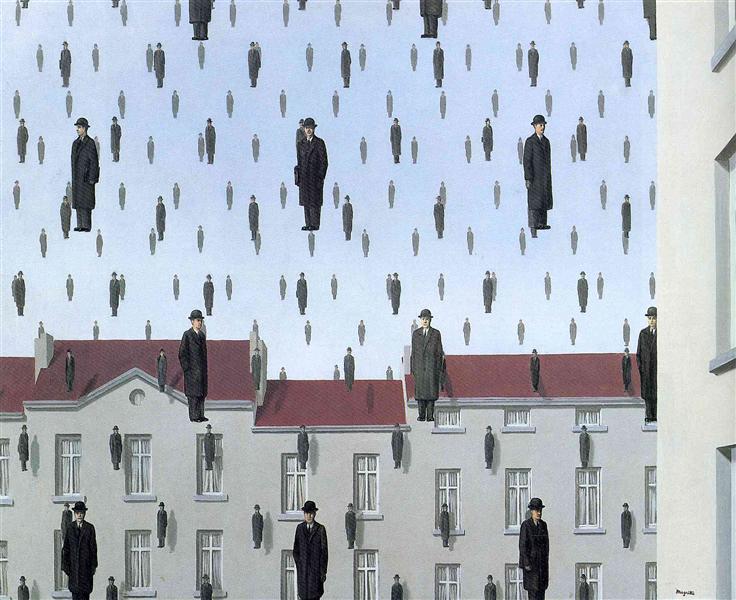
The Power of Surrealist Art
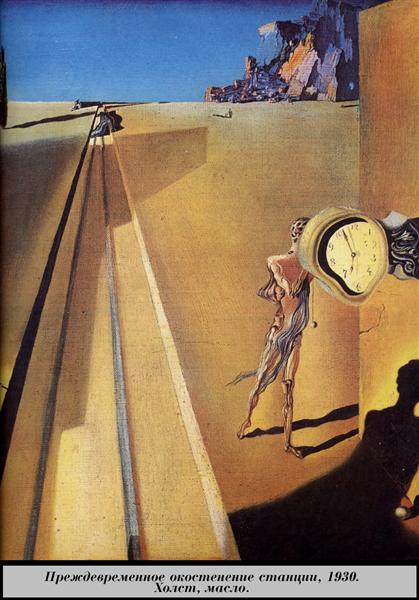
The Influence of the Uncanny in Surrealist Literature
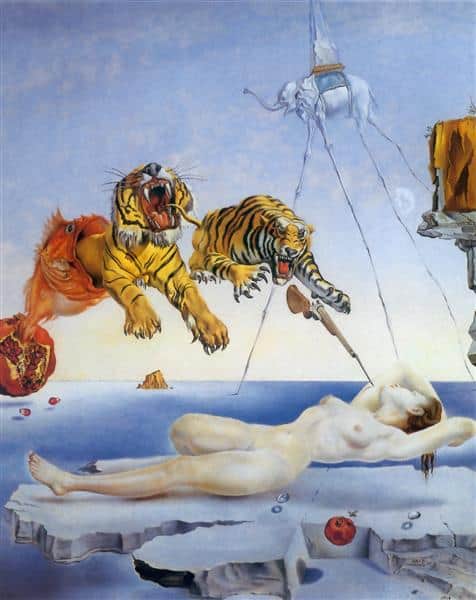
The Role of the Uncanny in Surrealist Film
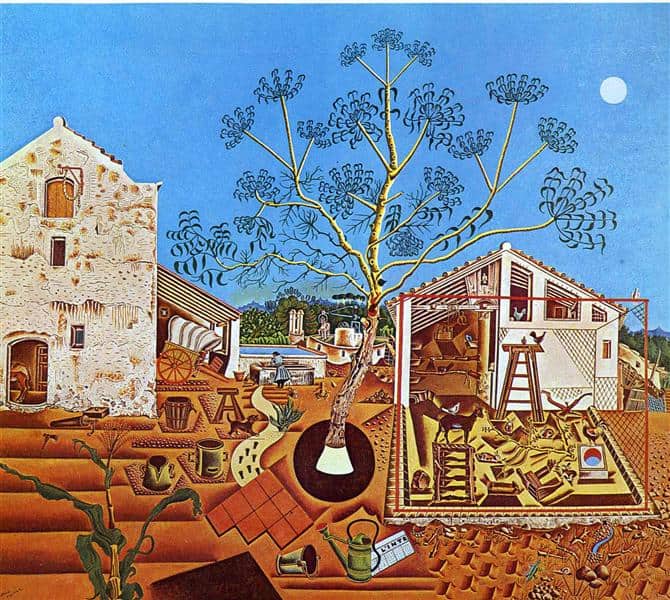
The Legacy of the Uncanny in Surrealism
Lesson Details & Resources
In a Nutshell
- Artist: Salvador Dali
- Year: 1930
- Medium: Oil on canvas
- Location: Museum Boijmans Van Beuningen, Rotterdam
Vocabulary List
- Eerie
- The eerie feeling of being watched in a deserted art gallery.
- Disturbing
- The disturbing imagery of a doll with human features.
- Alienation
- The sense of alienation experienced when viewing abstract art.
- Uncertain
- The uncertain nature of the distorted figures in the painting.
- Sinister
- The sinister undertones of the dark, foreboding landscape.
- Otherworldly
- The otherworldly creatures depicted in the artist's work.
- Mysterious
- The mysterious aura surrounding the hidden meanings in the artwork.
- Unnerving
- The unnerving sensation of seeing a familiar object in an unfamiliar setting.
- Creepy
- The creepy atmosphere created by the artist's use of shadows and light.
- Macabre
- The macabre subject matter of the painting, depicting death and decay.
- Ghostly
- The ghostly figures that haunt the background of the artwork.
- Supernatural
- The supernatural elements present in the artist's fantastical compositions.
- Surreal
- The surreal quality of the dreamlike landscapes in the painting.
- Phantom
- The phantom-like figure that appears to float ethereally in the artwork.
- Hallucinatory
- The hallucinatory effects of the artist's use of vibrant colors and swirling patterns.
- Bizarre
- The bizarre combination of objects that defy logic in the composition.
- Ghastly
- The ghastly depiction of a nightmare scene in the artist's work.
- Haunting
- The haunting beauty of the abandoned building captured in the painting.
- Enigmatic
- The enigmatic smile on the subject's face that leaves viewers puzzled.
- Foreboding
- The foreboding sense of impending doom conveyed through the artist's use of symbolism.
Timeline of The Uncanny: An Analysis
Sigmund Freud introduces the concept of 'the uncanny' in his essay 'The Uncanny' in 1919
Freud defines 'the uncanny' as the unsettling feeling of familiarity and strangeness at the same time
The Surrealists embrace Freud's concept of 'the uncanny' as a central theme in their art and literature
Salvador Dali incorporates elements of 'the uncanny' in his surrealist paintings, such as 'The Persistence of Memory'
Andre Breton publishes 'The Surrealist Manifesto' which discusses the importance of 'the uncanny' in Surrealist art
Fritz Lang's film 'Metropolis' features uncanny elements in its futuristic dystopian setting
H.P. Lovecraft writes horror fiction that often explores themes of 'the uncanny' and cosmic horror
Alfred Hitchcock's film 'Psycho' uses uncanny elements to create a sense of unease and suspense
David Lynch's TV series 'Twin Peaks' incorporates elements of 'the uncanny' in its surreal and mysterious storyline
The Uncanny X-Men comic book series introduces characters with supernatural powers and abilities
Guillermo del Toro's film 'Pan's Labyrinth' features uncanny creatures and fantastical elements
Shirley Jackson's novel 'The Haunting of Hill House' explores themes of 'the uncanny' in a haunted house setting
Stephen King's novel 'It' features an uncanny clown as the main antagonist
Jordan Peele's film 'Get Out' uses 'the uncanny' to explore themes of racism and social issues
The video game 'Silent Hill' creates an uncanny atmosphere through its eerie setting and disturbing creatures
Edgar Allan Poe's short stories often evoke feelings of 'the uncanny' through their dark and mysterious themes
The concept of 'the uncanny' continues to influence literature, art, film, and popular culture to this day
Key Facts
This is the information used in the fact matching game
- The concept of the uncanny was first introduced by Sigmund Freud in his essay 'The Uncanny' in 1919.
- The uncanny plays a significant role in Surrealist art, as artists sought to evoke feelings of unease and mystery in their work.
- The uncanny often involves a sense of familiarity mixed with strangeness, creating a sense of cognitive dissonance in the viewer.
- Objects that are uncanny are often described as having a 'double' or 'doppelgänger' quality, where they appear both familiar and alien at the same time.
- The uncanny can manifest in various forms in art, including distorted or exaggerated proportions, eerie lighting, and surreal compositions.
- Artists like Salvador Dali and Rene Magritte were known for their use of uncanny imagery in their paintings, challenging viewers to question reality and perception.
- The uncanny is often associated with themes of death, decay, and the supernatural, creating a sense of foreboding and unease in the viewer.
- The uncanny can also be found in literature, film, and other forms of media, where it serves to provoke feelings of fear, anxiety, and fascination.
- Freud believed that the uncanny was linked to repressed childhood memories and fears, which resurface in adulthood through art and other forms of expression.
- The uncanny is often used as a tool to subvert traditional notions of beauty, harmony, and order in art, challenging viewers to confront their own perceptions and biases.
- The uncanny has been a recurring theme in horror literature and cinema, where it is used to create a sense of dread and suspense in the audience.
- The Surrealists believed that the uncanny was a powerful tool for exploring the subconscious mind and unlocking hidden desires and fears.
- The uncanny is often associated with dreams, nightmares, and other states of altered consciousness, where reality and fantasy blur together.
- The uncanny can evoke a sense of déjà vu in the viewer, as if they have experienced the same situation or image before, but cannot quite place it.
- The uncanny is often used as a metaphor for the human condition, reflecting our deepest fears, desires, and anxieties in a distorted or exaggerated form.
- The uncanny challenges traditional notions of realism and representation in art, inviting viewers to question what is real and what is imagined.
- The uncanny can provoke a range of emotional responses in viewers, from fascination and curiosity to fear and discomfort.
- The uncanny is often used as a form of social critique, challenging conventional norms and values through its subversive and unsettling imagery.
- The uncanny blurs the boundaries between reality and fantasy, inviting viewers to explore the liminal spaces between the conscious and unconscious mind.
- The uncanny is a key theme in postmodern art, where artists seek to disrupt and challenge traditional modes of representation and interpretation.
Analysis & Significance
Artistic Innovation
With “The Uncanny,” artist Ernst Ludwig Kirchner introduced a raw and emotionally charged style that captured the anxiety and disorientation of post-World War I Germany. His use of bold colors, distorted forms, and jagged lines conveyed a sense of unease and fragmentation, reflecting the psychological turmoil of the era.
Influence on Art History
“The Uncanny” marked the birth of German Expressionism, a movement that prioritized subjective emotion and psychological depth over traditional representation. Kirchner’s intense, almost primitive approach to depicting the human figure inspired a generation of artists to explore the darker aspects of the human experience and paved the way for the development of modern art forms.
Cultural Significance Today
Today, “The Uncanny” is regarded as a masterpiece of early 20th-century art, celebrated for its bold experimentation and emotional intensity. Its raw and visceral depiction of human emotions continues to resonate with audiences, reminding us of the enduring power of art to capture and reflect the complexities of the human condition.
The Uncanny: An Analysis Games


Take Your Learning Offline
Want a convenient, print-ready study guide for this lesson? Become a Memory Wizards Pro member to unlock the downloadable " Memory Scrolls" for this topic and our entire library!
- ✓ Complete Vocabulary Lists
- ✓ Key Facts & Timelines
- ✓ Beautifully Formatted for Print & Mobile