
Foundationalism: The Pyramid Of Belief
Unravel the mystery: Is truth built on unshakeable foundations?
How Do You Learn Best?
Learn by Reading
Immerse yourself in the 10-minute visual lesson for a comprehensive understanding of the topic.
Learn by Reviewing
Jump directly to the key facts, timeline, and vocabulary lists to build a solid foundation of details.
Learn by Doing
Challenge yourself! Jump straight into the interactive games to learn by trial, error, and discovery.
Foundationalism: The Pyramid Of Belief in 10 Minutes
Introduction



Rene Descartes

John Locke

Immanuel Kant

The Origins of Foundationalism

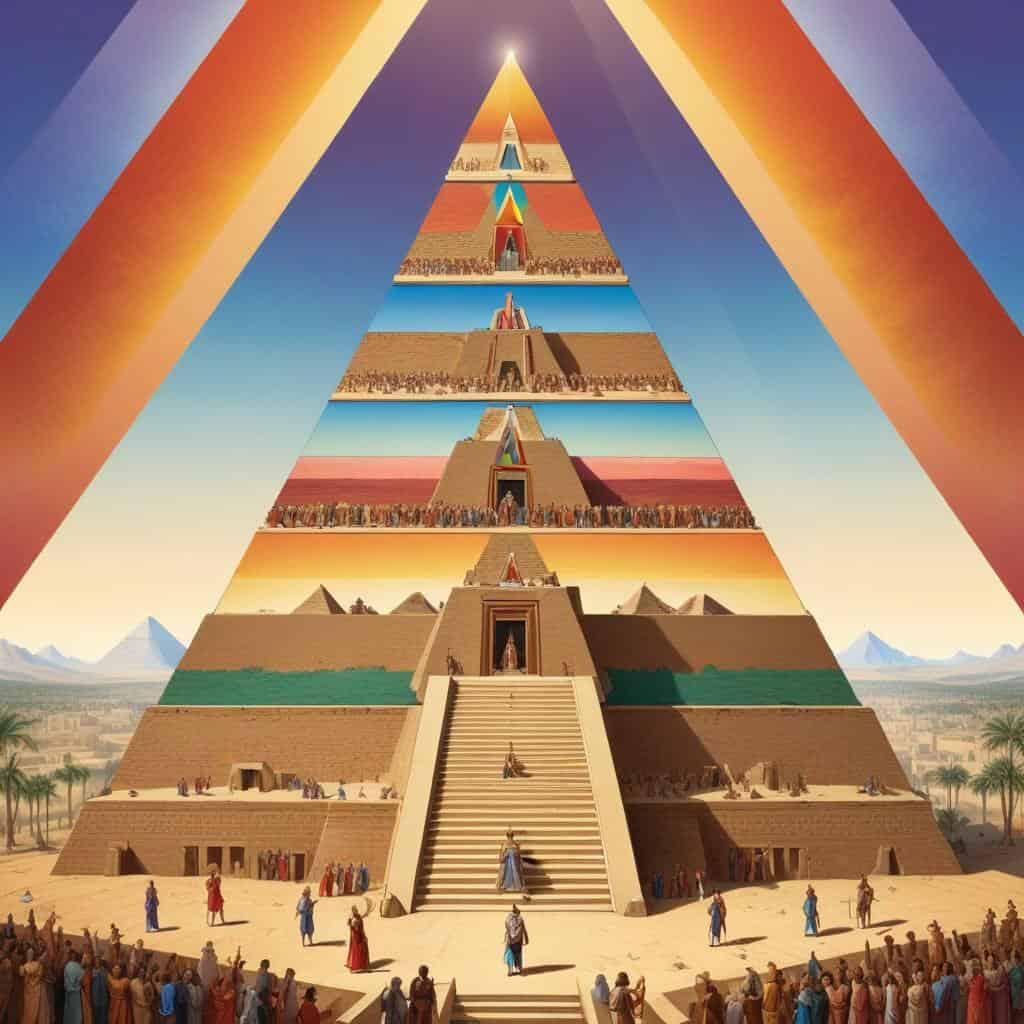
The Pyramid of Belief

Critiques of Foundationalism
Responses to Critiques
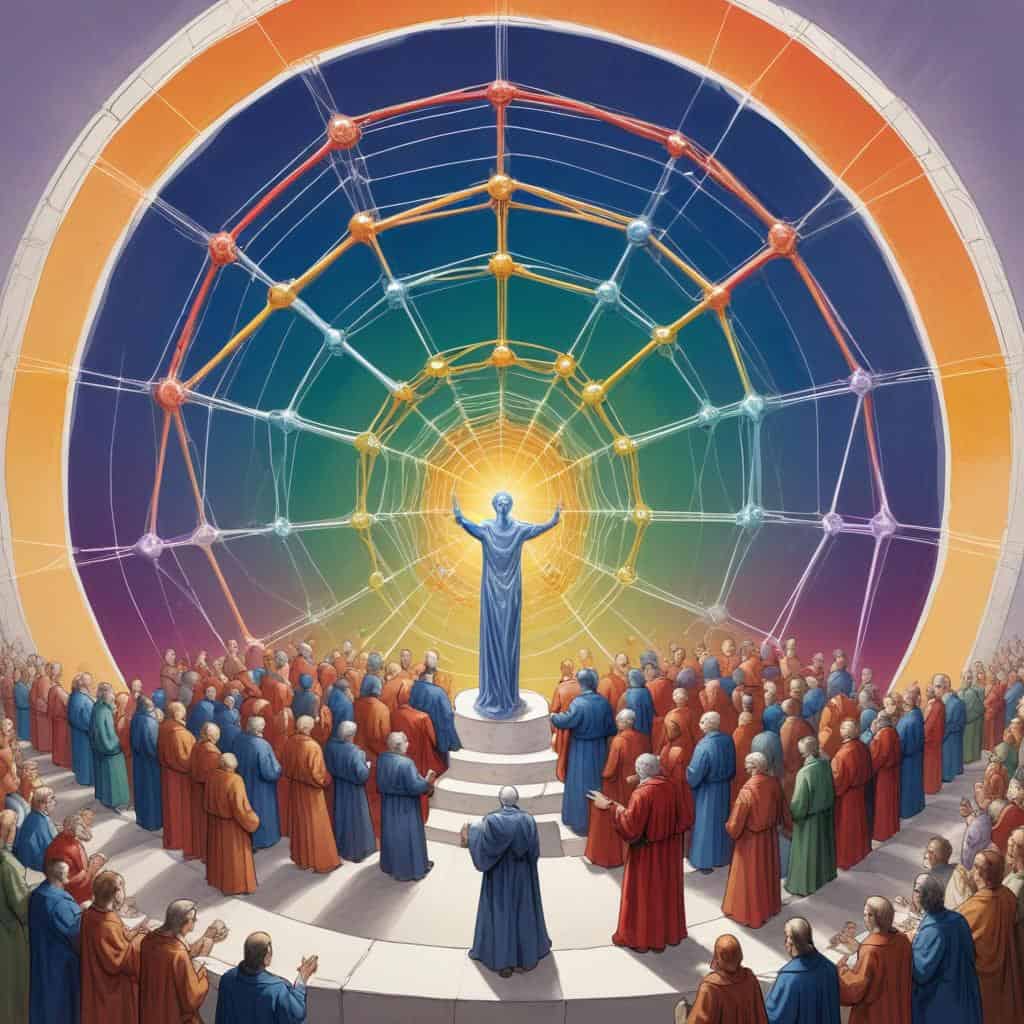
Epistemic Justification

Internal and External Justification

The Search for Foundational Beliefs

Applications of Foundationalism
Foundationalism in Contemporary Philosophy
Lesson Details & Resources
In a Nutshell
- Concept: A theory of epistemology that posits beliefs are justified if they are based on a foundation of indubitable beliefs.
- Thinkers: René Descartes, 17th Century.
- Central Question: How can we justify our beliefs and establish a solid foundation for knowledge?
- Core Implication: Knowledge is built upon a secure foundation of certain, self-evident beliefs, forming a pyramid of justified beliefs.
Timeline of Foundationalism: The Pyramid Of Belief
Vocabulary List
Key Facts
Analysis & Significance
The Core Argument
Foundationalism posits that beliefs are structured like a pyramid, with foundational beliefs forming the base and supporting higher-order beliefs. This hierarchical structure is meant to provide a secure foundation for knowledge and justification, with basic beliefs serving as the starting point for reasoning and inference.
Criticisms and Counterarguments
Critics of foundationalism argue that it faces challenges such as the problem of infinite regress, where the justification for foundational beliefs themselves require further justification, leading to an endless chain of reasons. Others contend that coherentism offers a more plausible alternative, suggesting that beliefs form a web of interconnected support rather than a strict hierarchy.
Modern Relevance
The concept of foundationalism remains relevant in contemporary debates over epistemology and ethics. In an era of information overload and fake news, the need for a reliable foundation for knowledge and belief is more pressing than ever. Understanding how our beliefs are structured and justified can help us navigate the complexities of modern society and make informed decisions in an increasingly uncertain world.
Foundationalism: The Pyramid Of Belief Games


Take Your Learning Offline
Want a convenient, print-ready study guide for this lesson? Become a Memory Wizards Pro member to unlock the downloadable " Memory Scrolls" for this topic and our entire library!
- ✓ Complete Vocabulary Lists
- ✓ Key Facts & Timelines
- ✓ Beautifully Formatted for Print & Mobile