The Stoic Practice Of Self-discipline

Can we master our desires and emotions through self-discipline?

How Do You Learn Best?

Note: You can explore any or all of these paths in any order you prefer!

The Stoic Practice Of Self-discipline in 10 Minutes
Introduction

Introduction

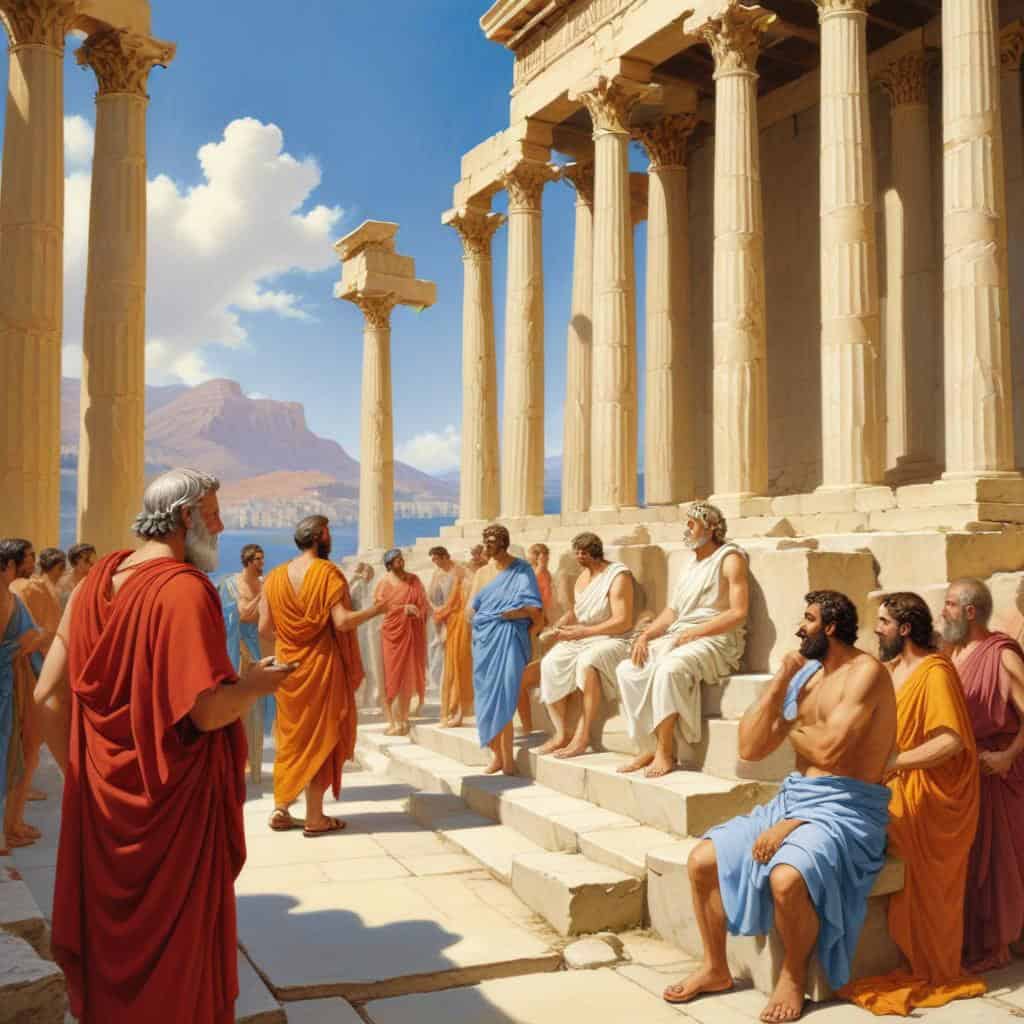
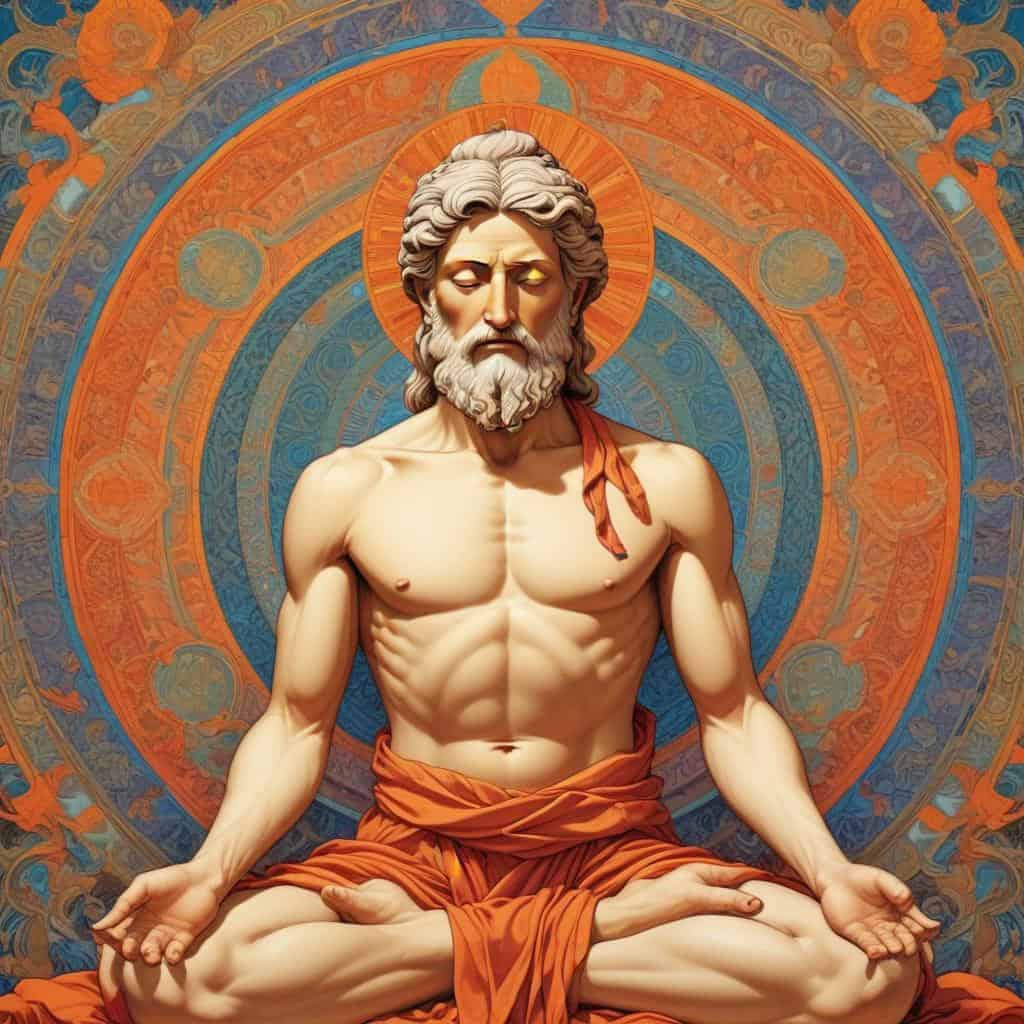
Stoicism, an ancient philosophy founded in Athens by Zeno of Citium in the early 3rd century BC, emphasizes the importance of self-discipline and self-control as key virtues in leading a virtuous and fulfilling life. The Stoics believed that by mastering self-discipline, one could achieve inner peace and tranquility, regardless of external circumstances or challenges.

In this article, we will explore the Stoic practice of self-discipline, examining key principles and techniques that can help individuals develop greater control over their thoughts, emotions, and actions. By cultivating self-discipline, Stoics believed that individuals could free themselves from the tyranny of their desires and impulses, leading to a life of greater clarity, focus, and resilience.

From Marcus Aurelius to Epictetus, many of the great Stoic philosophers emphasized the importance of self-discipline as a means of achieving true freedom and happiness. By learning to govern our own minds and behaviors, we can navigate life's challenges with grace and wisdom, embodying the Stoic ideal of living in accordance with nature and reason.

Epictetus

Epictetus

Epictetus was a Greek Stoic philosopher who emphasized the importance of self-discipline and self-control in achieving inner peace and tranquility. He believed that individuals should focus on what they can control and accept what they cannot, practicing self-discipline in all aspects of life.

Seneca

Seneca

Seneca, a Roman Stoic philosopher, also emphasized the practice of self-discipline as a means to achieve a virtuous and fulfilling life. He believed that by mastering self-control, individuals could overcome the temptations and distractions of the external world, leading to a more content and centered existence.

Marcus Aurelius

Marcus Aurelius

As a Roman emperor and Stoic philosopher, Marcus Aurelius practiced self-discipline as a way to uphold his duties and responsibilities with integrity and humility. He believed that by exercising self-control over his thoughts and actions, he could maintain a sense of inner calm and clarity, even in the face of adversity.

Understanding Stoicism

Understanding Stoicism

Stoicism is a philosophy that originated in ancient Greece and Rome, focusing on self-control, virtue, and acceptance of the things we cannot change. The Stoics believed in living in harmony with nature and practicing self-discipline to achieve inner peace and contentment.

Embracing Self-Discipline

Embracing Self-Discipline

Self-discipline is a key tenet of Stoicism, as it allows individuals to control their emotions and desires, leading to a more balanced and fulfilling life. By practicing self-discipline, individuals can overcome obstacles, resist temptations, and stay focused on their goals.

Setting Goals and Priorities

Setting Goals and Priorities

Stoics believe in setting clear goals and priorities to guide their actions and decisions. By defining what is truly important to them, individuals can avoid distractions and stay on the path to self-improvement and personal growth.

Maintaining a Routine

Maintaining a Routine

Establishing a daily routine is essential for practicing self-discipline in Stoicism. By creating habits and sticking to a schedule, individuals can cultivate a sense of order and control in their lives, leading to increased productivity and success.

Practicing Mindfulness

Practicing Mindfulness

Mindfulness is a key practice in Stoicism, as it allows individuals to stay present in the moment and be aware of their thoughts and actions. By practicing mindfulness, individuals can better control their impulses and make more intentional decisions.

Accepting Impermanence

Accepting Impermanence

Stoics believe in accepting the impermanence of life and the inevitability of change. By embracing this philosophy, individuals can let go of their attachments to material possessions and external circumstances, leading to a sense of inner peace and contentment.

Cultivating Virtue

Cultivating Virtue

Stoics emphasize the importance of cultivating virtue in all aspects of life, including wisdom, courage, justice, and temperance. By embodying these virtues, individuals can become the best versions of themselves and lead a life of moral excellence and integrity.

Practicing Gratitude

Practicing Gratitude

Gratitude is a key practice in Stoicism, as it allows individuals to appreciate the present moment and find joy in the simple pleasures of life. By practicing gratitude, individuals can shift their focus from what they lack to what they have, leading to a greater sense of fulfillment and happiness.

Overcoming Adversity

Overcoming Adversity

Stoics believe in facing adversity with courage and resilience, viewing challenges as opportunities for growth and self-improvement. By embracing difficulties and setbacks, individuals can develop their character and strengthen their resolve to overcome obstacles in life.

Living a Life of Purpose

Living a Life of Purpose

Ultimately, the Stoic practice of self-discipline is about living a life of purpose and meaning, guided by principles of virtue, wisdom, and resilience. By mastering self-control and cultivating inner strength, individuals can lead a fulfilling and authentic life in alignment with their values and beliefs.

In conclusion, the Stoic practice of self-discipline teaches us the importance of controlling our desires and emotions in order to achieve inner peace and contentment. By following the Stoic principles of moderation, mindfulness, and rationality, we can cultivate a sense of self-mastery and resilience in the face of life's challenges.

Ultimately, mastering self-control is not about suppressing our emotions, but rather about acknowledging them and choosing how to respond in a calm and rational manner. Through consistent practice and reflection, we can develop a strong sense of self-discipline that empowers us to lead a more fulfilling and virtuous life.

1 / 19

Lesson Details & Resources

In a Nutshell

  • Concept: A philosophy that emphasizes self-discipline and control over one's emotions and desires.
  • Thinkers: Epictetus, Seneca, and Marcus Aurelius, 1st to 2nd Century CE.
  • Central Question: How can individuals achieve inner peace and tranquility in the face of external challenges?
  • Core Implication: By practicing self-discipline, individuals can attain a sense of inner strength and resilience, leading to a more fulfilling and virtuous life.

Timeline of The Stoic Practice Of Self-discipline

3rd century BCE

Zeno of Citium establishes Stoicism as a school of philosophy

1st century CE

Epictetus teaches Stoic philosophy in Rome

2nd century CE

Marcus Aurelius writes 'Meditations', a key text on Stoic philosophy

1st century CE

Seneca writes 'Letters from a Stoic' and 'On the Shortness of Life'

3rd century BCE

The concept of 'prohairesis' (moral purpose) is developed in Stoic philosophy

1st century CE

The Stoic practice of 'premeditatio malorum' (preparation for adversity) is emphasized

1st century CE

The Stoic discipline of desire and aversion is outlined by Epictetus

3rd century BCE

The Stoic practice of 'socratic dialogue' is used to cultivate self-discipline

2nd century CE

The Stoic principle of 'apatheia' (freedom from passion) is promoted by Marcus Aurelius

3rd century BCE

The Stoic concept of 'eudaimonia' (flourishing) is central to self-discipline

1st century CE

The Stoic practice of 'hupexhairesis' (self-examination) is recommended by Seneca

1st century CE

The Stoic discipline of 'prosoch?' (attention) is taught by Epictetus

3rd century BCE

The Stoic principle of 'oikei?sis' (cosmopolitanism) is connected to self-discipline

2nd century CE

The Stoic practice of 'impulse control' is emphasized by Marcus Aurelius

1st century CE

The Stoic discipline of 'prosoche' (mindfulness) is practiced by Seneca

3rd century BCE

The Stoic concept of 'amathia' (ignorance) is seen as a barrier to self-discipline

1st century CE

The Stoic practice of 'asceticism' is used to strengthen self-discipline

2nd century CE

The Stoic discipline of 'ataraxia' (tranquility) is sought through self-discipline

3rd century BCE

The Stoic principle of 'sympatheia' (universal interconnectedness) is linked to self-discipline

1st century CE

The Stoic practice of 'kath?kon' (appropriate action) is a key aspect of self-discipline

Vocabulary List

Virtue
Stoics believe that practicing self-discipline is a virtue that leads to a virtuous life.
Willpower
Self-discipline requires a strong willpower to resist temptations and distractions.
Stoicism
The Stoic philosophy emphasizes the importance of self-discipline and stoicism in facing challenges.
Resilience
Practicing self-discipline can help build resilience and the ability to bounce back from setbacks.
Self-control
Self-discipline is closely related to self-control, as it involves managing one's impulses and emotions.

Key Facts

This is the information used in the fact matching game

    No key facts found.

Analysis & Significance

The Core Argument

The Stoic practice of self-discipline emphasizes the importance of cultivating inner strength and resilience in the face of external challenges. By training the mind to detach from fleeting desires and emotions, individuals can achieve a state of tranquility and peace, regardless of external circumstances.

Criticisms and Counterarguments

Critics argue that the Stoic emphasis on self-discipline may lead to emotional suppression and detachment from genuine human experiences. Some philosophers also question the Stoic belief that individuals have complete control over their inner thoughts and reactions, suggesting that external factors play a significant role in shaping one’s emotional responses.

Modern Relevance

In today’s fast-paced and unpredictable world, the Stoic practice of self-discipline offers valuable lessons on how to navigate adversity with grace and composure. By learning to control our reactions and focus on what is within our control, we can cultivate a sense of inner peace and resilience that is essential for personal growth and well-being in the modern age.

The Stoic Practice Of Self-discipline Games

Was This Lesson Helpful?

Please log in or sign up to rate this lesson. 

Take Your Learning Offline

Want a convenient, print-ready study guide for this lesson? Become a Memory Wizards Pro member to unlock the downloadable " Memory Scrolls" for this topic and our entire library!

  • ✓ Complete Vocabulary Lists
  • ✓ Key Facts & Timelines
  • ✓ Beautifully Formatted for Print & Mobile
Upgrade to Pro

You must be logged in to provide feedback. Please log in or create a free account.

Scroll to Top