
Living In Harmony With Nature
Can we rediscover our place in the natural world's intricate dance?
How Do You Learn Best?
Learn by Reading
Immerse yourself in the 10-minute visual lesson for a comprehensive understanding of the topic.
Learn by Reviewing
Jump directly to the key facts, timeline, and vocabulary lists to build a solid foundation of details.
Learn by Doing
Challenge yourself! Jump straight into the interactive games to learn by trial, error, and discovery.
Living In Harmony With Nature in 10 Minutes

Introduction


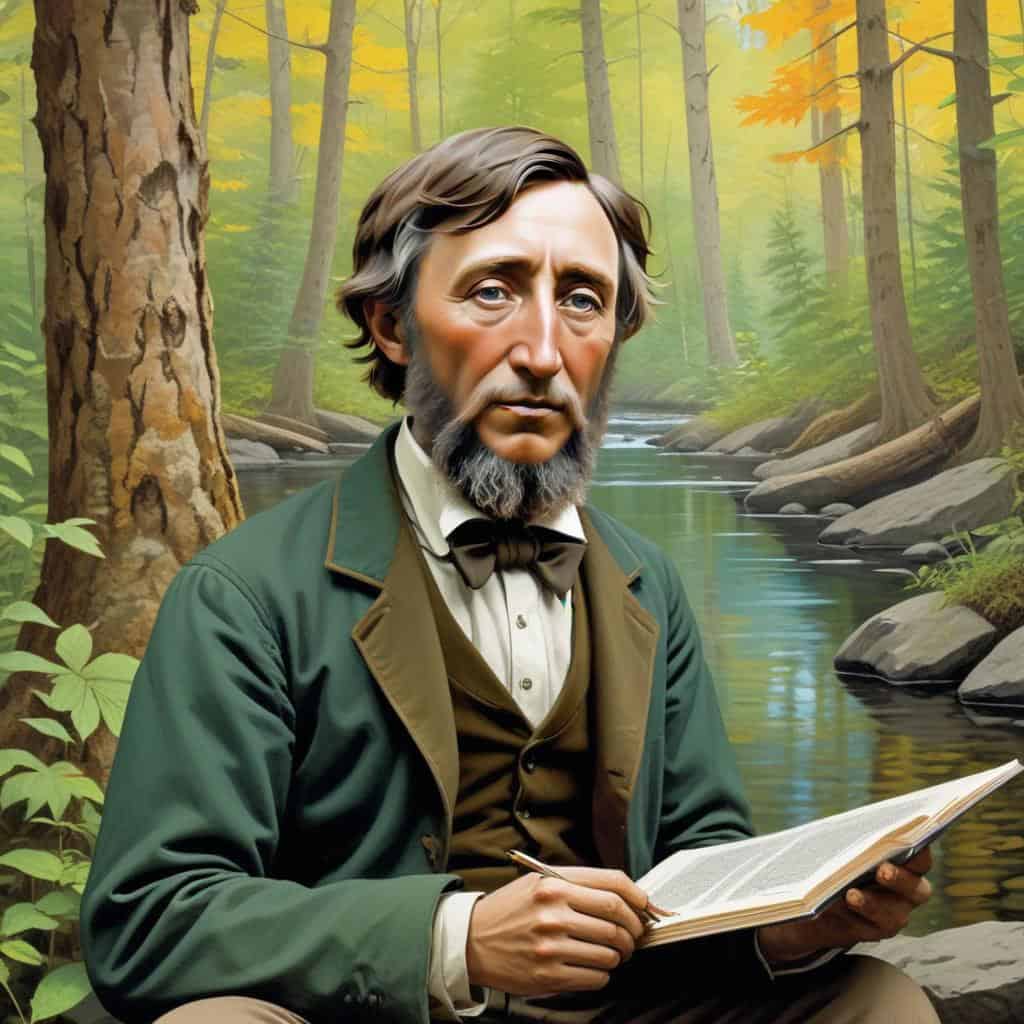
Henry David Thoreau

John Muir

Rachel Carson

Wangari Maathai
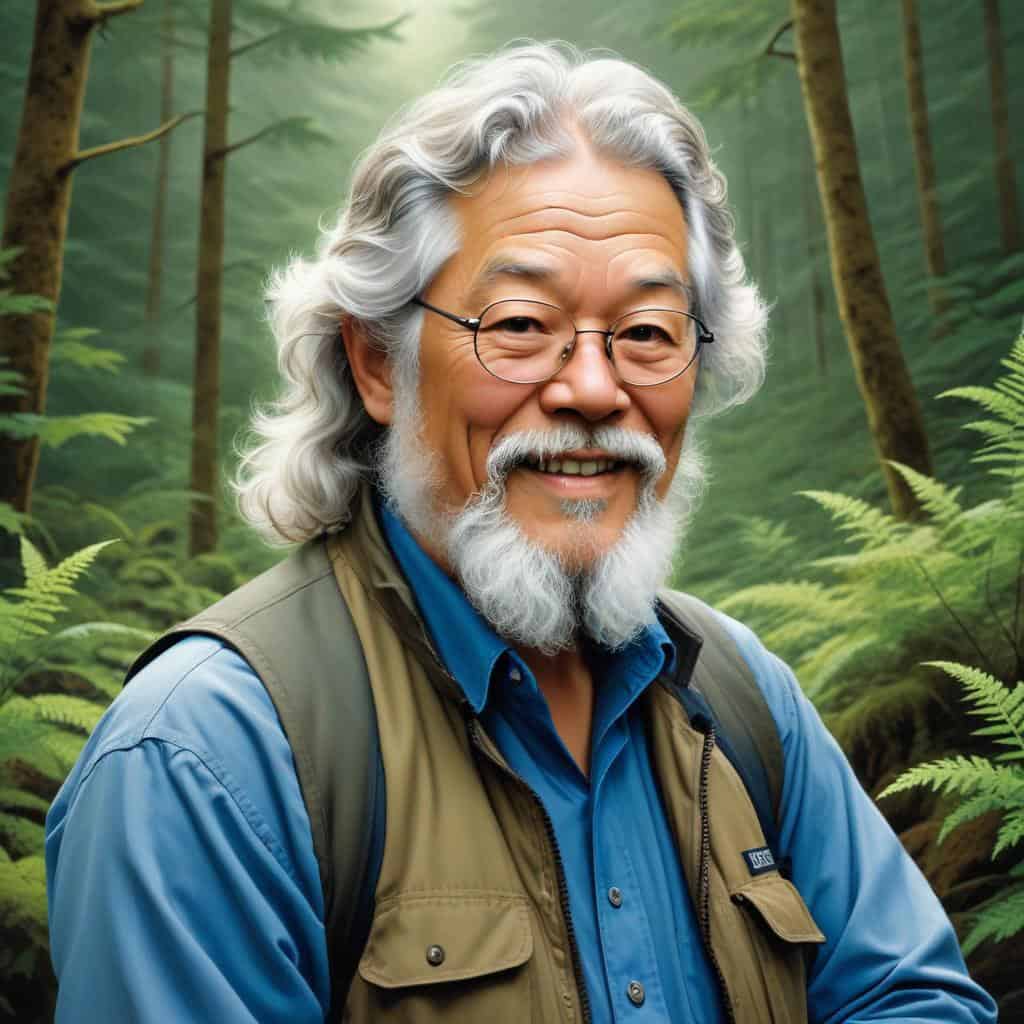
David Suzuki

The Importance of Living in Harmony with Nature
Understanding the Interconnectedness of All Living Beings

The Concept of Balance and Equilibrium

The Role of Respect and Reverence

The Practice of Mindfulness and Presence

The Benefits of Living in Harmony with Nature

The Challenges of Living in Harmony with Nature

The Call to Action: Embracing a Sustainable Lifestyle

The Legacy of Living in Harmony with Nature


Lesson Details & Resources
In a Nutshell
- Concept: Living in Harmony with Nature is a philosophical idea that emphasizes the importance of humans coexisting peacefully with the natural world.
- Thinkers: Various philosophers throughout history, including Henry David Thoreau and Aldo Leopold.
- Central Question: How can humans live in balance with nature while fulfilling their needs and desires?
- Core Implication: The well-being of both humans and the environment are interconnected, and sustainable practices are essential for long-term survival.
Timeline of Living In Harmony With Nature
Ancient Greek philosophers, such as Thales and Heraclitus, emphasized the interconnectedness of all things in nature and the importance of living in harmony with it.
Taoism, an ancient Chinese philosophy, promotes living in harmony with nature and following the natural flow of the universe.
The Roman Stoic philosopher Seneca wrote about the importance of living in accordance with nature and accepting the natural order of the world.
The Native American Lakota Sioux tribe's philosophy centers around living in harmony with nature and respecting the interconnectedness of all living beings.
The concept of 'Deep Ecology' is developed in the 20th century, promoting a holistic approach to living in harmony with nature and advocating for the protection of the environment.
The United Nations declares 2010-2020 as the 'Decade on Biodiversity', highlighting the importance of living in harmony with nature to protect biodiversity and ecosystems.
The philosophy of 'Biocentrism' emerges, emphasizing the intrinsic value of all living beings and promoting a harmonious relationship with nature.
The concept of 'Eco-spirituality' gains popularity, blending environmentalism with spiritual beliefs and promoting a deep connection with nature.
The 'Green New Deal' is proposed as a legislative framework to address climate change and promote sustainable living practices in harmony with nature.
The COVID-19 pandemic leads to a renewed focus on the interconnectedness of human health and the health of the environment, highlighting the importance of living in harmony with nature.
The philosophy of 'Permaculture' gains traction, promoting sustainable agricultural practices that mimic natural ecosystems and support living in harmony with nature.
The Intergovernmental Panel on Climate Change (IPCC) releases reports highlighting the urgent need for humanity to shift towards living in harmony with nature to mitigate climate change.
The concept of 'Biomimicry' emerges, encouraging humans to learn from and mimic the designs and processes found in nature to create sustainable solutions.
The development of 'Ecological Economics' as a field of study emphasizes the importance of living in harmony with nature for long-term economic sustainability.
The United Nations adopts the Sustainable Development Goals (SDGs), which include goals related to environmental sustainability and living in harmony with nature.
The philosophy of 'Deep Green Resistance' emerges, advocating for radical action to protect the environment and promote living in harmony with nature.
The Indigenous Rights movement gains momentum, highlighting the importance of respecting Indigenous knowledge and traditional practices for living in harmony with nature.
The concept of 'Regenerative Agriculture' gains popularity, promoting farming practices that restore and enhance the health of the soil and ecosystem in harmony with nature.
The Paris Agreement is adopted by the United Nations Framework Convention on Climate Change, emphasizing the need for countries to work together to limit global warming and live in harmony with nature.
The philosophy of 'Ecocentrism' emerges, advocating for a worldview that places nature at the center of ethical considerations and promotes living in harmony with the natural world.
Vocabulary List
- Sustainability
- Living in harmony with nature philosophy emphasizes the importance of sustainability in order to protect the Earth for future generations.
- Biocentrism
- Biocentrism is a key principle of living in harmony with nature philosophy, as it recognizes the importance of all living beings in the ecosystem.
- Ecological balance
- Living in harmony with nature philosophy seeks to maintain ecological balance by preserving biodiversity and minimizing human impact on the environment.
- Interconnectedness
- Living in harmony with nature philosophy recognizes the interconnectedness of all living beings and the importance of maintaining a balance in the ecosystem.
- Holism
- Living in harmony with nature philosophy adopts a holistic approach to understanding the environment, recognizing the interconnectedness of all living beings and ecosystems.
Key Facts
This is the information used in the fact matching game
- Living in harmony with nature is a key principle of many indigenous cultures around the world.
- The philosophy of living in harmony with nature emphasizes the interconnectedness of all living beings.
- Nature is viewed as a teacher in the philosophy of living in harmony with nature, providing valuable lessons and insights.
- Living in harmony with nature involves respecting and honoring the natural world and its rhythms.
- The philosophy of living in harmony with nature promotes sustainable practices that support the health of ecosystems.
- Living in harmony with nature requires a deep sense of gratitude for the gifts that the natural world provides.
- The philosophy of living in harmony with nature encourages mindfulness and presence in the natural environment.
- Connecting with nature is seen as a way to nourish the soul and find inner peace in the philosophy of living in harmony with nature.
- Living in harmony with nature involves recognizing the intrinsic value of all living beings and ecosystems.
- The philosophy of living in harmony with nature promotes a deep sense of responsibility for protecting and preserving the natural world for future generations.
- Nature is seen as a source of inspiration and creativity in the philosophy of living in harmony with nature.
- Living in harmony with nature involves living in balance with the natural world and its resources.
- The philosophy of living in harmony with nature promotes a deep connection to the cycles of nature and the changing seasons.
- Living in harmony with nature can lead to a greater sense of well-being and fulfillment.
- The philosophy of living in harmony with nature encourages simplicity and a focus on the essentials of life.
- Living in harmony with nature involves recognizing the beauty and wonder of the natural world.
- The philosophy of living in harmony with nature promotes a sense of interconnectedness and unity with all living beings.
- Living in harmony with nature is a way of living that is in alignment with the principles of sustainability and environmental stewardship.
- The philosophy of living in harmony with nature encourages a deep reverence for the Earth and all of its creatures.
- Living in harmony with nature involves cultivating a deep respect for the natural world and all of its inhabitants.
Analysis & Significance
The Core Argument
The core argument behind the concept of living in harmony with nature is that humans should strive to maintain a balanced and respectful relationship with the natural world. This involves recognizing the interconnectedness of all living beings and ecosystems, and understanding that our actions have consequences that can impact the environment.
Criticisms and Counterarguments
Some critics argue that the idea of living in harmony with nature is idealistic and unrealistic in today’s modern society, where technological advancements and economic interests often prioritize human convenience over environmental preservation. Others question the anthropocentric perspective inherent in this concept, suggesting that it places human interests above those of other species.
Modern Relevance
In a world facing pressing environmental issues such as climate change, deforestation, and species extinction, the concept of living in harmony with nature is more relevant than ever. It calls for a reevaluation of our relationship with the natural world and challenges us to consider the long-term consequences of our actions on the planet and future generations. Embracing this philosophy can guide us towards sustainable practices and a more ethical approach to environmental stewardship.
Living In Harmony With Nature Games


Take Your Learning Offline
Want a convenient, print-ready study guide for this lesson? Become a Memory Wizards Pro member to unlock the downloadable " Memory Scrolls" for this topic and our entire library!
- ✓ Complete Vocabulary Lists
- ✓ Key Facts & Timelines
- ✓ Beautifully Formatted for Print & Mobile