
How Do You Learn Best?
Learn by Reading
Immerse yourself in the 10-minute visual lesson for a comprehensive understanding of the topic.
Learn by Reviewing
Jump directly to the key facts, timeline, and vocabulary lists to build a solid foundation of details.
Learn by Doing
Challenge yourself! Jump straight into the interactive games to learn by trial, error, and discovery.
Uruguay in 10 Minutes
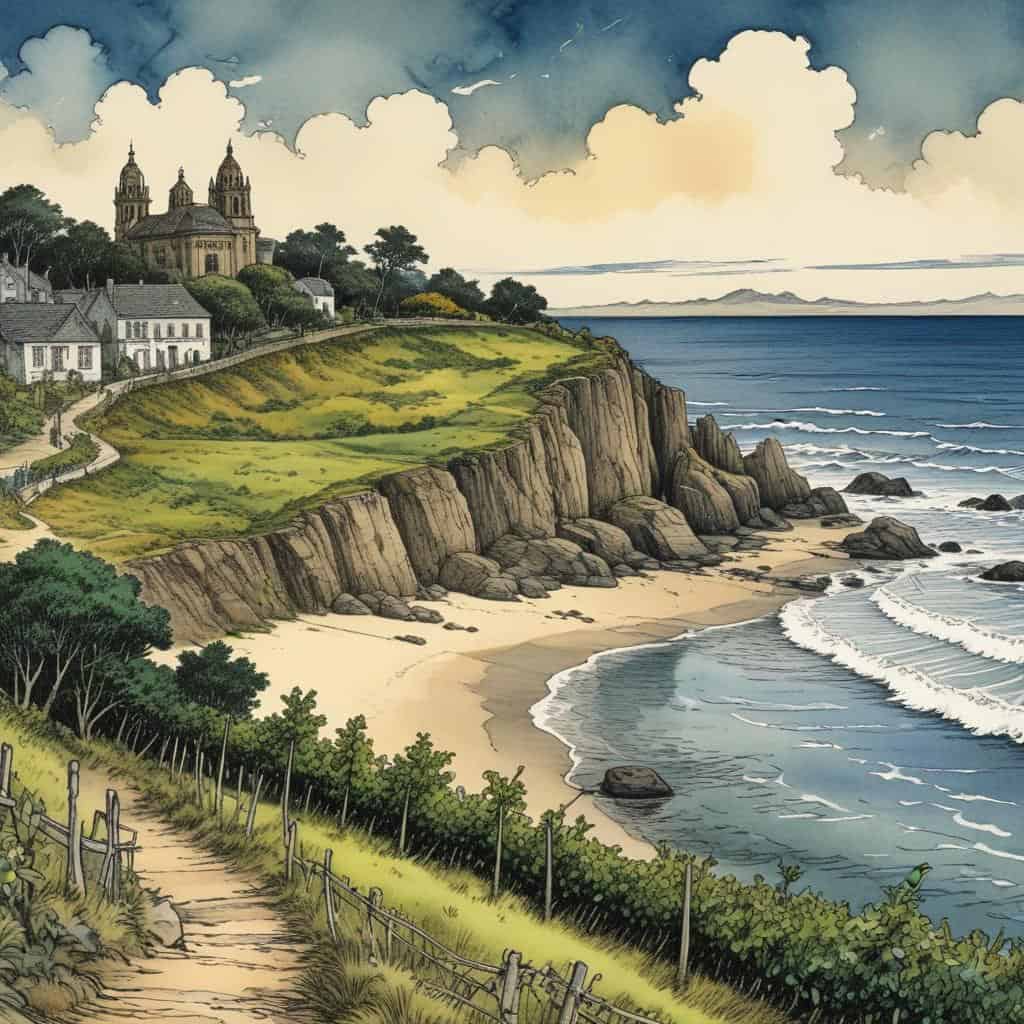
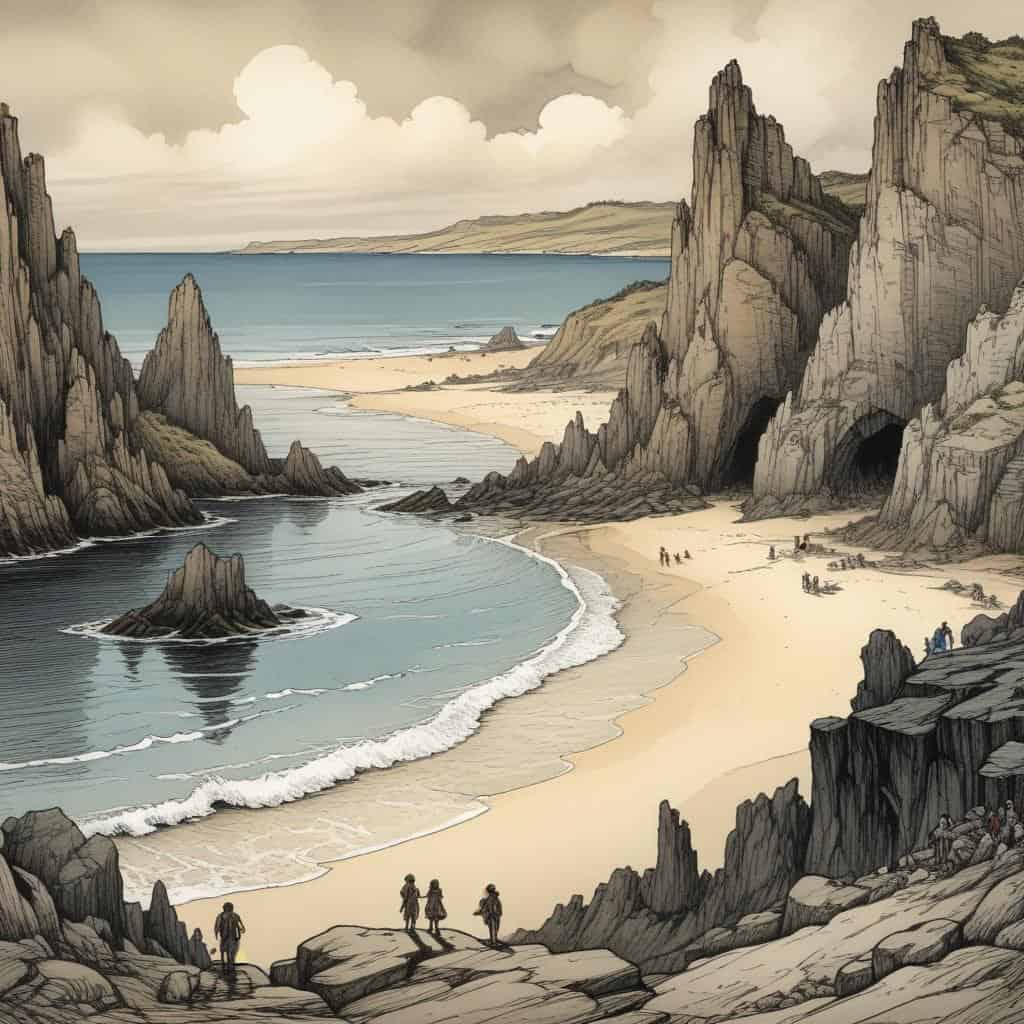
Introduction

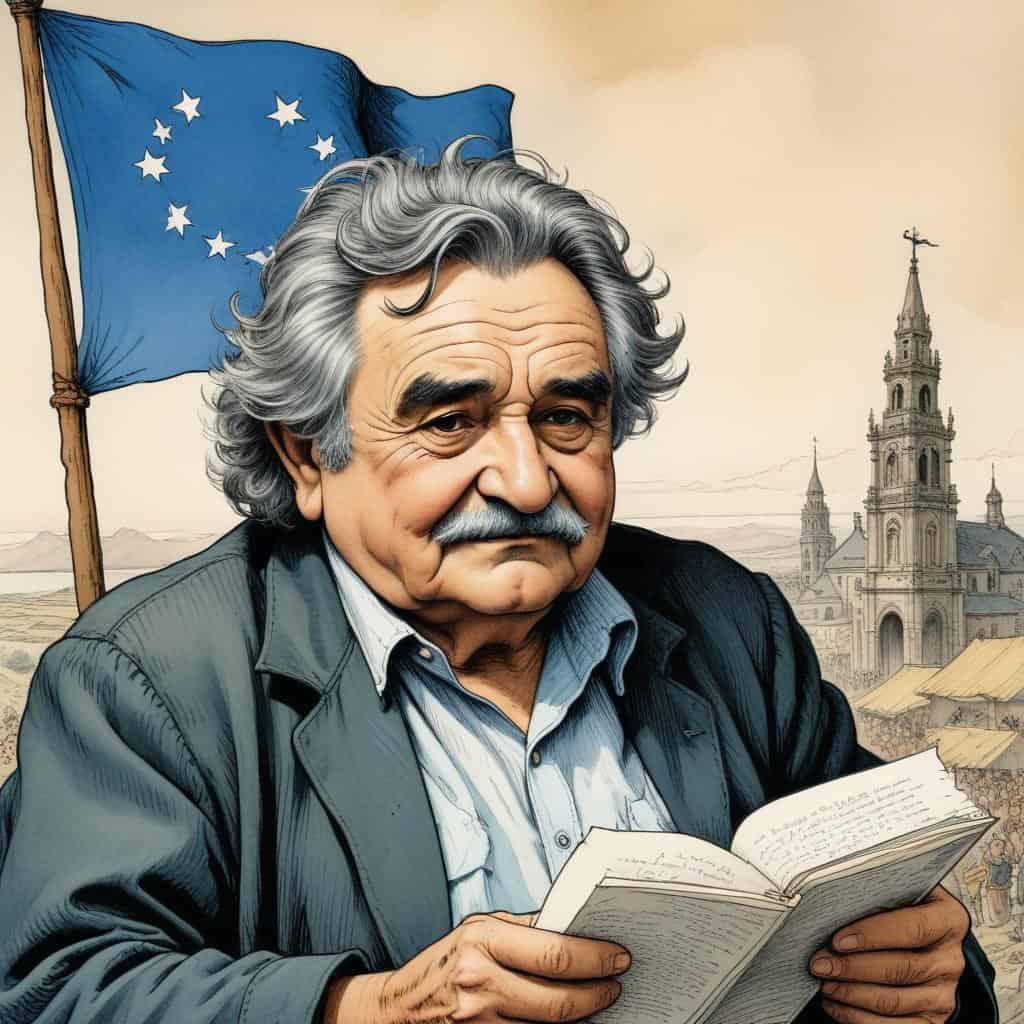
Jose Mujica

Luis Suarez

Diego Forlan

Tabare Vazquez
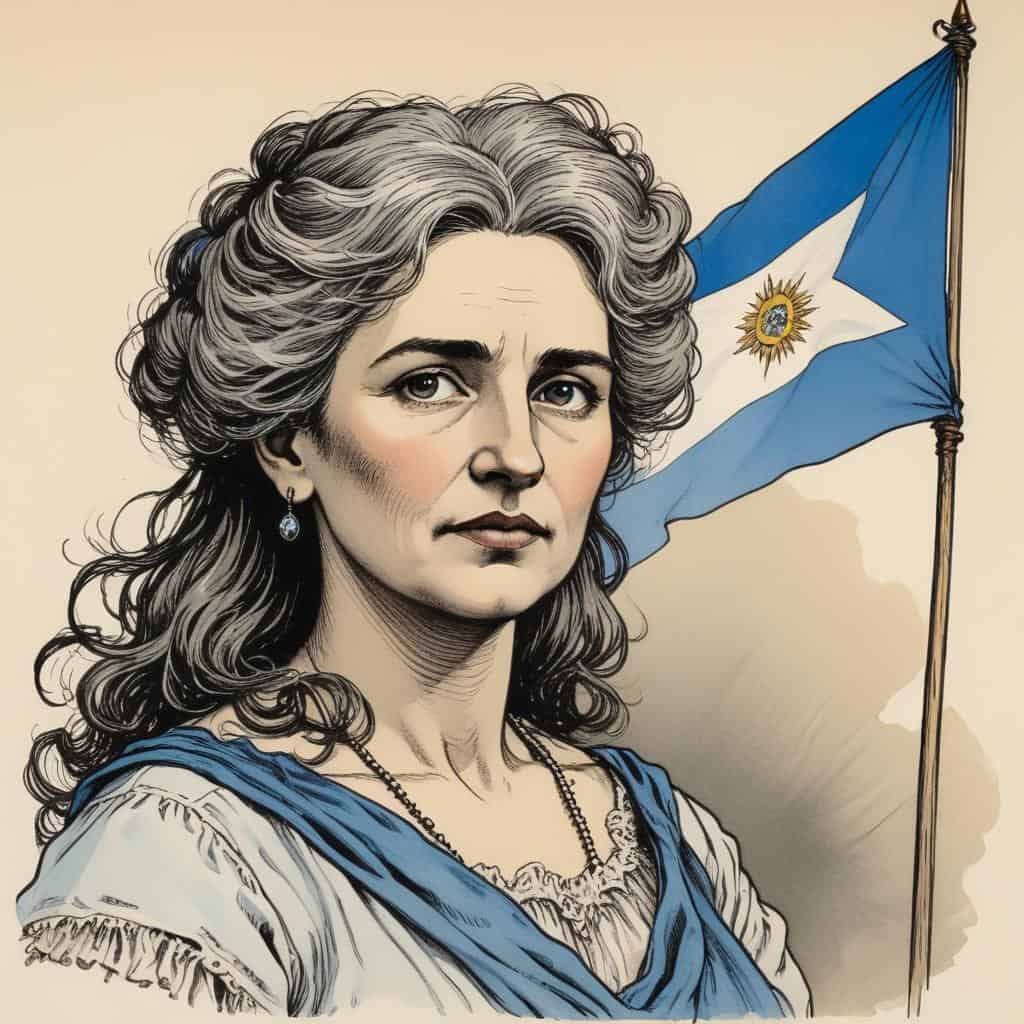
Lucia Topolansky
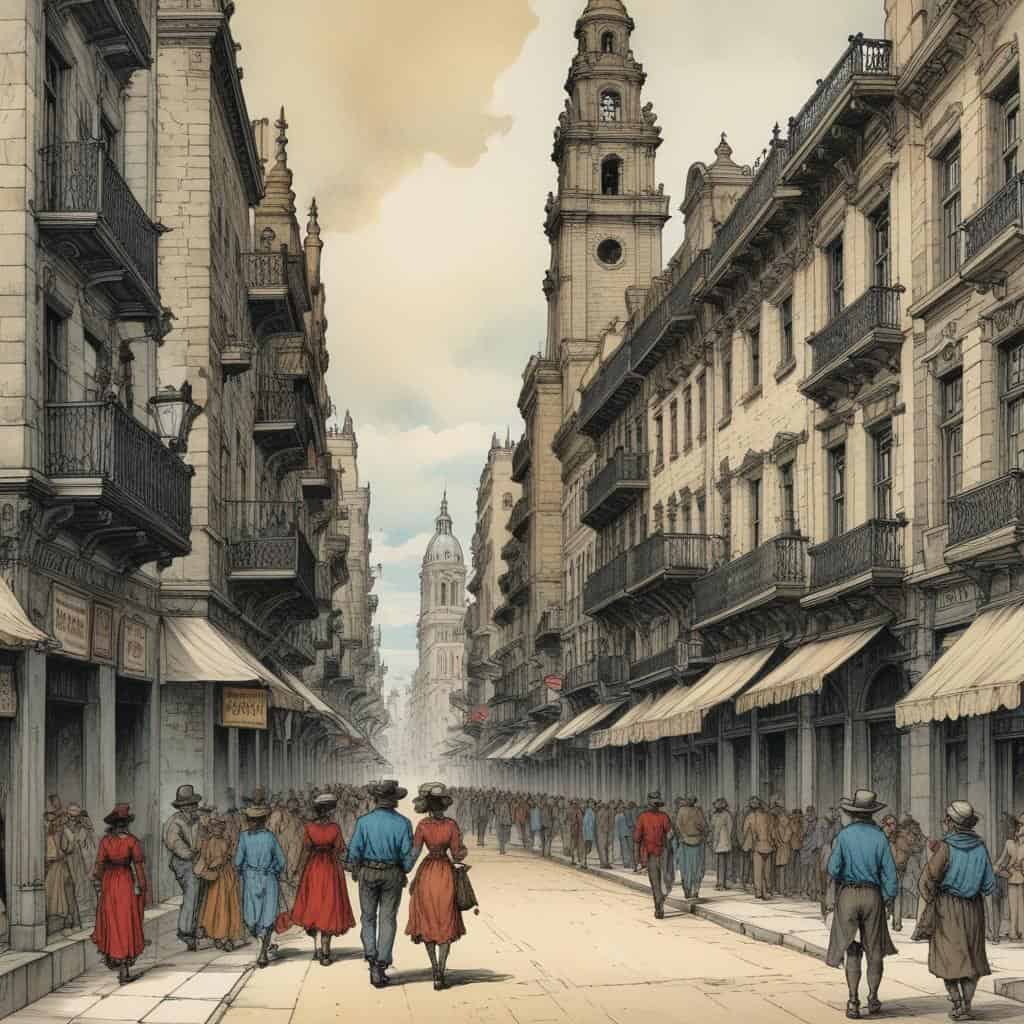
Exploring Montevideo, the Capital City
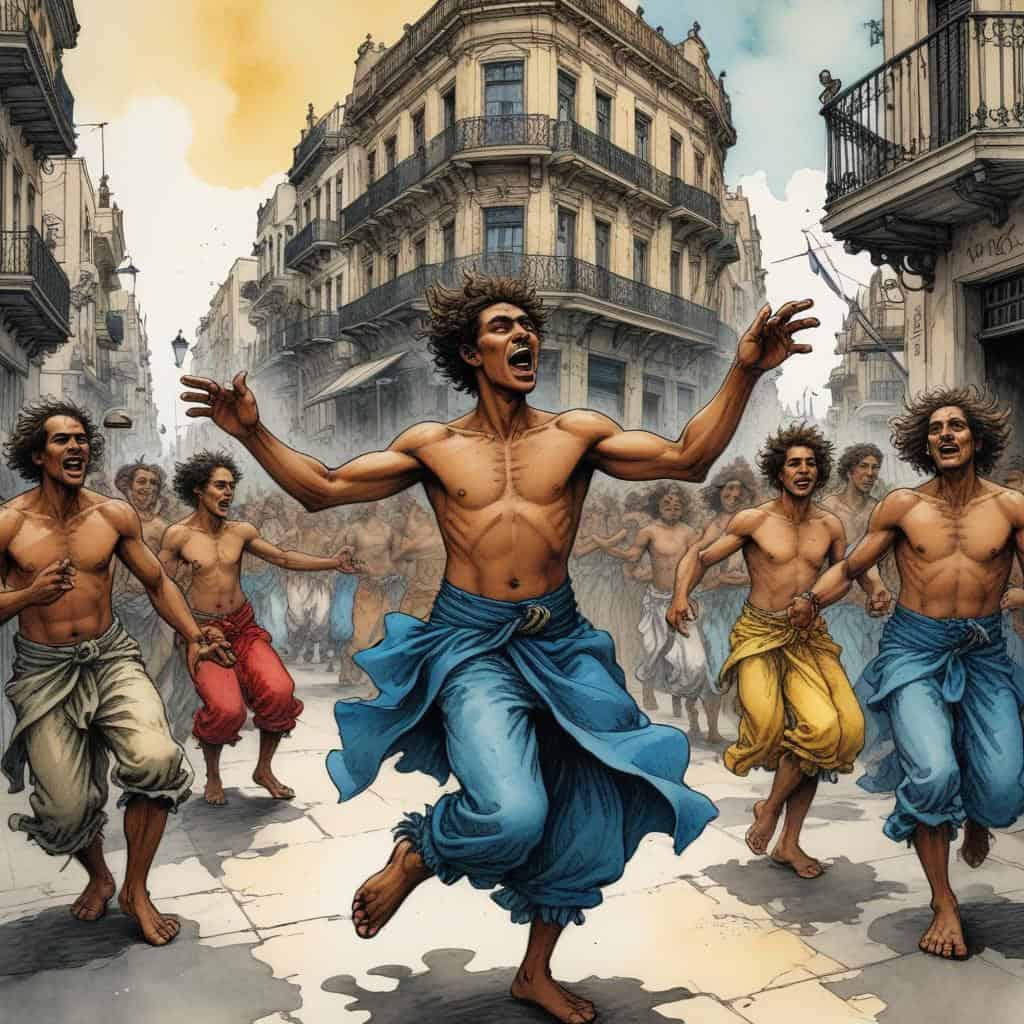
Discovering the Rich Culture of Uruguay
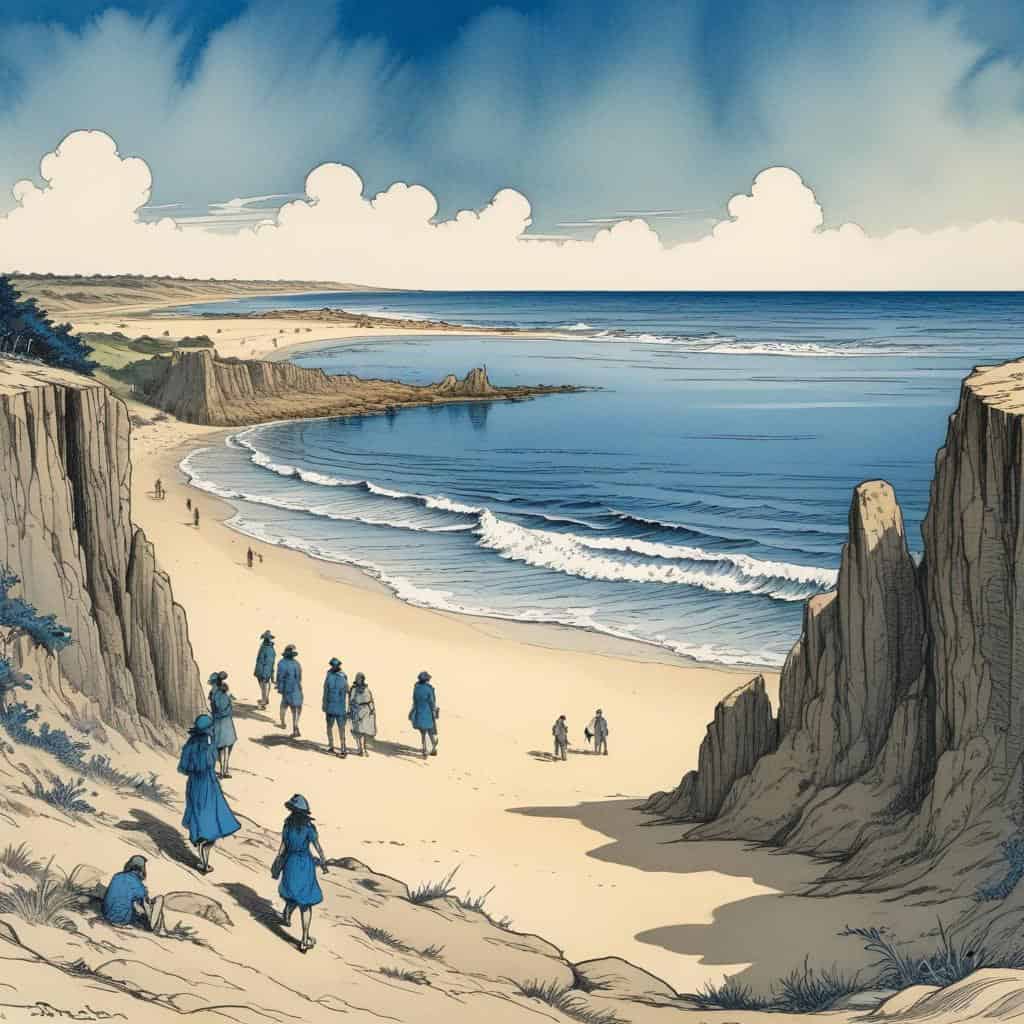
Exploring the Stunning Beaches of Punta del Este
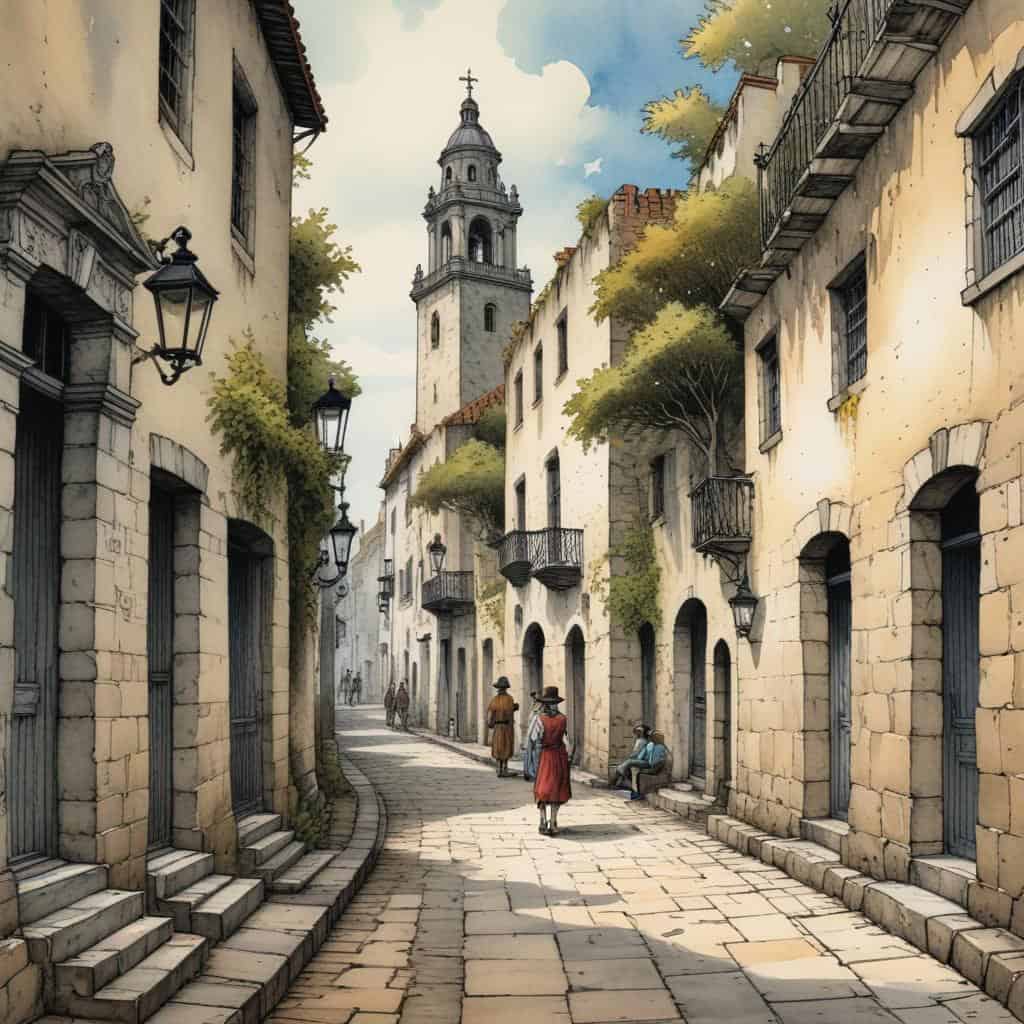
Visiting Colonia del Sacramento, a UNESCO World Heritage Site

Exploring the Wildlife of Cabo Polonio
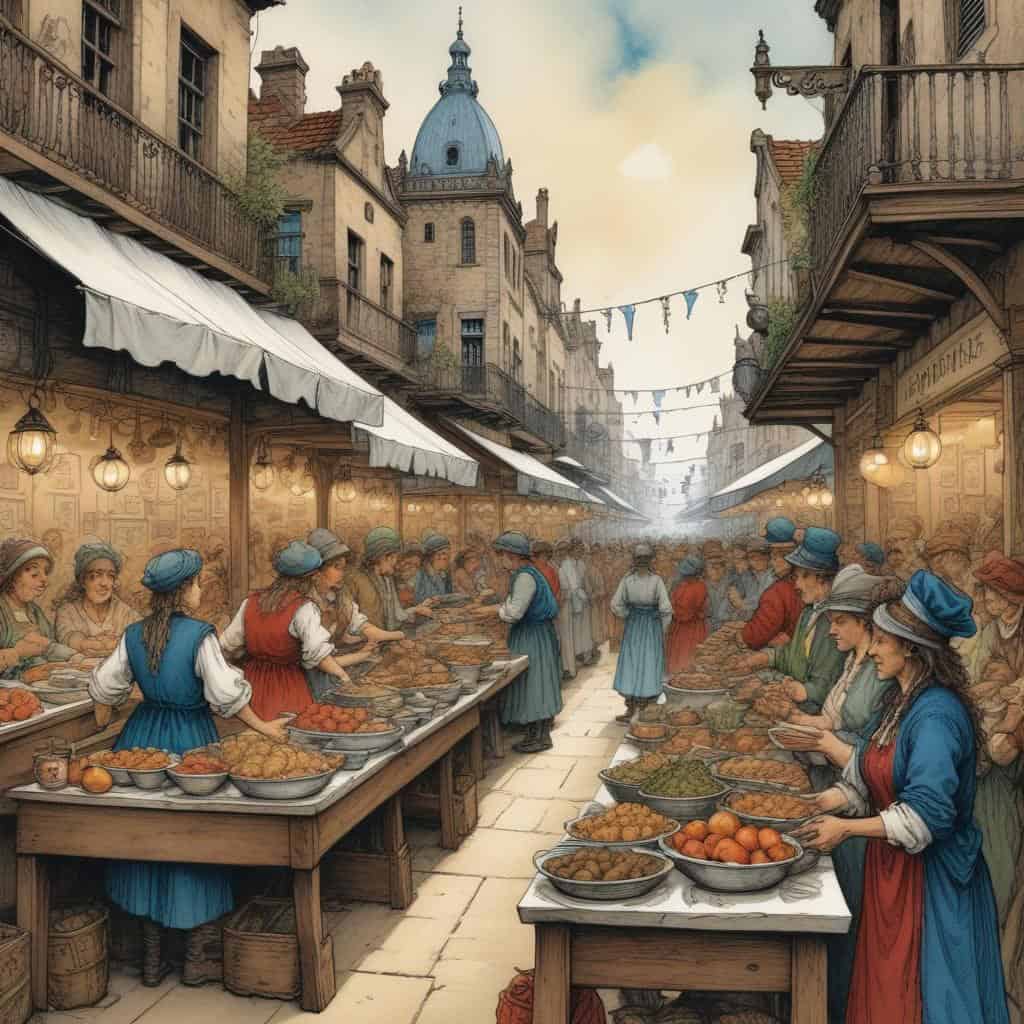
Sampling Uruguays Culinary Delights
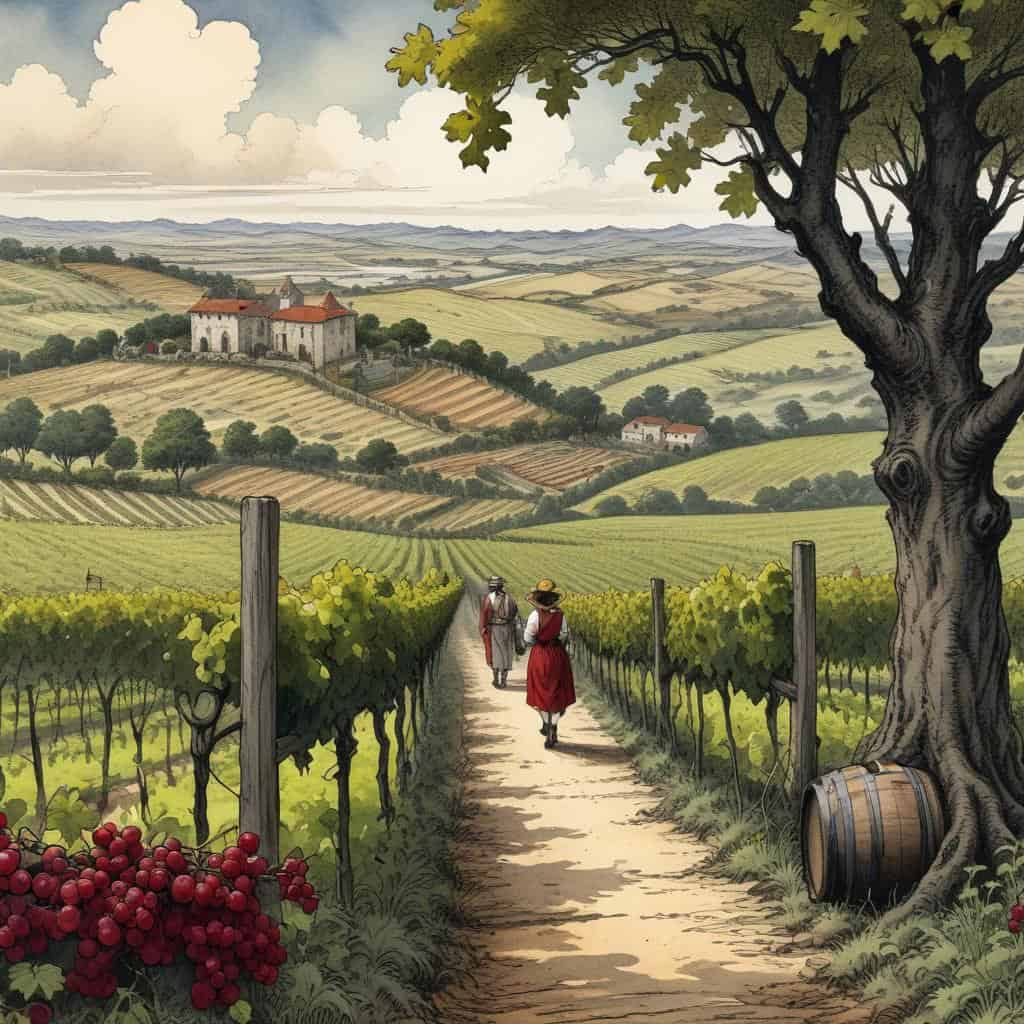
Exploring the Wine Regions of Uruguay
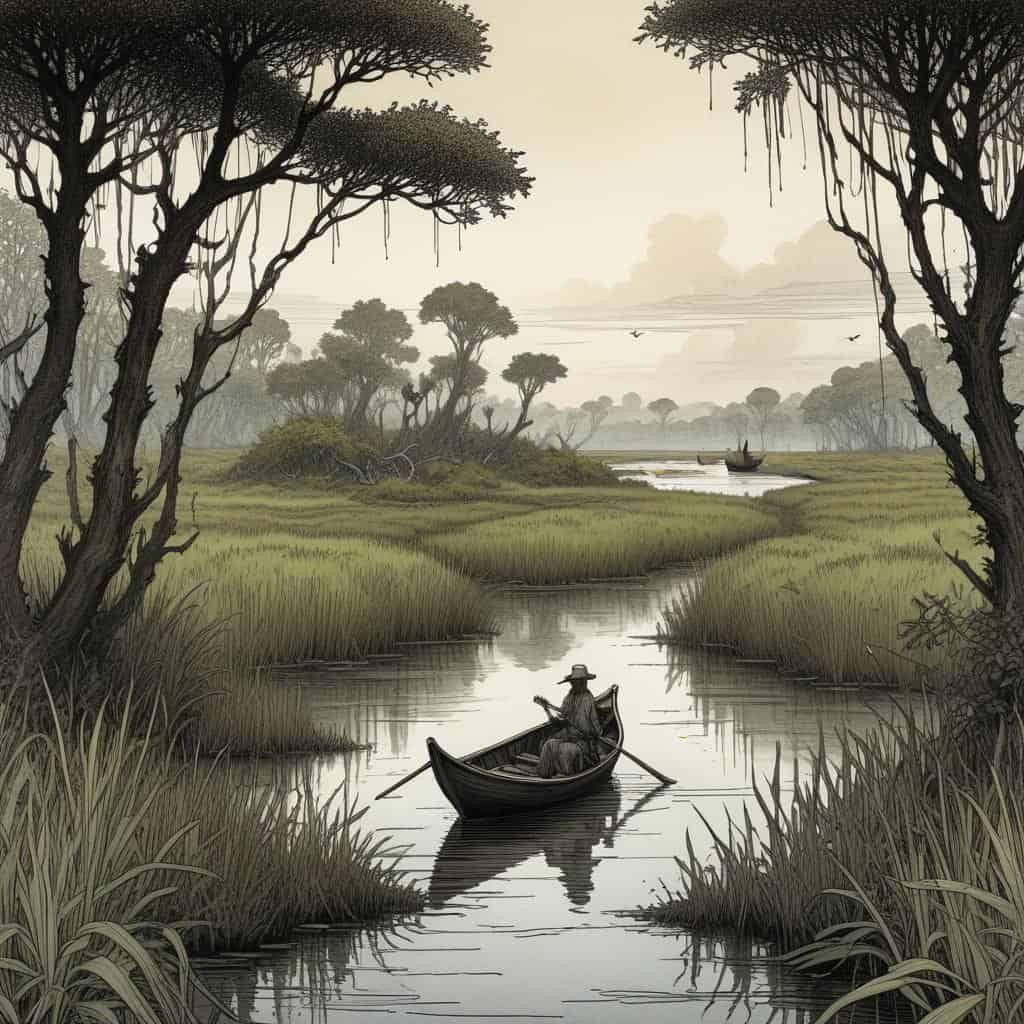
Visiting the UNESCO Biosphere Reserve of Bañados del Este
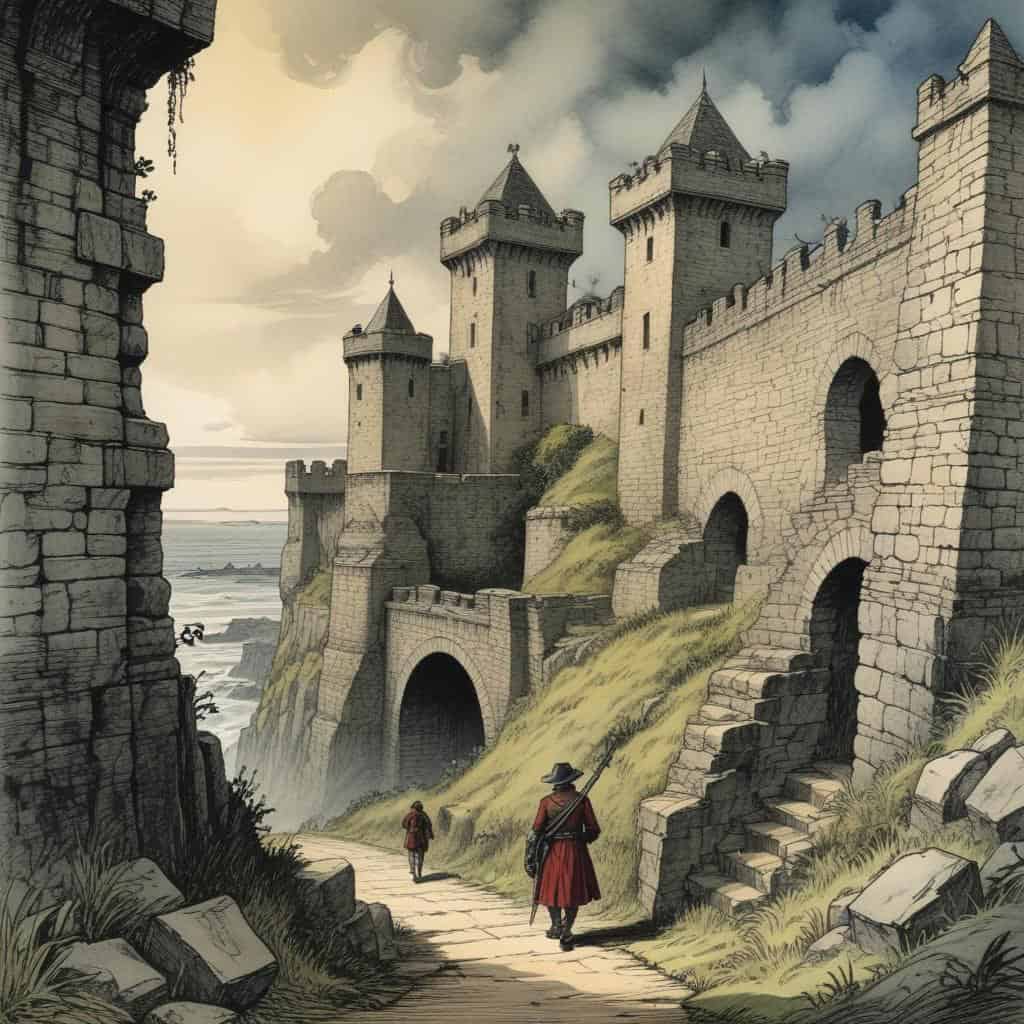
Exploring the Historic Fortresses of Uruguay
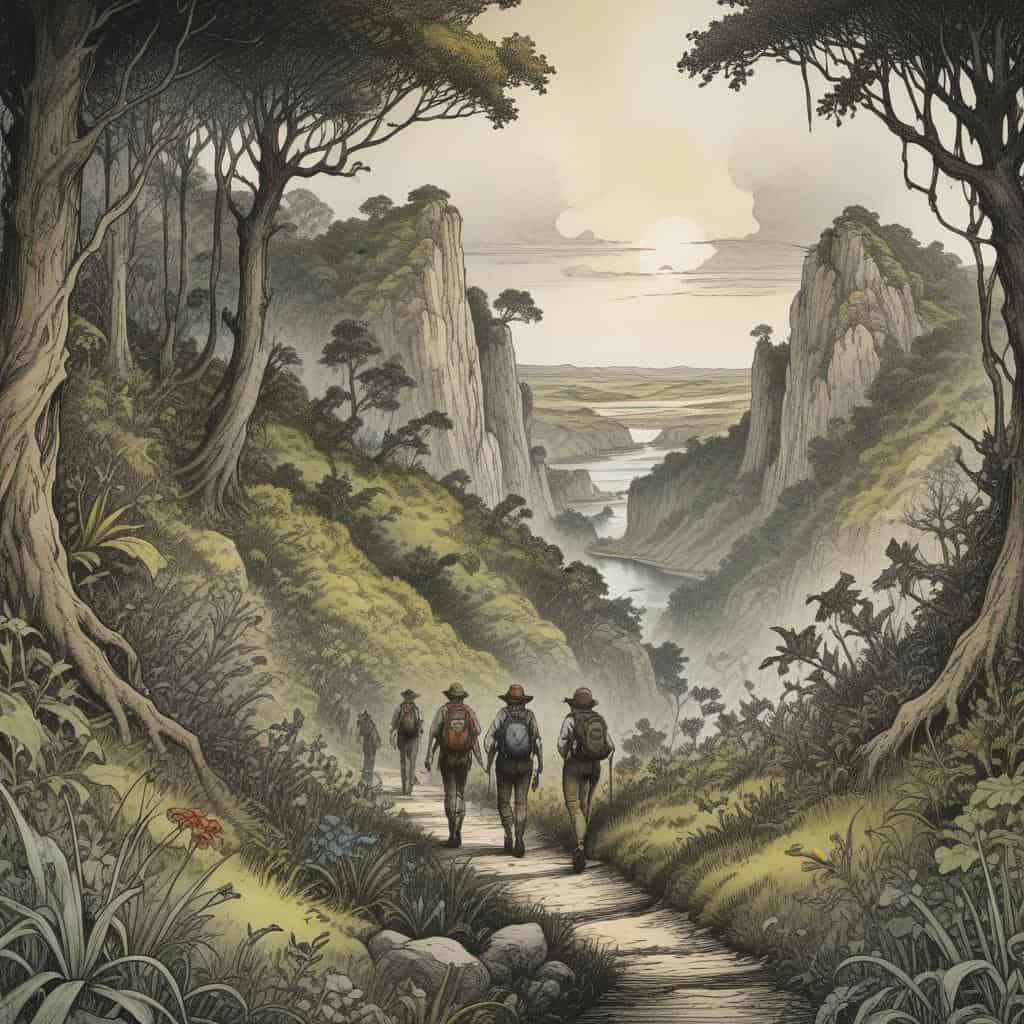
Enjoying the Natural Beauty of Uruguays National Parks
In a Nutshell
- Capital: Montevideo
- Population: Approx. 3.5 million (2021)
- Official Language: Spanish
- Currency: Uruguayan peso (UYU)
Breaking Down the Country
Uruguayan Gastronomy
Experience the rich flavors of Uruguay with its famous dishes like asado, chivito, and mate, reflecting a blend of European and indigenous influences.
Cultural Heritage
Discover Uruguay's cultural diversity through its vibrant music, dance, and traditions, including tango, candombe, and the colorful Carnival of Uruguay.
Natural Wonders
Explore Uruguay's scenic beauty with its pristine beaches, charming colonial towns, and diverse ecosystems, offering opportunities for outdoor adventures and relaxation.
Timeline of Uruguay
Uruguay becomes independent from Brazil
Constitution of Uruguay is adopted
Uruguay joins the United Nations
Uruguay wins the first FIFA World Cup
Military dictatorship in Uruguay begins
Return to democracy in Uruguay
Uruguay legalizes same-sex marriage
Uruguay wins the Copa America football tournament
Uruguay hosts the first World Social Forum
Uruguay becomes the first country to fully legalize marijuana
Uruguay legalizes abortion
Uruguay experiences economic growth and stability
Uruguay establishes diplomatic relations with Cuba
Uruguay becomes a founding member of Mercosur
Uruguay wins its first Olympic gold medal in football
Uruguay celebrates its bicentennial
Uruguay adopts a policy of neutrality in international conflicts
Uruguay implements progressive social policies
Uruguay experiences a wave of European immigration
Uruguay becomes known for its rich cultural heritage and literary tradition
Vocabulary List
- Pampas
- The vast plains of the Pampas stretch across Uruguay, providing fertile land for agriculture.
- Montevideo
- Montevideo is the capital city of Uruguay, known for its beautiful beaches and vibrant culture.
- Gauchos
- The traditional cowboys of Uruguay, known as Gauchos, still roam the countryside herding cattle.
- Rio de la Plata
- The Rio de la Plata is a large estuary that borders Uruguay, offering stunning views of the water.
- Sierras
- The rolling hills and mountains of the Sierras provide a picturesque backdrop to the Uruguayan landscape.
Key Facts
This is the information used in the fact matching game
- Uruguay is known for its beautiful beaches along the Atlantic coast.
- The capital city of Uruguay is Montevideo, which is located on the southern coast of the country.
- Punta del Este is a popular resort town in Uruguay known for its upscale hotels and beautiful beaches.
- The landscape of Uruguay is mostly flat with rolling plains and low hills.
- The country is home to several national parks and nature reserves, including Quebrada de los Cuervos and Santa Teresa National Park.
- Uruguay is one of the most environmentally sustainable countries in the world, with over 95% of its electricity coming from renewable sources.
- The city of Colonia del Sacramento is a UNESCO World Heritage Site known for its well-preserved colonial architecture.
- The Uruguay River forms part of the border between Uruguay and Argentina, and is a popular spot for water sports and recreation.
- Cerro Catedral is the highest point in Uruguay, standing at 514 meters above sea level.
- The country is known for its production of high-quality beef, with Uruguayans consuming more beef per capita than any other country in the world.
- The landscape of Uruguay is dominated by grasslands known as pampas, which are home to a variety of wildlife including capybaras, armadillos, and rheas.
- The city of Punta del Diablo is a popular surfing destination with its long sandy beaches and consistent waves.
- The Laguna Garzon Bridge in Uruguay is a unique circular bridge that connects the towns of Rocha and Maldonado.
- The Cerro Pan de Azúcar is a prominent hill in Uruguay that offers panoramic views of the surrounding countryside.
- The city of Salto is known for its hot springs, which are believed to have healing properties and attract visitors from all over the world.
- The Cabo Polonio National Park is a protected area in Uruguay that is home to a diverse range of wildlife, including sea lions, dolphins, and various bird species.
- The city of Tacuarembo is known as the 'capital of gaucho culture' in Uruguay, hosting the annual Gaucho Festival which celebrates the country's cowboy heritage.
- The landscape of Uruguay is dotted with estancias, or traditional cattle ranches, which offer visitors a glimpse into the country's rural way of life.
- The city of Mercedes is known for its historic architecture and charming colonial streets, making it a popular destination for cultural tourists.
- The Salvo Palace in Montevideo is a prominent landmark in Uruguay and the tallest building in South America when it was completed in 1928.
Why It Matters
Geopolitical Significance
Uruguay’s location between Argentina and Brazil gives it a unique geopolitical position in South America. Its stable democracy and peaceful relations with neighboring countries contribute to regional security and cooperation. Additionally, Uruguay’s role in international organizations like Mercosur and the United Nations reflects its diplomatic importance.
Historical Importance
Uruguay’s history is marked by struggles for independence from Spanish and Portuguese colonial rule. The country’s tradition of political stability and social reform, including early advancements in labor rights and social welfare, continues to shape its identity. The legacy of prominent figures like José Gervasio Artigas remains significant in Uruguayan culture.
Modern-Day Role
Today, Uruguay is recognized for its progressive social policies, including the legalization of same-sex marriage and marijuana. Its strong economy, based on agriculture and services, has led to a high standard of living and low levels of inequality. Uruguay’s commitment to environmental sustainability and human rights advocacy enhances its global standing.
Uruguay Games


Take Your Learning Offline
Want a convenient, print-ready study guide for this lesson? Become a Memory Wizards Pro member to unlock the downloadable " Memory Scrolls" for this topic and our entire library!
- ✓ Complete Vocabulary Lists
- ✓ Key Facts & Timelines
- ✓ Beautifully Formatted for Print & Mobile