
How Do You Learn Best?
Learn by Reading
Immerse yourself in the 10-minute visual lesson for a comprehensive understanding of the topic.
Learn by Reviewing
Jump directly to the key facts, timeline, and vocabulary lists to build a solid foundation of details.
Learn by Doing
Challenge yourself! Jump straight into the interactive games to learn by trial, error, and discovery.
Suriname in 10 Minutes
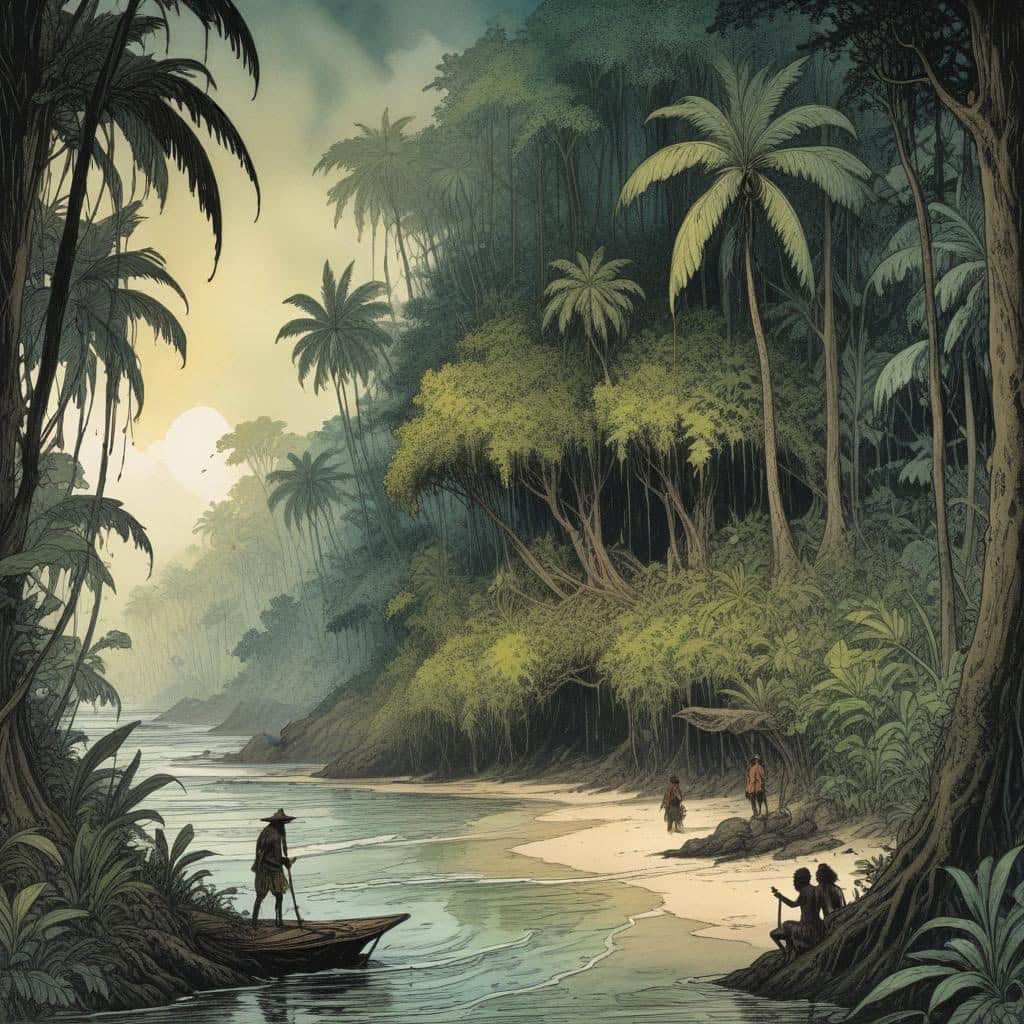
Introduction
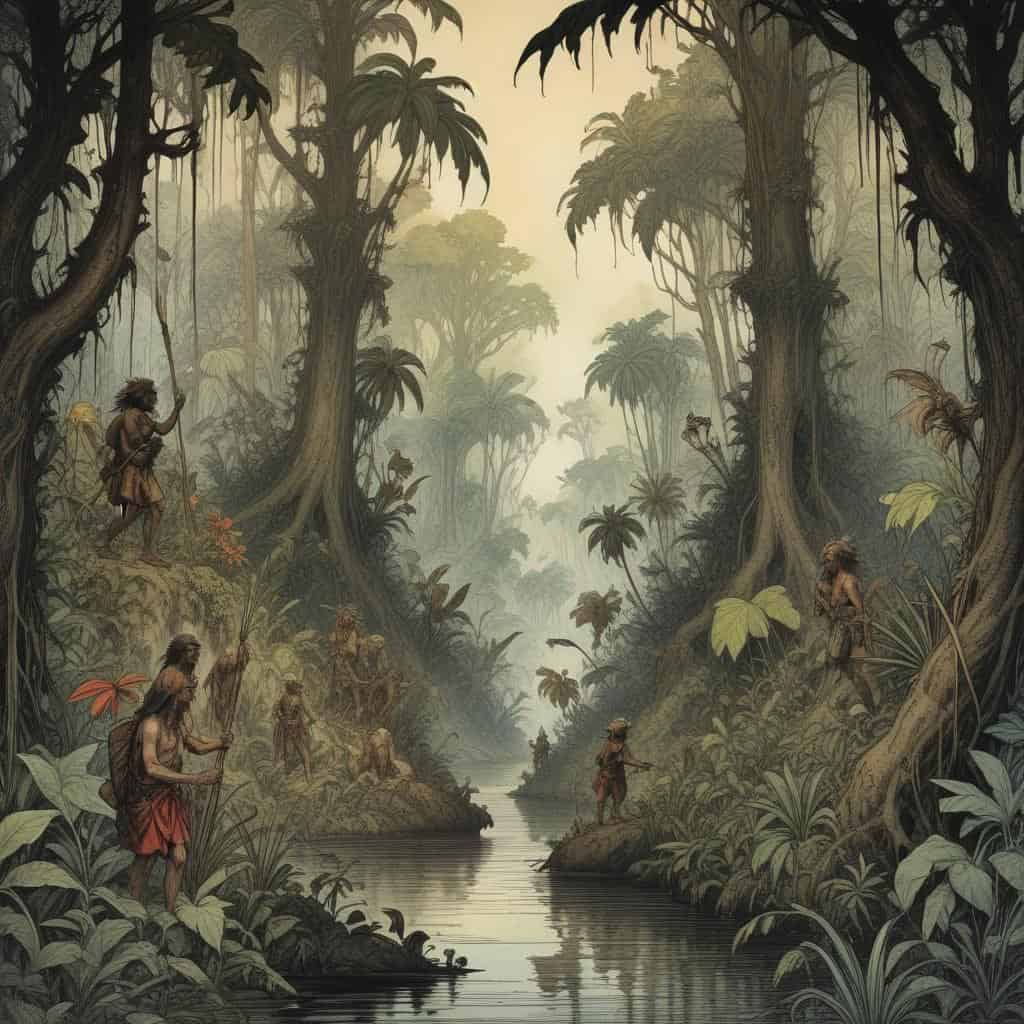
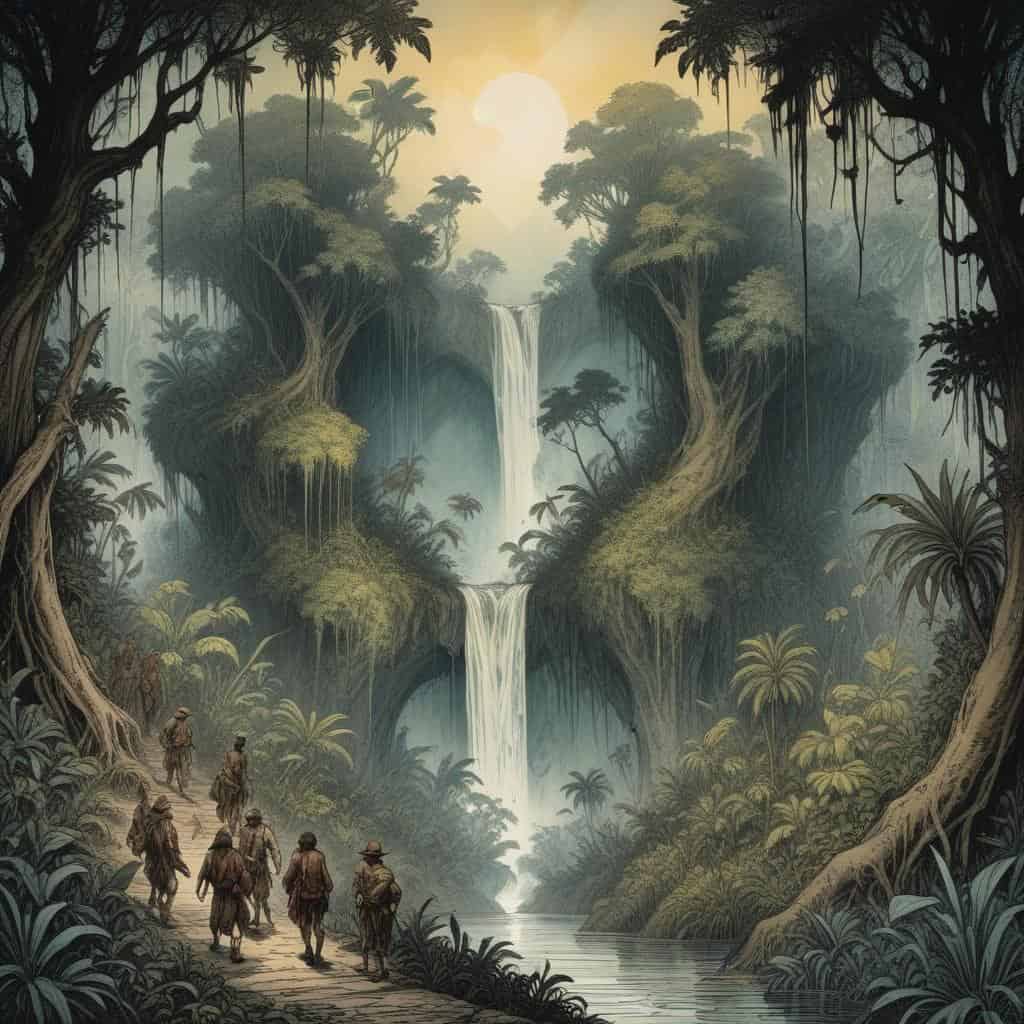
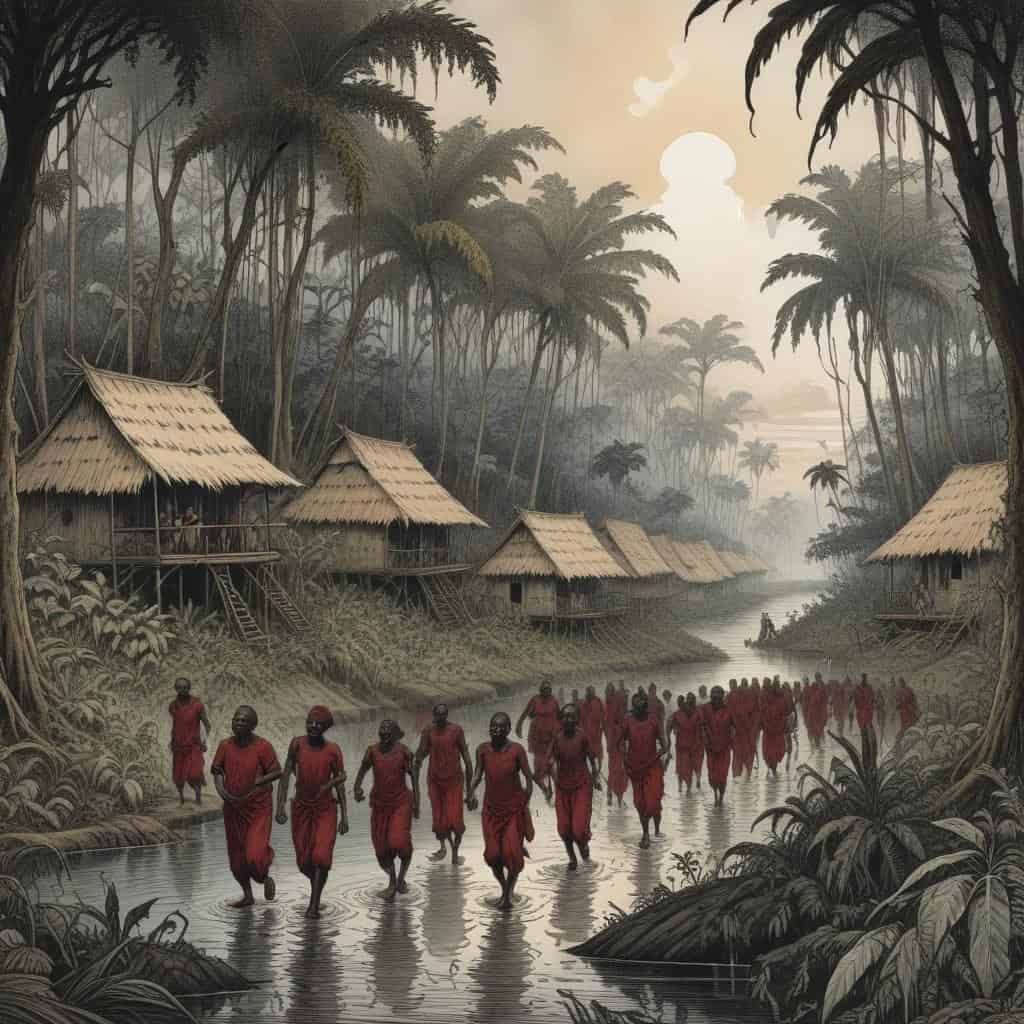
Maroon Communities
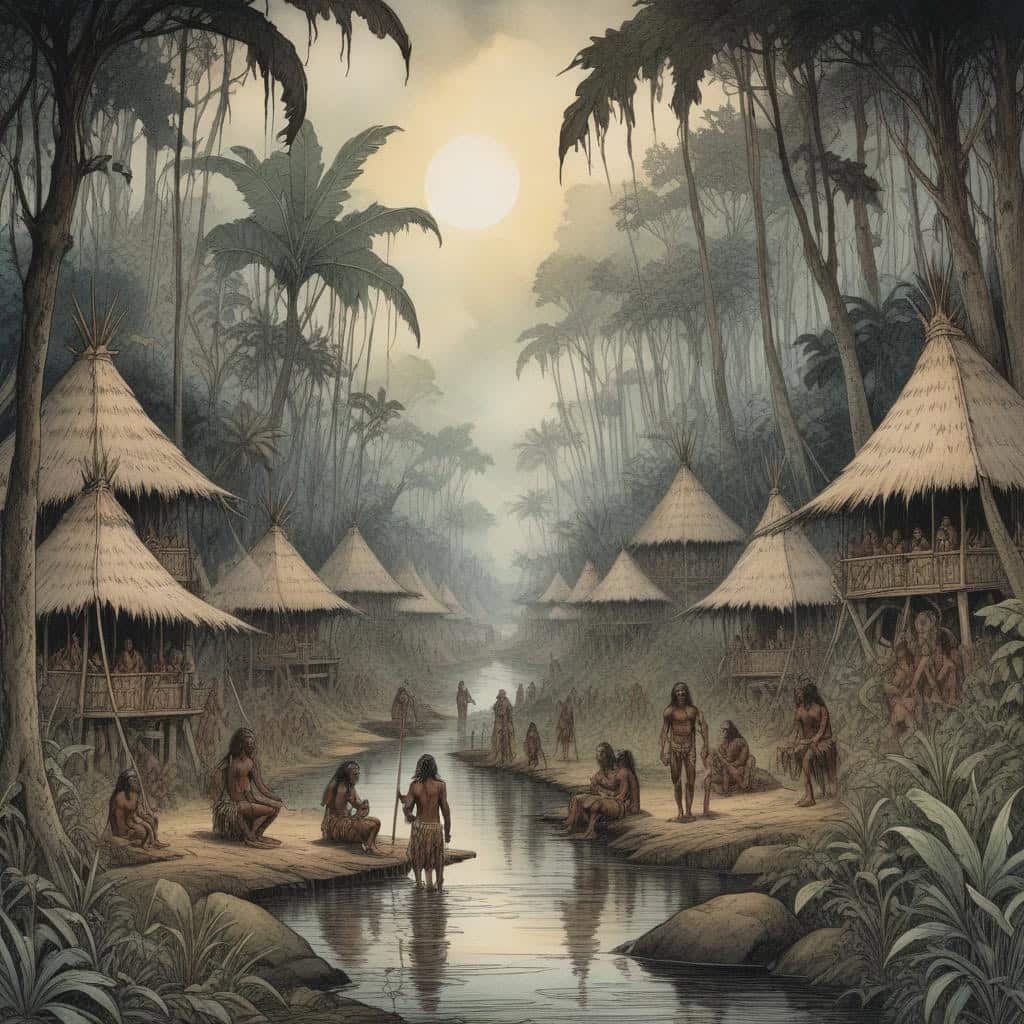
Indigenous Tribes
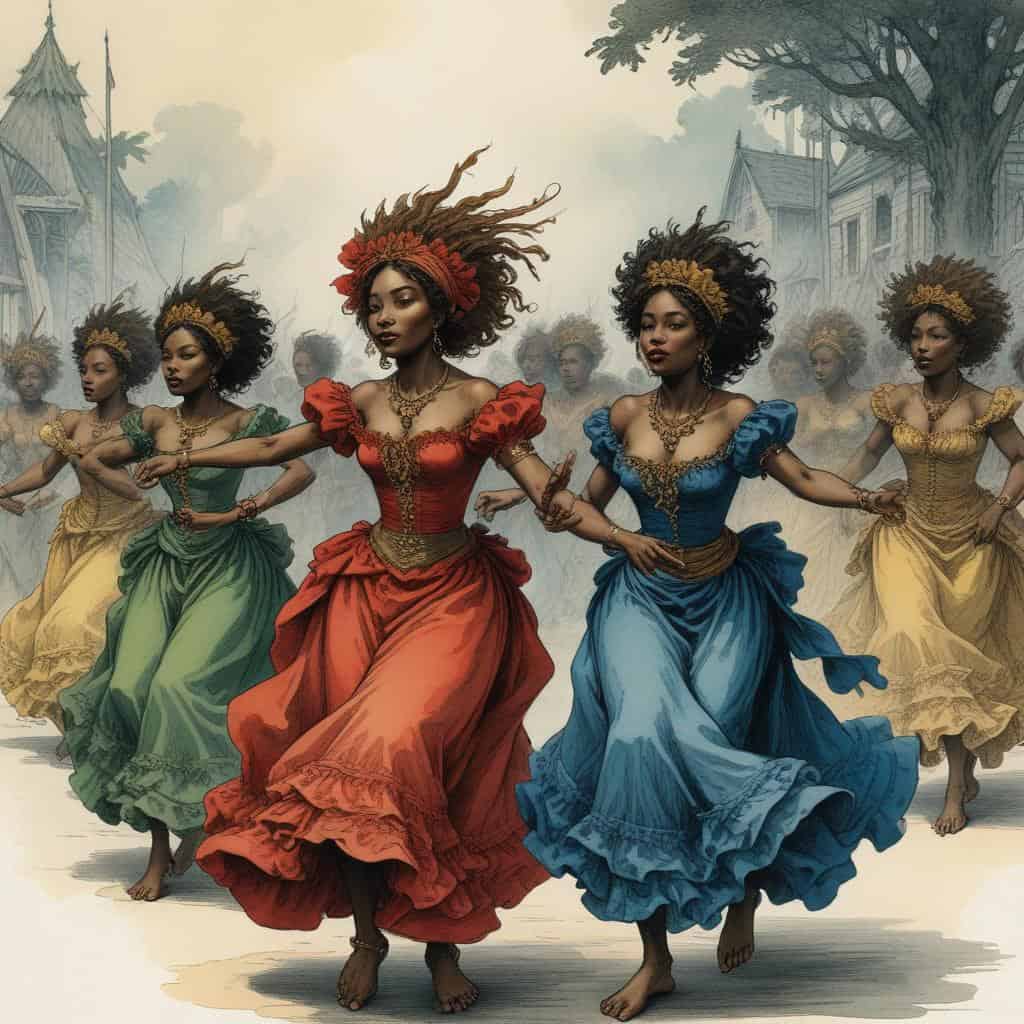
Creole People
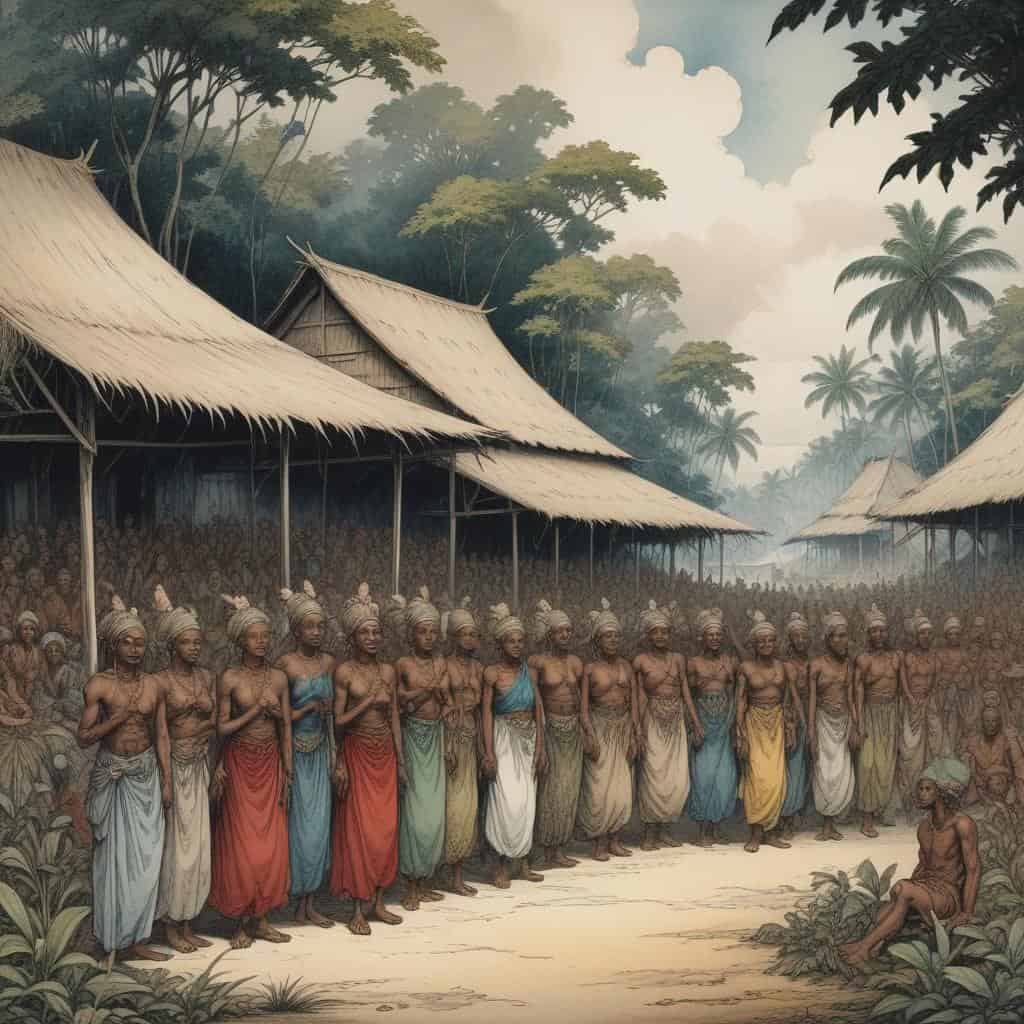
Javanese Community
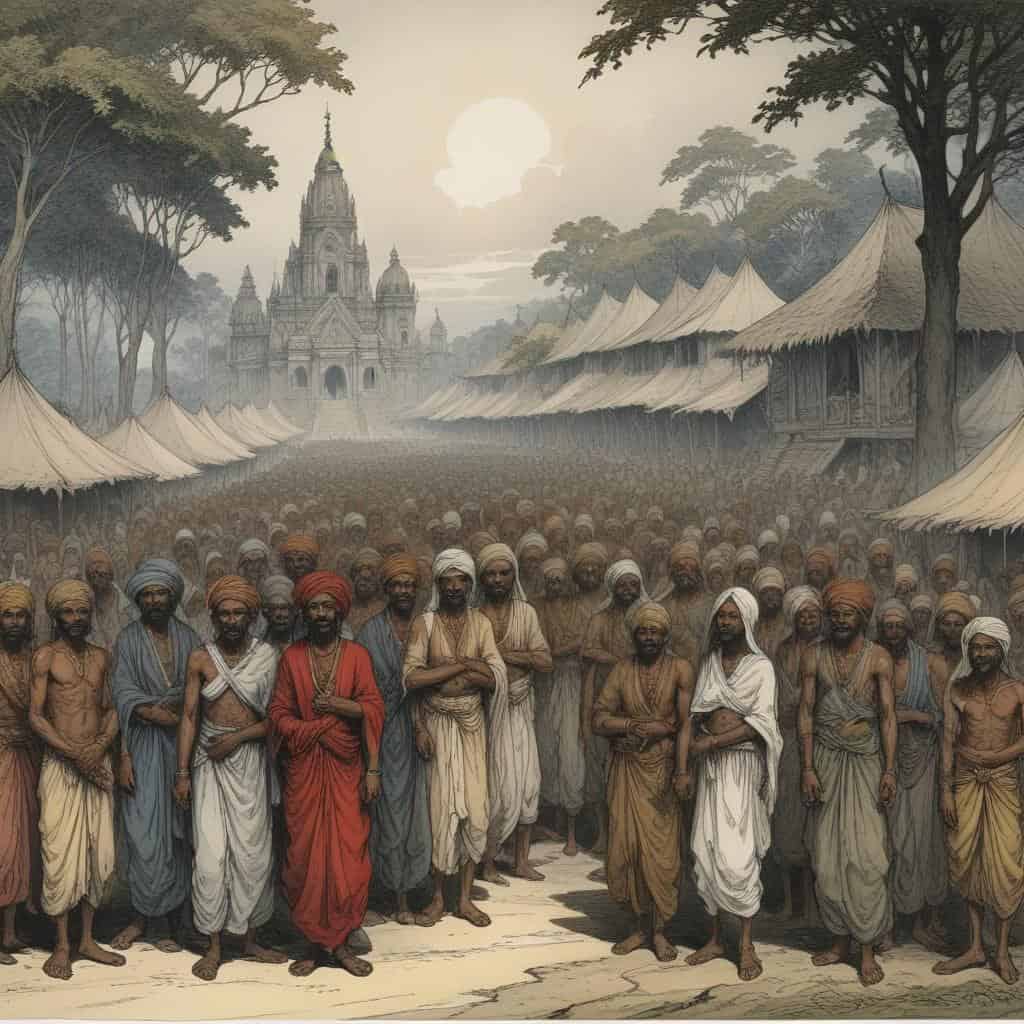
Hindustani Population
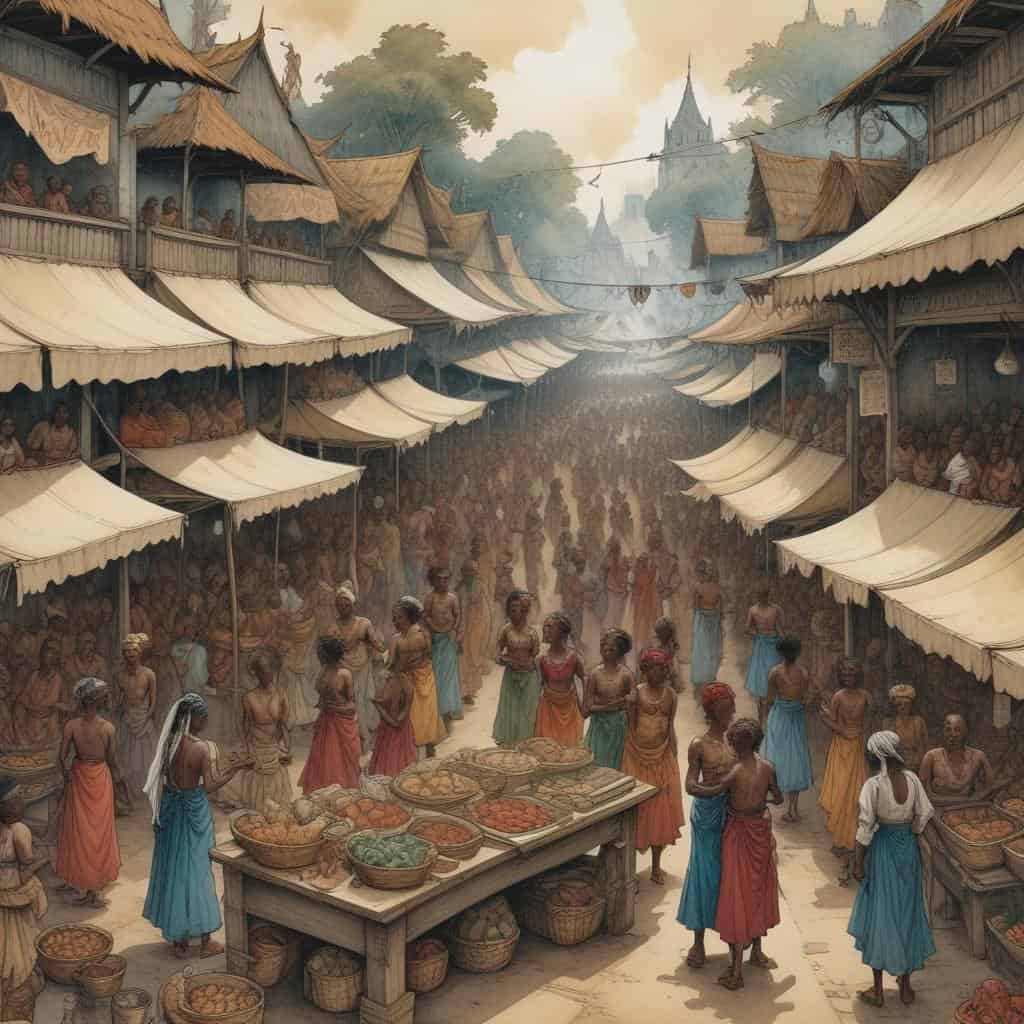
1. Rich Cultural Heritage
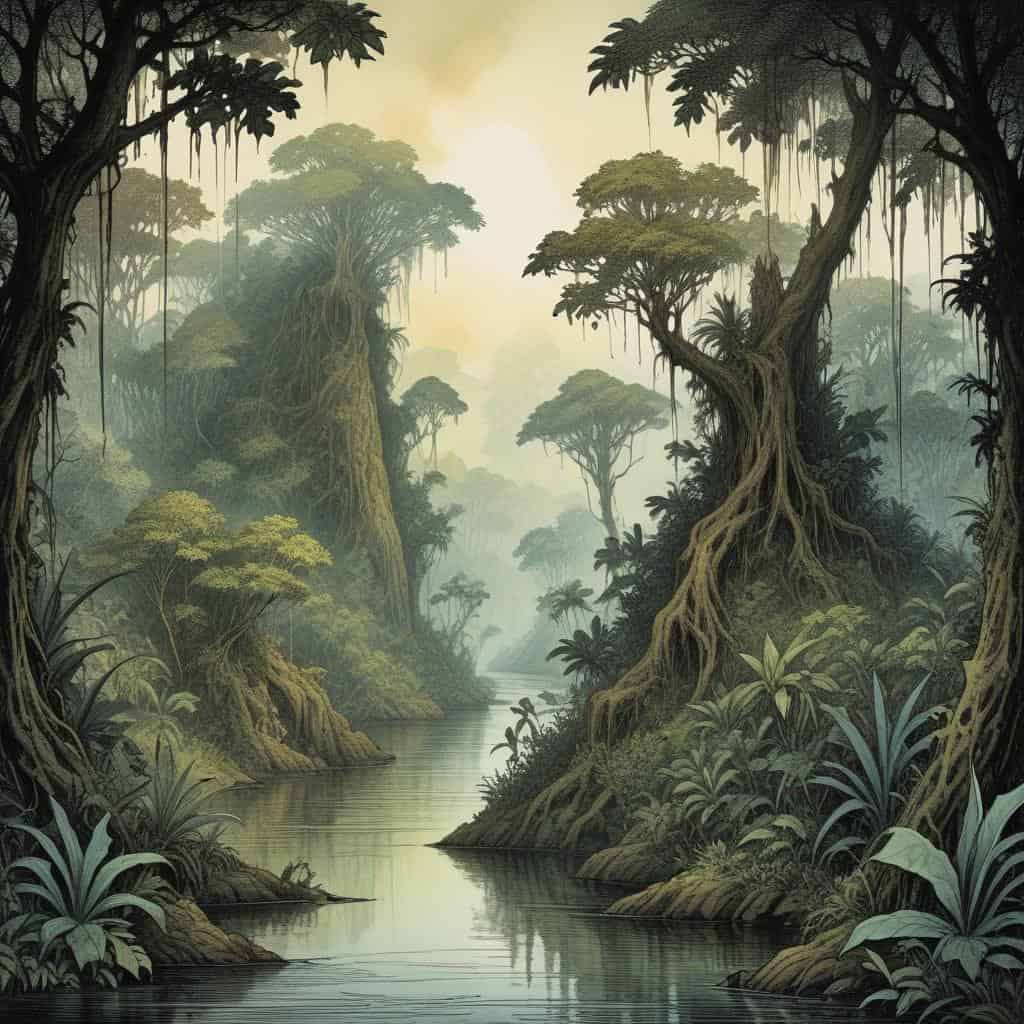
2. Breathtaking Natural Beauty
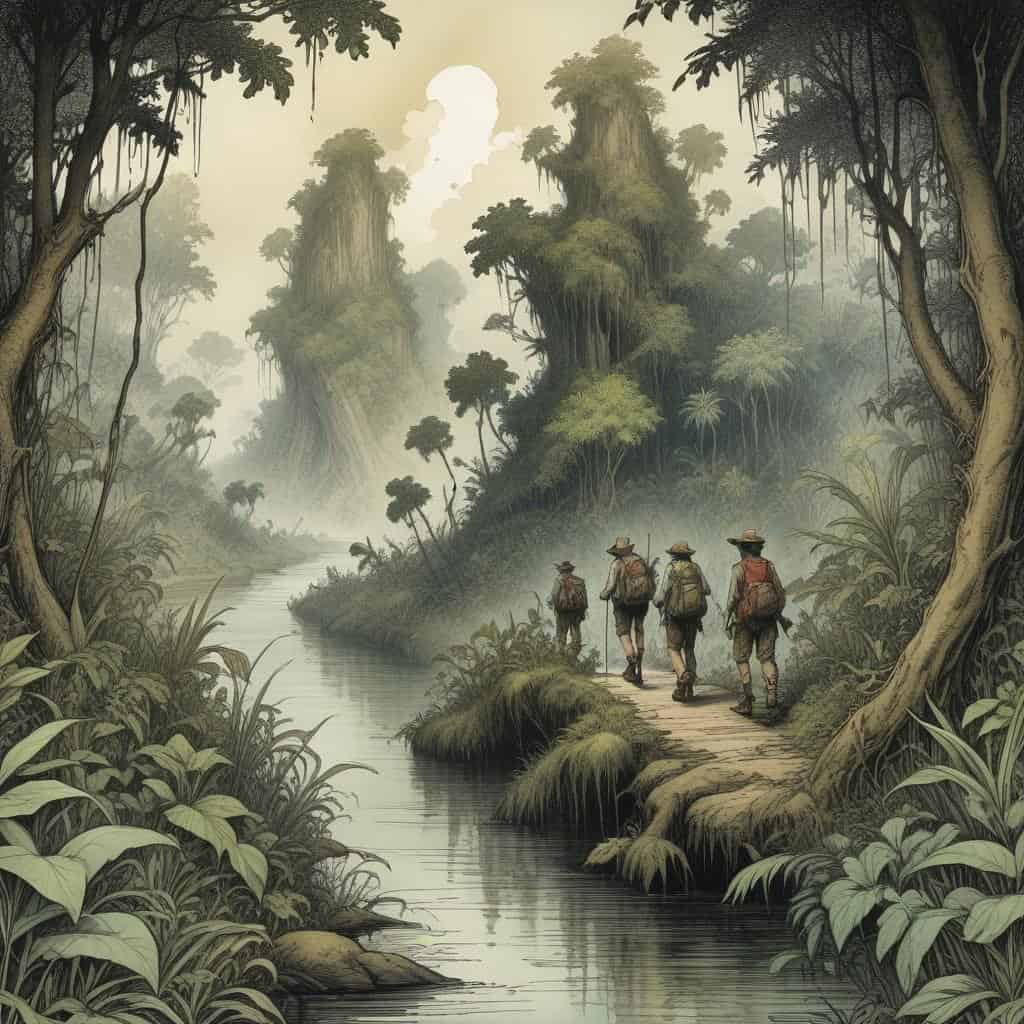
3. Adventure Activities
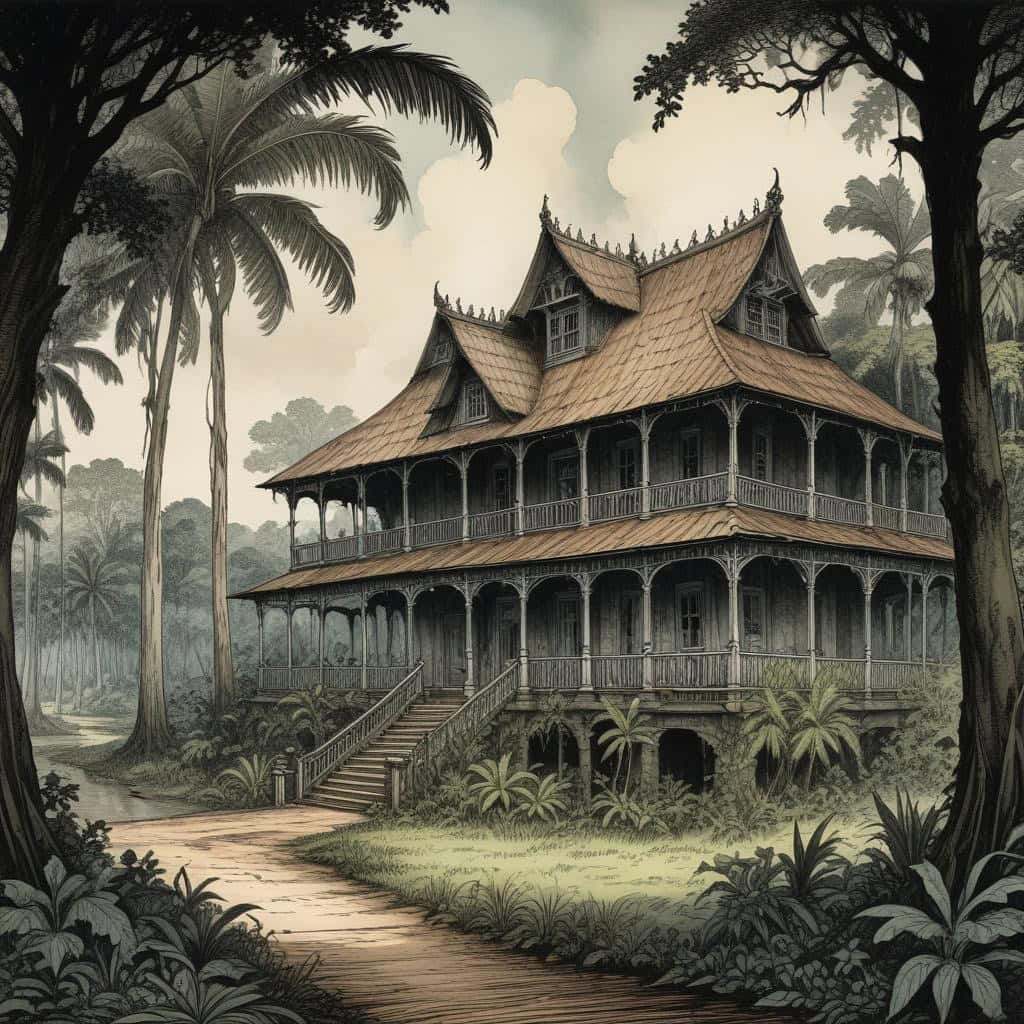
4. Historic Plantations
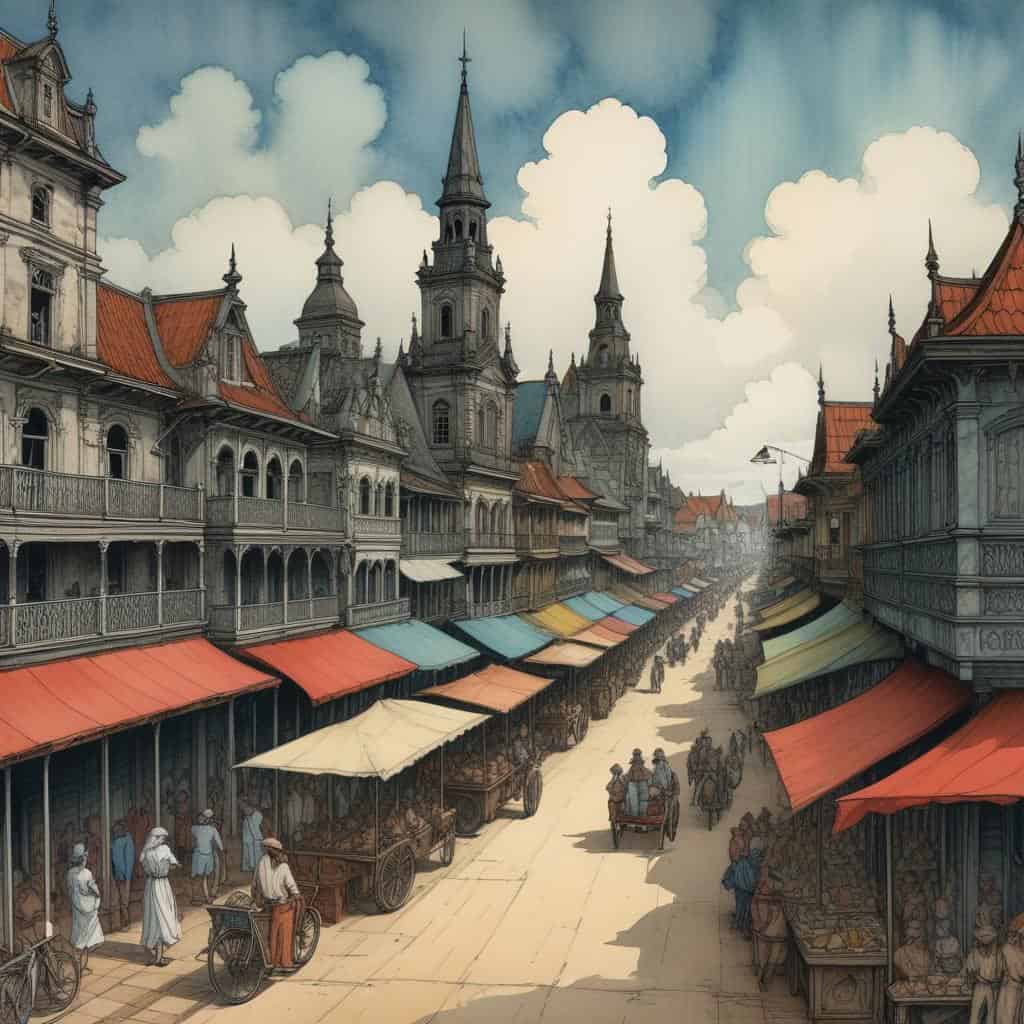
5. Vibrant Capital City
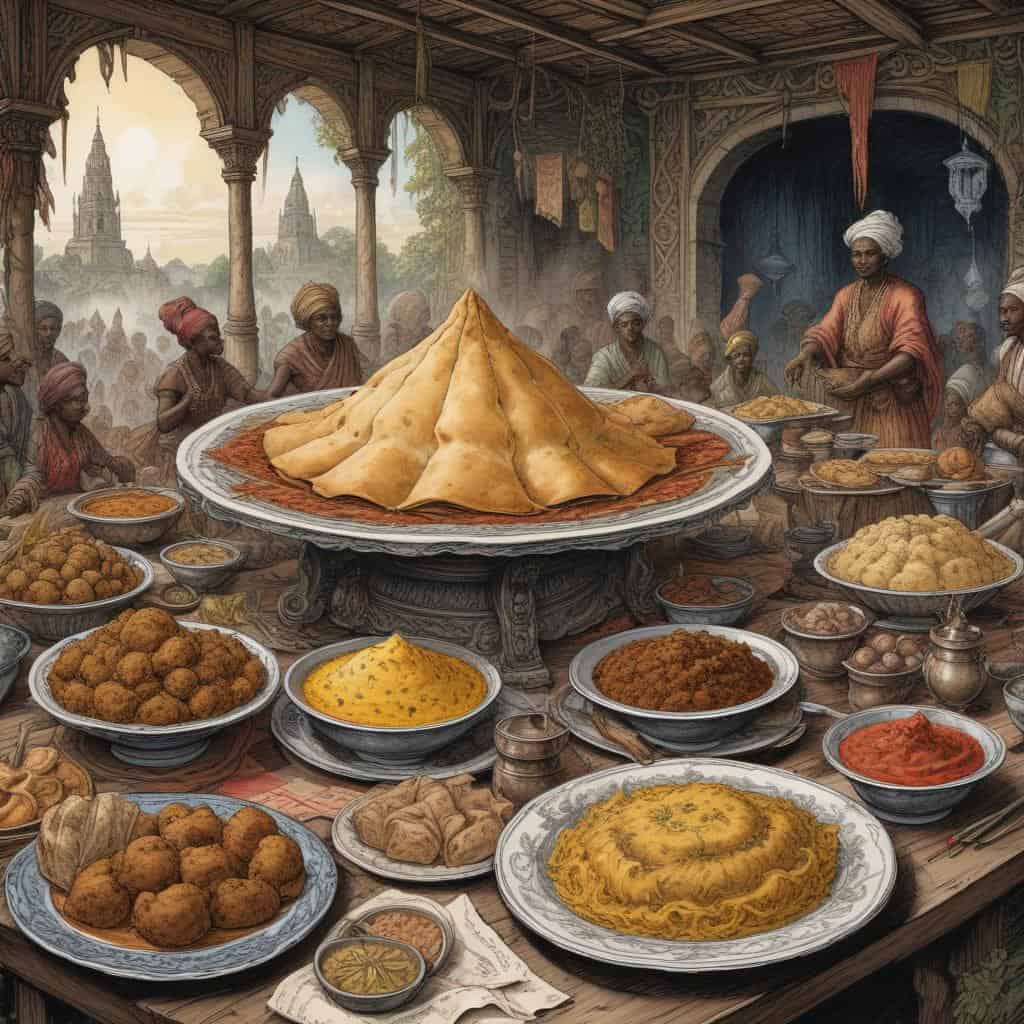
6. Mouthwatering Cuisine
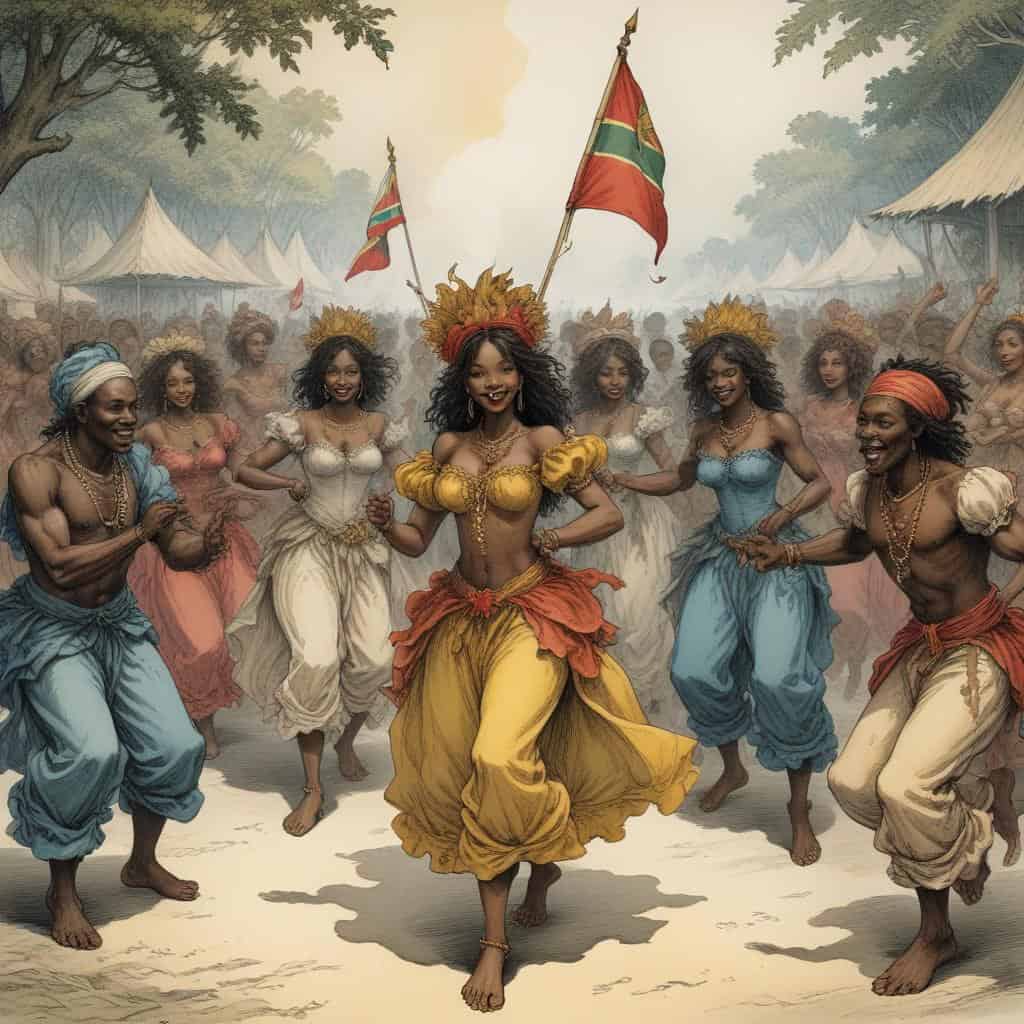
7. Warm and Welcoming People
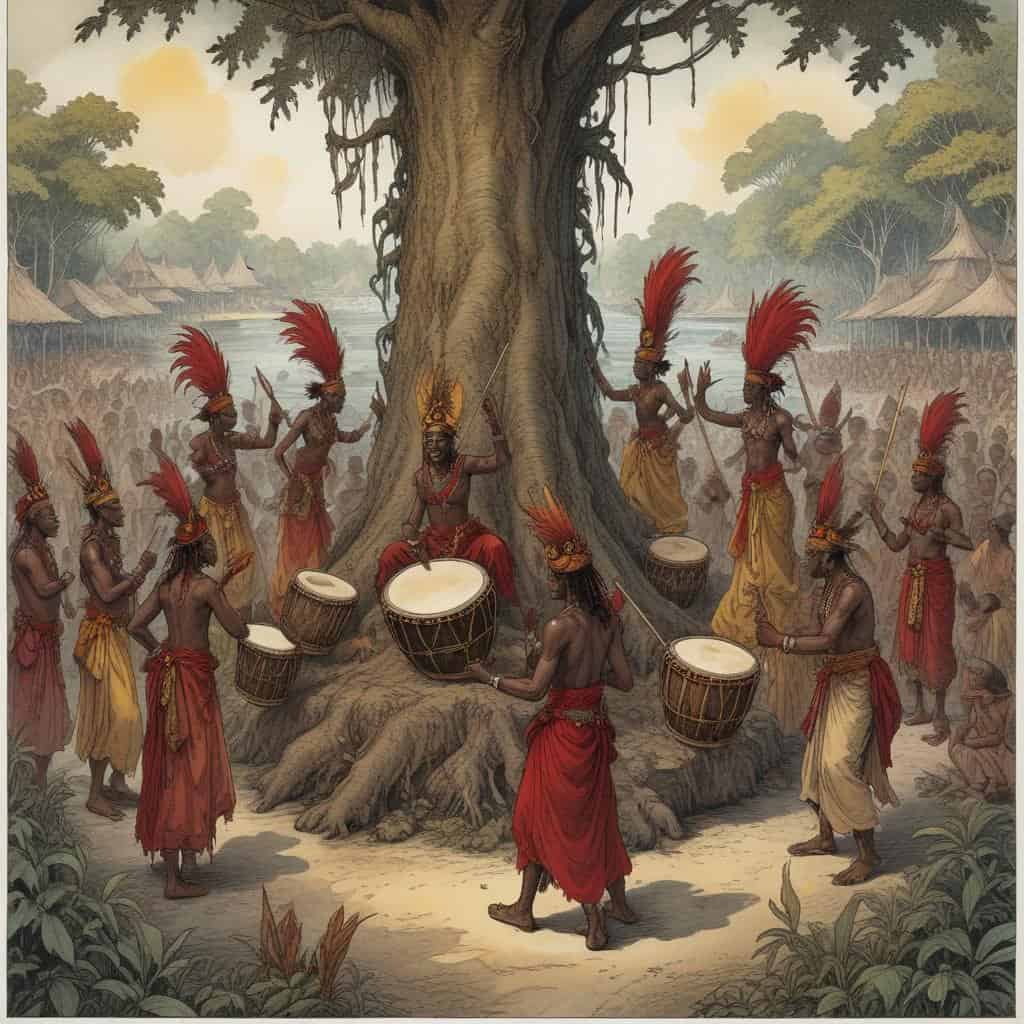
8. Unique Cultural Experiences
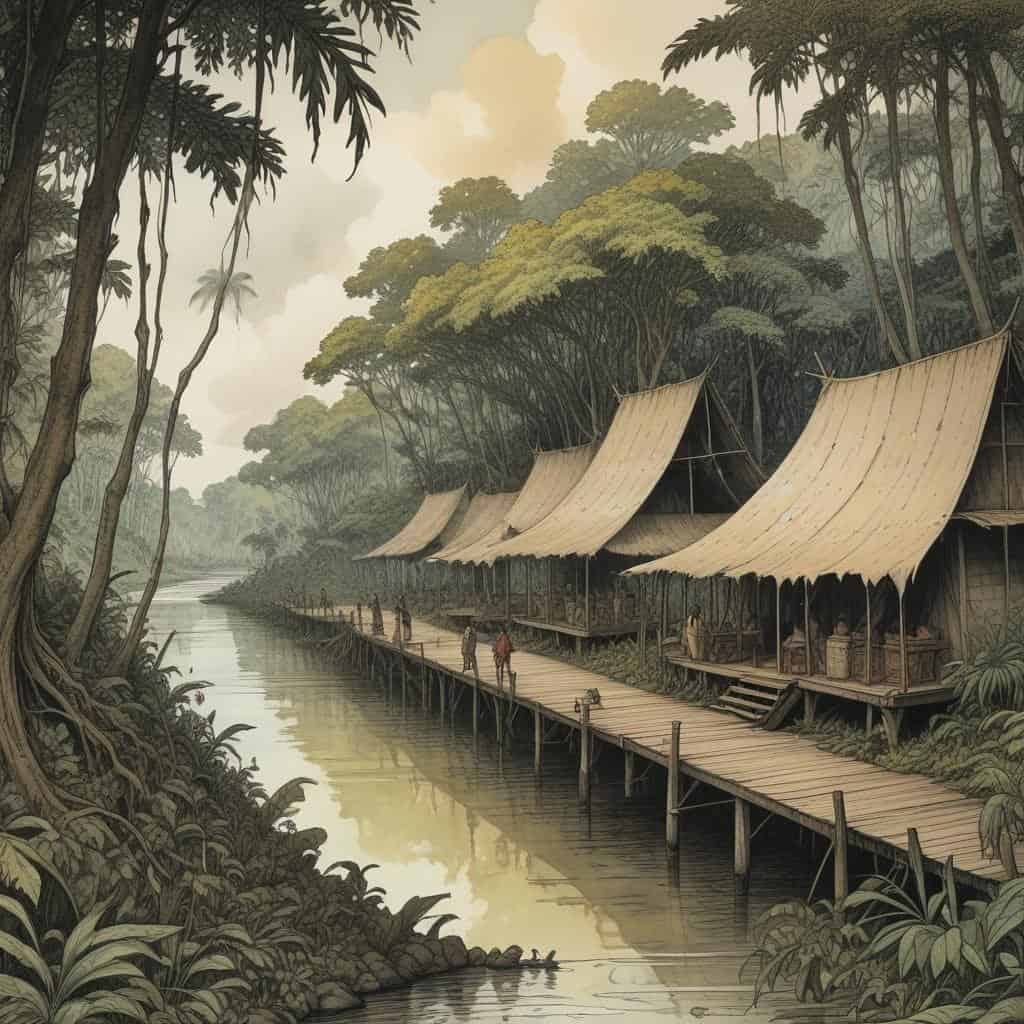
9. Sustainable Tourism Practices

10. Unforgettable Memories
In a Nutshell
- Capital: Paramaribo
- Population: Approx. 600,000 (2021)
- Official Language: Dutch
- Currency: Surinamese dollar (SRD)
Breaking Down the Country
Tropical Climate
Suriname enjoys a tropical climate with high humidity and abundant rainfall, making it a lush and biodiverse paradise.
Cultural Diversity
Suriname is a melting pot of cultures, with influences from Indigenous peoples, African slaves, Indian and Javanese laborers, Chinese immigrants, and European colonizers.
Unique Flora & Fauna
Suriname's pristine rainforests harbor a rich diversity of plant and animal species, including jaguars, giant river otters, and a stunning variety of birds.
Timeline of Suriname
Indigenous Arawak and Carib tribes inhabit the area now known as Suriname
Spanish explorers first arrive in the region
Dutch establish a trading post in the area
Suriname becomes a Dutch colony
African slaves are brought to Suriname to work on plantations
Maroon communities form in the interior as escaped slaves establish settlements
British briefly occupy Suriname during the Napoleonic Wars
Suriname gains independence from the Netherlands
Civil war breaks out between government forces and rebel groups
Suriname signs a peace accord to end the civil war
Suriname becomes a member of the Caribbean Community (CARICOM)
Gold mining becomes a major industry in Suriname
Oil discoveries are made off the coast of Suriname
Suriname signs an agreement with the International Monetary Fund (IMF) for economic reforms
Suriname experiences a period of political instability with multiple changes in government
COVID-19 pandemic affects Suriname, leading to economic challenges
Suriname holds general elections, resulting in a change of government
Suriname celebrates its 45th anniversary of independence
Suriname begins vaccination campaign against COVID-19
Suriname's economy begins to recover from the impact of the pandemic
Vocabulary List
Key Facts
This is the information used in the fact matching game
- Suriname is one of the smallest countries in South America, covering an area of just 63,251 square miles.
- The capital city of Suriname is Paramaribo, which is known for its colonial architecture and vibrant culture.
- Suriname is home to the Central Suriname Nature Reserve, a UNESCO World Heritage Site that covers over 1.6 million hectares of pristine rainforest.
- The country is known for its diverse wildlife, including jaguars, giant otters, and over 700 species of birds.
- Suriname has a tropical climate with distinct wet and dry seasons, making it ideal for agriculture.
- The Suriname River is the longest river in the country, flowing for over 480 kilometers from the interior to the Atlantic Ocean.
- Suriname is a culturally diverse country, with a population that is made up of people of Indian, Javanese, African, and Indigenous descent.
- The country's economy is heavily dependent on mining, particularly gold and bauxite, as well as agriculture and ecotourism.
- The Suriname rainforest is one of the most biodiverse in the world, with over 4,000 species of plants and animals.
- The Surinamese cuisine is a blend of African, Indian, Javanese, and Indigenous influences, with dishes such as roti, pom, and moksi alesi being popular.
- Suriname is known for its vibrant music scene, with genres such as kaseko, kawina, and zouk being popular among the locals.
- The country has a rich history of colonialism, having been ruled by the Dutch for over 300 years before gaining independence in 1975.
- Paramaribo's historic inner city is a UNESCO World Heritage Site, with its unique blend of Dutch, Spanish, and Caribbean architecture.
- Suriname is one of the most ethnically diverse countries in the world, with over 20 distinct ethnic groups living within its borders.
- The country is home to the Maroon communities, descendants of escaped African slaves who have preserved their traditional way of life in the interior rainforest.
- Suriname has a low population density, with large swathes of untouched wilderness and national parks for visitors to explore.
- The Suriname mangrove forests are an important ecosystem, providing a habitat for numerous species of birds, fish, and other wildlife.
- The country has a rich artistic tradition, with Surinamese artists producing vibrant paintings, sculptures, and textiles that reflect the country's diverse cultural heritage.
- Suriname is a popular destination for birdwatching, with over 700 species of birds found in the country's rainforests, wetlands, and savannas.
- The Suriname Carnival is a major cultural event that takes place every year in Paramaribo, featuring colorful parades, music, and dance performances.
Why It Matters
Geopolitical Significance
Situated on the northeastern coast of South America, Suriname’s location provides access to the Caribbean Sea and the Atlantic Ocean. Its borders with Brazil, Guyana, and French Guiana influence regional dynamics and trade routes, making it a key player in South American geopolitics.
Historical Importance
Suriname’s history is marked by colonization, slavery, and independence struggles. As a former Dutch colony, it has a diverse cultural heritage shaped by indigenous, African, Indian, and Javanese influences. The legacy of colonialism and the fight for self-determination continue to impact Suriname’s society and politics.
Modern-Day Role
Today, Suriname is a multicultural nation with a growing economy driven by mining, agriculture, and oil production. It plays a role in regional organizations like CARICOM and the Union of South American Nations, contributing to political and economic cooperation in the Caribbean and South America.
Suriname Games


Take Your Learning Offline
Want a convenient, print-ready study guide for this lesson? Become a Memory Wizards Pro member to unlock the downloadable " Memory Scrolls" for this topic and our entire library!
- ✓ Complete Vocabulary Lists
- ✓ Key Facts & Timelines
- ✓ Beautifully Formatted for Print & Mobile