
How Do You Learn Best?
Learn by Reading
Immerse yourself in the 10-minute visual lesson for a comprehensive understanding of the topic.
Learn by Reviewing
Jump directly to the key facts, timeline, and vocabulary lists to build a solid foundation of details.
Learn by Doing
Challenge yourself! Jump straight into the interactive games to learn by trial, error, and discovery.
Peru in 10 Minutes
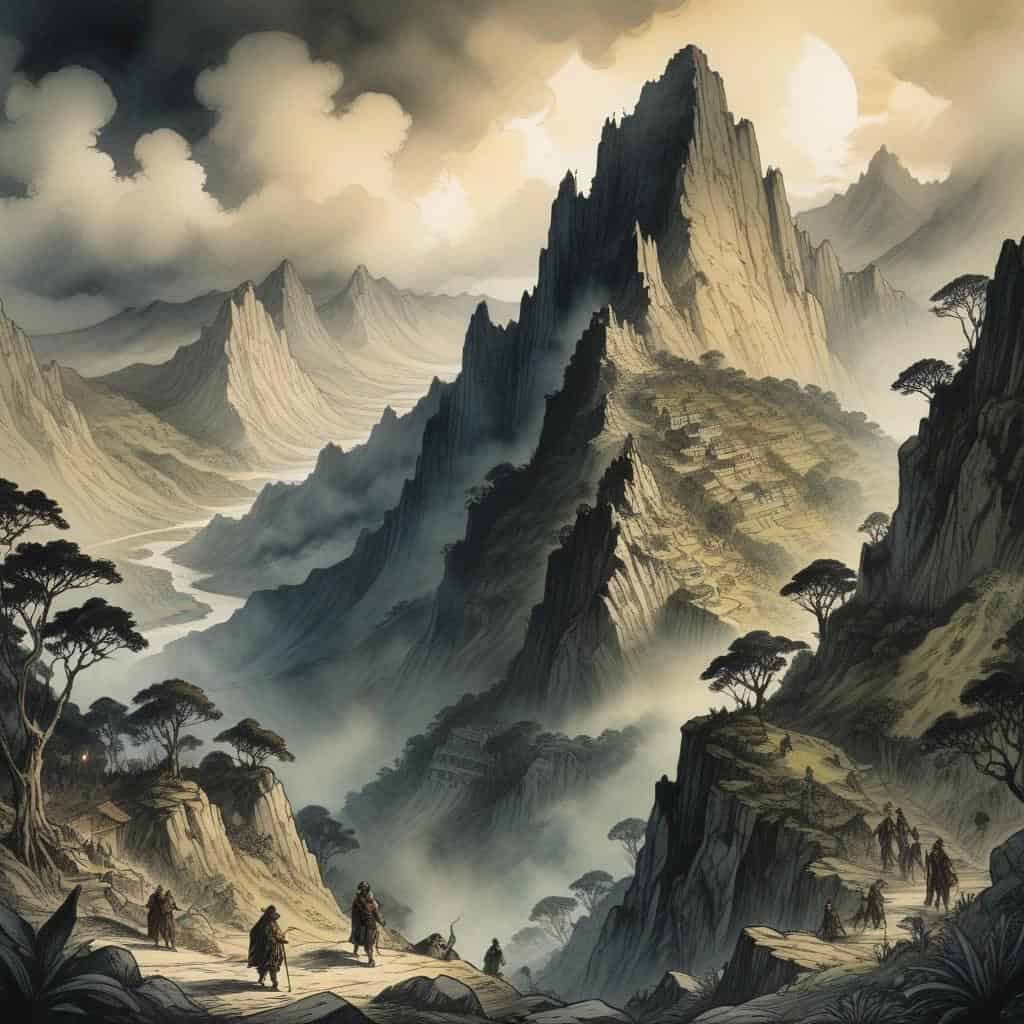
Introduction
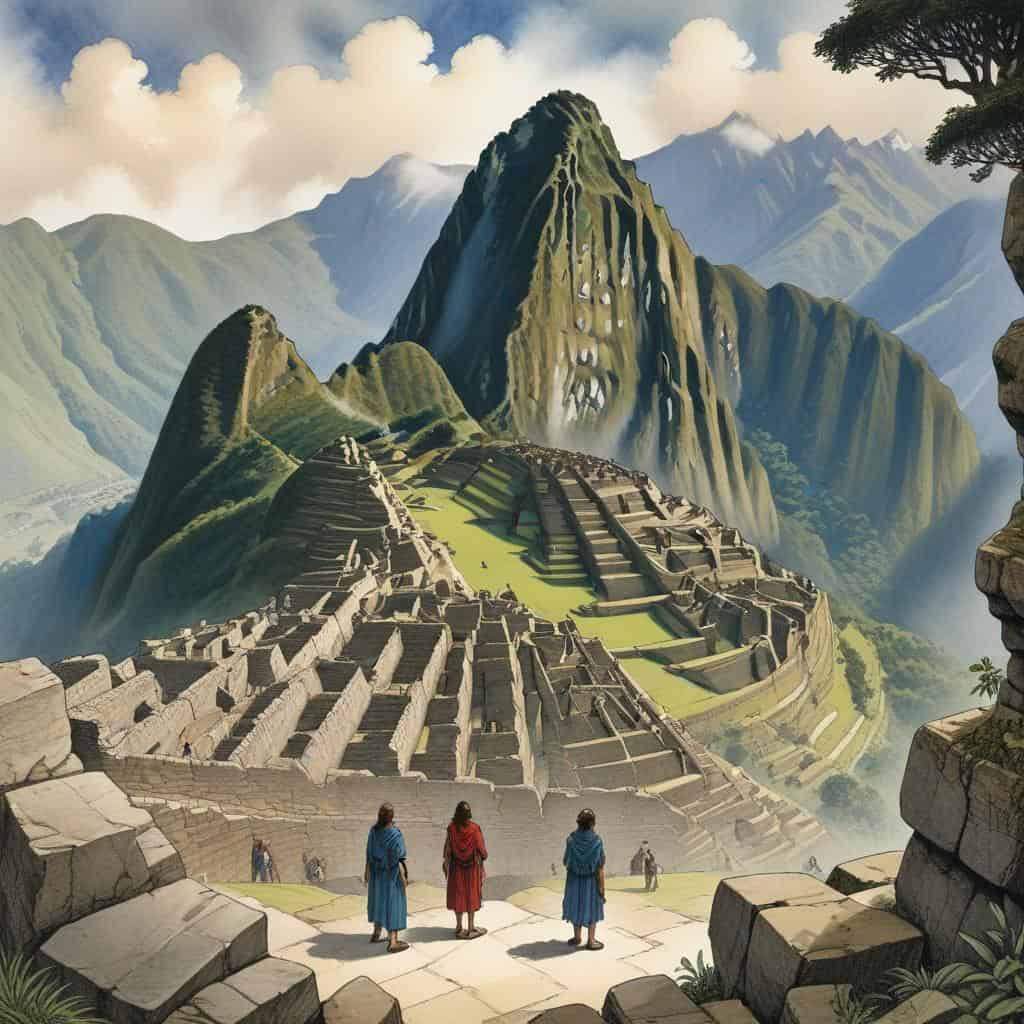
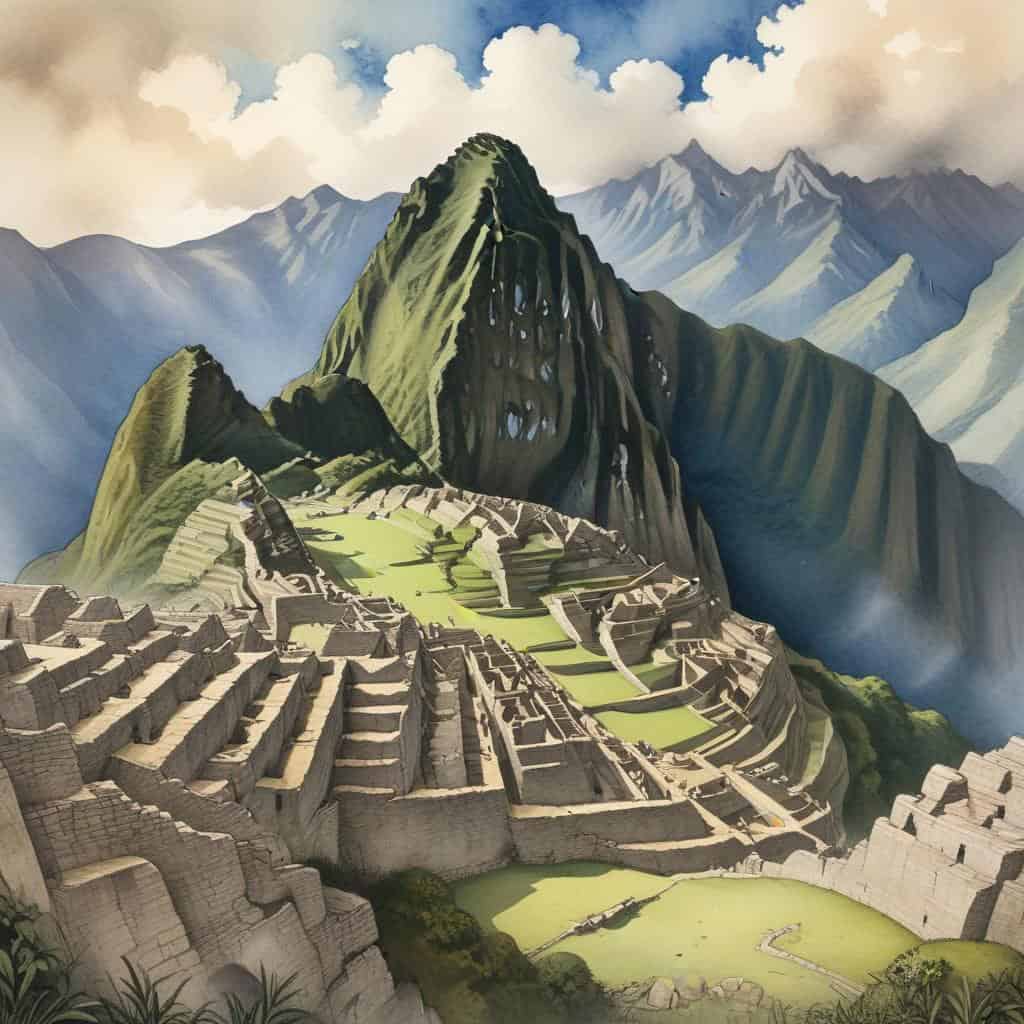
Machu Picchu
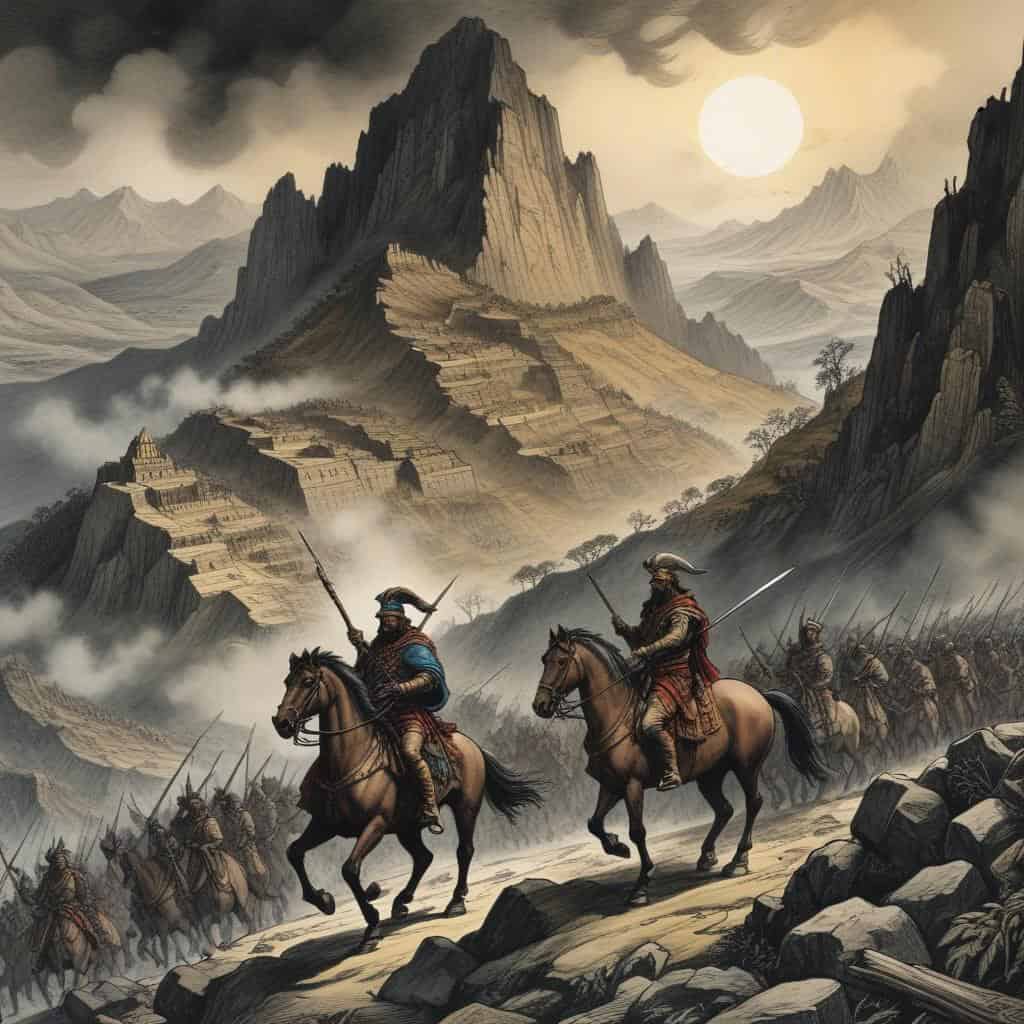
Francisco Pizarro
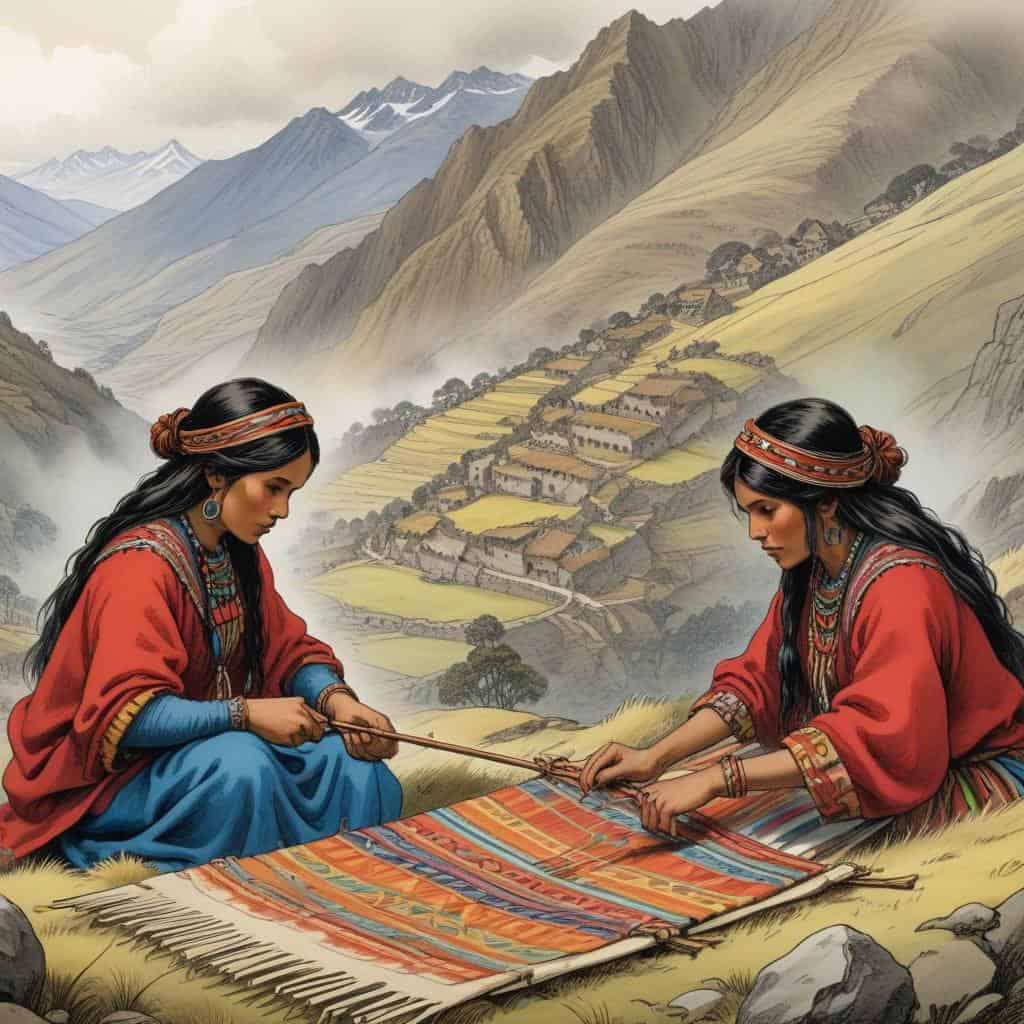
Peruvian Andean Women
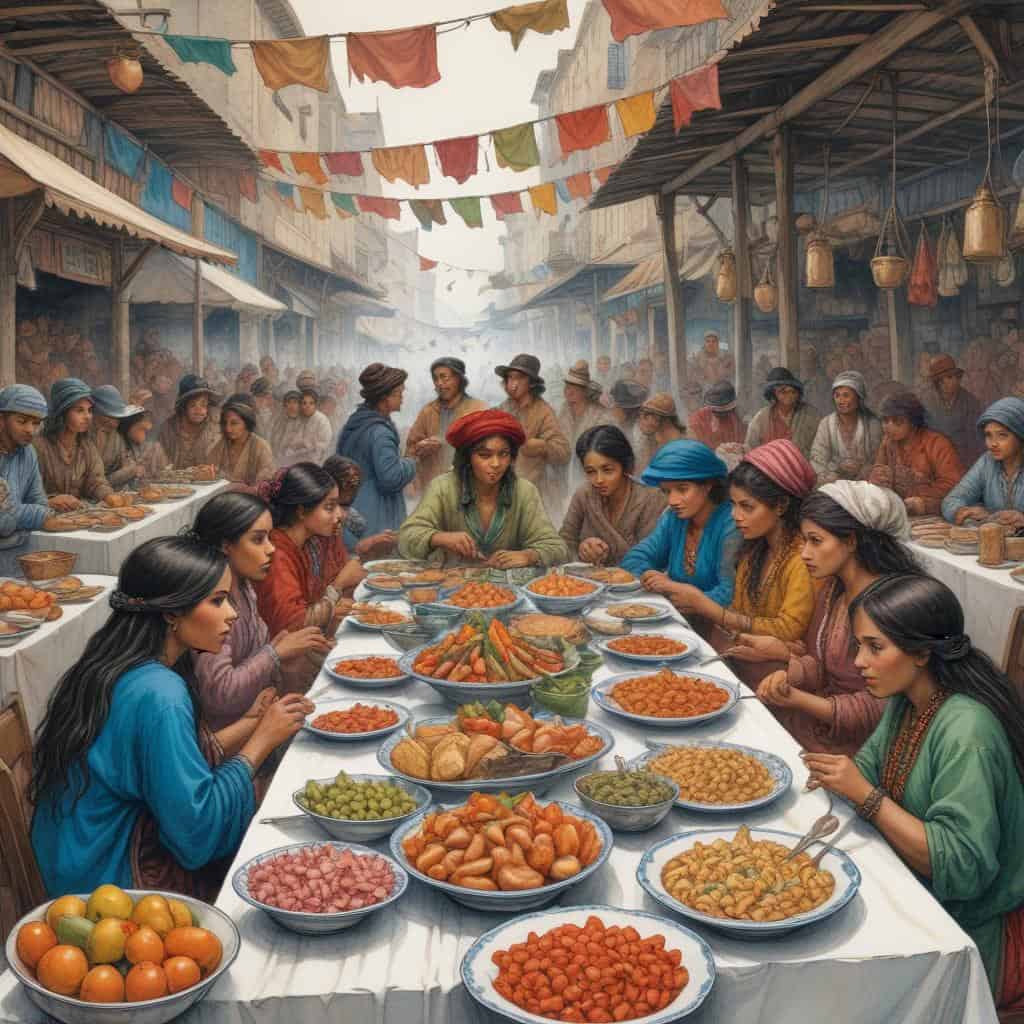
Ceviche
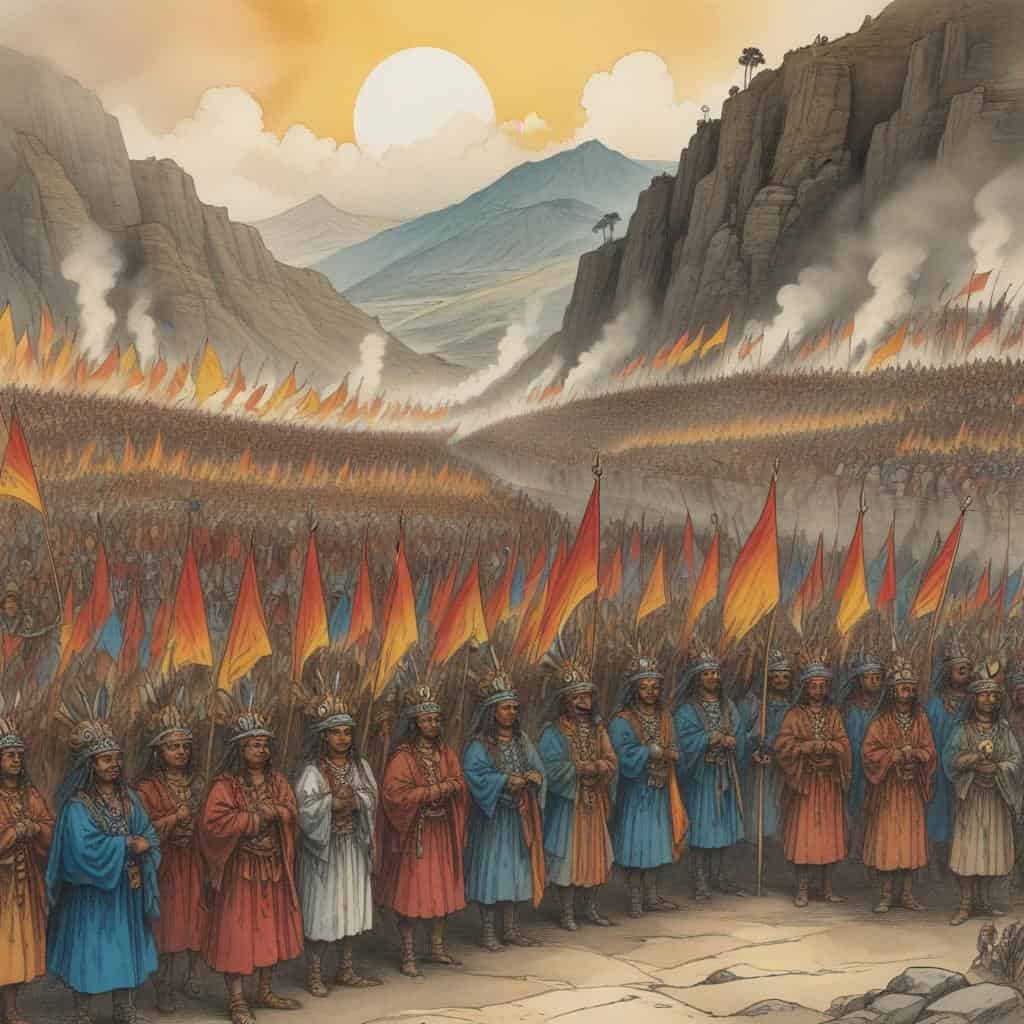
Inti Raymi
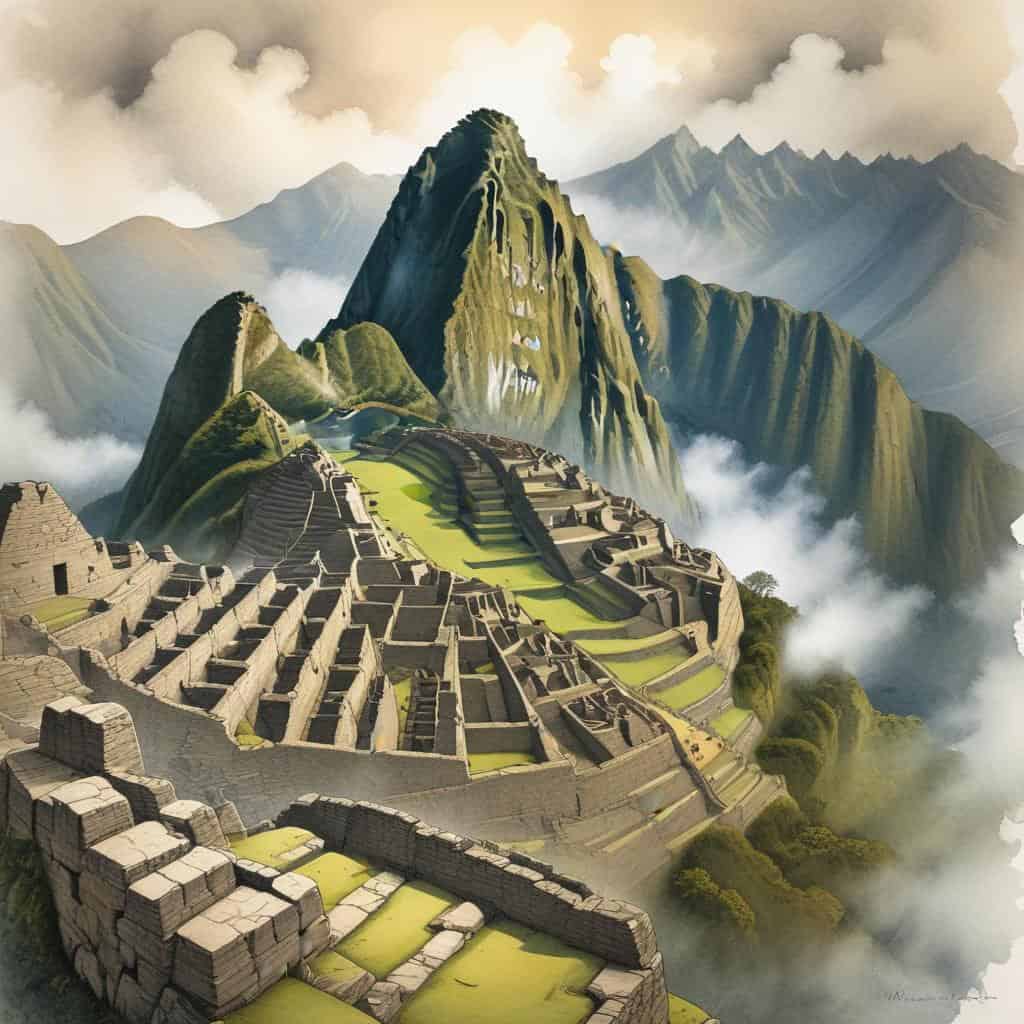
1. Machu Picchu: The Iconic Incan Citadel
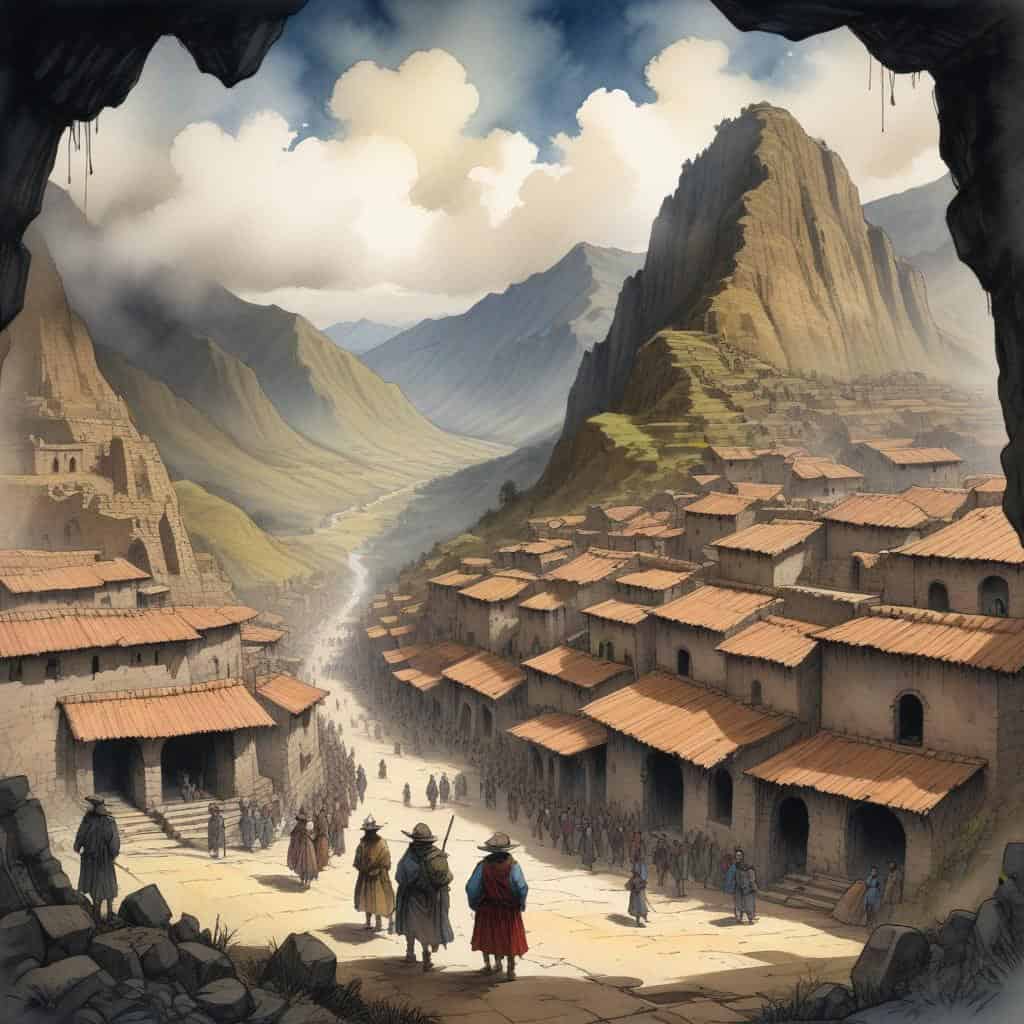
2. Sacred Valley: A Cultural Hub
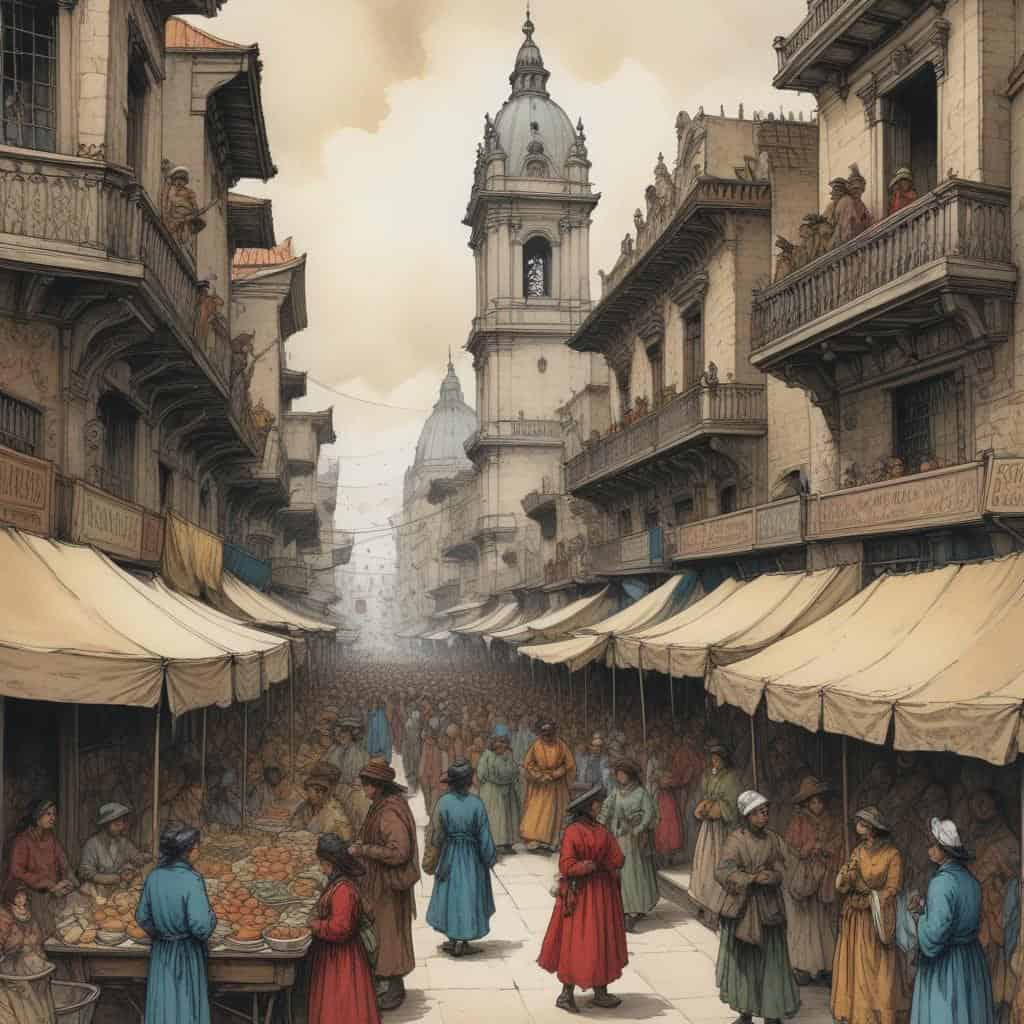
3. Lima: The Vibrant Capital
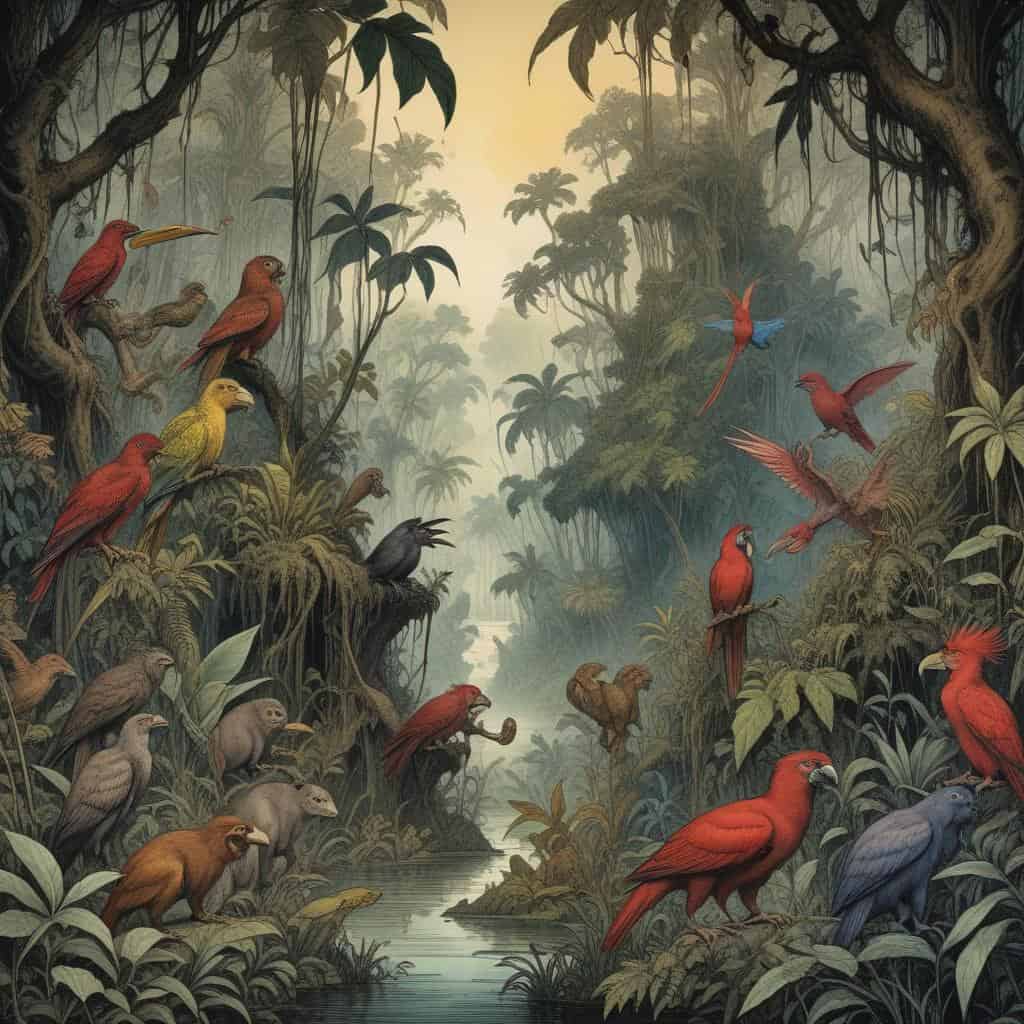
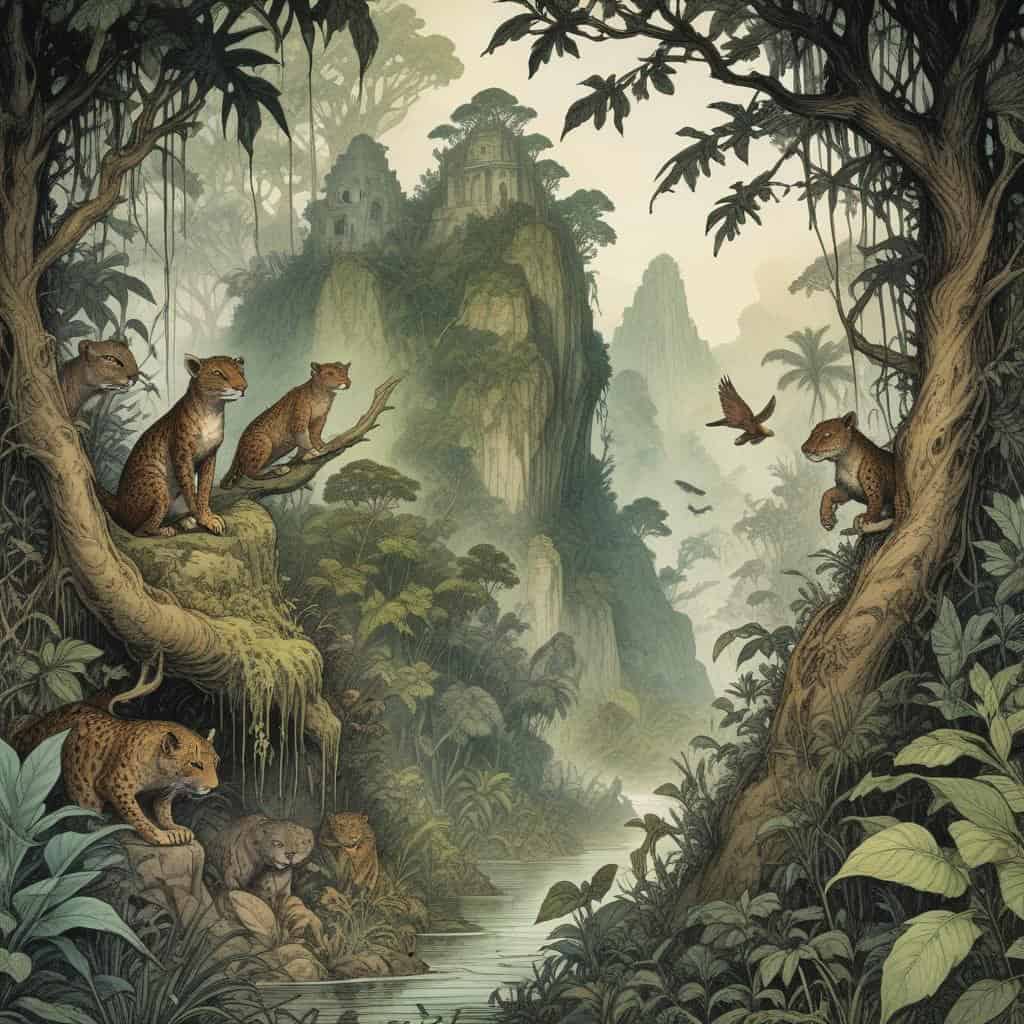
4. Amazon Rainforest: A Biodiversity Hotspot
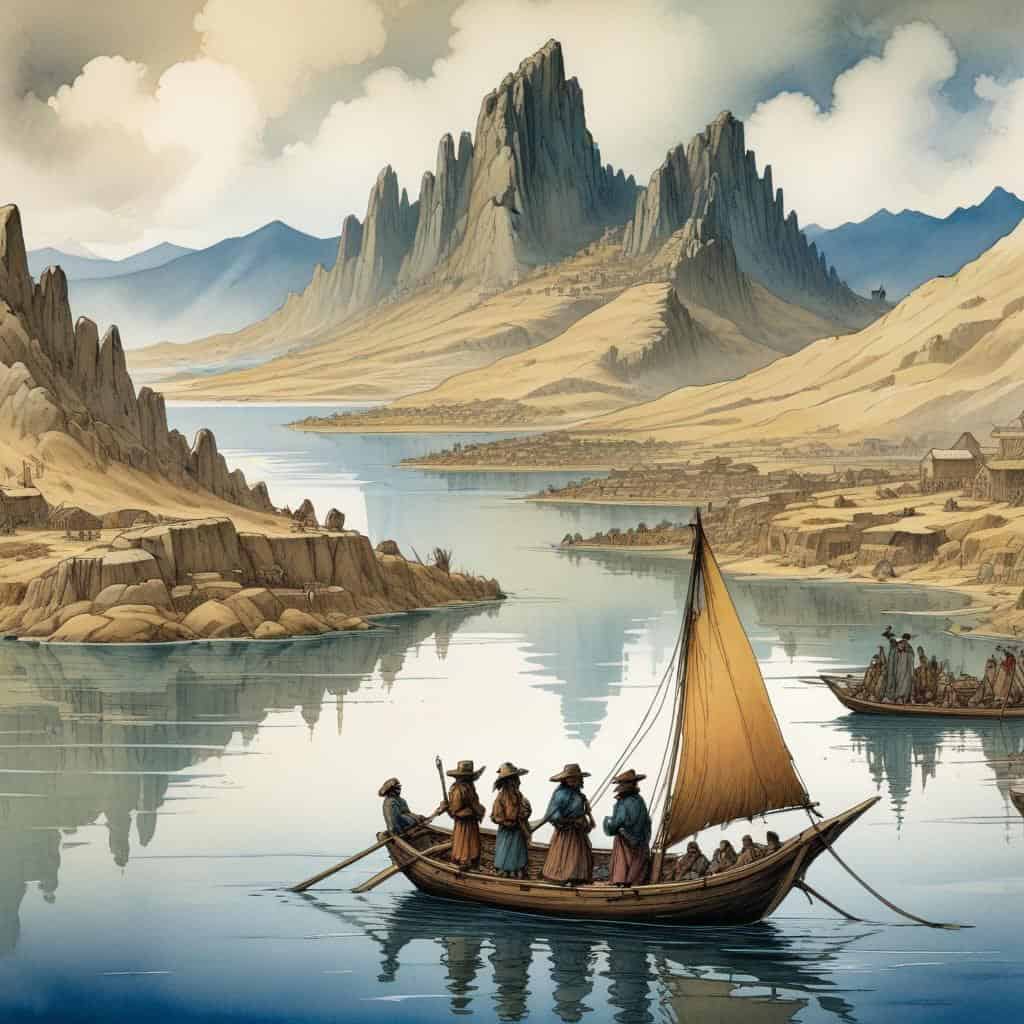
5. Lake Titicaca: The Highest Navigable Lake
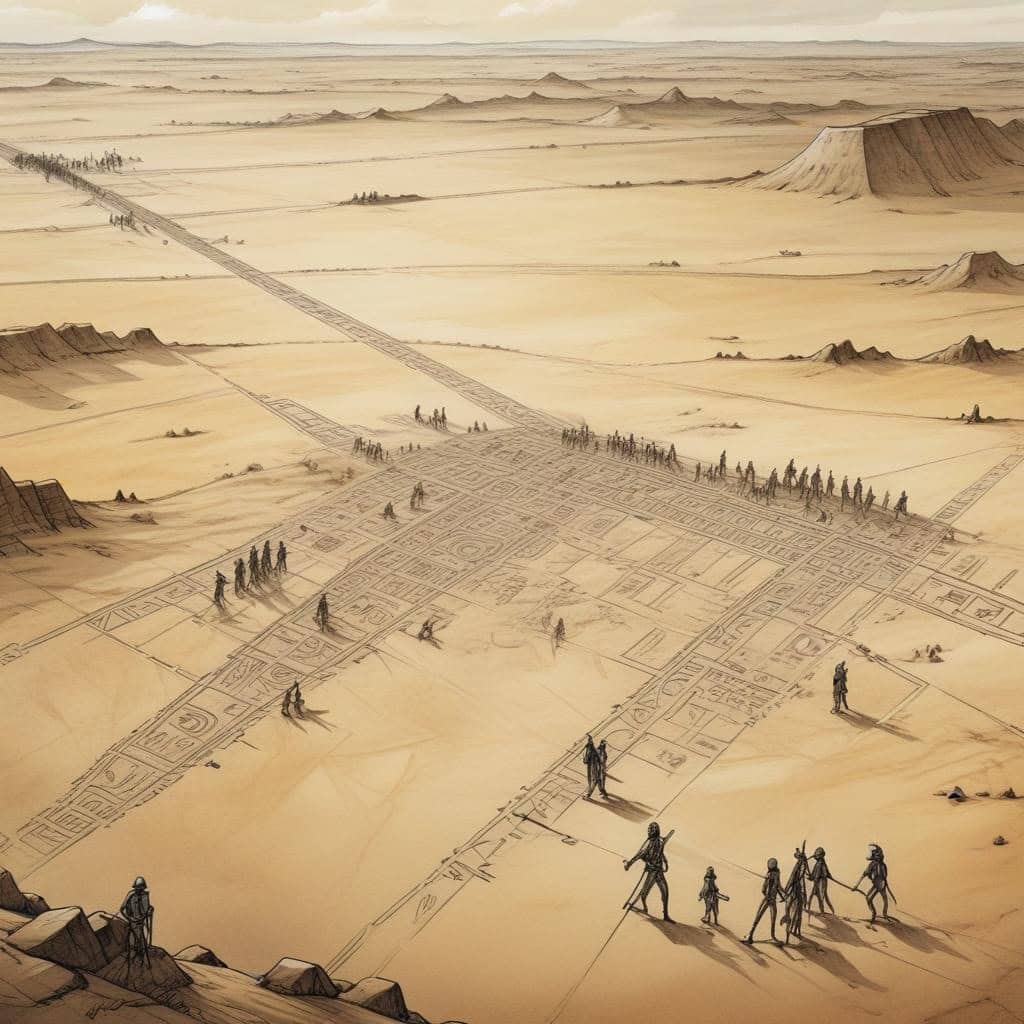
6. Nazca Lines: Mysterious Geoglyphs
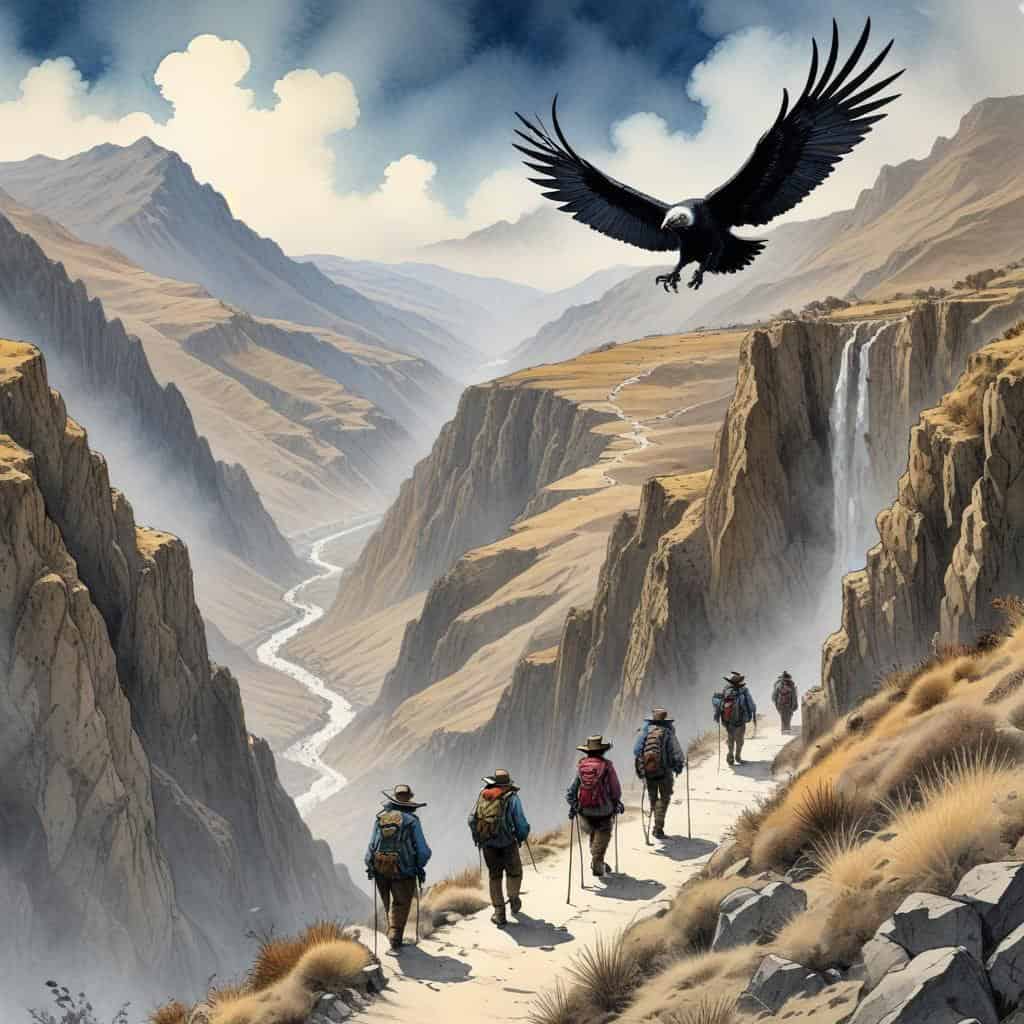
7. Colca Canyon: A Natural Wonder
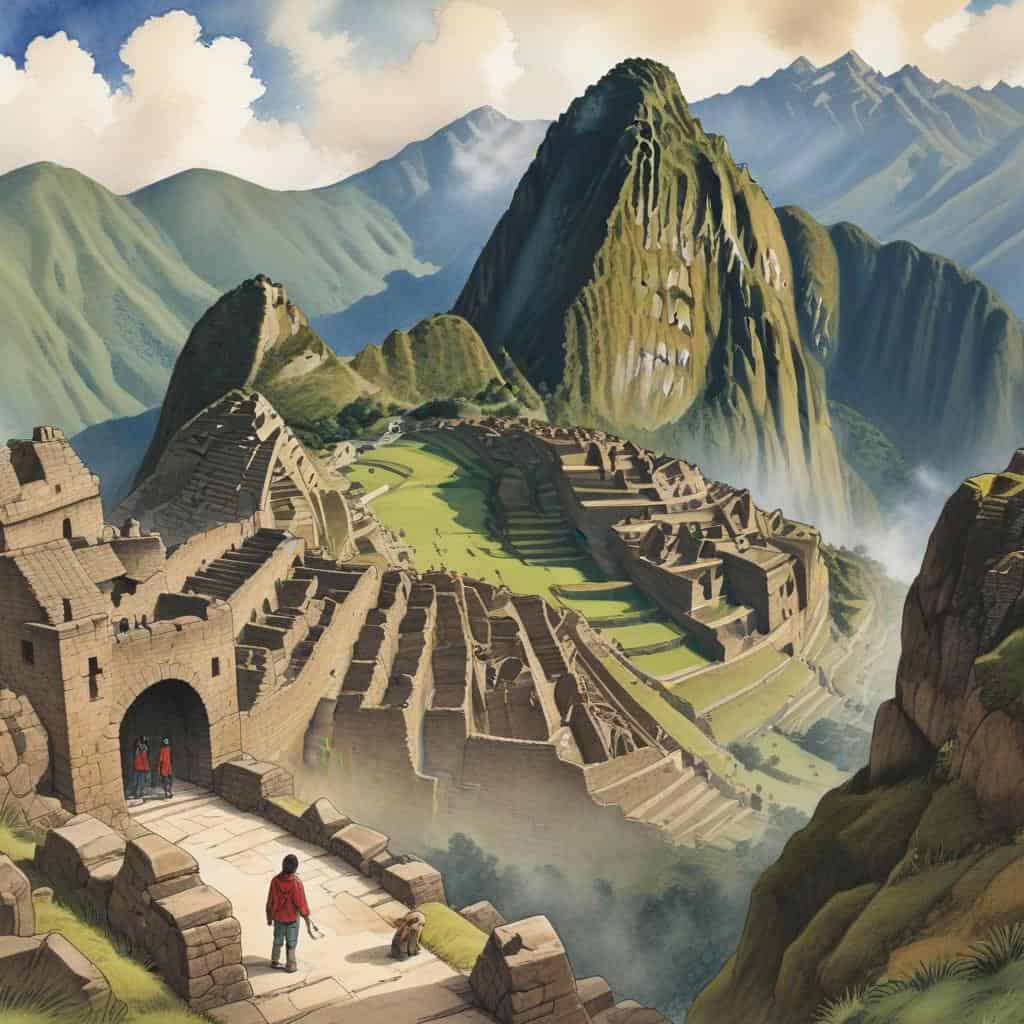
8. Cusco: The Gateway to Machu Picchu
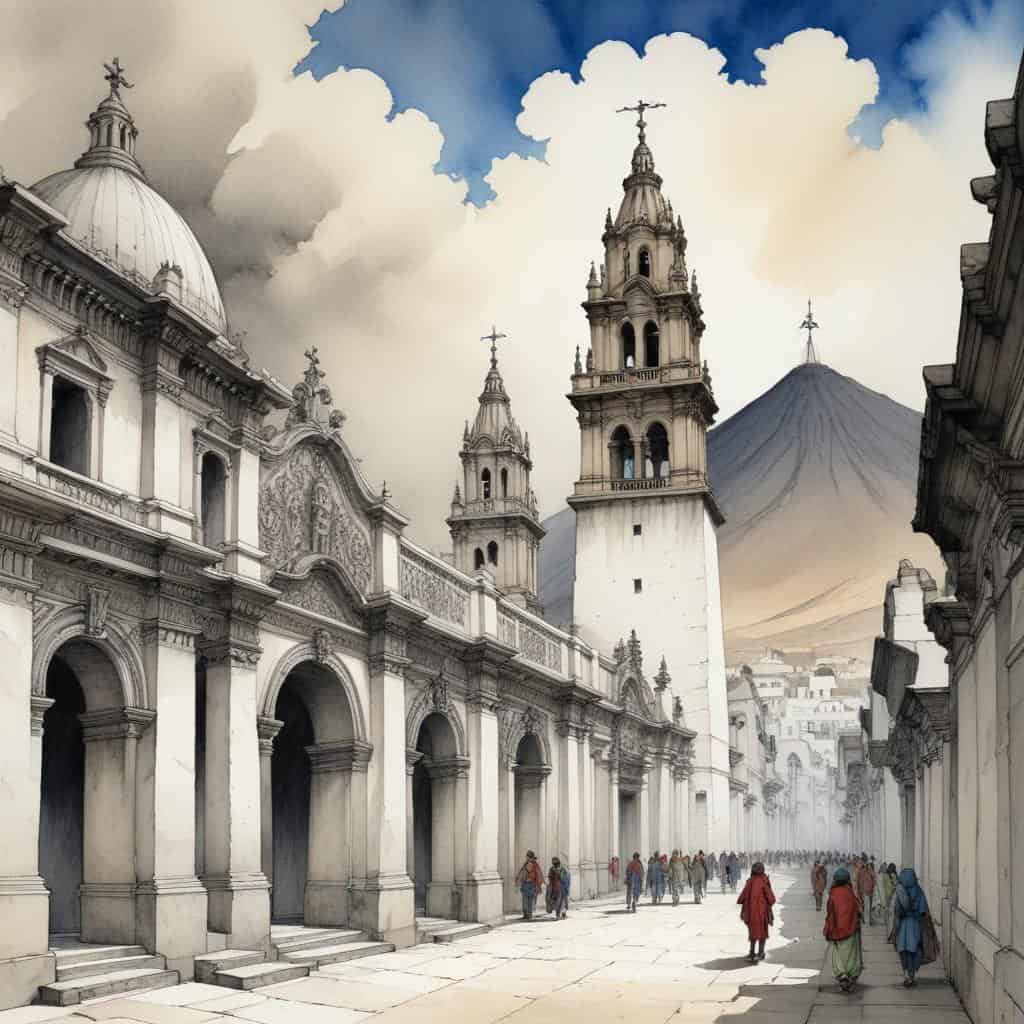
9. Arequipa: The White City
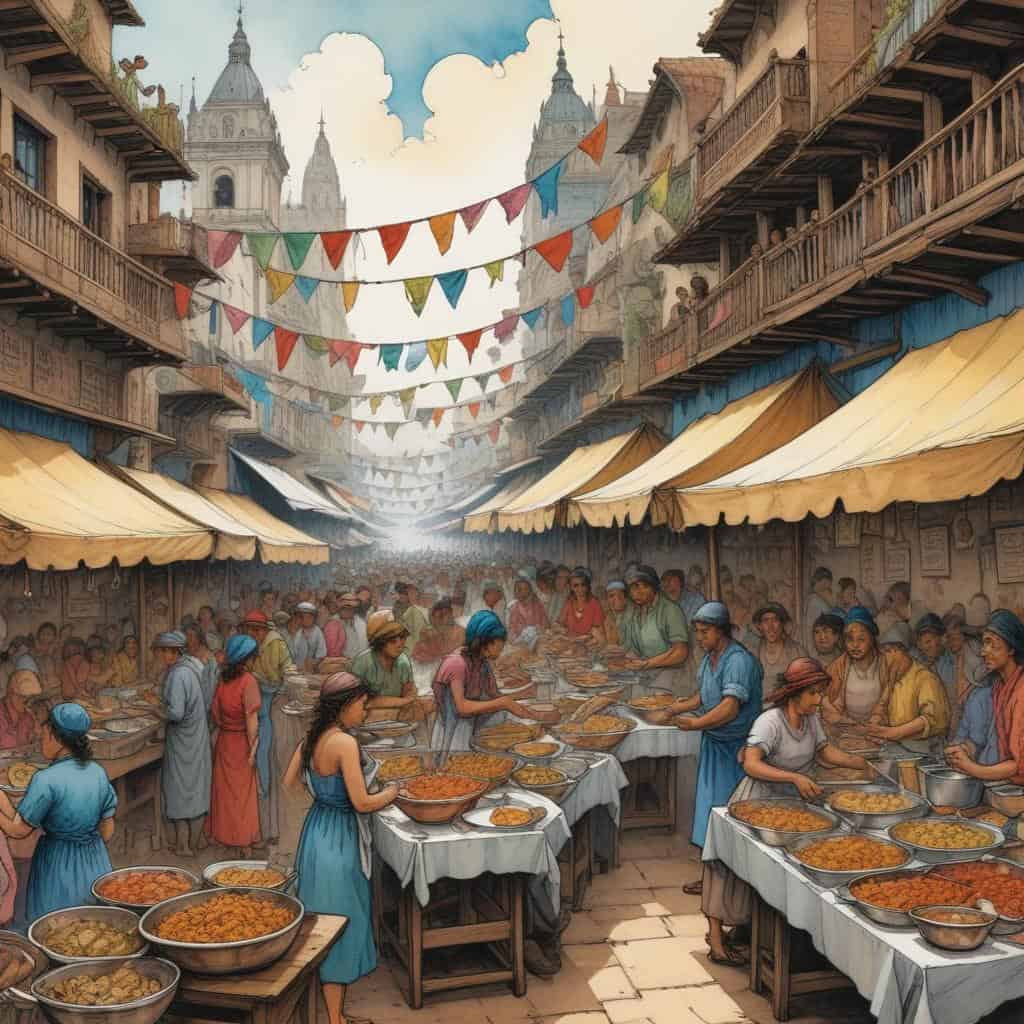
10. Peruvian Cuisine: A Culinary Delight
In a Nutshell
- Capital: Lima
- Population: Approx. 33.5 million (2021)
- Official Language: Spanish
- Currency: Peruvian sol (PEN)
Breaking Down the Country
Geographic Diversity
Peru boasts diverse landscapes including the Andes mountains, the Amazon rainforest, and the coastal desert, offering a rich tapestry of natural wonders.
Ancient Civilization
Home to the Inca Empire, Peru is steeped in history with iconic archaeological sites like Machu Picchu and the Nazca Lines waiting to be explored.
Culinary Delights
Discover Peru's gastronomic treasures with dishes like ceviche, lomo saltado, and pisco sour, blending indigenous flavors with international influences.
Timeline of Peru
The Inca Empire is founded in Peru
Spanish conquistadors led by Francisco Pizarro arrive in Peru
The city of Lima is founded by Francisco Pizarro
The Spanish defeat the Inca Empire at the Battle of Cajamarca
The Viceroyalty of Peru is established by the Spanish Crown
The Peruvian War of Independence begins
Peru gains independence from Spain
The Battle of Ayacucho marks the end of Spanish rule in South America
The construction of the Trans-Andean Railway begins
The rubber boom leads to economic growth in Peru
The War of the Pacific between Peru, Bolivia, and Chile
The Amazon Rainforest is designated a UNESCO World Heritage Site
The Shining Path insurgency begins in Peru
The capture of Shining Path leader Abimael Guzmán
Peru hosts the APEC Summit in Lima
The discovery of the Lord of Sipán tomb in Lambayeque
Peru becomes the world's largest producer of cocaine
Peru's economy experiences rapid growth
The El Niño phenomenon causes severe flooding in Peru
Peru hosts the 2019 Pan American Games in Lima
Vocabulary List
- Andes
- The Andes mountains run through Peru, providing stunning landscapes and great hiking opportunities.
- Inca
- The Inca Empire was centered in Peru and left behind many impressive ruins, such as Machu Picchu.
- Llama
- Llamas are a common sight in Peru, especially in the Andes mountains.
- Amazon
- The Amazon rainforest covers a large part of eastern Peru, providing a diverse ecosystem.
- Cusco
- Cusco is a city in Peru known for its Incan ruins and Spanish colonial architecture.
- Arequipa
- Arequipa is a city in southern Peru known for its white colonial buildings and proximity to the Andes.
- Pisco
- Pisco is a type of grape brandy produced in Peru, often used in the cocktail Pisco Sour.
- Machu Picchu
- Machu Picchu is an ancient Incan citadel located in the Andes mountains of Peru, a popular tourist destination.
- Nazca Lines
- The Nazca Lines are a series of ancient geoglyphs in the Nazca Desert of southern Peru, best viewed from the air.
- Quinoa
- Quinoa is a staple food in Peru, known for its high nutritional value and versatility in cooking.
Key Facts
This is the information used in the fact matching game
- Peru is home to the Andes mountain range, which runs through the country from north to south.
- The Amazon Rainforest covers a large portion of eastern Peru, providing a diverse ecosystem.
- Machu Picchu, an ancient Incan city located in the Andes, is one of the most famous archaeological sites in the world.
- Lima, the capital of Peru, is located on the Pacific coast and is known for its colonial architecture and vibrant culinary scene.
- Lake Titicaca, located on the border of Peru and Bolivia, is the highest navigable lake in the world.
- The Nazca Lines, a series of ancient geoglyphs in the Nazca Desert, are a UNESCO World Heritage Site.
- Cusco, once the capital of the Inca Empire, is now a popular tourist destination known for its well-preserved colonial architecture.
- The Colca Canyon in southern Peru is one of the deepest canyons in the world, reaching depths of over 13,000 feet.
- The city of Arequipa, known as the 'White City' for its colonial buildings made of white volcanic rock, is a UNESCO World Heritage Site.
- The Huacachina oasis, located near the city of Ica, is surrounded by towering sand dunes and is a popular destination for dune buggying and sandboarding.
- The Maras salt mines, located near Cusco, have been in operation since Incan times and are still used today.
- Peru is home to over 90 microclimates, resulting in a diverse range of landscapes and ecosystems.
- The city of Trujillo, located on the northern coast of Peru, is known for its well-preserved colonial architecture and archaeological sites.
- The Sacred Valley, located near Cusco, is home to numerous Incan ruins and traditional Andean villages.
- The Uros people of Lake Titicaca live on floating islands made of reeds and have maintained their traditional way of life for centuries.
- Peru is one of the world's top producers of quinoa, a nutrient-rich grain that has gained popularity in recent years.
- The city of Iquitos, located in the Amazon Rainforest, is the largest city in the world that is inaccessible by road.
- The Cotahuasi Canyon in southern Peru is one of the deepest canyons in the world, reaching depths of over 11,000 feet.
- The city of Puno, located on the shores of Lake Titicaca, is known for its traditional Andean music and dance festivals.
- Peru's diverse landscapes include deserts, mountains, rainforests, and coastal regions, making it a popular destination for outdoor enthusiasts.
Why It Matters
Geopolitical Significance
Peru holds a key position in South America, sharing borders with multiple countries including Ecuador, Colombia, Brazil, Bolivia, and Chile. Its location along the Pacific Ocean gives it a strategic maritime position, influencing trade routes and regional alliances in the continent.
Historical Importance
Peru is home to the ancient Inca civilization, known for its impressive architectural feats such as Machu Picchu. The Spanish conquest in the 16th century shaped the country’s identity, blending indigenous and colonial influences that are still prevalent in Peruvian culture today.
Modern-Day Role
Today, Peru is a thriving democracy with a growing economy driven by industries like mining, agriculture, and tourism. Its diverse landscapes and rich cultural heritage attract visitors from around the world, contributing to its global reputation as a vibrant and dynamic nation.
Peru Games


Take Your Learning Offline
Want a convenient, print-ready study guide for this lesson? Become a Memory Wizards Pro member to unlock the downloadable " Memory Scrolls" for this topic and our entire library!
- ✓ Complete Vocabulary Lists
- ✓ Key Facts & Timelines
- ✓ Beautifully Formatted for Print & Mobile