
How Do You Learn Best?
Learn by Reading
Immerse yourself in the 10-minute visual lesson for a comprehensive understanding of the topic.
Learn by Reviewing
Jump directly to the key facts, timeline, and vocabulary lists to build a solid foundation of details.
Learn by Doing
Challenge yourself! Jump straight into the interactive games to learn by trial, error, and discovery.
Paraguay in 10 Minutes
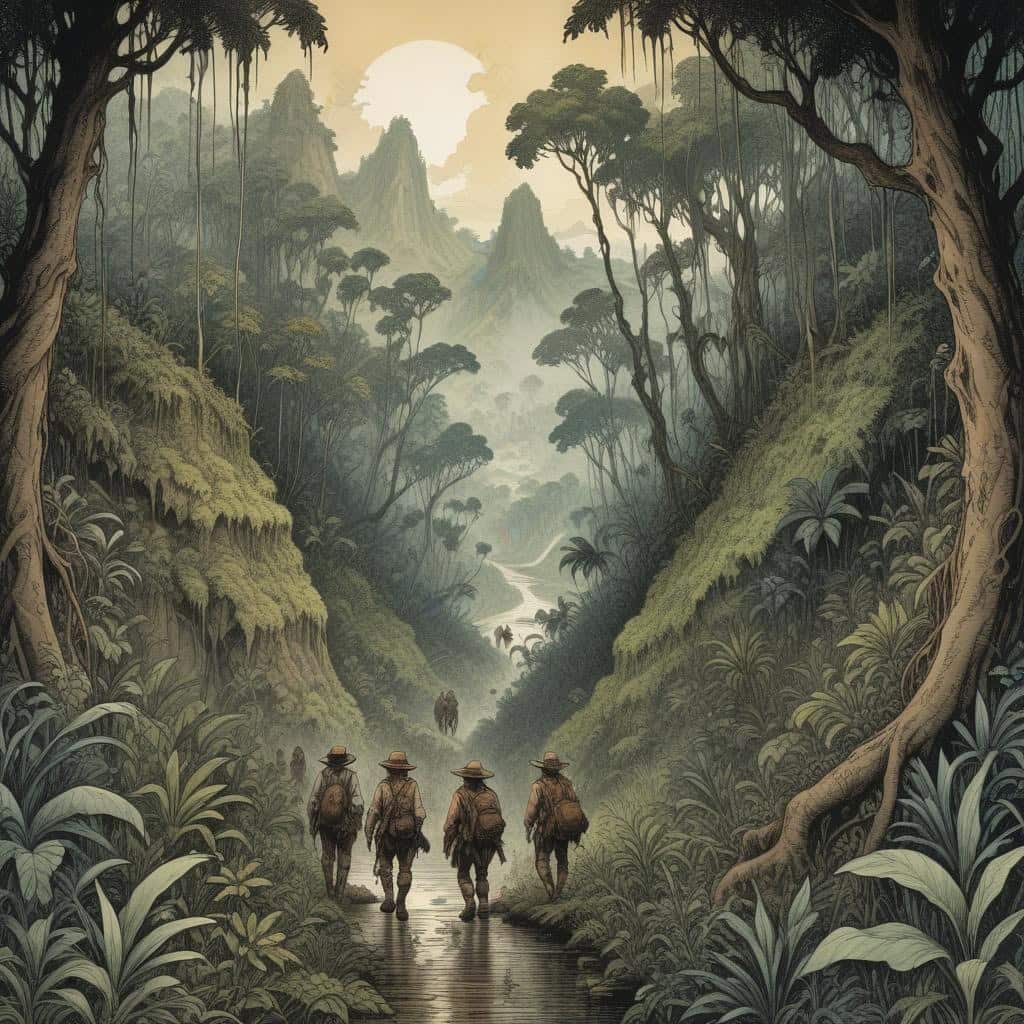
Introduction
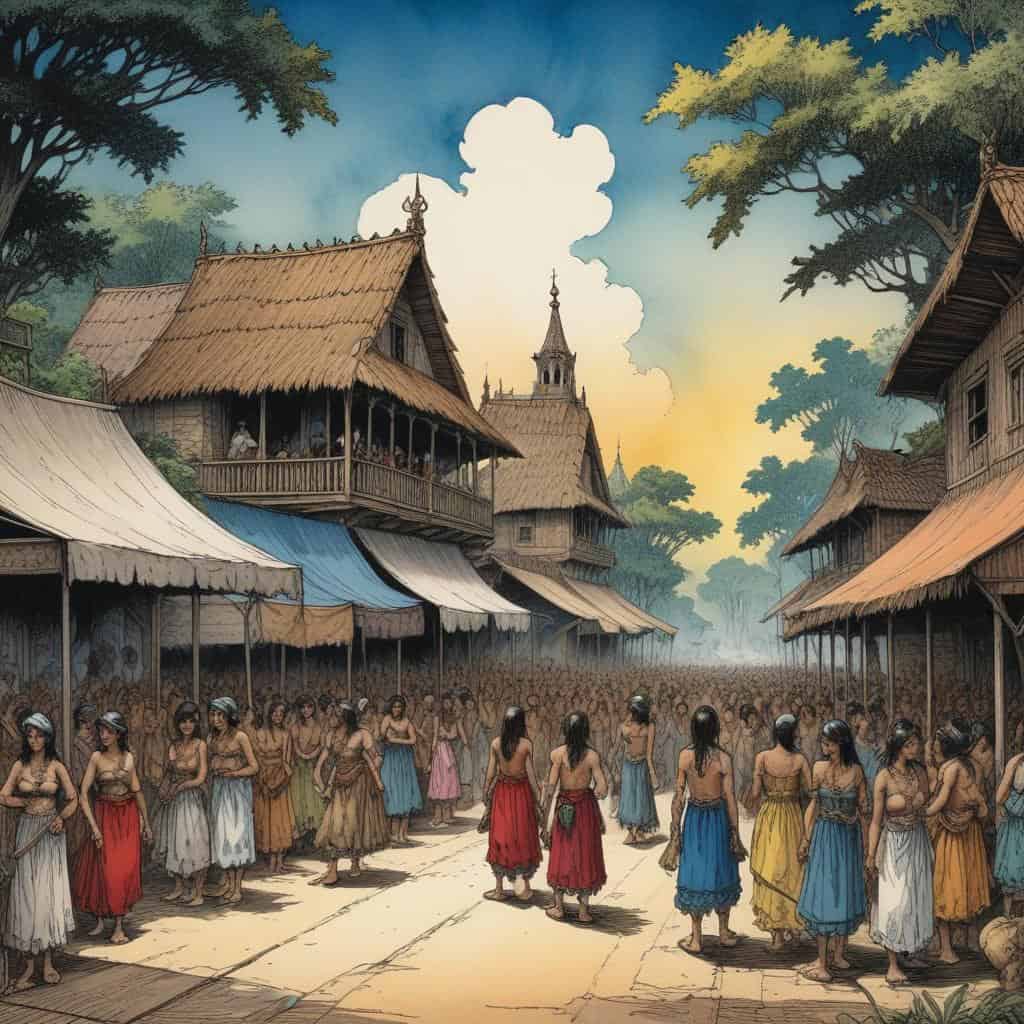
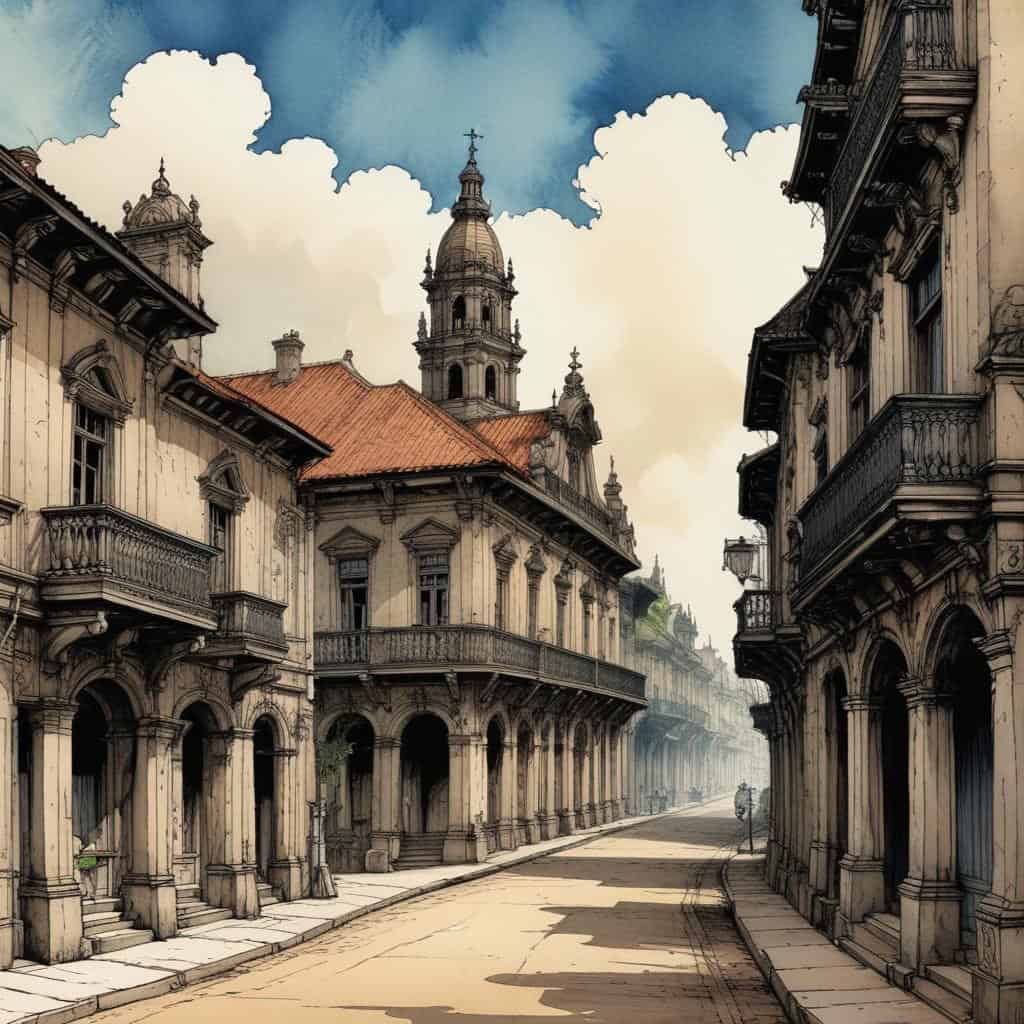
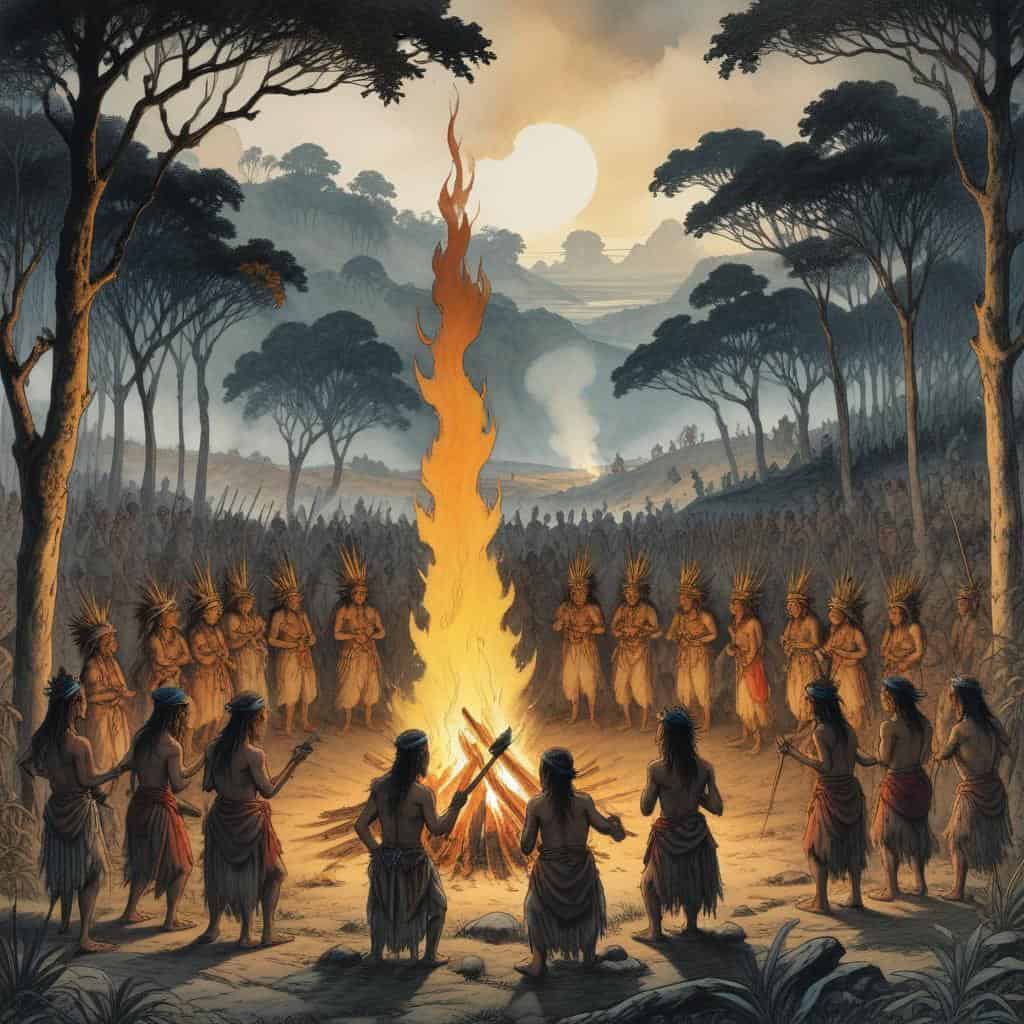
Guarani People
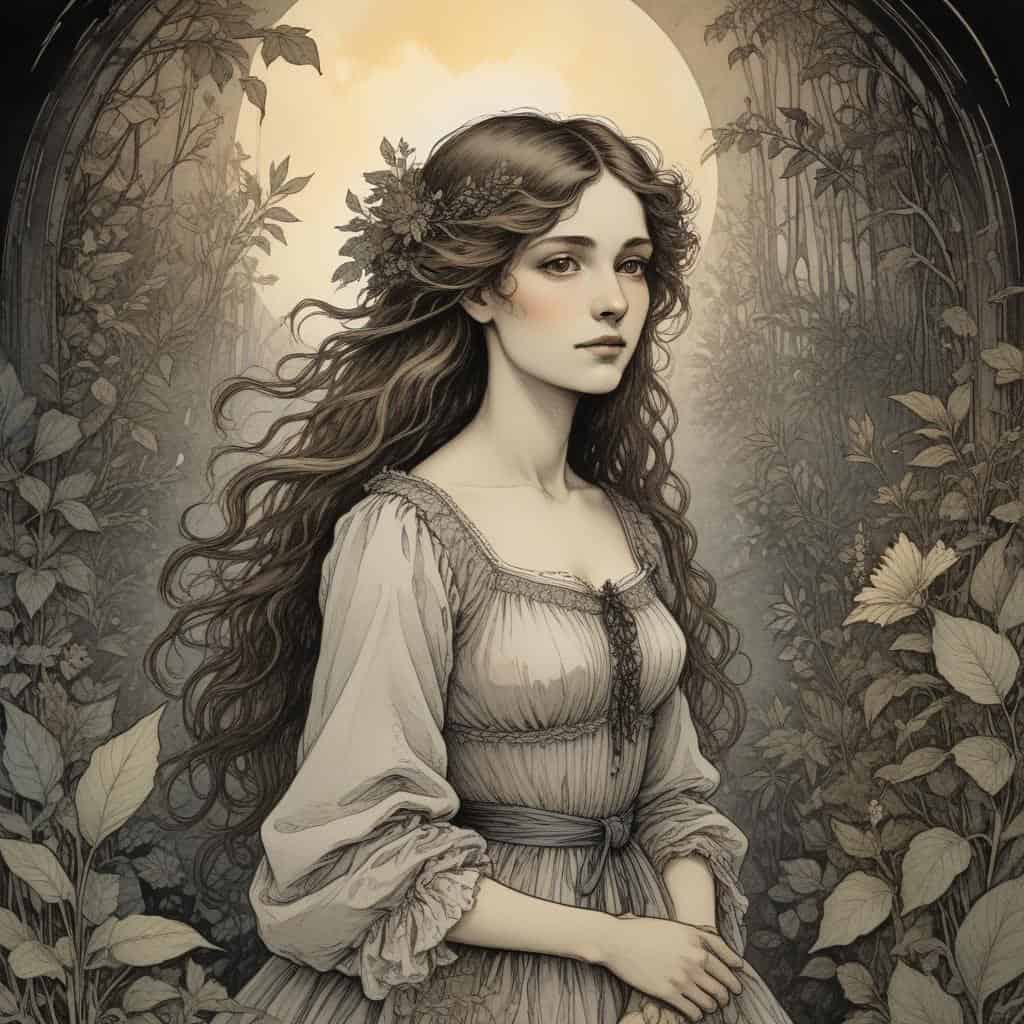
Josefina Plá
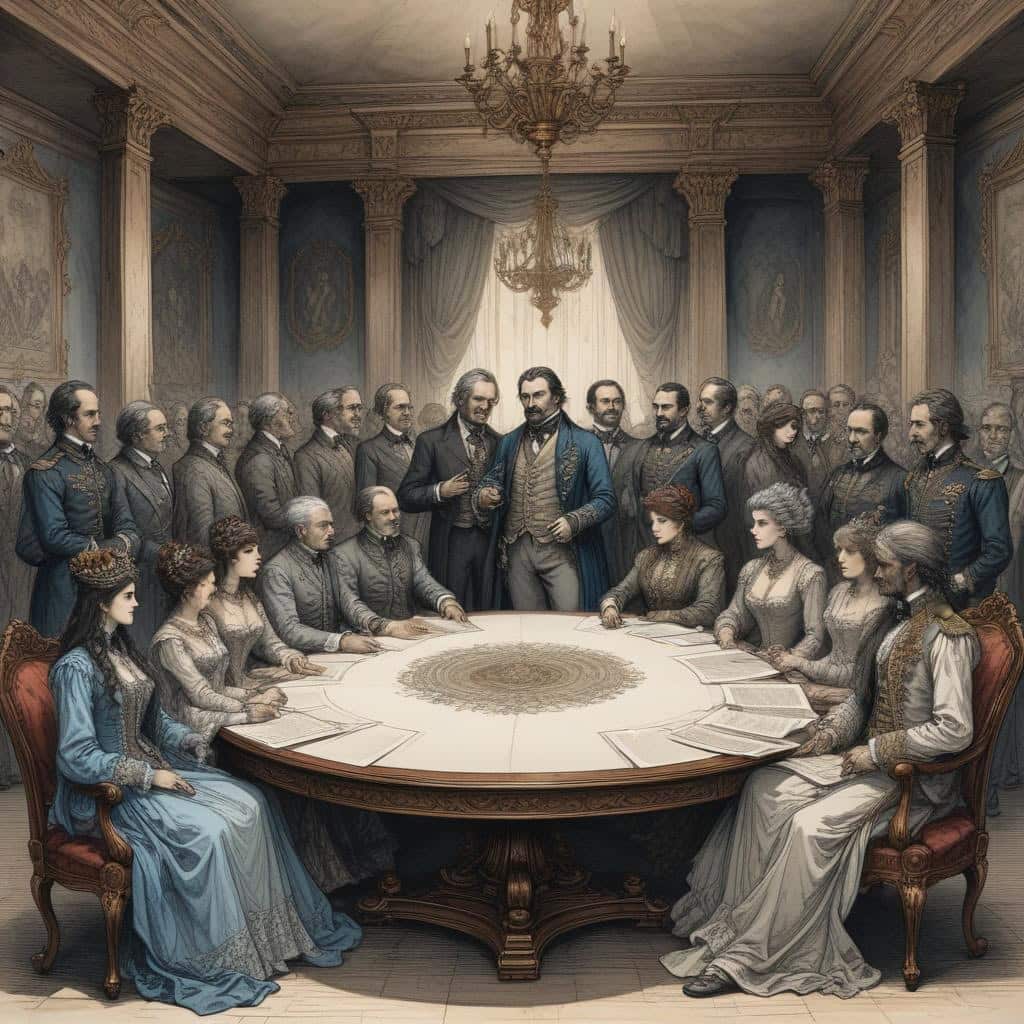
Lugo Family
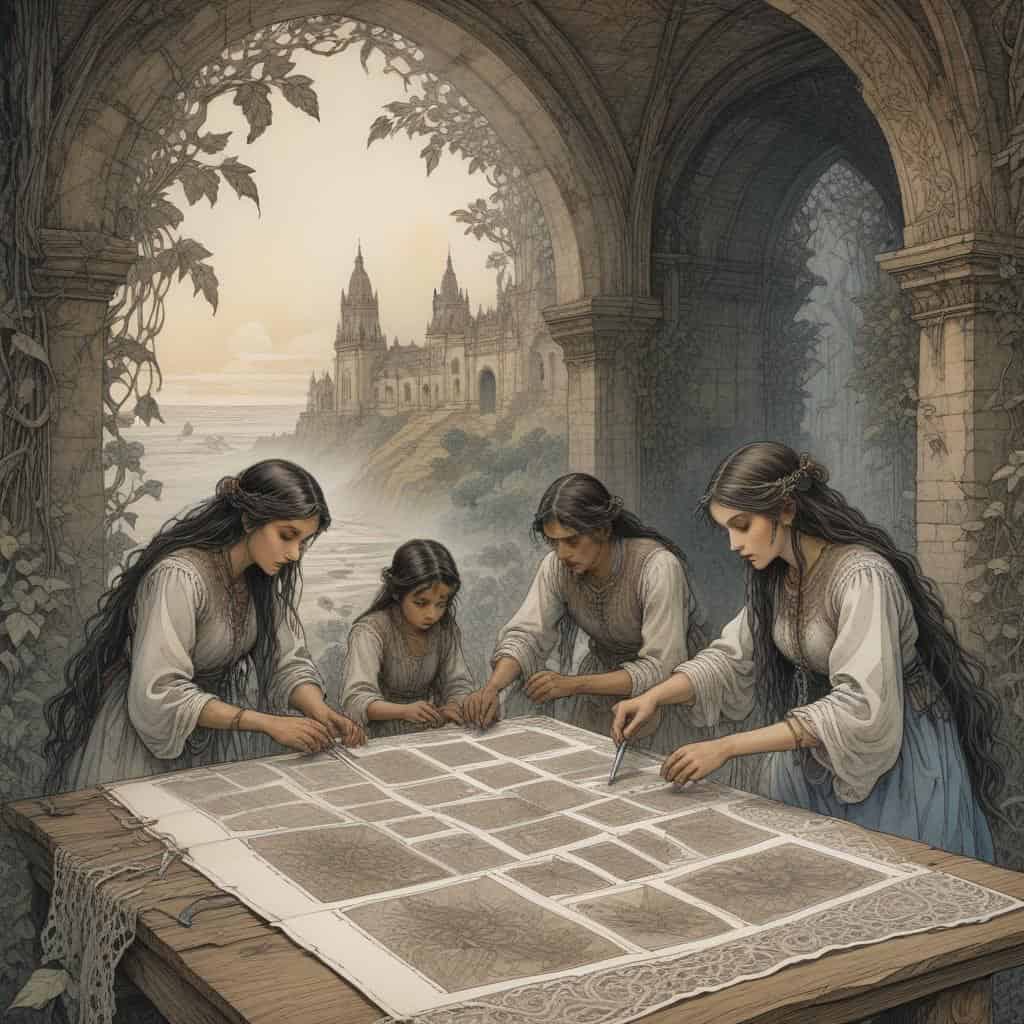
Ñandutí Artisans
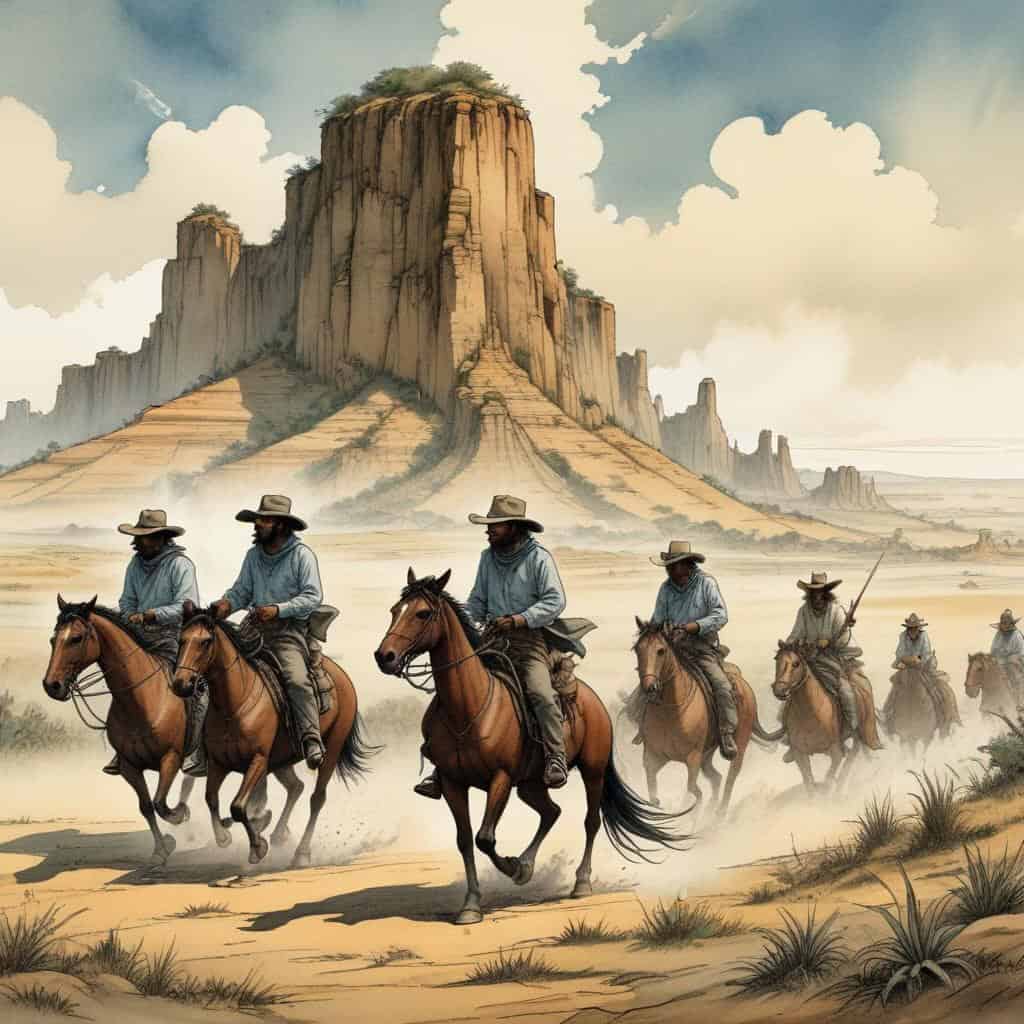
The Chaco Cowboys
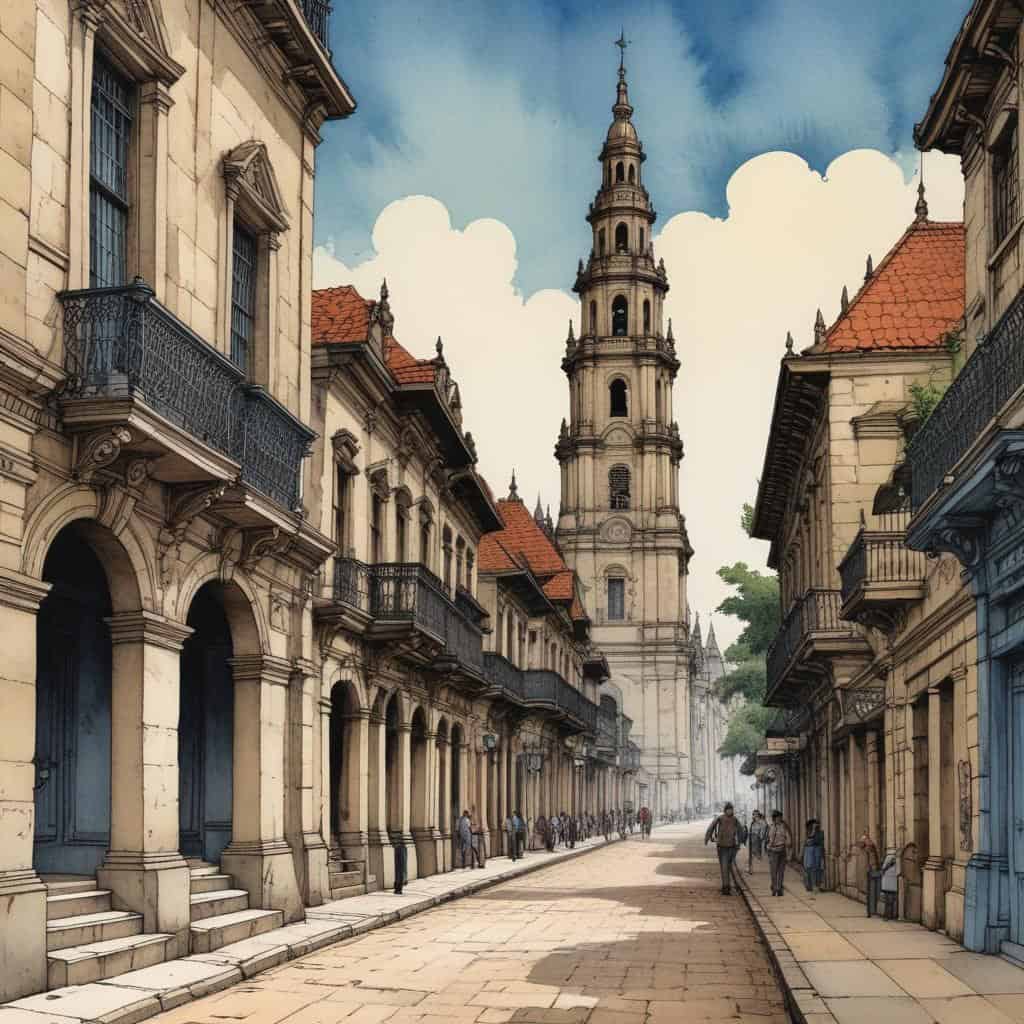
Exploring Asuncion, the Capital City
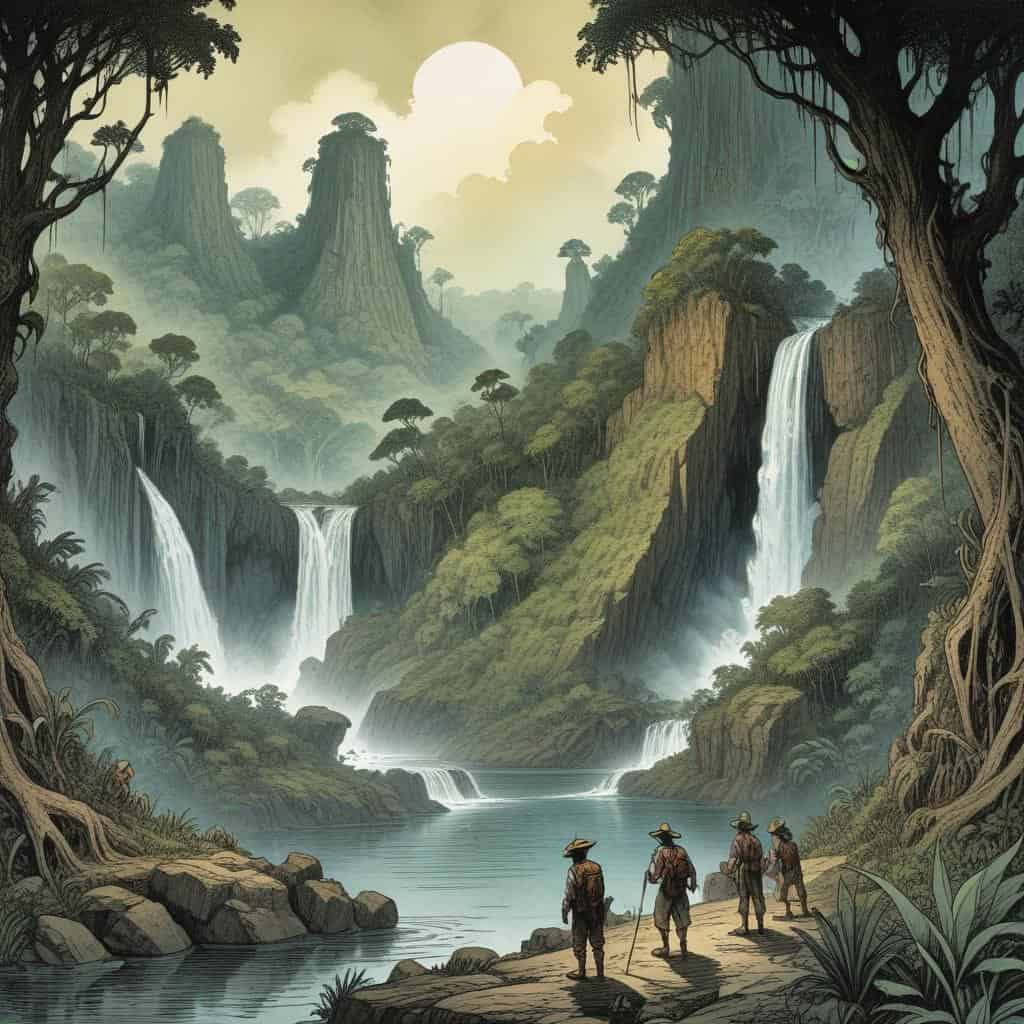
Discovering the Stunning Natural Beauty of Paraguay
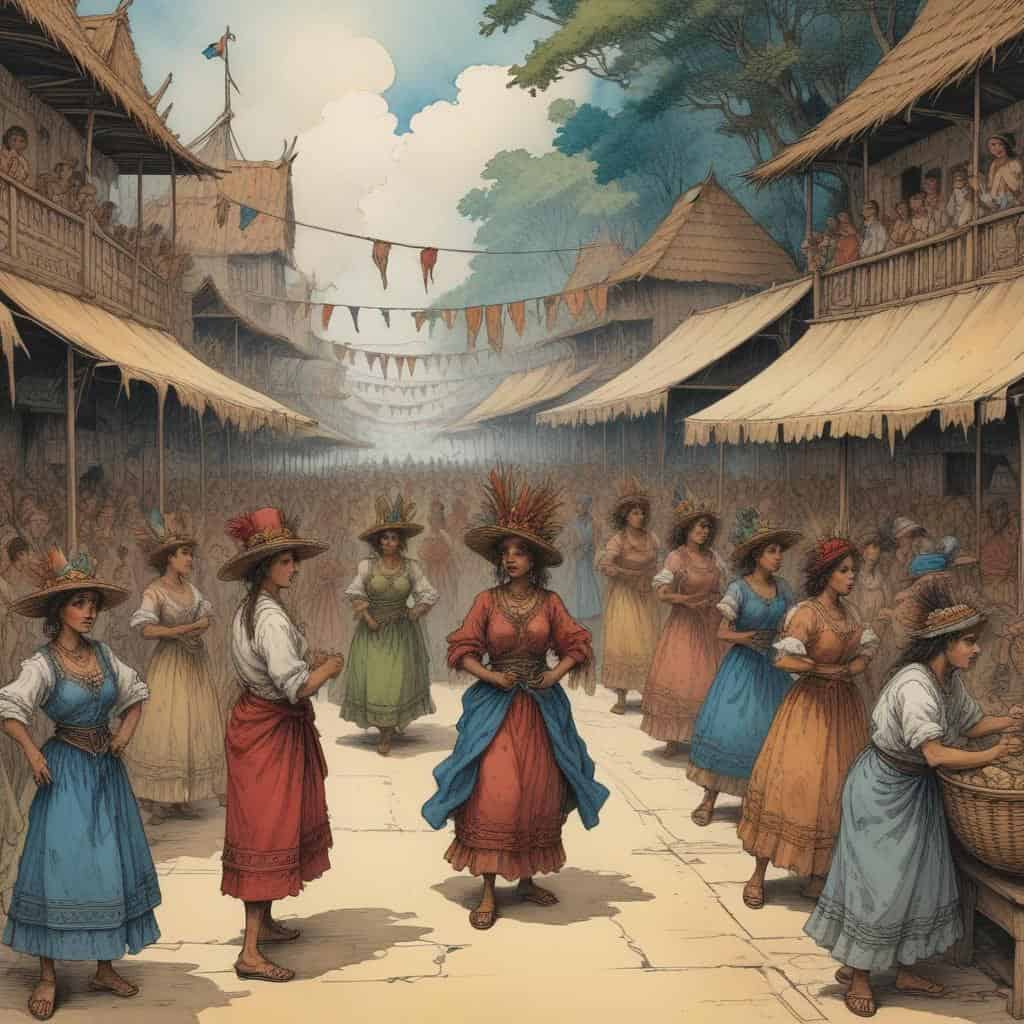
Experiencing Paraguayan Culture and Traditions
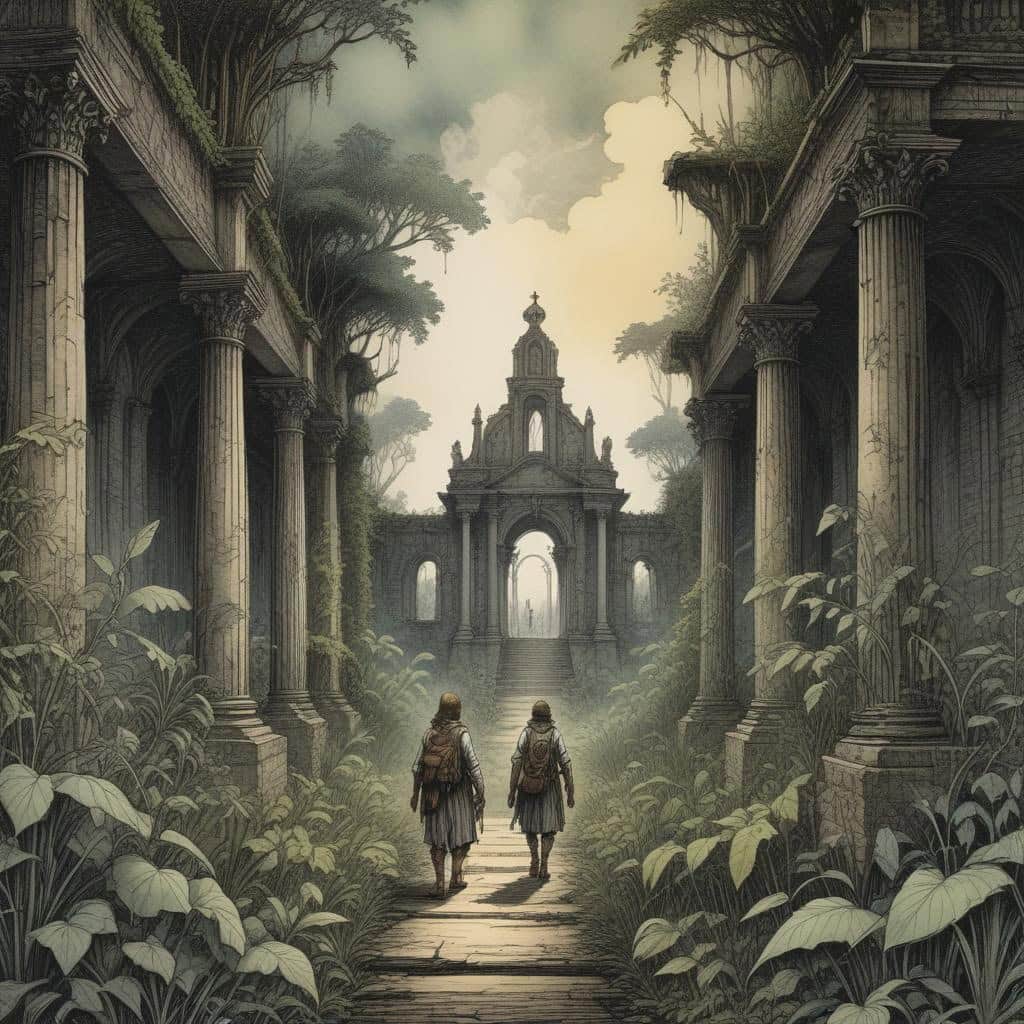
Exploring the Jesuit Ruins of Paraguay
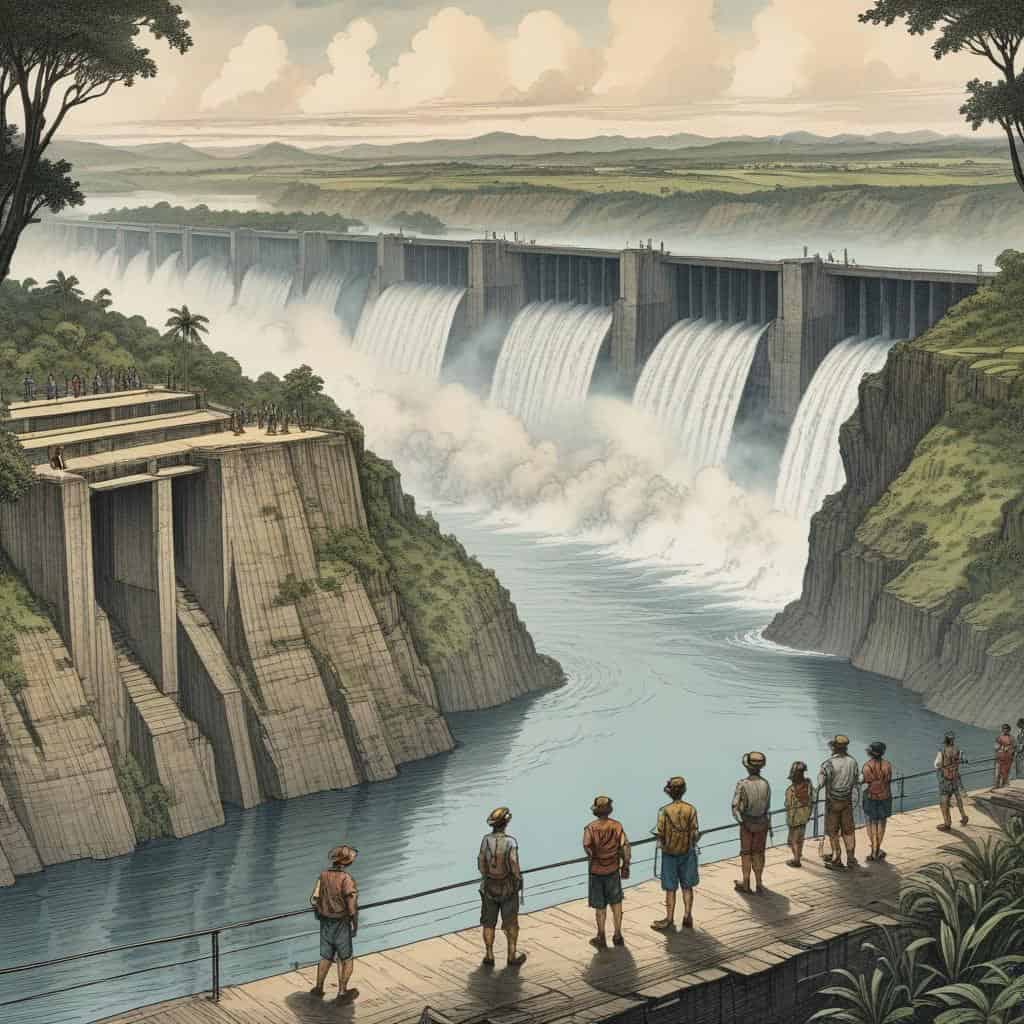
Visiting the Itaipu Dam, a Marvel of Engineering
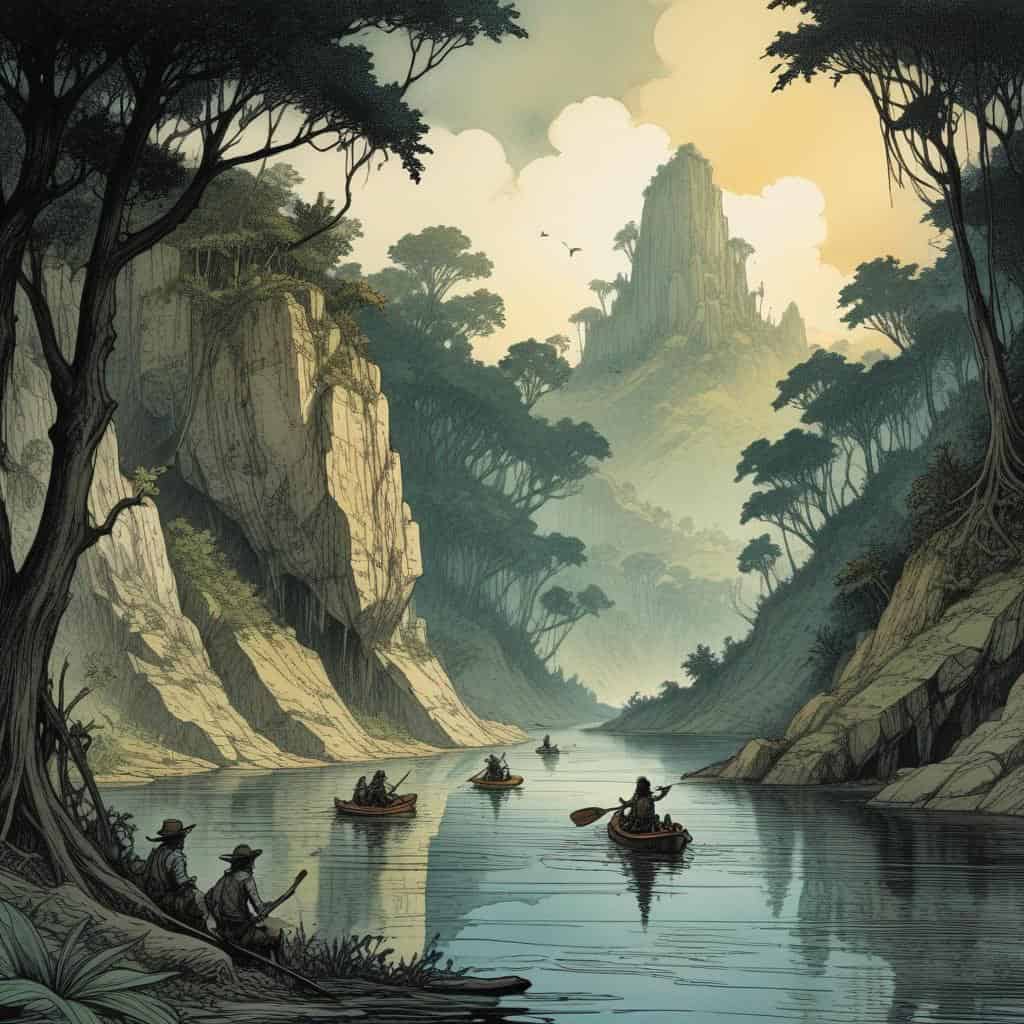
Enjoying Outdoor Adventures in Paraguay
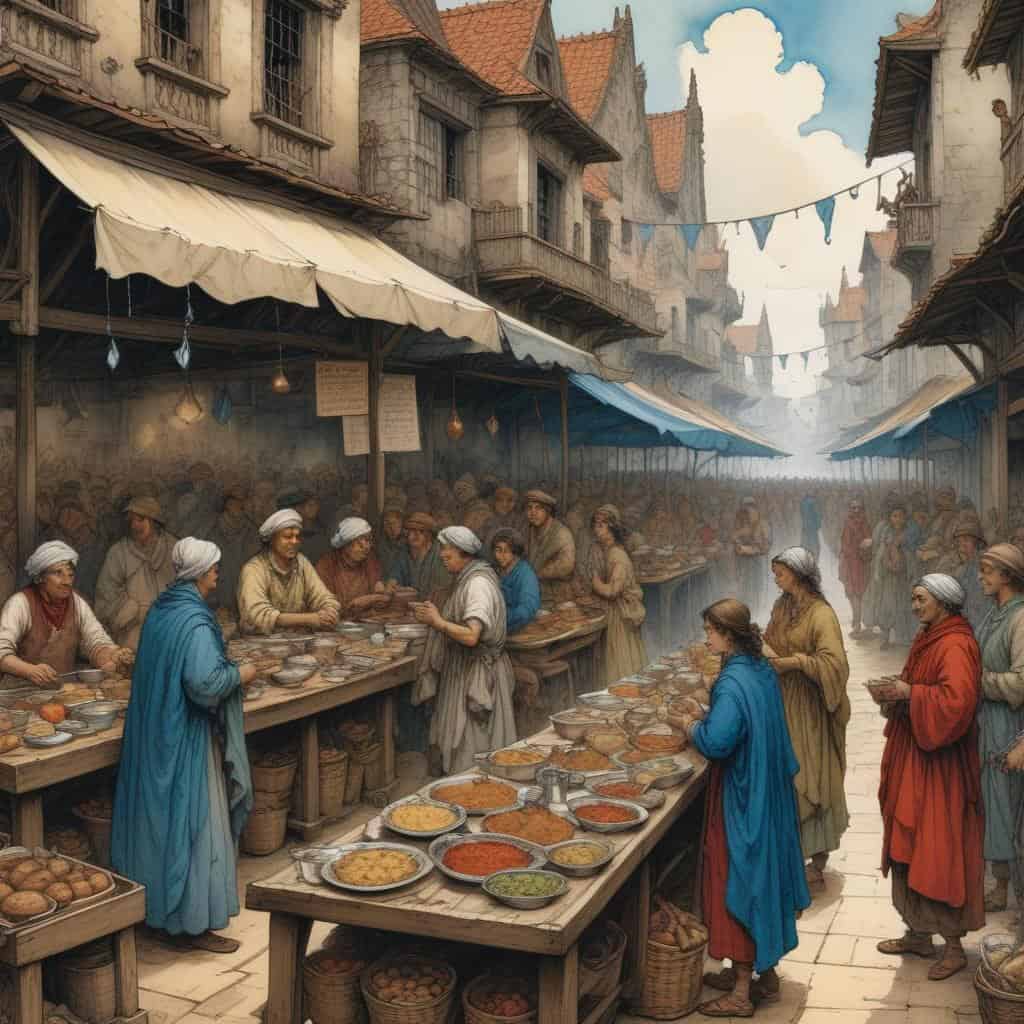
Sampling Paraguayan Cuisine and Local Delicacies
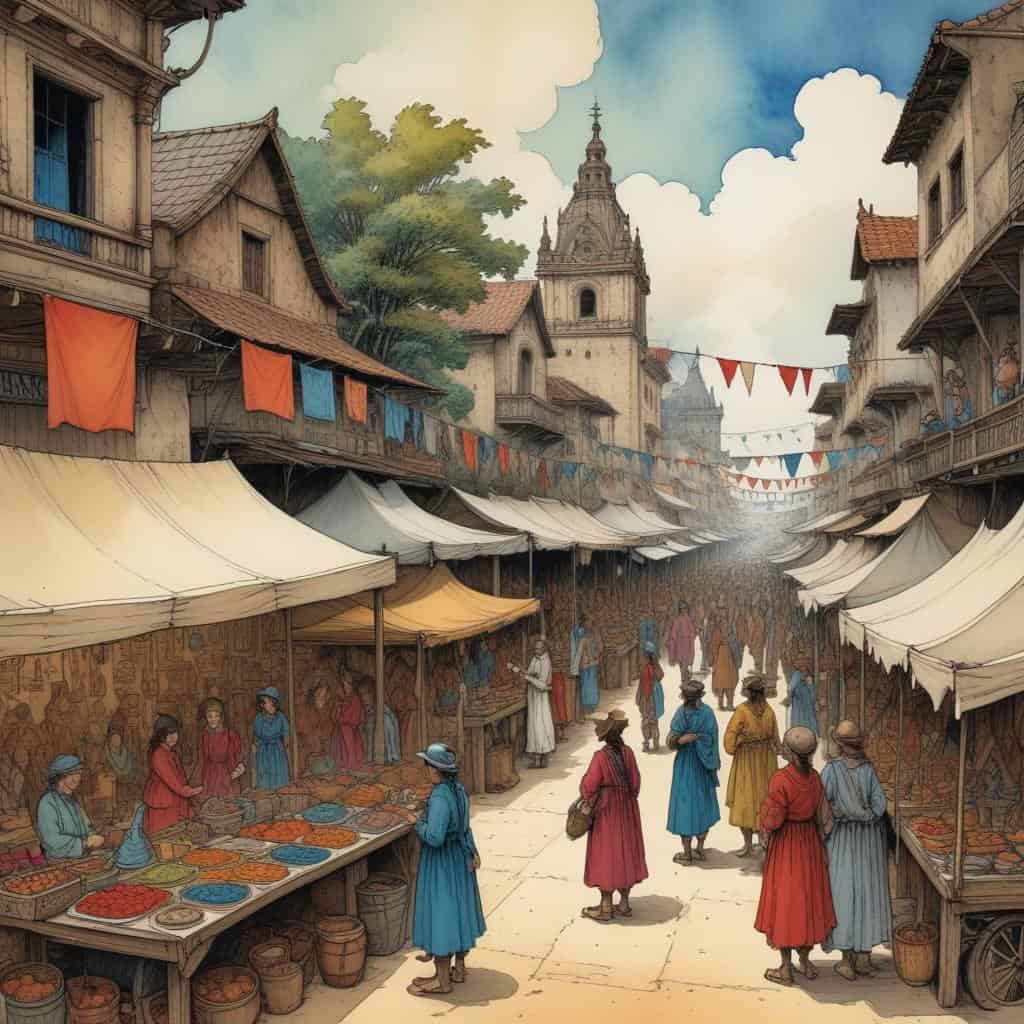
Shopping for Handmade Crafts and Souvenirs
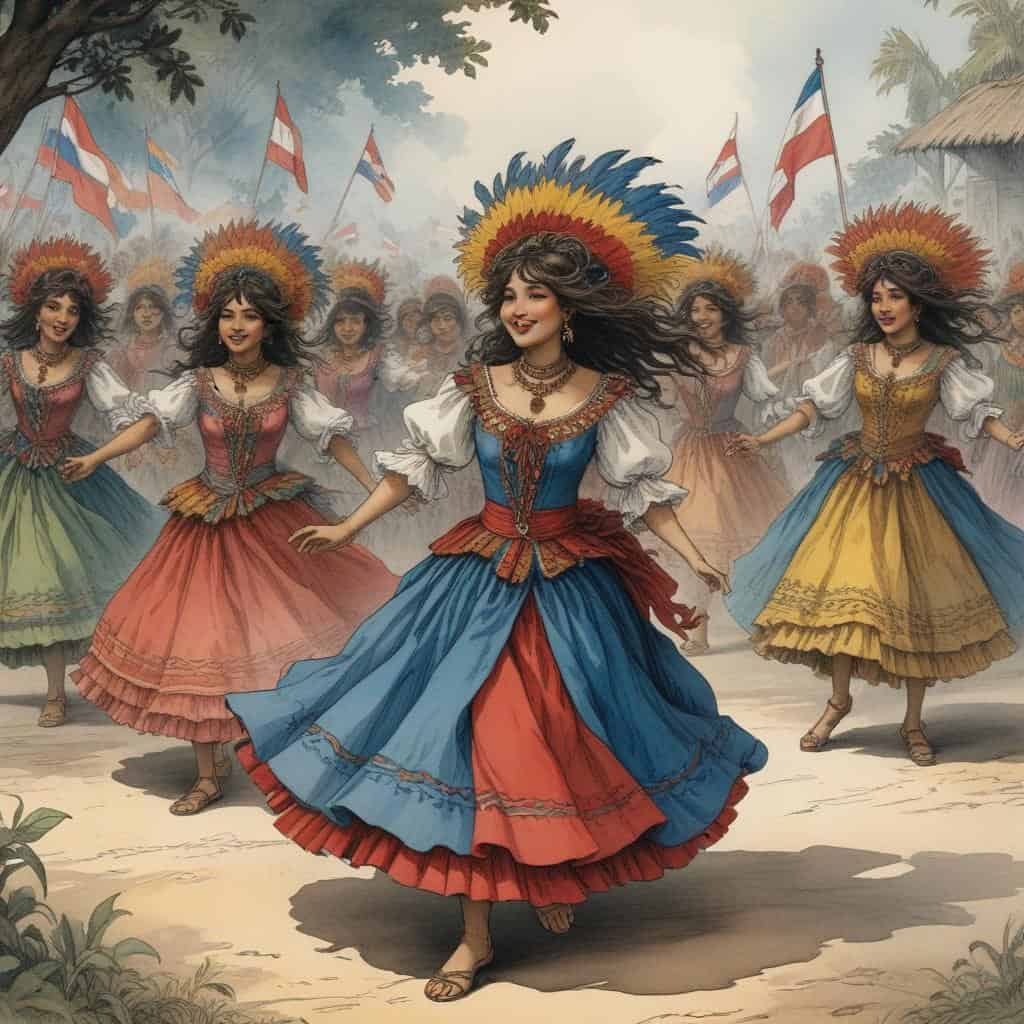
Attending Festivals and Celebrations in Paraguay
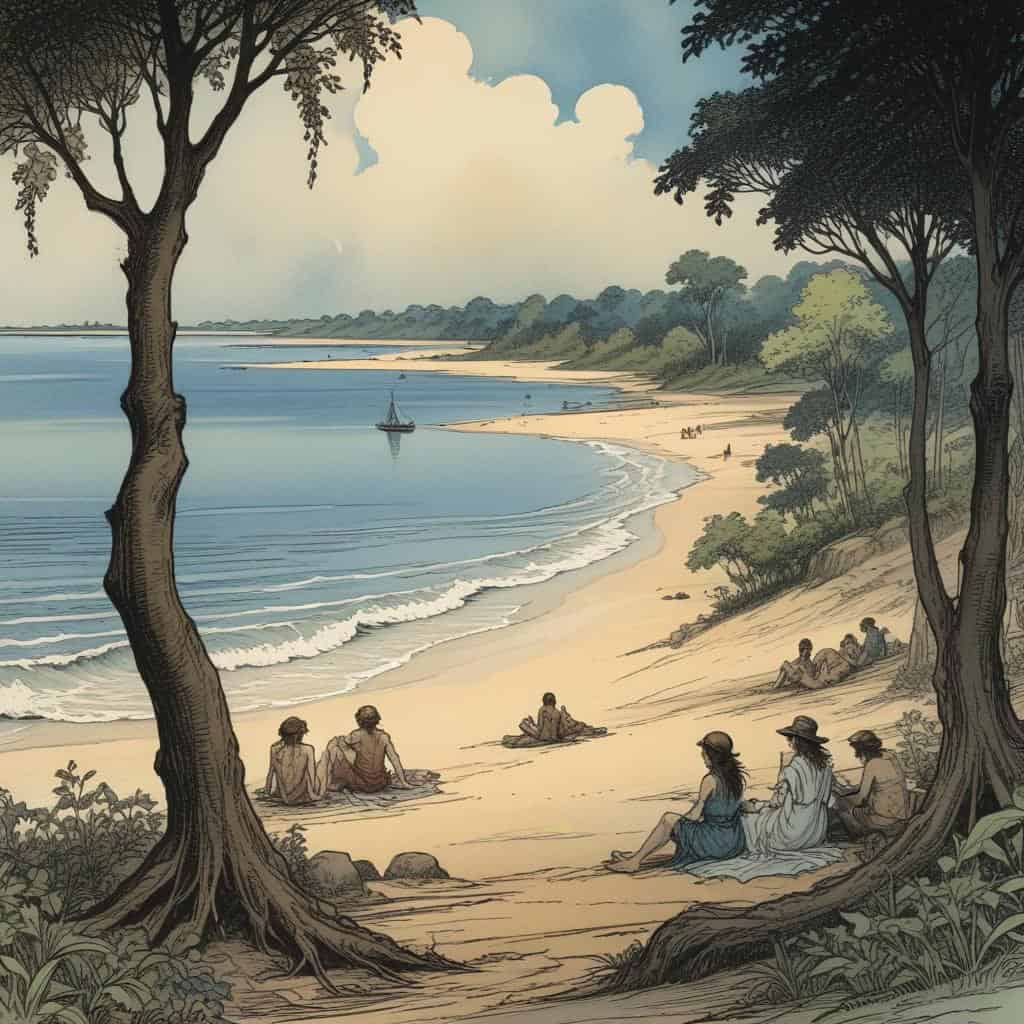
Relaxing on the Beautiful Beaches of Paraguay
In a Nutshell
- Capital: Asunción
- Population: Approx. 7 million (2021)
- Official Language: Spanish, Guarani
- Currency: Paraguayan Guarani (PYG)
Breaking Down the Country
Geographical Diversity
Paraguay boasts diverse landscapes, from the Gran Chaco in the west to the lush Pantanal wetlands in the east, offering a rich tapestry of ecosystems to explore.
Cultural Heritage
Experience the vibrant blend of Guarani and Spanish influences in Paraguay's music, dance, and arts, reflecting its unique cultural identity and traditions.
Traditional Cuisine
Delight your taste buds with Paraguay's traditional dishes like sopa paraguaya, chipa, and asado, showcasing the country's culinary diversity and flavors.
Timeline of Paraguay
Foundation of Asuncion by Spanish explorer Juan de Salazar y Espinosa
Paraguay declared independence from Spain
Paraguayan War (also known as the War of the Triple Alliance) begins
End of the Paraguayan War
Construction of the Palacio de los López in Asuncion begins
Paraguay becomes a founding member of Mercosur
Paraguay hosts the Copa America football tournament
Inauguration of the Itaipu Dam on the Parana River
Paraguay elects its first female president, Dilma Rousseff
Paraguay hosts the South American Games
Paraguay legalizes same-sex marriage
Paraguay experiences a severe drought
Paraguay wins the Copa America football tournament
Paraguay enters into a free trade agreement with the European Union
Paraguay celebrates its bicentennial of independence
Paraguay legalizes the production and sale of medical marijuana
Paraguay hosts the World Cup qualifiers
Paraguay becomes a member of the United Nations
Paraguay experiences a military coup
Paraguay wins the Copa Libertadores football tournament
Vocabulary List
- Asuncion
- The capital city of Paraguay, known for its historic architecture and vibrant culture.
- Iguazu Falls
- One of the most famous natural landmarks in Paraguay, located on the border with Brazil and Argentina.
- Yerba mate
- A traditional South American drink made from the leaves of the mate plant, commonly consumed in Paraguay.
- Chaco region
- A vast expanse of wilderness in western Paraguay, known for its unique flora and fauna.
- Itaipu Dam
- One of the largest hydroelectric dams in the world, located on the Parana River between Paraguay and Brazil.
- Cerro Cora National Park
- A protected area in Paraguay, home to diverse wildlife and stunning landscapes.
- Guarani language
- The indigenous language spoken by the majority of the population in Paraguay.
- Carnaval Encarnaceno
- A popular carnival celebration held in the city of Encarnacion, featuring colorful parades and lively music.
- Ypacarai Lake
- A picturesque lake in Paraguay, popular for boating and fishing.
- San Bernardino
- A charming resort town in Paraguay, known for its beautiful beaches and relaxing atmosphere.
Key Facts
This is the information used in the fact matching game
- Paraguay is a landlocked country in South America, bordered by Argentina, Brazil, and Bolivia.
- The Paraguay River runs through the center of the country, dividing it into two distinct regions: the eastern and western regions.
- The landscape of Paraguay is mostly flat and low-lying, with the eastern region being more fertile and suitable for agriculture.
- The Chaco region in western Paraguay is a vast wilderness of dry forests and savannas, home to a diverse range of wildlife.
- The city of Asuncion, the capital of Paraguay, is one of the oldest cities in South America, founded in 1537.
- Asuncion is known for its colonial architecture, including the Presidential Palace and the Metropolitan Cathedral.
- The Plaza de los Heroes in Asuncion is a historic square that commemorates Paraguay's independence from Spain.
- The Itaipu Dam, located on the Parana River on the border between Paraguay and Brazil, is one of the largest hydroelectric dams in the world.
- The Jesuit Missions of La Santisima Trinidad de Parana and Jesus de Tavarangue are UNESCO World Heritage Sites in Paraguay.
- The Ybycui National Park in Paraguay is known for its diverse flora and fauna, including jaguars and giant otters.
- The Cerro Cora National Park is a protected area in Paraguay that commemorates the site of the last battle of the Paraguayan War.
- The city of Ciudad del Este, located on the border with Brazil, is known for its shopping malls and markets selling electronics and other goods.
- The Saltos del Monday is a waterfall located near Ciudad del Este, popular with tourists for its natural beauty.
- The Gran Chaco region in western Paraguay is home to indigenous communities such as the Ayoreo and the Guarani.
- The Paraguayan War, also known as the War of the Triple Alliance, was a conflict in the 1860s that devastated the country and resulted in the loss of much of its territory.
- The Guarani language is one of the official languages of Paraguay, along with Spanish.
- The Carnaval de Encarnacion is a popular festival in Paraguay, known for its vibrant music, dance, and costumes.
- The Paraguayan tamale, known as the 'mbeyu', is a traditional dish made with cornmeal and cheese, wrapped in banana leaves and steamed.
- The Paraguayan harp is a traditional musical instrument that is often played at festivals and events in the country.
- The Paraguayan polka, known as the 'polca paraguaya', is a popular dance and music style in the country.
Why It Matters
Geopolitical Significance
Paraguay’s central location in South America has influenced its relationships with neighboring countries like Brazil, Argentina, and Bolivia. Its landlocked position has shaped its trade agreements and foreign policy decisions, making it a key player in regional economic and political dynamics.
Historical Importance
Paraguay’s history is marked by conflicts like the Paraguayan War, which devastated the country but also fostered a strong sense of national identity. Figures like José Gaspar Rodríguez de Francia and Francisco Solano López have left lasting legacies in Paraguayan culture and politics.
Modern-Day Role
Today, Paraguay is a growing economy with a focus on agriculture and hydroelectric power. Its participation in organizations like Mercosur and its efforts to attract foreign investment demonstrate its evolving role in the global market. Paraguay also faces challenges related to social inequality and political corruption.
Paraguay Games


Take Your Learning Offline
Want a convenient, print-ready study guide for this lesson? Become a Memory Wizards Pro member to unlock the downloadable " Memory Scrolls" for this topic and our entire library!
- ✓ Complete Vocabulary Lists
- ✓ Key Facts & Timelines
- ✓ Beautifully Formatted for Print & Mobile