
How Do You Learn Best?
Learn by Reading
Immerse yourself in the 10-minute visual lesson for a comprehensive understanding of the topic.
Learn by Reviewing
Jump directly to the key facts, timeline, and vocabulary lists to build a solid foundation of details.
Learn by Doing
Challenge yourself! Jump straight into the interactive games to learn by trial, error, and discovery.
Colombia in 10 Minutes
Introduction

1. Gabriel Garcia Marquez

2. Shakira

3. Juanes

4. Fernando Botero

5. Sofia Vergara
1. Diverse Landscapes
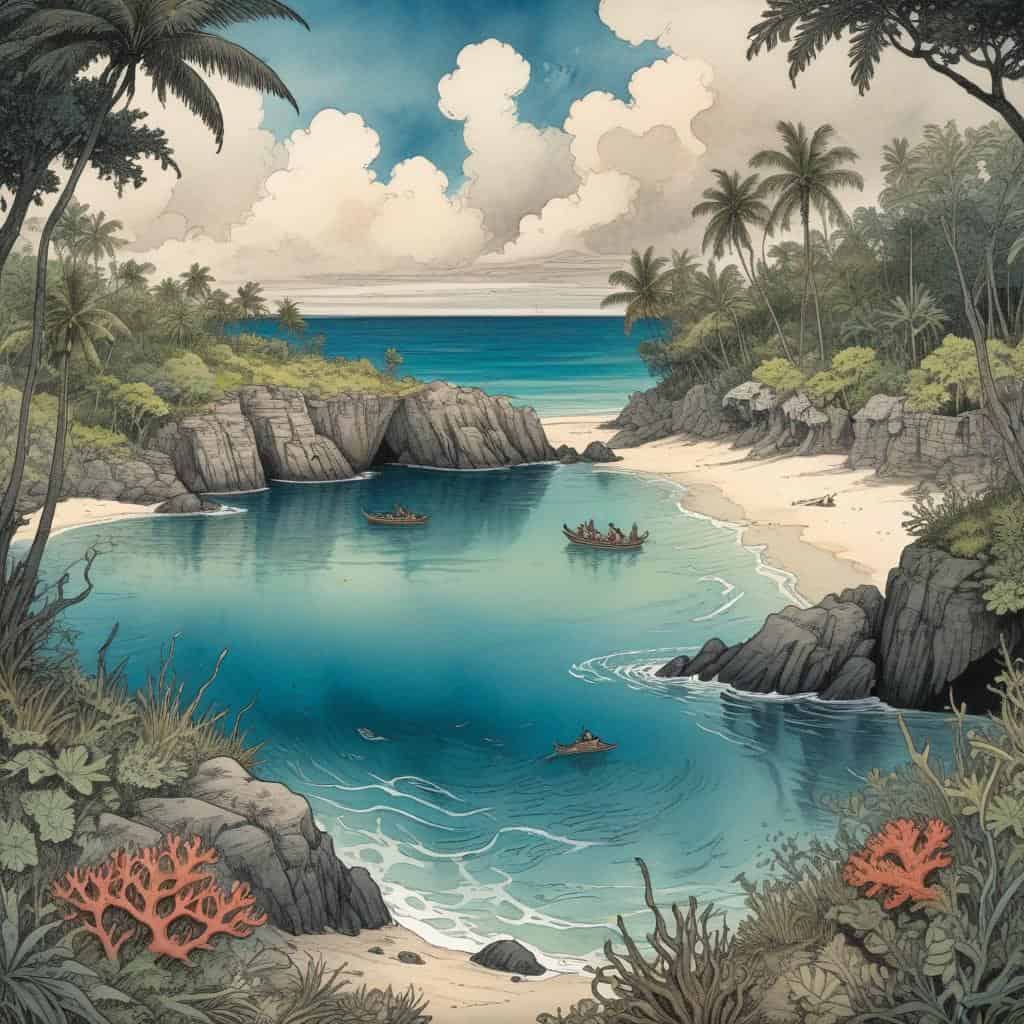
2. Caribbean Coastline
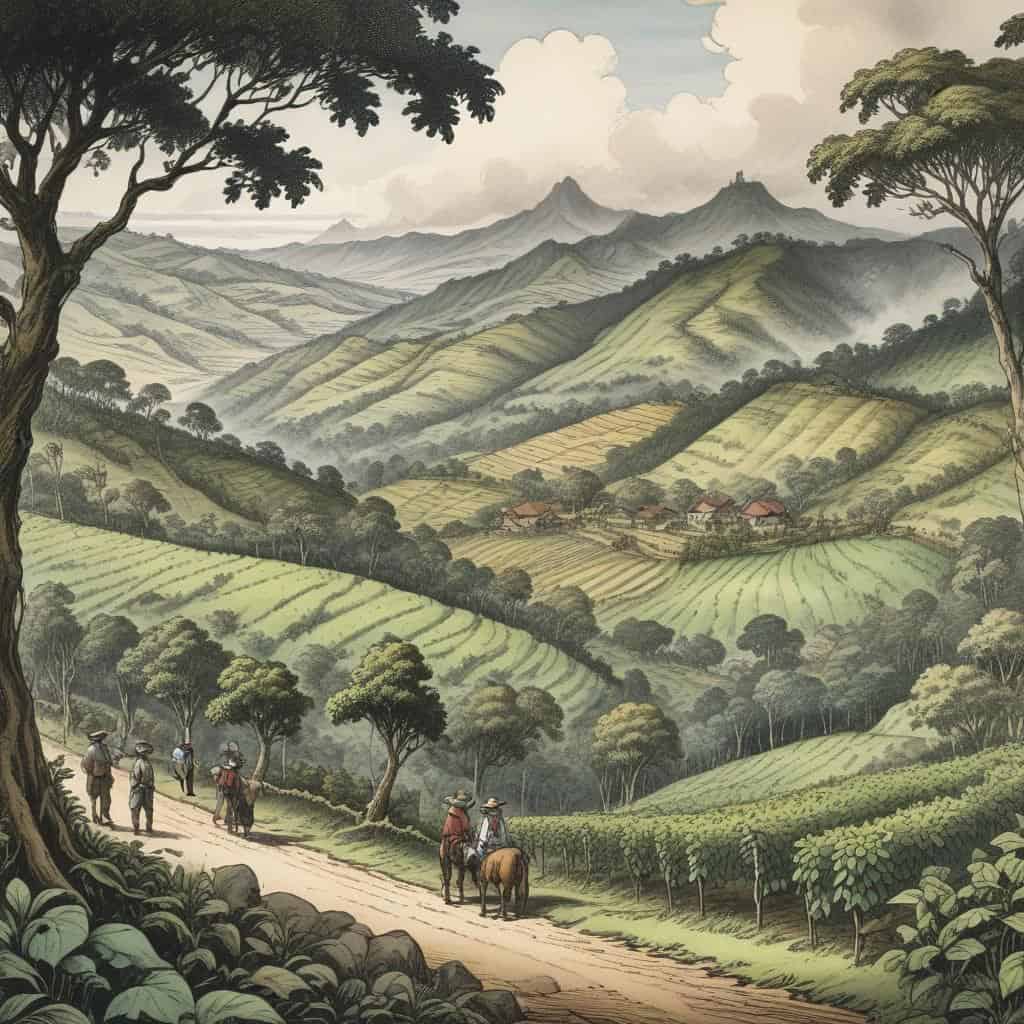
3. Coffee Region
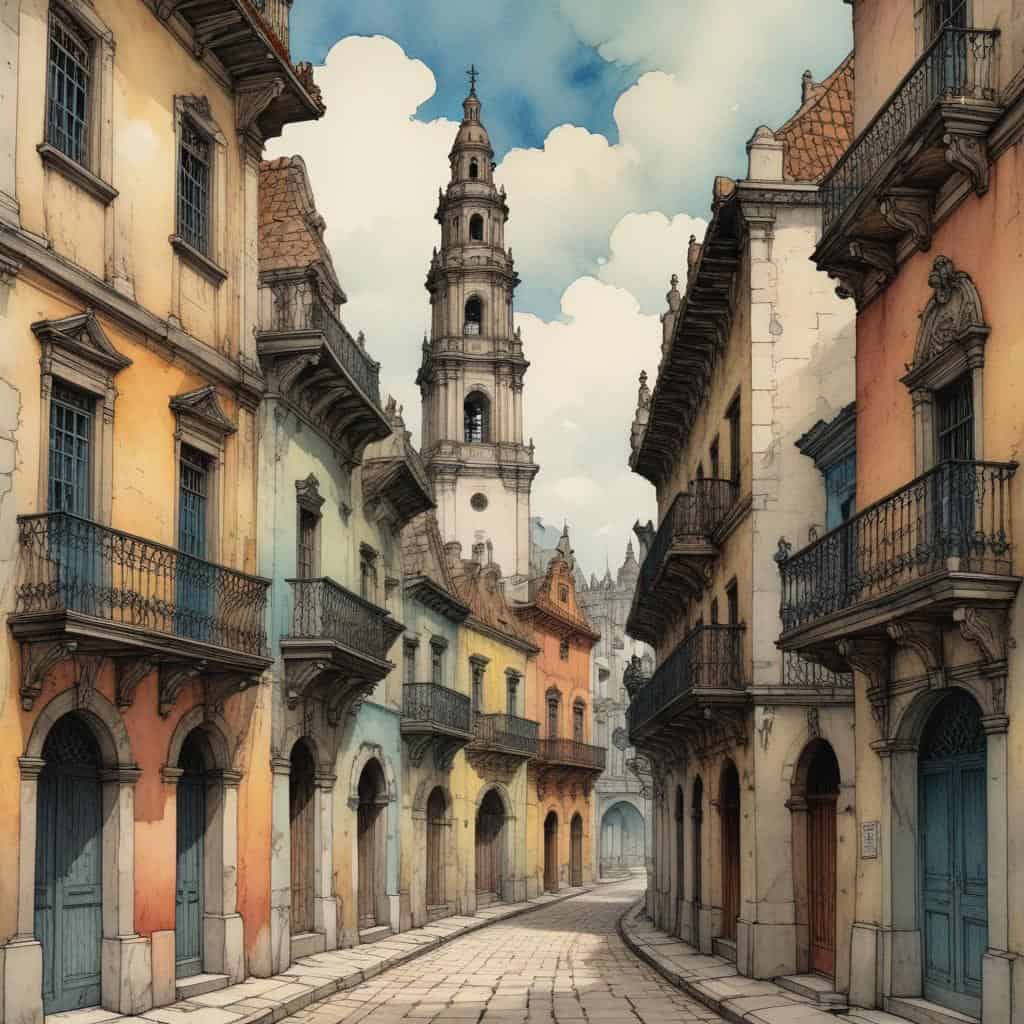
4. Colonial Architecture
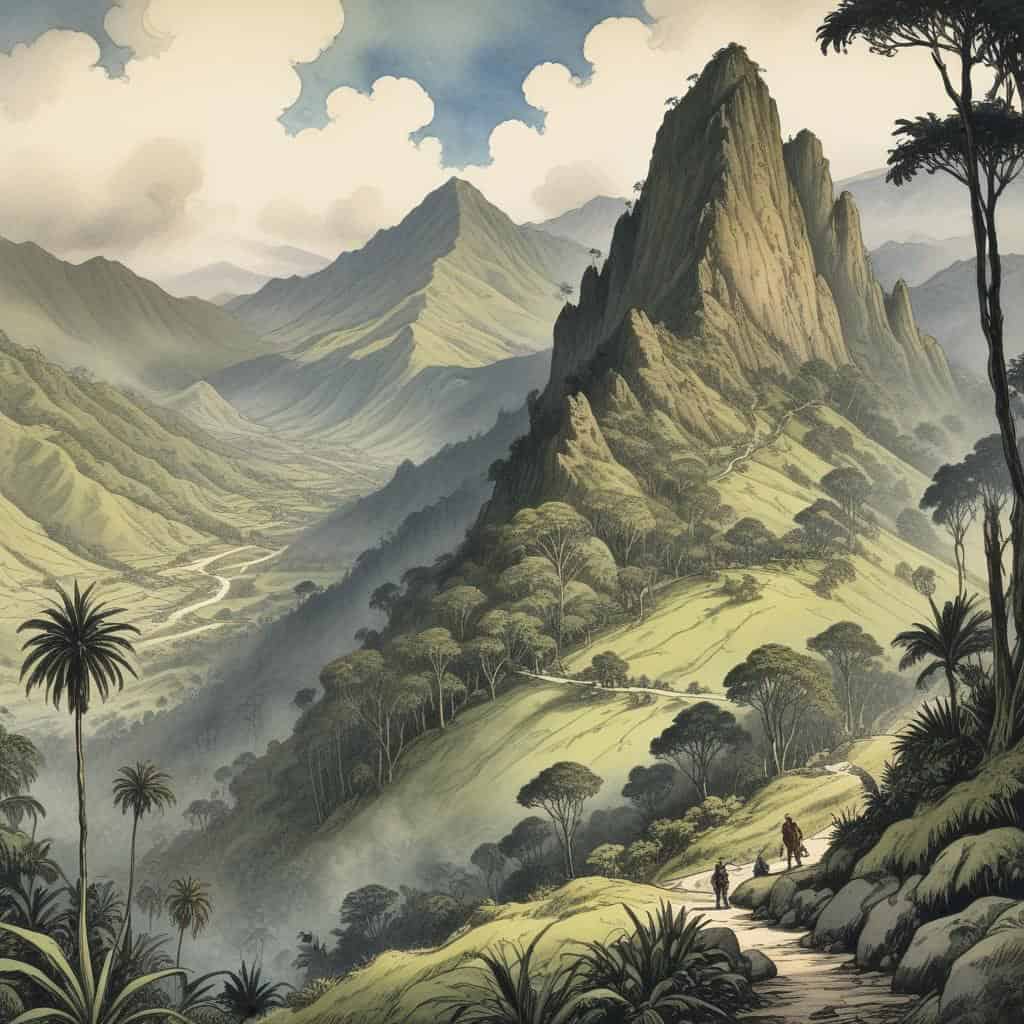
5. Andean Highlands
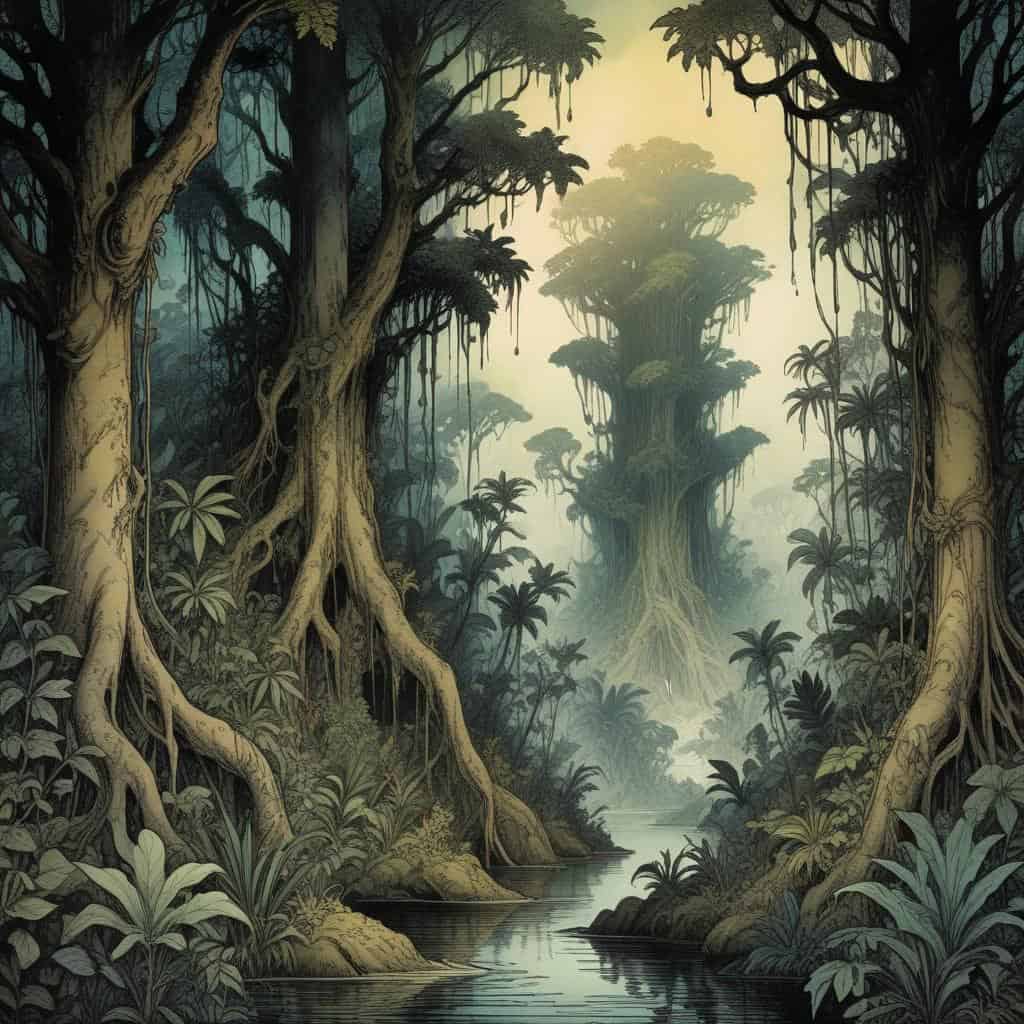
6. Amazon Rainforest
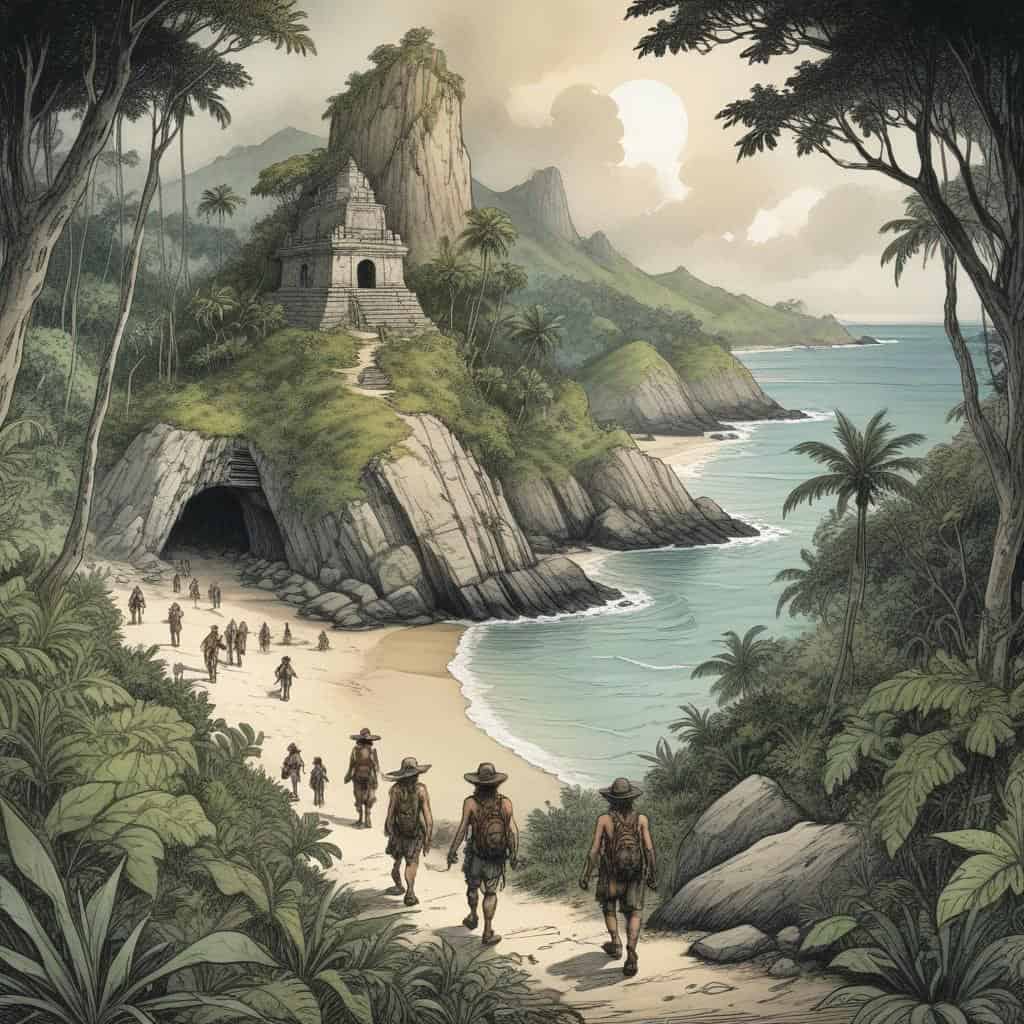
7. Tayrona National Park

8. Guatape

9. San Agustin Archaeological Park
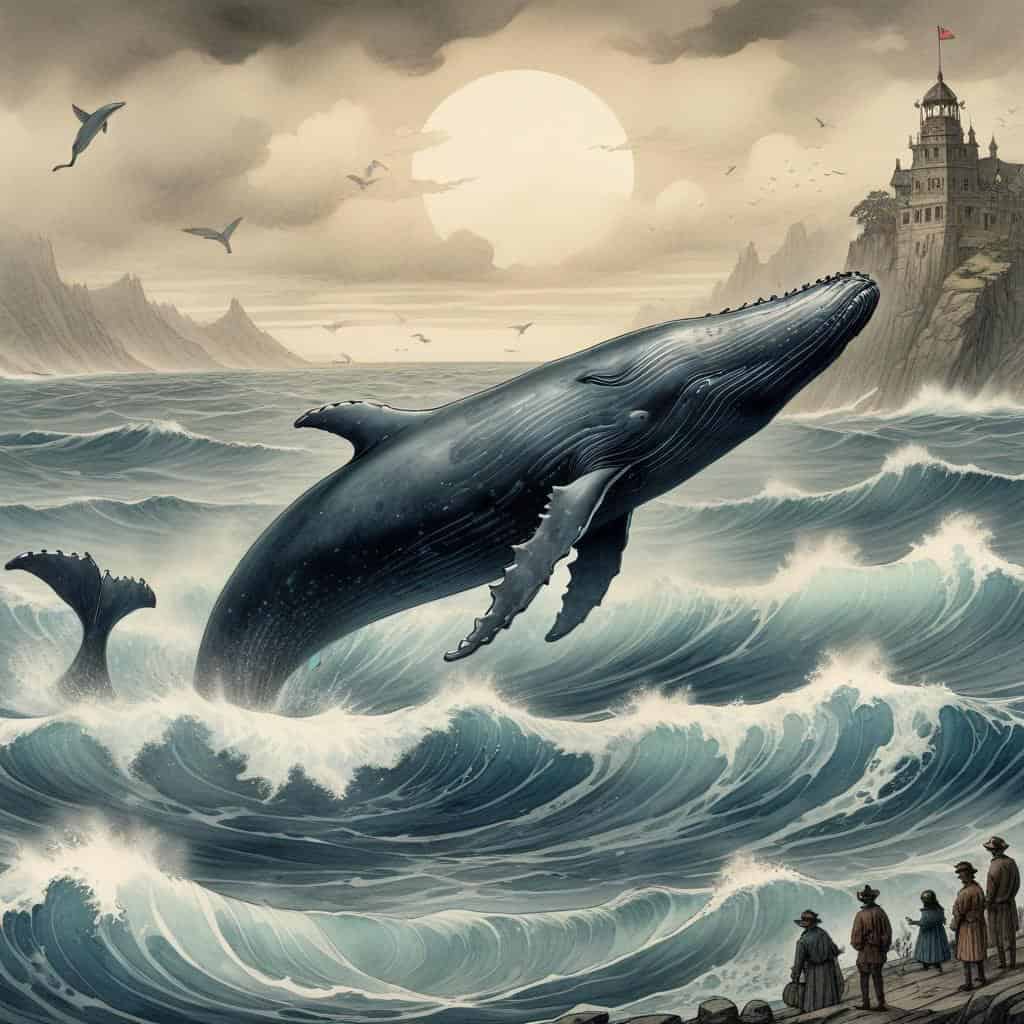
10. Whale Watching in Pacific Coast
In a Nutshell
- Capital: Bogotá
- Population: Approx. 50 million (2021)
- Official Language: Spanish
- Currency: Colombian peso (COP)
Breaking Down the Country
Biodiversity Hotspot
Colombia boasts one of the highest levels of biodiversity in the world, with a wide range of ecosystems from the Amazon rainforest to the Andes mountains.
Cultural Diversity
Colombia is a melting pot of different cultures and traditions, influenced by indigenous peoples, Spanish colonizers, African slaves, and more.
Coffee Capital
Renowned for its high-quality coffee production, Colombia is a global leader in the coffee industry, with its coffee culture deeply ingrained in the national identity.
Timeline of Colombia
Spanish colonization of Colombia begins
Foundation of Santa Fe de Bogotá
Independence from Spain declared
Battle of Boyacá secures independence
Gran Colombia is formed
Gran Colombia dissolves, Colombia becomes independent
End of the Thousand Days War
Construction of the Panama Canal begins
La Violencia period begins
FARC guerrilla group founded
Pablo Escobar becomes leader of Medellín Cartel
Signing of peace agreement with FARC
Iván Duque sworn in as President
COVID-19 pandemic hits Colombia
National strike protests erupt across Colombia
Presidential elections held
Colombia hosts Copa America football tournament
Construction of Bogotá Metro begins
Colombia qualifies for FIFA World Cup
Celebrations for Colombia's bicentennial independence
Vocabulary List
- Jungle
- The dense jungle in Colombia is home to a wide variety of plant and animal species.
- Mountains
- The Andes mountains run through Colombia and provide stunning views for hikers and climbers.
- Coffee plantations
- Colombia is known for its coffee plantations, where the famous Colombian coffee beans are grown.
- Beaches
- The Caribbean coast of Colombia is lined with beautiful beaches and turquoise waters.
- Colonial architecture
- The city of Cartagena is known for its well-preserved colonial architecture, with colorful buildings and cobblestone streets.
- Plazas
- The main plaza in Bogota is a popular gathering spot for locals and tourists alike, with street performers and vendors selling goods.
- Mural art
- Many cities in Colombia feature vibrant mural art on the sides of buildings, showcasing the country's rich cultural heritage.
- Waterfalls
- Colombia is home to many stunning waterfalls, including the famous Tequendama Falls near Bogota.
- Salsa dancing
- In the city of Cali, salsa dancing is a popular pastime, with clubs and dance schools offering lessons to locals and visitors.
- Street food
- Colombia is known for its delicious street food, with vendors selling empanadas, arepas, and other traditional dishes on the streets of cities like Medellin.
Key Facts
This is the information used in the fact matching game
- Colombia is the second most biodiverse country in the world, with over 1,900 species of birds.
- The Andes mountain range runs through Colombia, offering stunning landscapes and great hiking opportunities.
- The city of Medellin is known as the 'City of Eternal Spring' due to its year-round mild climate.
- The town of Guatape is famous for its colorful houses and the nearby rock formation known as the 'Piedra del Penol'.
- Colombia has over 3,000 kilometers of coastline, including both the Pacific Ocean and the Caribbean Sea.
- The town of Salento is located in the Coffee Triangle region of Colombia, known for its picturesque coffee plantations.
- Bogota, the capital city of Colombia, is located at an altitude of 8,660 feet above sea level, making it one of the highest capital cities in the world.
- The Amazon rainforest covers a significant portion of Colombia's territory, providing a habitat for diverse wildlife.
- The city of Cartagena is known for its well-preserved colonial architecture and historic fortifications.
- The Tatacoa Desert in Colombia is a popular destination for stargazing due to its clear skies and lack of light pollution.
- Colombia is home to the world's highest coastal mountain range, the Sierra Nevada de Santa Marta.
- The town of Villa de Leyva is known for its well-preserved colonial architecture and cobblestone streets.
- The Cocora Valley in Colombia is famous for its towering wax palm trees, the national tree of Colombia.
- The city of Cali is known as the 'Salsa Capital of the World' due to its vibrant salsa music and dance scene.
- Colombia is home to the world's largest number of species of orchids, with over 4,270 identified species.
- The town of Mompox is a UNESCO World Heritage site known for its well-preserved colonial architecture and historic significance.
- The city of Barranquilla is known for its vibrant Carnival celebrations, considered the second largest in the world after Rio de Janeiro.
- Colombia is home to over 300 different ethnic groups, each with its own unique culture and traditions.
- The city of Santa Marta is the oldest surviving city in Colombia, founded in 1525 by the Spanish conquistador Rodrigo de Bastidas.
- The town of Jardin is known for its colorful houses, beautiful gardens, and traditional 'jeep' transportation.
Why It Matters
Geopolitical Significance
Colombia holds a strategic position in South America, bordered by Panama, Venezuela, Brazil, Peru, and Ecuador. Its location on both the Pacific Ocean and the Caribbean Sea has made it a key player in regional trade and security issues. The country’s relationship with its neighbors and global powers influences geopolitics in the region.
Historical Importance
Colombia’s history is marked by indigenous civilizations, Spanish colonization, and a struggle for independence. It has faced challenges such as drug trafficking, civil conflict, and political instability. The country’s historical development has shaped its culture, identity, and relationships with other nations.
Modern-Day Role
Today, Colombia is a vibrant democracy and a growing economy in Latin America. It is known for its diverse culture, natural beauty, and rich biodiversity. The country plays a significant role in regional politics, international trade, and efforts to promote peace and development in the region.
Colombia Games


Take Your Learning Offline
Want a convenient, print-ready study guide for this lesson? Become a Memory Wizards Pro member to unlock the downloadable " Memory Scrolls" for this topic and our entire library!
- ✓ Complete Vocabulary Lists
- ✓ Key Facts & Timelines
- ✓ Beautifully Formatted for Print & Mobile