
How Do You Learn Best?
Learn by Reading
Immerse yourself in the 10-minute visual lesson for a comprehensive understanding of the topic.
Learn by Reviewing
Jump directly to the key facts, timeline, and vocabulary lists to build a solid foundation of details.
Learn by Doing
Challenge yourself! Jump straight into the interactive games to learn by trial, error, and discovery.
Chile in 10 Minutes
Introduction
Pablo Neruda
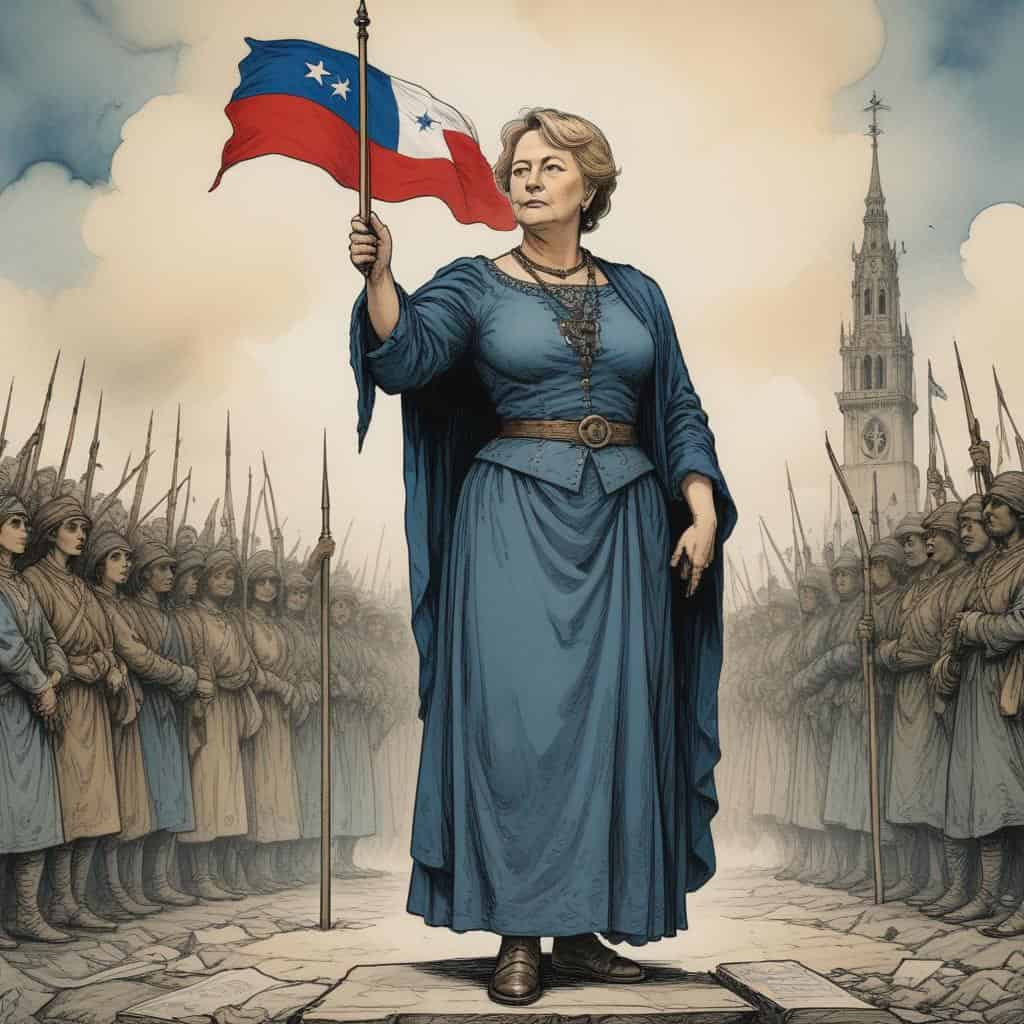
Michelle Bachelet
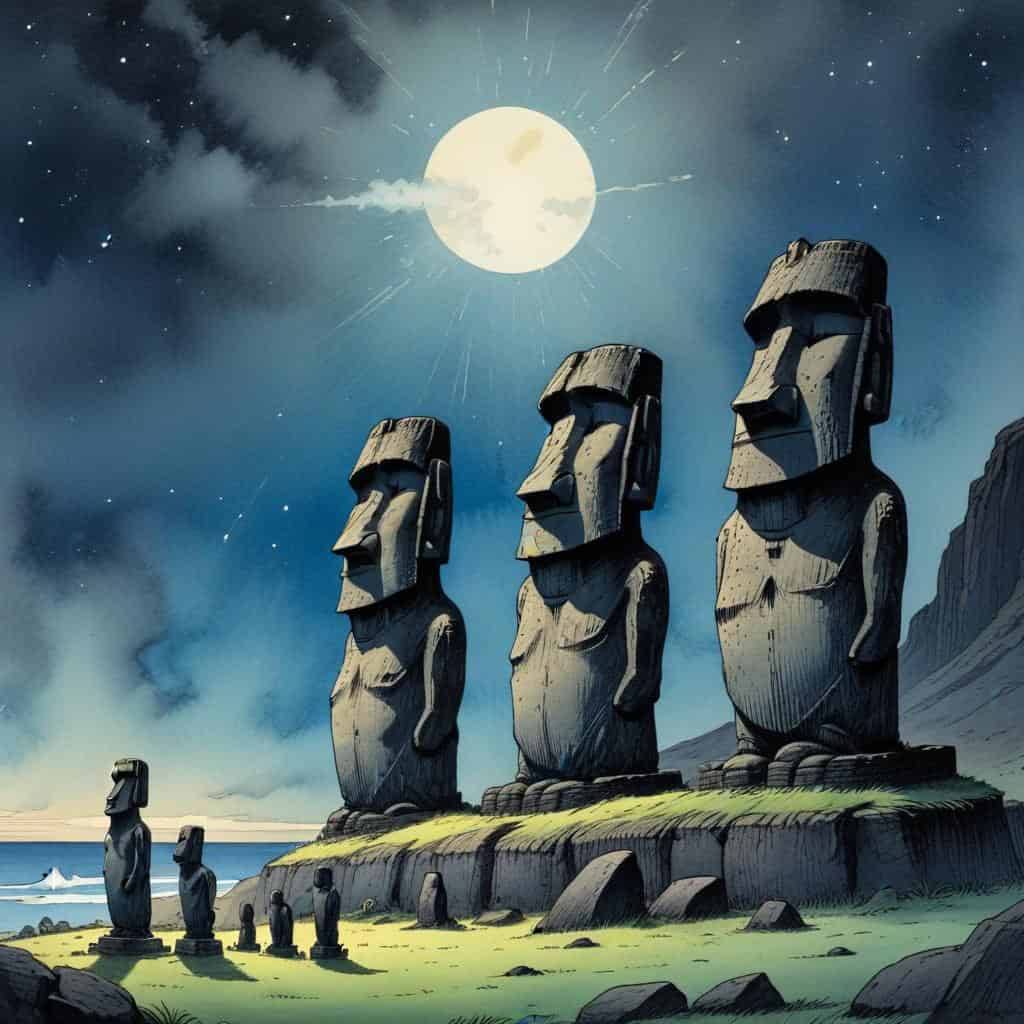
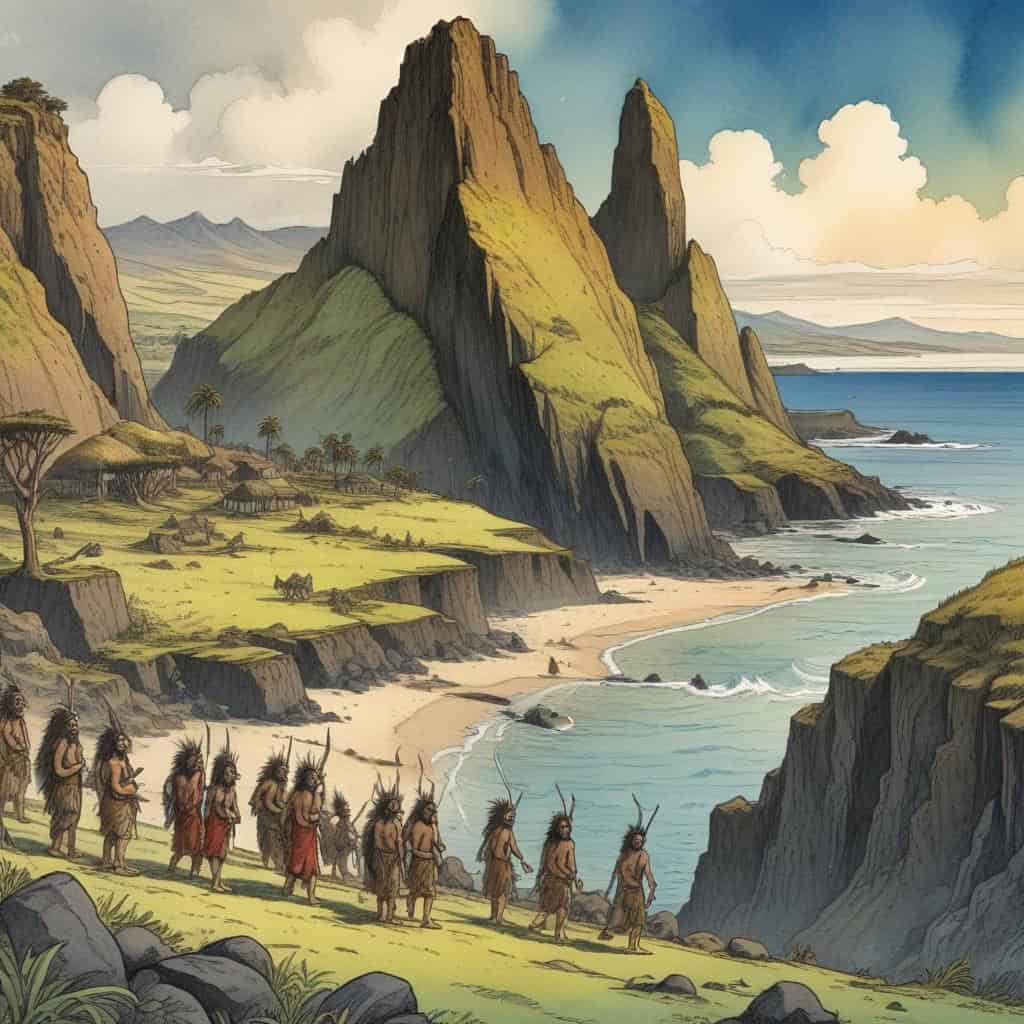
Moai Statues
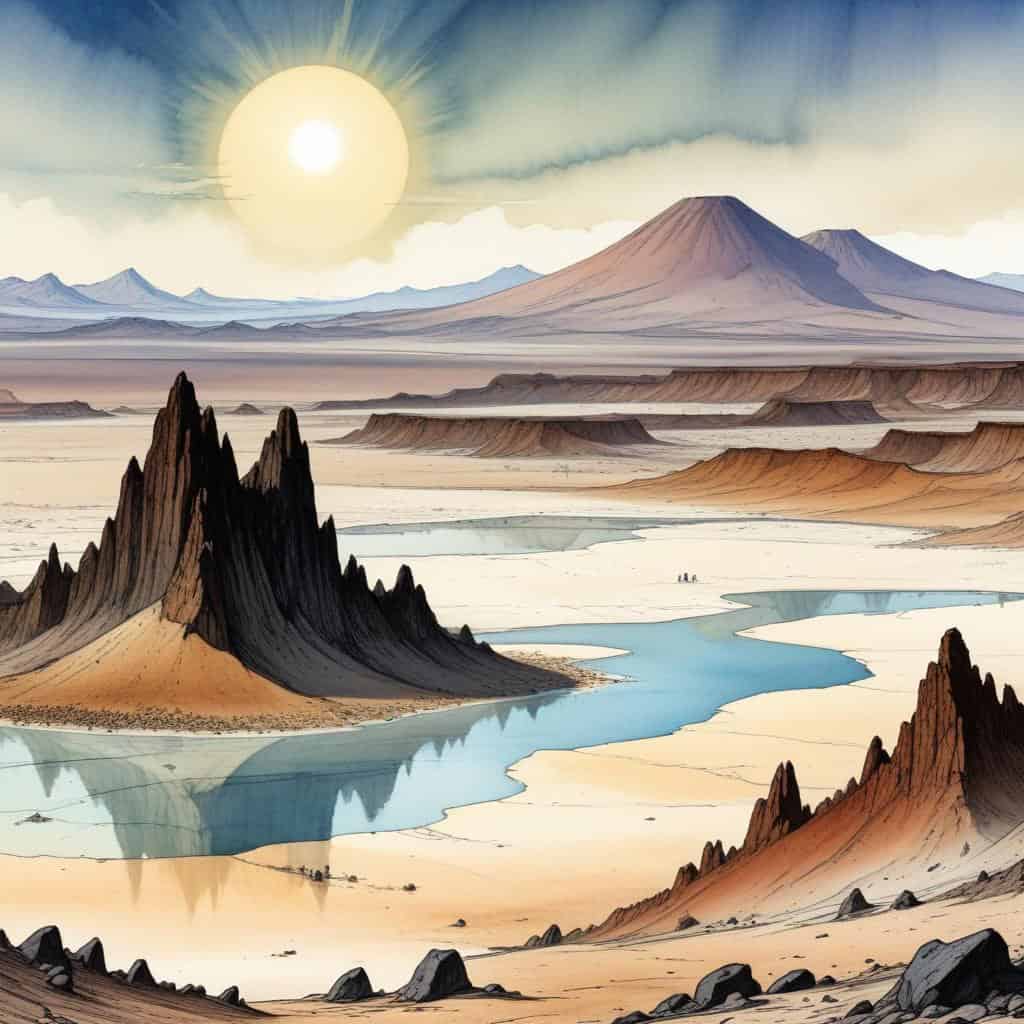
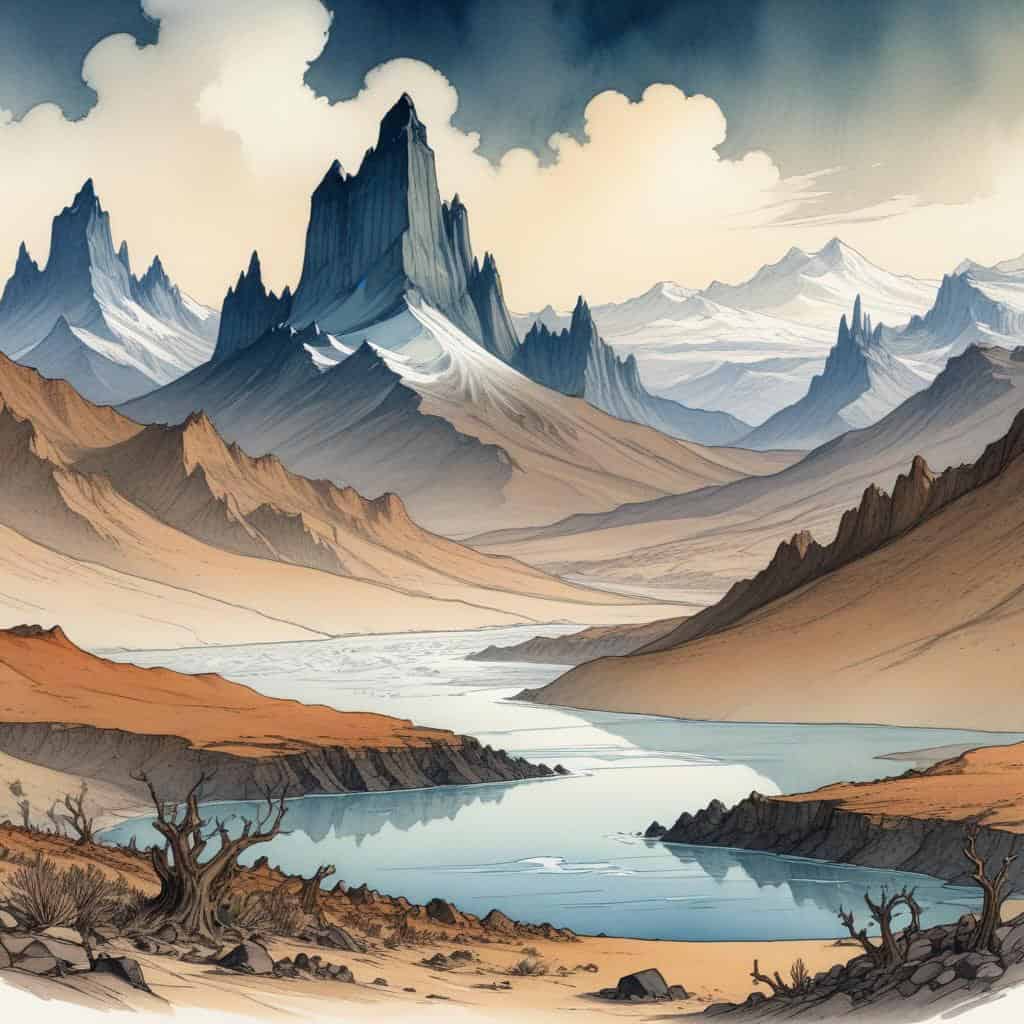
Atacama Desert
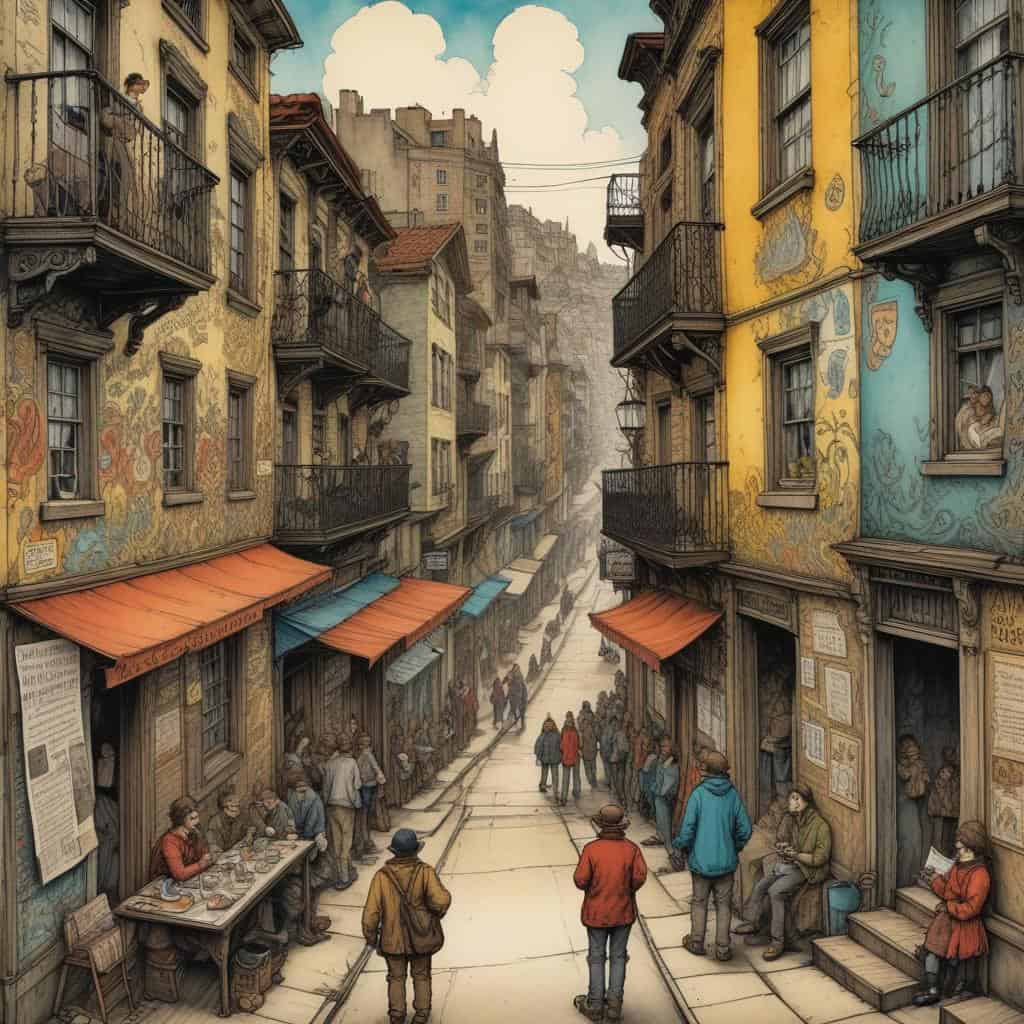
Valparaiso Street Artists
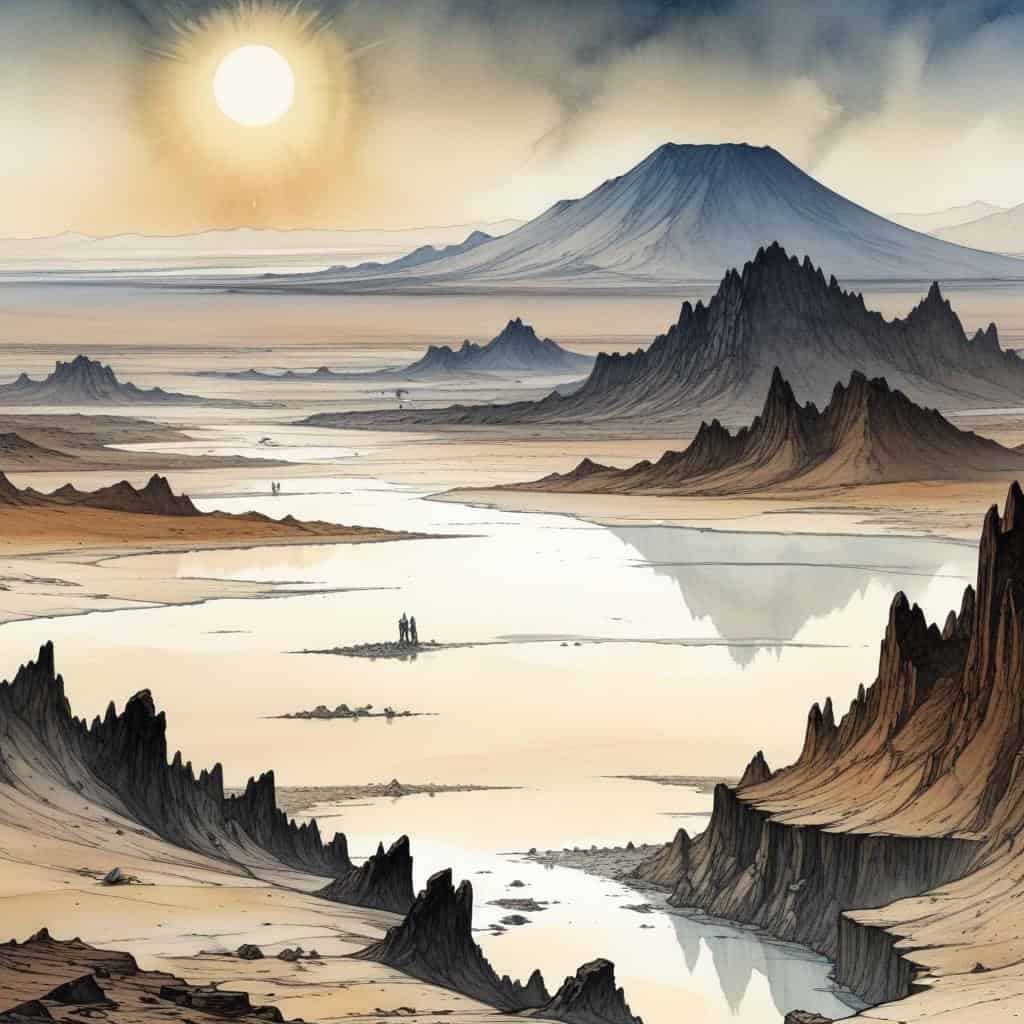
1. The Atacama Desert
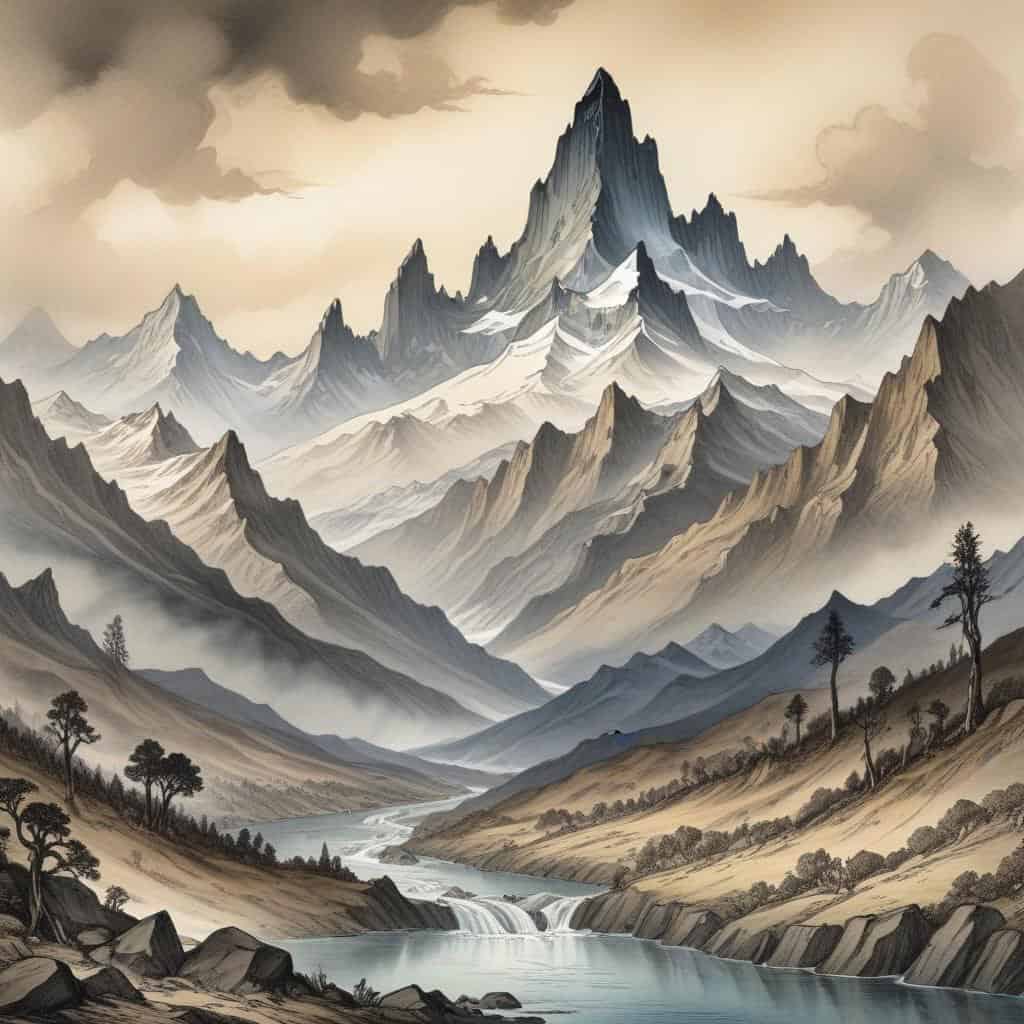
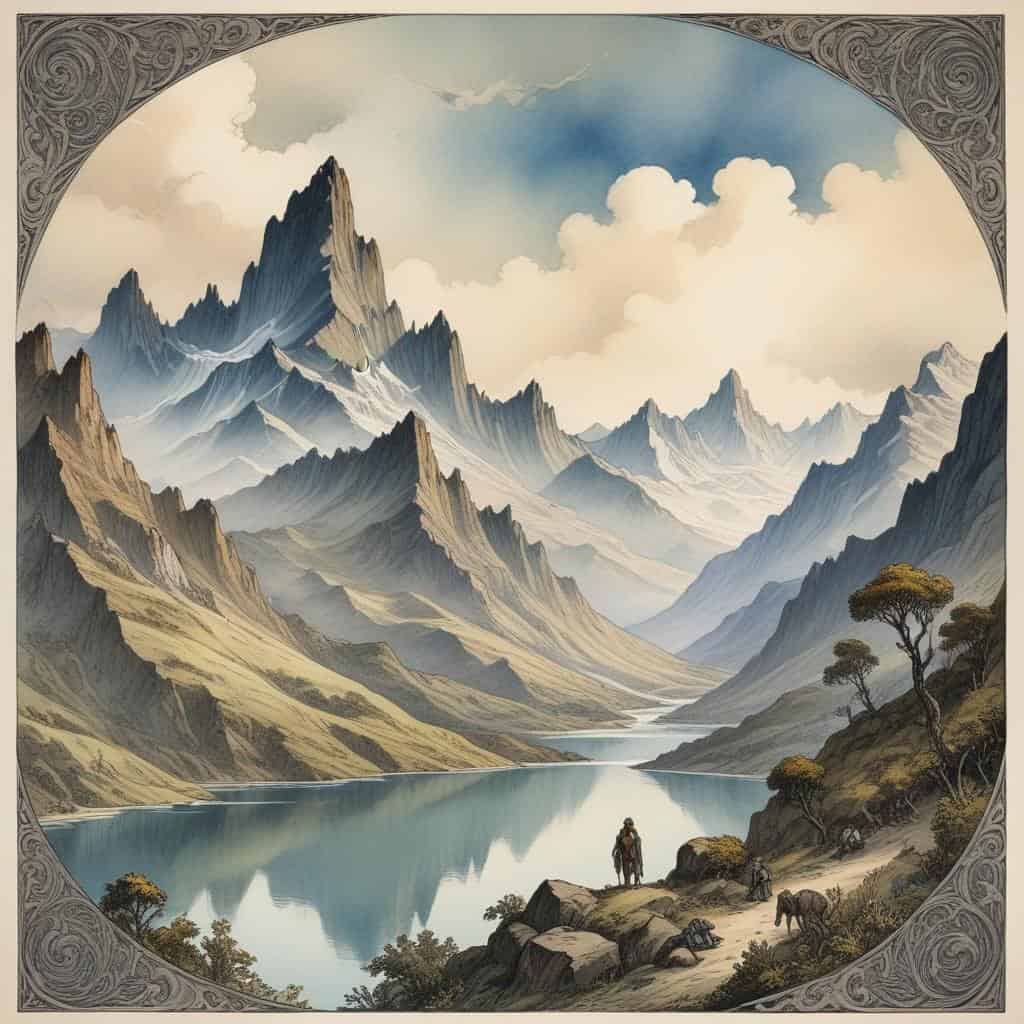
2. The Andes Mountains
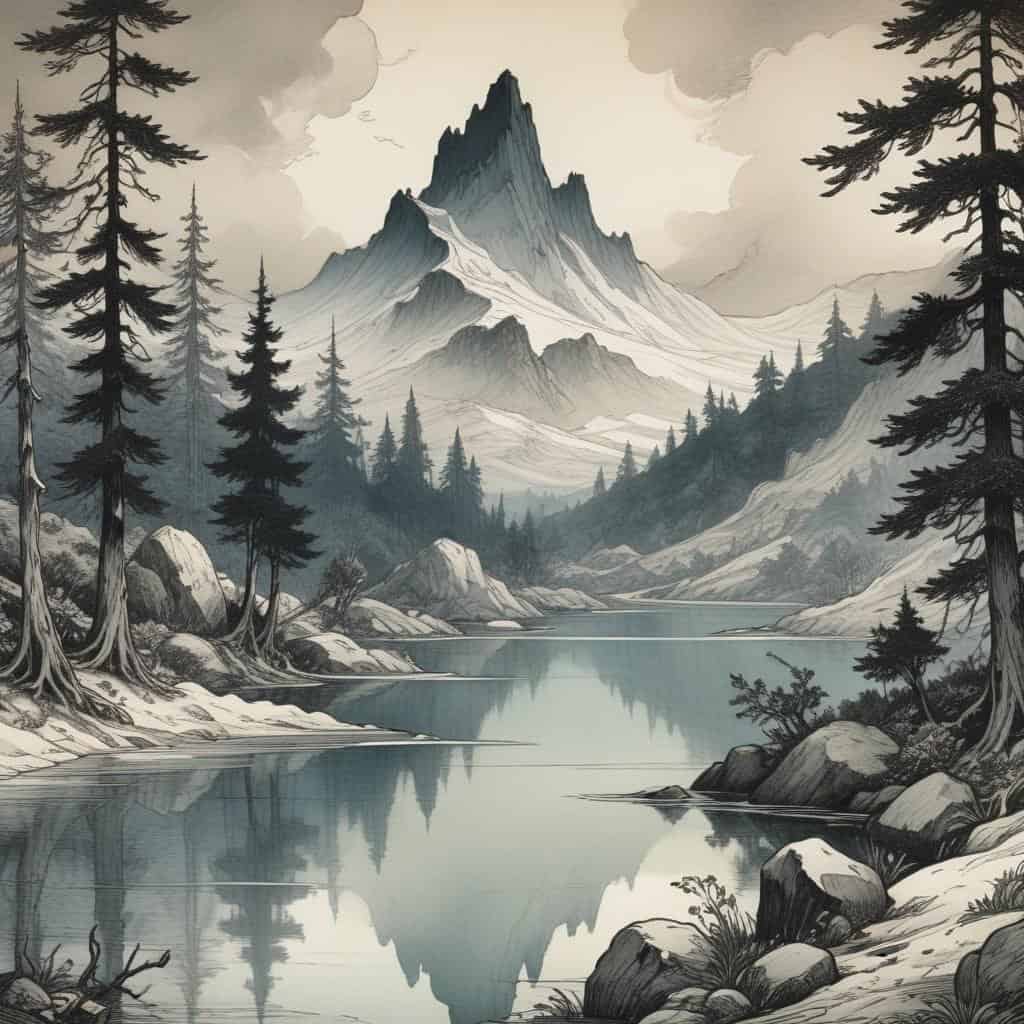
3. The Lake District
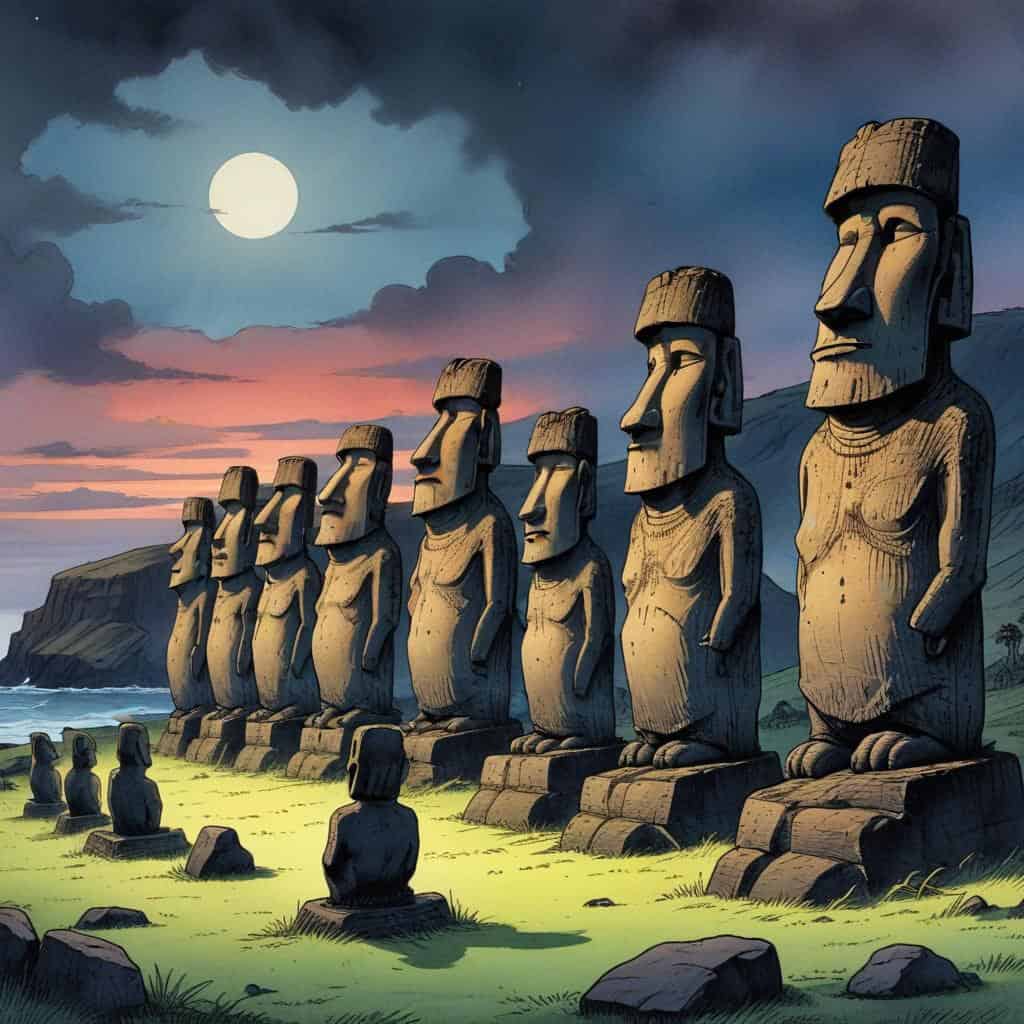
4. Easter Island
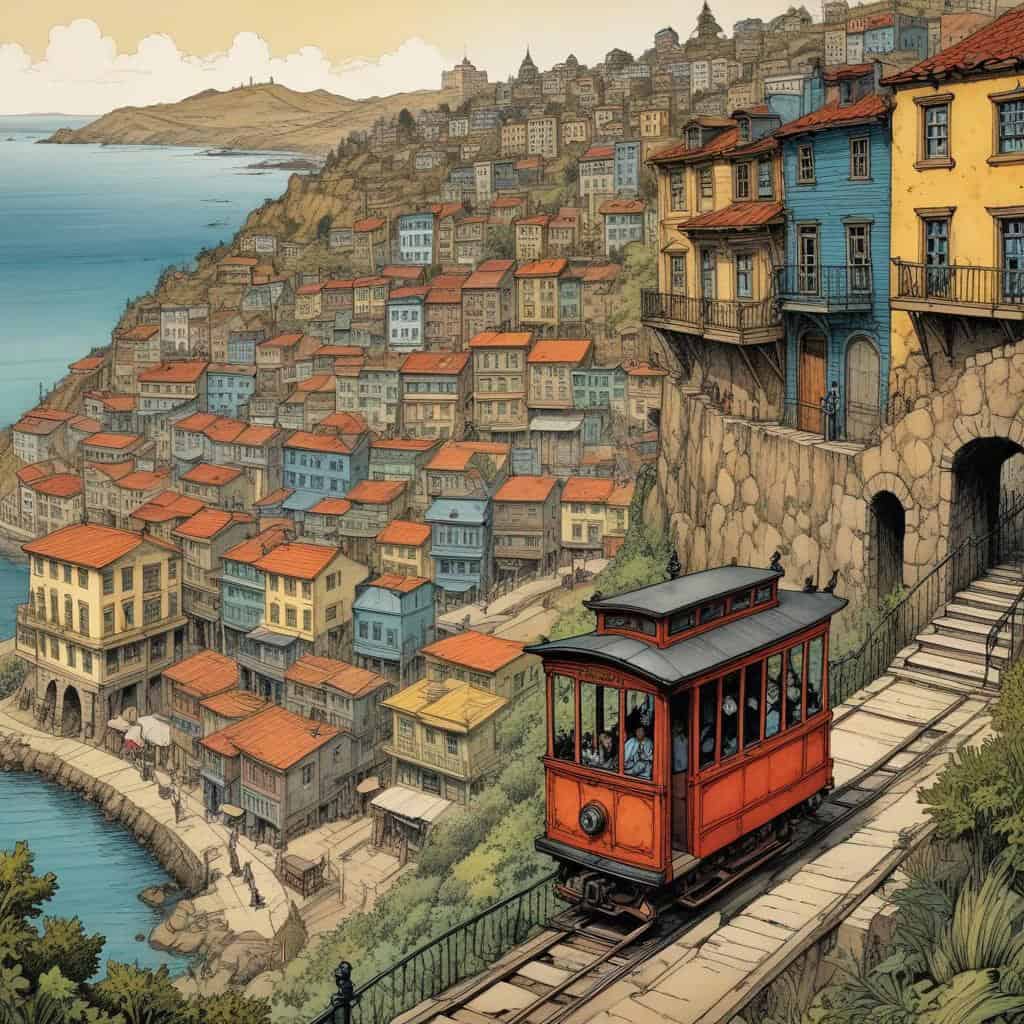
5. Valparaíso
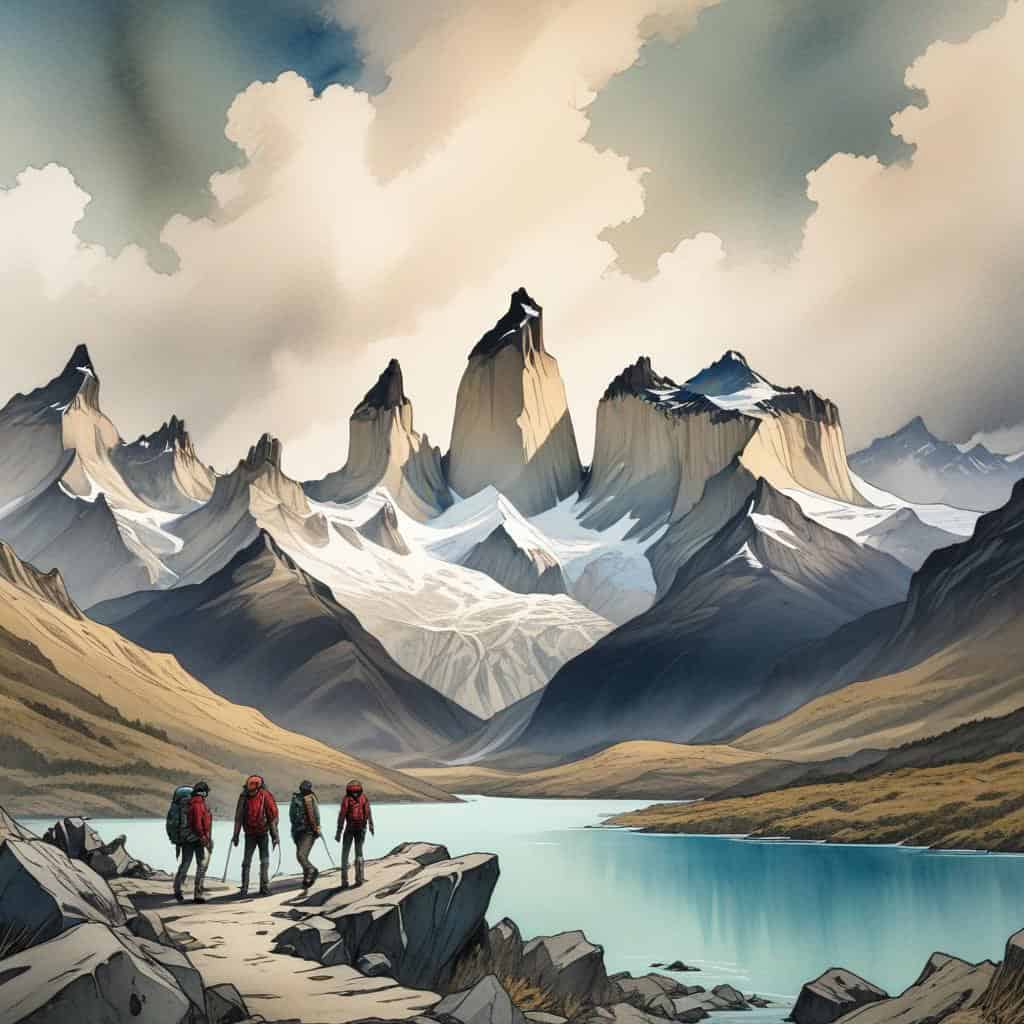
6. Torres del Paine National Park
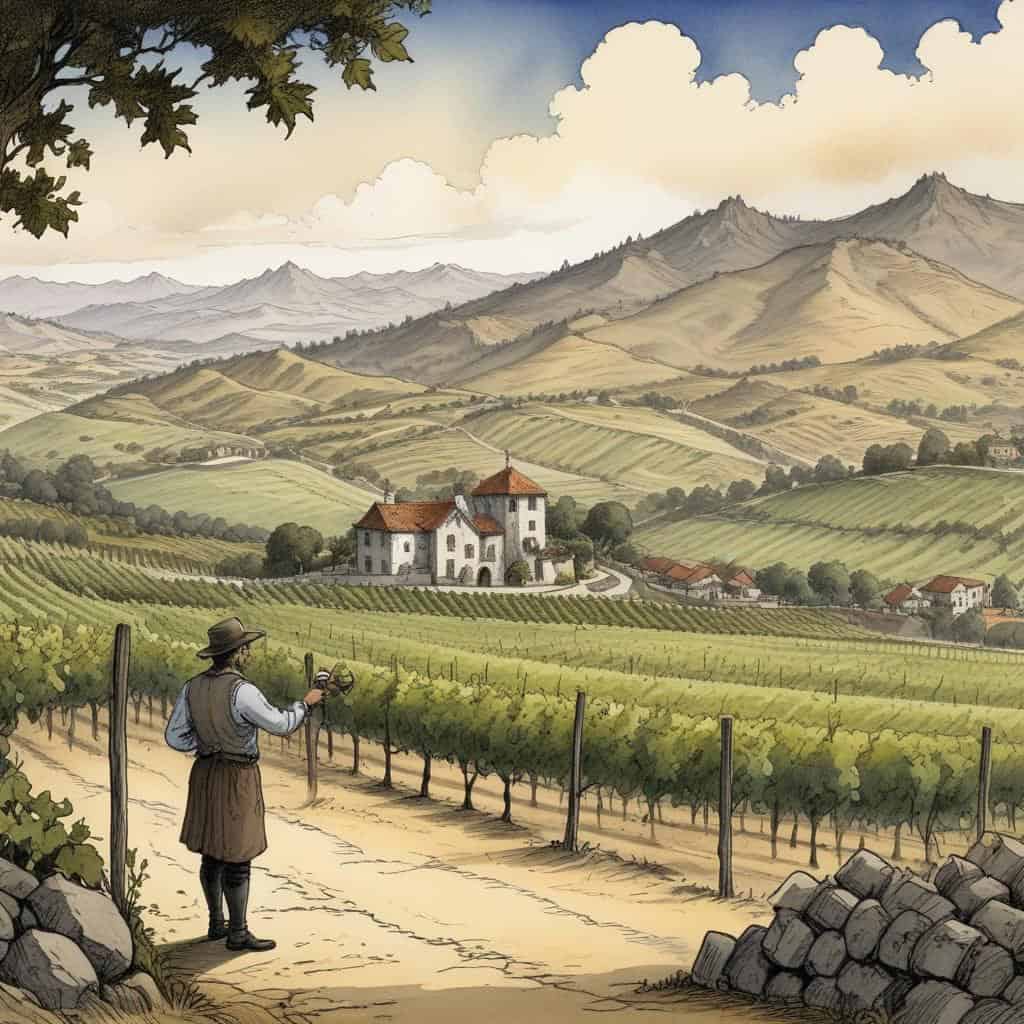
7. The Wine Regions
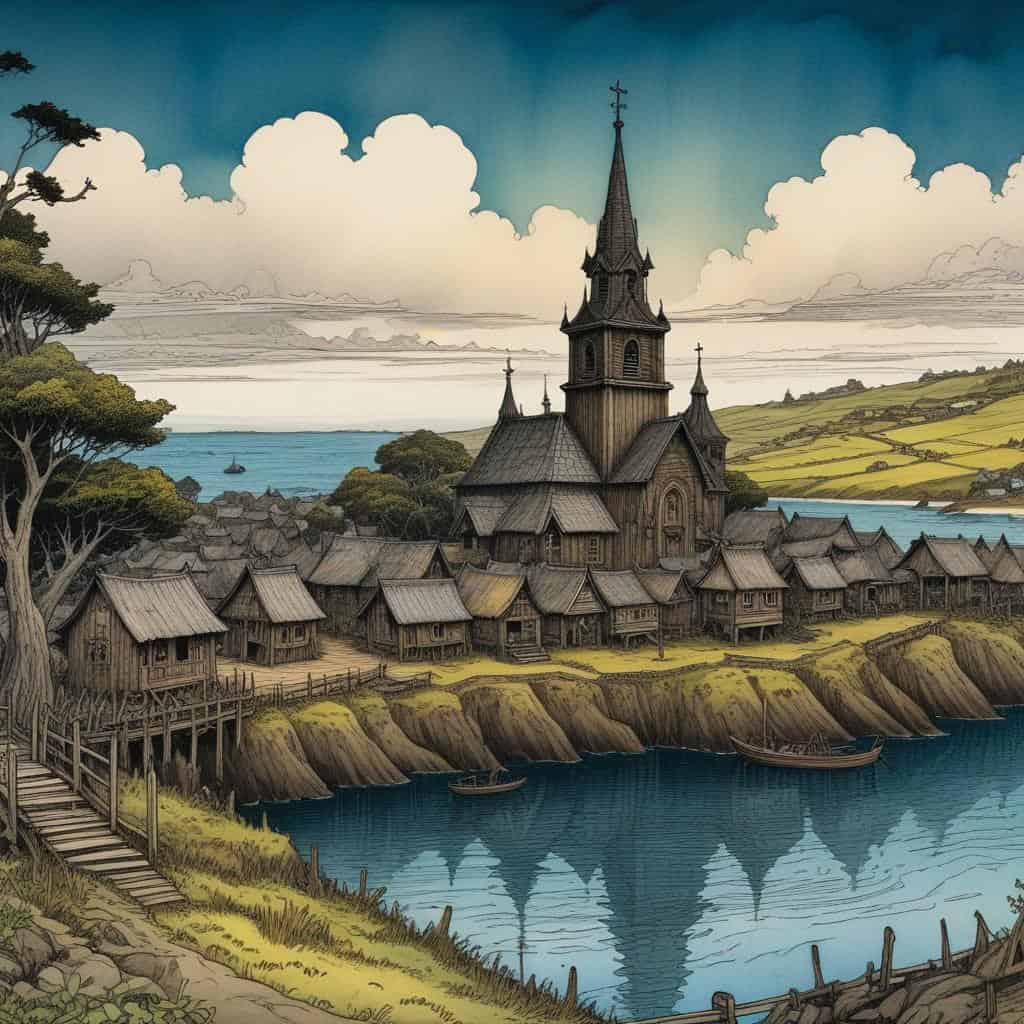
8. Chiloé Island
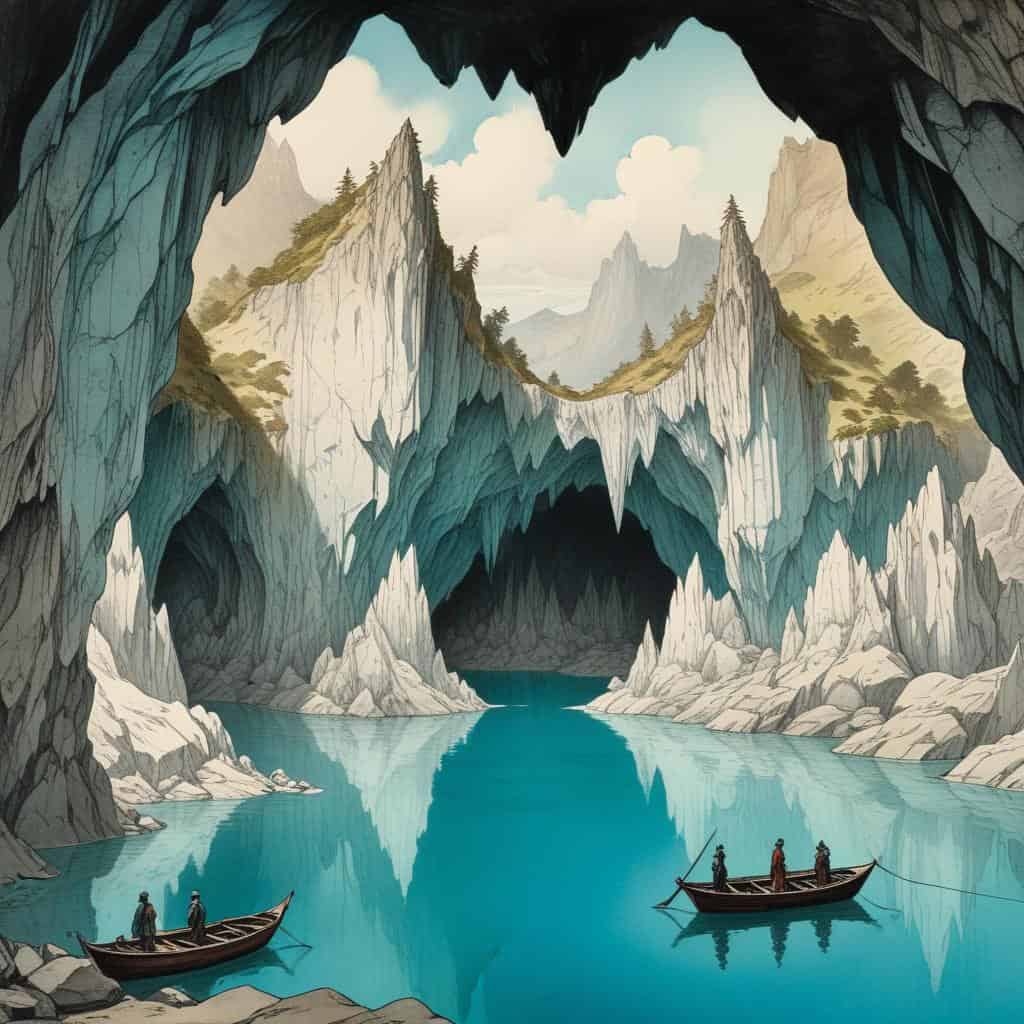
9. The Marble Caves
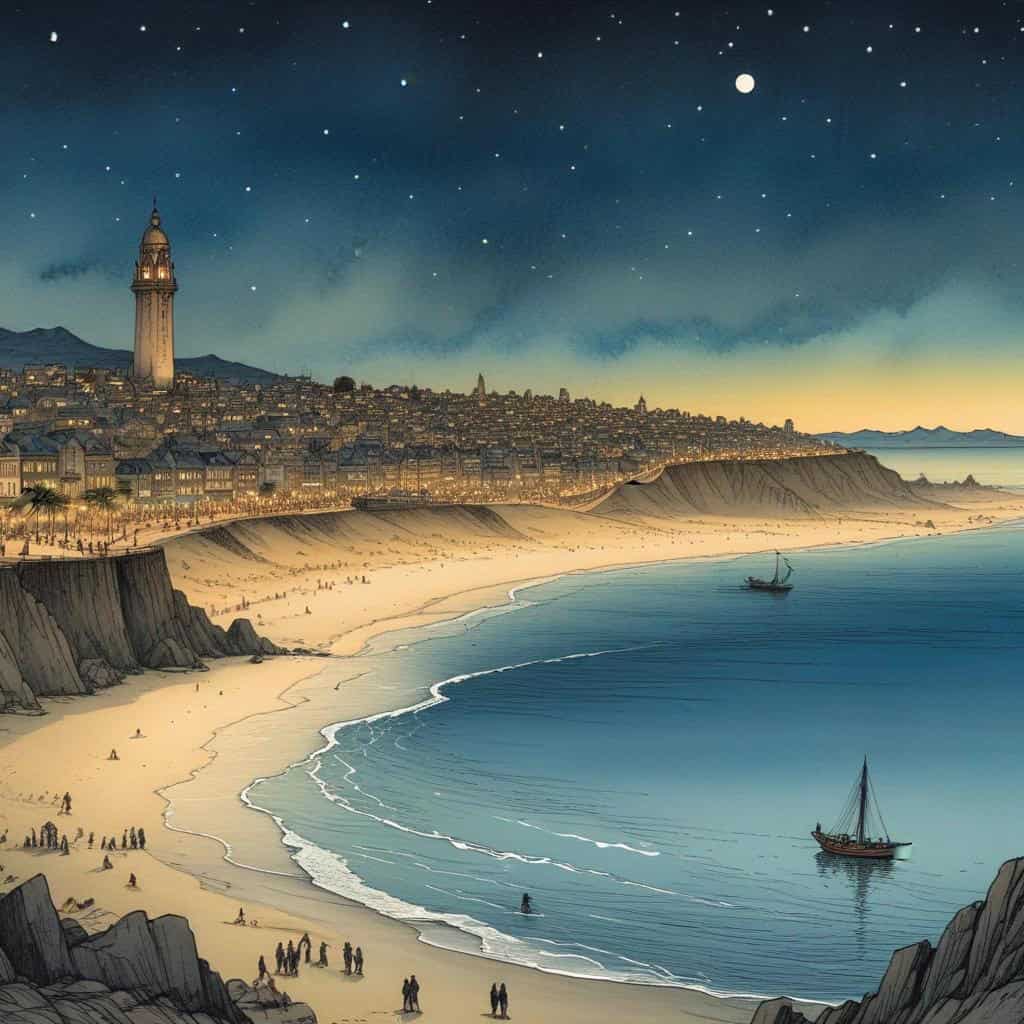
10. The Coastal Cities
In a Nutshell
- Capital: Santiago
- Population: Approx. 19.1 million (2021)
- Official Language: Spanish
- Currency: Chilean peso (CLP)
Breaking Down the Country
Geographical Diversity
Chile boasts a diverse landscape, from the arid Atacama Desert in the north to the glaciers of Patagonia in the south.
Cultural Heritage
Explore Chile's rich cultural heritage, influenced by indigenous Mapuche traditions, Spanish colonial history, and vibrant arts scenes.
Culinary Delights
Discover Chile's culinary delights, from traditional dishes like empanadas and cazuela to world-renowned wines from the vineyards of the Central Valley.
Timeline of Chile
Vocabulary List
- Andes
- The Andes mountain range runs along the western border of Chile.
- Patagonia
- The southern region of Chile is known for its stunning Patagonia landscape.
- Valparaiso
- The city of Valparaiso is famous for its colorful houses and steep hills.
- Atacama Desert
- The Atacama Desert in northern Chile is one of the driest places on earth.
- Torres del Paine
- Torres del Paine National Park is a popular destination for hikers in Chile.
- Santiago
- Santiago is the capital and largest city of Chile.
- Easter Island
- Easter Island is a remote island off the coast of Chile known for its moai statues.
- Puerto Natales
- Puerto Natales is a town in southern Chile that serves as a gateway to Torres del Paine National Park.
- Araucaria
- The Araucaria tree is native to Chile and can be found in the Andes mountains.
- Pucón
- Pucón is a popular tourist town in southern Chile known for its lakes and volcanoes.
Key Facts
This is the information used in the fact matching game
- Chile is home to the driest place on Earth, the Atacama Desert.
- The Andes mountain range runs along the eastern border of Chile.
- Chile is known for its stunning fjords and glaciers in the southern region.
- Valparaíso, a port city in Chile, is famous for its colorful houses and street art.
- The Elqui Valley in Chile is one of the best places in the world for stargazing.
- Chile has over 2,900 volcanoes, with around 500 considered to be potentially active.
- The Torres del Paine National Park in Chile is known for its rugged mountains and icebergs.
- Santiago, the capital city of Chile, is surrounded by the snow-capped peaks of the Andes.
- Chile is home to the world's largest swimming pool, located in the resort of San Alfonso del Mar.
- The Lake District in Chile is known for its stunning lakes, forests, and snow-capped volcanoes.
- The city of Punta Arenas in Chile is one of the southernmost cities in the world.
- Chiloé Island in Chile is famous for its colorful wooden churches, known as 'palafitos'.
- The city of Valdivia in Chile is known for its German influence, seen in its architecture and cuisine.
- The coastal city of Viña del Mar in Chile is known for its beautiful beaches and flower clock.
- The Maipo Valley in Chile is famous for its wine production, particularly of Cabernet Sauvignon and Carmenere.
- The city of Valdivia in Chile is known for its many rivers and canals, earning it the nickname 'The City of Rivers'.
- The Carretera Austral, a scenic highway in Chile, offers stunning views of glaciers, mountains, and fjords.
- The city of La Serena in Chile is known for its colonial architecture and beautiful beaches.
- Chile is home to the Easter Island, famous for its mysterious moai statues.
- The city of Antofagasta in Chile is known for its stunning coastal cliffs and desert landscapes.
Why It Matters
Geopolitical Significance
Chile’s long and narrow shape, stretching along the western coast of South America, gives it a unique position in the region. It borders Peru, Bolivia, and Argentina, playing a key role in South American politics and trade. Its Pacific coastline also influences global shipping routes and economic connections.
Historical Importance
Chile’s history is marked by indigenous civilizations, Spanish colonization, and a struggle for independence. Figures like Bernardo O’Higgins and Salvador Allende have shaped its identity. The country’s rich cultural heritage, including Easter Island and the Andean mountains, reflects its diverse past.
Modern-Day Role
Today, Chile is a stable and prosperous nation in Latin America. It is known for its strong economy, democratic government, and commitment to environmental sustainability. As a member of international organizations like APEC and the UN, Chile continues to play a significant role in global affairs.
Chile Games


Take Your Learning Offline
Want a convenient, print-ready study guide for this lesson? Become a Memory Wizards Pro member to unlock the downloadable " Memory Scrolls" for this topic and our entire library!
- ✓ Complete Vocabulary Lists
- ✓ Key Facts & Timelines
- ✓ Beautifully Formatted for Print & Mobile