
How Do You Learn Best?
Learn by Reading
Immerse yourself in the 10-minute visual lesson for a comprehensive understanding of the topic.
Learn by Reviewing
Jump directly to the key facts, timeline, and vocabulary lists to build a solid foundation of details.
Learn by Doing
Challenge yourself! Jump straight into the interactive games to learn by trial, error, and discovery.
Bolivia in 10 Minutes
Introduction
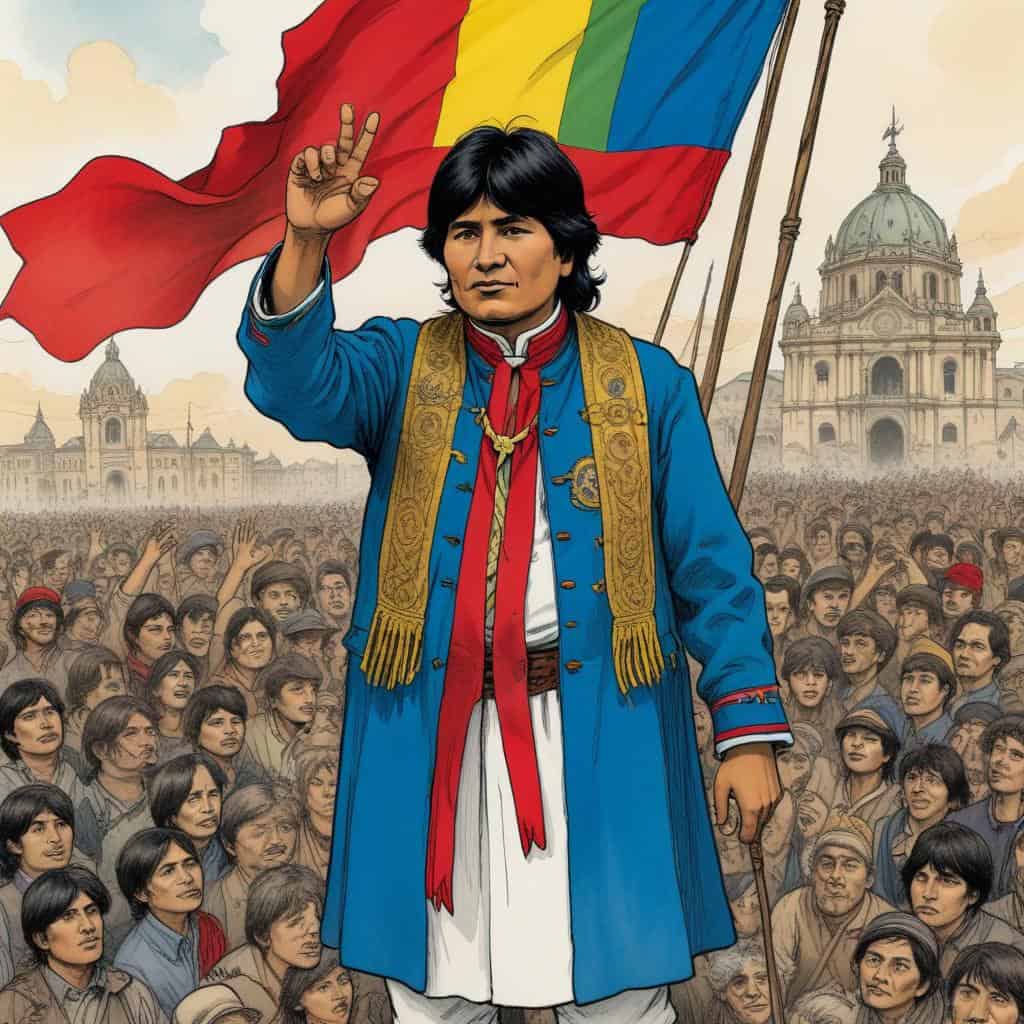
1. Evo Morales
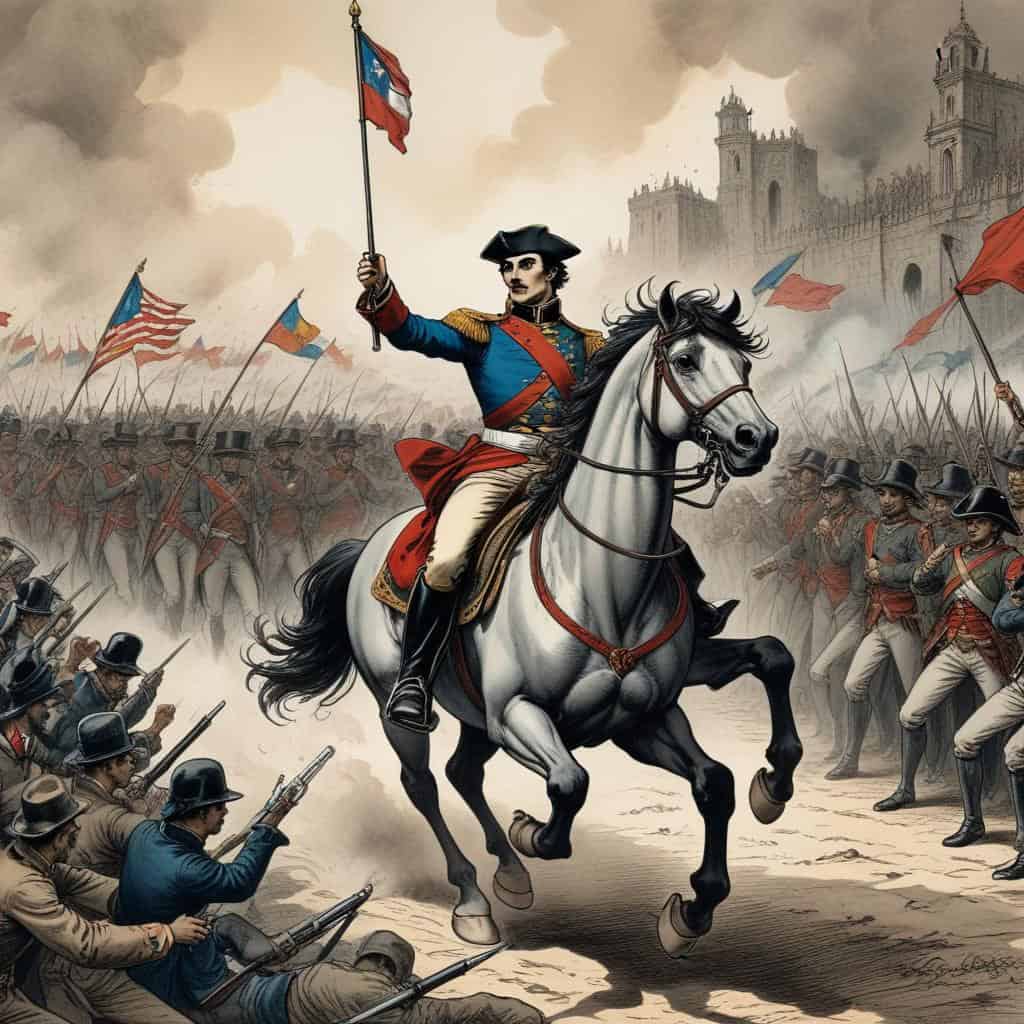
2. Simon Bolivar

3. Che Guevara
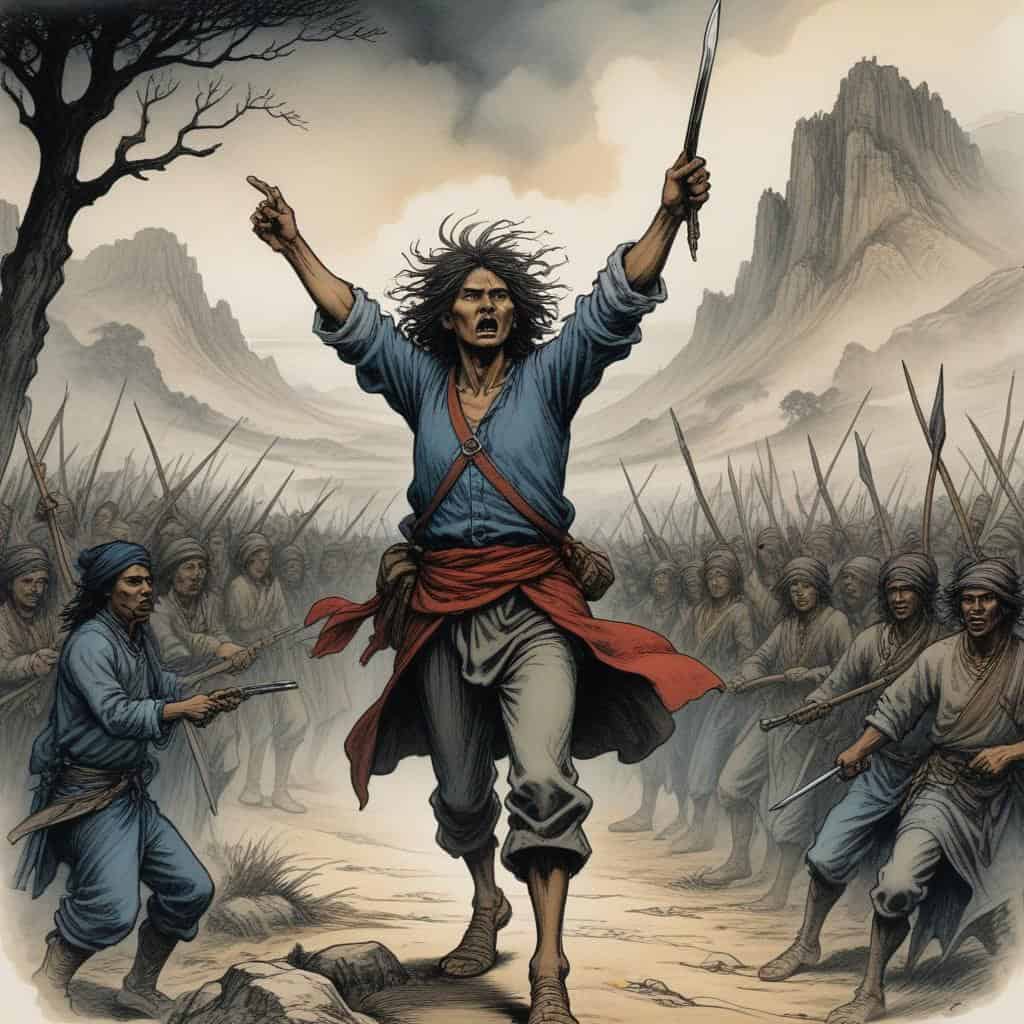
4. Túpac Katari
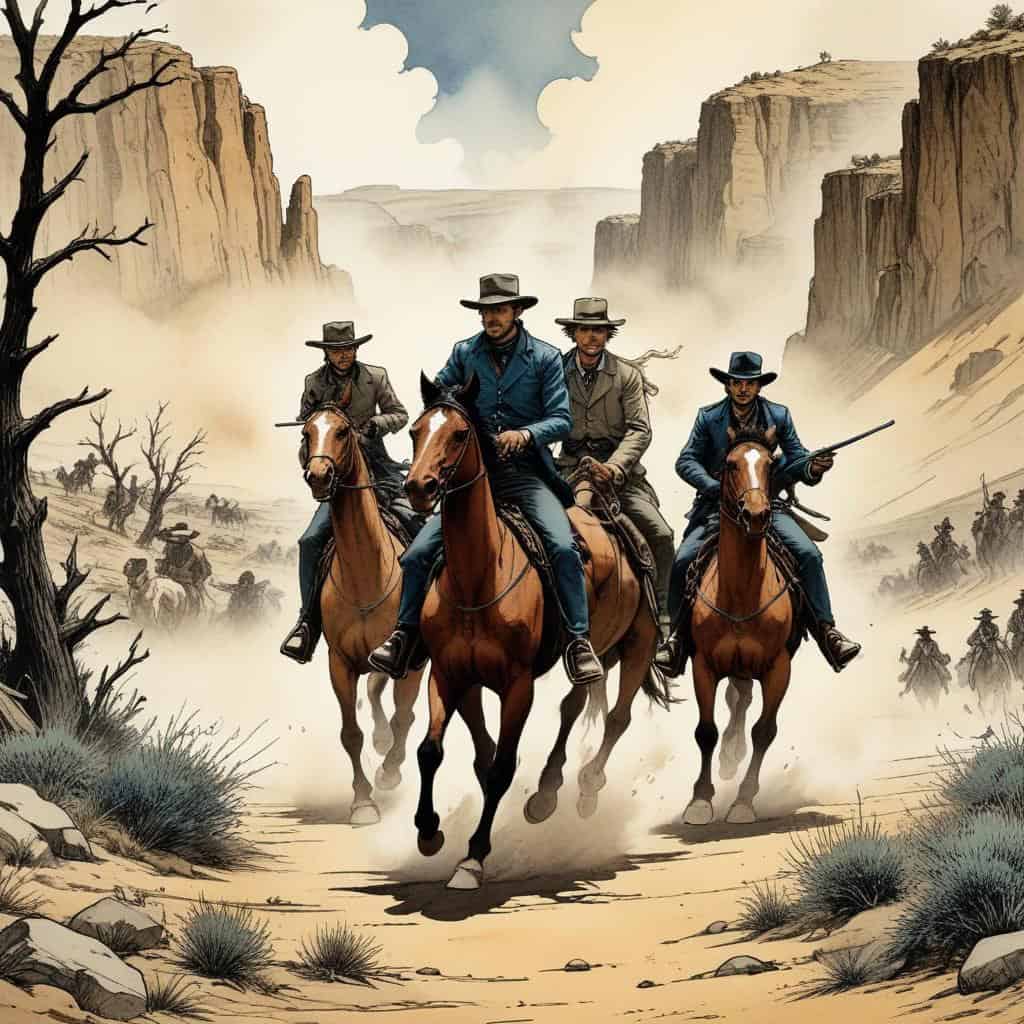
5. Butch Cassidy and the Sundance Kid
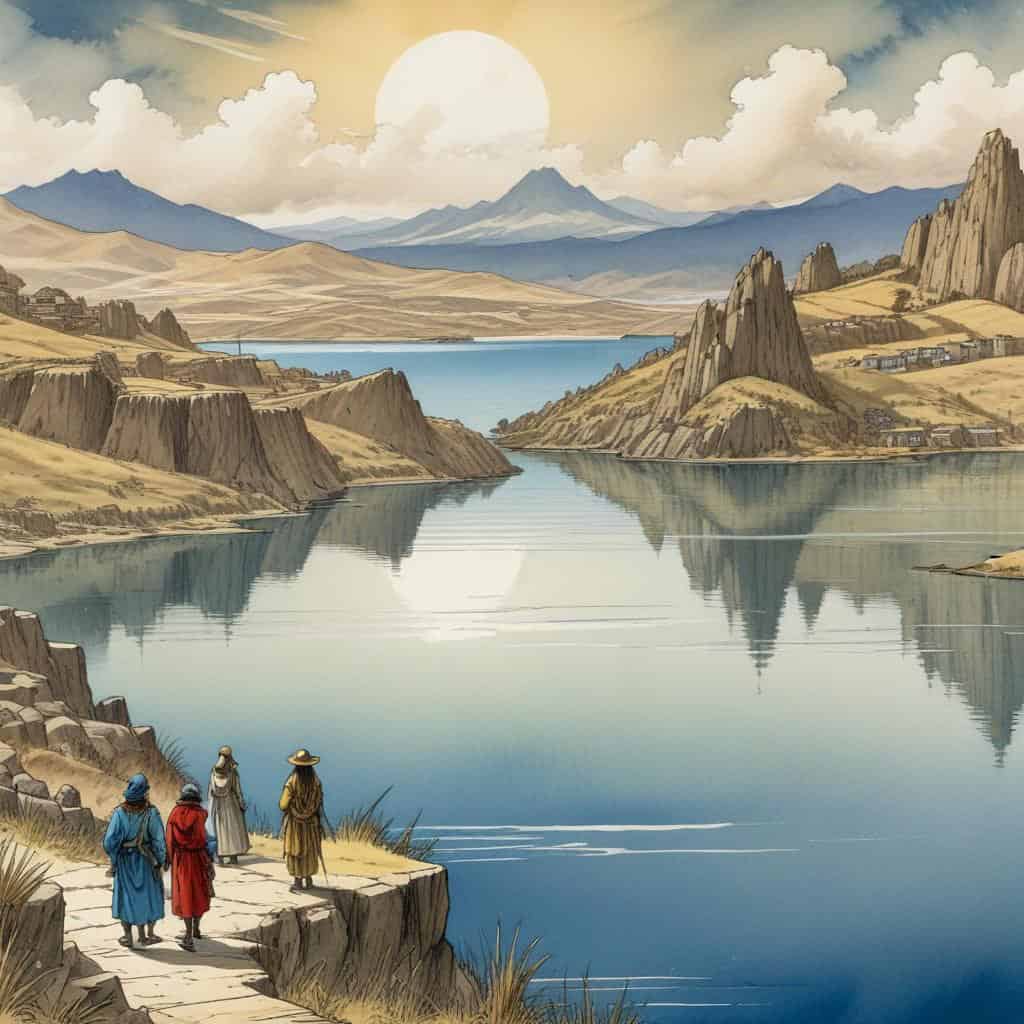
1. Lake Titicaca: A Majestic Natural Wonder
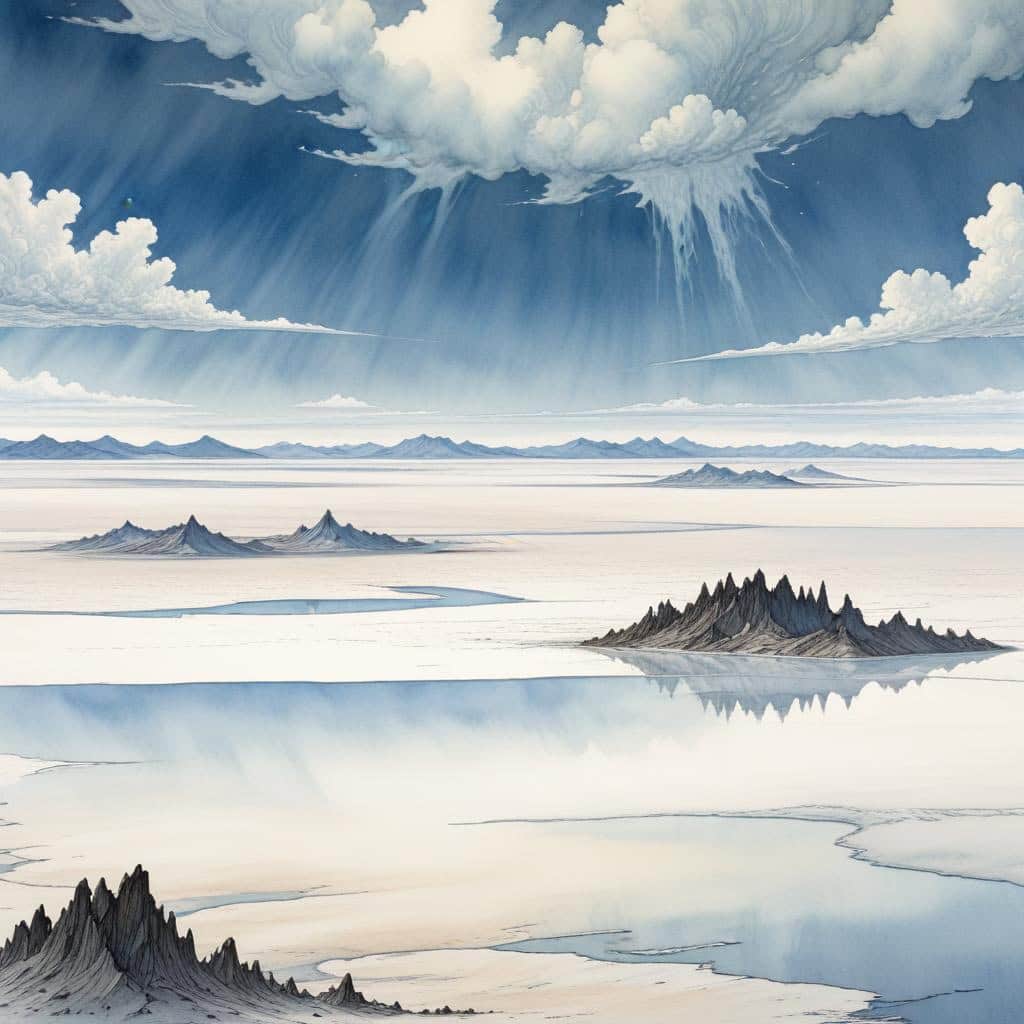
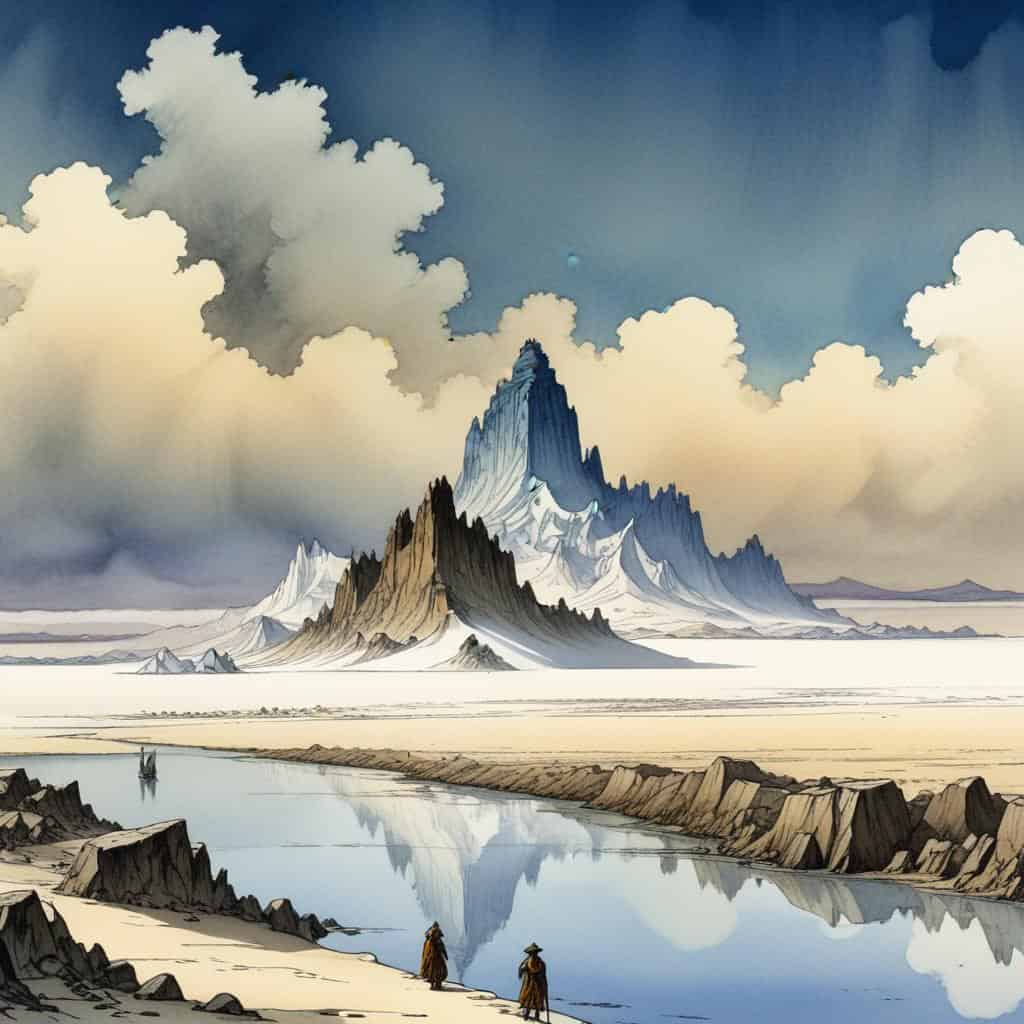
2. Salar de Uyuni: The Worlds Largest Salt Flat
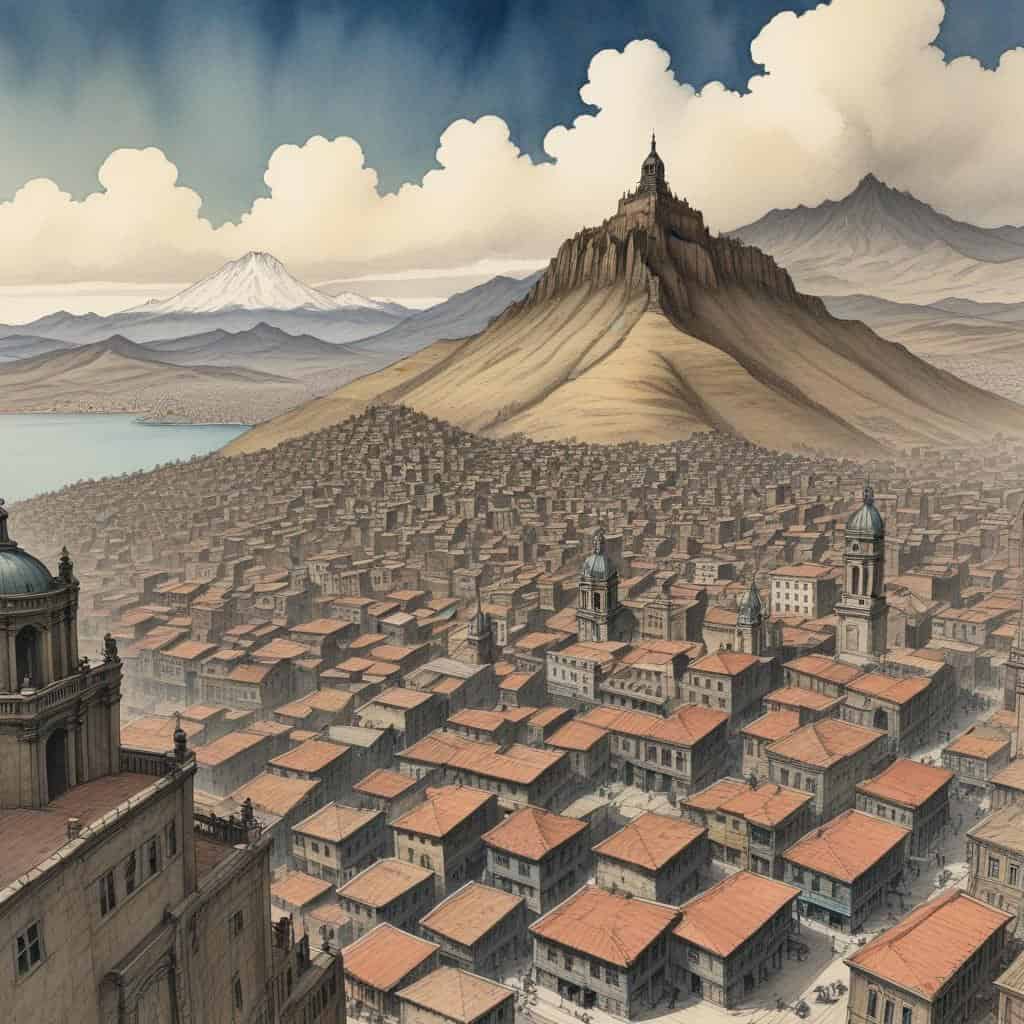
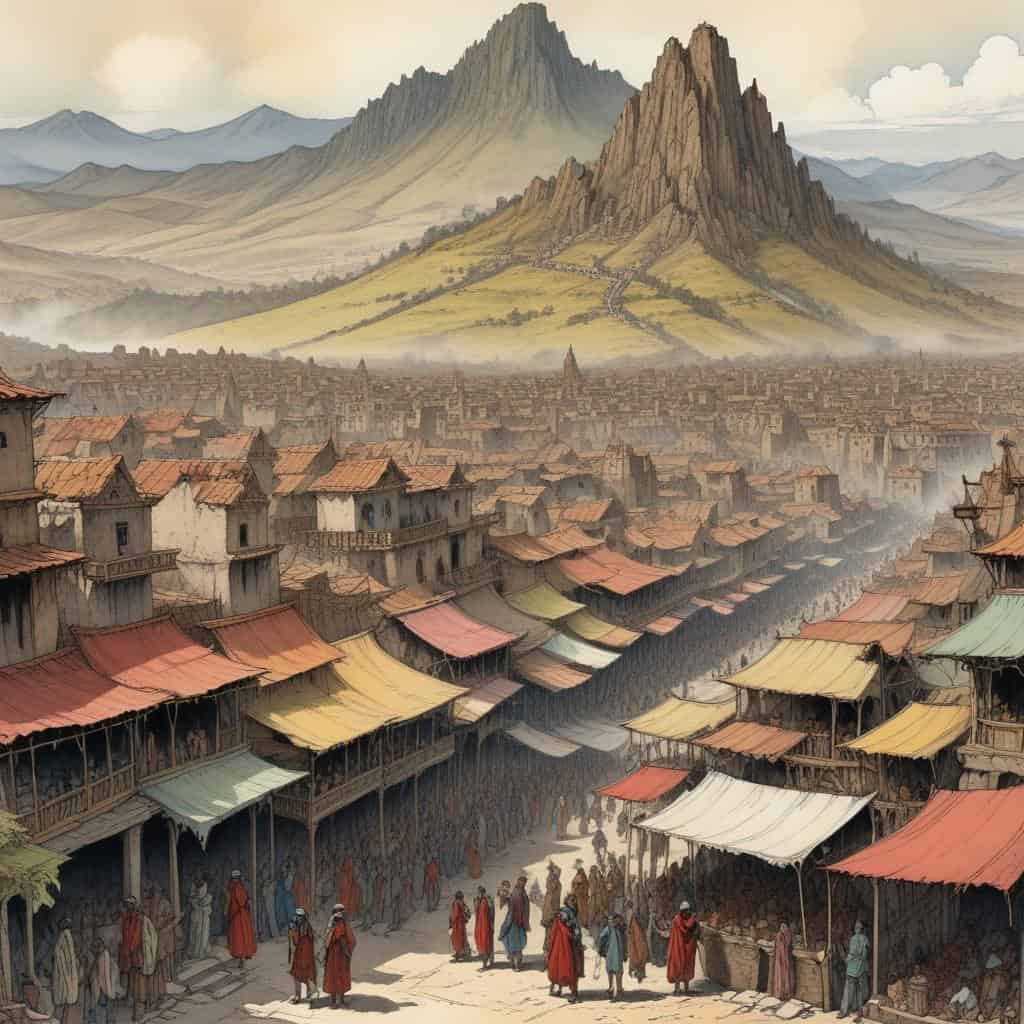
3. La Paz: The Highest Capital City in the World
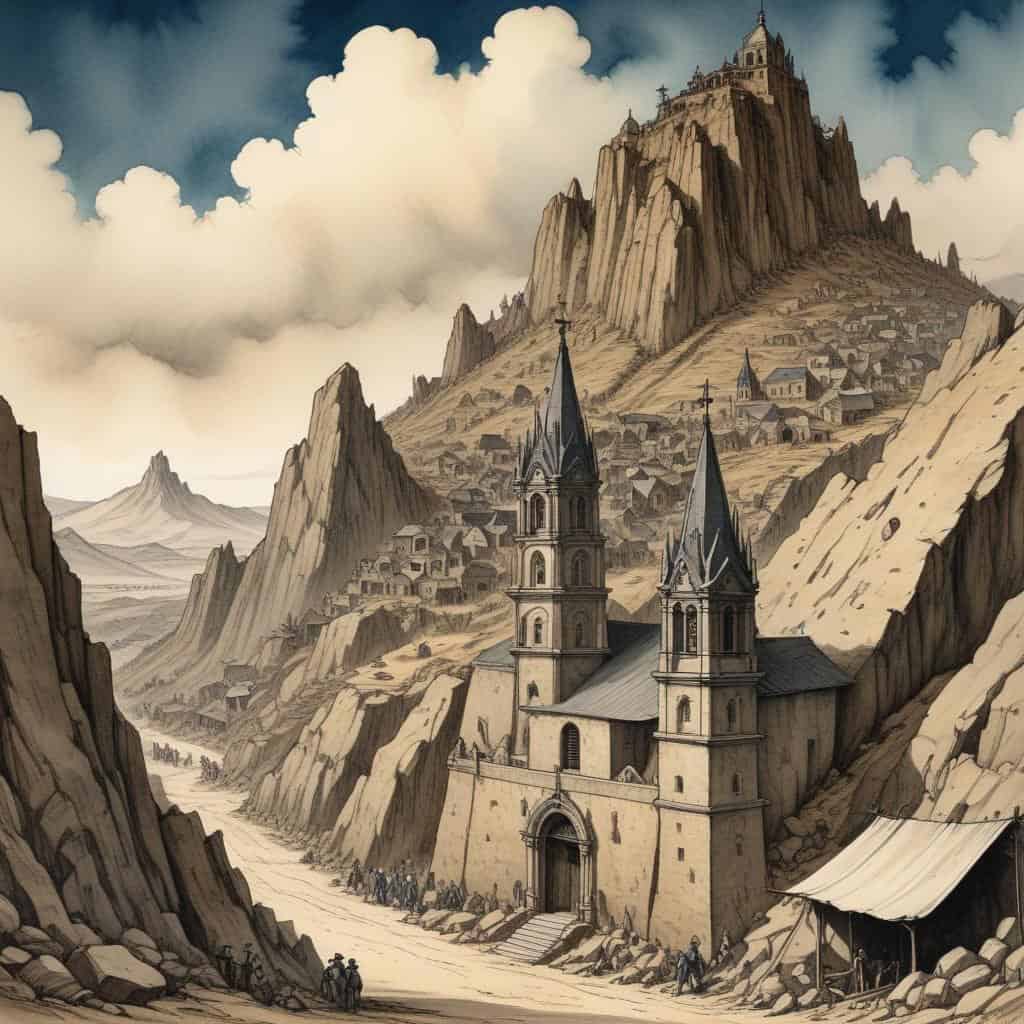
4. Potosi: A City Rich in History
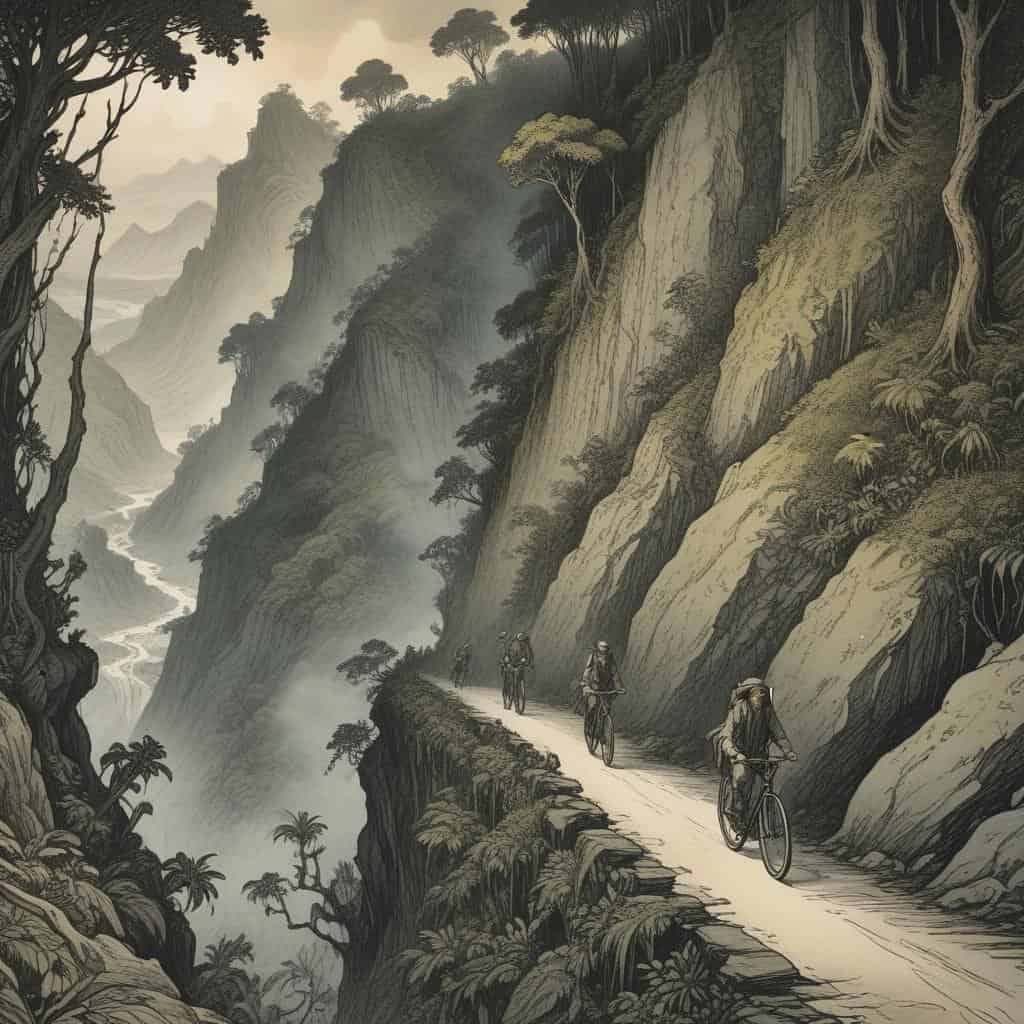
5. The Yungas Road: A Thrilling Adventure
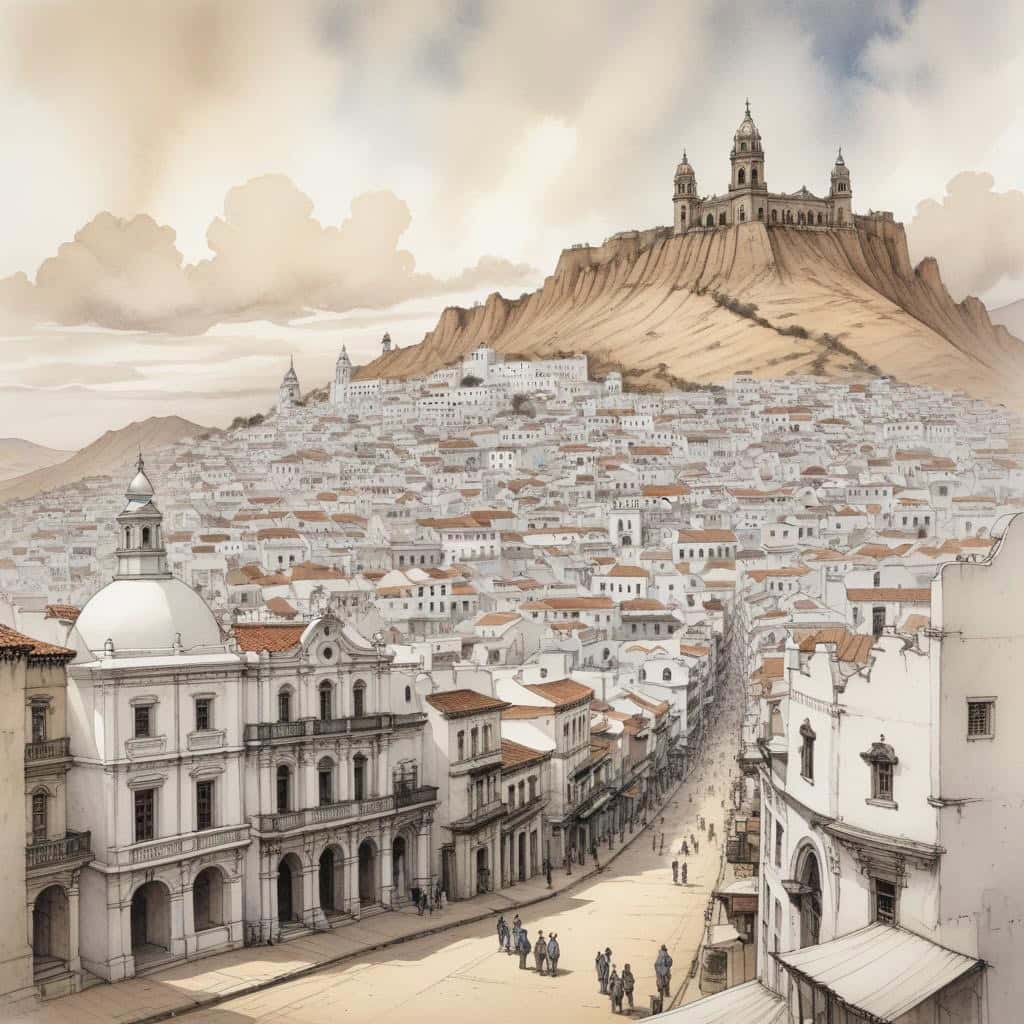
6. Sucre: The White City
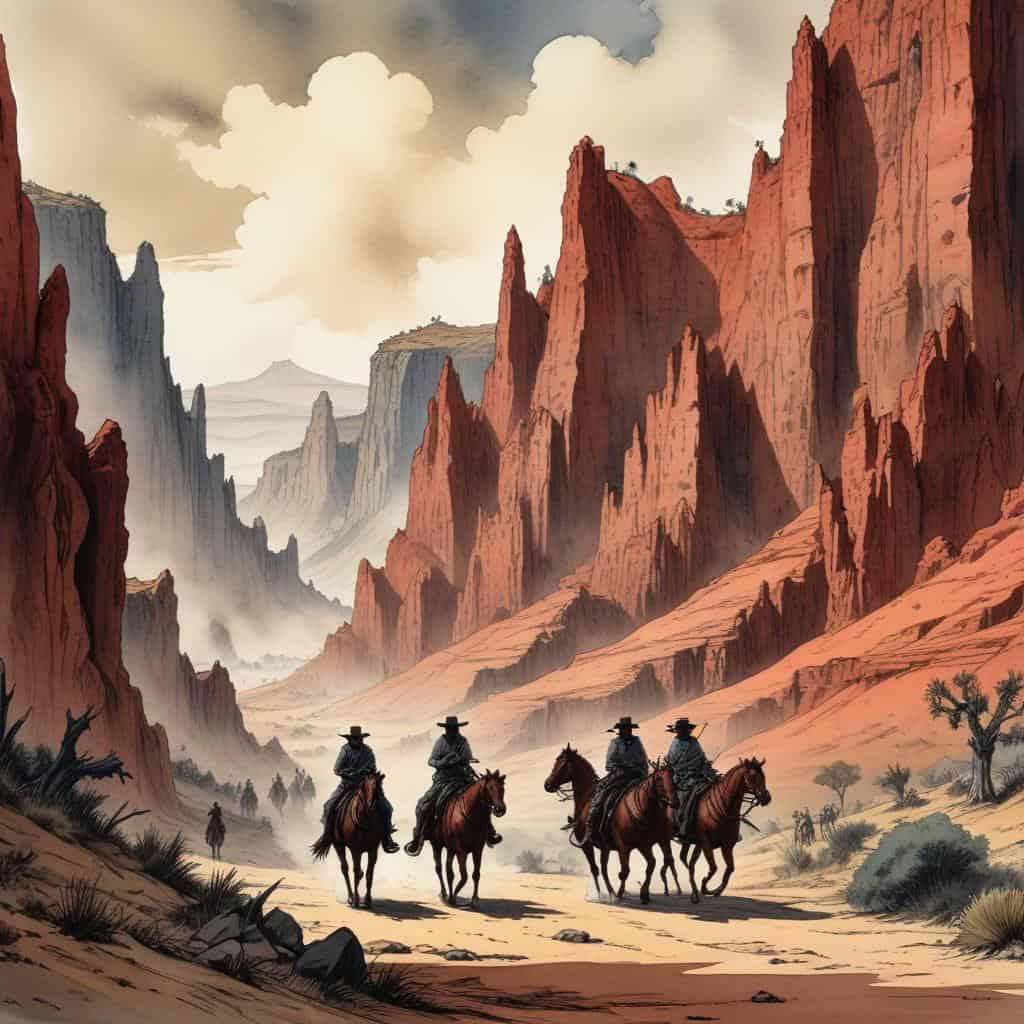
7. Tupiza: The Wild West of Bolivia
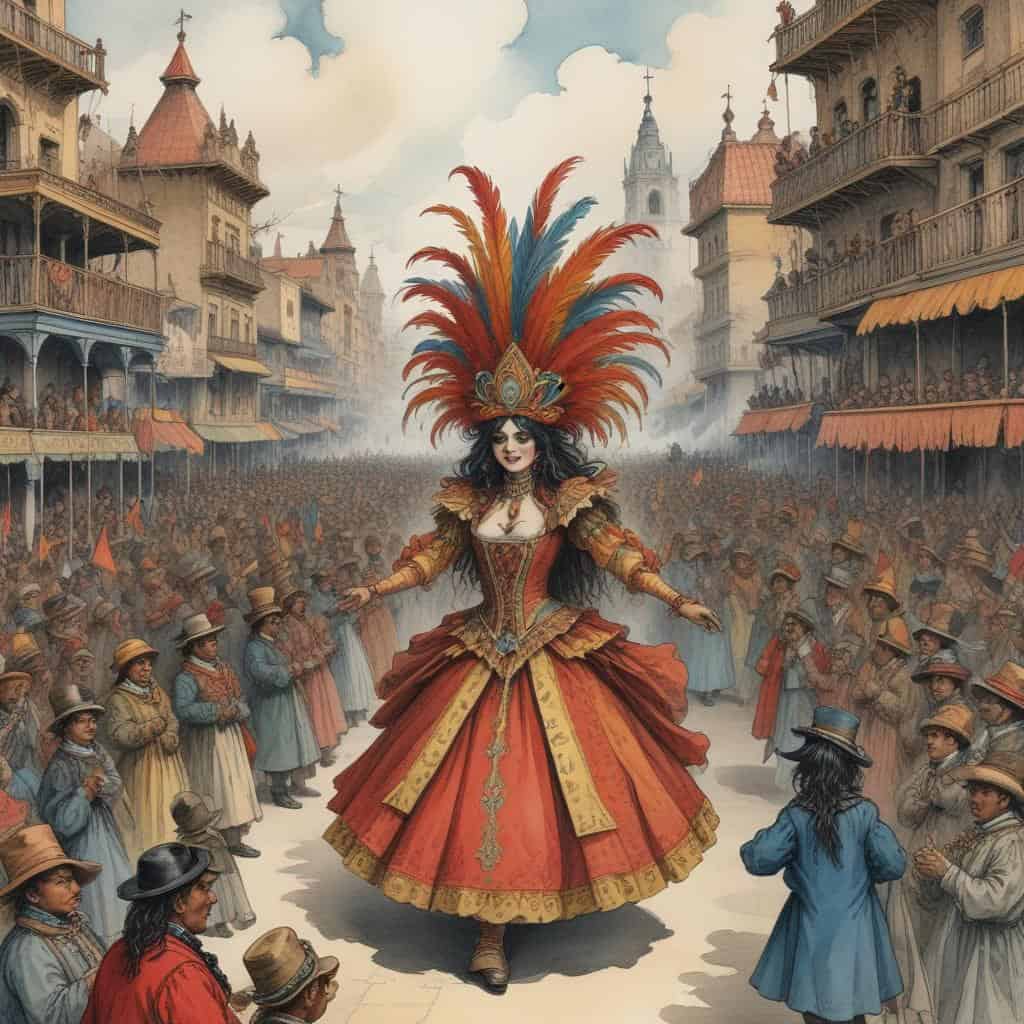
8. Oruro: Home of the Famous Carnival
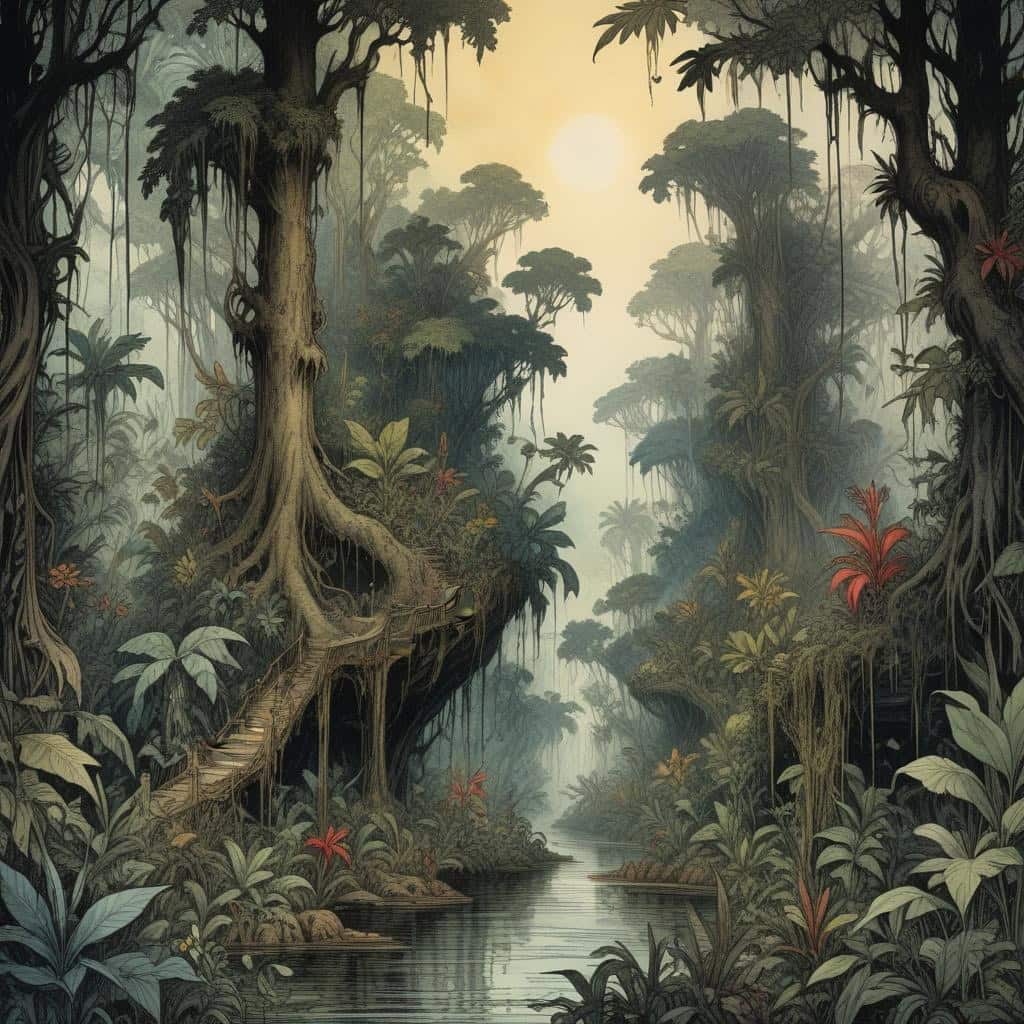
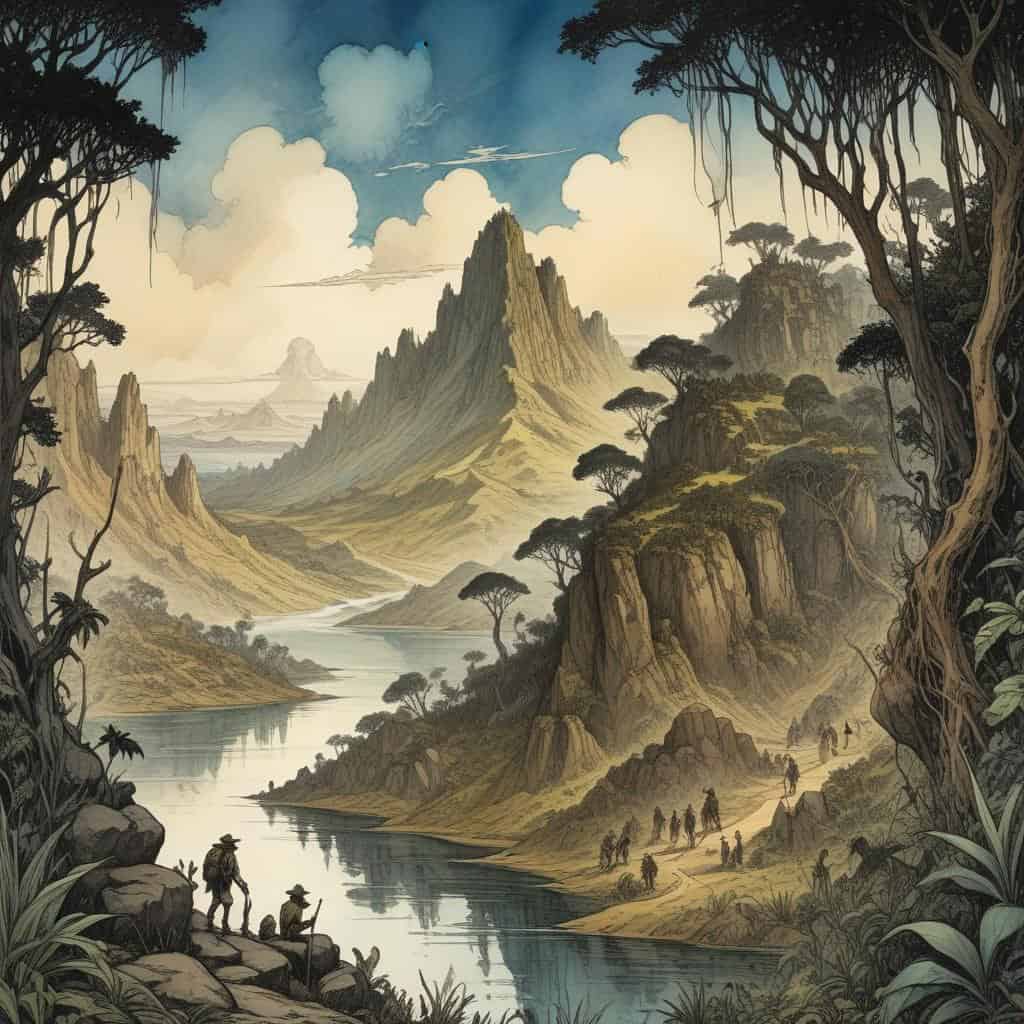
9. Amazon Rainforest: A Biodiversity Hotspot
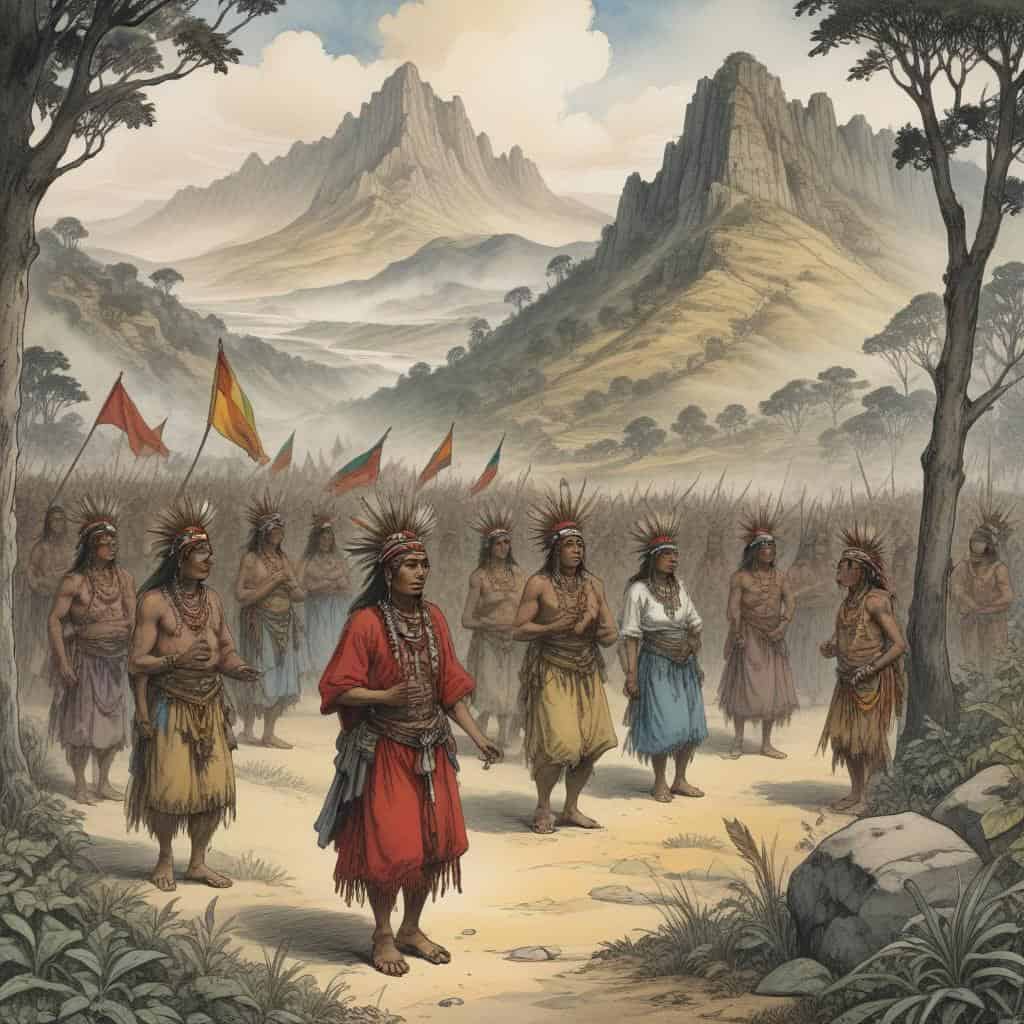
10. Indigenous Culture: A Rich Heritage
In a Nutshell
- Capital: La Paz
- Population: Approx. 11.5 million (2021)
- Official Language: Spanish, Quechua, Aymara
- Currency: Bolivian boliviano (BOB)
Breaking Down the Country
Geographical Diversity
From the Andes Mountains to the Amazon Rainforest, Bolivia's diverse landscapes offer a unique blend of ecosystems and natural beauty.
Indigenous Heritage
Home to numerous indigenous communities, Bolivia's rich cultural heritage is reflected in its traditions, art, and vibrant festivals.
Historic Landmarks
Explore Bolivia's ancient ruins, colonial architecture, and UNESCO World Heritage sites that showcase the country's fascinating history.
Timeline of Bolivia
Pre-Columbian civilizations inhabited the region of modern-day Bolivia
The Inca Empire expands into Bolivia
Spanish conquistadors arrive in Bolivia led by Francisco Pizarro
Bolivia becomes part of the Viceroyalty of Peru
Bolivian War of Independence begins
Bolivia gains independence from Spain
Bolivia loses territory in the War of the Pacific to Chile
Tin mining industry booms in Bolivia
Chaco War between Bolivia and Paraguay
Bolivian Revolution leads to the nationalization of the tin mines
Evo Morales becomes the first indigenous President of Bolivia
Constitutional referendum approves a new constitution for Bolivia
Bolivia changes its official name to the Plurinational State of Bolivia
UNESCO declares Potosi a World Heritage Site
Bolivia wins a case against Chile at the International Court of Justice over access to the Pacific Ocean
Bolivia experiences political unrest and Evo Morales resigns as President
Luis Arce becomes the President of Bolivia
Bolivia begins COVID-19 vaccination campaign
Bolivia celebrates its bicentennial of independence
Vocabulary List
- Altiplano
- The vast high plateau in the Andes Mountains that covers parts of Bolivia, Peru, and Chile.
- La Paz
- The administrative capital of Bolivia, located on the Altiplano plateau.
- Yungas
- The tropical lowlands of Bolivia, known for their lush vegetation and diverse wildlife.
- Salar de Uyuni
- The world's largest salt flat, located in southwest Bolivia.
- Cochabamba
- A city in central Bolivia known for its pleasant climate and vibrant culture.
- Potosi
- A city in southern Bolivia that was once one of the wealthiest in the world due to its silver mines.
- Valle de la Luna
- A unique rock formation in La Paz, Bolivia that resembles the surface of the moon.
- Sucre
- The constitutional capital of Bolivia, known for its well-preserved colonial architecture.
- Tiahuanaco
- An ancient archaeological site in western Bolivia, known for its impressive stone ruins.
- Alto Plano
- A popular tourist destination in Bolivia known for its stunning scenery and indigenous culture.
Key Facts
This is the information used in the fact matching game
- Bolivia is home to the world's largest salt flat, the Salar de Uyuni, which covers over 4,000 square miles.
- The city of La Paz, Bolivia is the highest capital city in the world, sitting at an elevation of over 11,000 feet above sea level.
- Bolivia has the highest indigenous population in South America, with over 60% of the population identifying as indigenous.
- Lake Titicaca, which straddles the border between Bolivia and Peru, is the highest navigable lake in the world.
- The Yungas Road in Bolivia is often referred to as the 'Death Road' due to its high accident rate and narrow, winding path.
- Bolivia is known for its diverse landscapes, including the Amazon rainforest, the Andes Mountains, and the Atacama Desert.
- The city of Sucre, Bolivia is known for its well-preserved colonial architecture and has been designated a UNESCO World Heritage Site.
- Bolivia is one of the few landlocked countries in South America, surrounded by Brazil, Paraguay, Argentina, Chile, and Peru.
- The Uyuni Salt Flat in Bolivia is so flat and reflective that it is used to calibrate satellites.
- The city of Potosi, Bolivia was once one of the richest cities in the world due to its silver mines.
- Bolivia is home to a variety of wildlife, including jaguars, spectacled bears, and pink river dolphins.
- The city of Santa Cruz de la Sierra is the largest city in Bolivia and serves as an important economic hub.
- Bolivia's Sajama National Park is home to the country's highest peak, Nevado Sajama, which stands at over 21,000 feet tall.
- The city of Cochabamba, Bolivia is known as the 'City of Eternal Spring' due to its pleasant year-round climate.
- Bolivia is home to the world's largest butterfly sanctuary, located in the town of Samaipata.
- The city of Tarija, Bolivia is known for its wine production, with vineyards located at high altitudes in the Andes Mountains.
- Bolivia's Samaipata Fortress is a UNESCO World Heritage Site and is believed to have been built by the pre-Inca Chane culture.
- The city of Oruro, Bolivia is famous for its annual Carnival celebration, which features elaborate costumes and traditional dances.
- Bolivia's Madidi National Park is one of the most biodiverse places on Earth, with over 1,000 bird species and 300 mammal species.
- The city of Trinidad, Bolivia is located in the Amazon rainforest and is known for its wildlife reserves and river tours.
Why It Matters
Geopolitical Significance
Located in the heart of South America, Bolivia is a landlocked country with borders touching five other nations. This strategic position influences regional trade and diplomatic relations, particularly with neighboring countries like Brazil, Argentina, and Chile.
Historical Importance
Bolivia has a rich history dating back to the ancient civilizations of the Andes. It was once part of the Inca Empire and later became a center of Spanish colonial power. The country’s struggle for independence and the legacy of figures like Simon Bolivar continue to shape its national identity.
Modern-Day Role
Today, Bolivia is known for its diverse culture, stunning landscapes, and political developments. As one of the world’s top producers of lithium, it plays a crucial role in the global economy and environmental sustainability efforts. The country’s indigenous population and traditions also contribute to its unique modern identity.
Bolivia Games


Take Your Learning Offline
Want a convenient, print-ready study guide for this lesson? Become a Memory Wizards Pro member to unlock the downloadable " Memory Scrolls" for this topic and our entire library!
- ✓ Complete Vocabulary Lists
- ✓ Key Facts & Timelines
- ✓ Beautifully Formatted for Print & Mobile