
How Do You Learn Best?
Learn by Reading
Immerse yourself in the 10-minute visual lesson for a comprehensive understanding of the topic.
Learn by Reviewing
Jump directly to the key facts, timeline, and vocabulary lists to build a solid foundation of details.
Learn by Doing
Challenge yourself! Jump straight into the interactive games to learn by trial, error, and discovery.
Philoctetes in 10 Minutes
Introduction
Philoctetes

Neoptolemus

Odysseus

Chorus
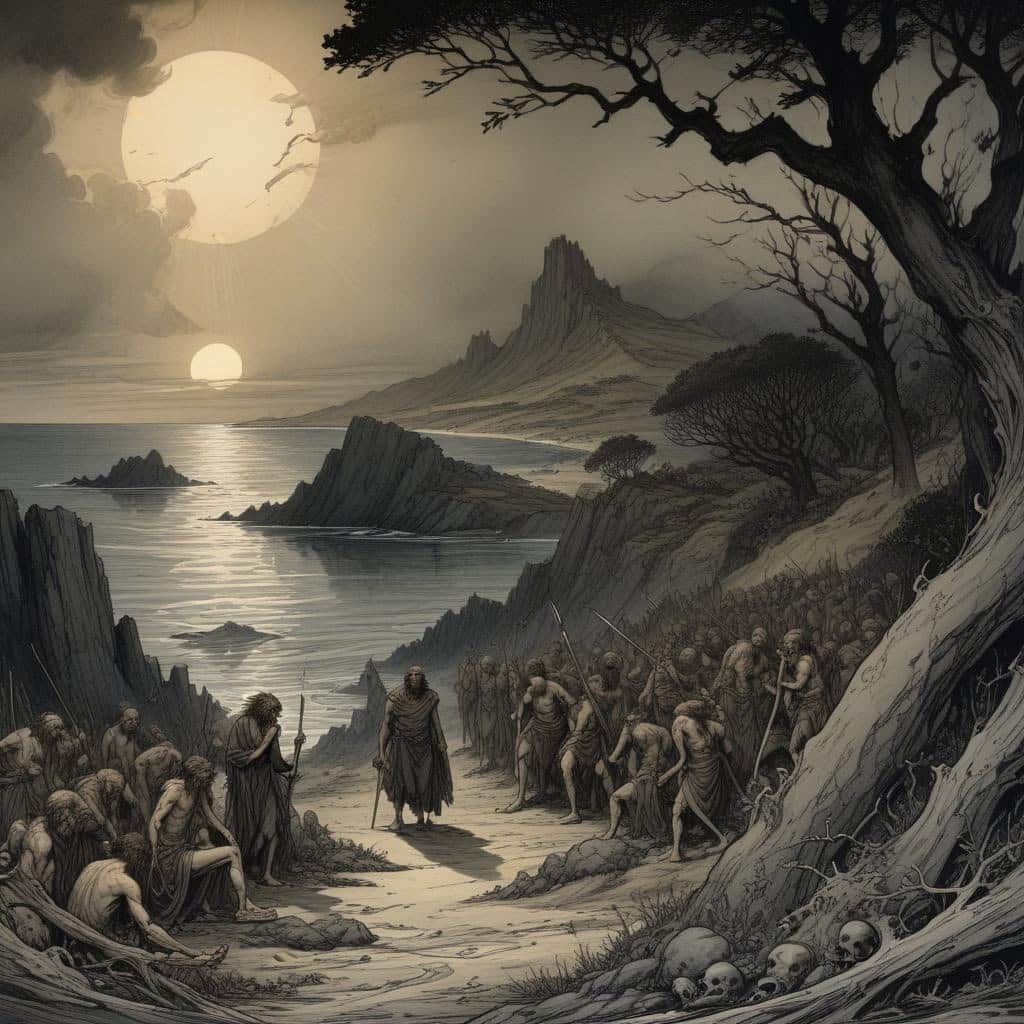
The Abandonment of Philoctetes
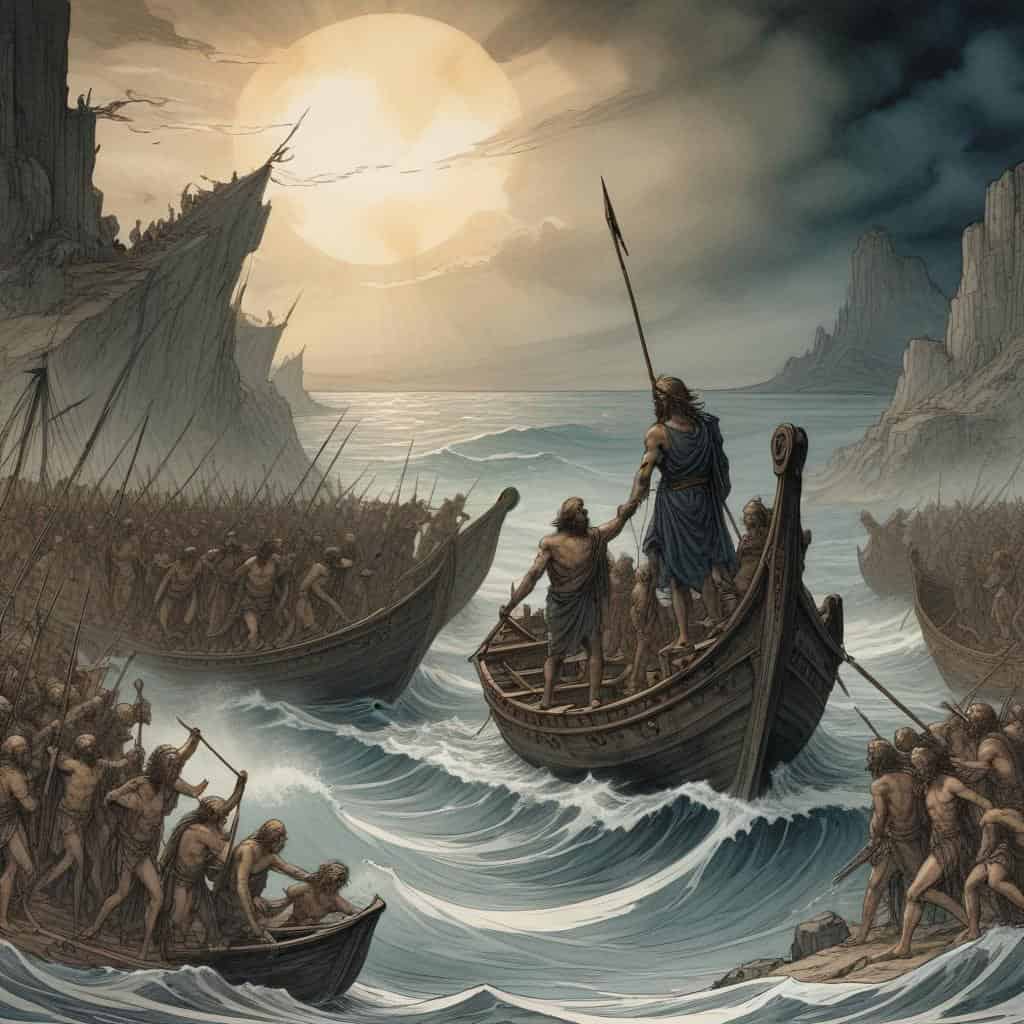
The Prophecy of Philoctetes
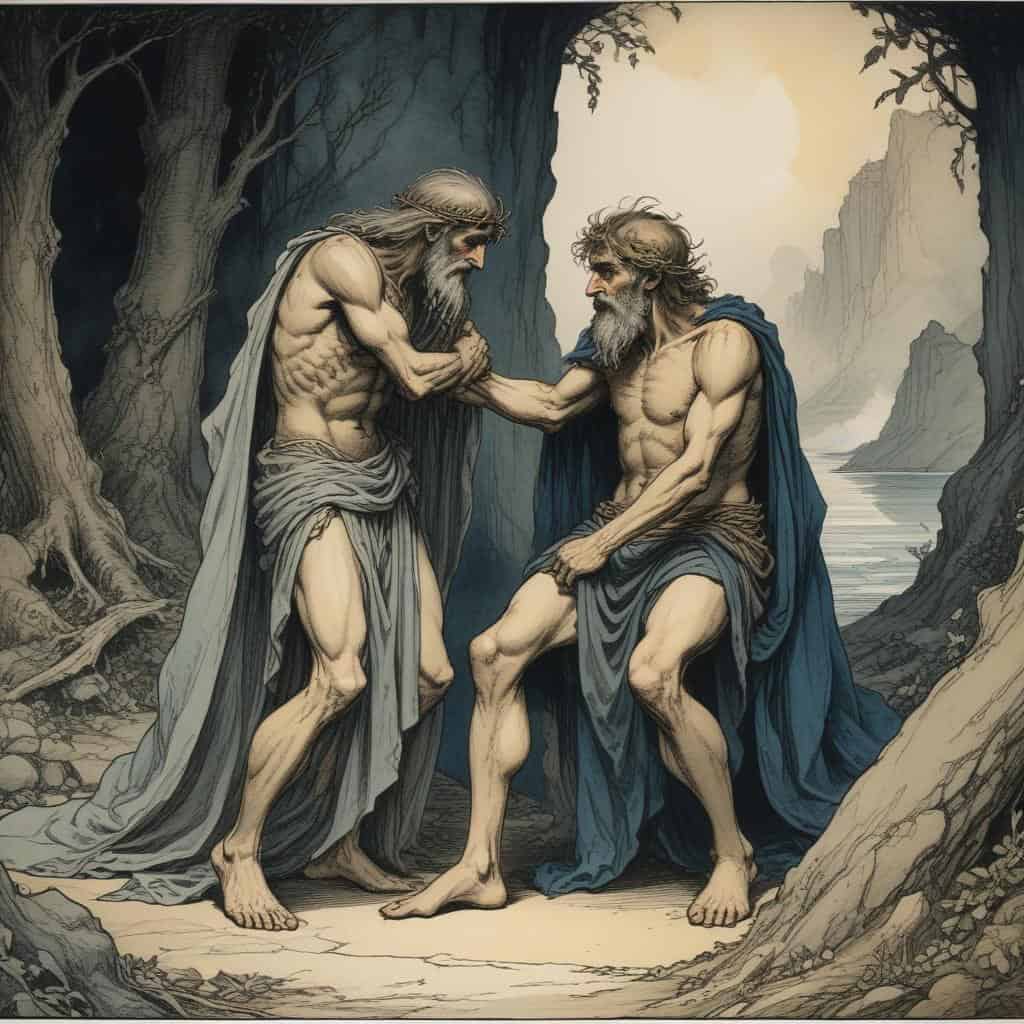
The Deception of Neoptolemus
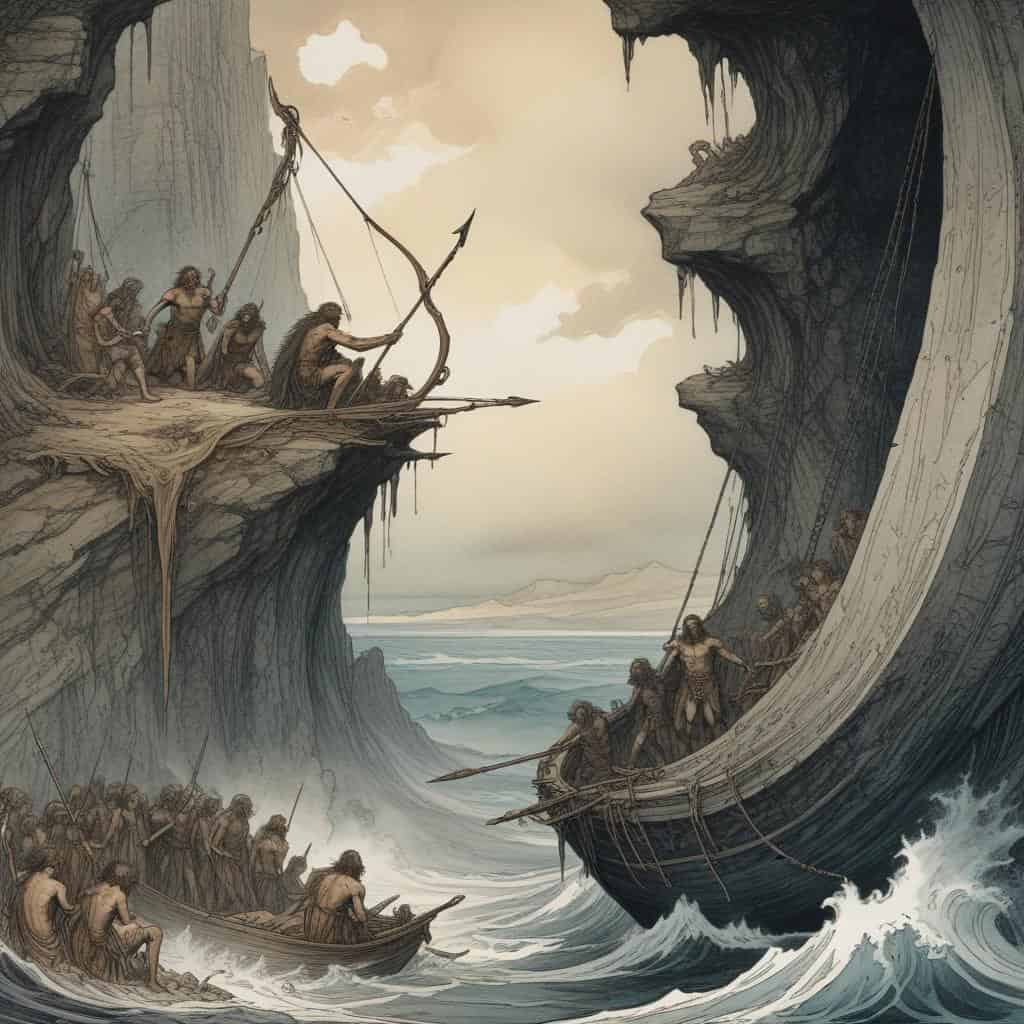
The Discovery of the Bow
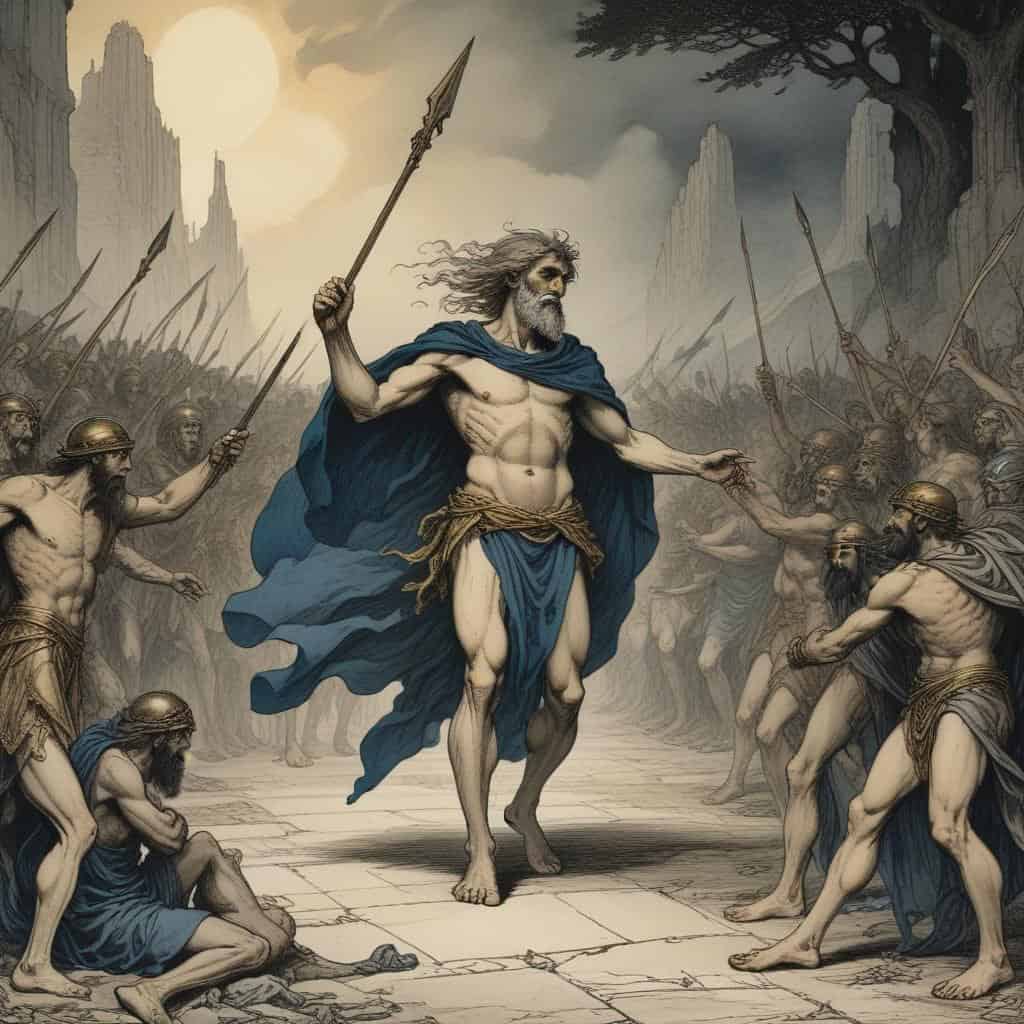
The Return to Troy
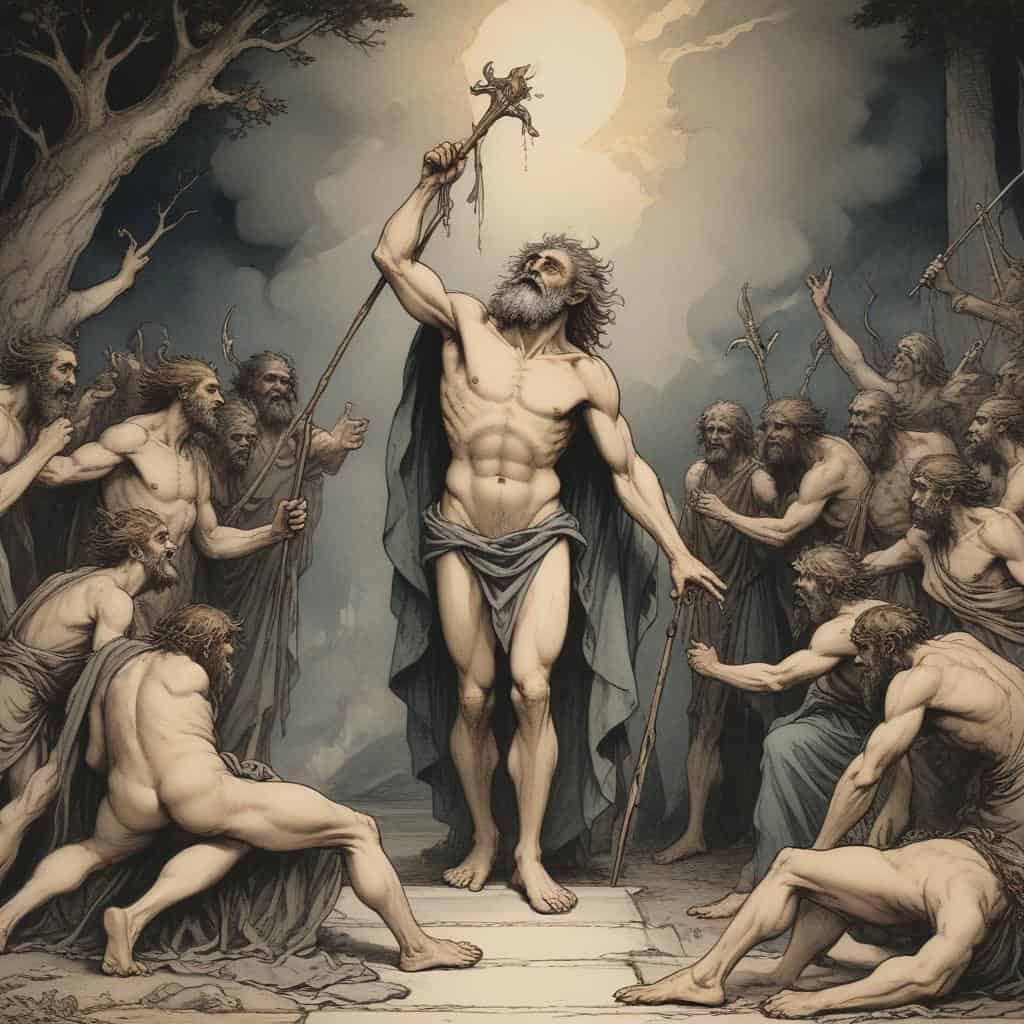
The Healing of Philoctetes
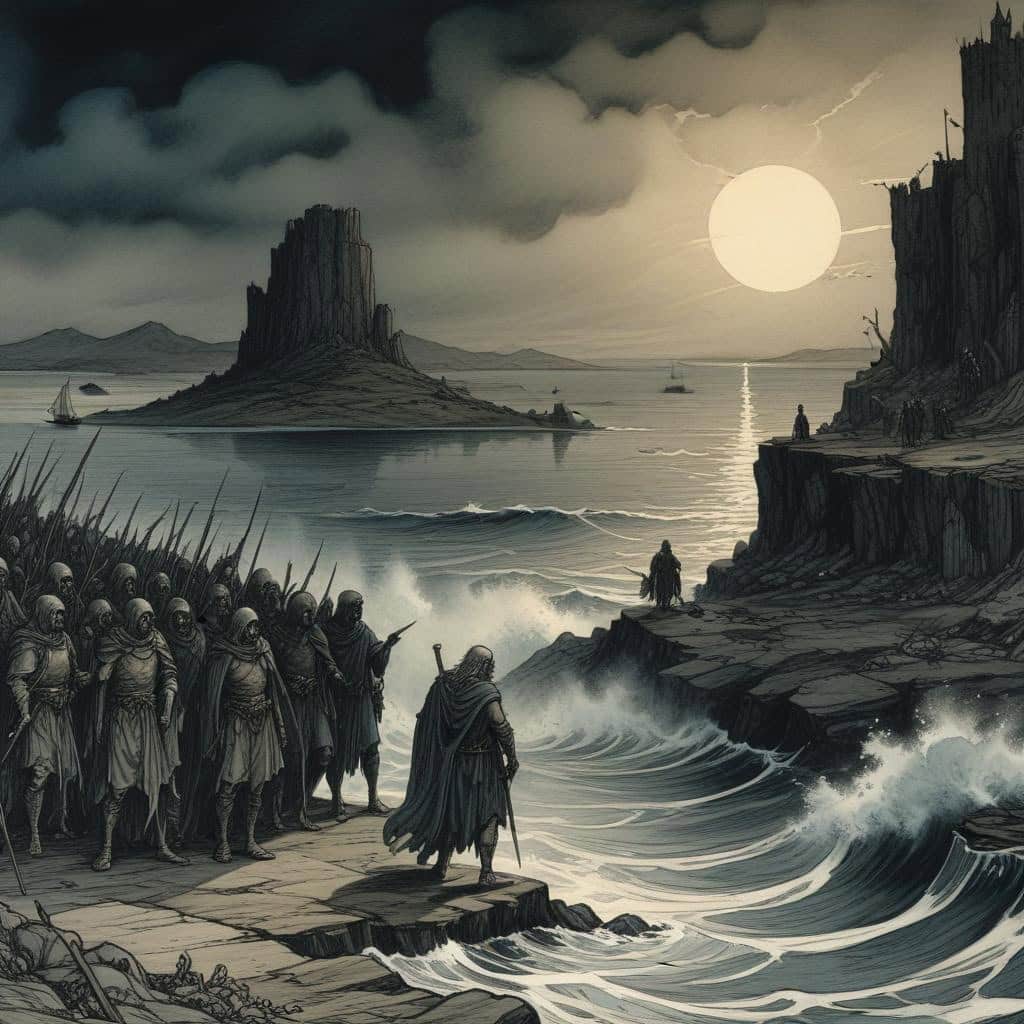
The Betrayal of Neoptolemus
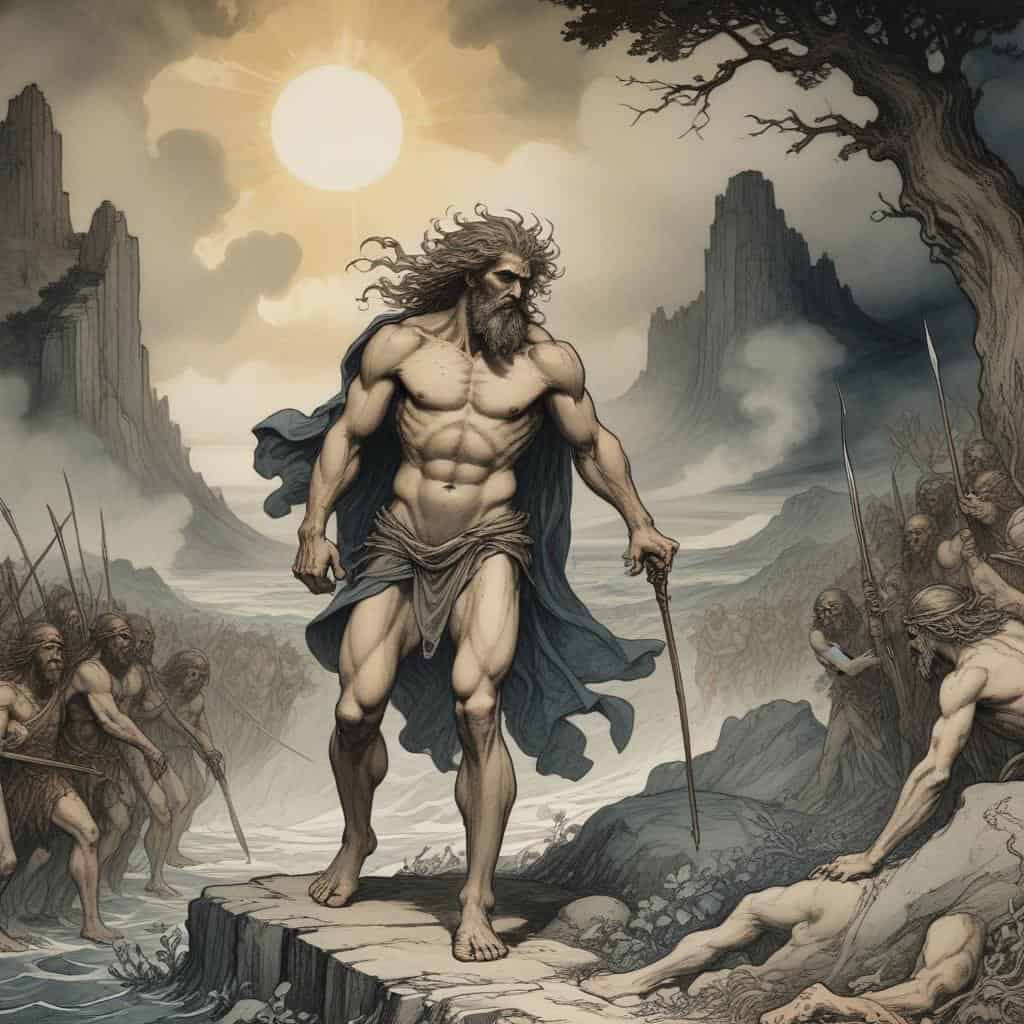
The Return of Heracles
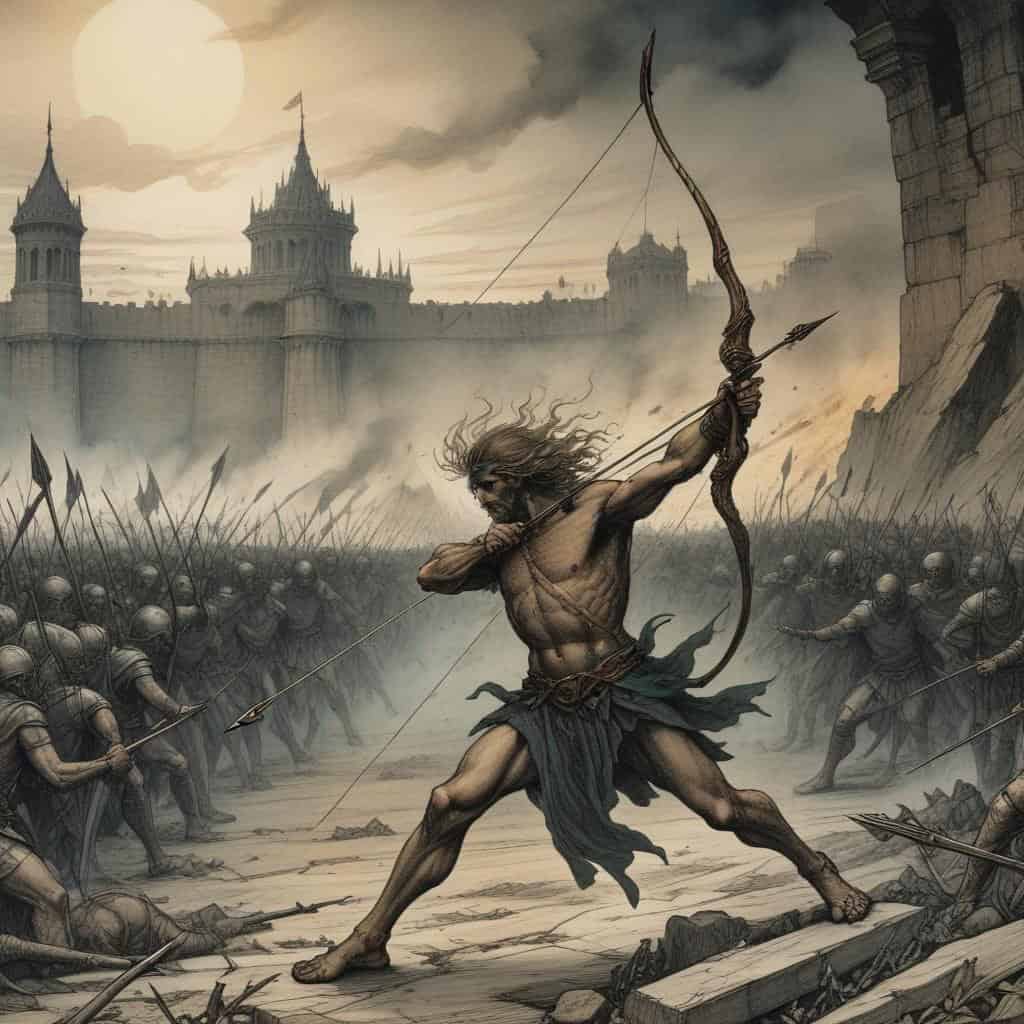
The Fall of Troy
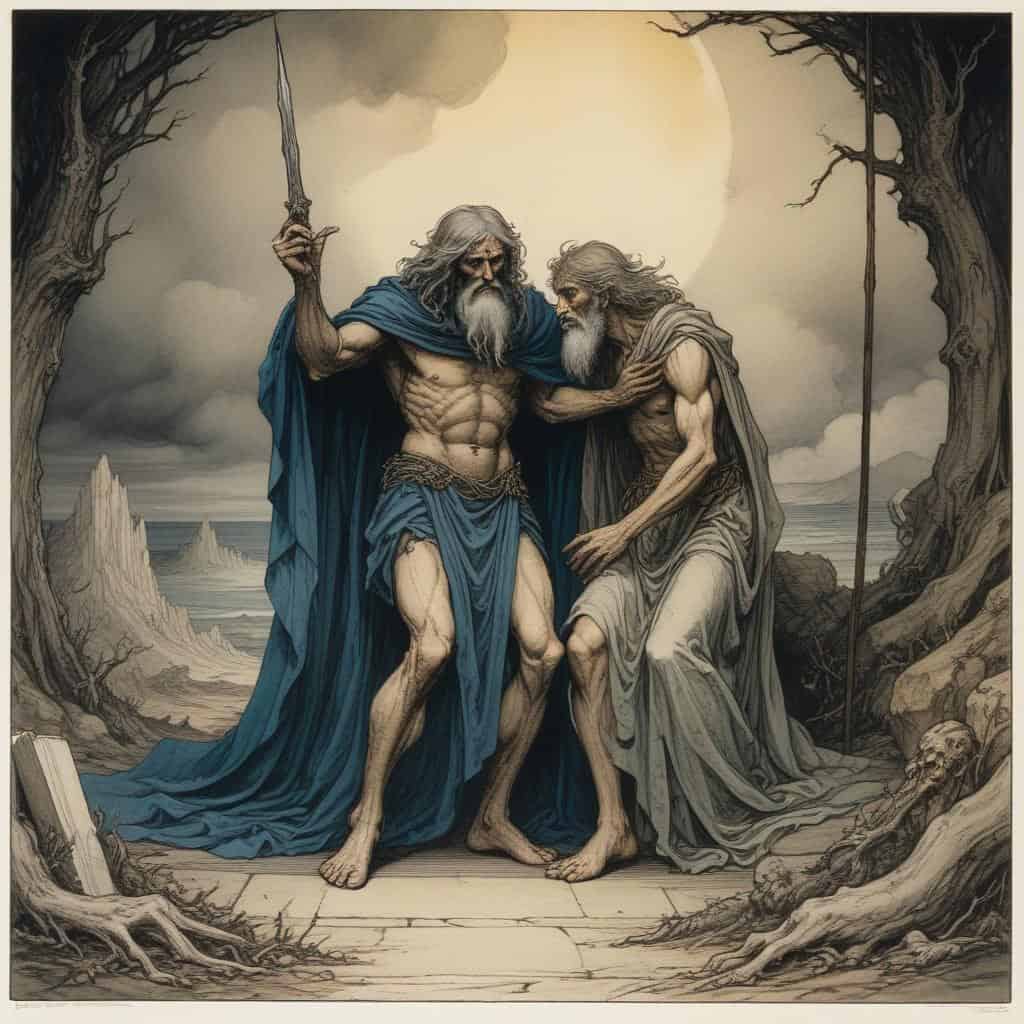
The Redemption of Neoptolemus

Lesson Details & Resources
In a Nutshell
- What: 'Philoctetes' by Sophocles
- When: Ancient Greek period
- Who: Philoctetes
- Theme: Betrayal, isolation, and redemption
List of Characters in Philoctetes
-
Philoctetes
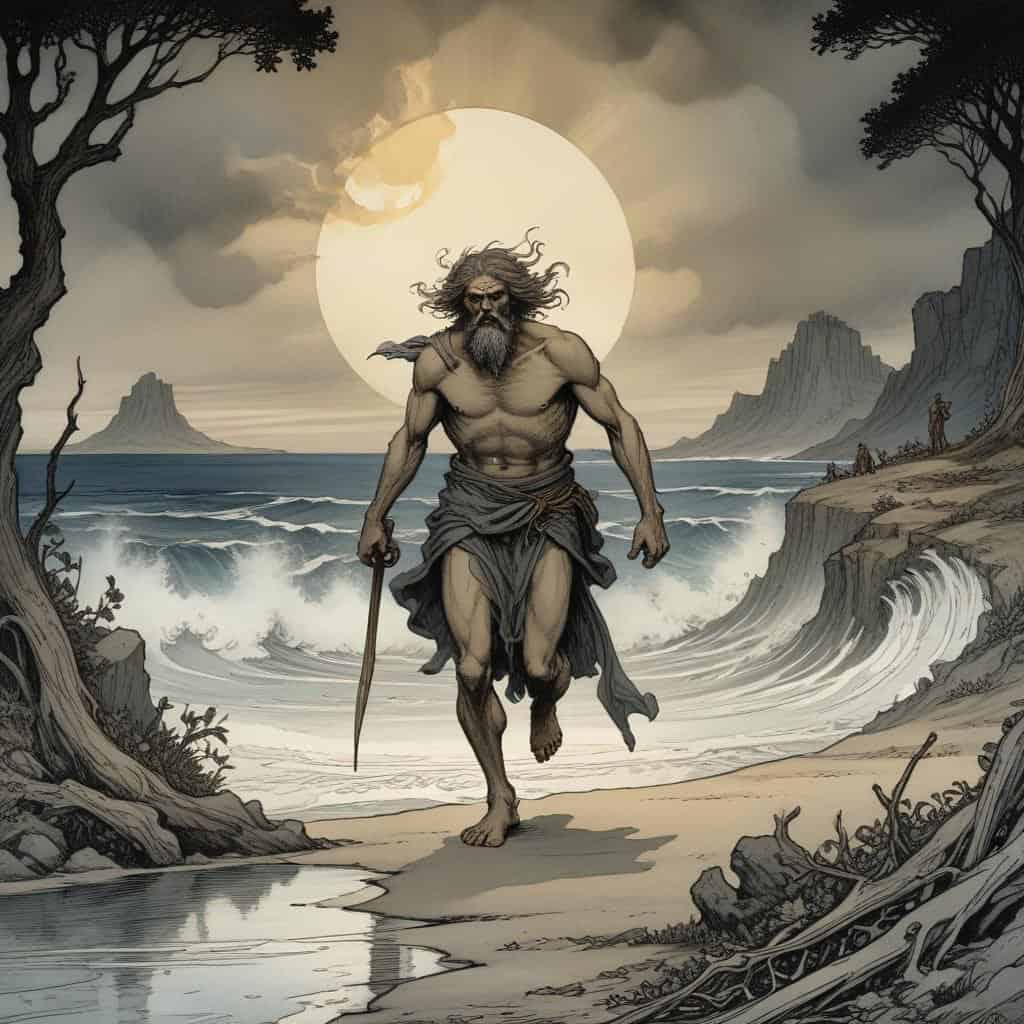
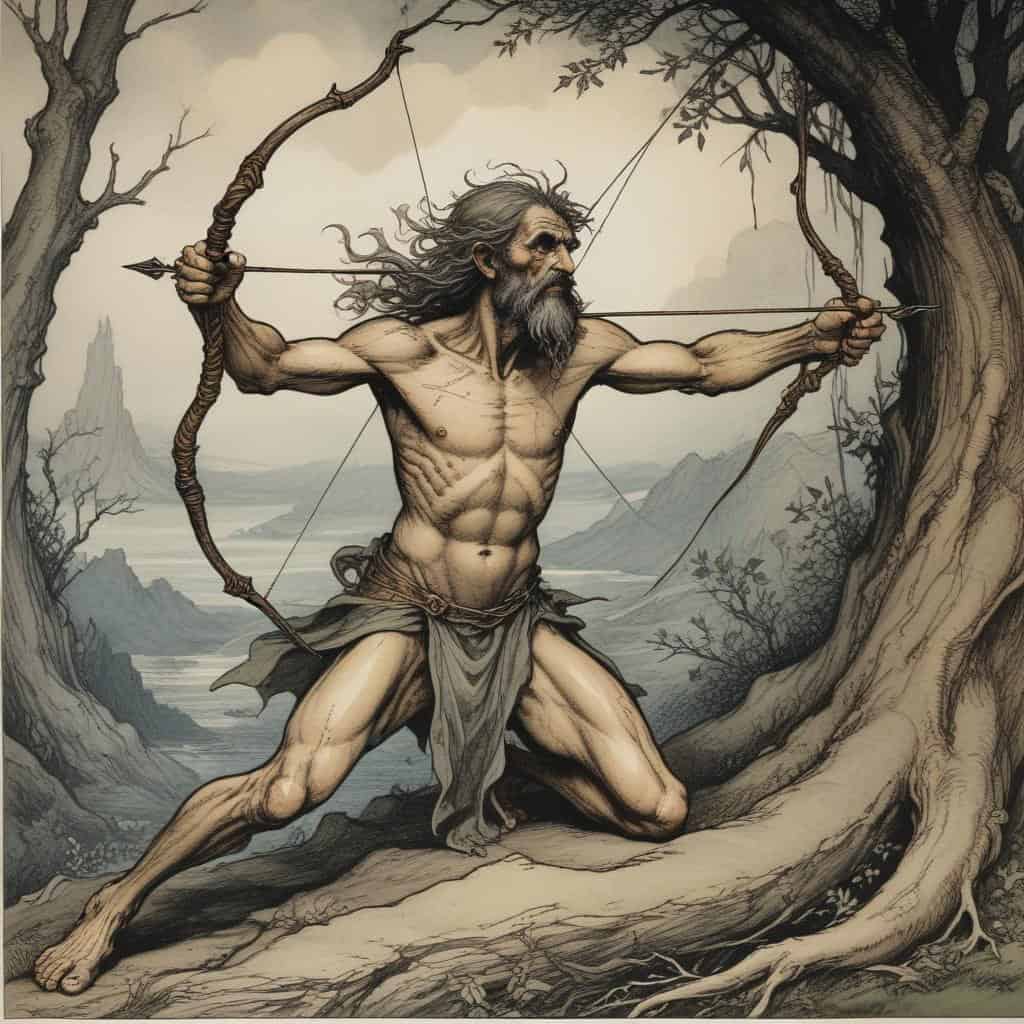
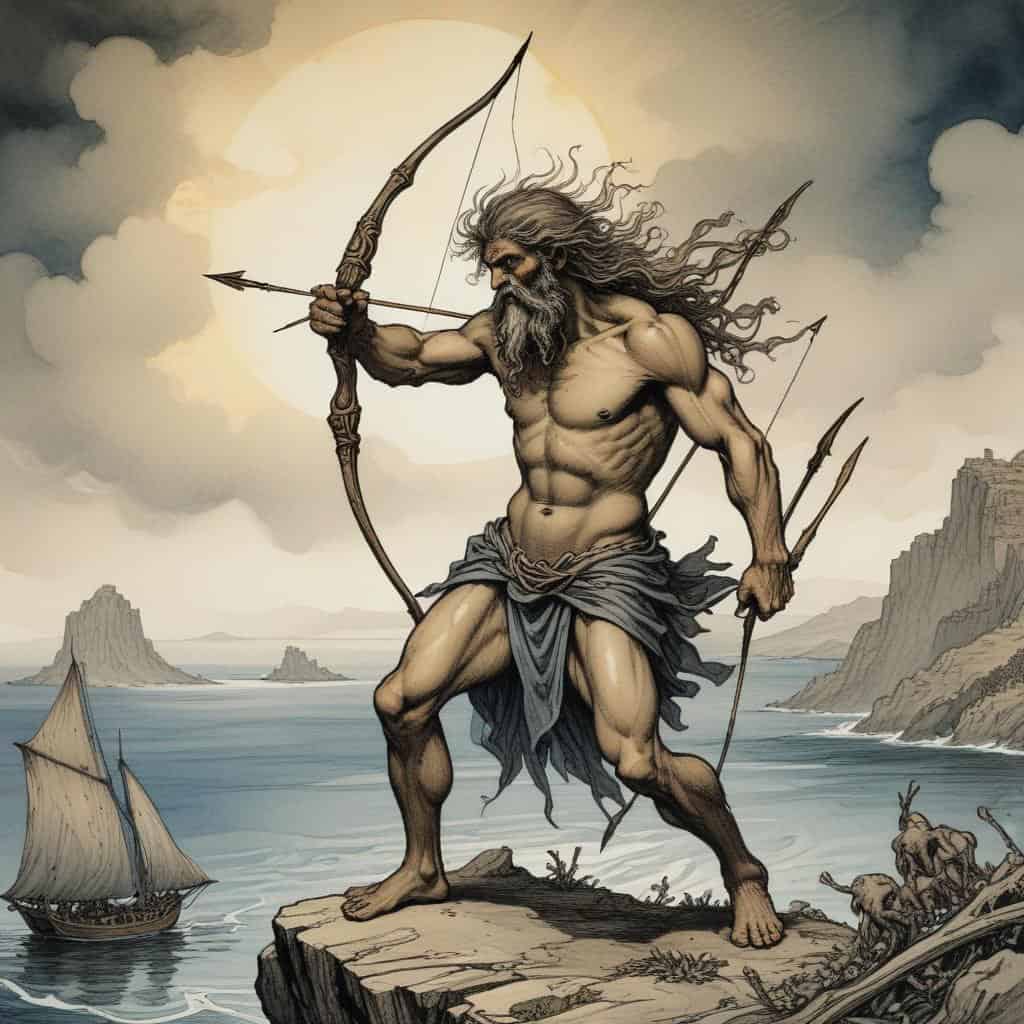
Philoctetes: A Greek warrior abandoned on the island of Lemnos due to a snake bite that left him with a painful wound that emits a foul odor.
-
Neoptolemus
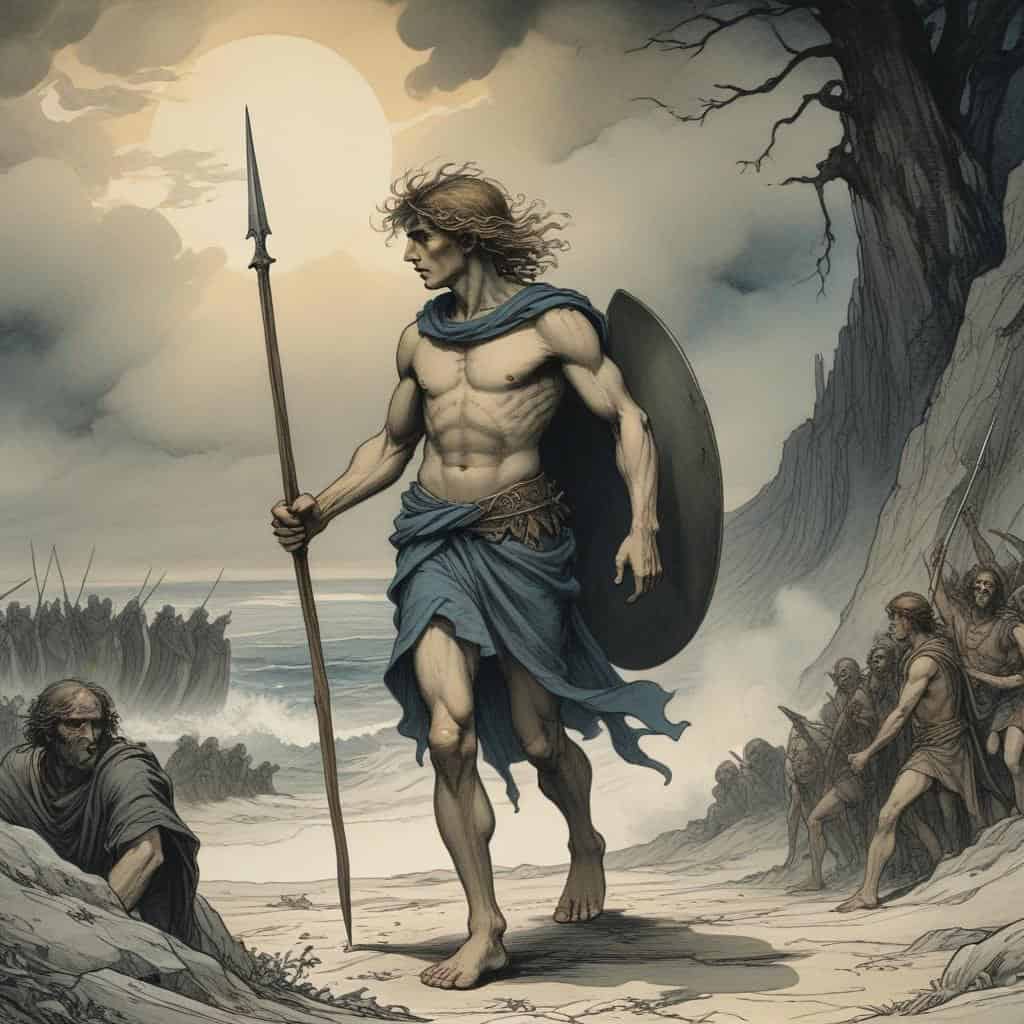
Neoptolemus: Son of Achilles and a young Greek warrior who is sent to retrieve Philoctetes' bow.
-
Odysseus
Odysseus: A cunning Greek leader who devises the plan to trick Philoctetes into giving up his bow.
Timeline of Philoctetes
Philoctetes is abandoned on the island of Lemnos by his fellow Greek soldiers after being bitten by a snake and developing a foul-smelling wound.
Years pass, and the Greeks learn from an oracle that they need Philoctetes and his bow and arrows to win the Trojan War.
Odysseus and Neoptolemus are sent to retrieve Philoctetes from Lemnos.
Neoptolemus, feeling guilty about deceiving Philoctetes, starts to develop a friendship with him.
Neoptolemus convinces Philoctetes to come with them to Troy by lying and saying that he will be taken home.
Philoctetes is brought to Troy, where his presence is crucial in winning battles against the Trojans.
Philoctetes learns the truth about the deception and is betrayed by Neoptolemus.
Heracles appears to Philoctetes in a dream and tells him to forgive Neoptolemus.
Philoctetes forgives Neoptolemus and agrees to fight with the Greeks until the end of the war.
Philoctetes ultimately kills Paris, one of the main figures in the Trojan War, with his bow and arrows.
The Greeks are victorious in the Trojan War, and Philoctetes is able to return home to Lemnos.
Vocabulary List
- Suffering
- Philoctetes suffers from a painful wound on his foot.
- Betrayal
- The Greek army betrayed Philoctetes by leaving him on the deserted island.
- Isolation
- Philoctetes has been isolated on the island for ten years.
- Fate
- Philoctetes believes his fate is to die alone on the island.
- Redemption
- Neoptolemus seeks redemption by helping Philoctetes return to Greece.
Key Facts
This is the information used in the fact matching game
- Philoctetes is a play by Sophocles written in 409 BC.
- The play follows the story of Philoctetes, a Greek warrior abandoned on the island of Lemnos.
- Philoctetes was abandoned by his fellow soldiers because of a snake bite that gave him a foul-smelling wound.
- The play explores themes of loyalty, betrayal, and the consequences of war.
- Philoctetes is visited by Odysseus and Neoptolemus, who try to persuade him to rejoin the Greek forces in the Trojan War.
- Neoptolemus is conflicted about betraying Philoctetes but eventually agrees to help Odysseus deceive him.
- Philoctetes is ultimately persuaded to rejoin the Greeks when he learns that his participation is crucial to the success of their mission.
- The character of Philoctetes is often seen as a symbol of suffering and isolation.
- The play raises questions about the morality of using deception to achieve a greater good.
- Philoctetes is one of Sophocles' lesser-known works but is considered a masterpiece of Greek tragedy.
- The play was rediscovered in the 20th century and has since been adapted into various modern interpretations.
- Philoctetes is often depicted as a complex and multi-dimensional character, struggling with his physical and emotional pain.
- The play's exploration of the consequences of war has resonated with audiences throughout history.
- Sophocles' portrayal of Philoctetes as a tragic hero has influenced countless other works of literature and drama.
- The character of Philoctetes has been interpreted in various ways by different scholars and critics.
- Philoctetes' relationship with his bow, a symbol of his identity and strength, is a key element of the play.
- The play's examination of the nature of heroism and sacrifice continues to be relevant in modern times.
- Philoctetes' journey from isolation to redemption is a central theme of the play.
- The play's exploration of the human capacity for forgiveness and redemption is a timeless theme.
- Philoctetes' struggle with his physical and emotional pain serves as a powerful symbol of the human condition.
Analysis & Significance
Impact on Literature
Philoctetes, a play by Sophocles, is known for its exploration of themes such as betrayal, isolation, and the consequences of one’s actions. This work has influenced countless other literary works, including Shakespeare’s Hamlet and modern plays like Beckett’s Endgame, by delving into the complexities of human nature and the psychological effects of abandonment.
Enduring Themes
The enduring themes of Philoctetes, such as the struggle for survival, the power of forgiveness, and the burden of carrying a painful past, continue to resonate with modern audiences. The play’s exploration of loyalty, honor, and the complexities of human relationships remains relevant today, making it a timeless piece of literature that speaks to the human condition.
Cultural Significance Today
Philoctetes has left a lasting cultural legacy, with numerous adaptations in various art forms such as opera, literature, and film. The character of Philoctetes, with his physical and emotional wounds, has become a symbol of resilience and endurance in the face of adversity. The play’s themes of redemption and the power of forgiveness continue to inspire artists and audiences alike, showcasing its enduring relevance in today’s society.
Philoctetes Games



Take Your Learning Offline
Want a convenient, print-ready study guide for this lesson? Become a Memory Wizards Pro member to unlock the downloadable " Memory Scrolls" for this topic and our entire library!
- ✓ Complete Vocabulary Lists
- ✓ Key Facts & Timelines
- ✓ Beautifully Formatted for Print & Mobile