
How Do You Learn Best?
Learn by Reading
Immerse yourself in the 10-minute visual lesson for a comprehensive understanding of the topic.
Learn by Reviewing
Jump directly to the key facts, timeline, and vocabulary lists to build a solid foundation of details.
Learn by Doing
Challenge yourself! Jump straight into the interactive games to learn by trial, error, and discovery.
Oedipus at Colonus in 10 Minutes

Introduction
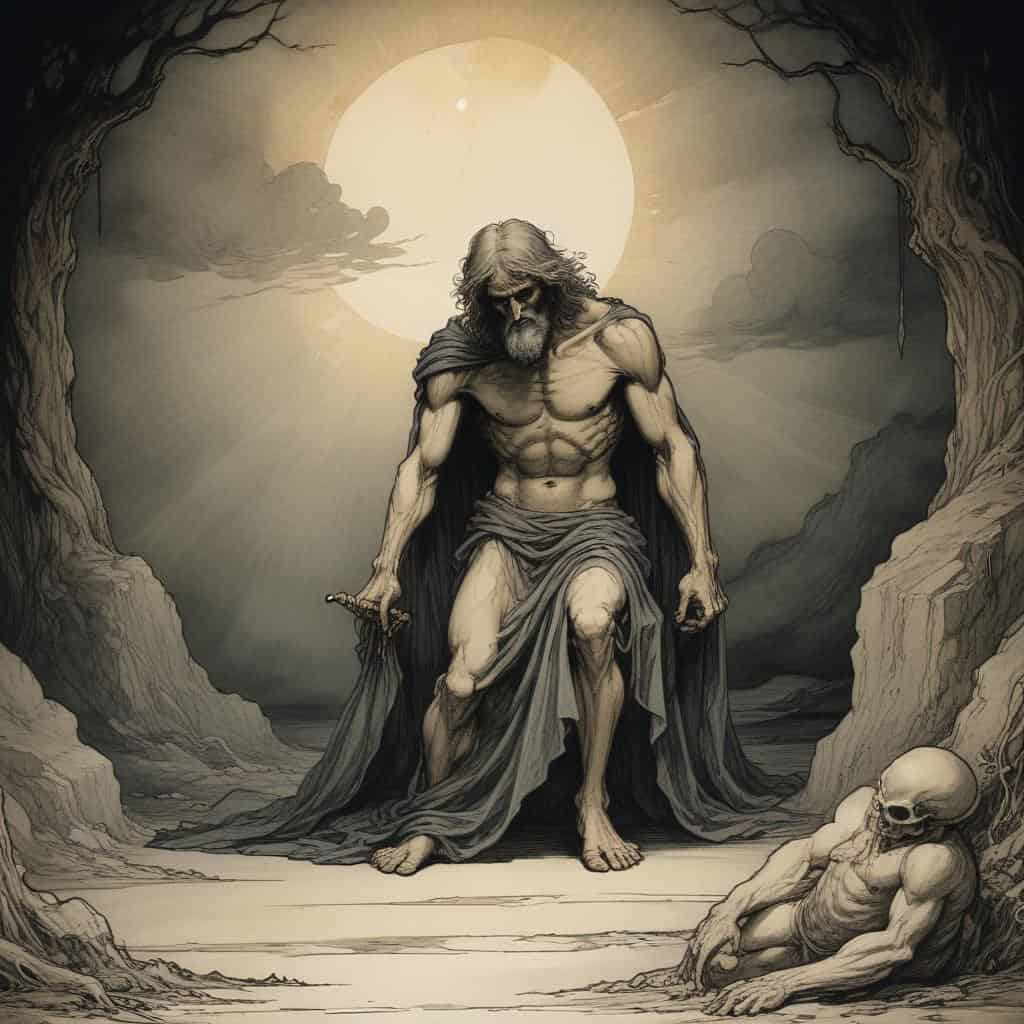
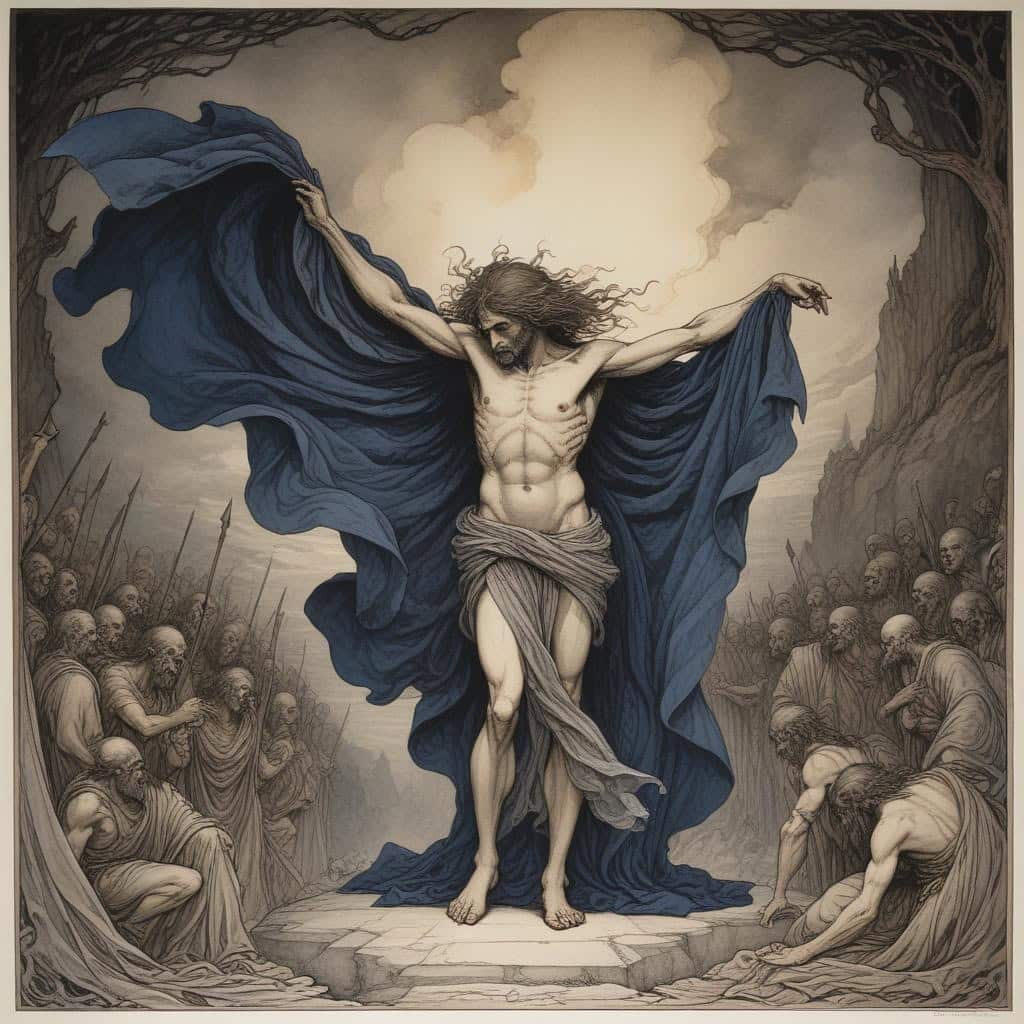

Oedipus

Antigone

Theseus

Creon

Polynices
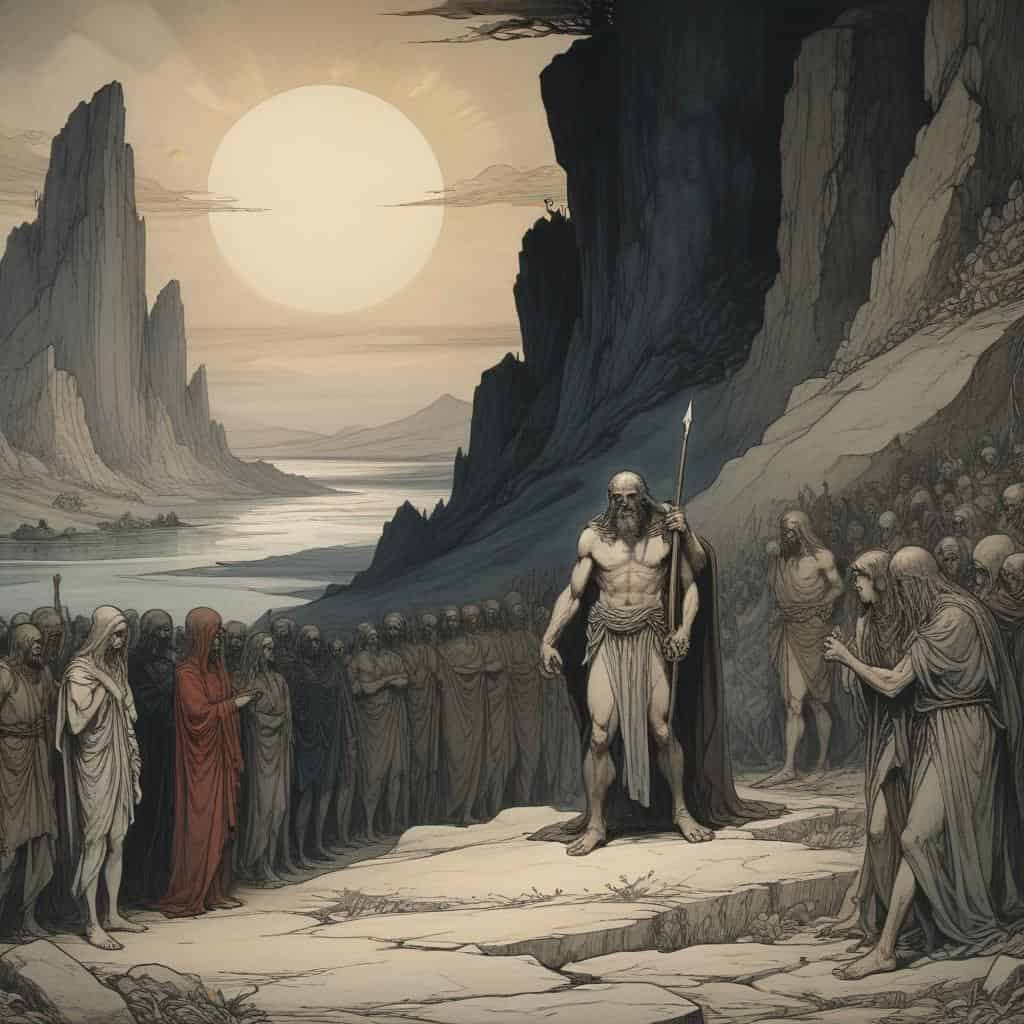
Oedipus is Banished

Oedipus Seeks Refuge at Colonus
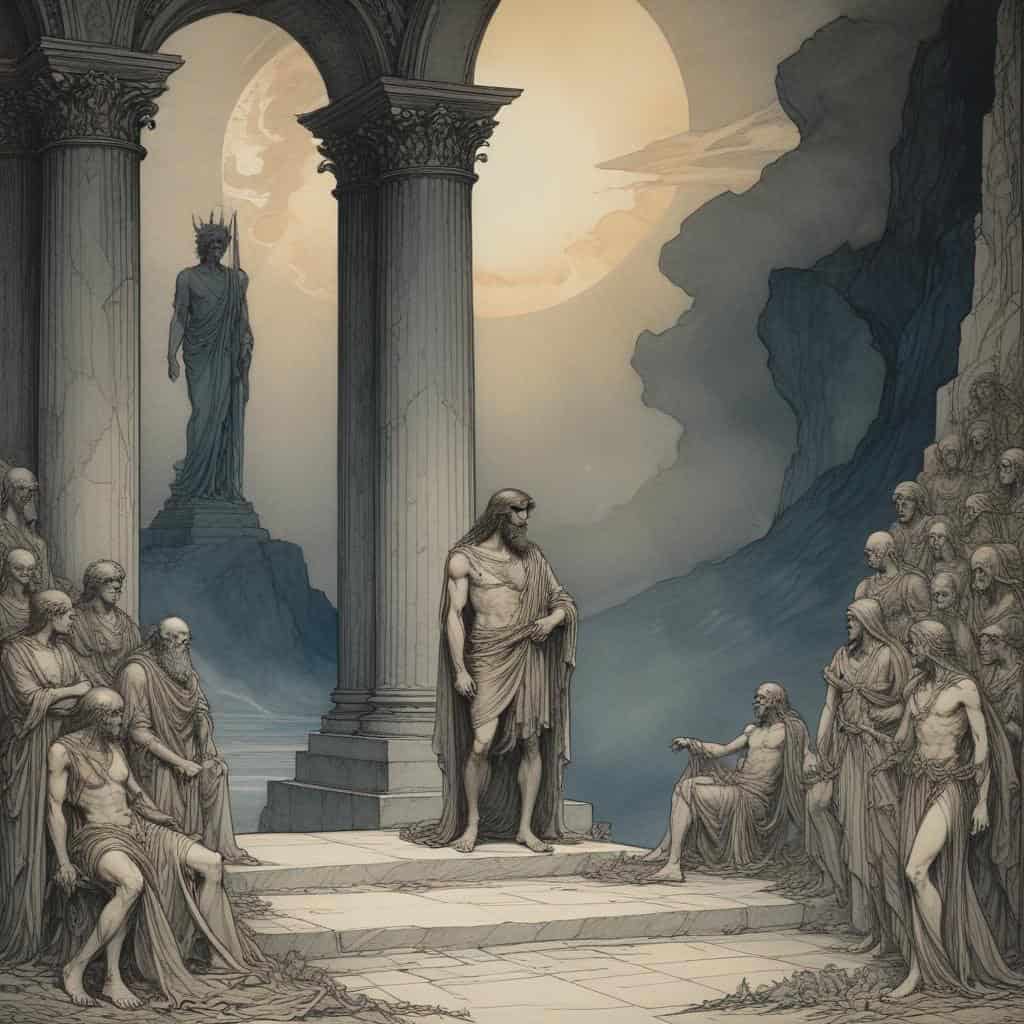
Oedipus is Visited by Theseus
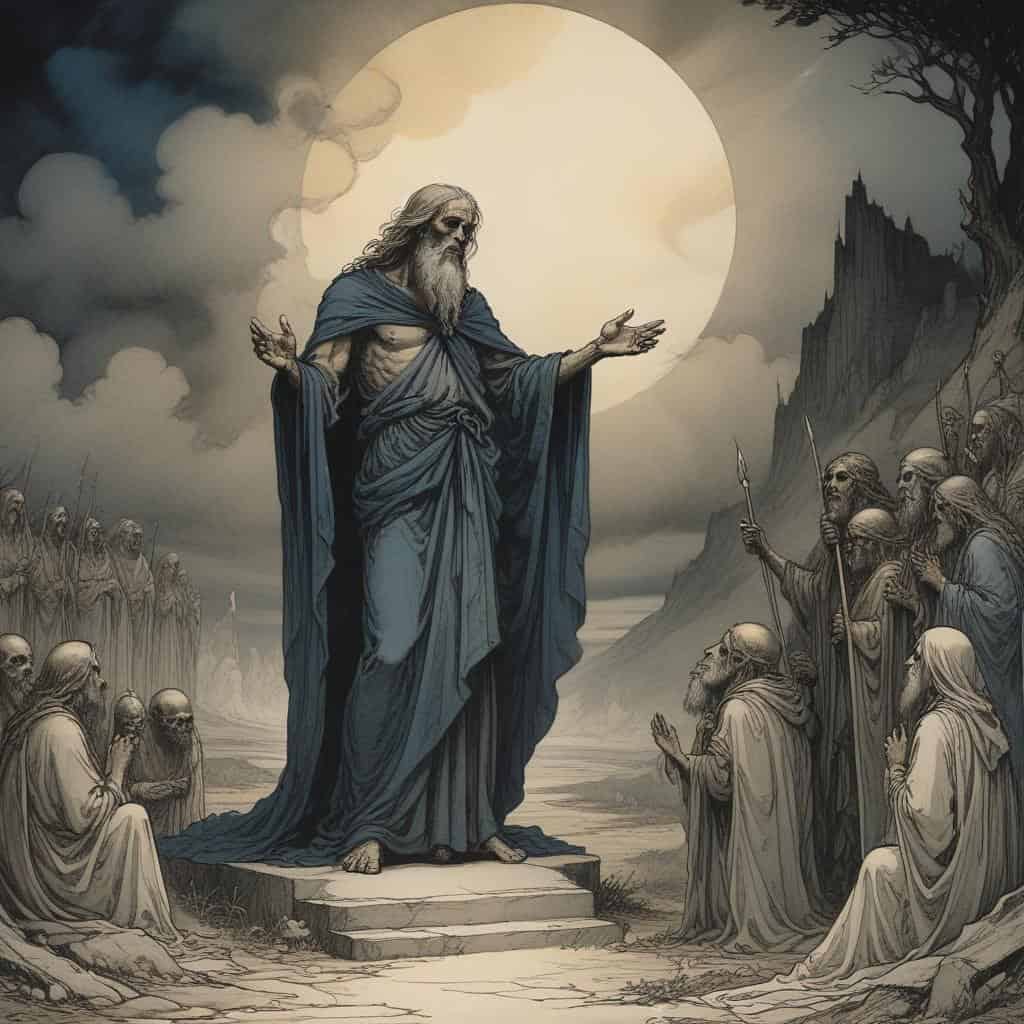
The Prophecy of Oedipus
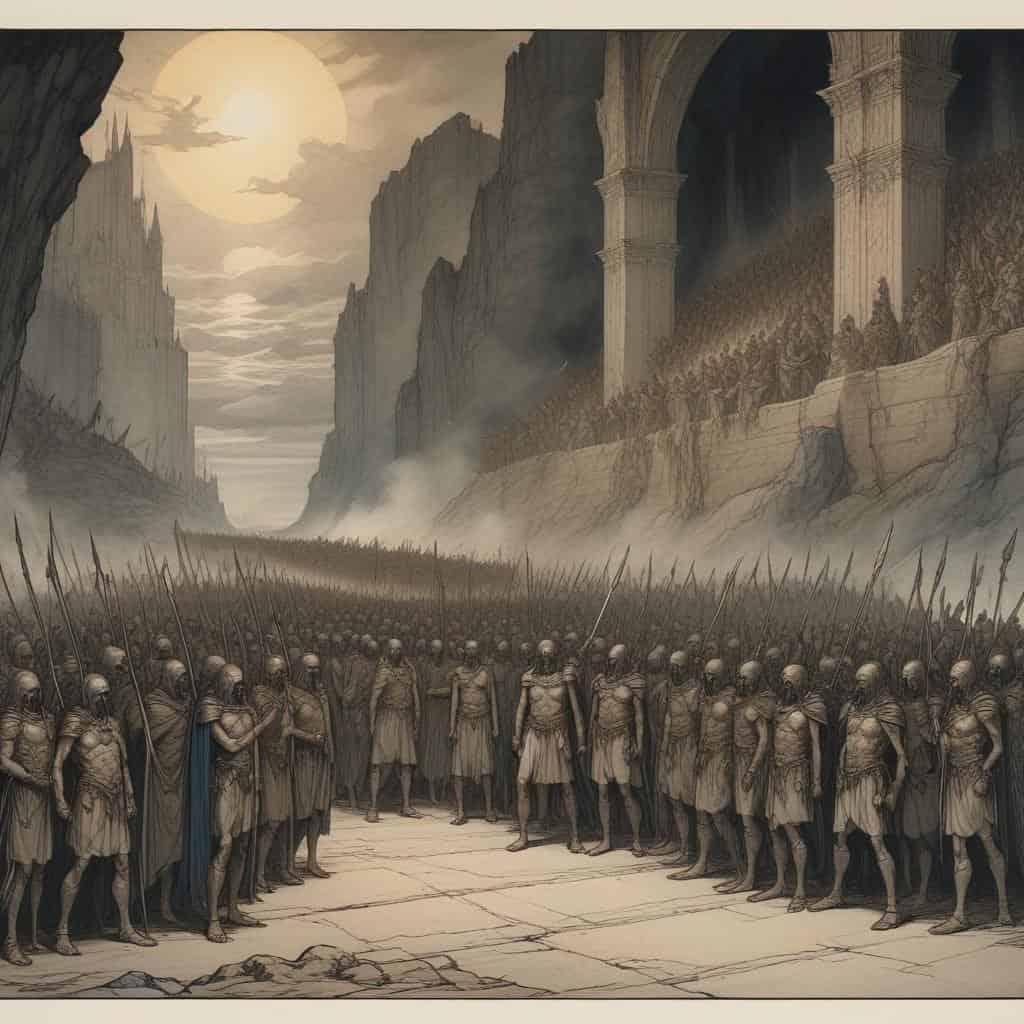
The Sons of Oedipus Arrive
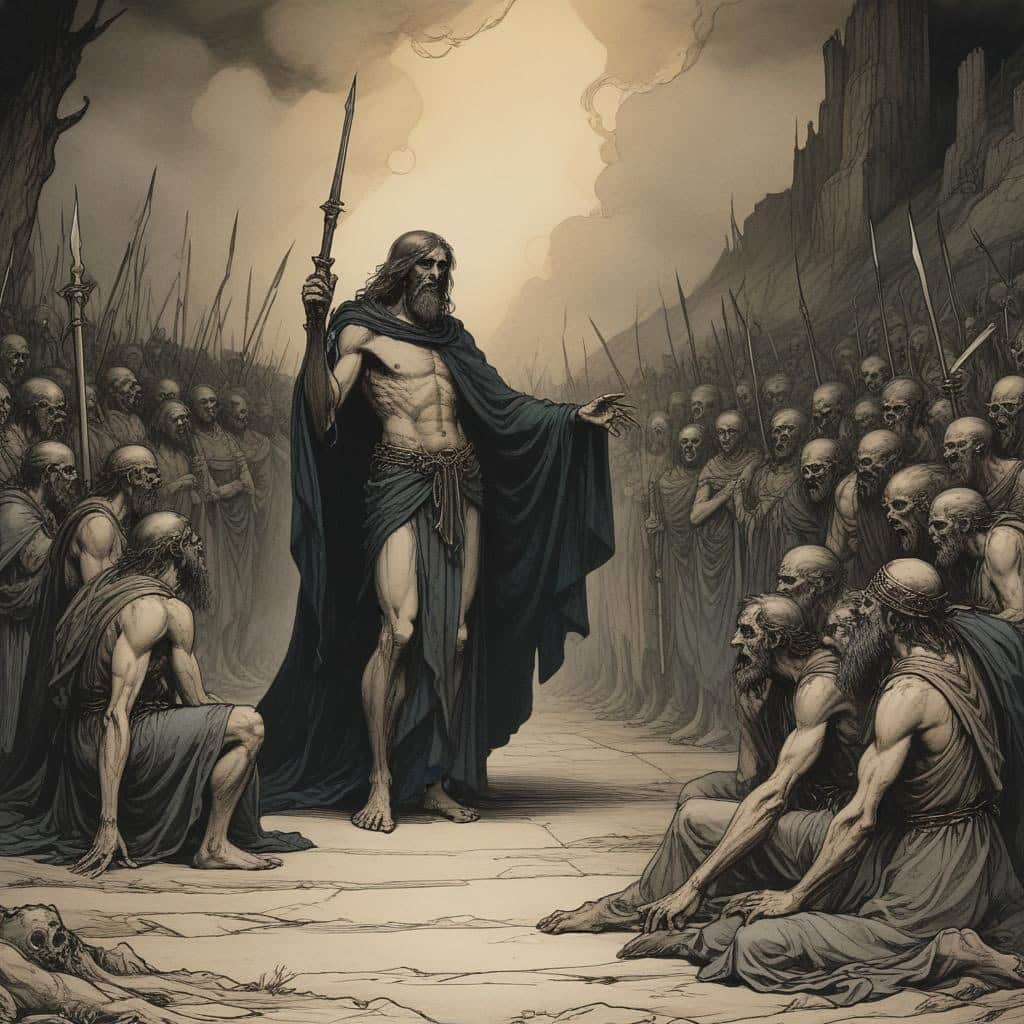
Oedipus Curses His Sons
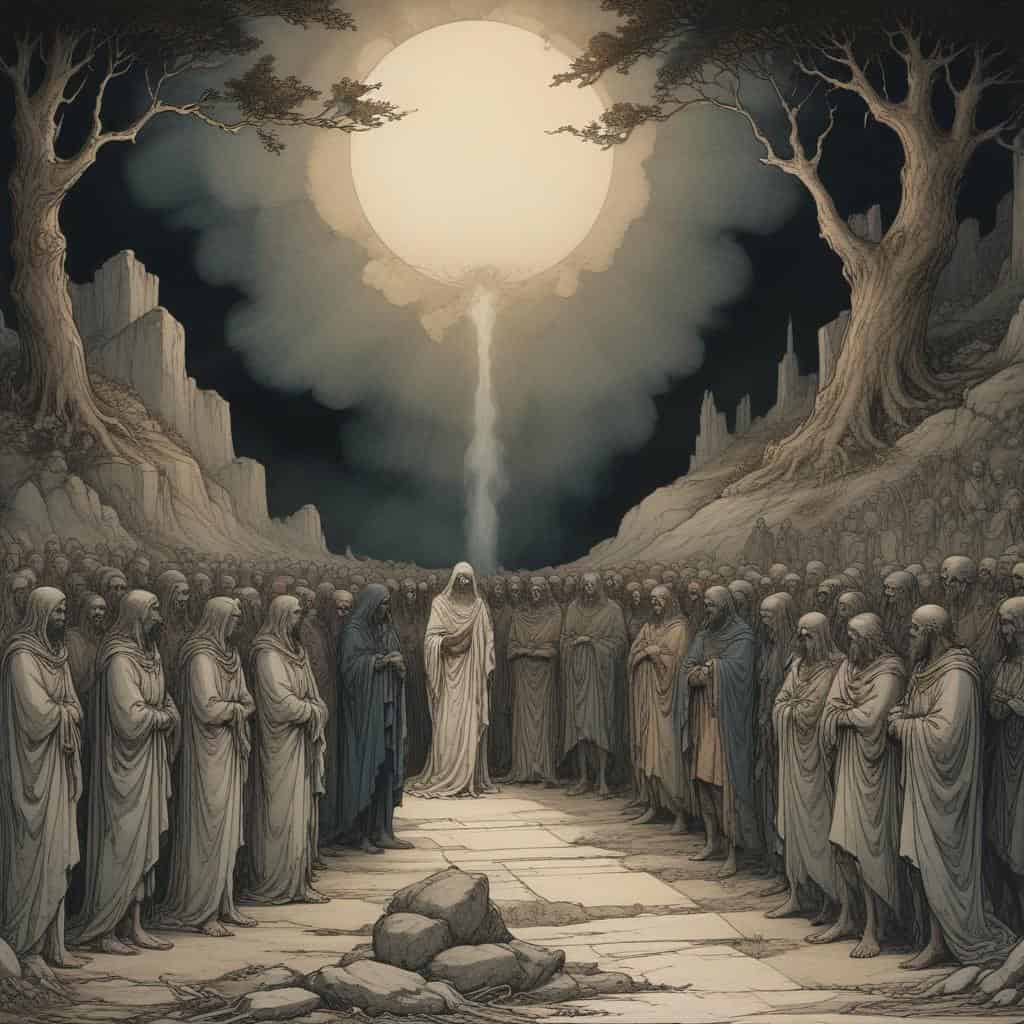
Oedipus Dies in Peace
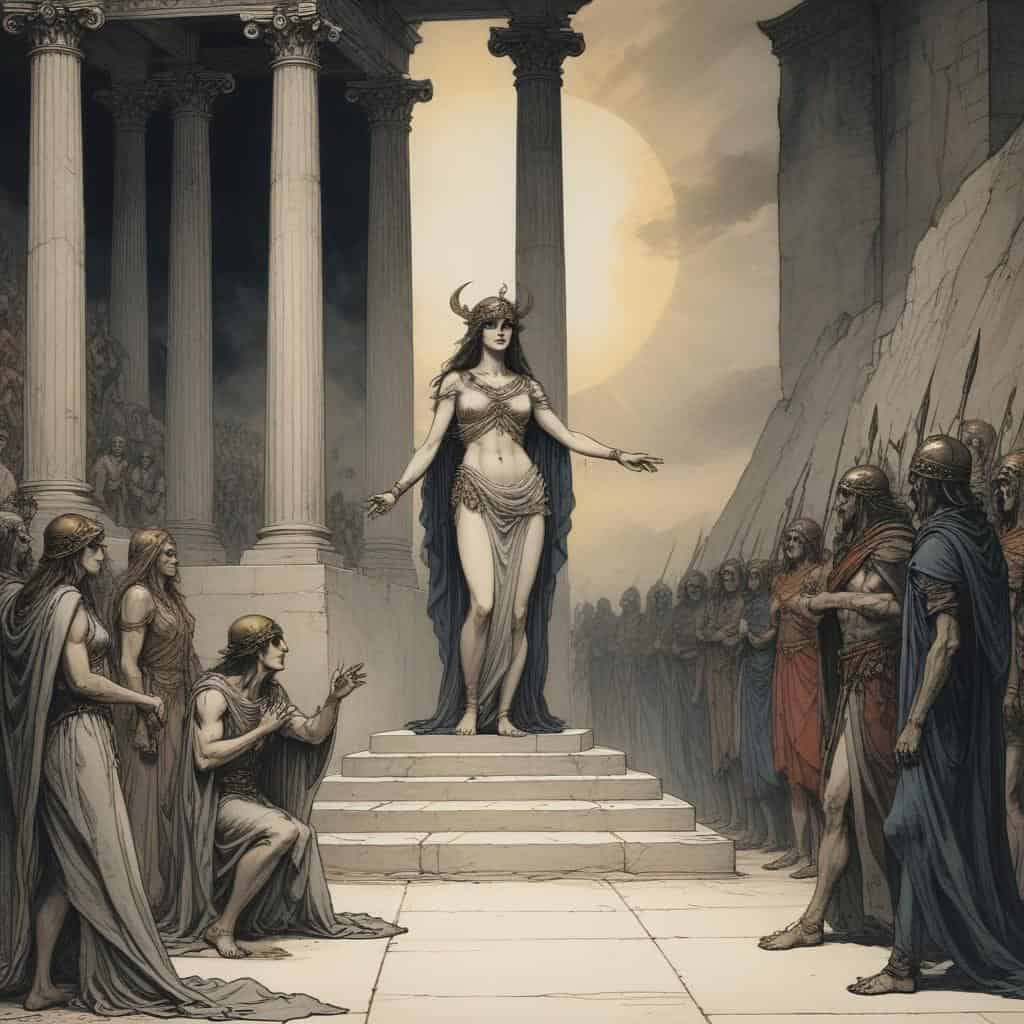
Antigones Fate
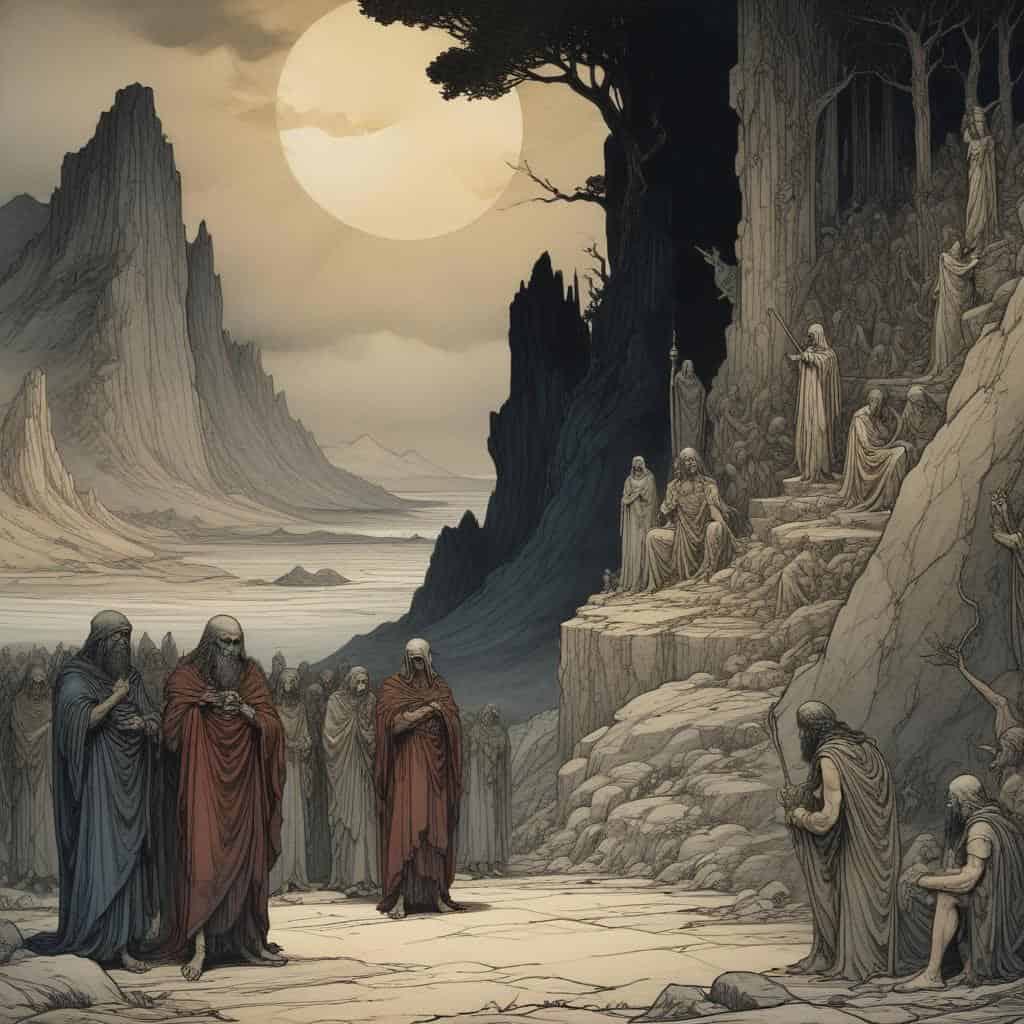
The Legacy of Oedipus
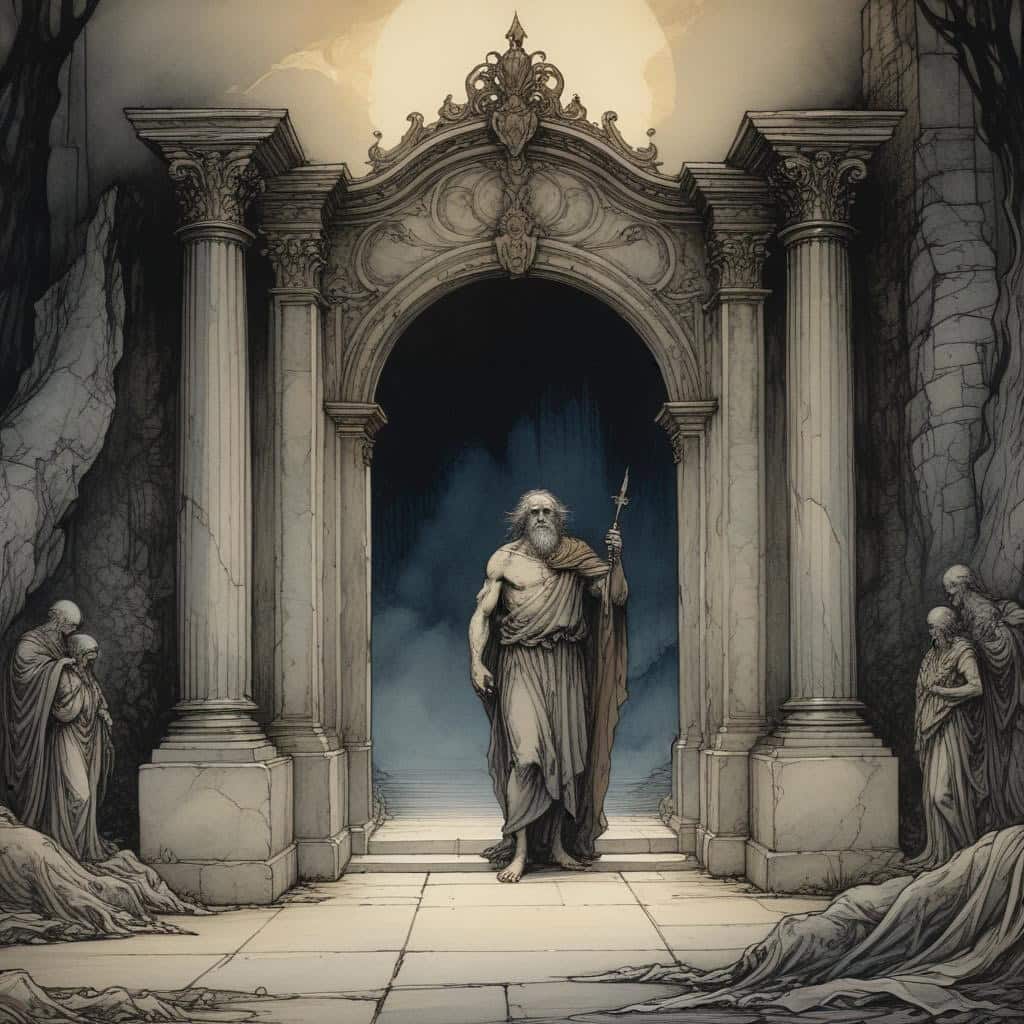
Lesson Details & Resources
In a Nutshell
- What: Tragedy by Sophocles
- When: Ancient Greek period
- Who: Oedipus, Antigone, Theseus
- Theme: Redemption, fate, and the power of forgiveness
List of Characters in Oedipus at Colonus
-
Oedipus
Oedipus is the tragic hero who is blind and exiled from Thebes
-
Antigone
Antigone is Oedipus's daughter who accompanies him on his journey
-
Ismene
Ismene is Oedipus's other daughter who initially refuses to help him
-
Theseus
Theseus is the king of Athens who offers Oedipus sanctuary
-
Polyneices
Polyneices is Oedipus's son who is seeking his father's blessing in order to win a war
-
Creon
Creon is the ruler of Thebes who seeks to capture Oedipus
Timeline of Oedipus at Colonus
Oedipus, the former king of Thebes, is exiled and wandering with his daughter Antigone
Oedipus arrives at Colonus, a sacred grove near Athens, and is greeted by Theseus, the king of Athens
Creon, Oedipus' brother-in-law and current ruler of Thebes, arrives to persuade Oedipus to return to Thebes
Oedipus refuses to return to Thebes and curses his sons, Eteocles and Polynices, for their treatment of him
Oedipus is visited by his other daughter, Ismene, who informs him that a prophecy states that his presence at Colonus will bring good fortune to Athens
Oedipus is told by the Chorus that he will die at Colonus and that his burial place will bring protection to Athens
Oedipus dies peacefully at Colonus, and his body is claimed by the gods, leaving his daughters to mourn his passing
Theseus promises to protect Oedipus' daughters and grants them refuge in Athens
Vocabulary List
- Tragedy
- Oedipus at Colonus is a classic Greek tragedy written by Sophocles.
- Oracle
- The oracle's prophecy plays a significant role in the plot of Oedipus at Colonus.
- Fate
- The theme of fate and destiny is central to the story of Oedipus at Colonus.
- Blindness
- Oedipus's physical blindness symbolizes his newfound wisdom in Oedipus at Colonus.
- Sacrifice
- The concept of sacrifice is explored through Oedipus's actions in Oedipus at Colonus.
- Exile
- Oedipus's exile from Thebes is a key event that sets the stage for Oedipus at Colonus.
- Prophecy
- The prophecy foretold by the oracle drives the events of Oedipus at Colonus.
- Catharsis
- The emotional release experienced by the audience is a common element in Greek tragedies like Oedipus at Colonus.
- Hubris
- Oedipus's tragic flaw of hubris ultimately leads to his downfall in Oedipus at Colonus.
- Atonement
- Oedipus seeks atonement for his past sins in Oedipus at Colonus.
Key Facts
This is the information used in the fact matching game
- Oedipus at Colonus is the second play in Sophocles' Theban plays trilogy, following Oedipus Rex and preceding Antigone.
- The play was not actually performed during Sophocles' lifetime, but was instead produced posthumously.
- Oedipus at Colonus focuses on the final days of Oedipus, as he seeks refuge in the sacred grove at Colonus.
- The play explores themes of fate, redemption, and the power of the gods.
- Oedipus at Colonus is considered one of Sophocles' greatest works, showcasing his mastery of tragedy.
- The play was likely written towards the end of Sophocles' life, around 401 BC.
- Oedipus at Colonus was first performed in Athens as part of a dramatic festival.
- The character of Oedipus is a tragic figure who unknowingly fulfilled a prophecy to kill his father and marry his mother.
- The play features Oedipus' daughters, Antigone and Ismene, who play a significant role in his final days.
- Oedipus at Colonus is set in the grove of the Furies, a sacred place where Oedipus seeks sanctuary.
- The play explores the themes of exile and redemption, as Oedipus seeks forgiveness for his past actions.
- Oedipus' death at the end of the play is a peaceful and redemptive moment, in contrast to the violence and tragedy of his earlier life.
- The play is known for its lyrical language and powerful imagery, making it a standout work in the history of Greek tragedy.
- Oedipus at Colonus was not as well-known or popular as Sophocles' other works during his lifetime, but has since been recognized as a classic of Western literature.
- The play's portrayal of Oedipus as a flawed but ultimately noble character has made it a favorite among audiences and scholars alike.
- Oedipus at Colonus is often studied for its exploration of morality, fate, and the nature of divine justice.
- The play's chorus, a group of elders from Colonus, serves as a moral compass and a reflection of the audience's emotions throughout the drama.
- Oedipus at Colonus is a powerful meditation on the themes of suffering, forgiveness, and the enduring power of family ties.
- The play ends with Oedipus' death and the promise of divine protection for the city of Athens, where he is buried.
- Oedipus at Colonus is a fitting conclusion to Sophocles' Theban plays trilogy, offering a sense of closure and redemption for the tragic hero.
Analysis & Significance
Impact on Literature
‘Oedipus at Colonus’ is a significant work in literature as it explores the themes of fate, destiny, and the consequences of one’s actions. The play is a prime example of Greek tragedy and has influenced countless playwrights and authors throughout history, setting a standard for complex character development and dramatic storytelling.
Enduring Themes
The timeless themes of ‘Oedipus at Colonus’ continue to resonate with modern audiences, such as the search for redemption, the struggle against fate, and the complexities of family relationships. These universal themes make the play relevant even today, showcasing the enduring power of Greek tragedy to captivate and provoke thought.
Cultural Significance Today
The legacy of ‘Oedipus at Colonus’ can be seen in its numerous adaptations in various forms of media, including stage productions, films, and literature. The play’s influence on Western culture is undeniable, with its iconic characters and tragic plotline continuing to inspire new interpretations and reimaginings in the contemporary world. Its impact on literature and popular culture remains significant to this day.
Oedipus at Colonus Games


Take Your Learning Offline
Want a convenient, print-ready study guide for this lesson? Become a Memory Wizards Pro member to unlock the downloadable " Memory Scrolls" for this topic and our entire library!
- ✓ Complete Vocabulary Lists
- ✓ Key Facts & Timelines
- ✓ Beautifully Formatted for Print & Mobile