
Virtue And The Good Life
What defines a virtuous life in a world of moral ambiguity?
How Do You Learn Best?
Learn by Listening
Start with the 3-minute audio summary to get the key facts and narrative highlights quickly.
Learn by Reading
Immerse yourself in the 10-minute visual lesson for a comprehensive understanding of the topic.
Learn by Reviewing
Jump directly to the key facts, timeline, and vocabulary lists to build a solid foundation of details.
Learn by Doing
Challenge yourself! Jump straight into the interactive games to learn by trial, error, and discovery.
Audio Library
As one of our featured lessons, this topic includes premium audio guides.
Unlock the Wizard's Cram Session
This powerful audio study guide is a Pro-exclusive feature. Upgrade to Memory Wizards Pro to access this and all of our premium learning tools.
Upgrade to ProVirtue And The Good Life in 10 Minutes
Introduction

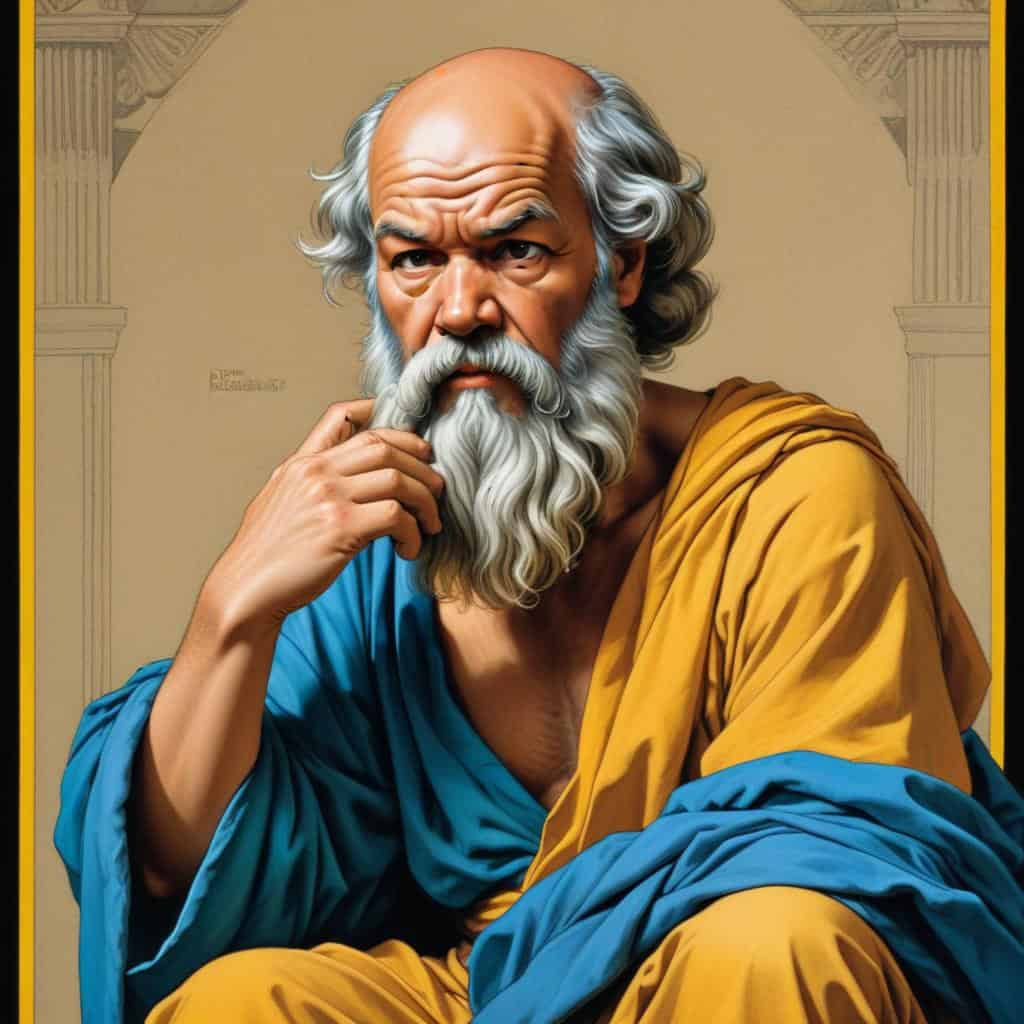
Socrates
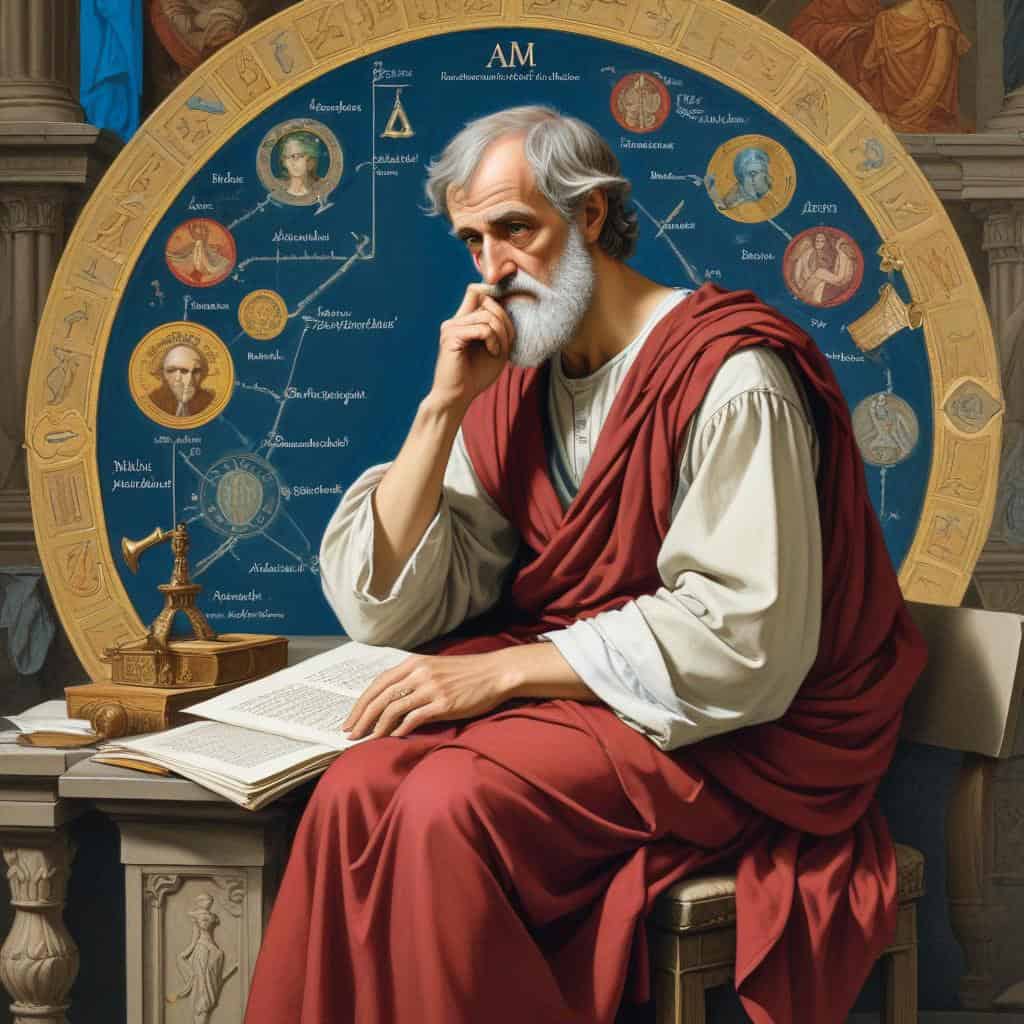
Aristotle
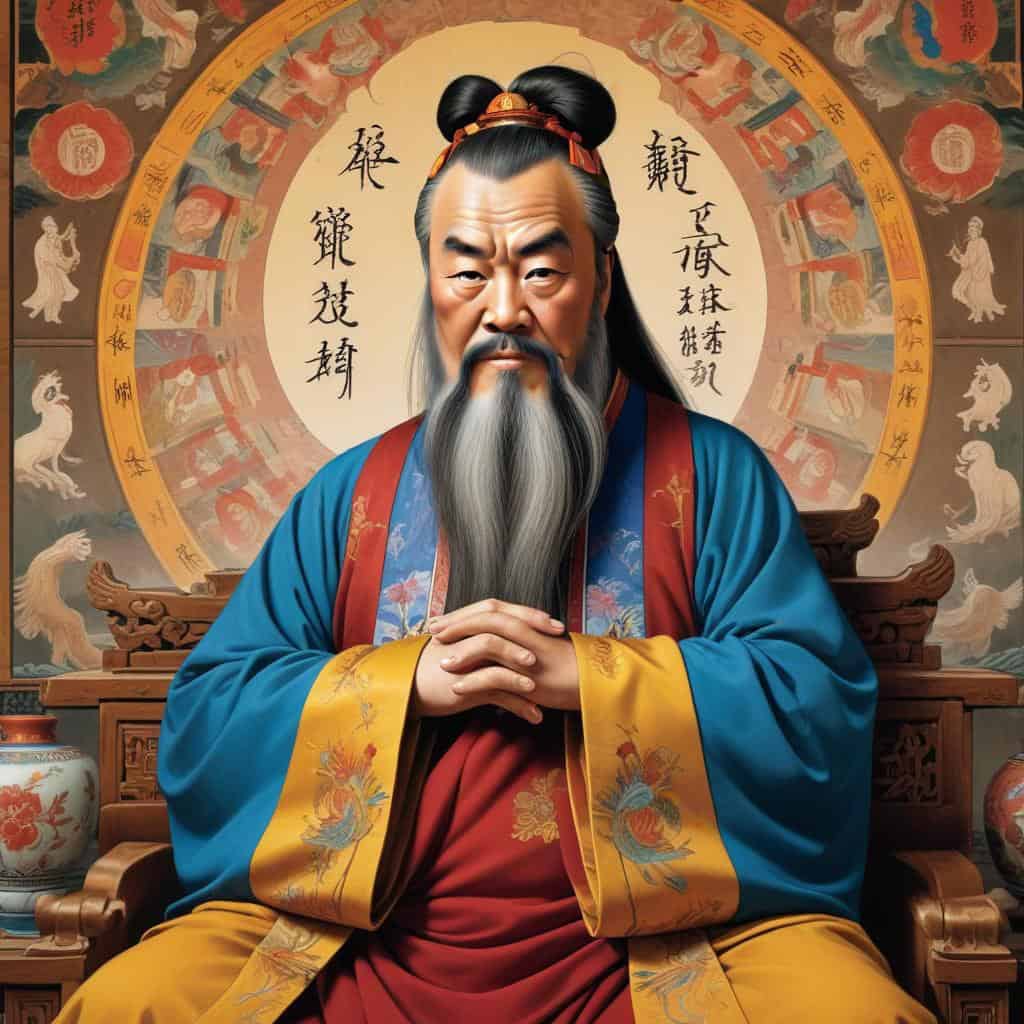
Confucius

St. Thomas Aquinas

1. What is Virtue?

2. The Importance of Virtue
3. Types of Virtues
4. The Good Life
5. Virtue Ethics

6. Achieving the Good Life

7. Virtue and Happiness

8. Challenges of Virtue
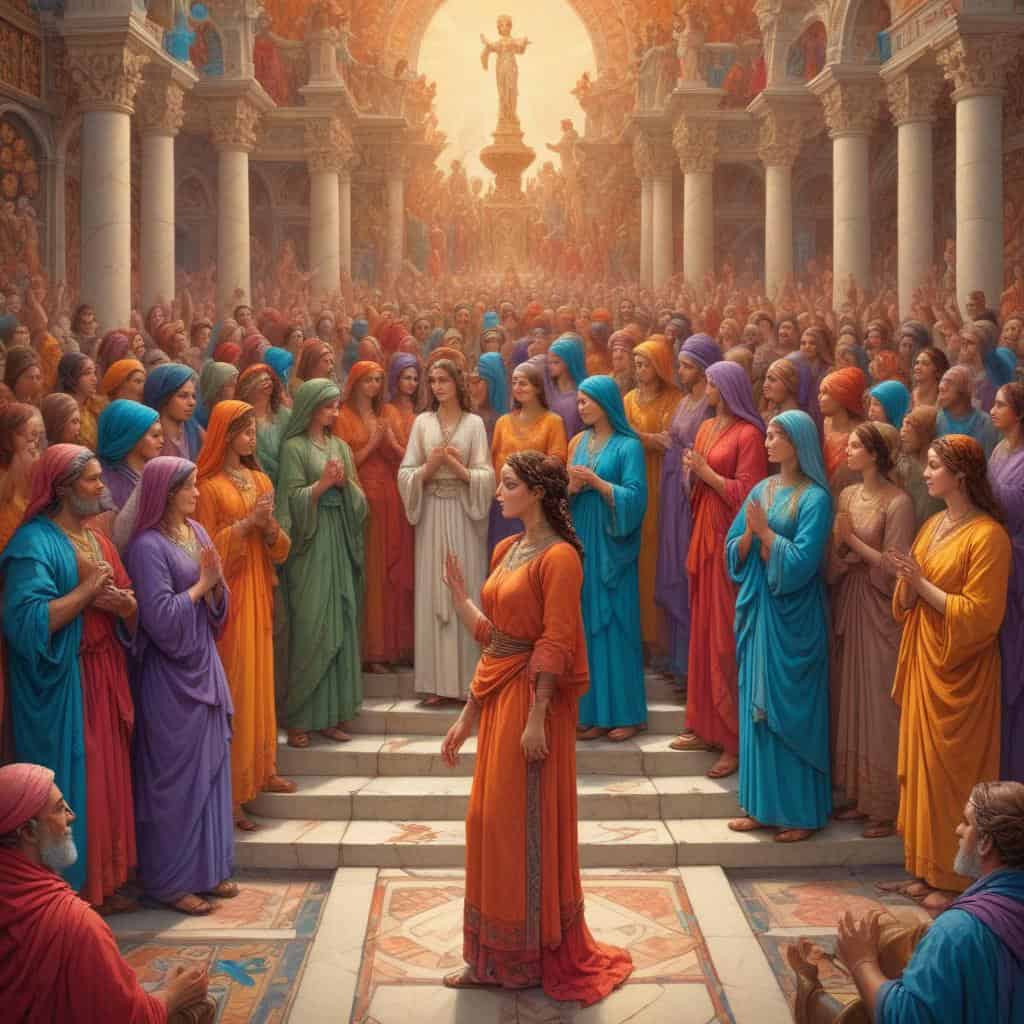
9. Virtue in Practice

Lesson Details & Resources
In a Nutshell
- Concept: The philosophical concept that focuses on the relationship between virtue and leading a good life.
- Thinkers: Aristotle, 4th Century BC.
- Central Question: What virtues should one cultivate to live a good and fulfilling life?
- Core Implication: Virtue is essential for achieving eudaimonia, or human flourishing, and happiness.
Timeline of Virtue And The Good Life
Plato's Republic is written, discussing the concept of the good life and the role of virtue in it
Aristotle's Nicomachean Ethics is written, outlining his ethical theory centered on virtue and the good life
The Stoics, including Zeno of Citium and Epictetus, develop their philosophy focusing on virtue as the key to the good life
Cicero's On Duties is written, exploring the connection between virtue and the good life in Roman philosophy
Augustine of Hippo writes The City of God, discussing the role of virtue in the Christian conception of the good life
Thomas Aquinas develops his theory of natural law and virtue ethics in his Summa Theologica
Rene Descartes publishes Meditations on First Philosophy, exploring the nature of virtue and the good life
Immanuel Kant's Groundwork of the Metaphysics of Morals is published, discussing the importance of virtue in moral philosophy
John Stuart Mill's Utilitarianism is published, presenting a consequentialist approach to the good life and virtue
Friedrich Nietzsche's Thus Spoke Zarathustra is published, challenging traditional conceptions of virtue and the good life
Alasdair MacIntyre's After Virtue is published, critiquing modern moral philosophy and advocating for a return to virtue ethics
Martha Nussbaum publishes The Fragility of Goodness, exploring the connection between virtue and the good life in ancient Greek philosophy
Susan Wolf's Meaning in Life and Why It Matters is published, discussing the role of virtue in living a meaningful life
Stanford Encyclopedia of Philosophy entry on Virtue Ethics is updated, providing a comprehensive overview of contemporary debates on virtue and the good life
Vocabulary List
- Virtue
- In virtue ethics, the focus is on developing virtuous character traits such as honesty, courage, and compassion.
- Eudaimonia
- Aristotle believed that eudaimonia, or human flourishing, could be achieved through the cultivation of virtues.
- Arete
- The concept of arete emphasizes the importance of cultivating moral excellence and fulfilling one's potential.
- Happiness
- According to virtue ethics, true happiness is achieved through the cultivation of virtuous character traits.
- Phronesis
- Aristotle believed that phronesis was essential for making good moral decisions and living a virtuous life.
Key Facts
Analysis & Significance
The Core Argument
The core argument of the philosophical concept of Virtue and the Good Life lies in the idea that living a virtuous life is essential for achieving true happiness and fulfillment. According to this view, cultivating virtues such as courage, wisdom, and justice leads to a life of moral excellence and flourishing.
Criticisms and Counterarguments
Some critics argue that focusing solely on virtues may neglect other important aspects of the good life, such as pleasure or personal achievement. Others question whether there is a universal set of virtues that apply to all individuals, as cultural and personal differences may influence what is considered virtuous.
Modern Relevance
In today’s society, the concept of Virtue and the Good Life can offer valuable insights into how we navigate ethical dilemmas and make decisions that align with our values. With the increasing focus on individual well-being and personal growth, understanding the role of virtues in shaping our character and guiding our actions remains relevant in our pursuit of a meaningful and fulfilling life.
Virtue And The Good Life Games


Take Your Learning Offline
Want a convenient, print-ready study guide for this lesson? Become a Memory Wizards Pro member to unlock the downloadable " Memory Scrolls" for this topic and our entire library!
- ✓ Complete Vocabulary Lists
- ✓ Key Facts & Timelines
- ✓ Beautifully Formatted for Print & Mobile