
The Search For Truth
Unraveling illusions: Can we ever truly find the truth?
How Do You Learn Best?
Learn by Listening
Start with the 3-minute audio summary to get the key facts and narrative highlights quickly.
Learn by Reading
Immerse yourself in the 10-minute visual lesson for a comprehensive understanding of the topic.
Learn by Reviewing
Jump directly to the key facts, timeline, and vocabulary lists to build a solid foundation of details.
Learn by Doing
Challenge yourself! Jump straight into the interactive games to learn by trial, error, and discovery.
Audio Library
As one of our featured lessons, this topic includes premium audio guides.
Unlock the Wizard's Cram Session
This powerful audio study guide is a Pro-exclusive feature. Upgrade to Memory Wizards Pro to access this and all of our premium learning tools.
Upgrade to ProThe Search For Truth in 10 Minutes

Introduction
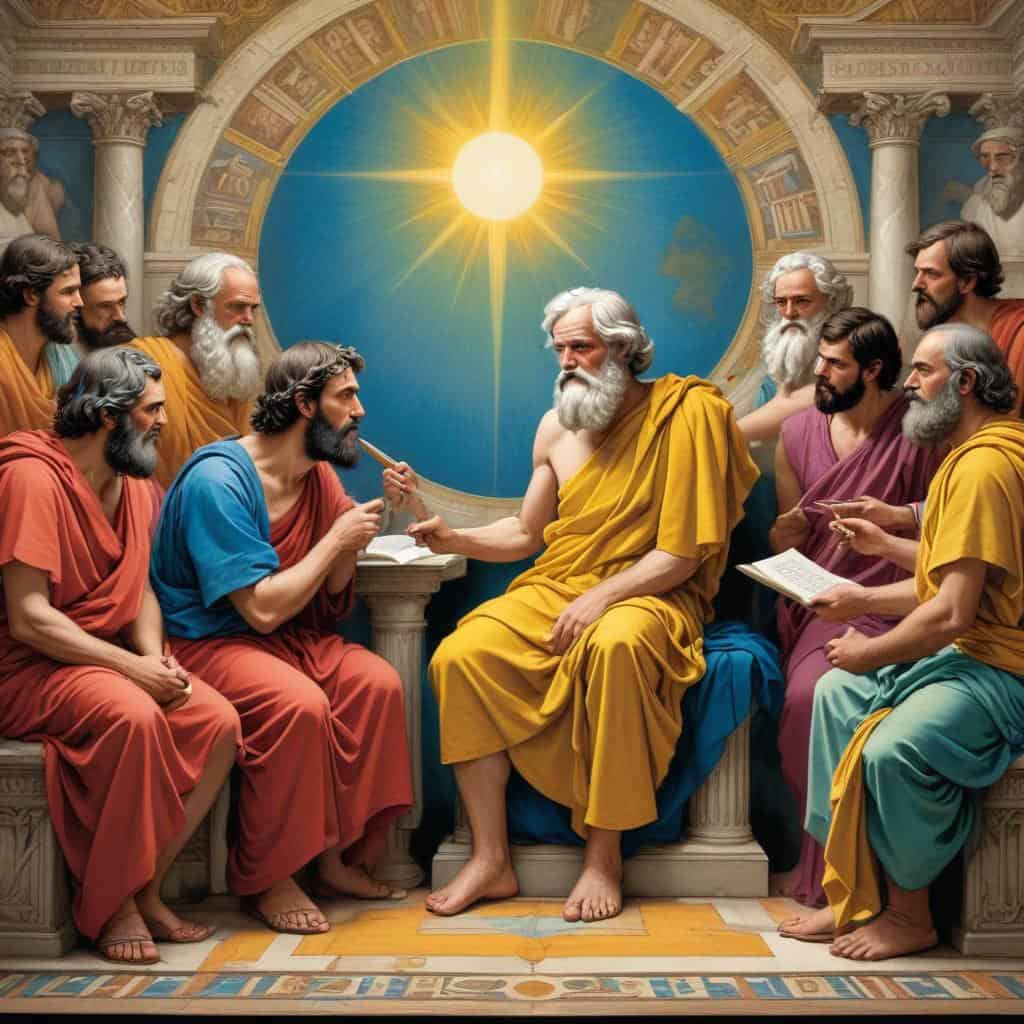

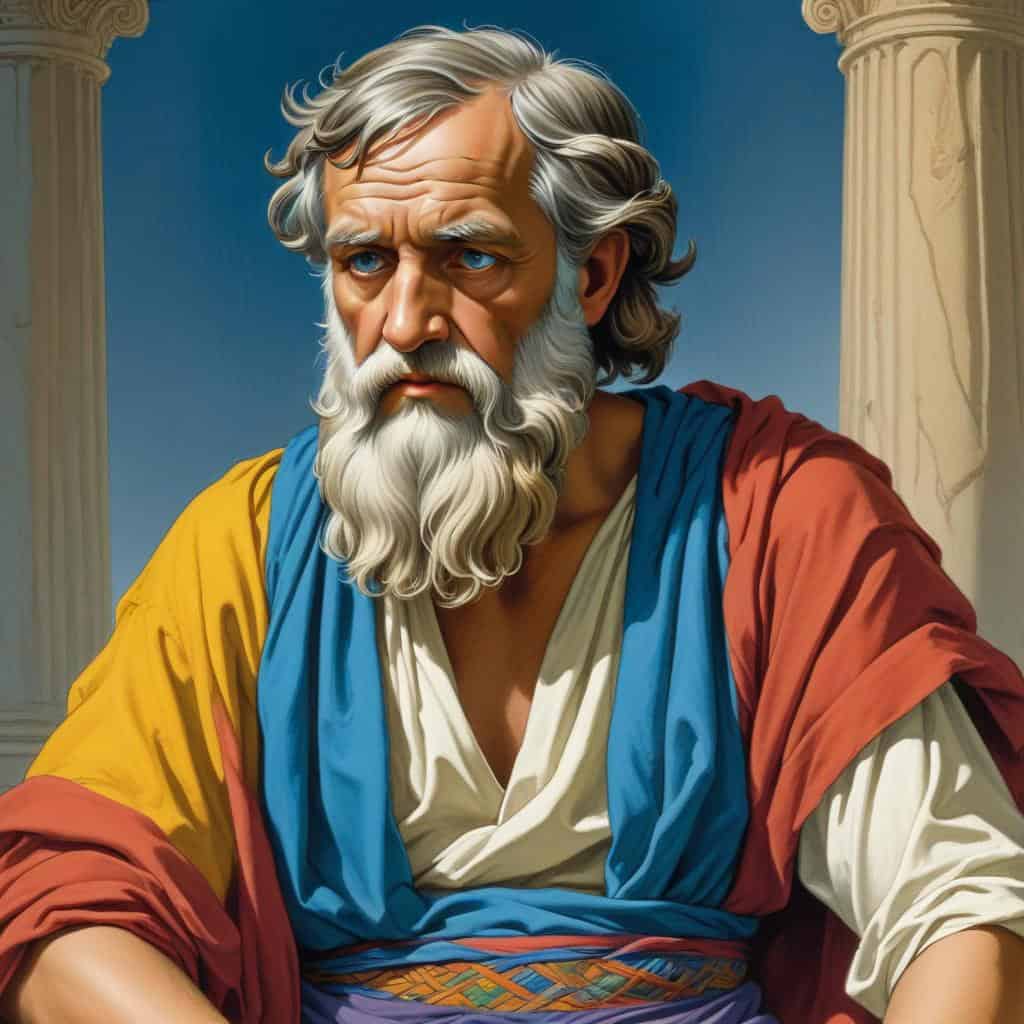
Plato

Rene Descartes
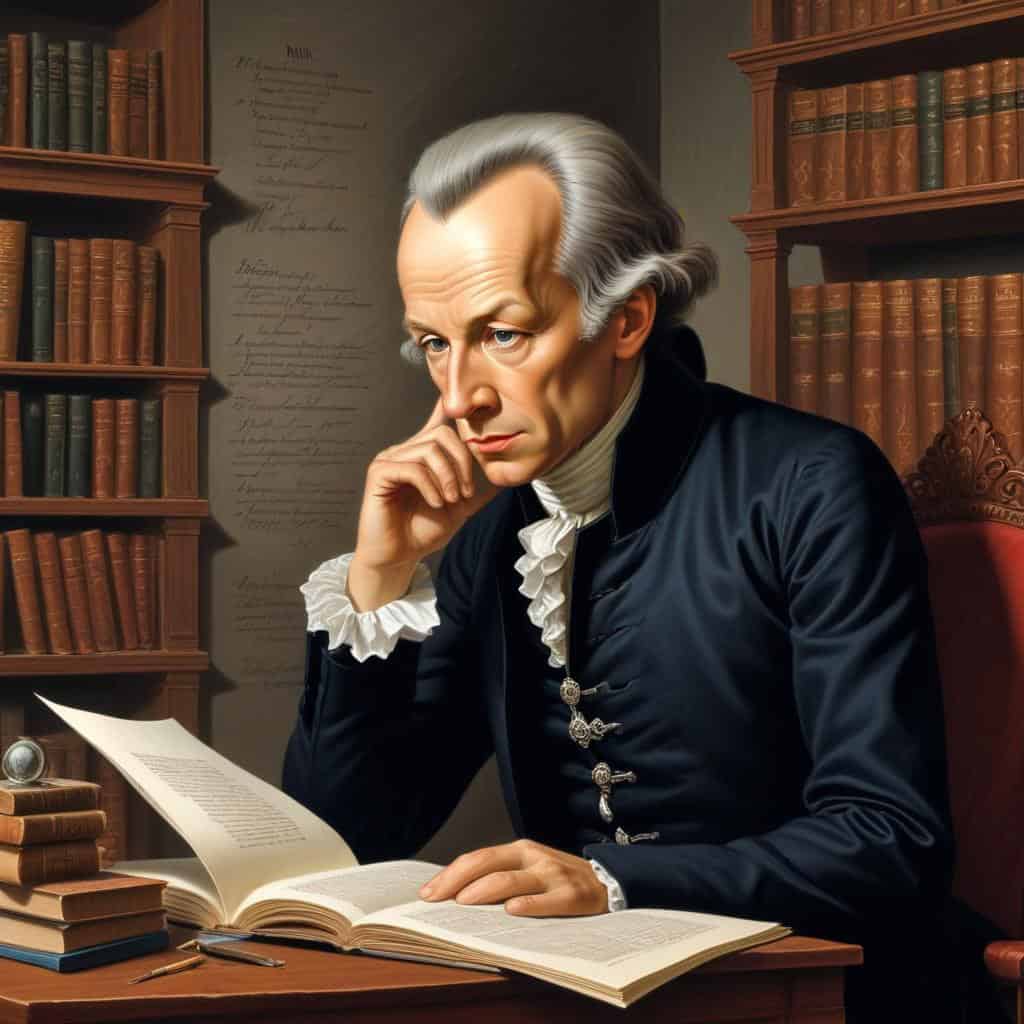
Immanuel Kant

Friedrich Nietzsche

Simone de Beauvoir
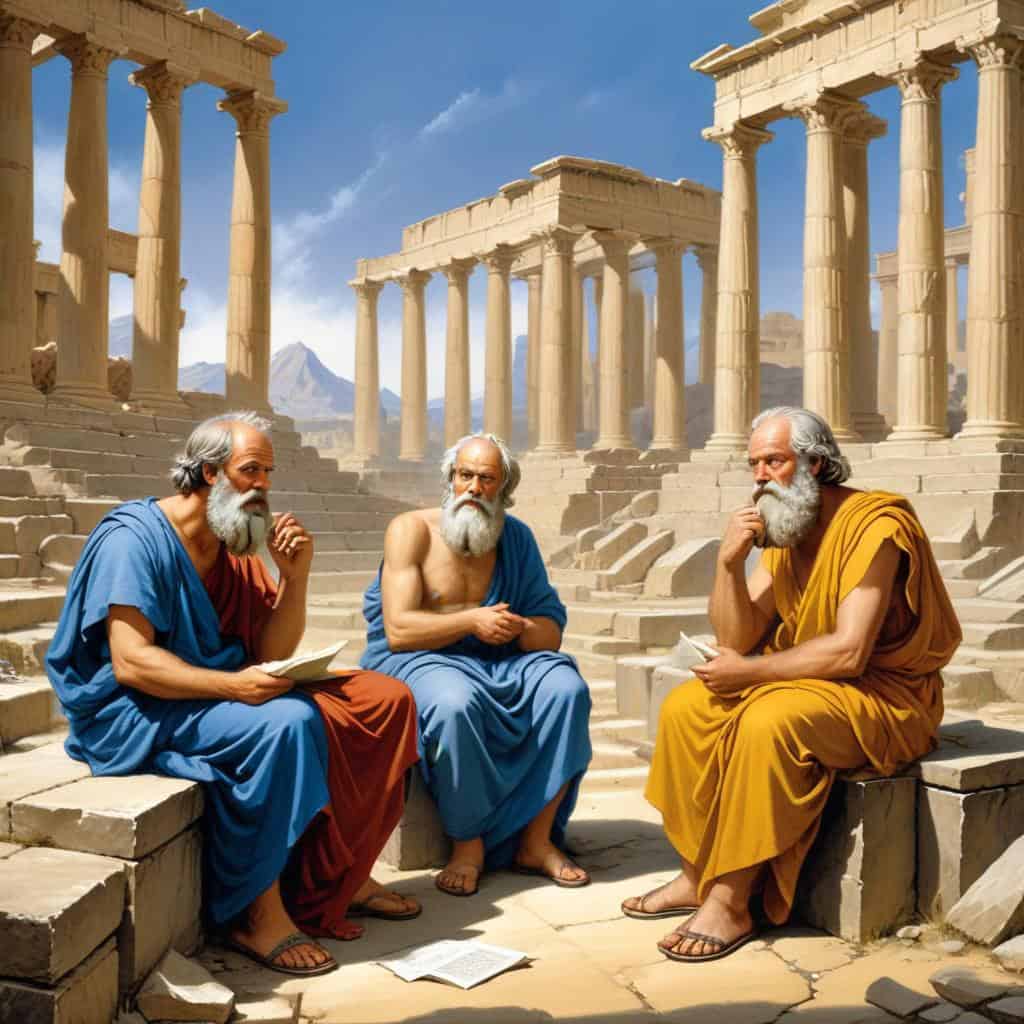
The Ancient Philosophers Begin the Search
The Development of Philosophical Systems
The Enlightenment and the Age of Reason
The Rise of Existentialism and Postmodernism
The Influence of Science on Philosophy

The Search for Truth in the Digital Age
The Role of Philosophy in Society

The Search for Personal Truth

The Quest for Wisdom and Enlightenment

The Search for Truth Continues

Lesson Details & Resources
In a Nutshell
- Concept: The Search for Truth is the philosophical pursuit of uncovering objective reality and understanding what is fundamentally true.
- Thinkers: Plato, Aristotle, Descartes, Kant, Nietzsche, 5th Century BC - 19th Century AD.
- Central Question: How can we distinguish truth from falsehood and uncover the nature of reality?
- Core Implication: The journey for truth requires critical thinking, skepticism, and a willingness to question established beliefs and assumptions.
Timeline of The Search For Truth
Thales of Miletus is considered one of the first philosophers to search for truth through natural explanations rather than mythological beliefs
Socrates develops the Socratic Method as a way to search for truth through questioning and critical thinking
Plato founds the Academy in Athens as a center for philosophical inquiry and the search for truth
Aristotle, a student of Plato, establishes his own philosophical school, the Lyceum, and further explores the search for truth through logic and observation
The Roman philosopher Cicero writes extensively on the search for truth and the nature of knowledge
The Middle Ages see the rise of scholasticism, with philosophers like Thomas Aquinas integrating faith and reason in the search for truth
Rene Descartes introduces the method of doubt as a means to search for truth through skepticism and inquiry
Immanuel Kant develops the concept of transcendental idealism as a way to understand how we perceive and know truth
Friedrich Nietzsche challenges traditional notions of truth and morality, arguing for a more subjective and individual search for truth
Bertrand Russell explores the nature of truth and logic in his work, advocating for a scientific and empirical approach to the search for truth
Martin Heidegger delves into the concept of being and truth in his existentialist philosophy, emphasizing the search for authentic existence
Jean-Paul Sartre examines the nature of truth and freedom in his existentialist writings, advocating for personal responsibility in the search for truth
Thomas Kuhn introduces the concept of paradigm shifts in scientific progress, challenging traditional notions of objective truth
Michel Foucault explores the relationship between power and truth in his postmodern philosophy, questioning the validity of objective truths
Richard Rorty advocates for a pragmatic approach to truth, emphasizing the importance of language and social context in the search for truth
Judith Butler challenges traditional notions of truth and identity in her work on gender performativity, advocating for a more fluid and nuanced search for truth
Slavoj Žižek examines the nature of truth and ideology in contemporary society, critiquing the ways in which power structures influence the search for truth
The search for truth in philosophy continues to evolve and adapt to new challenges and perspectives, with philosophers exploring a wide range of theories and approaches to understanding truth
Vocabulary List
- Epistemology
- Epistemology is a key component in the search for truth in philosophy.
- Skepticism
- Skepticism is often encountered in discussions about the search for truth.
- Empiricism
- Empiricism plays a significant role in the search for truth by emphasizing the importance of observation.
- Rationalism
- Rationalism is another approach to the search for truth that emphasizes the role of reason.
- Correspondence theory of truth
- The correspondence theory of truth is a popular theory in philosophy that relates to the search for truth.
Key Facts
Analysis & Significance
The Core Argument
At the heart of the philosophical concept of ‘The Search for Truth’ lies the fundamental quest for understanding and certainty in our knowledge. This pursuit involves questioning assumptions, seeking evidence, and striving for coherence in our beliefs to arrive at a more accurate depiction of reality.
Criticisms and Counterarguments
Some critics argue that the notion of an absolute truth is unattainable and that our subjective perspectives limit our ability to grasp a definitive truth. Others contend that our cognitive biases and cultural influences can distort our perceptions of what is true, leading to skepticism about the possibility of objective truth.
Modern Relevance
In today’s complex and information-saturated world, the concept of ‘The Search for Truth’ is more crucial than ever. From fake news and misinformation to ethical dilemmas in technology and politics, the ability to discern truth from falsehood is essential for making informed decisions and navigating the moral complexities of modern society.
The Search For Truth Games


Take Your Learning Offline
Want a convenient, print-ready study guide for this lesson? Become a Memory Wizards Pro member to unlock the downloadable " Memory Scrolls" for this topic and our entire library!
- ✓ Complete Vocabulary Lists
- ✓ Key Facts & Timelines
- ✓ Beautifully Formatted for Print & Mobile