The Legacy Of Socrates

Is questioning everything the ultimate wisdom? Delve into Socrates' legacy.

How Do You Learn Best?

Note: You can explore any or all of these paths in any order you prefer!

Audio Library

As one of our featured lessons, this topic includes premium audio guides.

🔒

Unlock the Audio Summary

This free audio lesson is available exclusively for Logged in Memory Wizards members. Please sign up for a free account or log in to access this content.

Sign Up Log In
🔒

Unlock the Wizard's Cram Session

This powerful audio study guide is a Pro-exclusive feature. Upgrade to Memory Wizards Pro to access this and all of our premium learning tools.

Upgrade to Pro

The Legacy Of Socrates in 10 Minutes

Introduction
Introduction

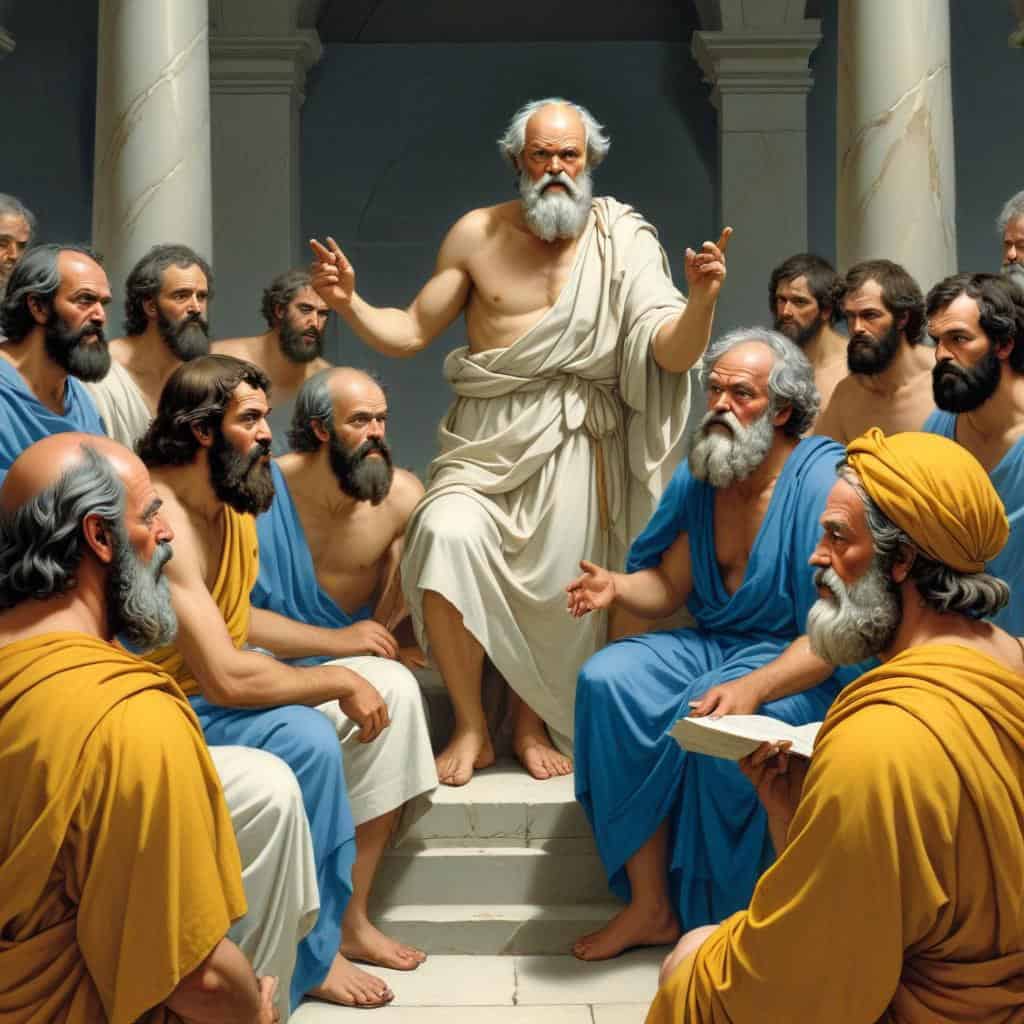
Since his death in 399 BC, Socrates has left a lasting impact on the world of philosophy. His teachings and methods of questioning have influenced countless philosophers throughout history.

Despite never writing down his ideas, Socrates' legacy lives on through the works of his students, such as Plato and Xenophon. His emphasis on self-knowledge, ethics, and the pursuit of truth continues to shape philosophical thought to this day.

In this article, we will explore the enduring influence of Socrates in philosophy, examining how his ideas have been interpreted and adapted by thinkers over the centuries. From ancient Greece to modern academia, Socrates' legacy remains a cornerstone of philosophical inquiry.

Plato

Plato

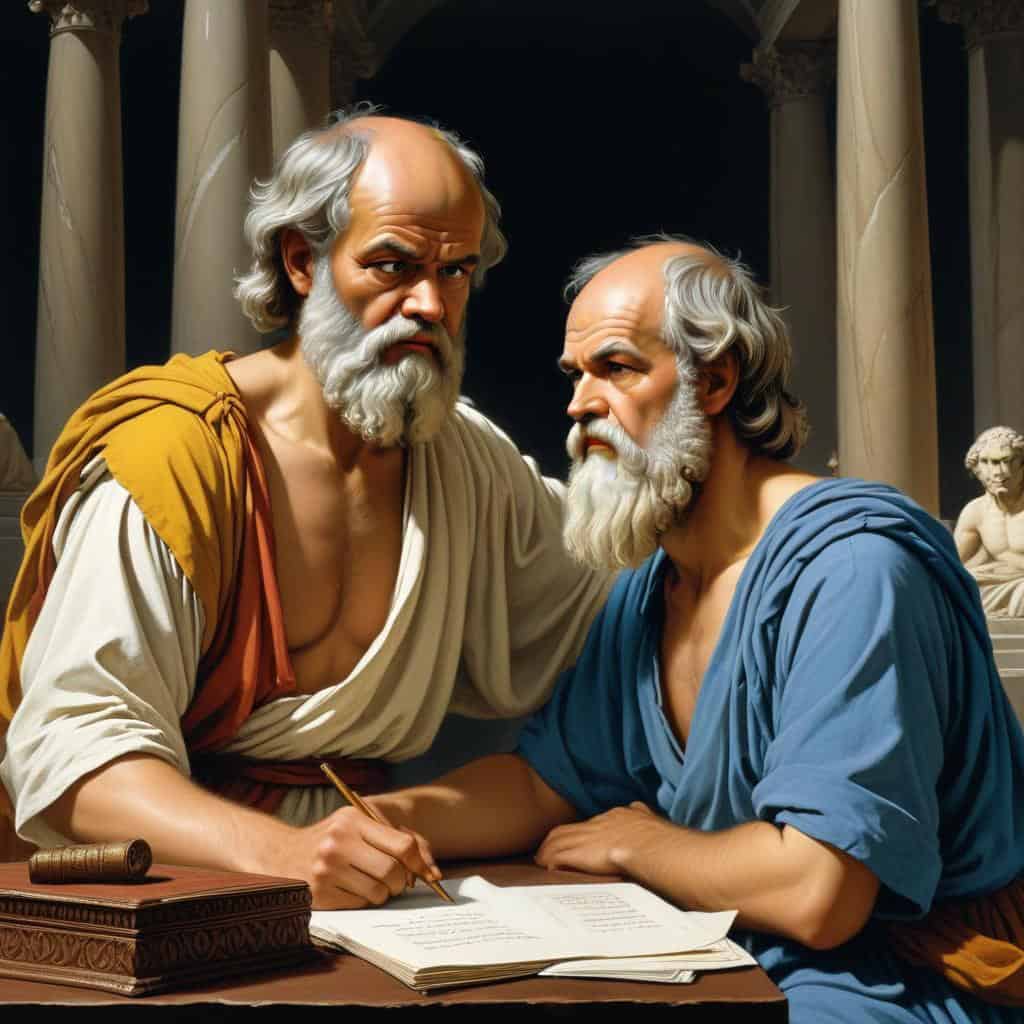
Plato was a student of Socrates and went on to become one of the most influential philosophers in Western history. He documented Socrates' teachings in his dialogues and further developed his philosophical ideas, particularly in the realm of ethics and metaphysics.

Aristotle

Aristotle

Aristotle was another student of Socrates and later became a renowned philosopher in his own right. He founded his own school, the Lyceum, and made significant contributions to a wide range of disciplines, including logic, metaphysics, and ethics.

Xenophon

Xenophon

Xenophon was a historian and philosopher who was also a contemporary of Socrates. He wrote several works about Socrates, including Memorabilia, which offers a different perspective on Socrates' teachings compared to Plato's dialogues.

Diogenes of Sinope

Diogenes of Sinope

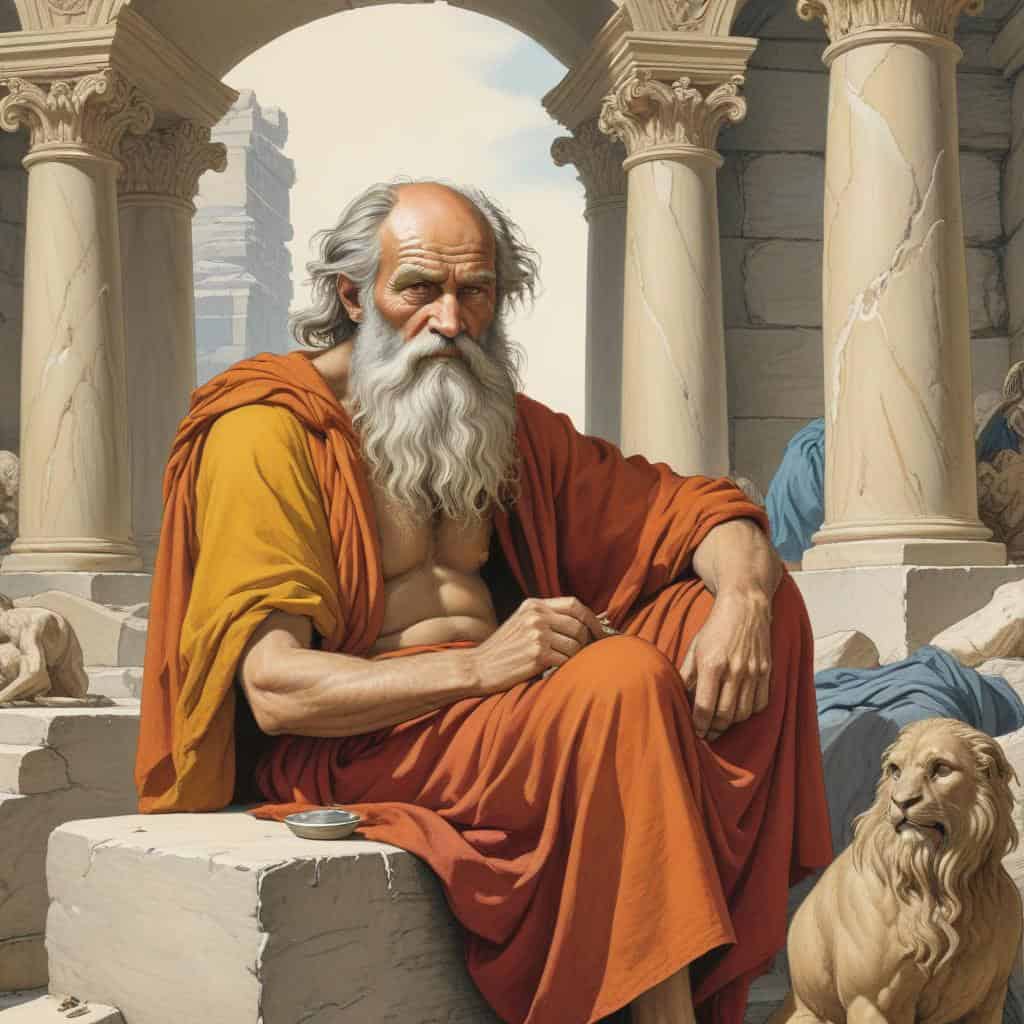
Diogenes was a philosopher who was greatly influenced by Socrates' emphasis on living a virtuous and examined life. He became known for his unconventional lifestyle and philosophical beliefs, which were often critical of societal norms and conventions.

Epictetus

Epictetus

Epictetus was a Stoic philosopher who drew inspiration from Socrates' teachings on ethics and the importance of self-examination. He emphasized the importance of controlling one's emotions and developing inner virtue, which he believed was the key to living a good life.

The Early Life of Socrates

The Early Life of Socrates

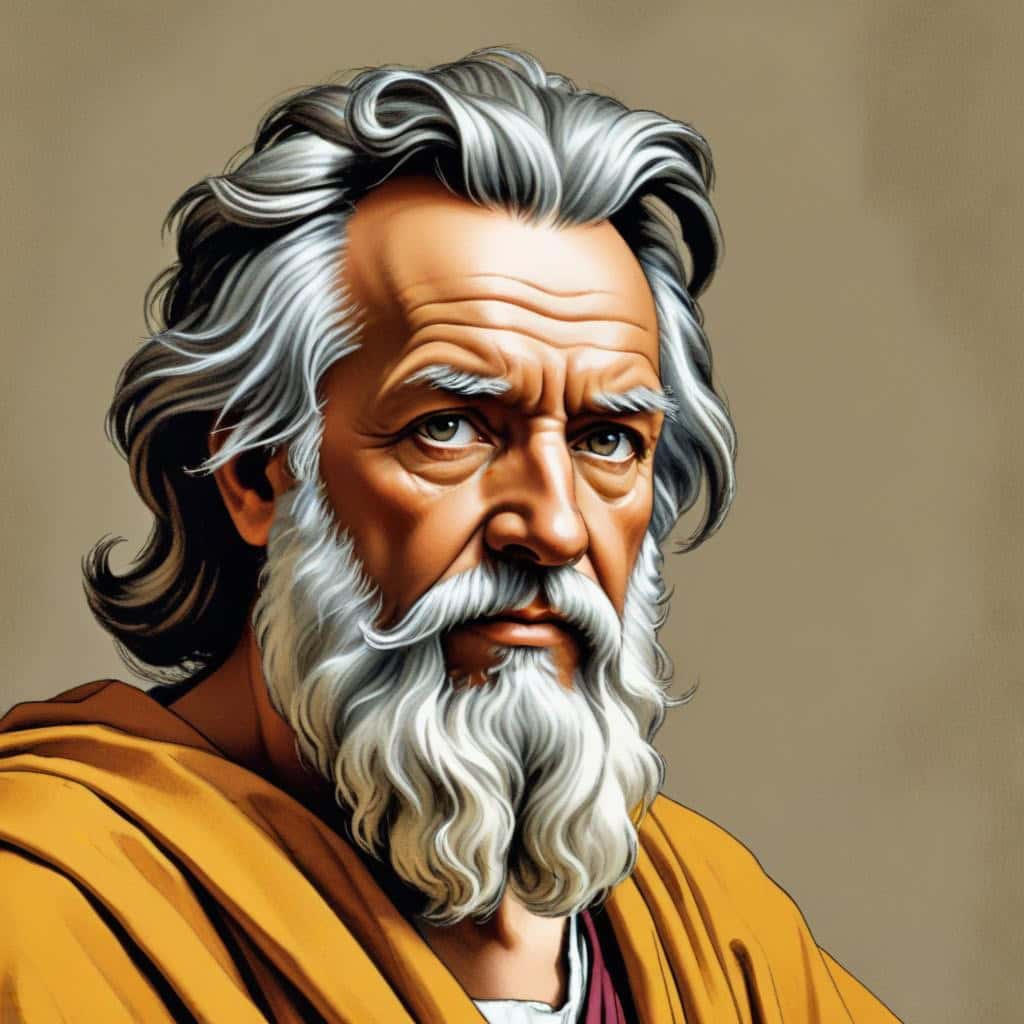
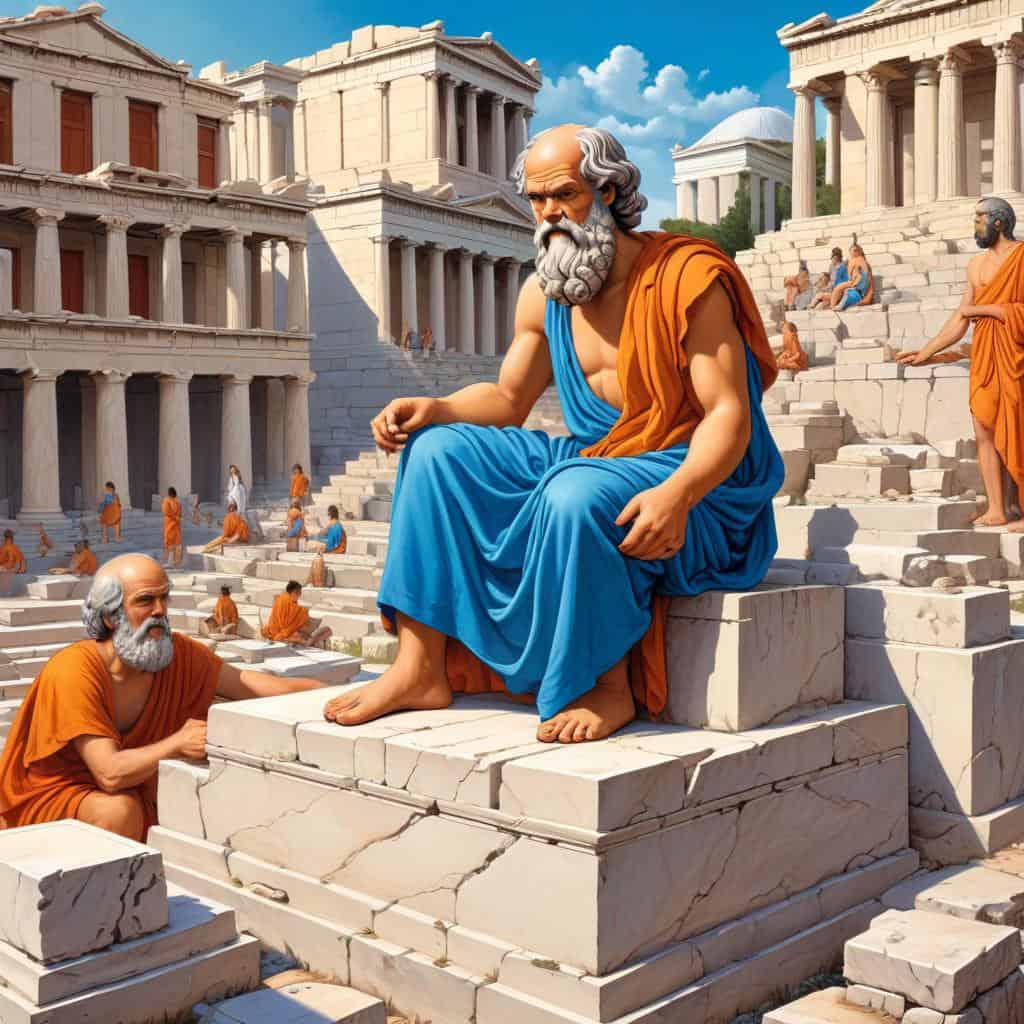
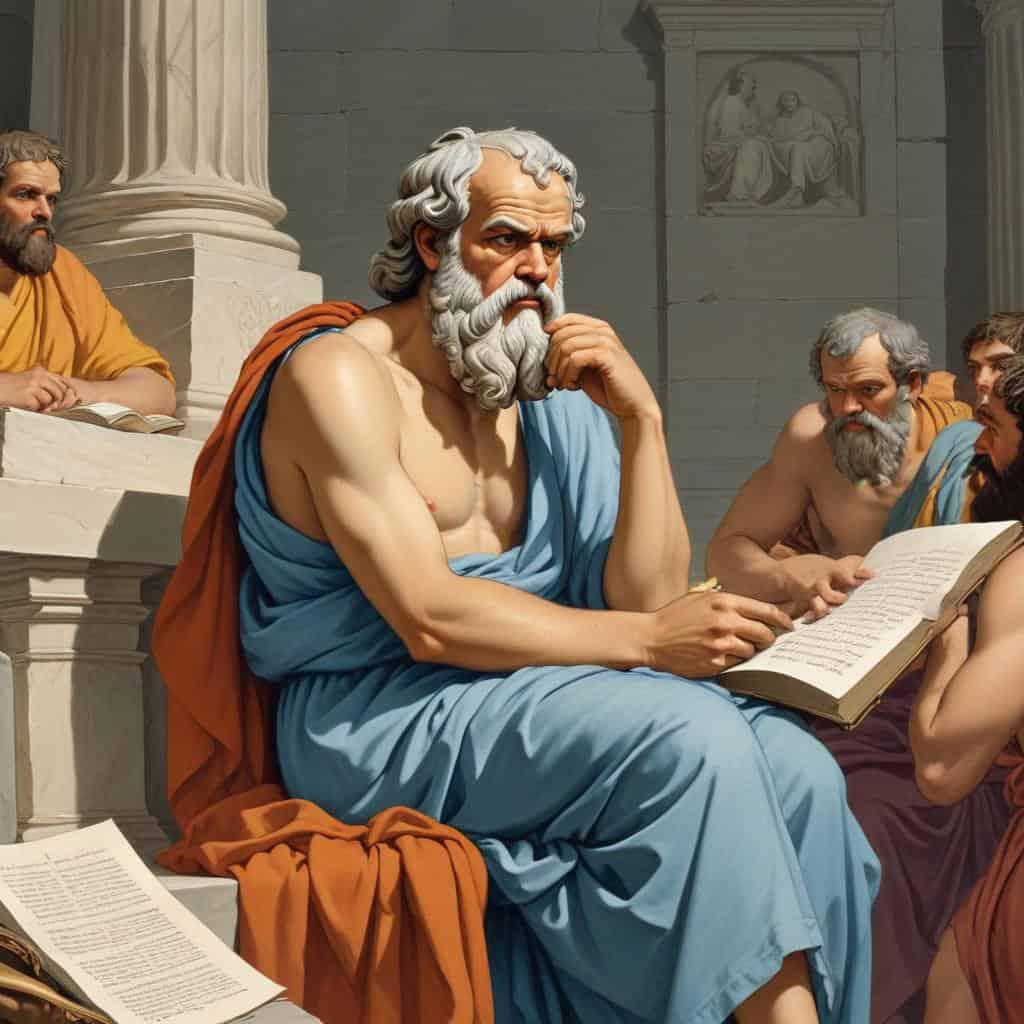
Socrates was born in Athens, Greece around 470 BC. He worked as a stonemason and later became a philosopher. He was known for his unique teaching methods and his commitment to seeking truth.

The Socratic Method

The Socratic Method

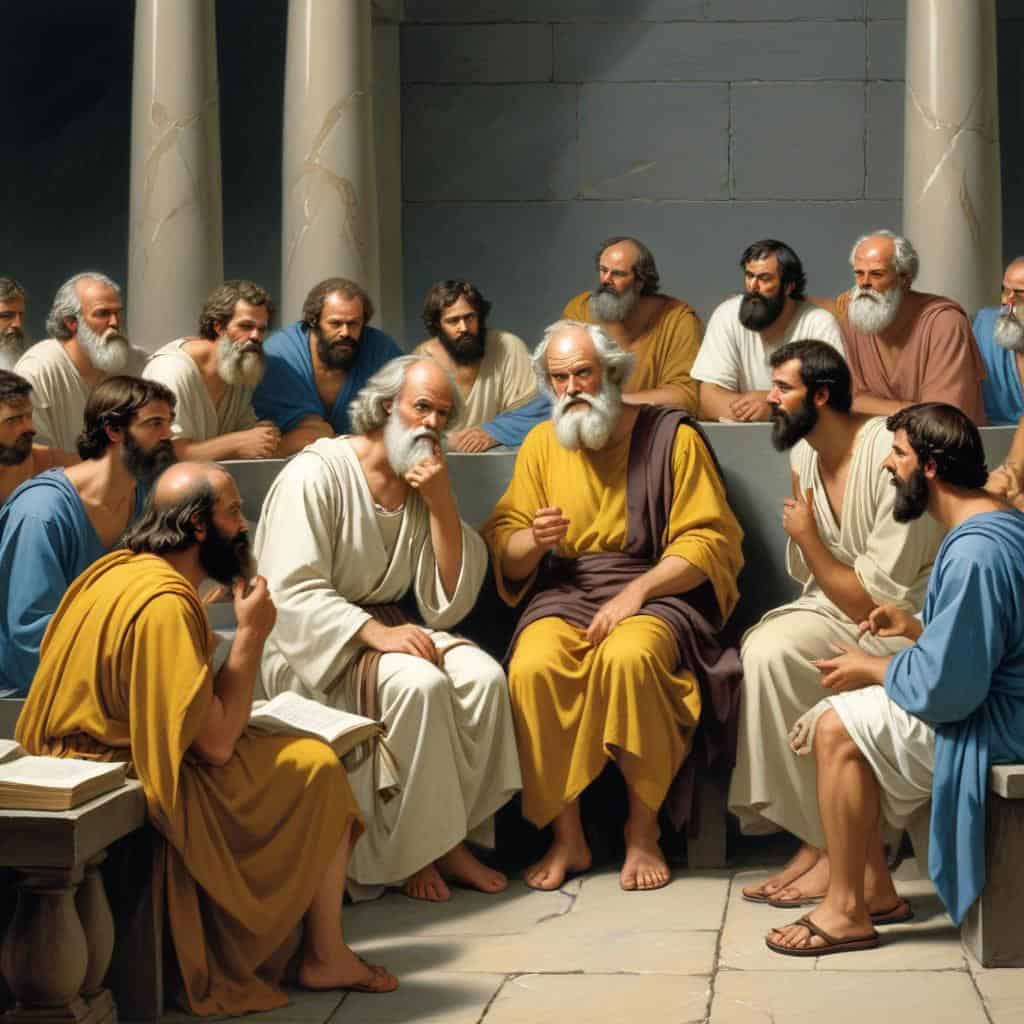
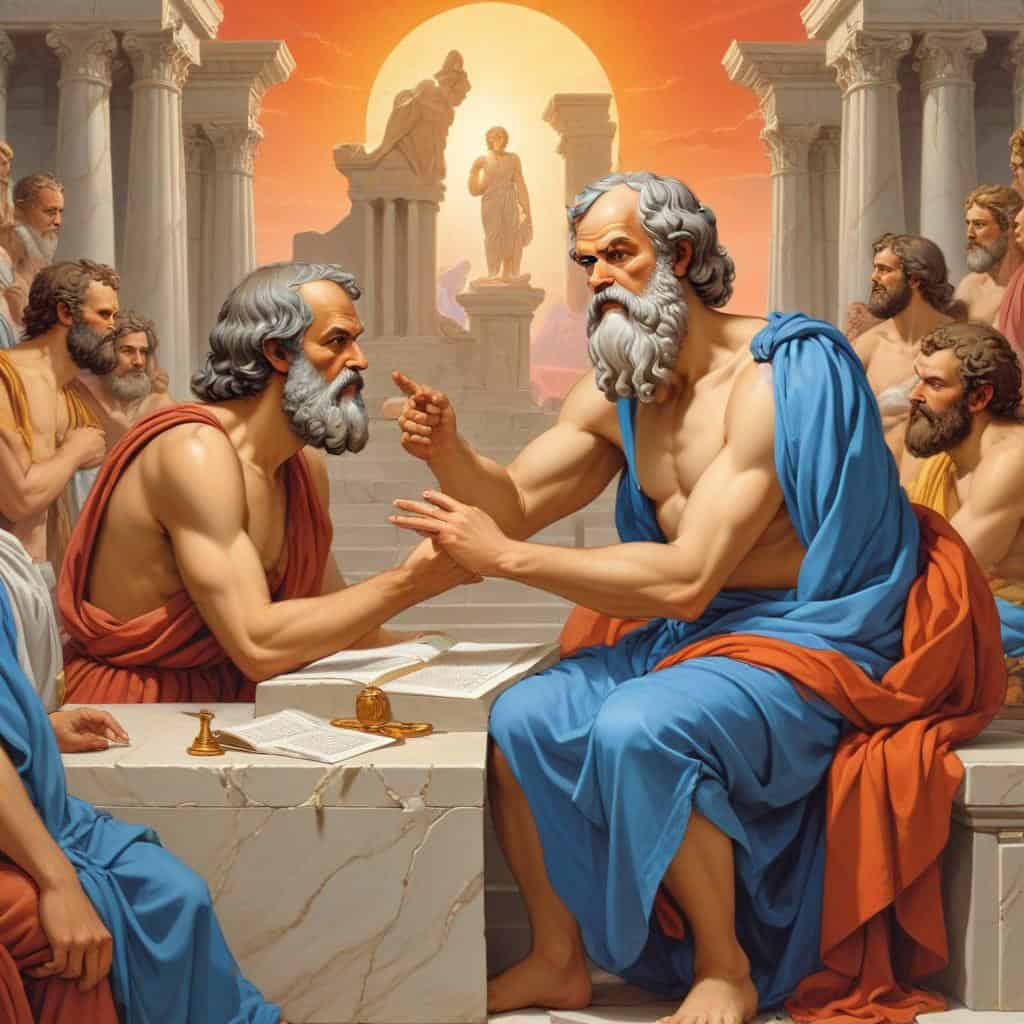
Socrates is famous for his Socratic method, a form of cooperative argumentative dialogue to stimulate critical thinking. He would ask probing questions to his students to help them uncover their own beliefs and understandings. This method is still used in philosophy and education today.

Challenging Traditional Beliefs

Challenging Traditional Beliefs

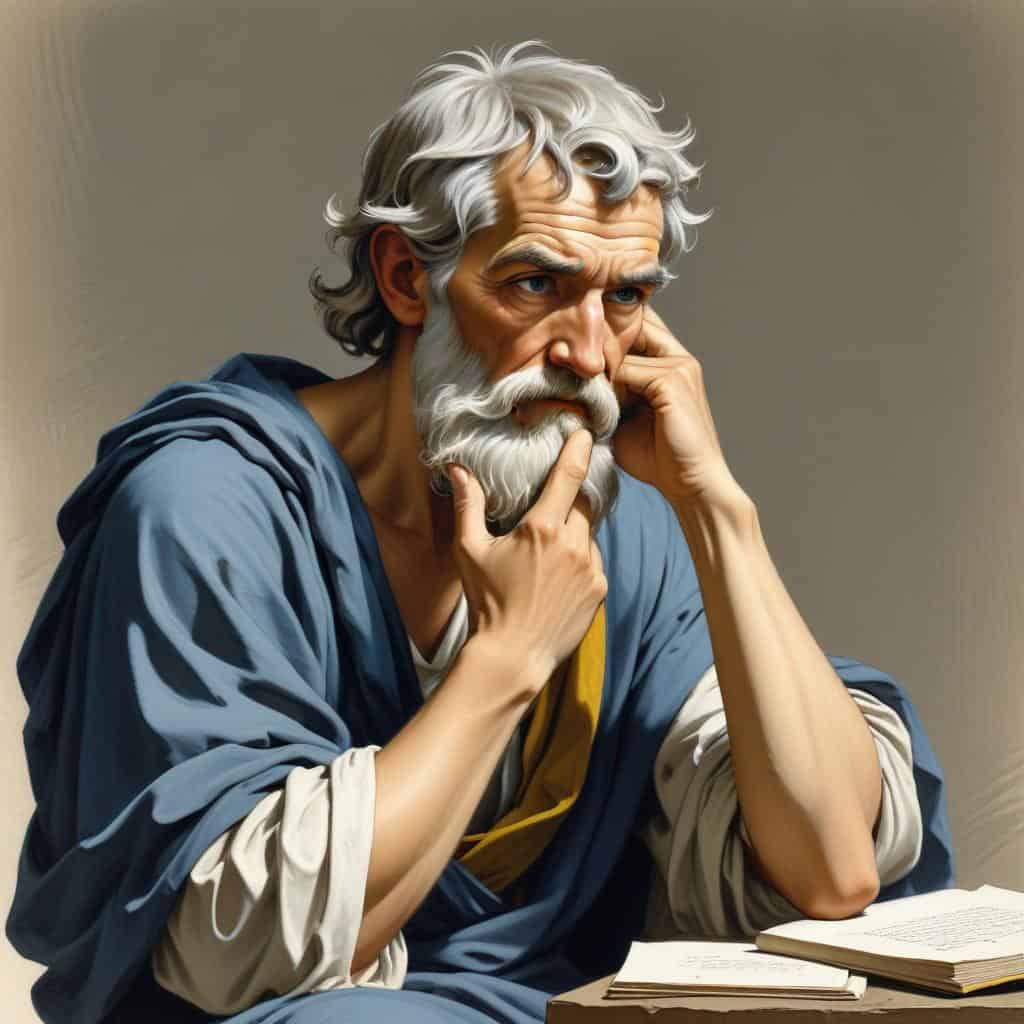
Socrates was known for challenging traditional beliefs and questioning authority. He believed that true wisdom comes from questioning everything and examining one's own beliefs. This made him unpopular with many in Athens.

The Trial of Socrates

The Trial of Socrates

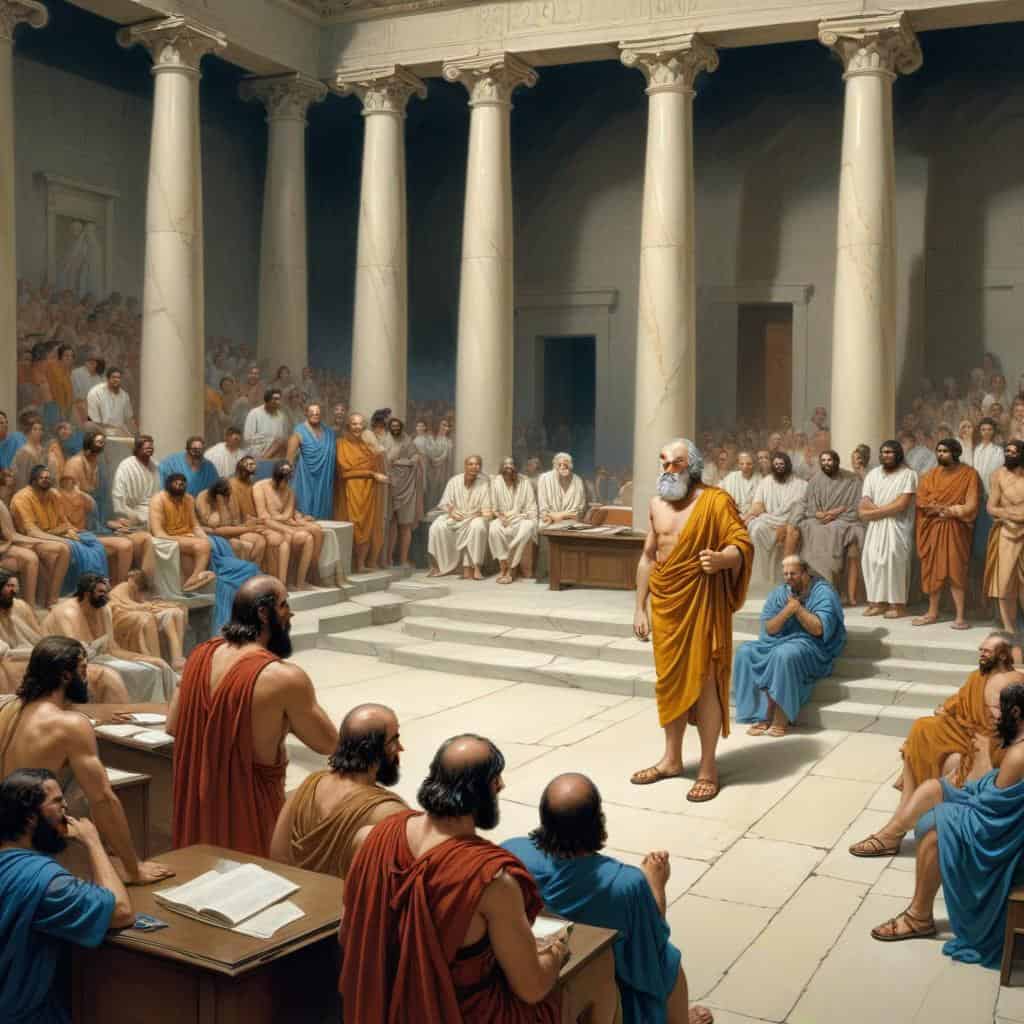
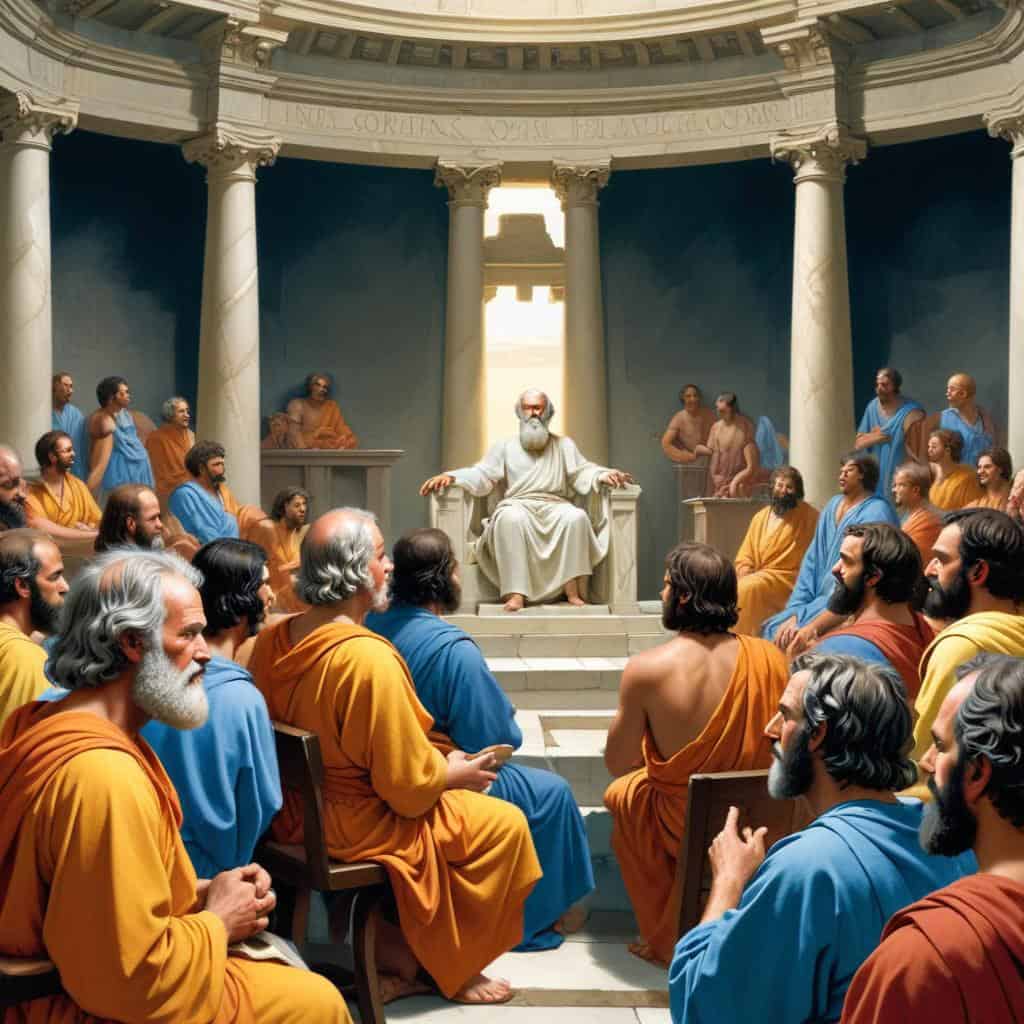
In 399 BC, Socrates was put on trial for corrupting the youth of Athens and impiety. He was found guilty and sentenced to death by drinking poison hemlock. Socrates accepted his fate, believing that it was better to die for his beliefs than to compromise them.

The Legacy of Socrates

The Legacy of Socrates

Despite his controversial life and death, Socrates left a lasting legacy in the world of philosophy. His ideas about questioning authority, seeking truth, and self-examination have influenced countless philosophers throughout history. His teachings continue to be studied and debated to this day.

The Influence on Plato

The Influence on Plato

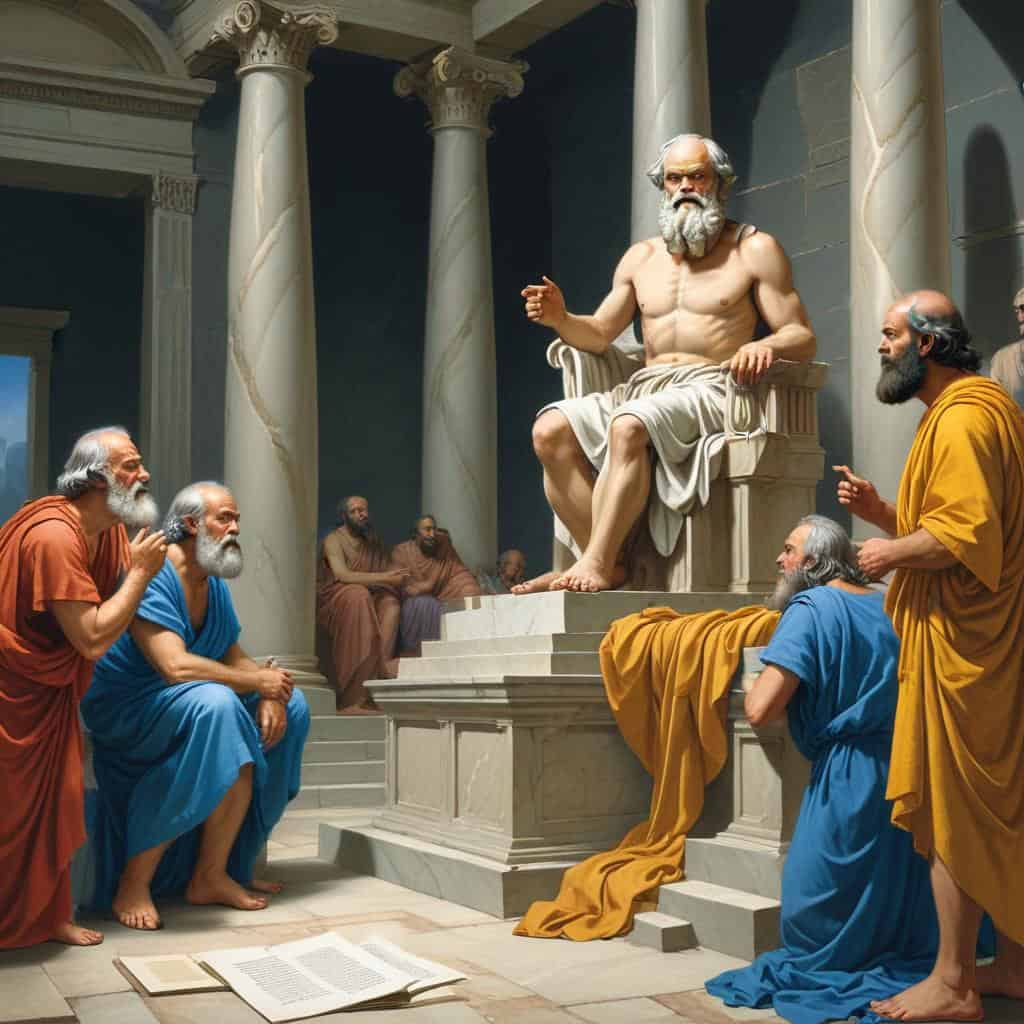
Socrates' most famous student was Plato, who went on to become one of the most renowned philosophers in history. Plato's writings, including dialogues featuring Socrates as the main character, helped to spread Socrates' ideas and teachings to a wider audience.

The Influence on Aristotle

The Influence on Aristotle

Aristotle, another famous philosopher, was also heavily influenced by Socrates. While Aristotle disagreed with some of Socrates' ideas, he still considered him a great thinker and respected his contributions to philosophy. Socrates' influence can be seen in many of Aristotle's writings.

Modern Applications of Socratic Philosophy
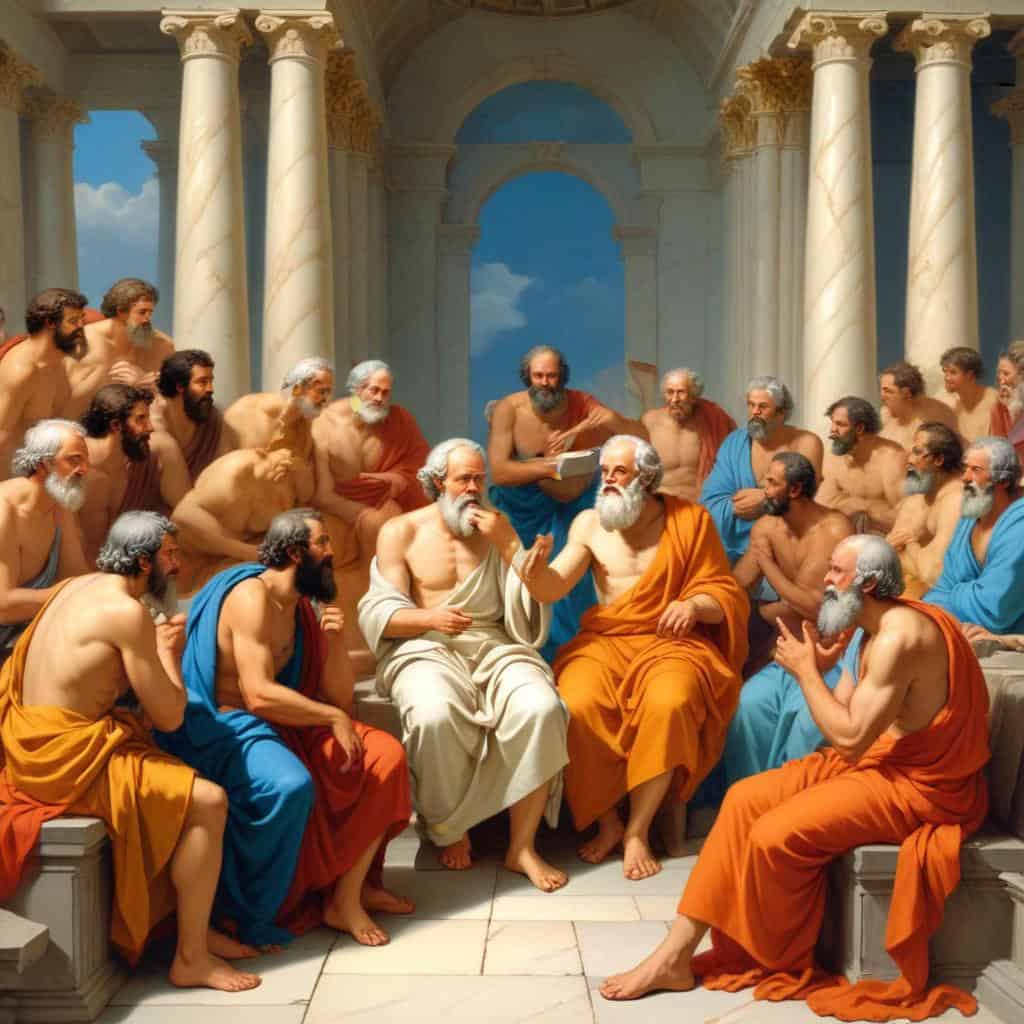
Modern Applications of Socratic Philosophy

Today, the Socratic method is still used in classrooms and in philosophical discussions. The idea of questioning everything and seeking truth through dialogue is a fundamental aspect of critical thinking and education. Socrates' legacy lives on in the way we approach learning and understanding the world.

Continued Debates and Interpretations
Continued Debates and Interpretations
Philosophers continue to debate the meaning and implications of Socrates' teachings. Some see him as a martyr for free thought and individualism, while others criticize his methods and beliefs. The ongoing discussions about Socrates' legacy show the enduring impact he has had on the field of philosophy.

Socrates' impact on philosophy cannot be overstated. His commitment to questioning and seeking truth has laid the foundation for much of Western philosophical thought. From his emphasis on self-examination to his willingness to challenge conventional beliefs, Socrates continues to inspire thinkers to this day.

By encouraging critical thinking and a willingness to engage in dialogue, Socrates has left an enduring legacy in the world of philosophy. His teachings remind us of the importance of humility, open-mindedness, and intellectual curiosity in the pursuit of knowledge and understanding.

1 / 19

Lesson Details & Resources

In a Nutshell

  • Concept: The Legacy of Socrates
  • Thinkers: Socrates, 5th Century BC
  • Central Question: What is the nature of wisdom and how should one live a virtuous life?
  • Core Implication: The importance of questioning assumptions, seeking truth, and living a examined life.

Timeline of The Legacy Of Socrates

470 BCE

Socrates is born in Athens

450 BCE

Socrates begins his career as a philosopher

440 BCE

Socrates becomes known for his method of questioning

399 BCE

Socrates is accused of corrupting the youth and impiety

399 BCE

Socrates is sentenced to death and drinks poison hemlock

387 BCE

Plato, a student of Socrates, founds the Academy in Athens

380 BCE

Plato writes dialogues featuring Socrates as the main character

335 BCE

Aristotle, a student of Plato, founds the Lyceum in Athens

335-322 BCE

Aristotle's works on logic, ethics, and metaphysics influence Western philosophy

3rd century BCE

Hellenistic philosophers like Epicurus and Zeno of Citium adapt Socratic ideas

3rd century CE

Neoplatonism, a philosophical system influenced by Plato, emerges in the 3rd century CE

13th century CE

Medieval philosophers like Thomas Aquinas incorporate Aristotelian and Neoplatonic ideas

14th-17th century CE

Renaissance humanists revive interest in ancient Greek philosophy, including Socrates

18th century CE

Enlightenment thinkers like Immanuel Kant and John Locke engage with Socratic ideas

20th century CE

Existentialist philosophers like Jean-Paul Sartre and Simone de Beauvoir draw on Socratic themes

21st century CE

Socratic method continues to be used in education and philosophy seminars worldwide

Vocabulary List

Socratic Method
Many modern philosophers still use the Socratic Method to engage in philosophical discussions and debates.
Plato
Plato was a student of Socrates and his writings, such as 'The Republic', have had a lasting impact on Western philosophy.
Aristotle
Aristotle was a student of Plato and his philosophical works built upon the ideas of Socrates and Plato.
Eudaimonia
Socrates believed that the ultimate goal of life was to achieve eudaimonia through the pursuit of virtue and knowledge.
Dialectic
Socrates engaged in dialectic conversations with his interlocutors to uncover truth and challenge assumptions.

Key Facts

This is the information used in the fact matching game

    No key facts found.

Analysis & Significance

The Core Argument

Socrates, the iconic figure of ancient Greek philosophy, left a lasting legacy through his method of questioning and pursuit of truth. His emphasis on self-examination, critical thinking, and the importance of virtue continues to influence philosophical discourse to this day.

Criticisms and Counterarguments

Critics argue that Socrates’ approach of relentless questioning may lead to moral relativism or skepticism. Some philosophers suggest that his method could be seen as overly simplistic and fail to account for the complexities of human nature and society.

Modern Relevance

The legacy of Socrates remains relevant in contemporary discussions on ethics, education, and democracy. His emphasis on individual responsibility, intellectual humility, and the pursuit of knowledge can offer valuable insights into navigating the complexities of modern life and decision-making processes.

The Legacy Of Socrates Games

Was This Lesson Helpful?

Please log in or sign up to rate this lesson. 

Take Your Learning Offline

Want a convenient, print-ready study guide for this lesson? Become a Memory Wizards Pro member to unlock the downloadable " Memory Scrolls" for this topic and our entire library!

  • ✓ Complete Vocabulary Lists
  • ✓ Key Facts & Timelines
  • ✓ Beautifully Formatted for Print & Mobile
Upgrade to Pro

You must be logged in to provide feedback. Please log in or create a free account.

Scroll to Top