Questioning Reality

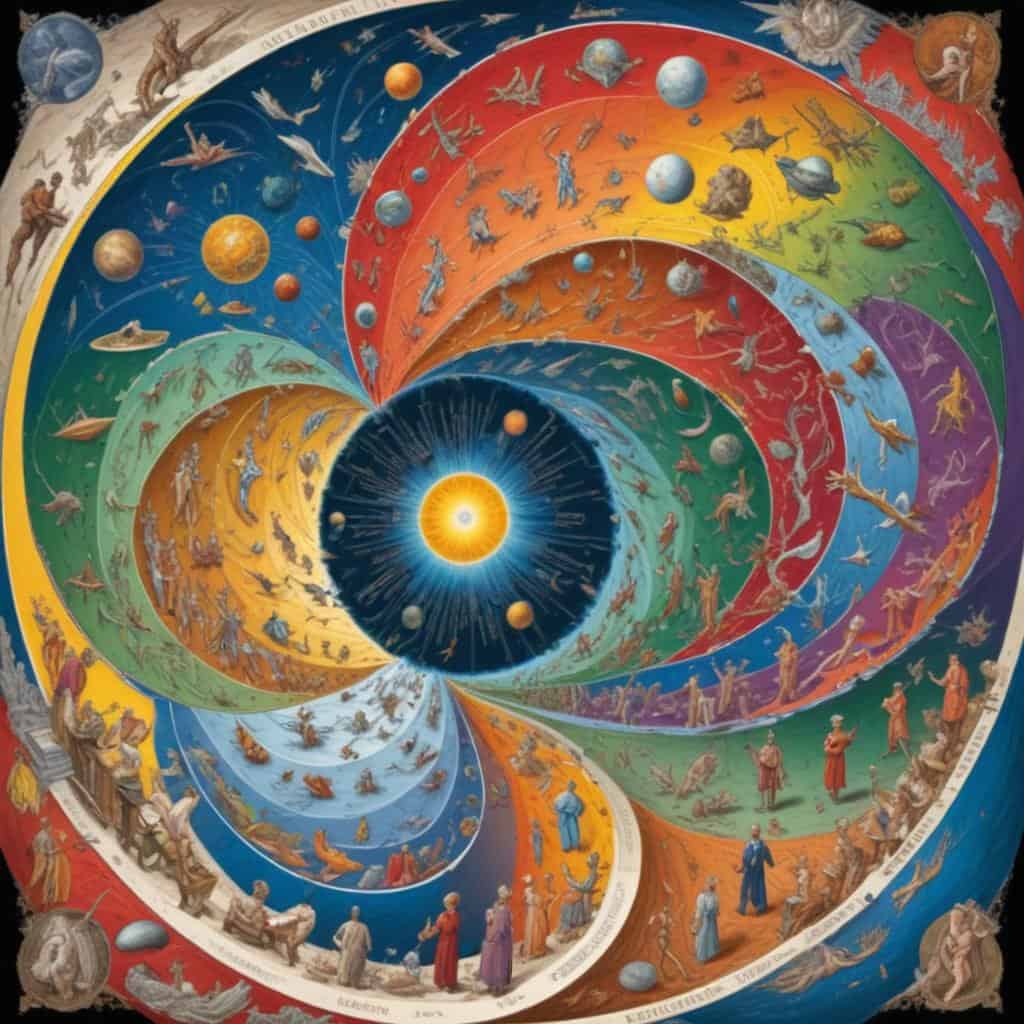
What if reality is just a trick of the mind?

How Do You Learn Best?

Note: You can explore any or all of these paths in any order you prefer!

Audio Library

As one of our featured lessons, this topic includes premium audio guides.

🔒

Unlock the Audio Summary

This free audio lesson is available exclusively for Logged in Memory Wizards members. Please sign up for a free account or log in to access this content.

Sign Up Log In
🔒

Unlock the Wizard's Cram Session

This powerful audio study guide is a Pro-exclusive feature. Upgrade to Memory Wizards Pro to access this and all of our premium learning tools.

Upgrade to Pro

Questioning Reality in 10 Minutes

Introduction

Introduction

Have you ever stopped to question the nature of reality? In the field of philosophy, scholars have been pondering this very question for centuries. In this summary article, we will delve into the concept of questioning reality and explore the various perspectives that philosophers have put forth.

From ancient Greek thinkers like Plato and Aristotle to modern-day philosophers like Descartes and Kant, the idea of questioning reality has been a central theme in philosophical discourse. These thinkers have grappled with the nature of existence, perception, and truth, offering insights that continue to shape our understanding of the world around us.

Through examining different philosophical theories and thought experiments, we will explore the complexities of reality and how our perceptions can shape our understanding of the world. By delving into these deep philosophical questions, we can gain a greater appreciation for the intricacies of reality and the ways in which we interpret our experiences.

Plato

Plato

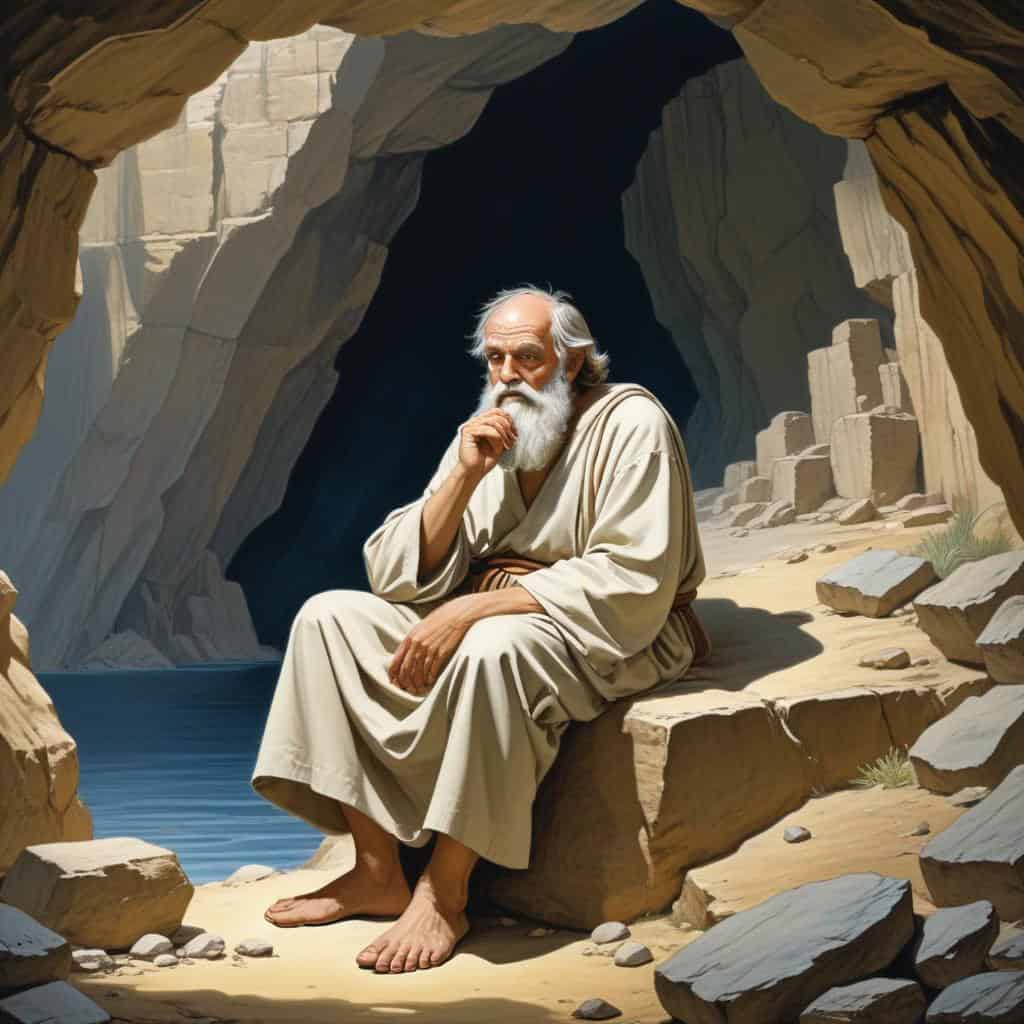
Plato, a renowned Greek philosopher, delved into the concept of reality through his famous allegory of the cave. He questioned the nature of reality and believed in the existence of a higher realm of Forms.

Rene Descartes

Rene Descartes

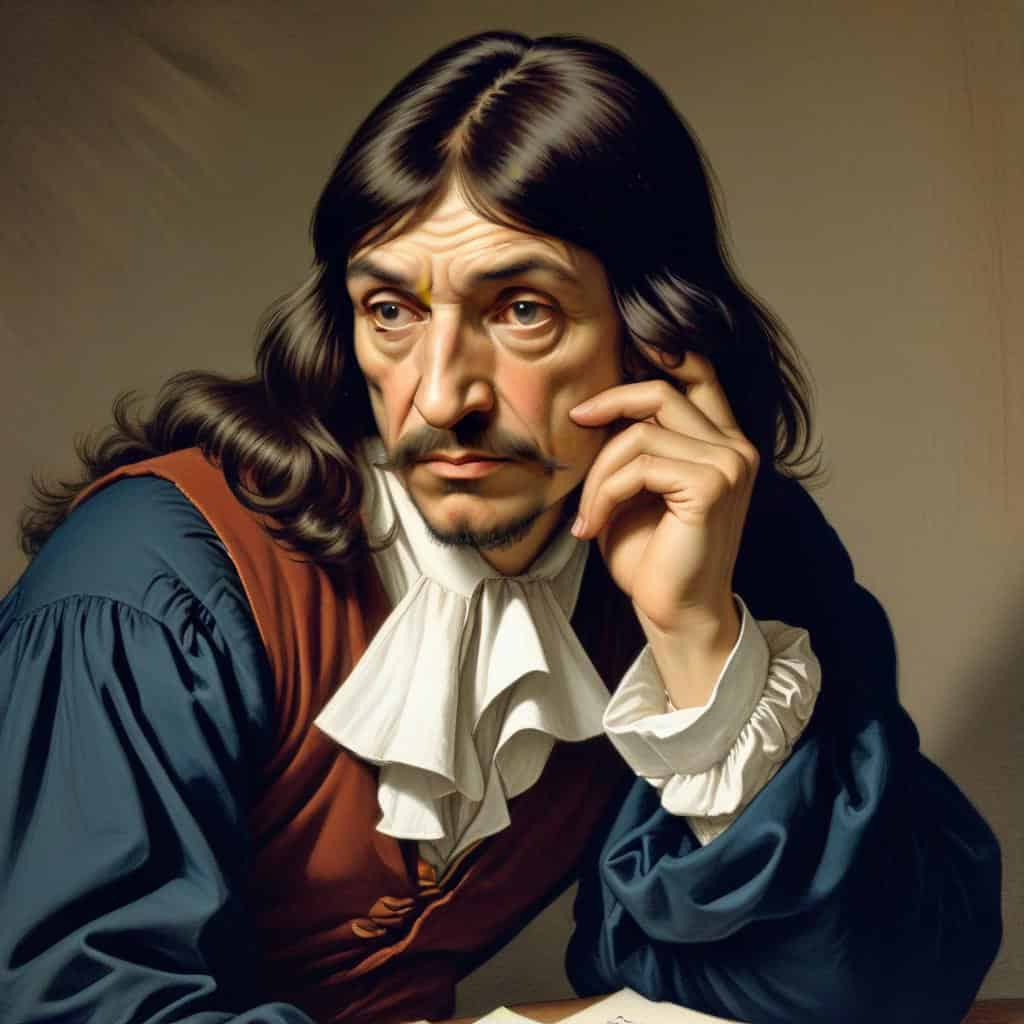
Rene Descartes, a French philosopher, famously stated Cogito, ergo sum (I think, therefore I am) to question the nature of reality and the reliability of our perceptions. He explored the idea of a deceiver who could manipulate our senses and deceive us about the true nature of reality.

Simone de Beauvoir

Simone de Beauvoir

Simone de Beauvoir, a feminist philosopher, questioned societal constructs and the nature of reality as it relates to gender and identity. She explored the idea of the Other and how it shapes our perceptions of reality.

David Hume

David Hume

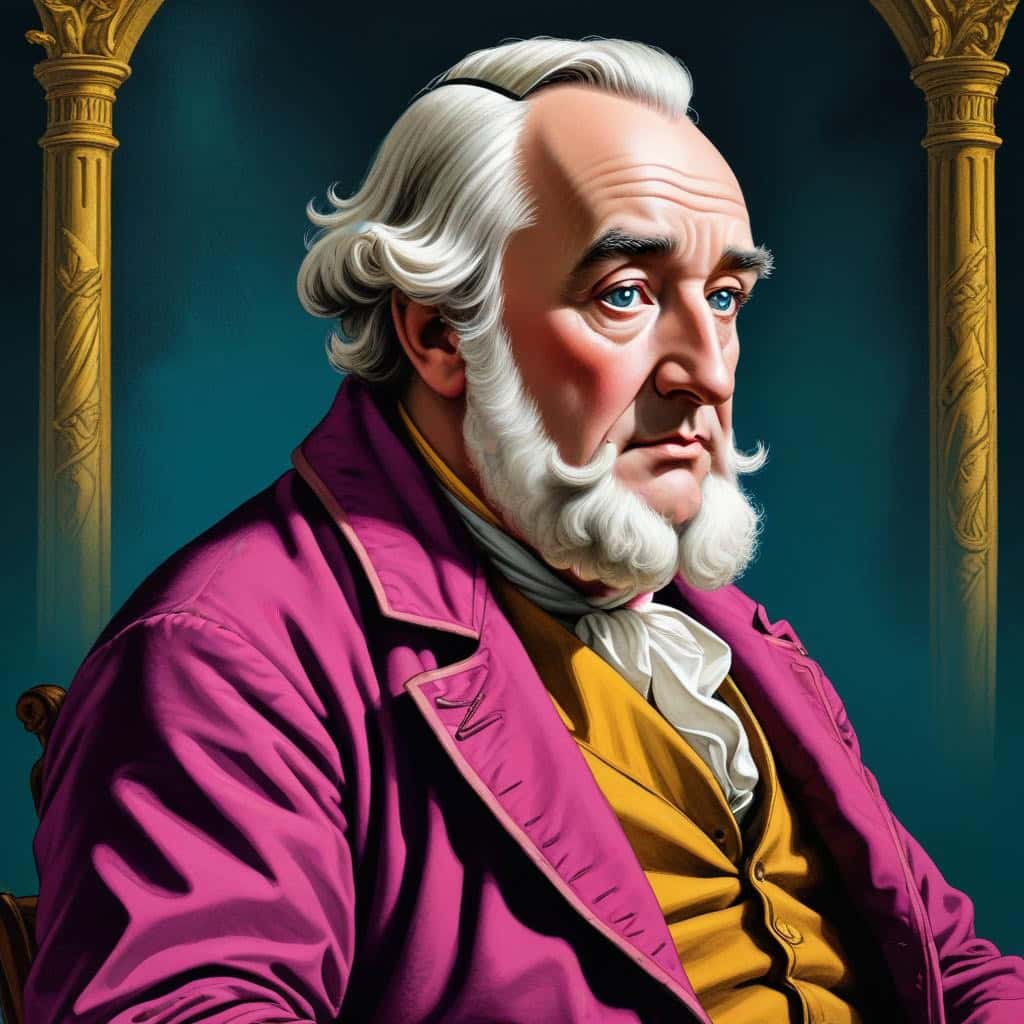
David Hume, a Scottish philosopher, challenged the idea of causality and the existence of an objective reality. He questioned our ability to perceive reality accurately and argued that our perceptions are shaped by our experiences and beliefs.

Immanuel Kant

Immanuel Kant

Immanuel Kant, a German philosopher, explored the nature of reality through his concept of the noumenon and the phenomenon. He questioned the limits of human knowledge and our ability to perceive reality beyond our subjective experiences.

Questioning Reality: A Philosophical Journey

Questioning Reality: A Philosophical Journey

As we delve into the world of questioning reality in philosophy, we are faced with a myriad of complex ideas and theories that challenge our understanding of the world around us. This journey forces us to reconsider our preconceived notions and beliefs, and encourages us to think critically about the nature of reality.

The Nature of Reality

The Nature of Reality

One of the fundamental questions in philosophy is the nature of reality. Is reality objective and independent of our perceptions, or is it subjective and shaped by our thoughts and experiences? Philosophers have debated this question for centuries, with no definitive answer in sight.

Skepticism and Doubt

Skepticism and Doubt

Skeptical philosophers have questioned our ability to truly know the world around us. They argue that our senses can be deceiving, and that what we perceive as reality may not be as it seems. This skepticism challenges us to rethink our assumptions and consider alternative perspectives.

The Matrix and Simulation Theory

The Matrix and Simulation Theory

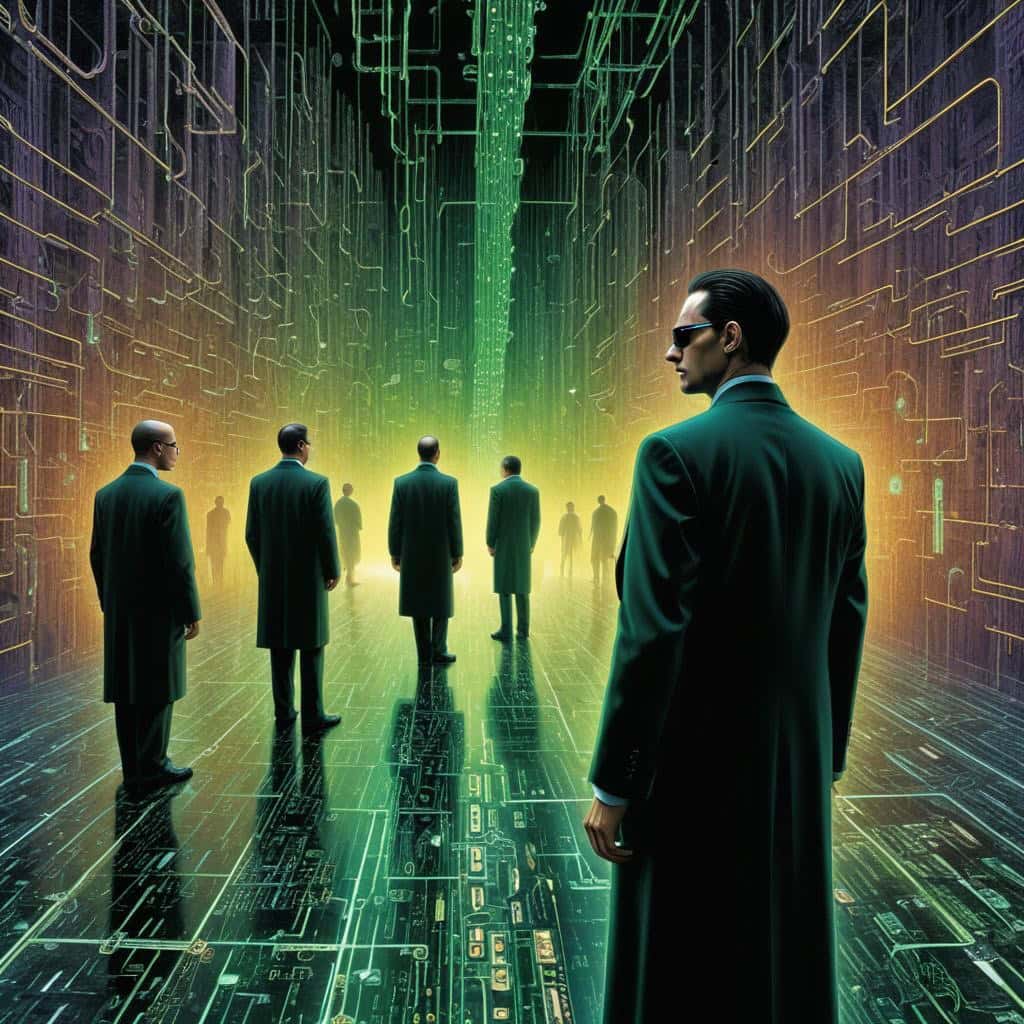
One popular thought experiment that explores the nature of reality is the Matrix. This theory posits that we could be living in a simulated reality, where our experiences are not genuine but rather artificially created. This concept raises intriguing questions about the nature of consciousness and the limits of human perception.

Platos Allegory of the Cave

Platos Allegory of the Cave

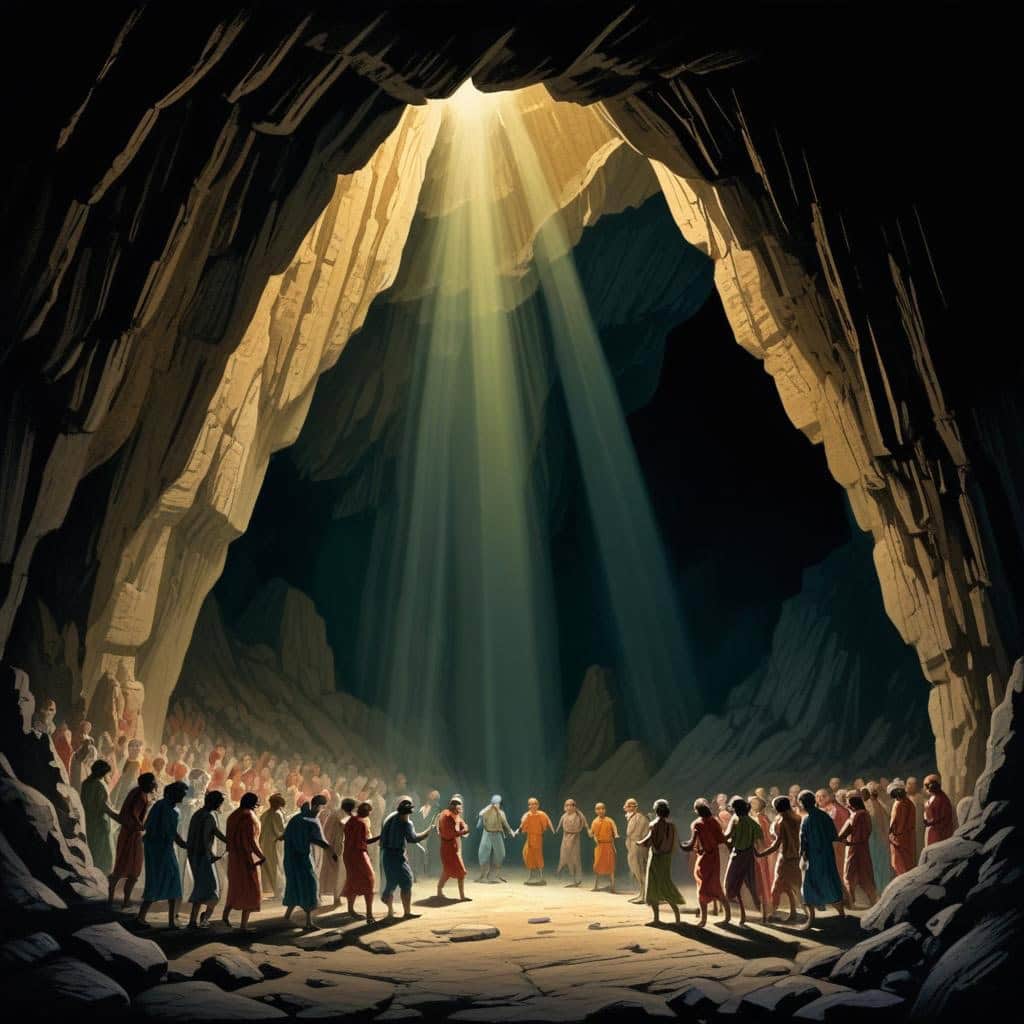
In Plato's famous allegory, he describes a group of people who have been chained in a cave their whole lives, only able to see shadows on the wall. When one of them is freed and sees the outside world, he struggles to comprehend the true nature of reality. This allegory illustrates the challenges of questioning our perceptions and seeking deeper truths.

Reality vs. Illusion

Reality vs. Illusion

Philosophers have long debated the distinction between reality and illusion. Are our perceptions accurate representations of the world, or are they merely illusions that cloud our understanding? This question forces us to confront the limitations of our knowledge and consider the possibility of multiple layers of reality.

The Role of Perception

The Role of Perception

Our perceptions play a crucial role in shaping our understanding of reality. How we interpret the world around us influences our beliefs and behaviors, and ultimately shapes our reality. By questioning the reliability of our perceptions, we open ourselves up to new possibilities and perspectives.

Constructivism and Reality

Constructivism and Reality

Constructivist philosophers argue that reality is not fixed and absolute, but rather constructed through our interactions and interpretations. This view challenges the notion of an objective reality and highlights the subjective nature of our experiences. By embracing constructivism, we can explore the complexities of reality and the diversity of human perspectives.

Mind-Body Problem

Mind-Body Problem

The mind-body problem is another key issue in questioning reality in philosophy. Philosophers ponder the relationship between the mind and the physical body, and whether consciousness is separate from the material world. This debate raises profound questions about the nature of human existence and the boundaries of reality.

Embracing Uncertainty

Embracing Uncertainty

Ultimately, questioning reality in philosophy is a journey of embracing uncertainty and exploring the depths of human knowledge. By challenging our assumptions and delving into the complexities of reality, we can gain a deeper understanding of ourselves and the world around us. This philosophical exploration invites us to think critically, reflect deeply, and continue questioning the nature of reality.

Questioning reality in the context of philosophy opens up a world of intriguing possibilities and challenges our perceptions of the world around us. By delving into the basics of this philosophical inquiry, we can begin to understand the complexities of existence and the nature of our own consciousness.

As we continue to explore the depths of reality through philosophical questioning, we are reminded of the importance of critical thinking and self-reflection. This journey of philosophical inquiry allows us to challenge our assumptions and deepen our understanding of the world we inhabit.

1 / 19

Lesson Details & Resources

In a Nutshell

  • Concept: A philosophical concept that challenges the nature of reality and our perception of it.
  • Thinkers: René Descartes, George Berkeley, Immanuel Kant, 17th-18th Century.
  • Central Question: How can we know what is real and what is an illusion?
  • Core Implication: The existence of an objective reality may be uncertain, leading to skepticism and a reevaluation of our beliefs and perceptions.

Timeline of Questioning Reality

No timeline events found.

Vocabulary List

Solipsism
Solipsism is a common theme in philosophical discussions about questioning reality, as it raises the possibility that everything we perceive could be a product of our own minds.
Phenomenalism
Phenomenalism challenges the idea of an objective reality, suggesting that what we perceive as reality is actually a construction of our own minds.
Epistemology
Epistemology plays a crucial role in questioning reality, as it examines how we come to know and understand the world around us, and whether our perceptions can be trusted.
Skepticism
Skepticism is often used as a method of questioning reality in philosophy, as it encourages a critical examination of our beliefs and perceptions.
Dualism
Dualism raises questions about the nature of reality and the relationship between the physical world and our conscious experience.

Key Facts

This is the information used in the fact matching game

  • René Descartes famously questioned reality with his statement 'I think, therefore I am.'
  • Philosophers like George Berkeley argued that reality is dependent on perception, known as subjective idealism.
  • Immanuel Kant proposed that reality is shaped by the mind, leading to his theory of transcendental idealism.

  • Existentialists such as Jean-Paul Sartre believed that reality is subjective and that individuals create their own meaning in life.
  • Simulated reality theory suggests that our reality may be a computer-generated simulation.
  • The brain in a vat scenario questions whether our reality is just a product of our minds being manipulated by external forces.

  • The allegory of the cave by Plato explores the concept of reality as shadows on a wall, with the true reality being outside the cave.
  • Solipsism is the philosophical belief that only one's own mind is sure to exist, questioning the reality of the external world.
  • The Matrix movie trilogy popularized the idea of questioning reality through the use of simulated worlds and artificial intelligence.

  • Hegel's dialectical method involves questioning the nature of reality through the process of thesis, antithesis, and synthesis.
  • Nietzsche's concept of perspectivism challenges the idea of an objective reality, suggesting that truth is subjective and dependent on individual perspectives.
  • The Uncertainty Principle in quantum mechanics raises questions about the nature of reality at the subatomic level.

  • The Many Worlds Interpretation of quantum mechanics proposes that every possible outcome of an event exists in a separate reality.
  • Epistemological skepticism questions the possibility of knowing anything for certain, including the nature of reality itself.
  • The concept of time as an illusion challenges our perception of reality as a linear progression.

  • The philosophy of phenomenology focuses on the study of subjective experience and consciousness, questioning the nature of reality as perceived by individuals.
  • The concept of double truth in medieval philosophy raises questions about the compatibility of religious and philosophical truths in determining reality.
  • The problem of universals in metaphysics questions the reality of abstract concepts and their existence independent of individual instances.

  • The Ship of Theseus paradox challenges our understanding of identity and reality through the gradual replacement of parts in a ship.
  • The concept of reality tunnels explores how individual perceptions shape their reality, leading to different interpretations of the world.

Analysis & Significance

The Core Argument

Questioning reality is a fundamental philosophical concept that challenges our perception of the world around us. It prompts us to consider whether our experiences and beliefs accurately reflect the true nature of reality or if they are merely illusions or constructs of our minds.

Criticisms and Counterarguments

Critics of questioning reality argue that it can lead to skepticism and a disconnect from reality. They suggest that constantly questioning the validity of our experiences may hinder our ability to function effectively in the world and lead to a sense of nihilism or existential crisis.

Modern Relevance

In a world filled with misinformation, fake news, and deepfake technology, the concept of questioning reality has never been more relevant. It serves as a reminder to critically evaluate the information we are presented with, challenge our assumptions, and seek to uncover the truth amidst a sea of manipulation and distortion.

Questioning Reality Games

Was This Lesson Helpful?

Please log in or sign up to rate this lesson. 

Take Your Learning Offline

Want a convenient, print-ready study guide for this lesson? Become a Memory Wizards Pro member to unlock the downloadable " Memory Scrolls" for this topic and our entire library!

  • ✓ Complete Vocabulary Lists
  • ✓ Key Facts & Timelines
  • ✓ Beautifully Formatted for Print & Mobile
Upgrade to Pro

You must be logged in to provide feedback. Please log in or create a free account.

Scroll to Top