
How Do You Learn Best?
Learn by Reading
Immerse yourself in the 10-minute visual lesson for a comprehensive understanding of the topic.
Learn by Reviewing
Jump directly to the key facts, timeline, and vocabulary lists to build a solid foundation of details.
Learn by Doing
Challenge yourself! Jump straight into the interactive games to learn by trial, error, and discovery.
The Republic in 10 Minutes
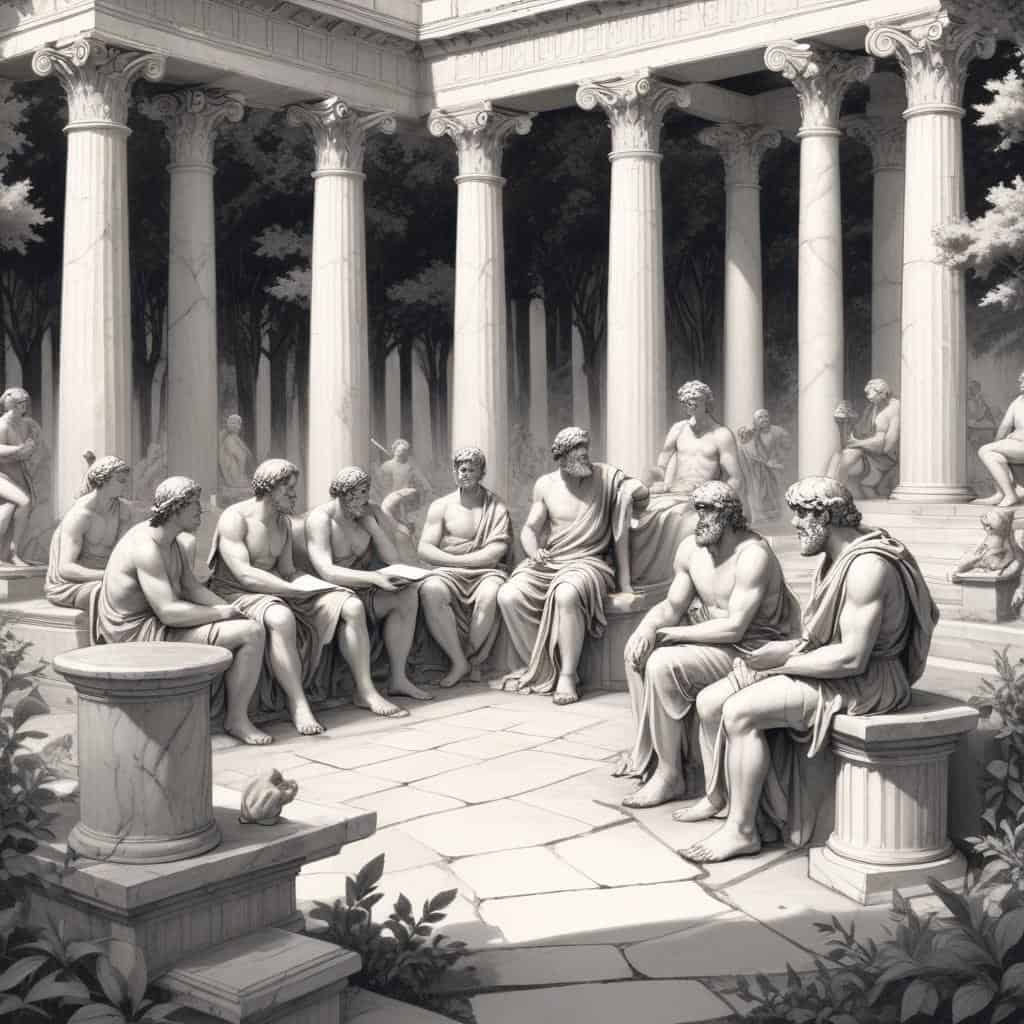
Introduction
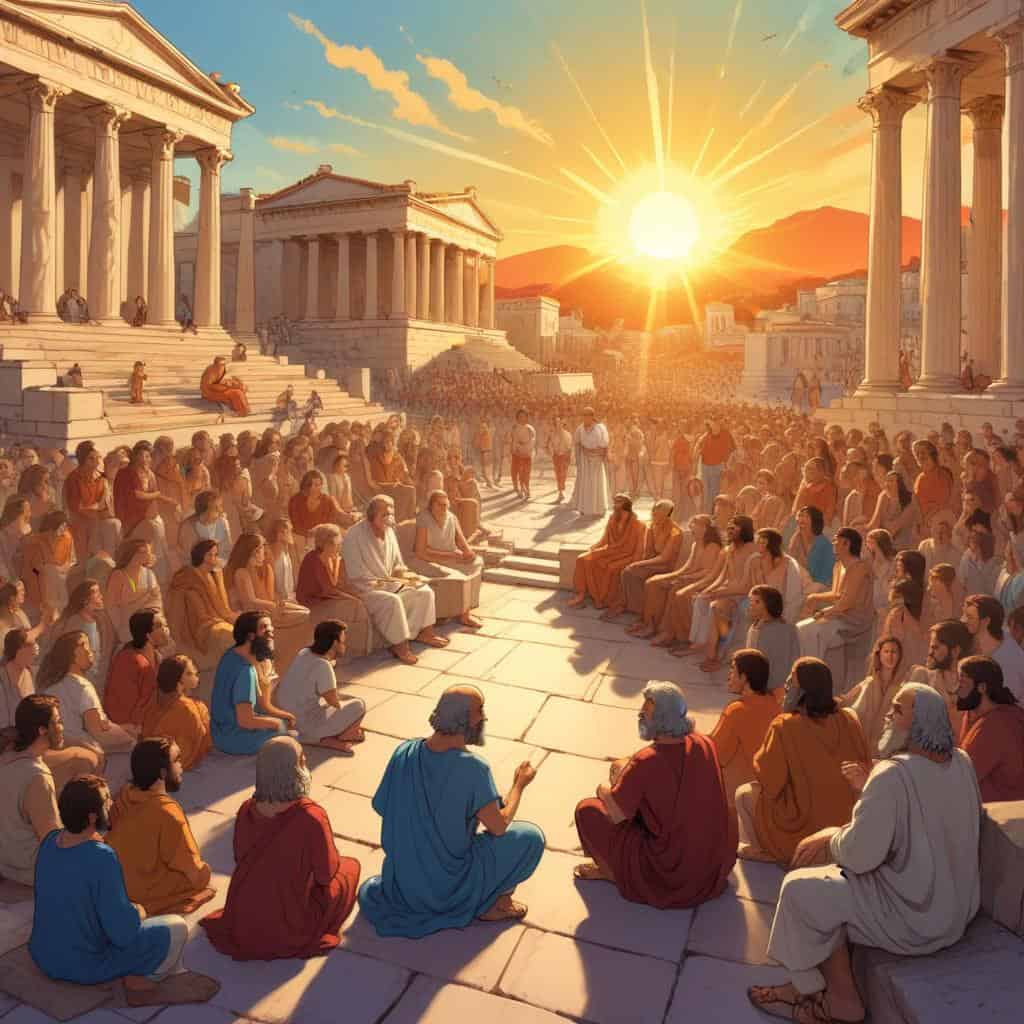
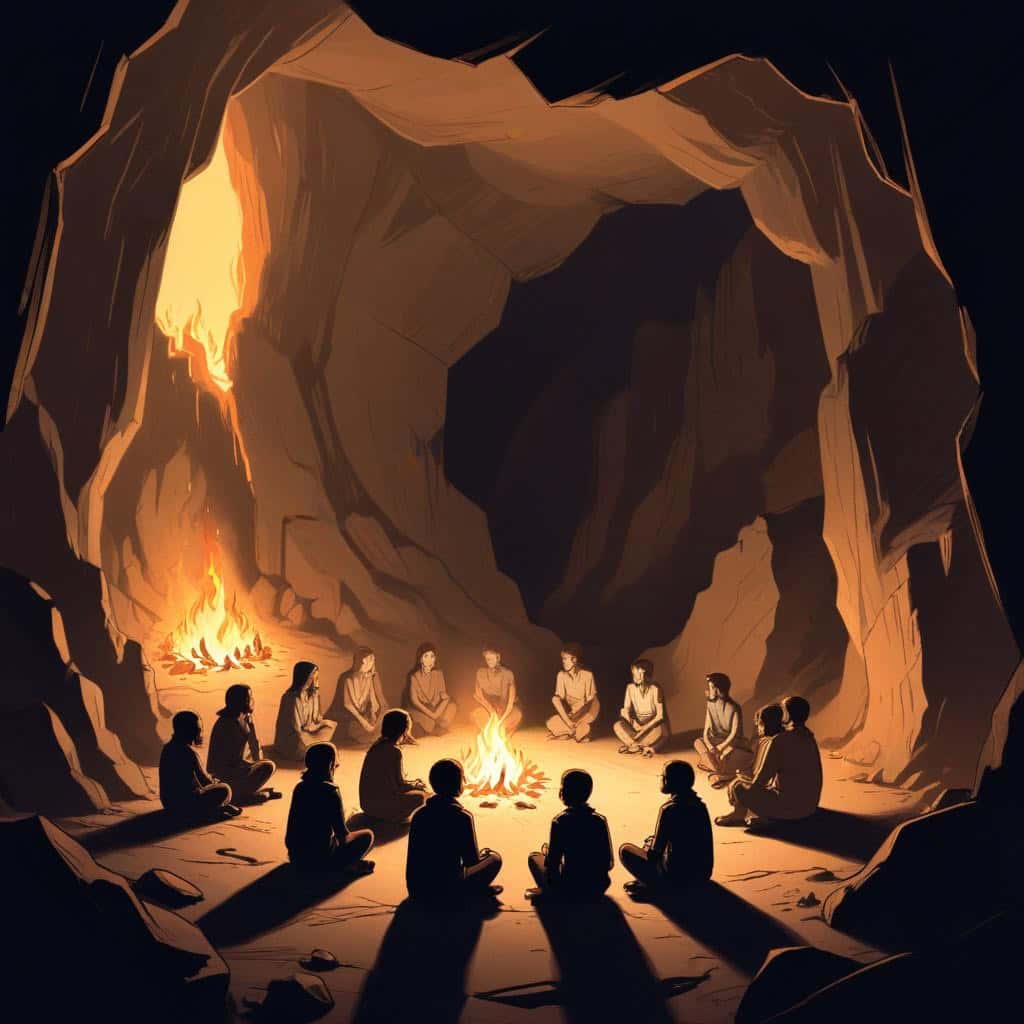

Socrates
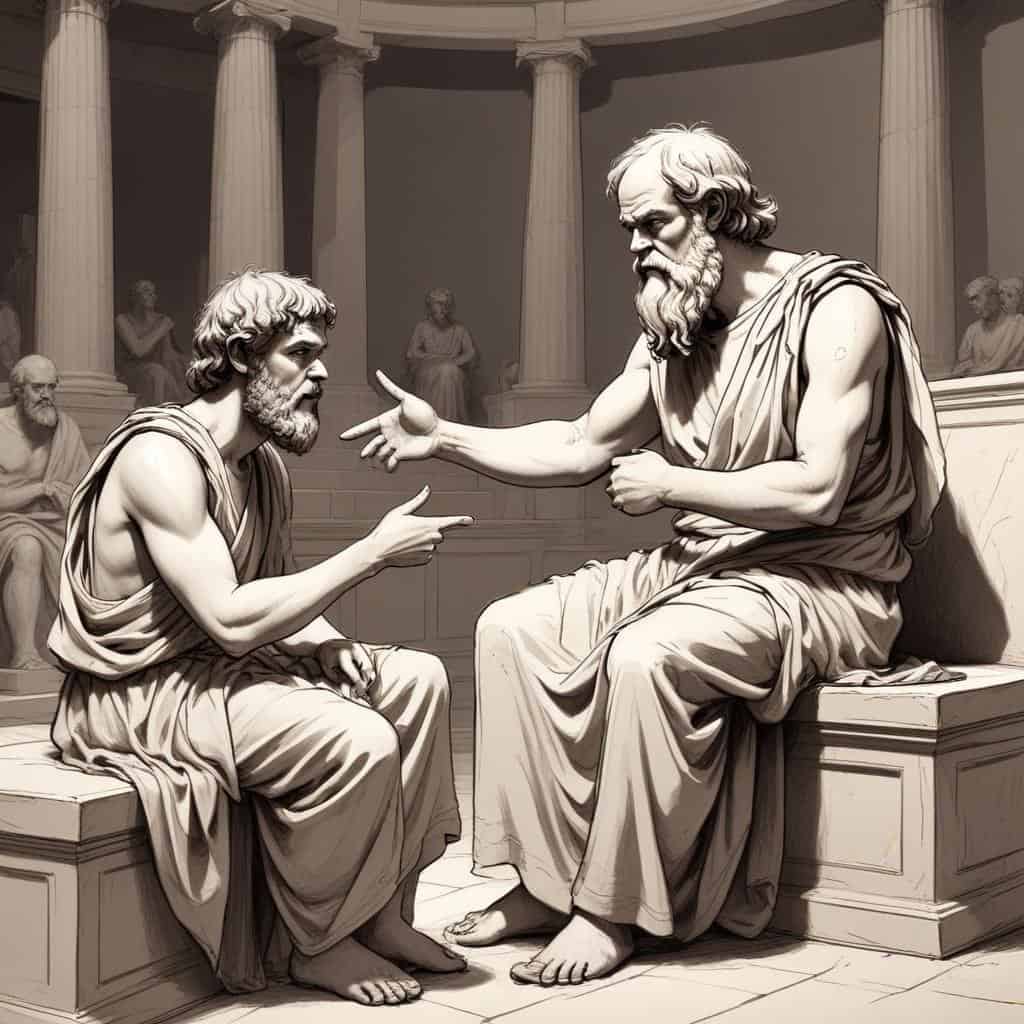
Glaucon

Adeimantus

Thrasymachus

Plato
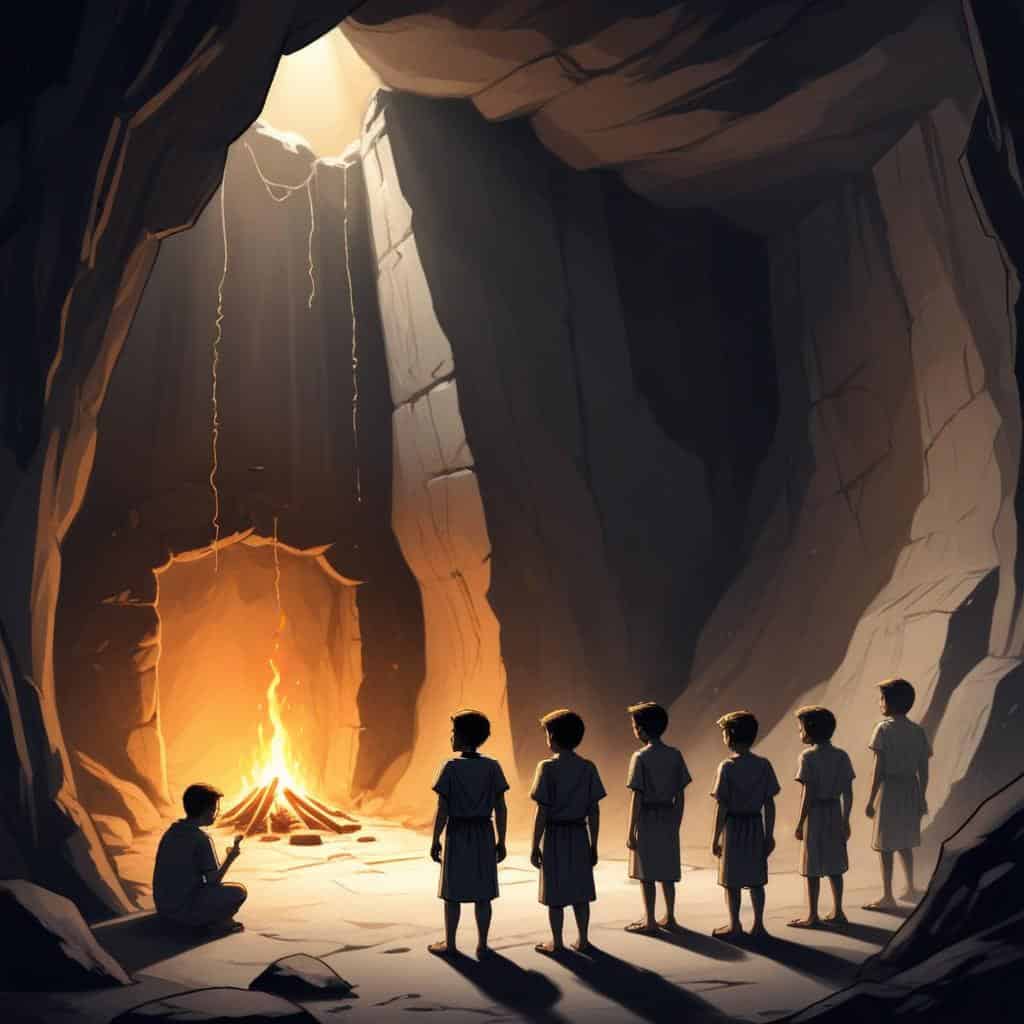
The Allegory of the Cave
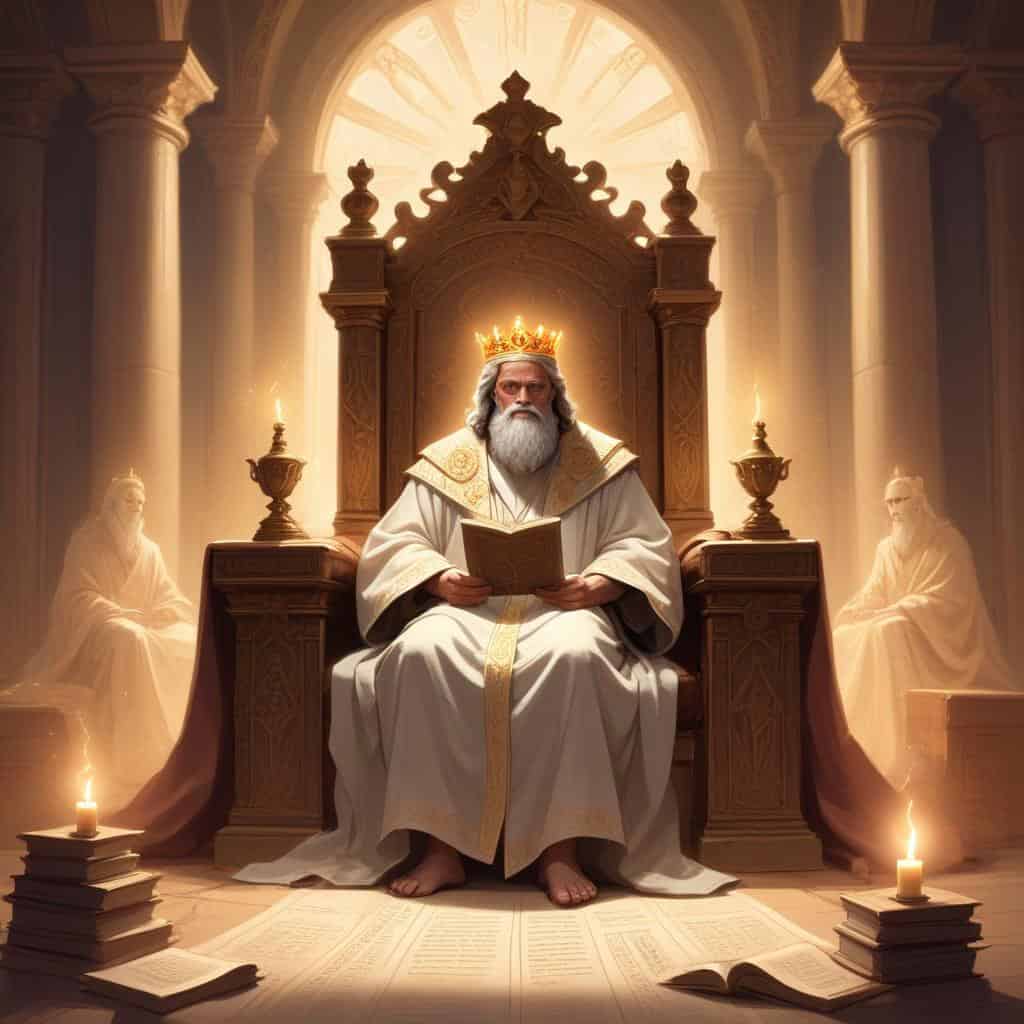
The Philosopher King
The Three Parts of the Soul
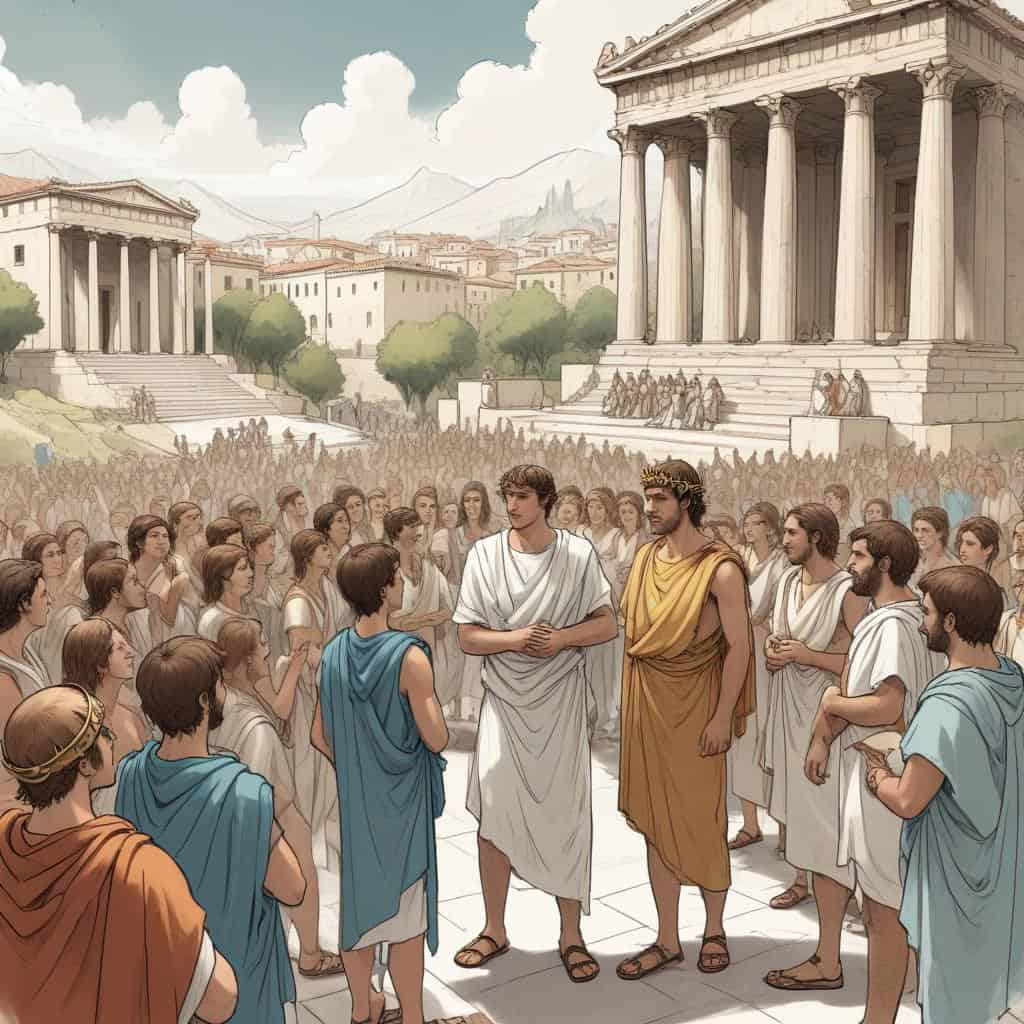
The Ideal State

The Education of the Guardians

The Theory of Forms
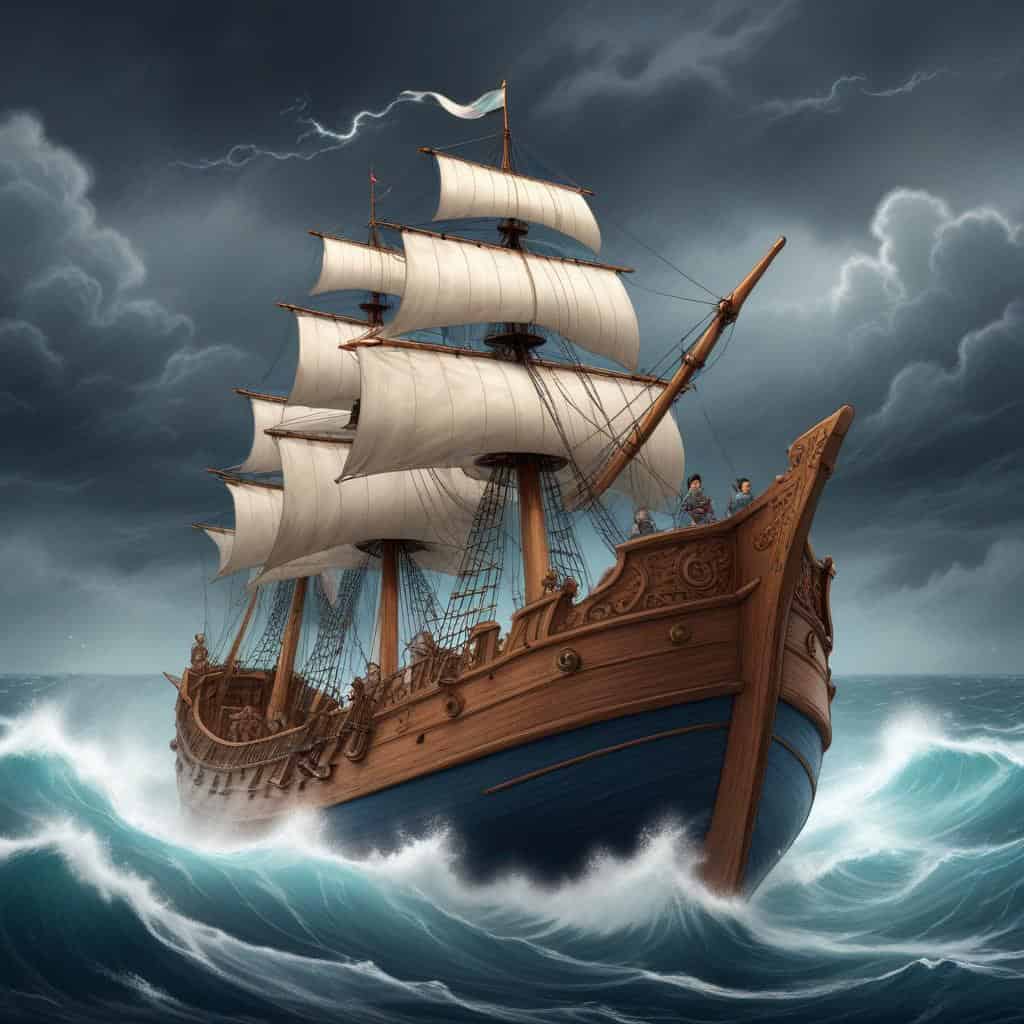
The Allegory of the Ship
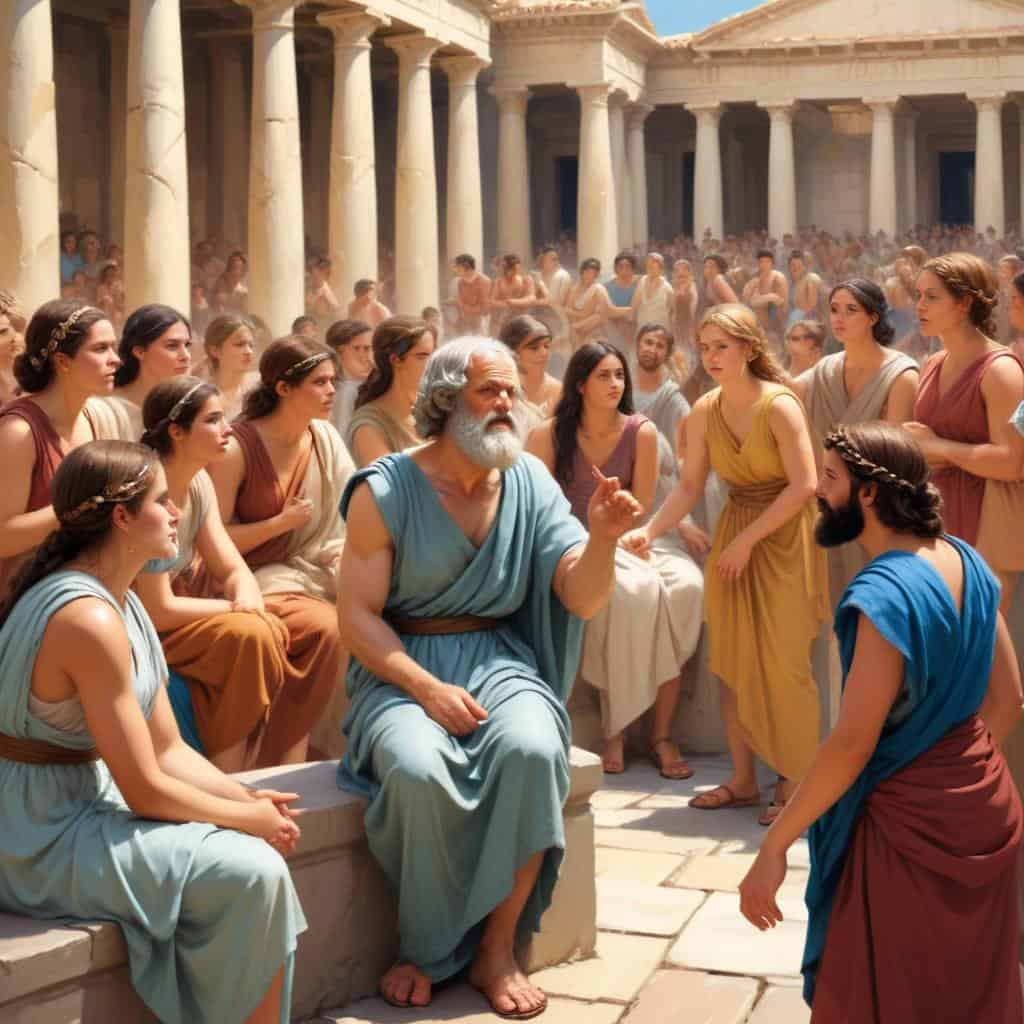
The Role of Women in Society
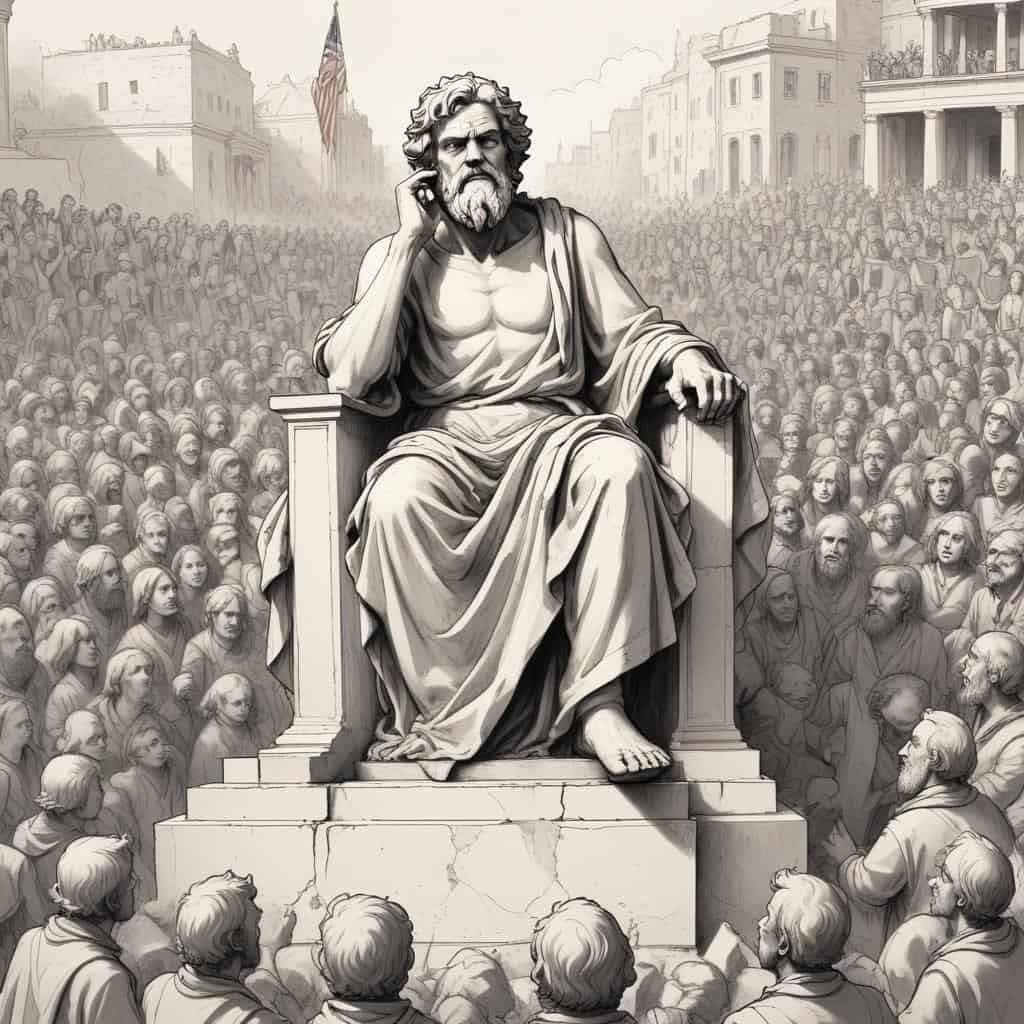
The Decline of States
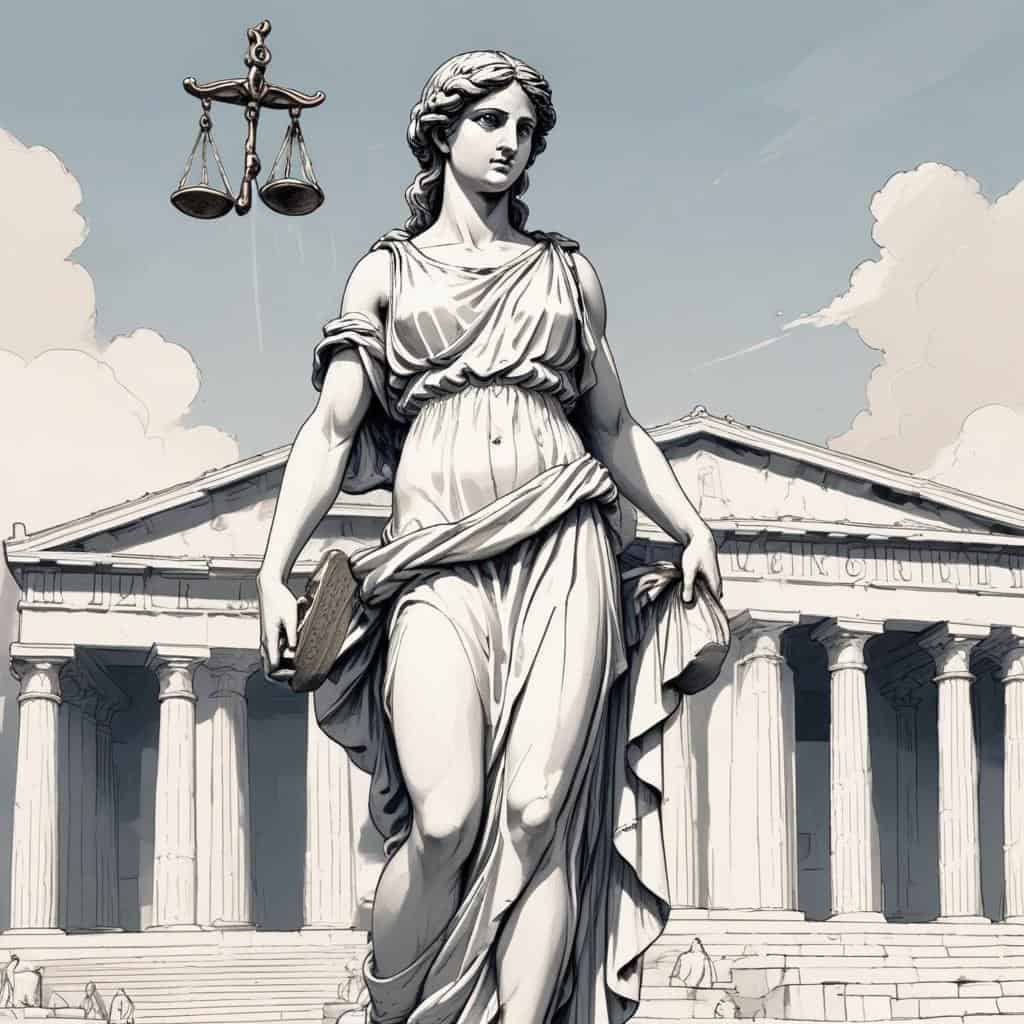
The Importance of Justice
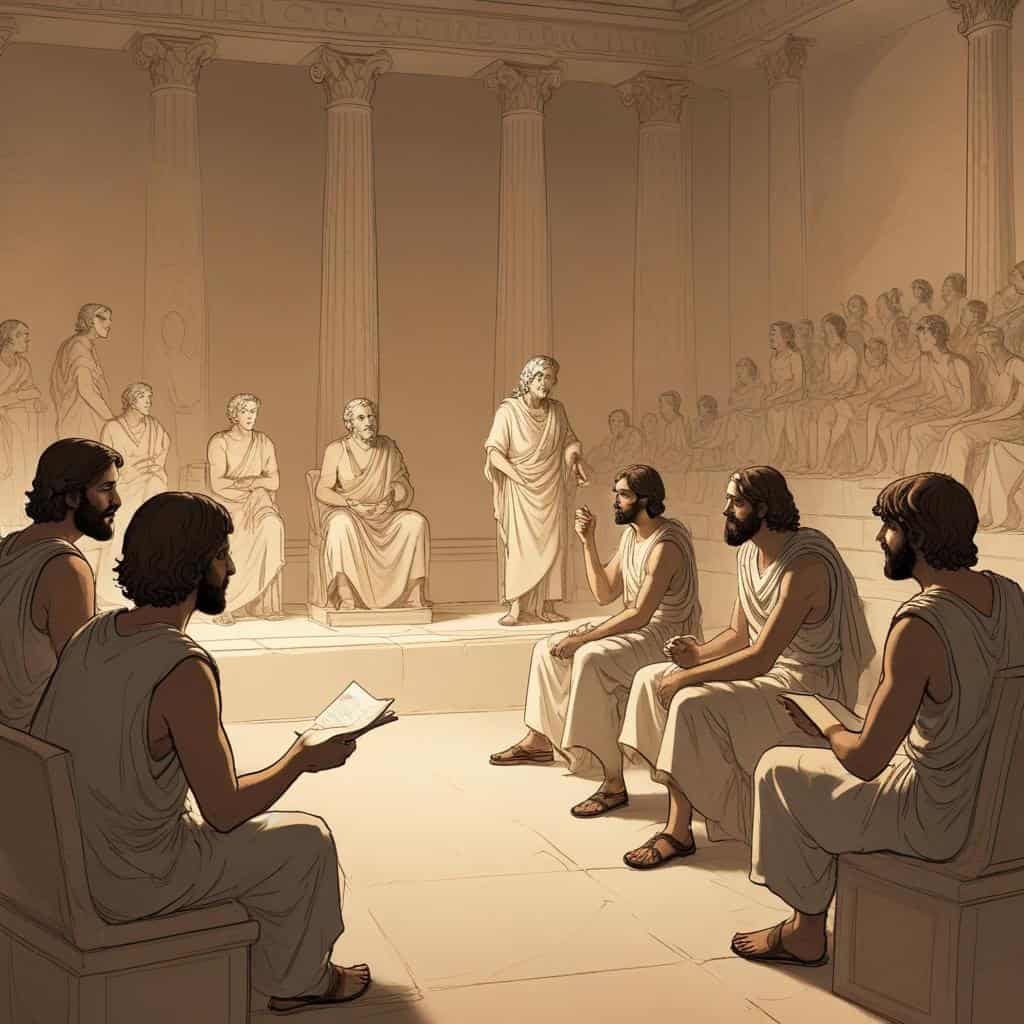
Lesson Details & Resources
In a Nutshell
- What: The Republic by Plato
- When: Written in ancient Greece
- Who: Socrates, Glaucon, Adeimantus
- Theme: Justice, morality, the ideal society
List of Characters in The Republic
-
Socrates
Socrates - The main character and philosopher who leads the discussion on justice and the ideal state.
-
Glaucon
Glaucon - Socrates' brother who challenges Socrates to define justice.
-
Thrasymachus
Thrasymachus - A sophist who argues that justice is the advantage of the stronger.
-
Cephalus
Cephalus - An elderly man who first introduces the topic of justice in the dialogue.
-
Adeimantus
Adeimantus - Another brother of Socrates who participates in the discussion on justice.
-
Polemarchus
Polemarchus - A friend of Socrates who also joins the conversation on justice.
Timeline of The Republic
Socrates discusses the nature of justice with various interlocutors in Athens.
Socrates argues that justice is the highest good for the individual and the state.
Socrates explains the concept of the philosopher-king and the ideal city-state.
Socrates critiques various forms of government, including democracy and tyranny.
Socrates discusses the role of education in creating virtuous citizens.
Socrates argues that the philosopher is the only one capable of ruling justly.
Socrates concludes that the just individual is happier than the unjust individual.
Socrates is sentenced to death by the Athenian court for corrupting the youth and impiety.
Socrates drinks hemlock and dies, leaving behind a legacy of philosophical inquiry and wisdom.
Vocabulary List
Key Facts
This is the information used in the fact matching game
- The Republic is a Socratic dialogue written by Plato around 380 BC.
- In The Republic, Socrates discusses justice and the ideal city-state.
- Socrates is the main character and speaker in The Republic.
- The Republic is divided into ten books.
- The allegory of the cave is one of the most famous passages in The Republic.
- The Republic explores the nature of justice, the ideal state, and the philosopher's role in society.
- The Republic has had a significant influence on Western political thought.
- Plato's theory of forms is a key concept in The Republic.
- The Republic is considered one of the greatest works of philosophy in Western history.
- The Republic addresses questions about the nature of reality and the meaning of life.
- The theory of the tripartite soul is introduced in The Republic.
- Socrates argues that philosophers should be kings in The Republic.
- The Republic is written in the form of a dialogue between Socrates and various interlocutors.
- The concept of the philosopher king is a central theme in The Republic.
- The Republic explores the nature of education and its role in shaping individuals.
- The Republic examines the relationship between the individual and society.
- Socrates argues that injustice is the result of ignorance in The Republic.
- The Republic is divided into three main sections: the city-state, the individual, and the soul.
- The Republic is considered the first work of political philosophy in Western history.
- The Republic raises questions about the nature of truth and the importance of knowledge.
Analysis & Significance
Impact on Literature
Plato’s ‘The Republic’ has had a profound impact on literature, laying the foundation for philosophical dialogue in storytelling. Its exploration of justice, morality, and the ideal society has influenced countless works of fiction and non-fiction, inspiring writers to delve into complex ethical questions within their narratives.
Enduring Themes
‘The Republic’ delves into timeless themes such as the nature of reality, the role of the individual in society, and the pursuit of truth. These themes continue to resonate with modern audiences, sparking discussions on the concept of justice, the importance of education, and the ideal form of government.
Cultural Significance Today
Plato’s work remains culturally significant today, with its legacy evident in various adaptations across different mediums. From plays and films to academic discussions and political debates, ‘The Republic’ continues to be a touchstone for exploring ethical dilemmas and envisioning the possibilities of a just society.
The Republic Games


Take Your Learning Offline
Want a convenient, print-ready study guide for this lesson? Become a Memory Wizards Pro member to unlock the downloadable " Memory Scrolls" for this topic and our entire library!
- ✓ Complete Vocabulary Lists
- ✓ Key Facts & Timelines
- ✓ Beautifully Formatted for Print & Mobile