
How Do You Learn Best?
Learn by Reading
Immerse yourself in the 10-minute visual lesson for a comprehensive understanding of the topic.
Learn by Reviewing
Jump directly to the key facts, timeline, and vocabulary lists to build a solid foundation of details.
Learn by Doing
Challenge yourself! Jump straight into the interactive games to learn by trial, error, and discovery.
Phaedo in 10 Minutes
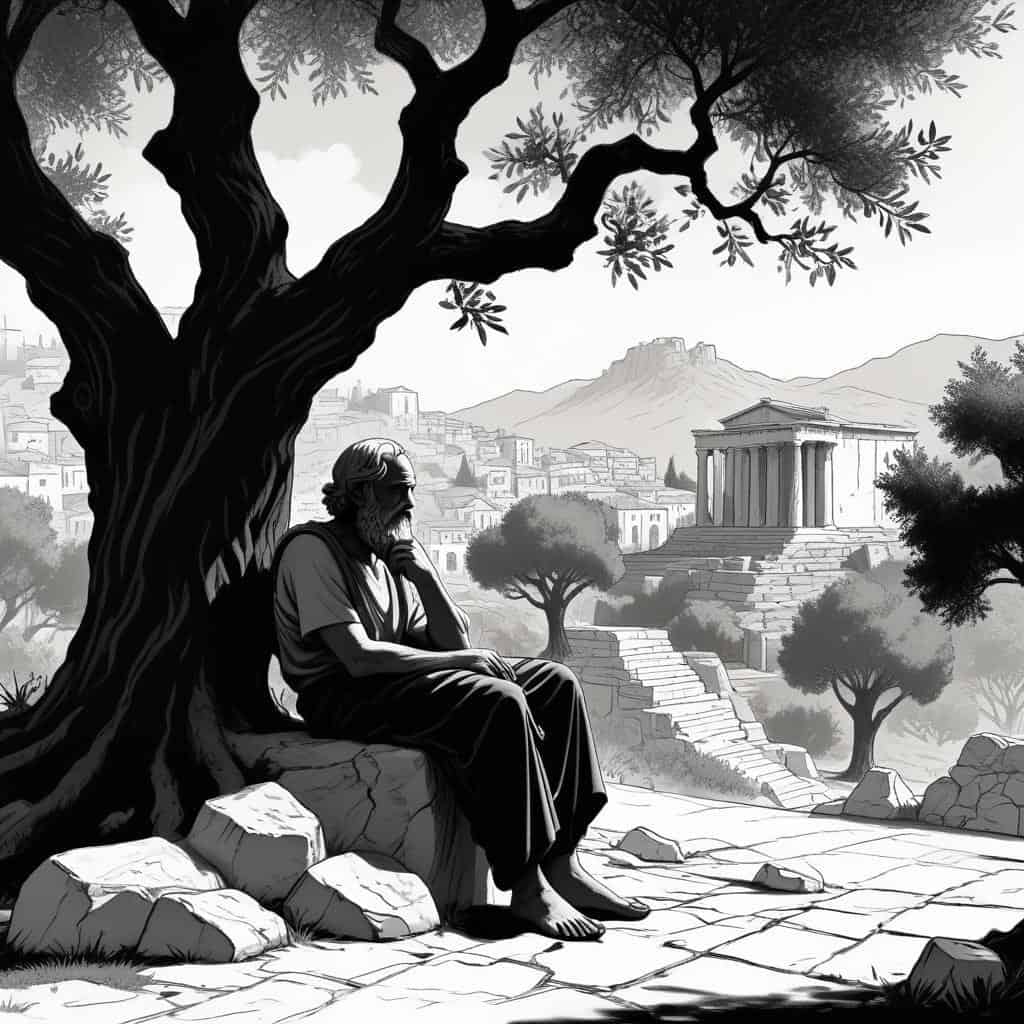
Introduction


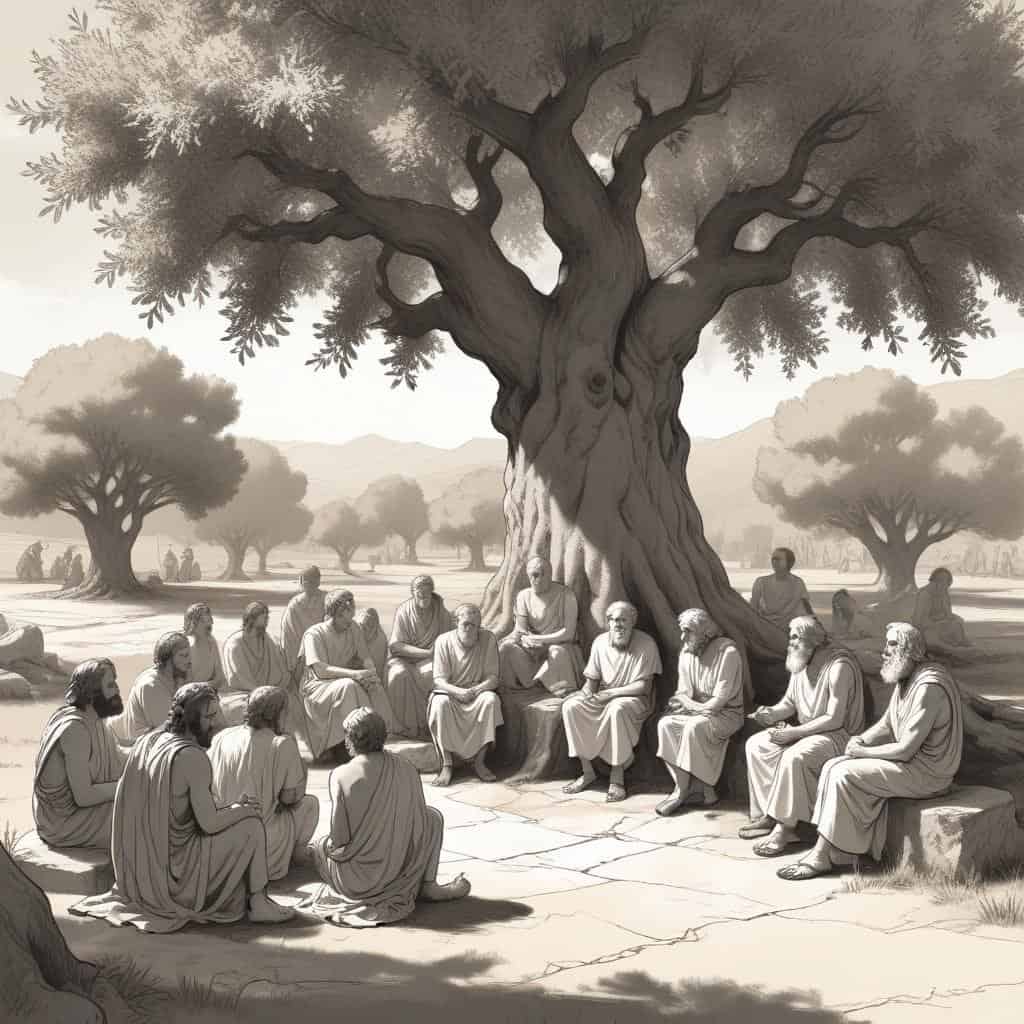
Socrates
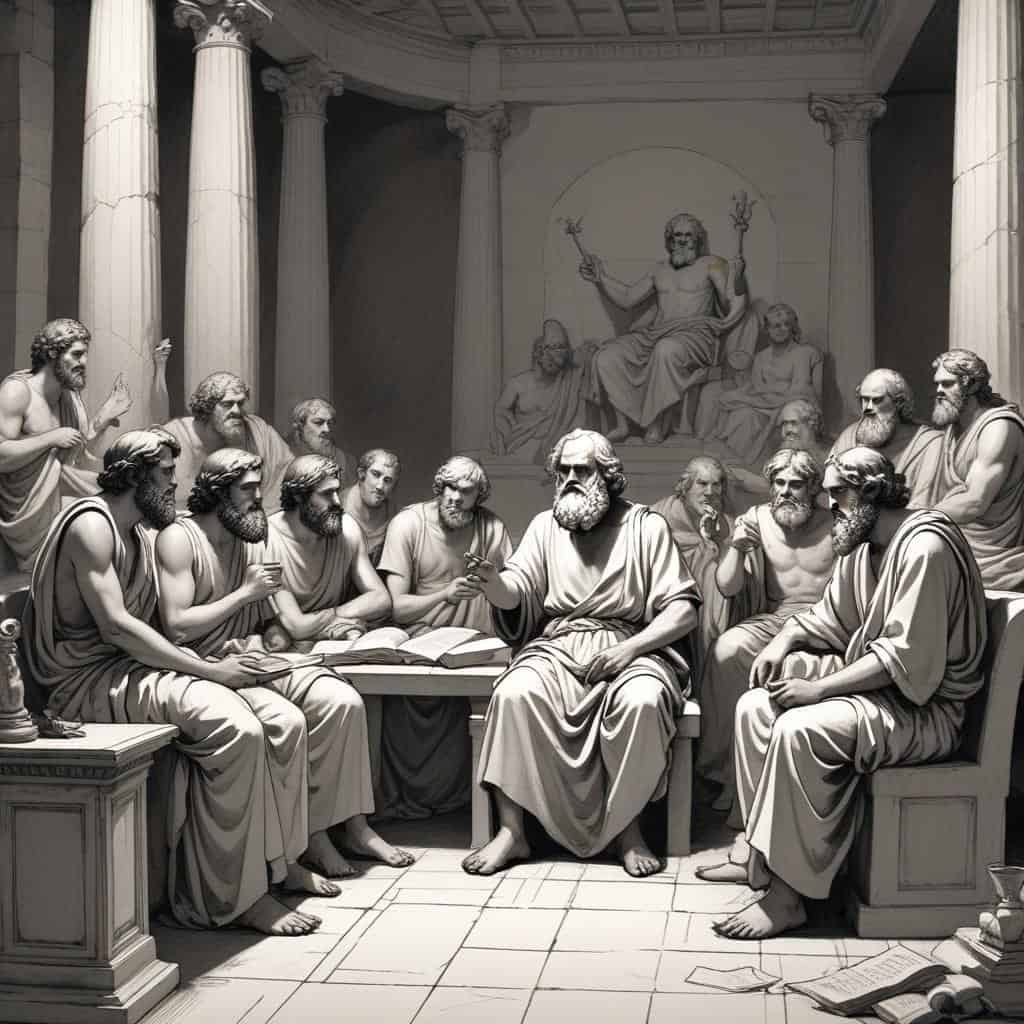
Phaedo of Elis

Simmias

Cebes

Echecrates

The Trial of Socrates

The Last Days of Socrates
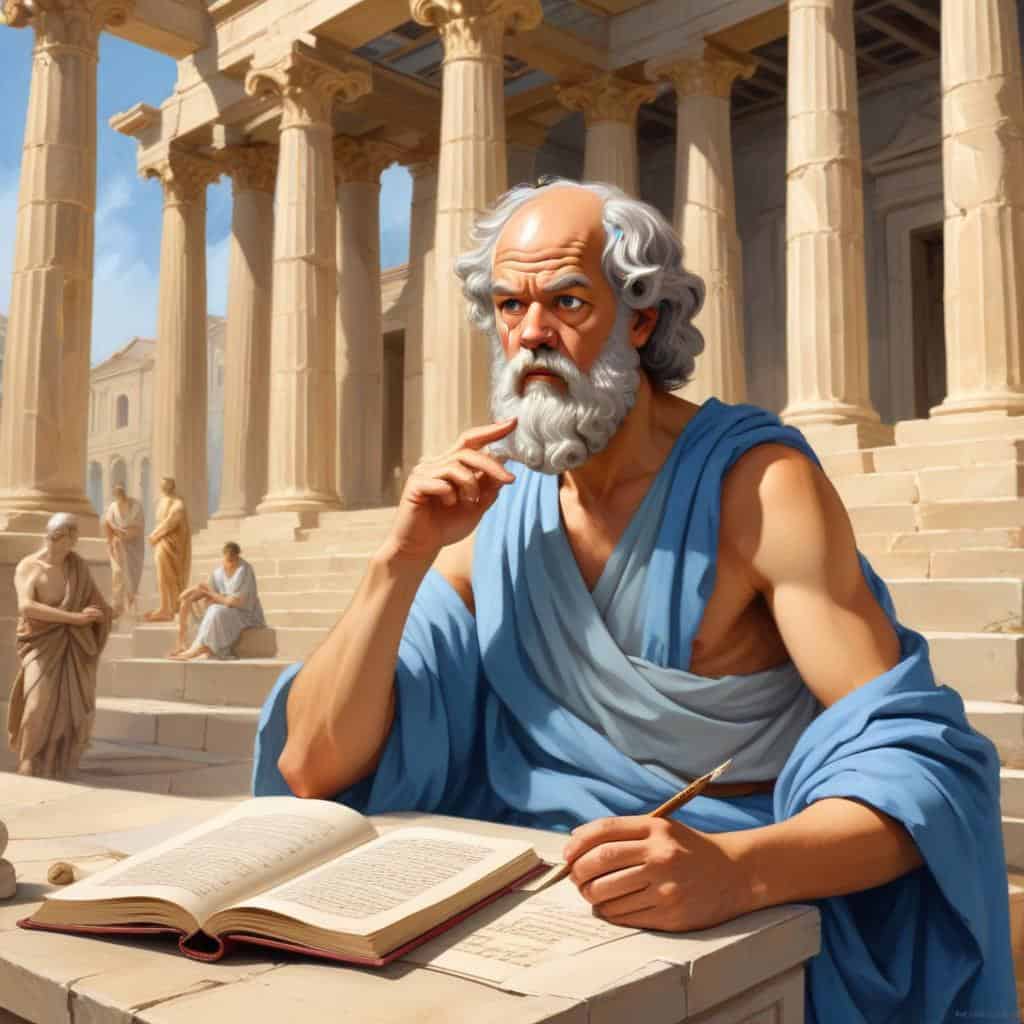
Socrates Argument for the Immortality of the Soul
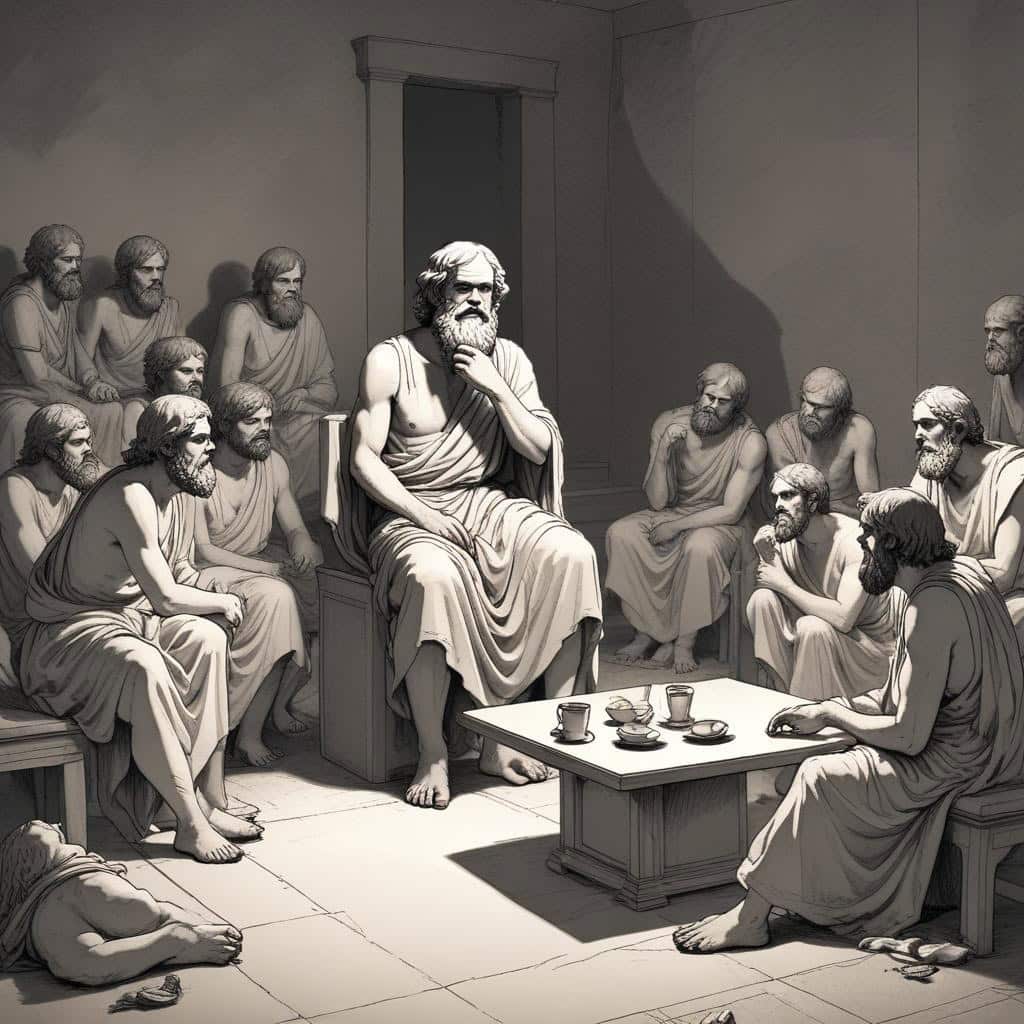
The Death of Socrates
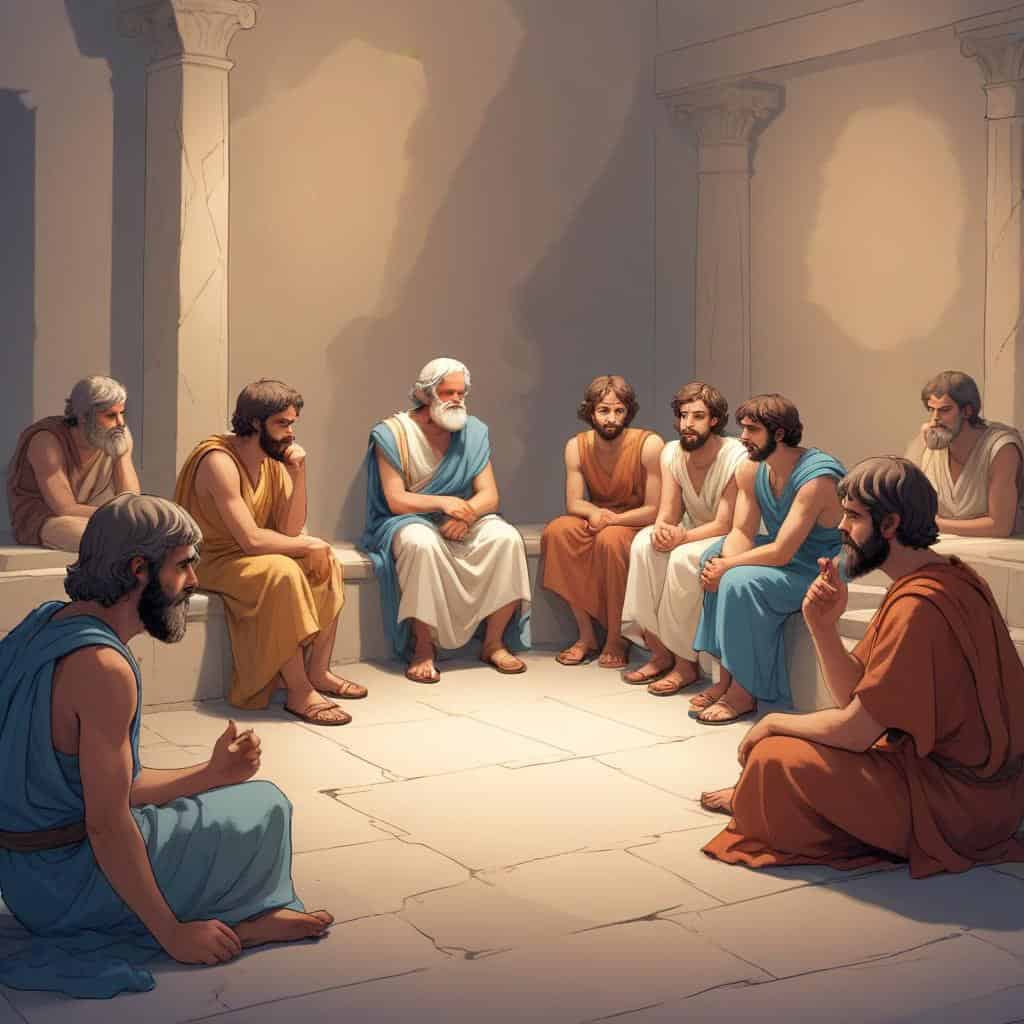
The Final Conversation

The Afterlife

Phaedos Account
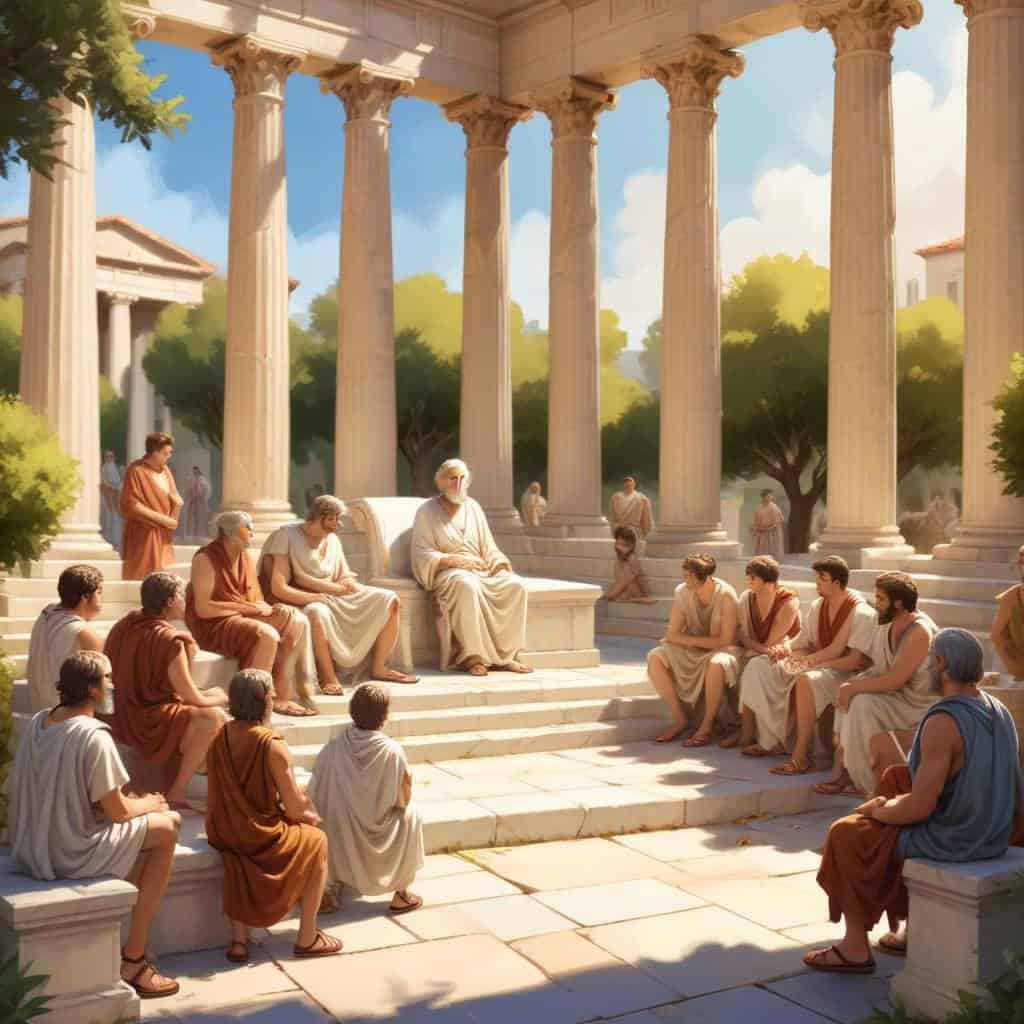
The Legacy of Socrates

Reflections on Mortality

Conclusion

Lesson Details & Resources
In a Nutshell
- What: ‘Phaedo’ by Plato
- When: Written in the Classical period of Ancient Greece
- Who: Socrates
- Theme: Immortality of the soul and the nature of philosophy
List of Characters in Phaedo
-
Socrates
Socrates is the main character and philosopher who is discussing the concept of the soul with his companions.
-
Phaedo
Phaedo is a student and friend of Socrates who is present during the final moments of Socrates' life.
-
Cebes
Cebes is another student of Socrates who participates in the discussion on the immortality of the soul.
-
Simmias
Simmias is a student of Socrates who offers counterarguments to Socrates' ideas on the immortality of the soul.
-
Echecrates
Echecrates is a follower of Socrates who listens to the account of Socrates' final moments as told by Phaedo.
Timeline of Phaedo
Socrates is in prison awaiting his execution by drinking poison
Phaedo, a close friend of Socrates, visits him in prison
Socrates engages in a series of philosophical discussions with his friends, including Phaedo
Socrates explains his belief in the immortality of the soul and the existence of an afterlife
Socrates discusses the nature of knowledge and the importance of living a virtuous life
Socrates drinks the poison hemlock and dies in the presence of his friends, including Phaedo
Phaedo recounts the final moments of Socrates' life and the impact of his teachings on himself and others
Vocabulary List
- Immortality
- Socrates discusses the immortality of the soul in Phaedo.
- Dialectic
- Socrates uses dialectic to explore the nature of the soul in Phaedo.
- Philosophy
- Phaedo is a philosophical dialogue by Socrates.
- Wisdom
- Socrates imparts his wisdom to his followers in Phaedo.
- Knowledge
- Socrates emphasizes the importance of knowledge in Phaedo.
- Ethics
- Socrates discusses ethics and morality in Phaedo.
- Death
- The theme of death is central to Phaedo as Socrates faces his own mortality.
- Soul
- Socrates debates the nature of the soul in Phaedo.
- Virtue
- Socrates argues that virtue is essential for a good life in Phaedo.
- Reasoning
- Socrates uses reasoning to make his arguments in Phaedo.
Key Facts
This is the information used in the fact matching game
- Phaedo is a dialogue written by Plato, depicting the final days of Socrates' life.
- Phaedo is set in the prison cell where Socrates is awaiting his execution.
- The dialogue discusses the immortality of the soul and the afterlife.
- Socrates' friends, including Crito and Simmias, are present in the dialogue.
- Phaedo recounts the conversations Socrates had on his last day with his friends.
- Socrates argues that the soul is immortal and that it exists before and after the body.
- The dialogue also explores the nature of knowledge and the Forms.
- Phaedo emphasizes the importance of living a just life and practicing philosophy.
- Socrates believes that the philosopher should be prepared for death and not fear it.
- The dialogue ends with Socrates drinking poison hemlock as his execution.
- Phaedo is considered one of Plato's most important works.
- The dialogue has influenced Western philosophy and thought for centuries.
- Plato uses Phaedo to explore his ideas on the soul, knowledge, and the good life.
- Phaedo presents Socrates as a wise and courageous philosopher who faces death with dignity.
- The dialogue raises questions about the nature of reality and the purpose of human existence.
- Phaedo is written in the form of a philosophical dialogue, with Socrates as the central figure.
- The dialogue is named after Phaedo of Elis, one of Socrates' followers who is present in the conversation.
- Phaedo explores the relationship between the body and the soul, arguing that the soul is superior and immortal.
- The dialogue reflects Socrates' commitment to truth, wisdom, and the pursuit of philosophical knowledge.
- Phaedo is a profound and thought-provoking work that continues to be studied and debated by scholars and philosophers.
Analysis & Significance
Impact on Literature
Phaedo, written by Plato, has had a profound impact on literature by introducing philosophical themes and discussions into the realm of storytelling. Its exploration of the nature of the soul, immortality, and the afterlife has inspired countless works of fiction and non-fiction alike.
Enduring Themes
The timeless themes of death, the soul, and the quest for knowledge explored in Phaedo still resonate with modern audiences today. The work’s examination of the human condition and our eternal search for meaning continues to captivate readers across cultures and generations.
Cultural Significance Today
Phaedo’s legacy lives on in various adaptations and references in popular culture. Its influence can be seen in literature, philosophy, and even film and television. The work’s enduring relevance speaks to its profound impact on Western thought and storytelling.
Phaedo Games


Take Your Learning Offline
Want a convenient, print-ready study guide for this lesson? Become a Memory Wizards Pro member to unlock the downloadable " Memory Scrolls" for this topic and our entire library!
- ✓ Complete Vocabulary Lists
- ✓ Key Facts & Timelines
- ✓ Beautifully Formatted for Print & Mobile