
How Do You Learn Best?
Learn by Listening
Start with the 3-minute audio summary to get the key facts and narrative highlights quickly.
Learn by Reading
Immerse yourself in the 10-minute visual lesson for a comprehensive understanding of the topic.
Learn by Reviewing
Jump directly to the key facts, timeline, and vocabulary lists to build a solid foundation of details.
Learn by Doing
Challenge yourself! Jump straight into the interactive games to learn by trial, error, and discovery.
Audio Library
As one of our featured lessons, this topic includes premium audio guides.
Unlock the Wizard's Cram Session
This powerful audio study guide is a Pro-exclusive feature. Upgrade to Memory Wizards Pro to access this and all of our premium learning tools.
Upgrade to ProThe Two Noble Kinsmen in 10 Minutes
Introduction

Theseus

Palamon
Arcite

Emilia

Hippolyta

The Jailers Daughter Falls in Love
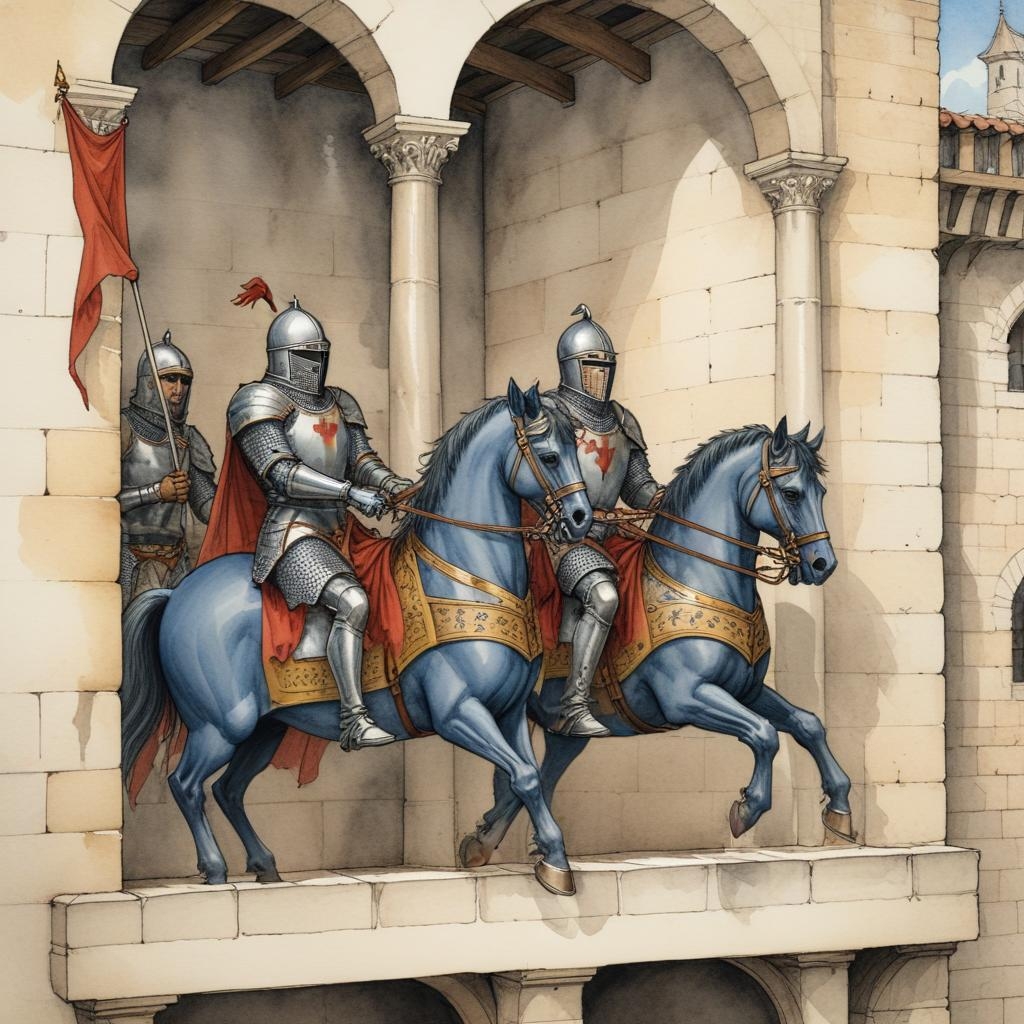
The Kinsmen Compete for Emilias Love

The Kinsmen Are Released from Prison

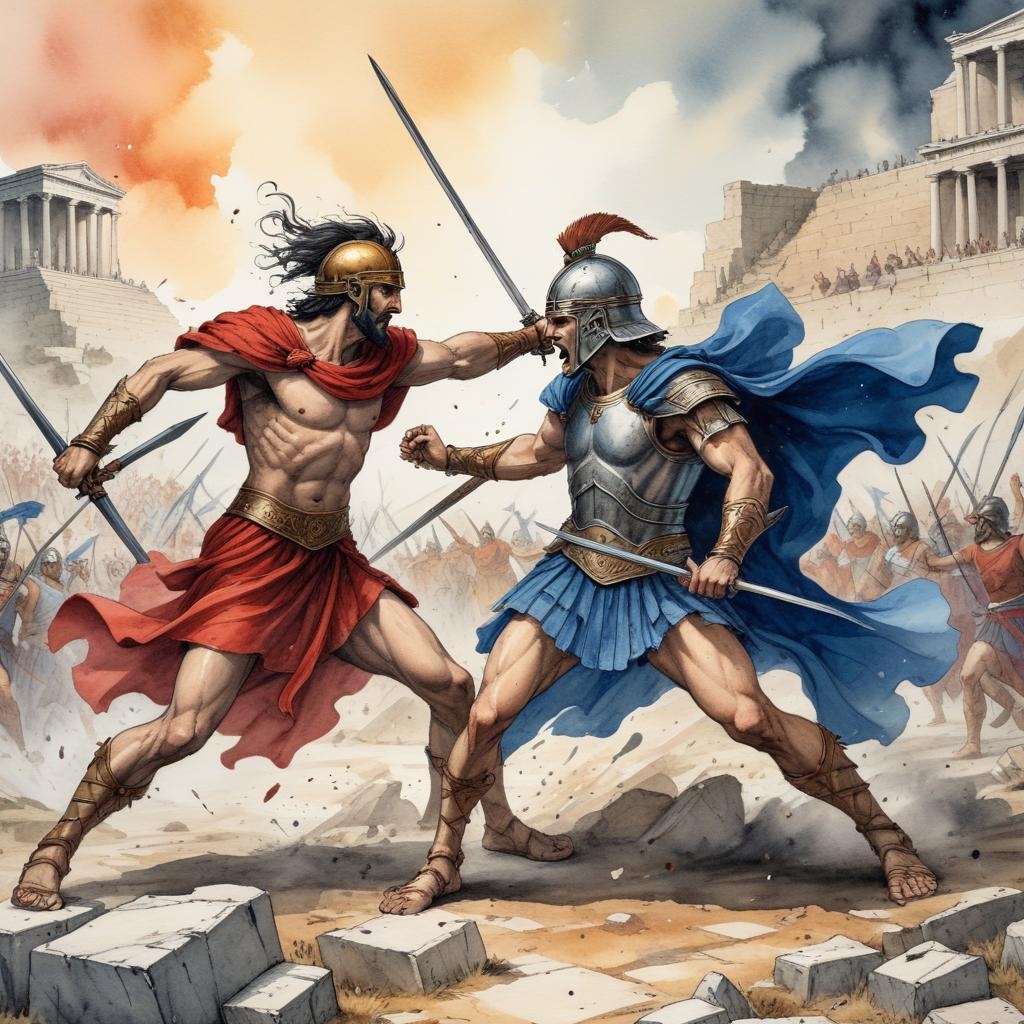
The Kinsmen Duel for Emilias Hand

Arcite Wins Emilias Favor

Palamon and Arcites Reunion

The Final Battle for Emilia

Emilias Decision

The Jailers Daughters Tragic End

The Resolution
Lesson Details & Resources
In a Nutshell
- What: A play by William Shakespeare and John Fletcher
- When: Written in the early 17th century
- Who: The main characters are Palamon, Arcite, and Emilia
- Theme: The core theme of the work is love and rivalry
List of Characters in The Two Noble Kinsmen
-
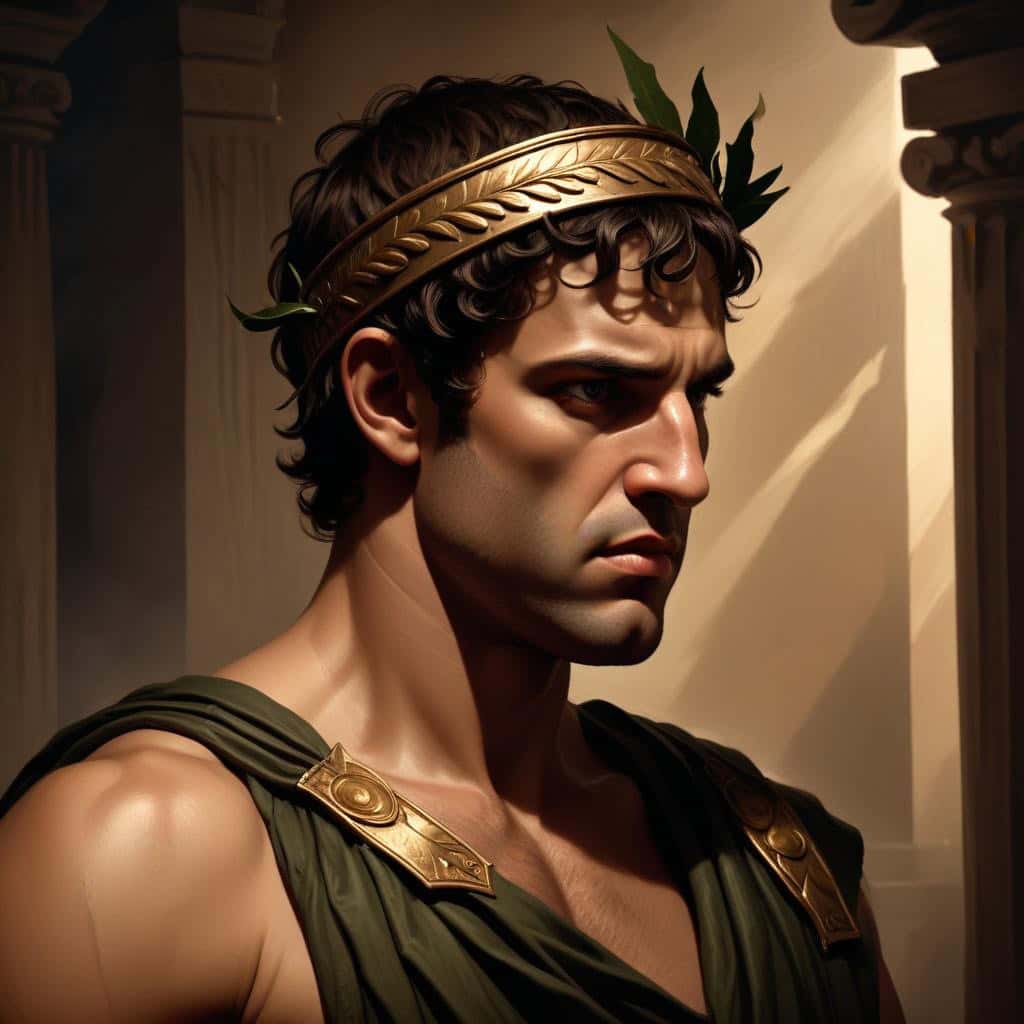
Theseus
Theseus - Duke of Athens and husband to Hippolyta
-
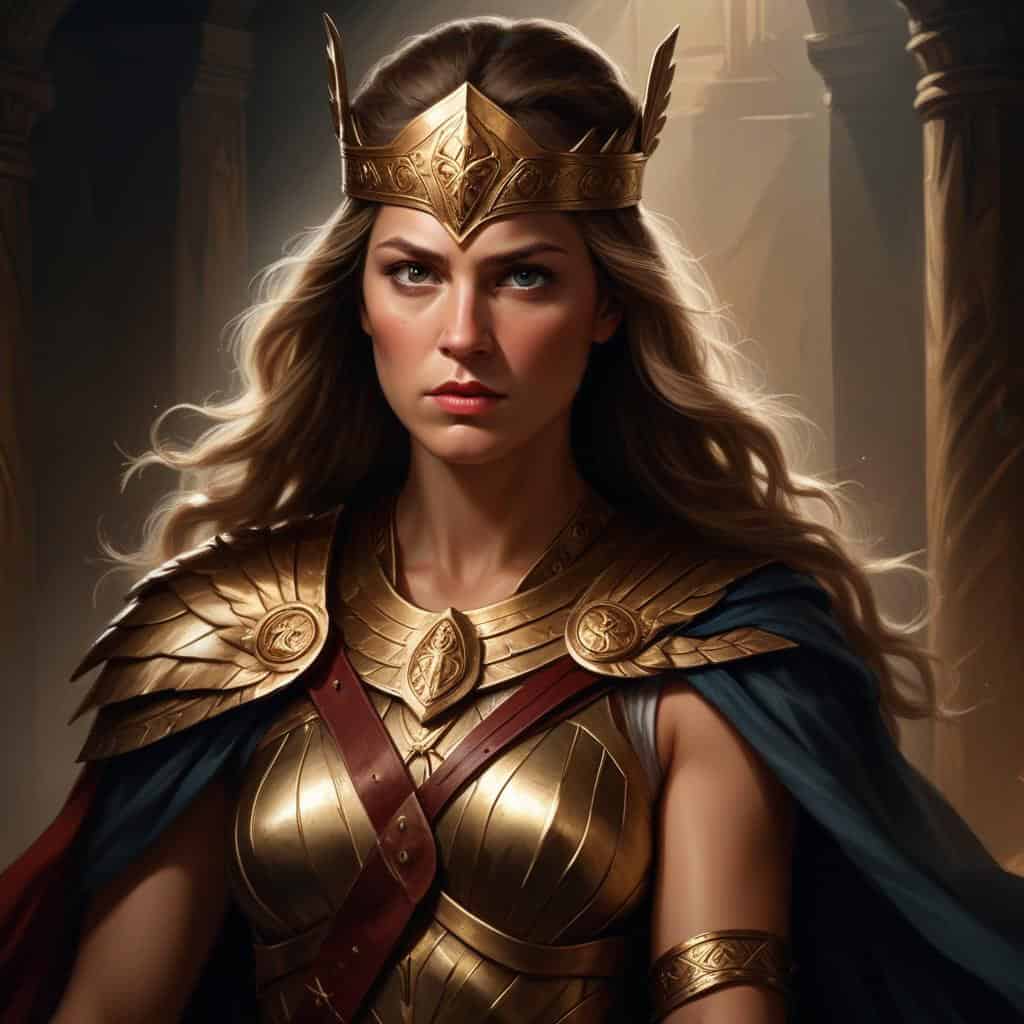
Hippolyta
Hippolyta - Queen of the Amazons, betrothed to Theseus
-

Emilia
Emilia - Sister to Hippolyta and love interest of Palamon and Arcite
-
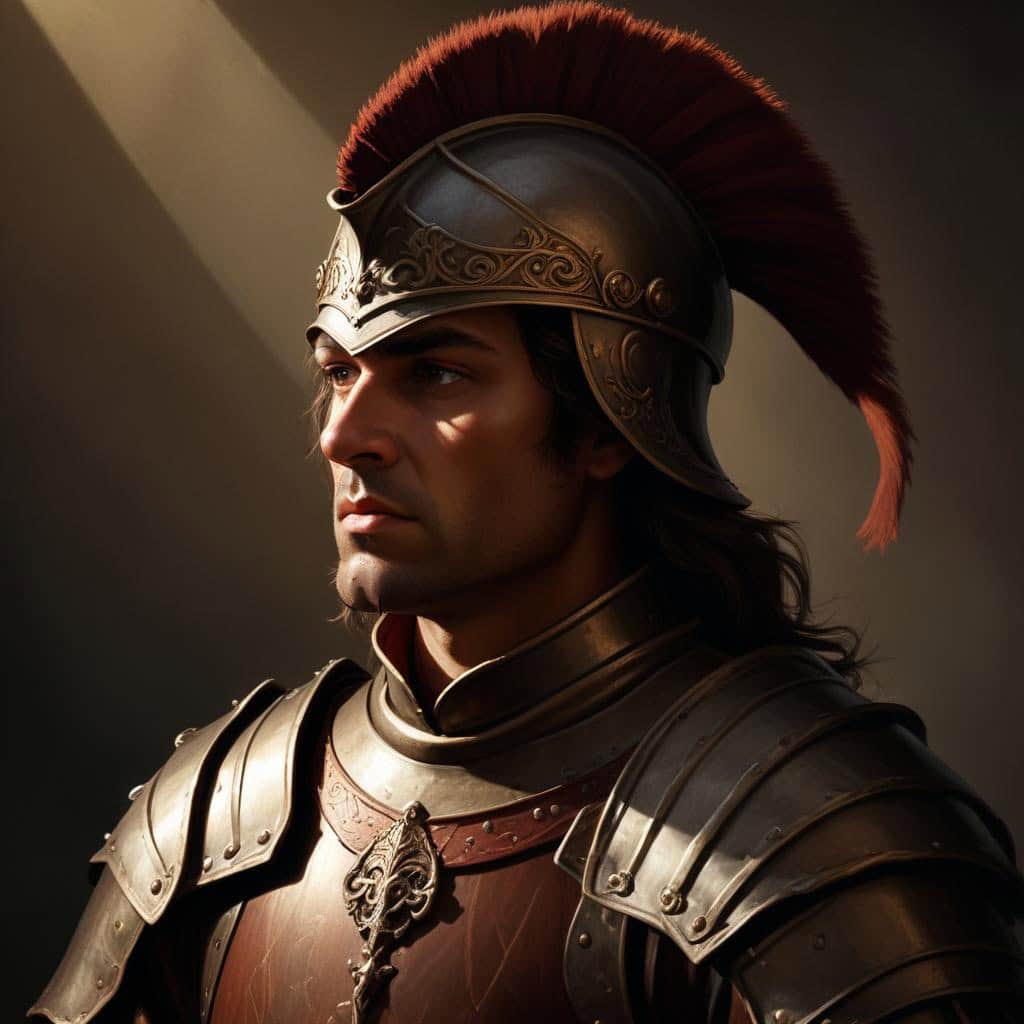
Palamon
Palamon - Nobleman of Thebes, in love with Emilia
-
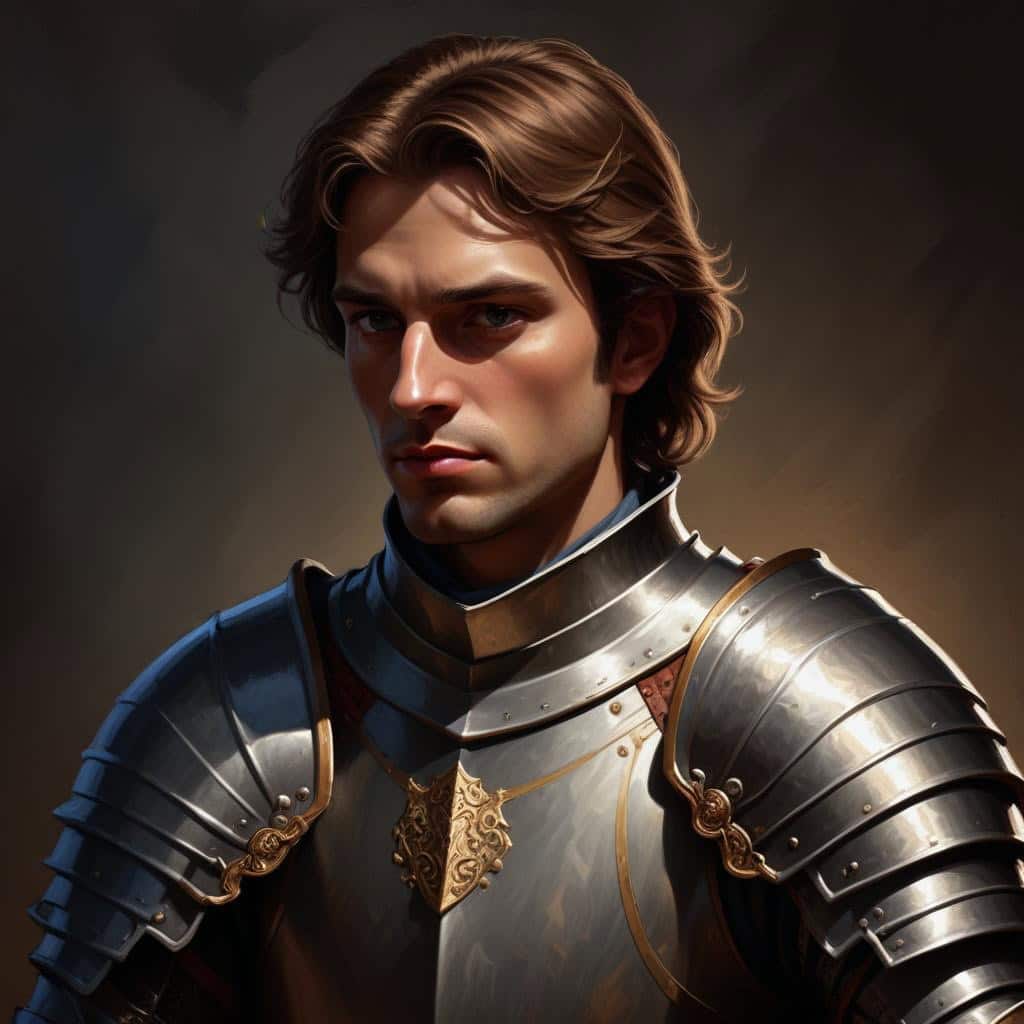
Arcite
Arcite - Nobleman of Thebes, cousin and friend to Palamon
-
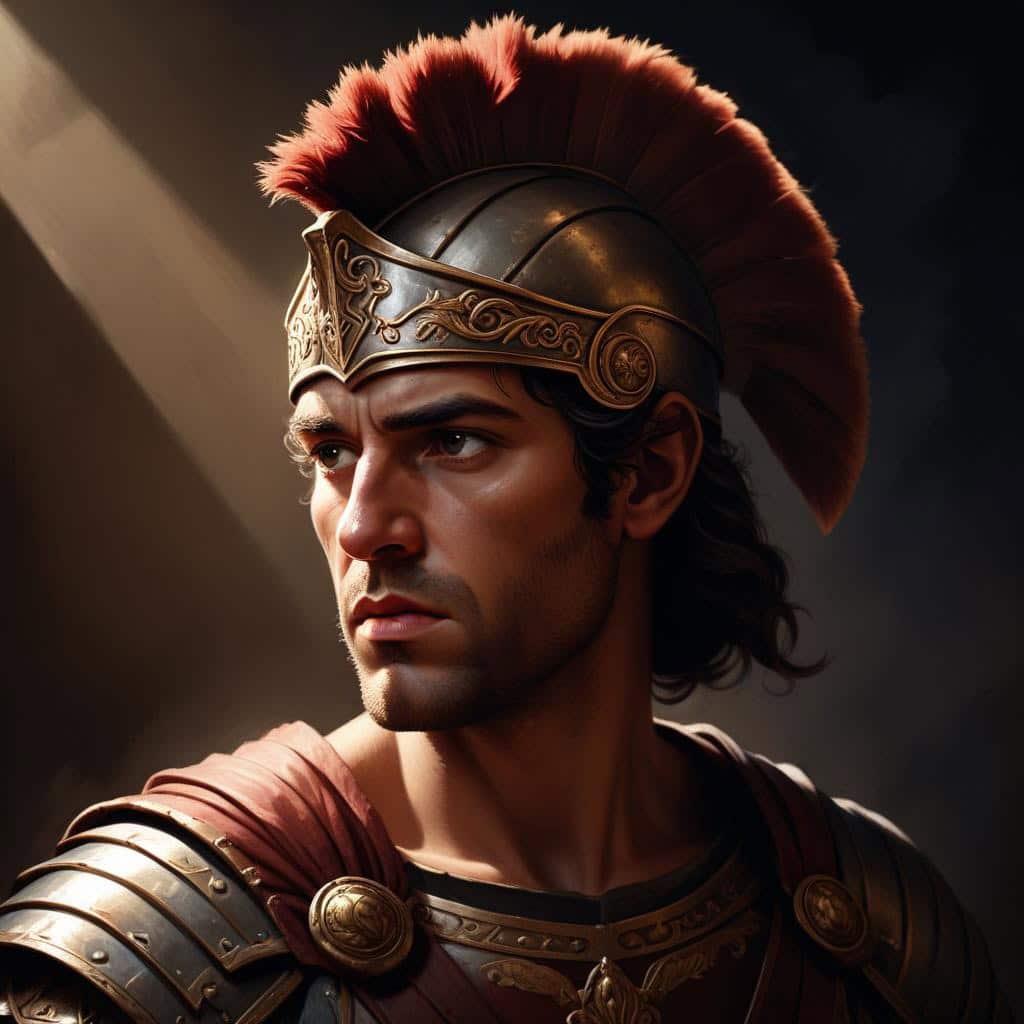
Pirithous
Pirithous - Friend to Theseus
-

Valerius
Valerius - Friend to Palamon and Arcite
-

The Jailer's Daughter
The Jailer's Daughter - In love with Palamon
Timeline of The Two Noble Kinsmen
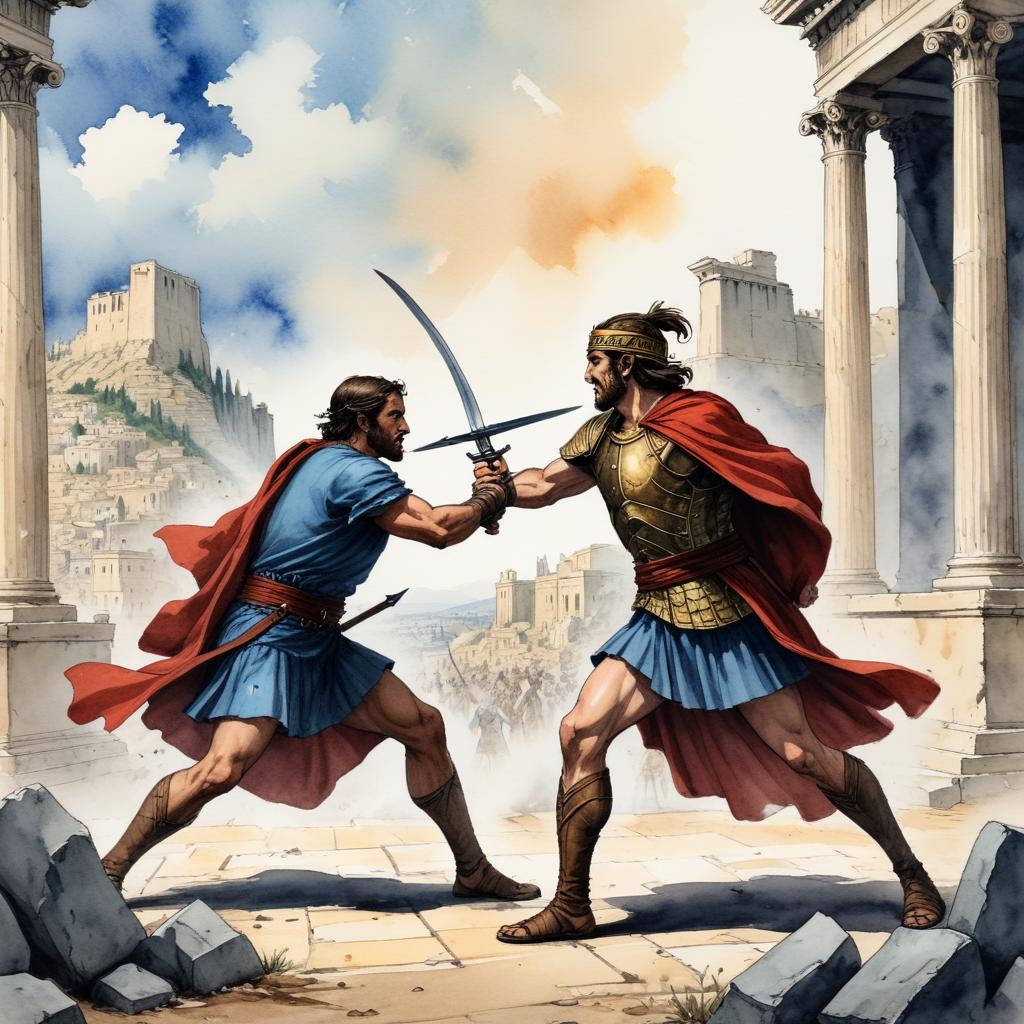
Palamon and Arcite, two noble knights and cousins, are taken prisoner by Duke Theseus of Athens after they are found fighting in a battle against him.
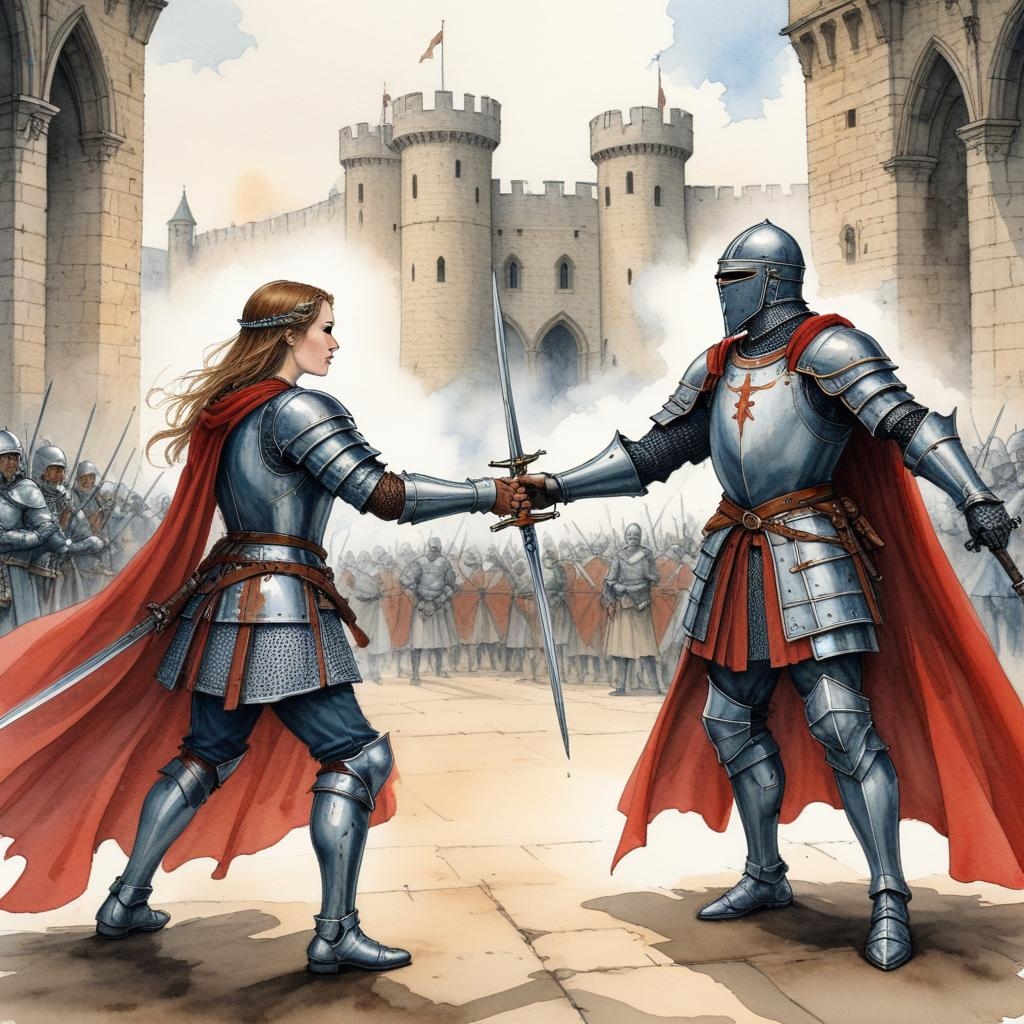
While in prison, Palamon falls in love with Theseus's sister-in-law Emilia, and Arcite falls in love with her as well.
The two knights compete for Emilia's love, but are conflicted by their loyalty to each other as cousins and friends.
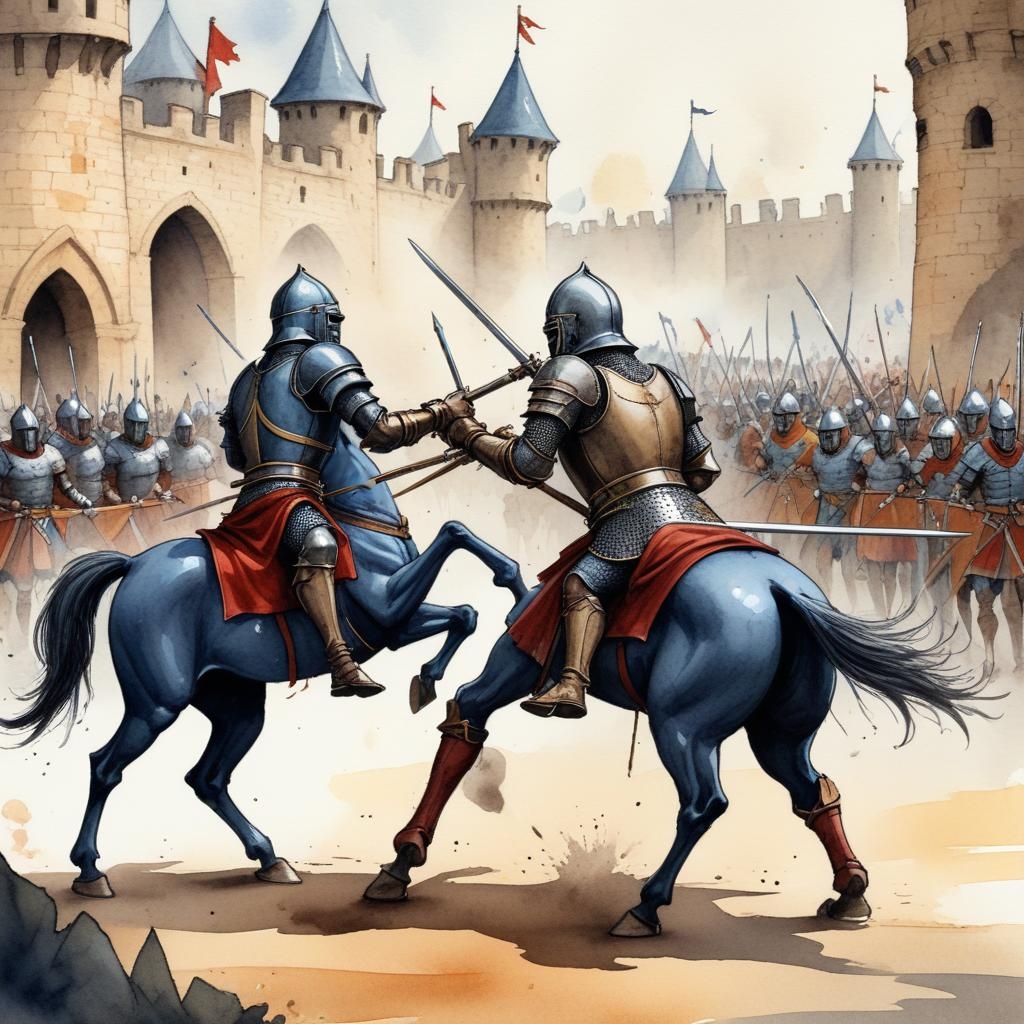
Theseus decides to hold a tournament between the two knights to determine who will win Emilia's hand in marriage.
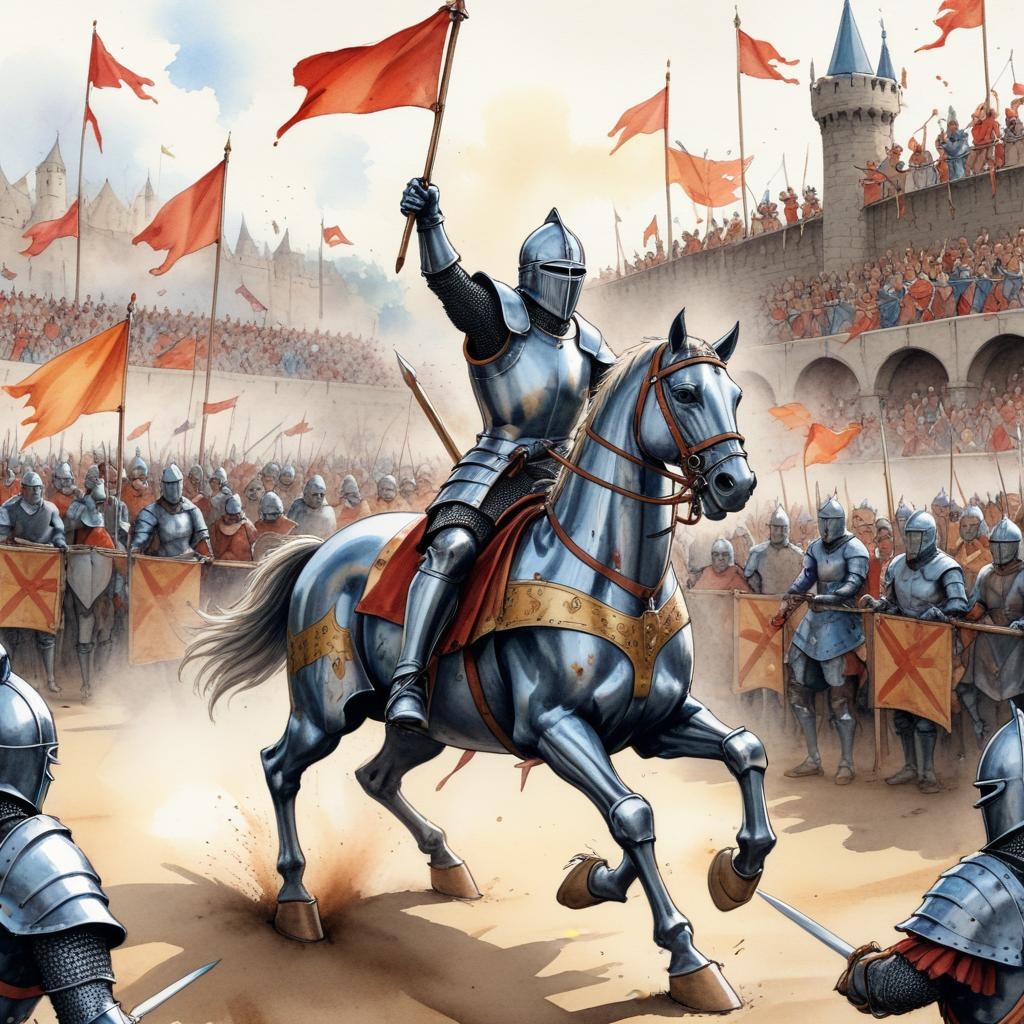
However, during the tournament, Palamon is injured and Arcite is declared the winner.
Arcite is set to marry Emilia, but he dies suddenly from his injuries before the wedding can take place.
Palamon and Emilia mourn Arcite's death, but eventually Theseus allows Palamon to marry Emilia as a way to bring peace and closure to the situation.
The play ends with a dance celebrating the marriage of Palamon and Emilia, and the reconciliation of the two noble kinsmen.
Vocabulary List
- Gentle
- Having or showing a mild, kind, or tender temperament
- Courtly
- Refined or elegant in behavior, manners, or appearance
- Noble
- Possessing high moral qualities
- Kinsman
- A male relative, especially a male cousin
- Rivalry
- Competition or conflict between two or more parties
- Loyalty
- The quality of being faithful or devoted to a person or cause
- Tragedy
- A serious play with an unhappy ending, typically involving the downfall of the main character
- Comedy
- A light-hearted play or film with a happy ending, typically involving humor and wit
- Foolish
- Lacking good sense or judgment
- Prosperity
- The state of being successful or thriving
- Desire
- A strong feeling of wanting or wishing for something
- Betrayal
- The act of being disloyal or unfaithful, especially to a person's trust
- Deception
- The act of deceiving or misleading someone
- Vengeance
- Punishment inflicted or retribution sought for a wrong committed
- Sorrow
- A feeling of deep distress caused by loss, disappointment, or other misfortune
- Fortitude
- Courage in facing difficulties or adversity
- Enmity
- Deep-seated mutual hatred or ill-will
- Chivalry
- The medieval knightly system with its religious, moral, and social code
- Triumph
- A great victory or achievement
- Infatuation
- An intense but short-lived passion or admiration for someone.
Key Facts
This is the information used in the fact matching game
- The Two Noble Kinsmen is a play written by William Shakespeare and John Fletcher
- It is believed to have been written between 1613 and 1614
- The play is based on the story "The Knight's Tale" from Geoffrey Chaucer's The Canterbury Tales
- It is one of Shakespeare's least-known plays
- The Two Noble Kinsmen is classified as a tragicomedy
- The play was first published in quarto in 1634
- It was not included in the First Folio of Shakespeare's works
- The plot revolves around the love triangle between Theseus, Duke of Athens, and two cousins, Palamon and Arcite
- The two cousins are imprisoned after they are captured in battle
- While imprisoned, they both fall in love with the same woman, Emilia
- The play explores themes of love, friendship, honor, and loyalty
- It includes elements of Greek mythology and medieval romance
- The character of the Jailer's Daughter provides a subplot that adds comic relief
- The Two Noble Kinsmen features several memorable speeches, including the opening speech by the Jailer's Daughter
- It is believed that Shakespeare wrote certain scenes while Fletcher wrote others
- The play was not well-received during its time and was rarely performed
- It gained more popularity in the 20th century with renewed interest in Shakespeare's lesser-known works
- The Two Noble Kinsmen has been adapted into various stage productions and has been filmed for television
- The play has been praised for its complex characters and exploration of human emotions
- It is considered a valuable addition to Shakespeare's canon.
Analysis & Significance
Impact on Literature
As one of the few collaborative works by William Shakespeare and John Fletcher, ‘The Two Noble Kinsmen’ has had a lasting impact on the development of dramatic literature. The play showcases the unique styles of both playwrights and offers valuable insights into the collaborative process, influencing future generations of playwrights and scholars.
Enduring Themes
‘The Two Noble Kinsmen’ explores timeless themes such as love, friendship, rivalry, and honor, which continue to resonate with modern audiences. The complex relationships between the characters and the moral dilemmas they face are still relevant today, making the play a compelling read for contemporary readers interested in exploring human emotions and motivations.
Cultural Significance Today
Despite being less well-known than some of Shakespeare’s solo works, ‘The Two Noble Kinsmen’ has had a lasting cultural significance, with various adaptations and reinterpretations in theater and literature. The play’s exploration of themes such as loyalty, jealousy, and sacrifice continues to inspire contemporary artists and audiences, keeping its legacy alive in the cultural landscape.
The Two Noble Kinsmen Games


Take Your Learning Offline
Want a convenient, print-ready study guide for this lesson? Become a Memory Wizards Pro member to unlock the downloadable " Memory Scrolls" for this topic and our entire library!
- ✓ Complete Vocabulary Lists
- ✓ Key Facts & Timelines
- ✓ Beautifully Formatted for Print & Mobile