
How Do You Learn Best?
Learn by Listening
Start with the 3-minute audio summary to get the key facts and narrative highlights quickly.
Learn by Reading
Immerse yourself in the 10-minute visual lesson for a comprehensive understanding of the topic.
Learn by Reviewing
Jump directly to the key facts, timeline, and vocabulary lists to build a solid foundation of details.
Learn by Doing
Challenge yourself! Jump straight into the interactive games to learn by trial, error, and discovery.
Audio Library
As one of our featured lessons, this topic includes premium audio guides.
Unlock the Wizard's Cram Session
This powerful audio study guide is a Pro-exclusive feature. Upgrade to Memory Wizards Pro to access this and all of our premium learning tools.
Upgrade to ProTwo Gentlemen of Verona in 10 Minutes

Introduction


Valentine

Proteus

Silvia

Julia

Duke of Milan

1. Valentine and Proteus Part Ways

2. Proteus Falls in Love with Silvia
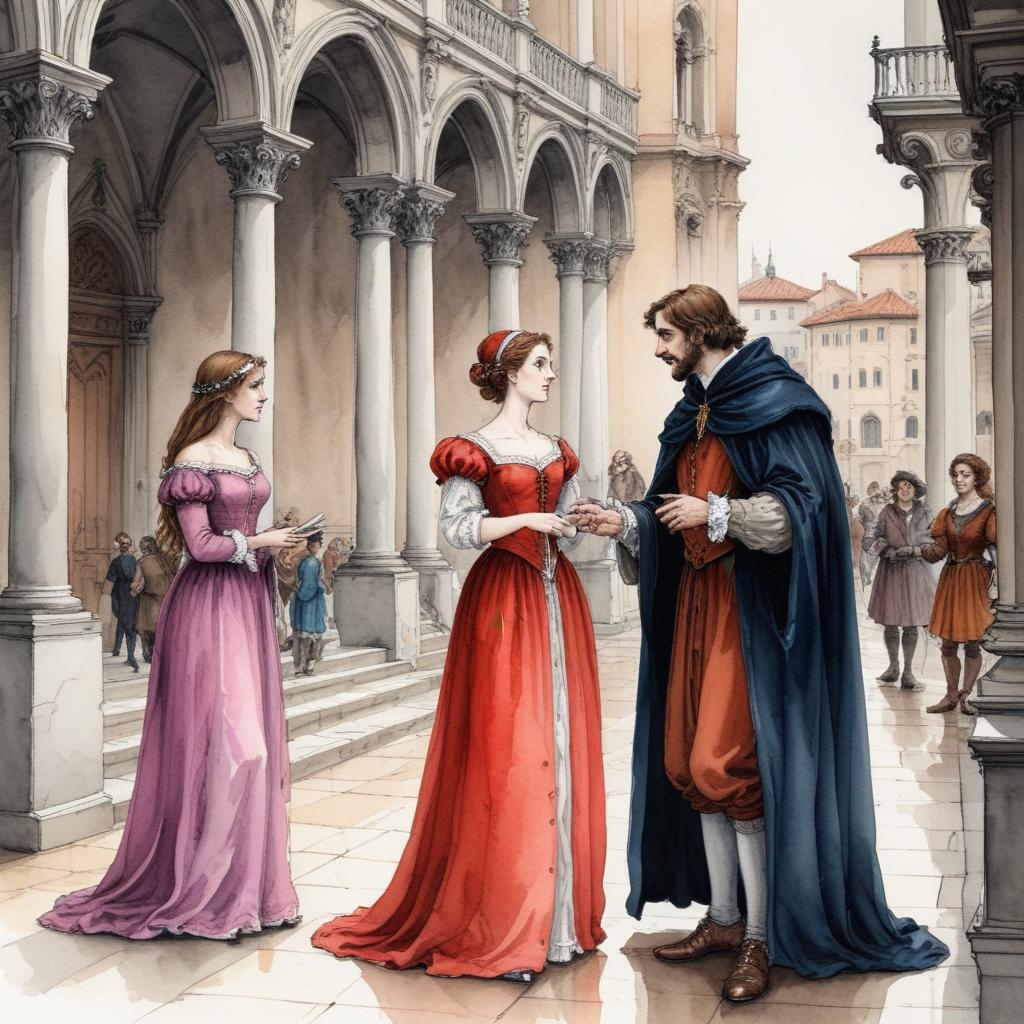
3. Valentine Meets Silvia

4. Proteus Betrays Valentine

5. Julia Disguises Herself as a Page

6. Valentine Rescues Silvia

7. Proteus Attempts to Force Himself on Silvia

8. Julia Reveals Her True Identity
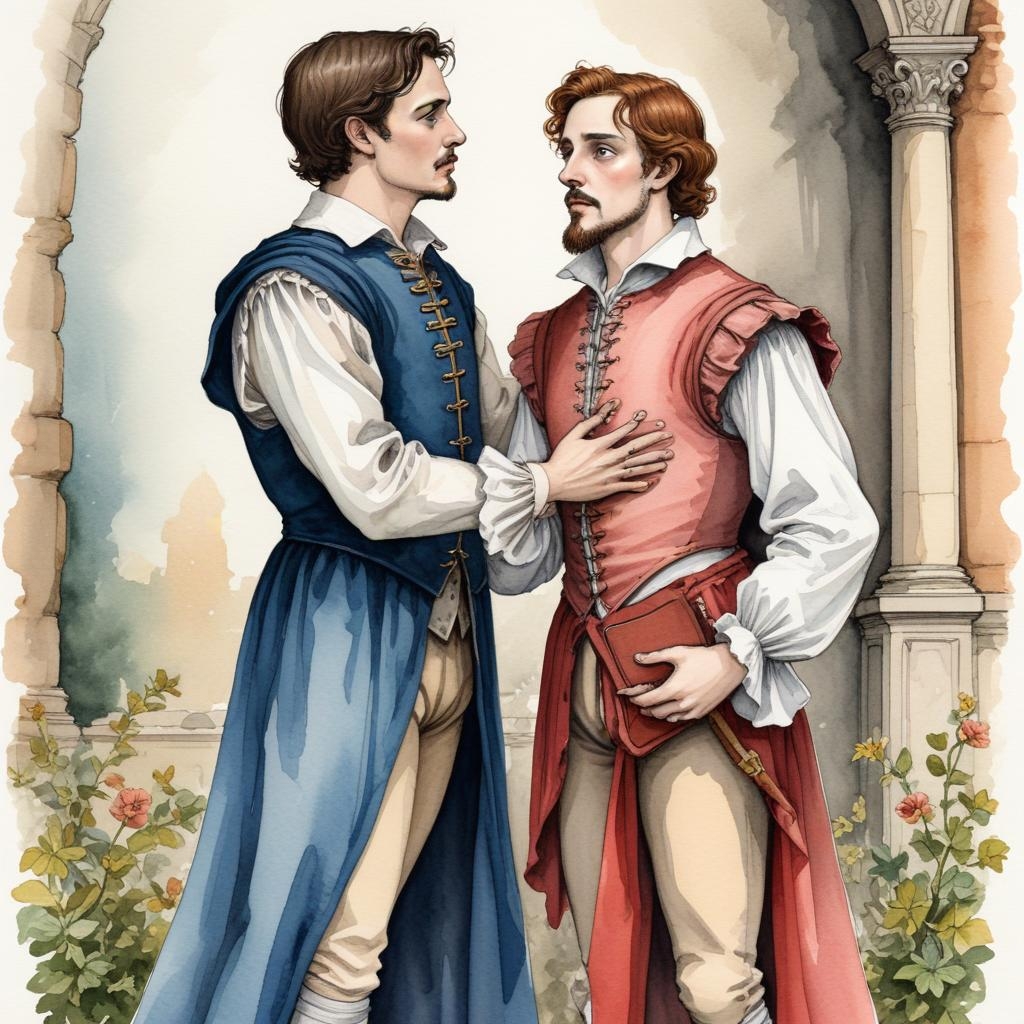
9. Valentine Forgives Proteus

10. A Happy Ending for All

Lesson Details & Resources
In a Nutshell
- What: Play by William Shakespeare
- When: Written in the early 1590s
- Who: Proteus, Valentine, Julia
- Theme: Friendship, loyalty, love, and betrayal
List of Characters in Two Gentlemen of Verona
-

Proteus
Two Gentlemen of Verona is a comedic play by William Shakespeare. It revolves around the friendship between two young men, who find themselves in love with the same woman.
-

Valentine
Proteus, one of the gentlemen, is initially in love with Julia but quickly becomes infatuated with Silvia, the object of Valentine's affection.
-
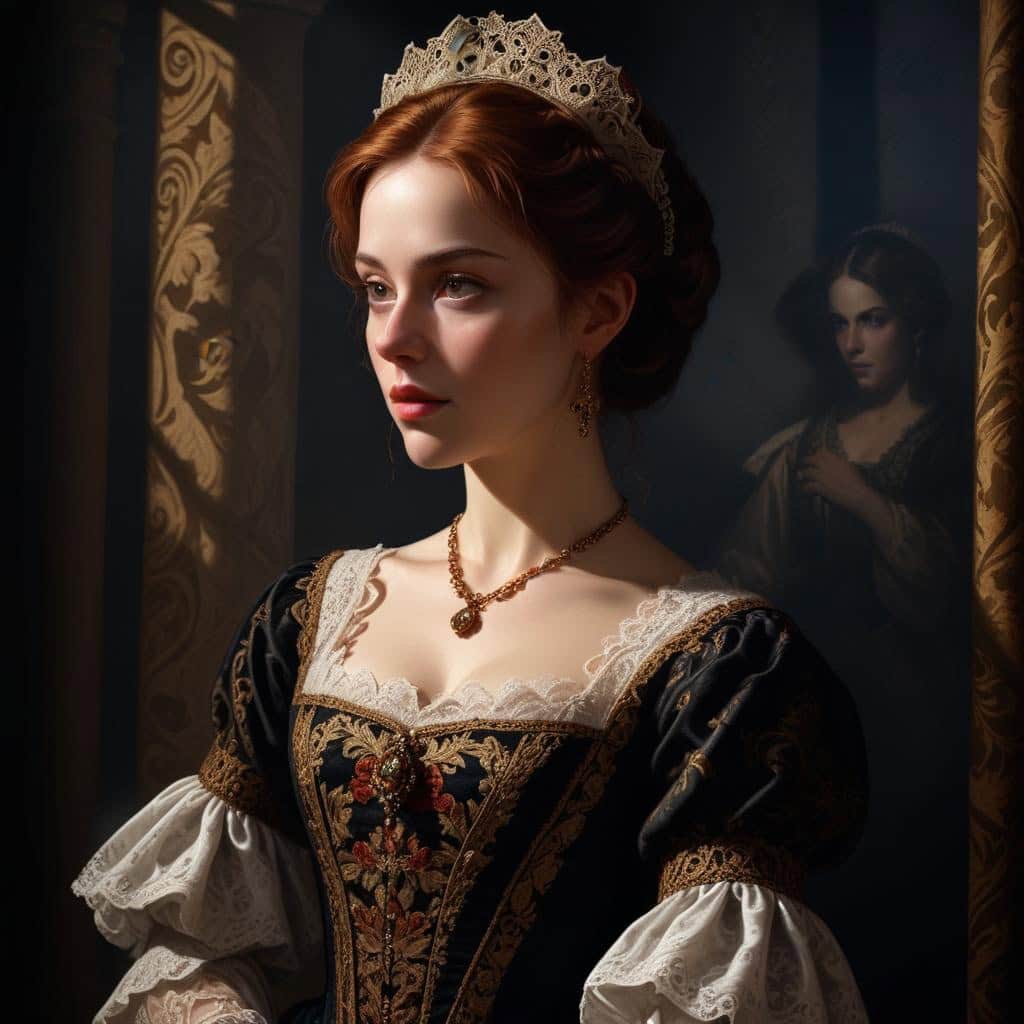
Julia
Valentine, the other gentleman, is deeply in love with Silvia but faces numerous obstacles in his pursuit of her, including the interference of Proteus.
-

Silvia
Julia, a young woman from Verona, disguises herself as a pageboy and follows Proteus to the court of Milan, where she witnesses his betrayal.
-

Duke of Milan
Silvia, the beautiful and intelligent daughter of the Duke of Milan, becomes torn between her duty to her father and her love for Valentine.
-

Launce
The Duke of Milan, Silvia's father, disapproves of Valentine as a suitor and tries to force her into a marriage with another nobleman.
-

Speed
Launce, Proteus's comical servant, provides comic relief throughout the play with his foolish antics and his love for his dog, Crab.
Timeline of Two Gentlemen of Verona
Valentine and Proteus bid farewell as Valentine leaves for Milan
Proteus confesses his love for Julia to his servant, Speed
Proteus' father sends him to Milan to join Valentine
Proteus arrives in Milan and falls in love with Silvia, the Duke's daughter
Valentine falls in love with Silvia and plans to elope with her
Proteus betrays Valentine and reveals his plans to the Duke
Valentine is banished from Milan
Proteus continues to pursue Silvia despite her rejection
Julia disguises herself as a man and travels to Milan to find Proteus
Julia arrives in Milan and discovers Proteus' infidelity
Julia encounters Silvia and becomes her confidant
Proteus tries to force himself on Silvia, but Valentine intervenes
Silvia escapes and finds refuge with the band of outlaws
Julia, still disguised as a man, joins the band of outlaws
Valentine discovers Julia's true identity and forgives Proteus
Valentine helps Proteus reconcile with Julia
Valentine plans to marry Silvia, but the Duke interrupts the wedding
The Duke agrees to let Valentine and Silvia marry
Julia reveals her true identity to Proteus
All conflicts are resolved, and the play ends with multiple marriages
Vocabulary List
- Protean
- Able to change shape or form
- Inconstant
- Not staying the same
- Woo
- To seek the romantic affection of someone
- Rival
- A person competing with another for the same objective or for superiority in the same field of activity
- Perjury
- The offense of willfully telling an untruth in a court after having taken an oath or affirmation
- Banish
- Send (someone) away from a country or place as an official punishment
- Thwart
- Prevent (someone) from accomplishing something
- Pensive
- Engaged in, involving, or reflecting deep or serious thought
- Forlorn
- Pitifully sad and abandoned or lonely
- Lament
- A passionate expression of grief or sorrow
- Disguise
- Give (someone or oneself) a different appearance in order to conceal one's identity
- Nuptial
- Relating to marriage or weddings
- Trifle
- A thing of little value or importance
- Eloquence
- Fluent or persuasive speaking or writing
- Piteous
- Deserving or arousing pity
- Abhor
- Regard with disgust and hatred
- Chide
- Scold or rebuke
- Fickle
- Changing frequently, especially as regards one's loyalties or affections
- Mirth
- Amusement, especially as expressed in laughter
- Proclaim
- Announce officially or publicly.
Key Facts
This is the information used in the fact matching game
- The Two Gentlemen of Verona is a comedy play written by William Shakespeare
- It is believed to be one of Shakespeare's earliest plays
- The play was first performed in 1594 or 1595
- The story is set in Verona, Italy, and Milan
- The play centers around two best friends, Valentine and Proteus
- Valentine falls in love with Silvia, the daughter of the Duke of Milan
- Proteus is initially in love with Julia but later falls in love with Silvia as well
- The play explores themes of friendship, love, and loyalty
- It is Shakespeare's first play to feature a dog character named Crab
- The play includes a famous scene where Proteus attempts to rape Silvia
- The character of Julia disguises herself as a boy named Sebastian to follow Proteus
- The play includes elements of mistaken identity and disguise
- It is one of Shakespeare's lesser-known plays and is not frequently performed
- The play is thought to be influenced by other works of the time, such as Ovid's Metamorphoses
- It has been adapted into various operas and musicals over the years
- The Two Gentlemen of Verona is known for its complex and flawed characters
- The play ends with multiple marriages, resolving the conflicts between the characters
- It is believed that the play was written to be performed in an indoor theater
- The play has been criticized for its treatment of women and its portrayal of toxic masculinity
- Despite its flaws, The Two Gentlemen of Verona showcases Shakespeare's early talent as a playwright.
Analysis & Significance
Impact on Literature
‘Two Gentlemen of Verona’ is one of Shakespeare’s early comedies and showcases the themes of friendship, love, betrayal, and forgiveness. The play set the stage for the romantic comedy genre, influencing countless works of literature, theater, and film that followed. It also laid the groundwork for Shakespeare’s exploration of complex relationships and moral dilemmas in his later works.
Enduring Themes
The timeless themes of love, loyalty, friendship, and forgiveness in ‘Two Gentlemen of Verona’ continue to resonate with modern audiences. The play’s exploration of the complexities of human relationships, the challenges of staying true to oneself, and the power of redemption are themes that are still relevant in today’s society.
Cultural Significance Today
‘Two Gentlemen of Verona’ has left a lasting legacy in the world of literature and theater. It has been adapted into various forms, including operas, musicals, and films. The play’s exploration of love and friendship, its witty humor, and its memorable characters have ensured its continued popularity and cultural significance in today’s world.
Two Gentlemen of Verona Games


Take Your Learning Offline
Want a convenient, print-ready study guide for this lesson? Become a Memory Wizards Pro member to unlock the downloadable " Memory Scrolls" for this topic and our entire library!
- ✓ Complete Vocabulary Lists
- ✓ Key Facts & Timelines
- ✓ Beautifully Formatted for Print & Mobile