
How Do You Learn Best?
Learn by Listening
Start with the 3-minute audio summary to get the key facts and narrative highlights quickly.
Learn by Reading
Immerse yourself in the 10-minute visual lesson for a comprehensive understanding of the topic.
Learn by Reviewing
Jump directly to the key facts, timeline, and vocabulary lists to build a solid foundation of details.
Learn by Doing
Challenge yourself! Jump straight into the interactive games to learn by trial, error, and discovery.
Audio Library
As one of our featured lessons, this topic includes premium audio guides.
Unlock the Wizard's Cram Session
This powerful audio study guide is a Pro-exclusive feature. Upgrade to Memory Wizards Pro to access this and all of our premium learning tools.
Upgrade to ProTitus Andronicus in 10 Minutes
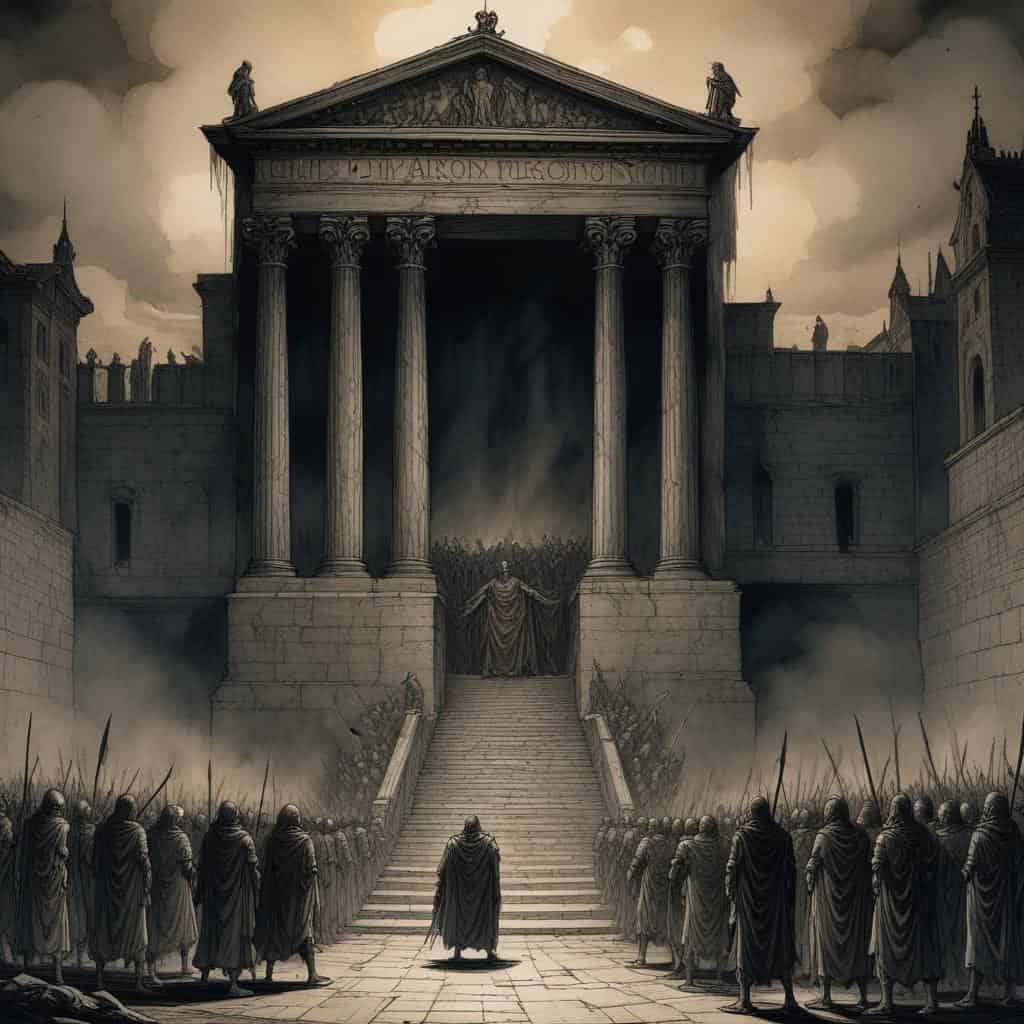
Introduction
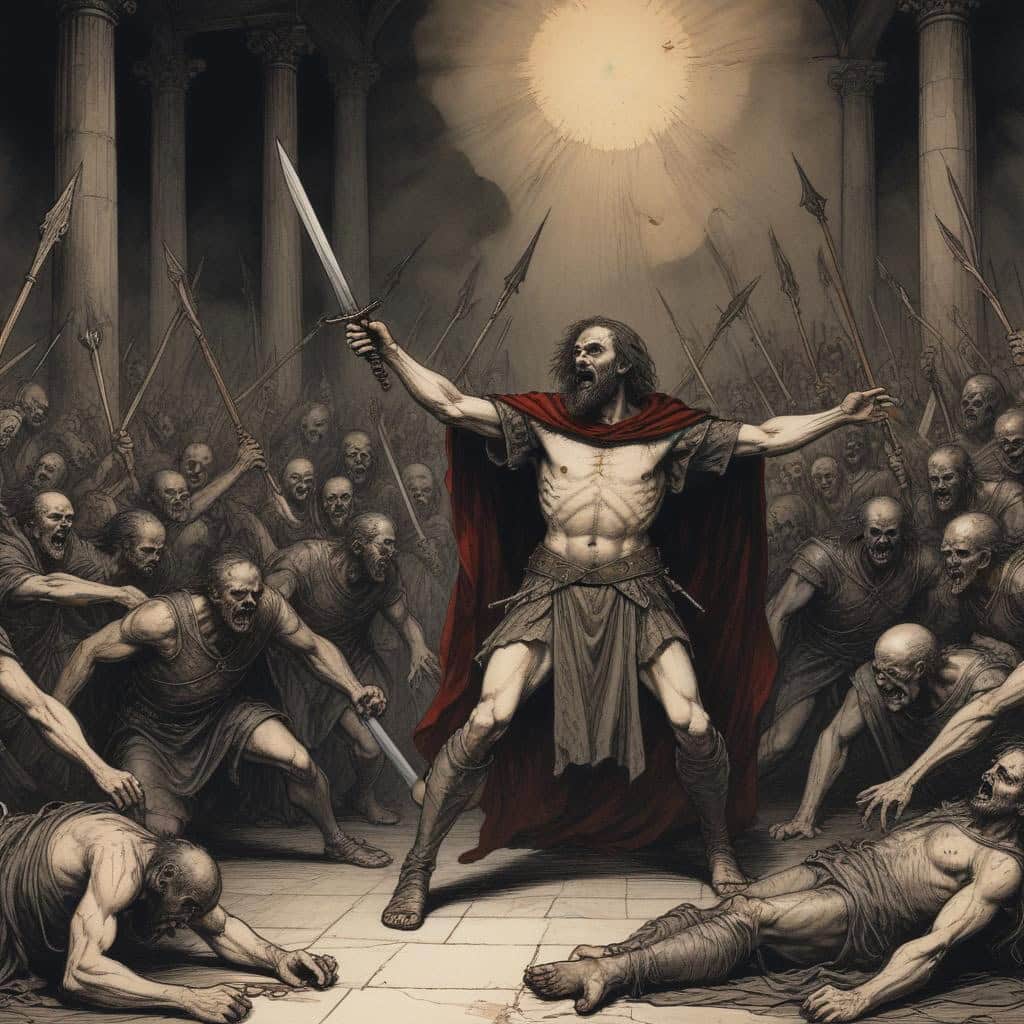
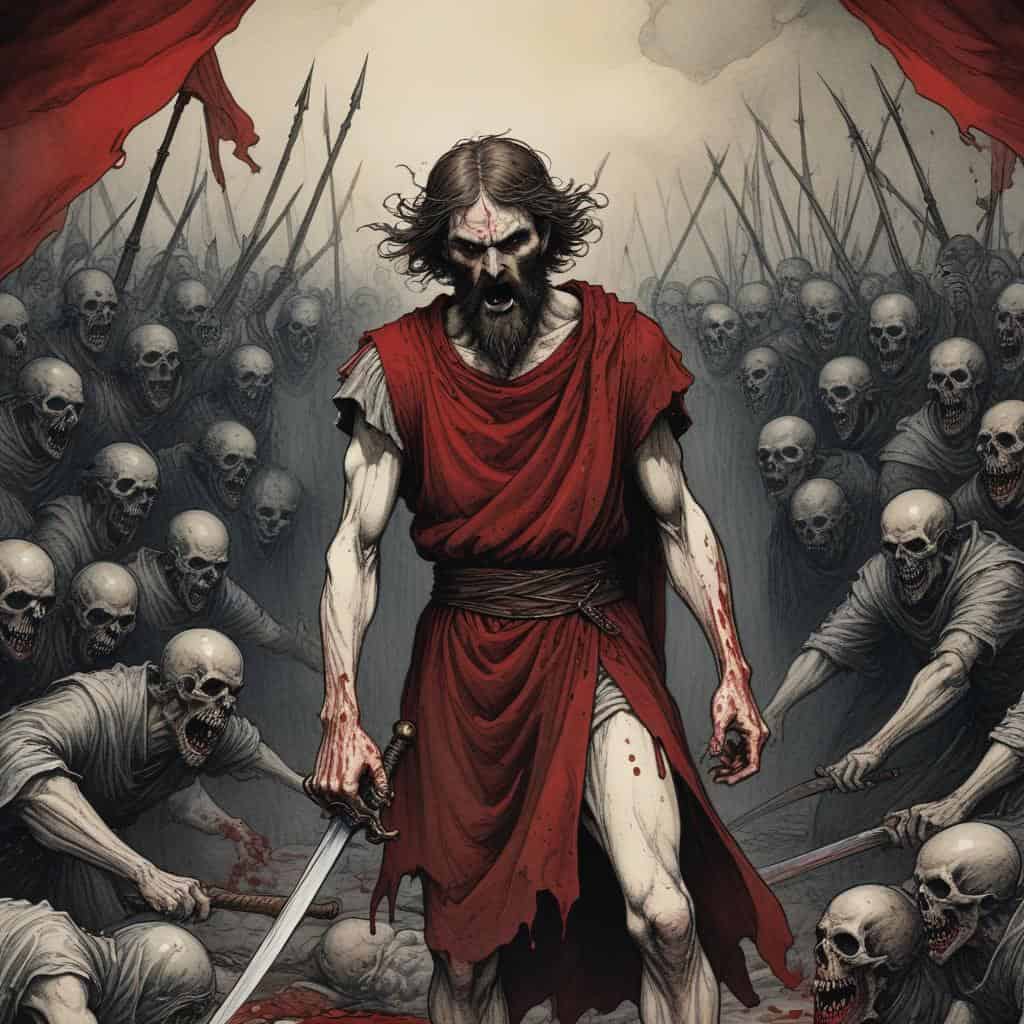

Titus Andronicus

Lavinia

Tamora
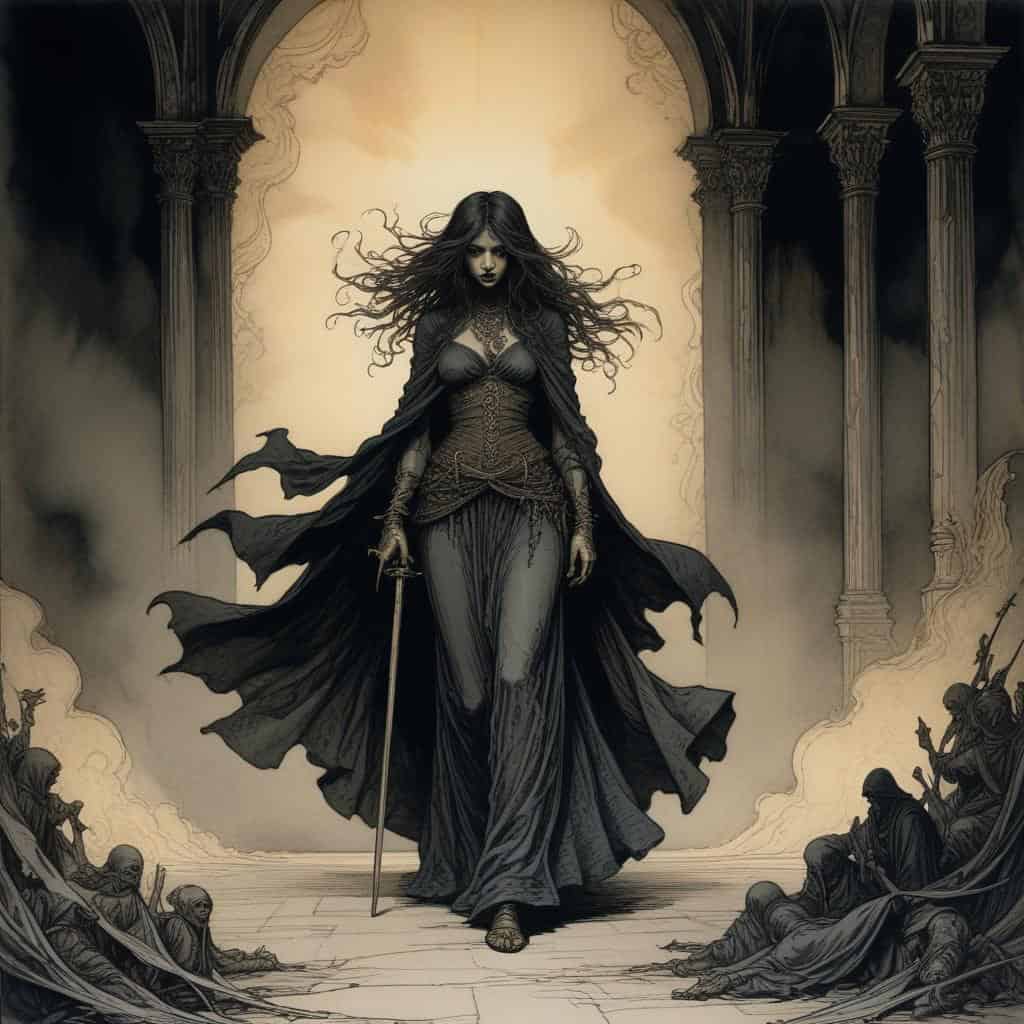
Aaron

Lucius
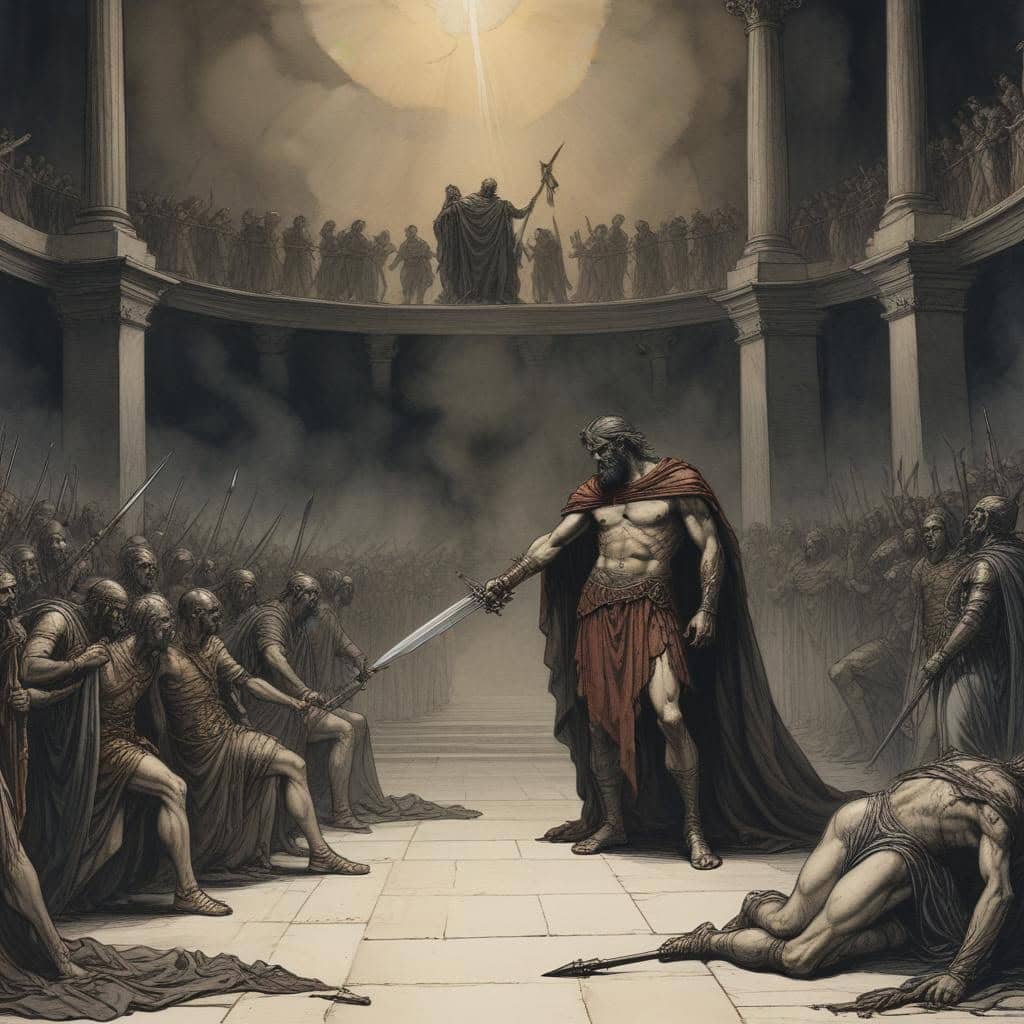
The Betrayal of the Andronici
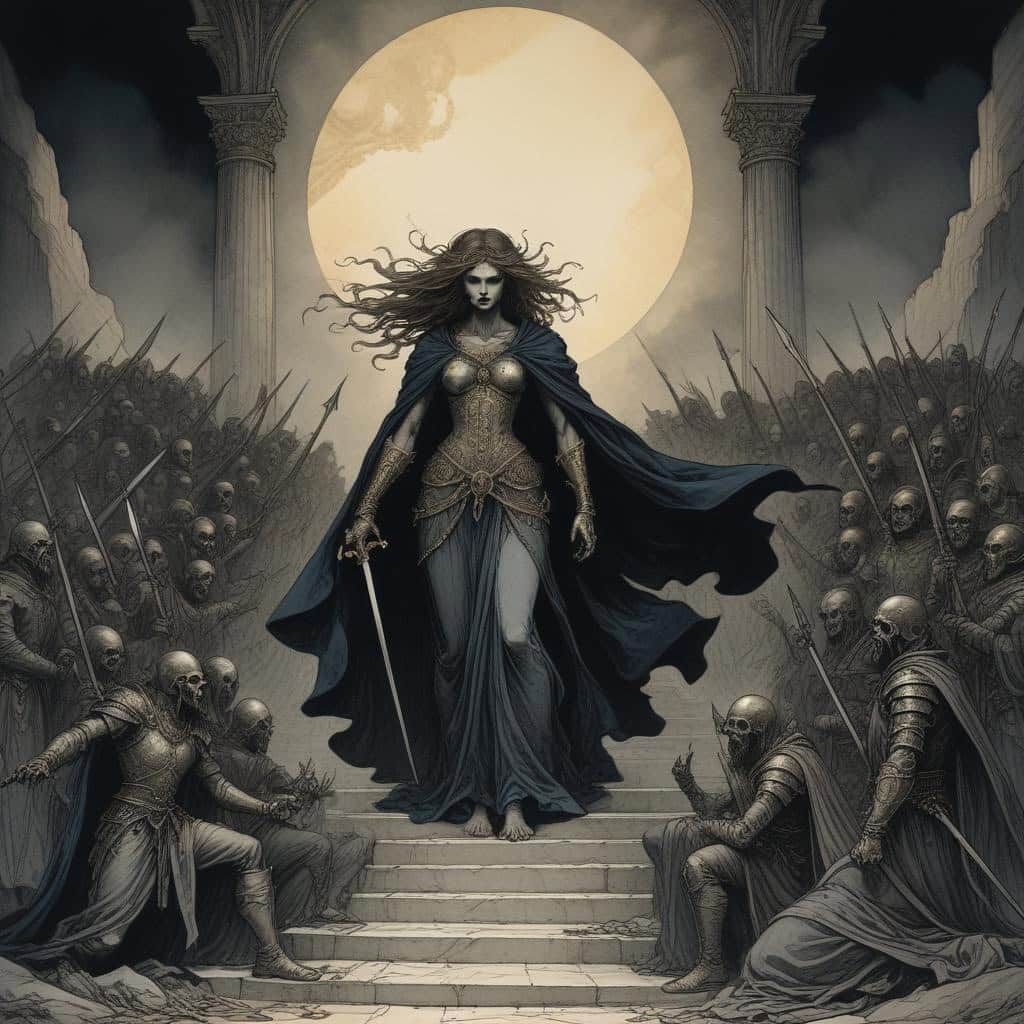
The Rise of Tamora
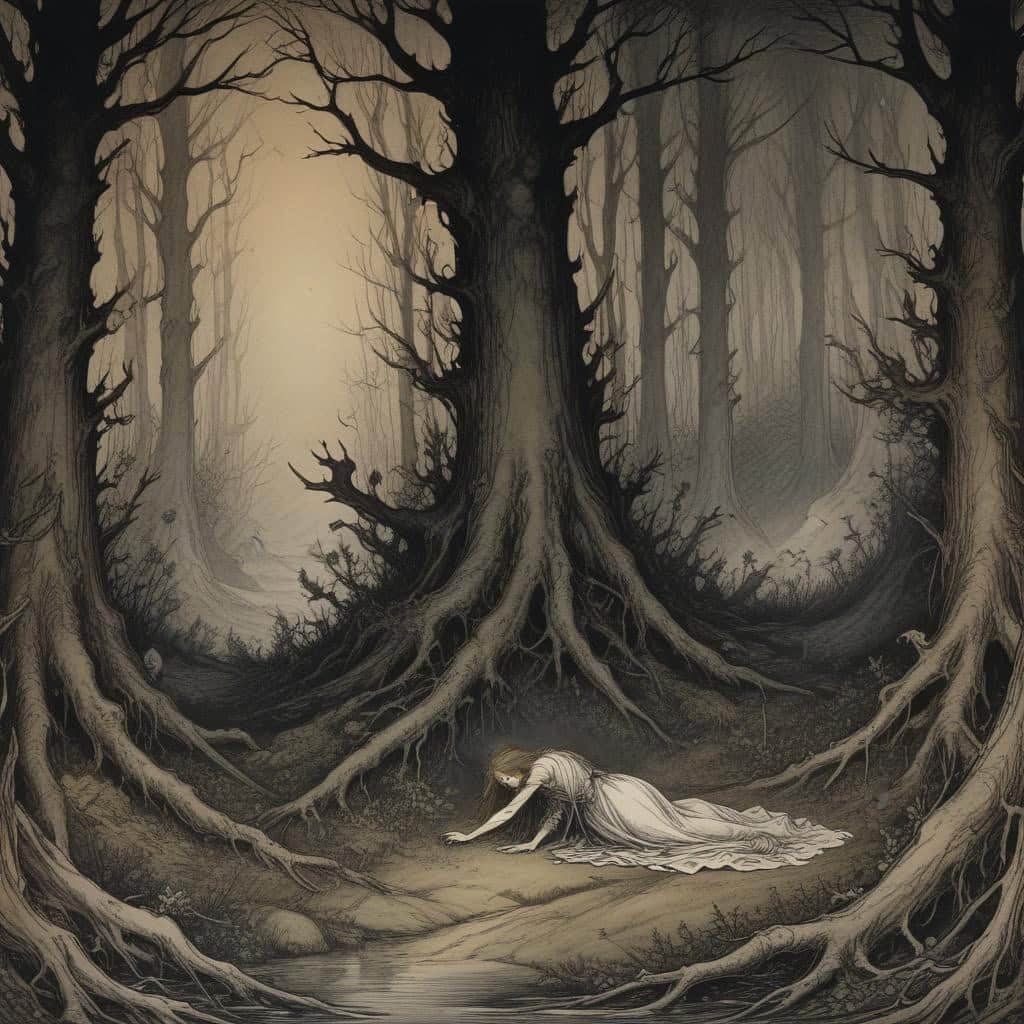
The Rape of Lavinia
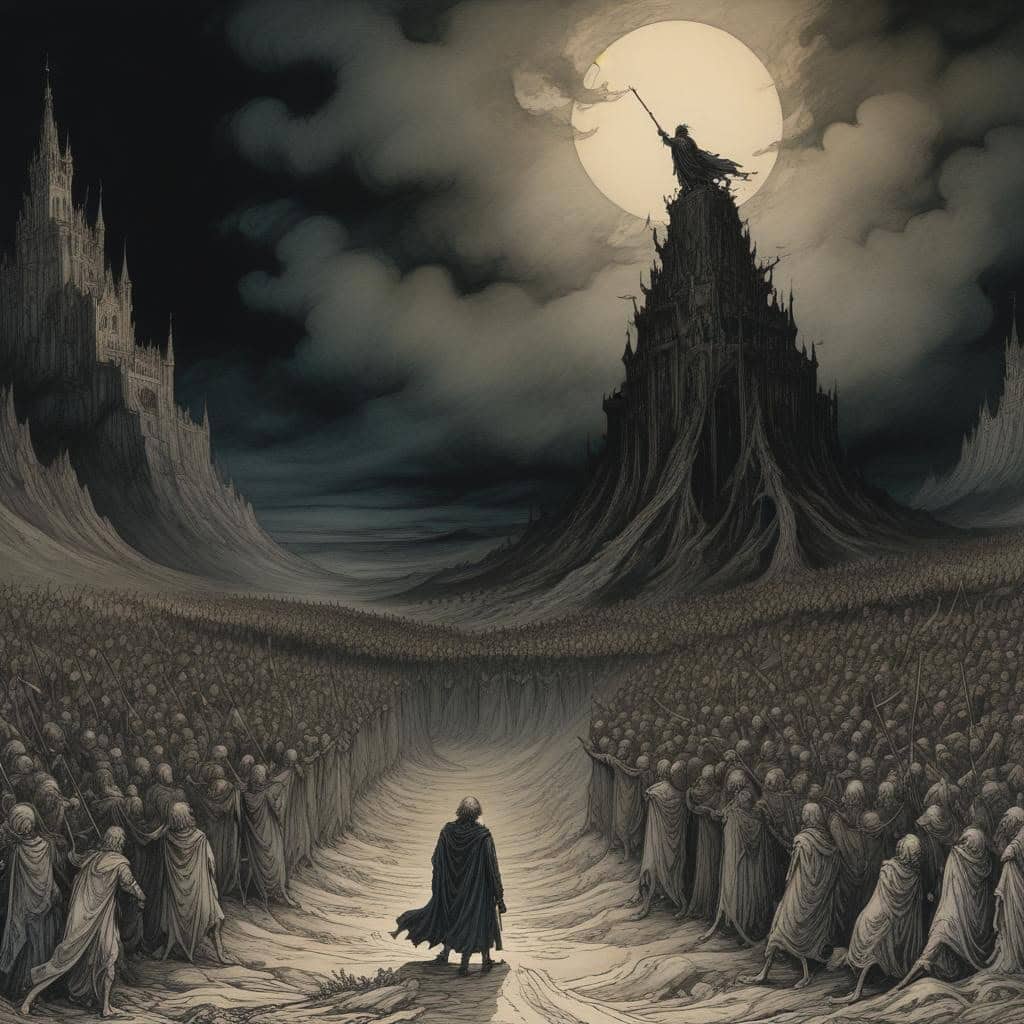
Tituss Descent into Madness
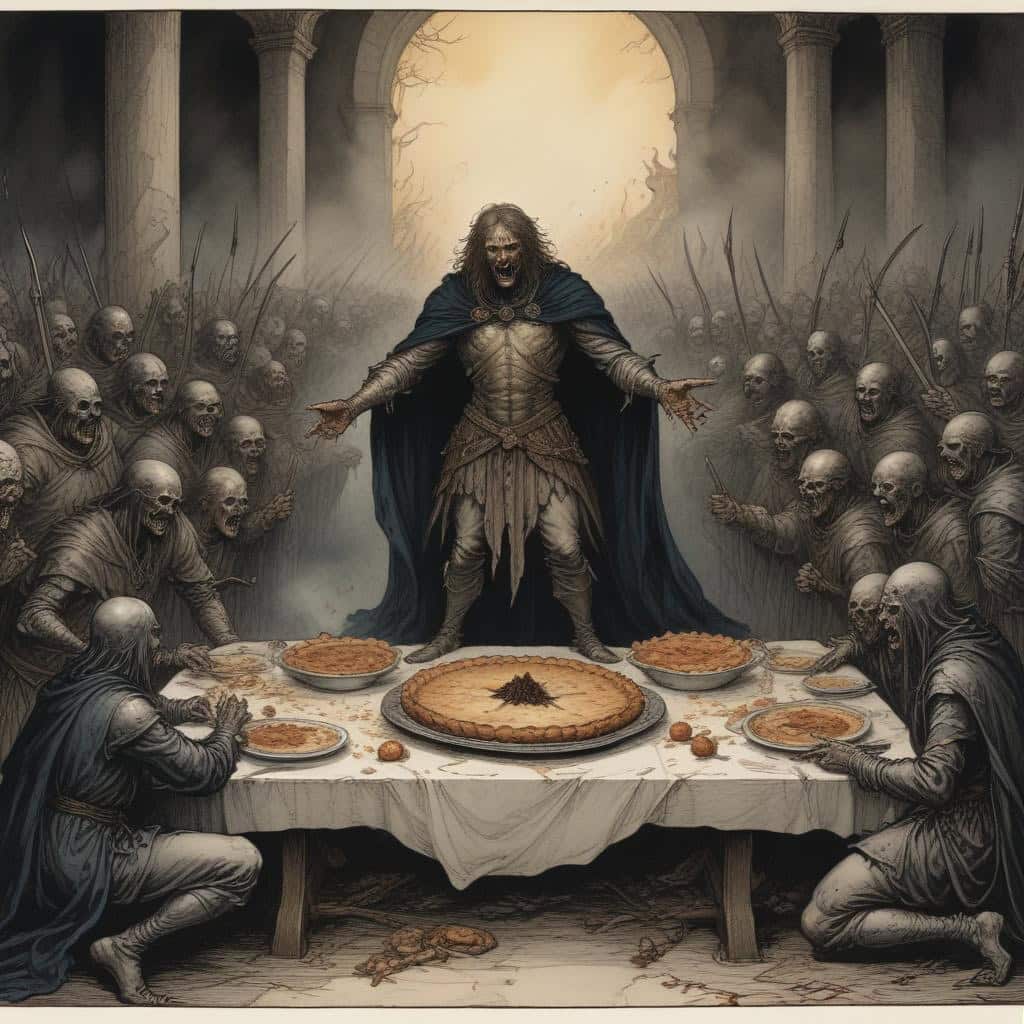
The Feast of Revenge
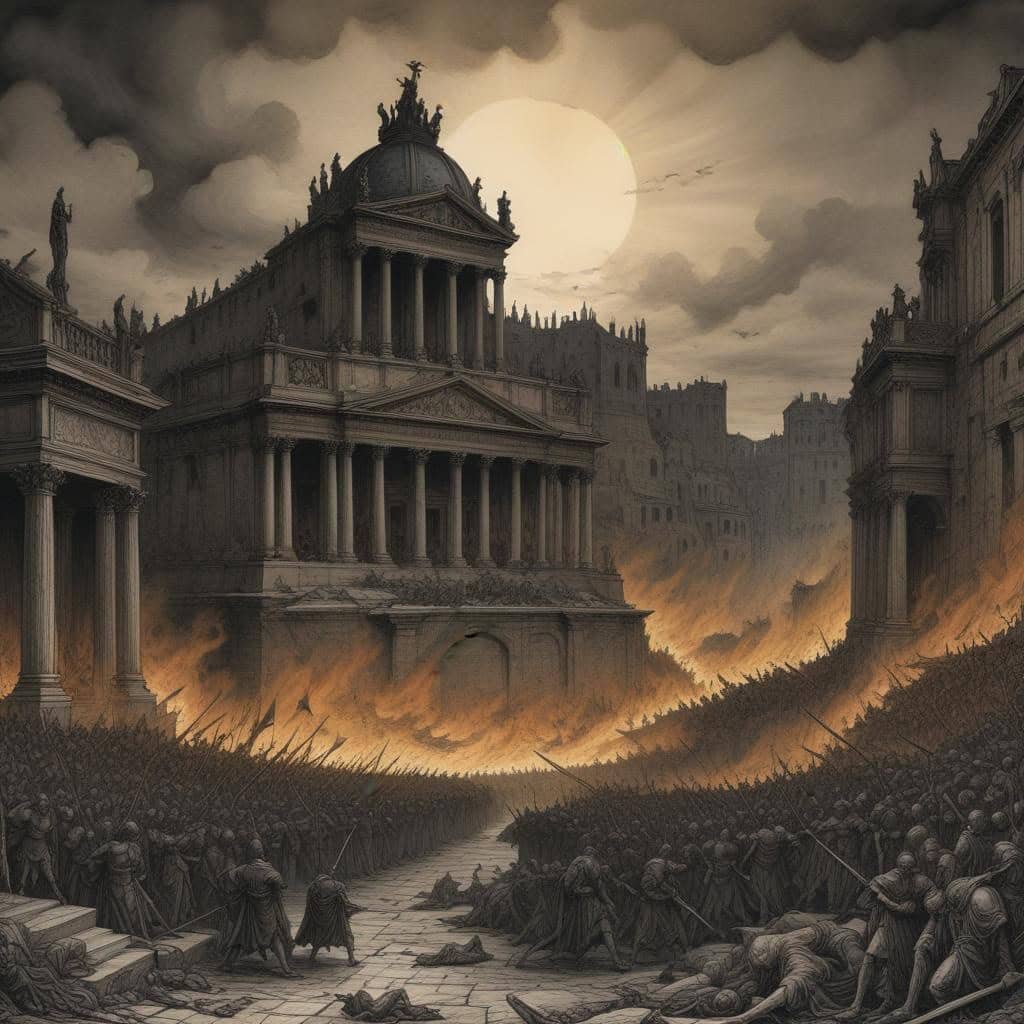
The Fall of Rome
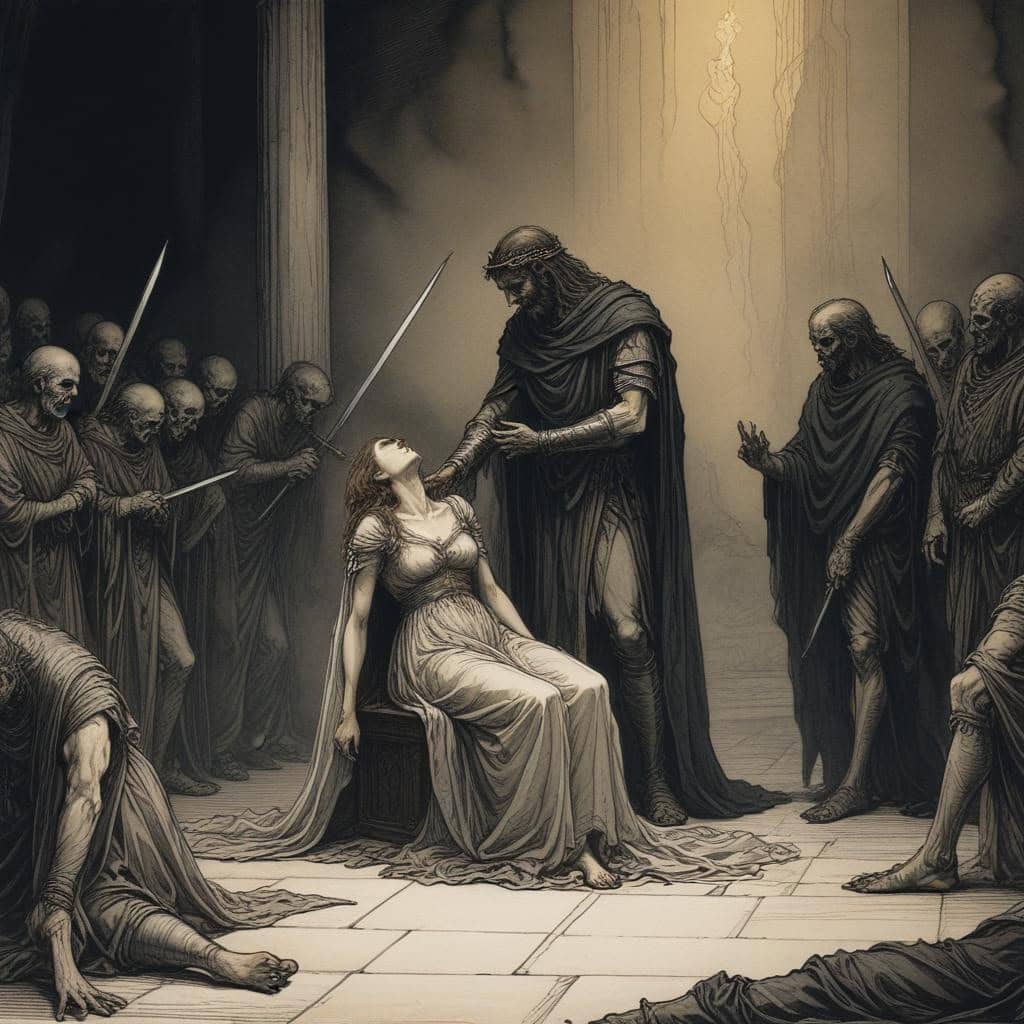
The Tragic End of Titus Andronicus
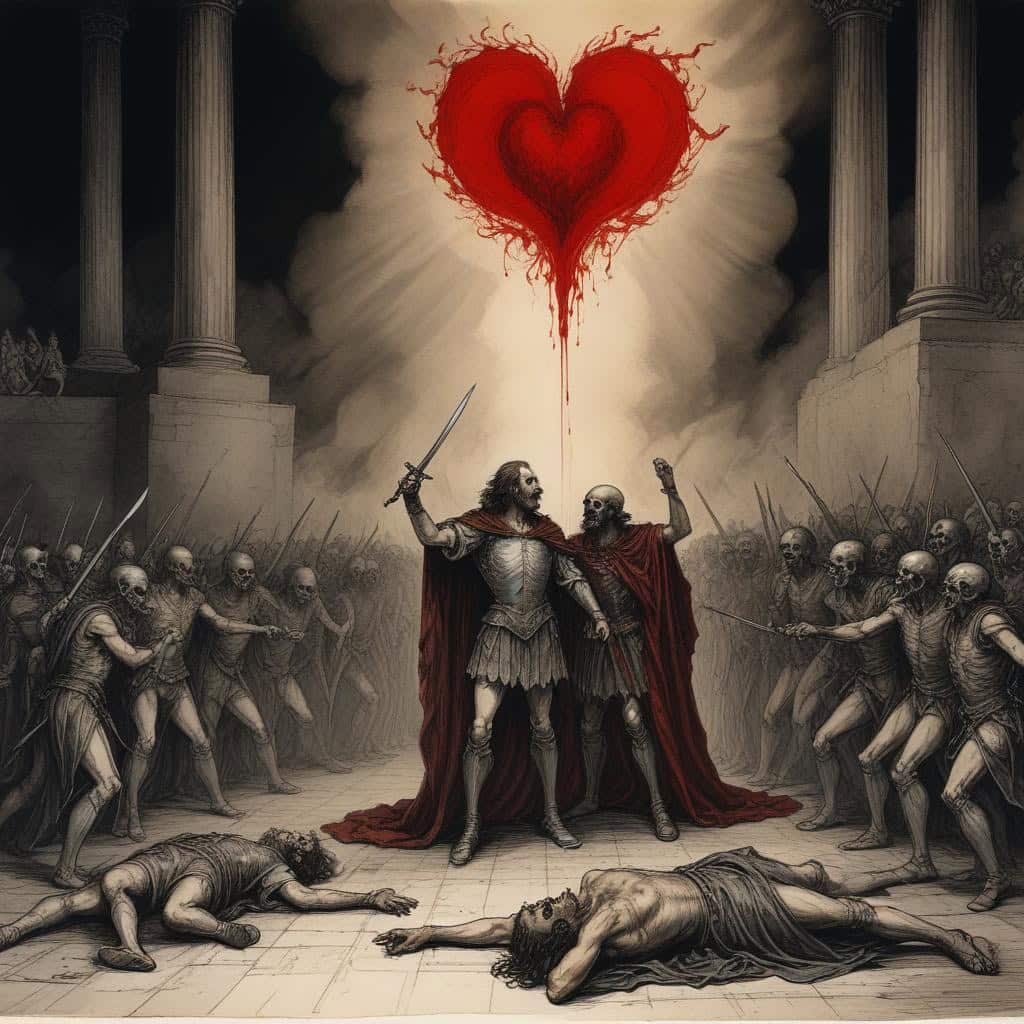
Lesson Details & Resources
In a Nutshell
- What: Tragedy by William Shakespeare
- When: Written in the Elizabethan era
- Who: Titus Andronicus, Tamora, Aaron the Moor
- Theme: Revenge, betrayal, and violence
List of Characters in Titus Andronicus
-
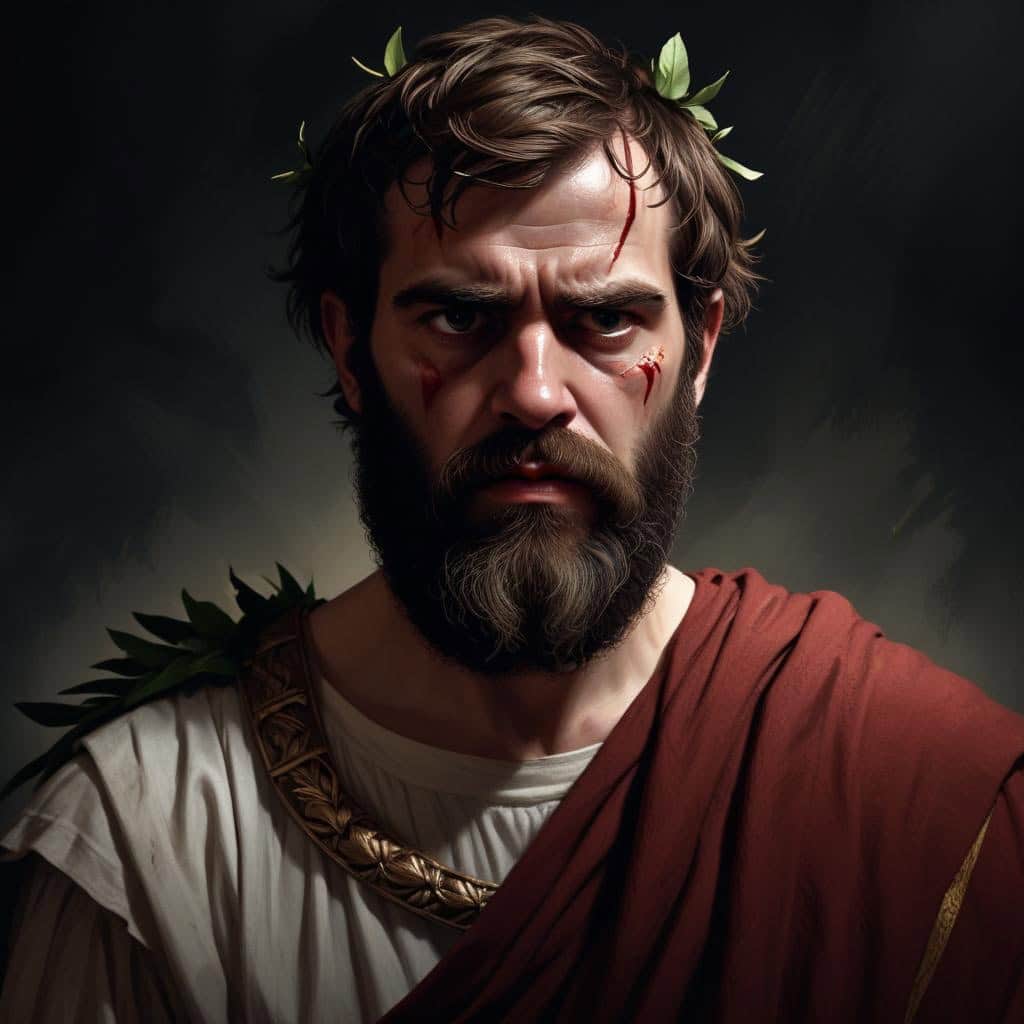
Titus Andronicus
A noble Roman general who seeks revenge against those who have wronged him.
-
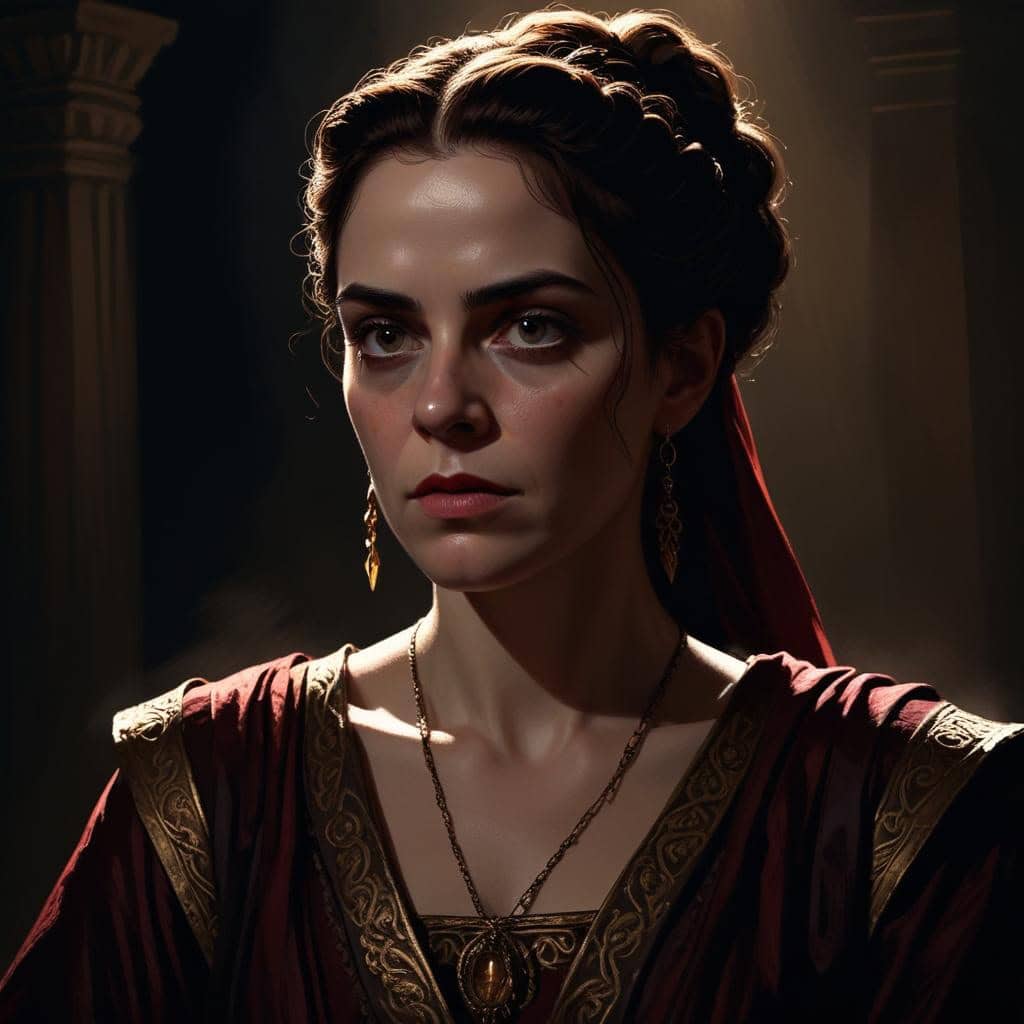
Tamora
The Queen of the Goths who becomes involved in a cycle of revenge with Titus.
-
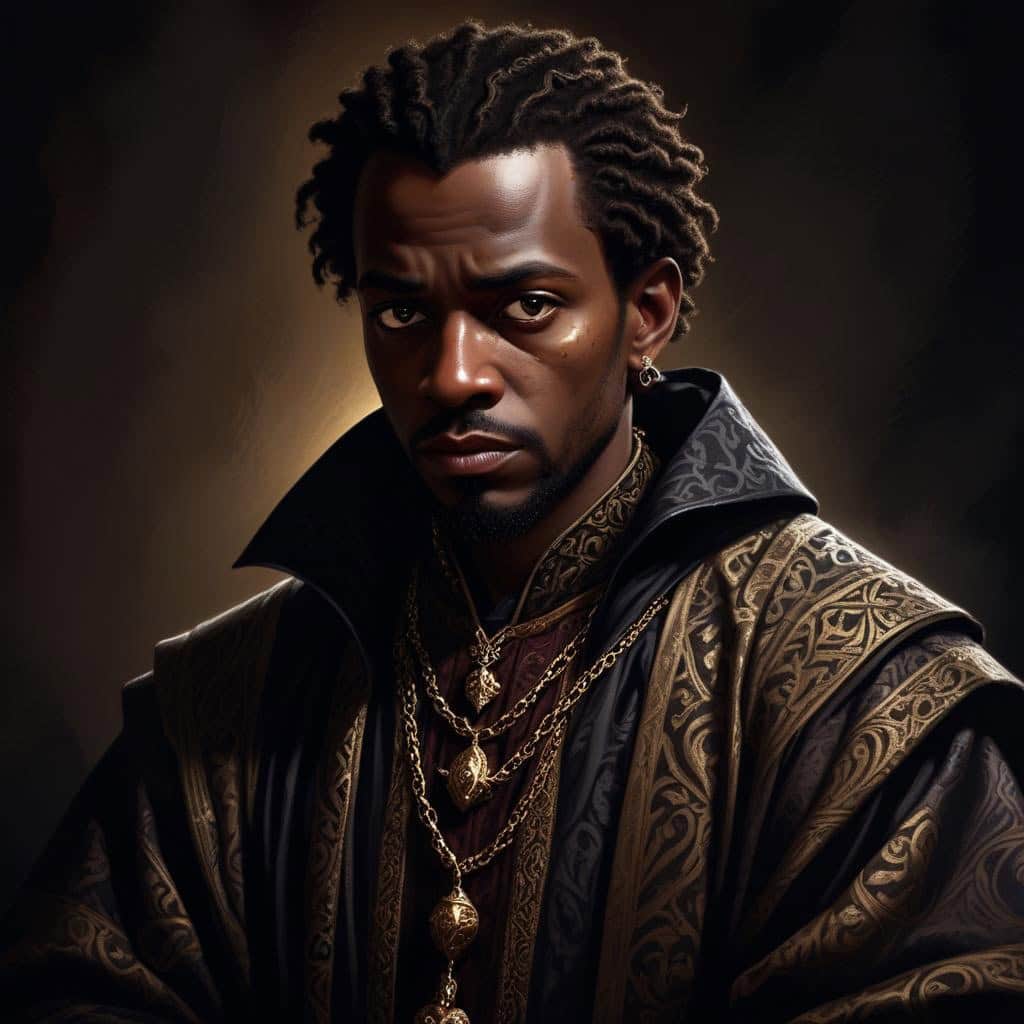
Aaron
A Moorish character and lover of Tamora, who aids in her vengeful plans.
-
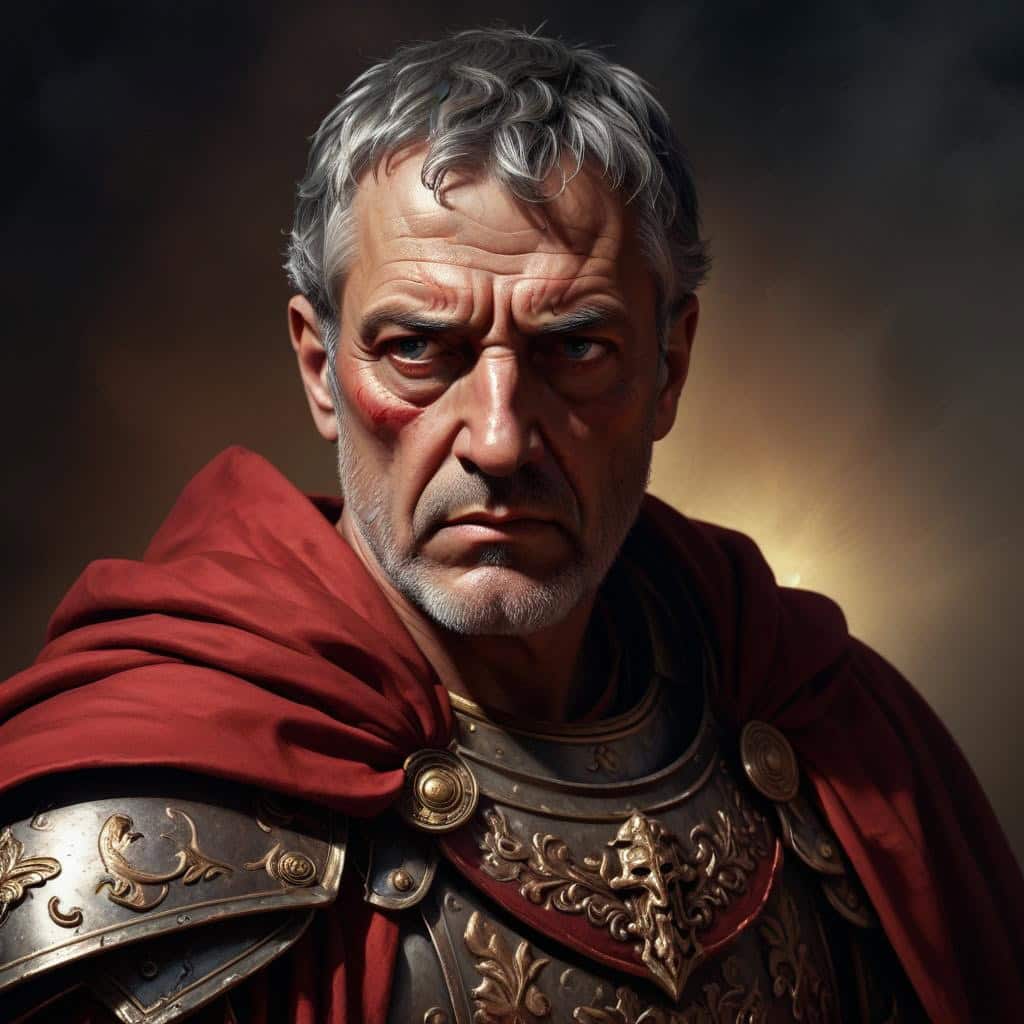
Marcus Andronicus
Titus' brother, a Roman senator who supports his brother and seeks justice.
-
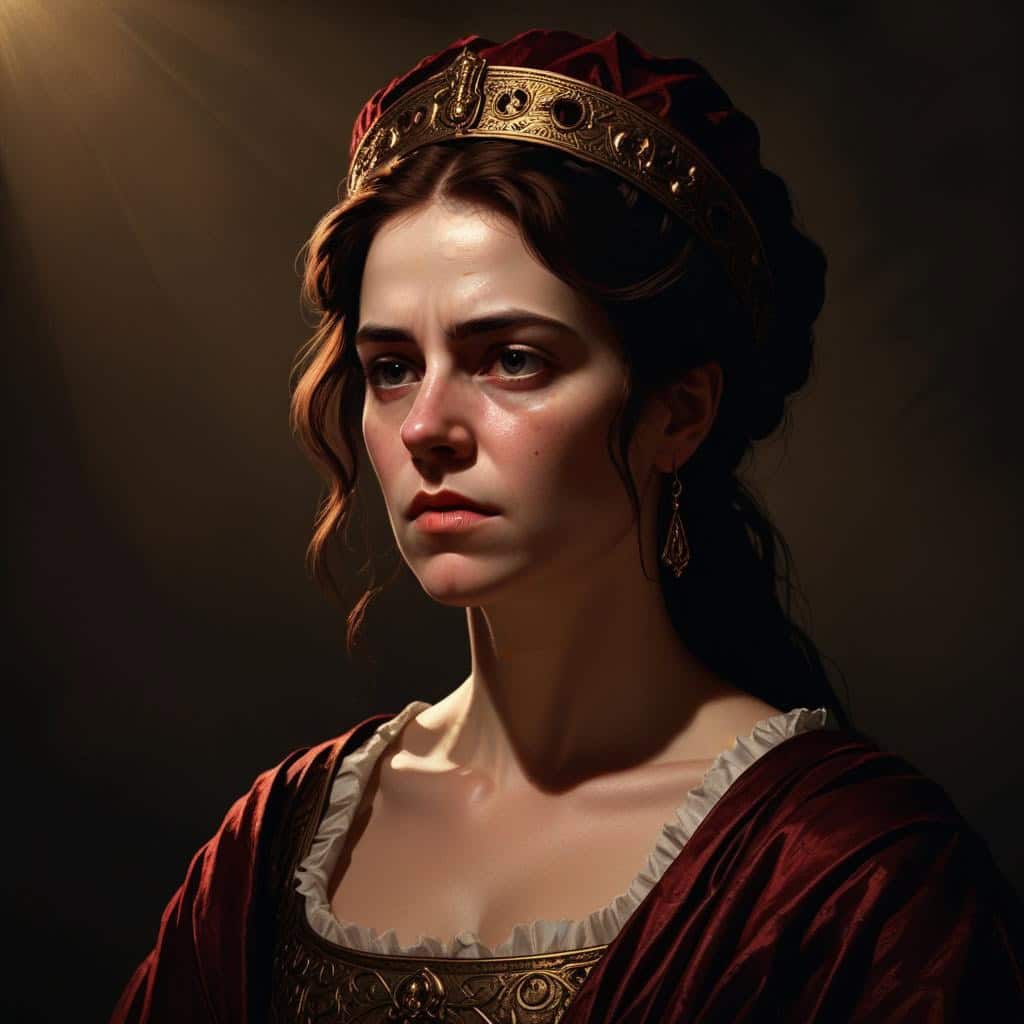
Lavinia
Titus' daughter, who becomes a victim of horrific violence.
-
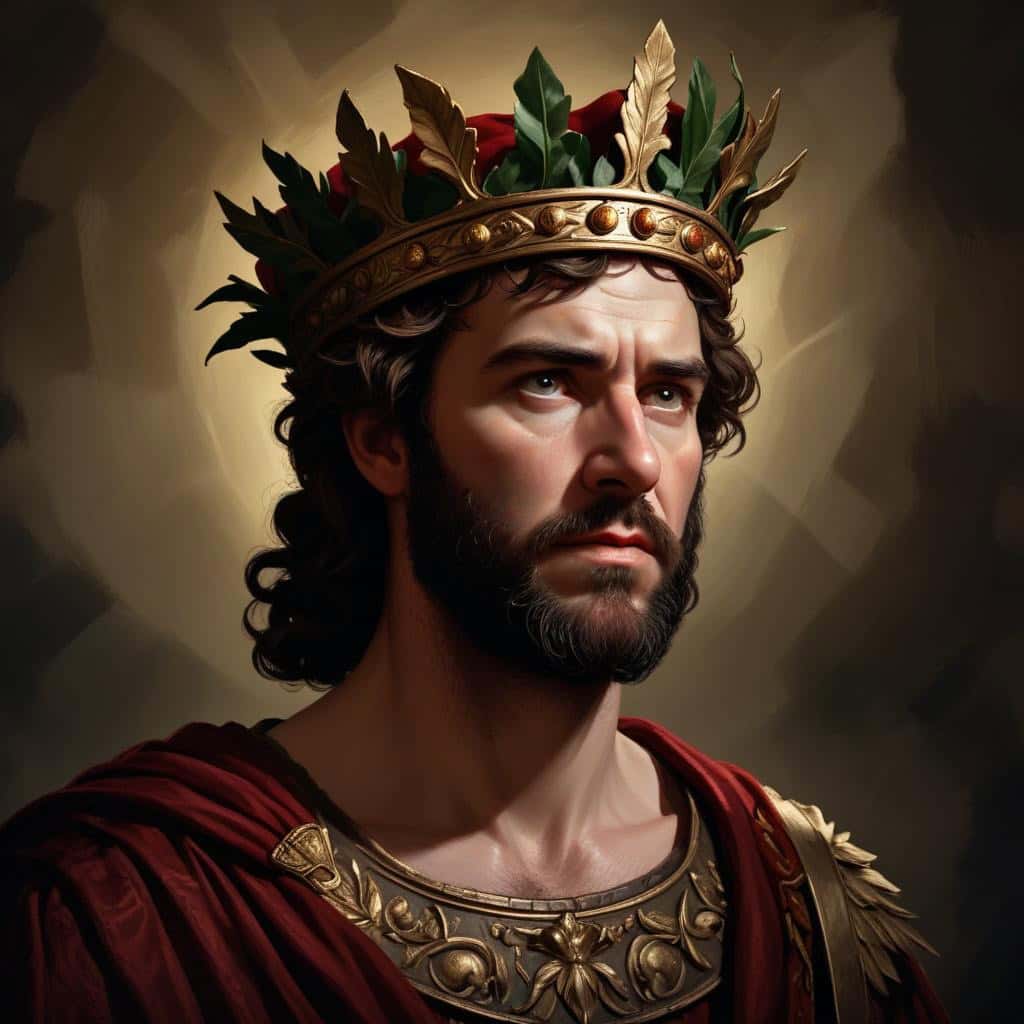
Saturninus
The Emperor of Rome, who becomes entangled in the chaos of revenge.
-
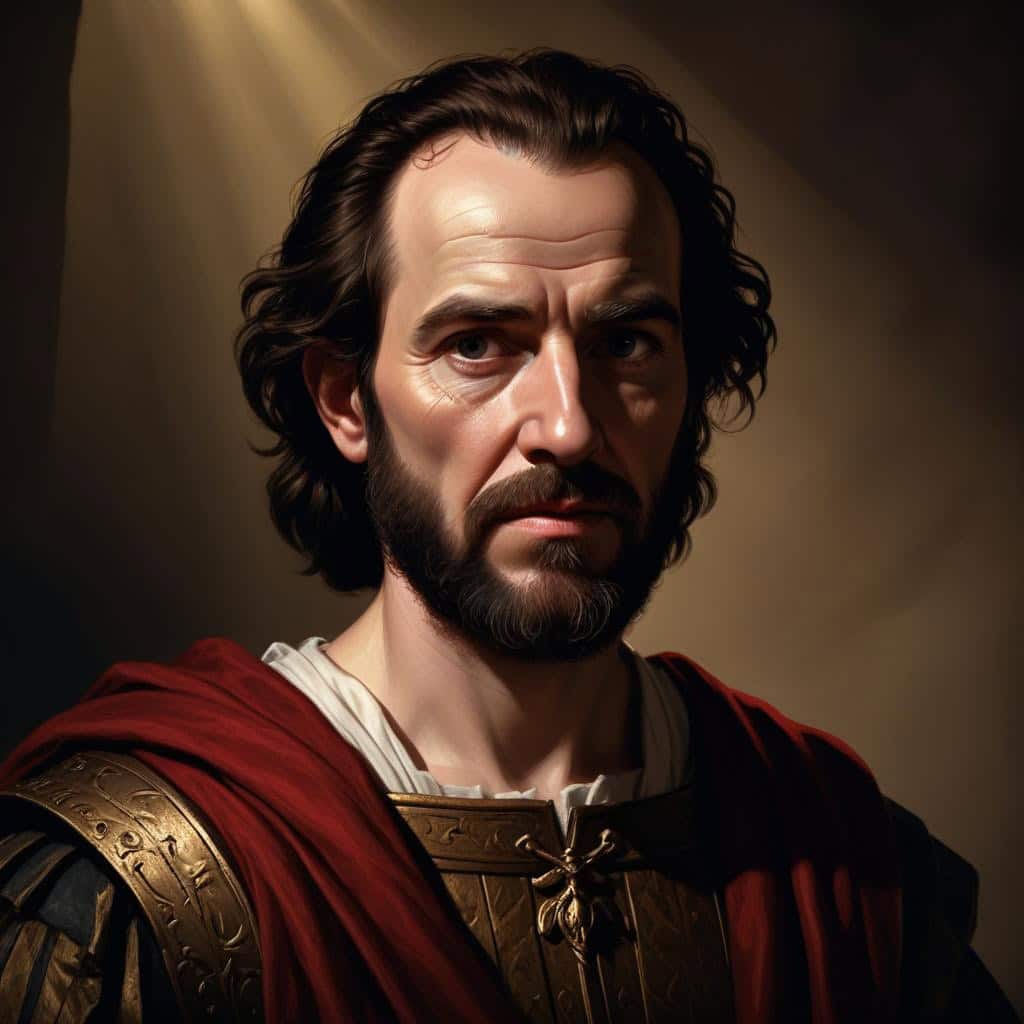
Bassianus
The younger brother of Saturninus, who disputes his claim to the throne.
-
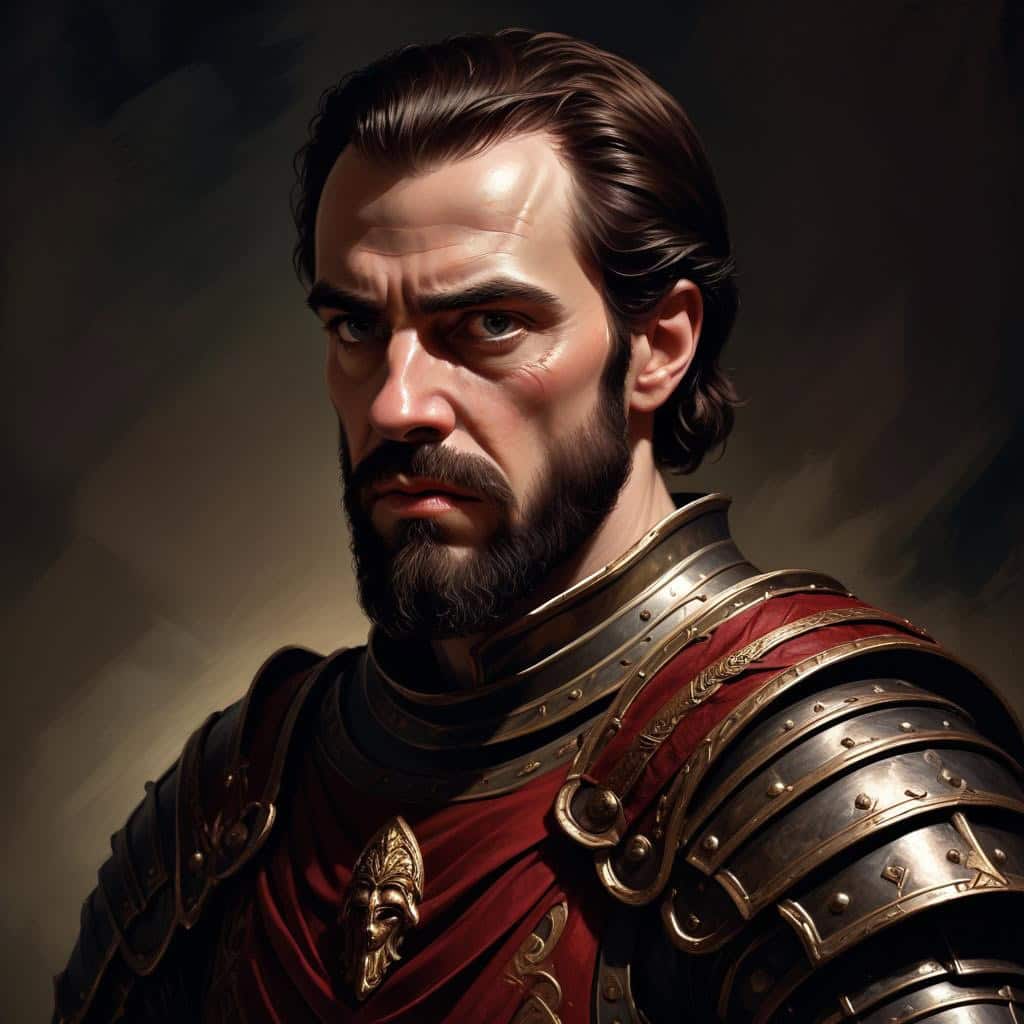
Lucius
Titus' eldest son, who leads a rebellion against the Emperor.
-
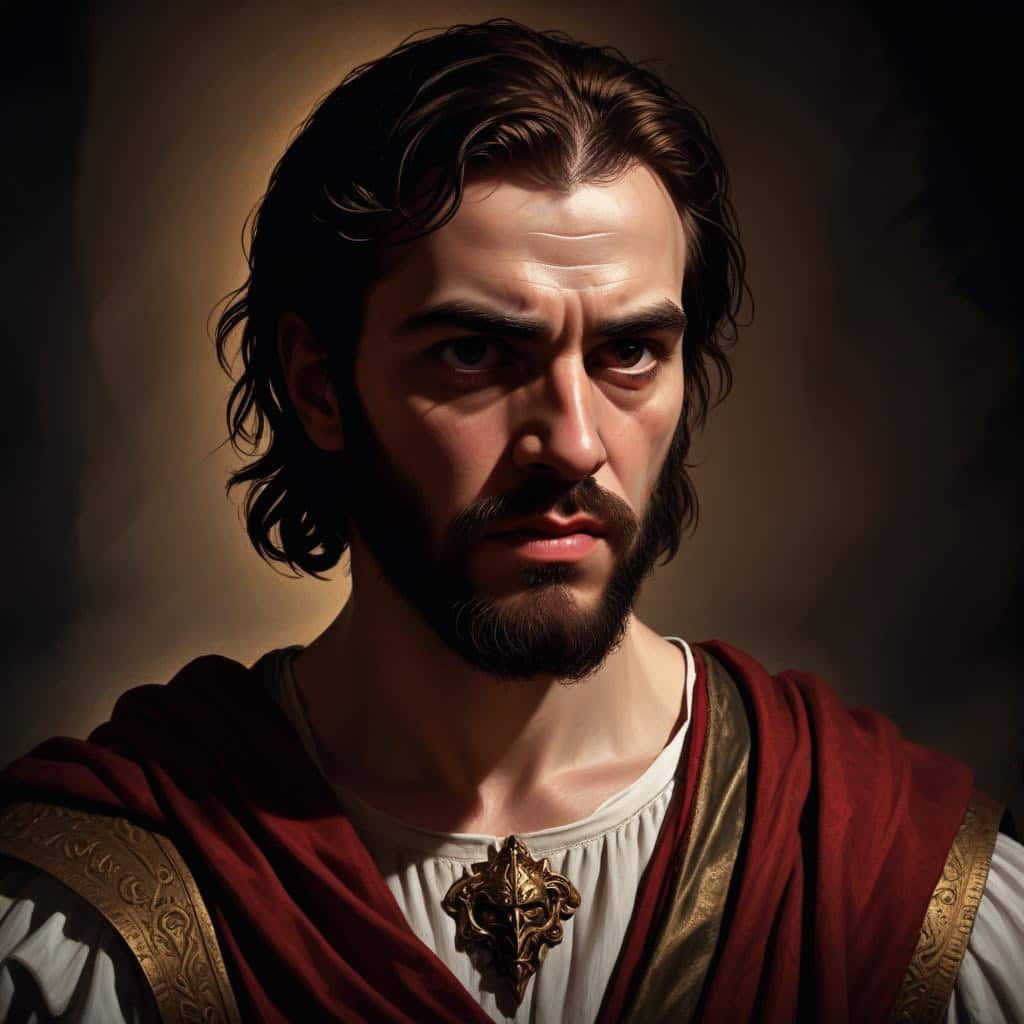
Demetrius
Two sons of Tamora, who commit heinous acts and face their own demise.
Timeline of Titus Andronicus
The Roman general, Titus Andronicus, returns to Rome after a successful campaign against the Goths.
Titus sacrifices the eldest son of Tamora, Queen of the Goths, as an offering to the gods.
Saturninus, the eldest son of the late emperor, is named the new emperor of Rome.
Titus supports the claim of Saturninus to the throne and offers him his daughter, Lavinia, in marriage.
Bassianus, Saturninus's younger brother, elopes with Lavinia, angering both Saturninus and Titus.
Titus kills one of his own sons, Mutius, for trying to stop him from capturing Lavinia.
The Andronicus family is torn apart as Titus disowns his remaining sons, Quintus and Martius, for supporting Bassianus.
Aaron, Tamora's lover and the Moor, manipulates the situation to incite a war between the Goths and the Romans.
Tamora becomes the new empress after Saturninus's marriage to Lavinia is called off.
Tamora's sons, Chiron and Demetrius, rape and mutilate Lavinia, leaving her unable to speak or identify her attackers.
Lavinia reveals the identities of her attackers by using sticks to form the names in the dirt.
Aaron frames two of Titus's sons, Quintus and Martius, for the murder of Bassianus, leading to their execution.
Titus feigns madness and plots revenge against Tamora, Saturninus, and their allies.
Titus tricks Tamora into eating pies made from the flesh of her own sons.
Titus kills Lavinia to release her from her suffering.
Titus kills Tamora, Saturninus, and Aaron.
Lucius, Titus's remaining son, is named the new emperor of Rome.
Lucius orders the bodies of Tamora and Saturninus to be thrown to the animals.
Lucius vows to restore order and justice in Rome.
Vocabulary List
- Andronicus
- The main character of the play, Titus Andronicus, is a Roman general
- Lavinia
- Titus Andronicus' daughter, who is raped and mutilated
- Aaron
- A Moorish character who serves as the main antagonist and commits various atrocities
- Tamora
- The Queen of the Goths and Aaron's lover
- Saturninus
- The eldest son of the late Roman Emperor
- Bassianus
- Saturninus' younger brother and Lavinia's secret lover
- Lucius
- Titus Andronicus' eldest son, who leads a rebellion against Rome
- Marcus
- Titus Andronicus' brother, who supports him throughout the play
- Quintus and Martius
- Titus Andronicus' sons, who are executed for a crime they did not commit
- Demetrius and Chiron
- Tamora's sons, who commit the rape and mutilation of Lavinia
- Publius
- A Roman senator and friend of Titus Andronicus
- Nurse
- Lavinia's nurse, who is present during her rape
- Tribunes
- Officials who hold power in Rome and play important roles in the political events of the play
- Messenger
- A character who delivers important news throughout the play
- Aemilius
- A Roman nobleman who supports Saturninus and is sent to capture Lucius
- Alarbus
- Tamora's eldest son, who is sacrificed by Titus Andronicus
- Sacrifice
- An act of offering something as a religious or solemn gesture
- Revenge
- The desire for retaliation or punishment for a perceived wrongdoing
- Tragedy
- A genre of drama that presents a serious subject matter and often ends in the downfall of the main character
- Bloodshed
- The act of shedding blood, often associated with violence or warfare.
Key Facts
This is the information used in the fact matching game
- - Titus Andronicus is a tragedy play written by William Shakespeare.
- - It is believed to be one of Shakespeare's earliest plays, written around 1590-1593.
- - The play is set during the late Roman Empire and tells the story of the Roman general, Titus Andronicus.
- - Titus returns to Rome after a successful military campaign against the Goths.
- - He becomes embroiled in a cycle of revenge and violence after the death of his sons and the loss of his hand in battle.
- - The play explores themes of revenge, honor, justice, and the consequences of violence.
- - Titus's daughter, Lavinia, is raped and mutilated by the sons of Tamora, the Queen of the Goths.
- - Tamora becomes the Empress of Rome and seeks revenge against Titus and his family.
- - Aaron the Moor, Tamora's lover, plays a manipulative and villainous role in the story.
- - The play is known for its graphic violence, including scenes of murder, dismemberment, and cannibalism.
- - Titus seeks revenge by killing Tamora's sons and serving them in a pie to her.
- - The play contains a famous quote: "Vengeance is in my heart, death in my hand, Blood and revenge are hammering in my head."
- - It is believed that Shakespeare may have collaborated with another playwright, possibly George Peele, on Titus Andronicus.
- - The play was not initially well-received by critics, but it has gained more appreciation over time.
- - Titus Andronicus is thought to have influenced later revenge tragedies, including John Webster's The Duchess of Malfi.
- - The character of Titus has similarities to Shakespeare's later tragic heroes, such as King Lear and Macbeth.
- - The play raises questions about the nature of justice and the cycle of violence.
- - Titus Andronicus has been adapted into films, including a 1999 version directed by Julie Taymor.
- - The play's popularity has grown in recent years, with numerous stage productions around the world.
- - Despite its gruesome content, Titus Andronicus is considered a significant work in Shakespeare's canon.
Analysis & Significance
Impact on Literature
‘Titus Andronicus’ is a significant work in literature as it is one of William Shakespeare’s earliest tragedies. It showcases his ability to explore complex themes of revenge, violence, and power dynamics within a dramatic and gruesome narrative. The play’s shocking and graphic content pushed the boundaries of storytelling in its time, setting a precedent for future works in the genre of tragedy.
Enduring Themes
The themes present in ‘Titus Andronicus’ continue to resonate with modern audiences, reflecting the darker aspects of human nature. The play delves into themes of betrayal, justice, and the destructive nature of revenge, prompting audiences to contemplate the consequences of unchecked violence and the pursuit of power. These timeless themes make ‘Titus Andronicus’ a work that remains relevant and thought-provoking to this day.
Cultural Significance Today
Despite its controversial nature, ‘Titus Andronicus’ has left a lasting legacy in both literary and cultural spheres. The play has inspired numerous adaptations in various art forms, from stage productions to film interpretations. Its influence can be seen in works that explore themes of violence, revenge, and the complexities of human relationships, making ‘Titus Andronicus’ a culturally significant piece that continues to captivate audiences worldwide.
Titus Andronicus Games


Take Your Learning Offline
Want a convenient, print-ready study guide for this lesson? Become a Memory Wizards Pro member to unlock the downloadable " Memory Scrolls" for this topic and our entire library!
- ✓ Complete Vocabulary Lists
- ✓ Key Facts & Timelines
- ✓ Beautifully Formatted for Print & Mobile