
How Do You Learn Best?
Learn by Listening
Start with the 3-minute audio summary to get the key facts and narrative highlights quickly.
Learn by Reading
Immerse yourself in the 10-minute visual lesson for a comprehensive understanding of the topic.
Learn by Reviewing
Jump directly to the key facts, timeline, and vocabulary lists to build a solid foundation of details.
Learn by Doing
Challenge yourself! Jump straight into the interactive games to learn by trial, error, and discovery.
Audio Library
As one of our featured lessons, this topic includes premium audio guides.
Unlock the Wizard's Cram Session
This powerful audio study guide is a Pro-exclusive feature. Upgrade to Memory Wizards Pro to access this and all of our premium learning tools.
Upgrade to ProThe Merchant of Venice in 10 Minutes
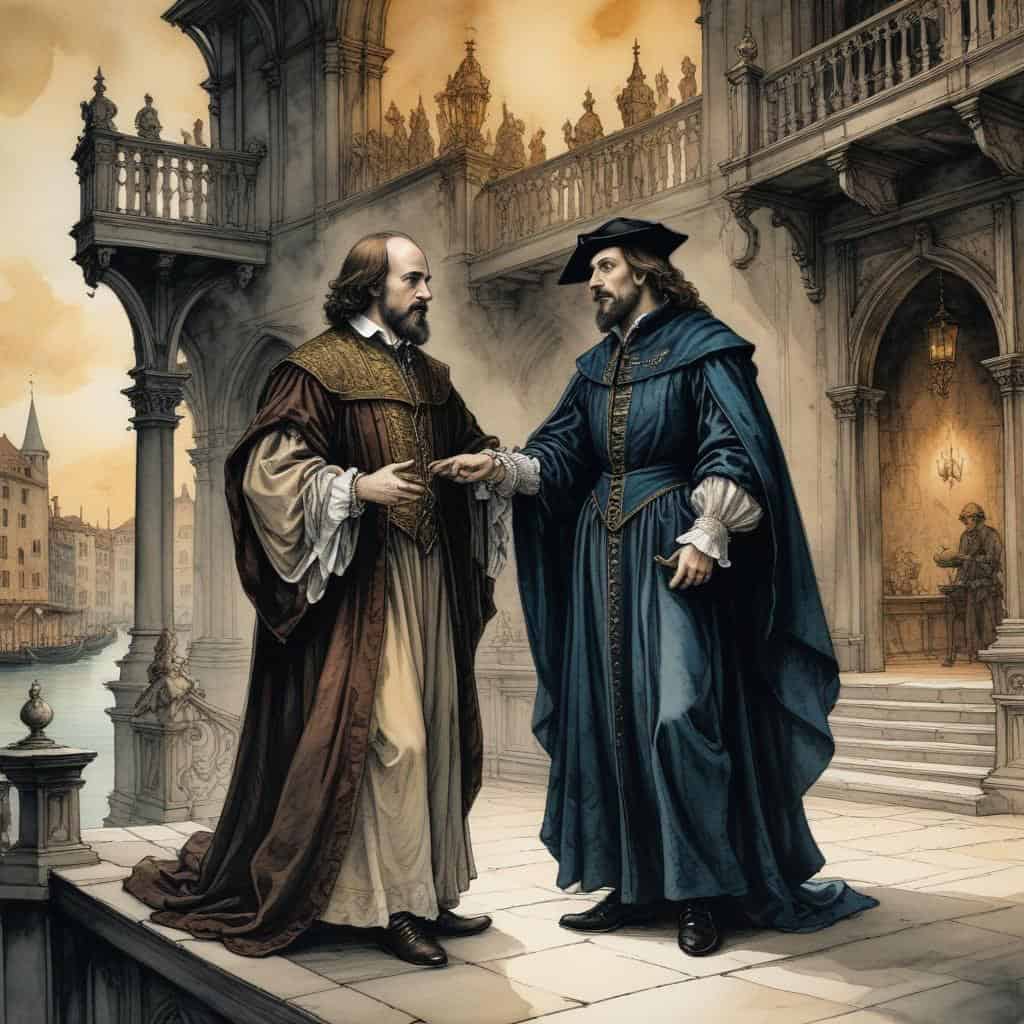
Introduction
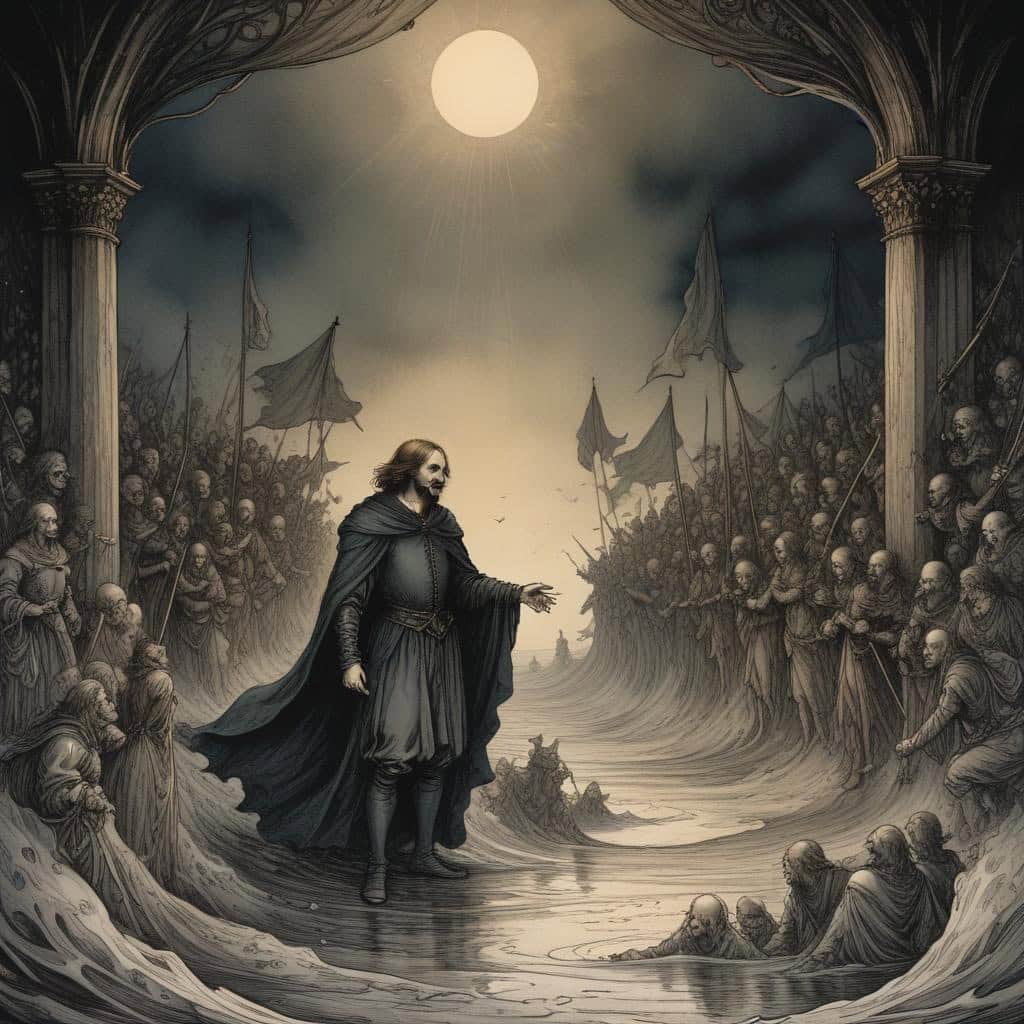


Antonio

Shylock

Portia

Bassanio

Jessica
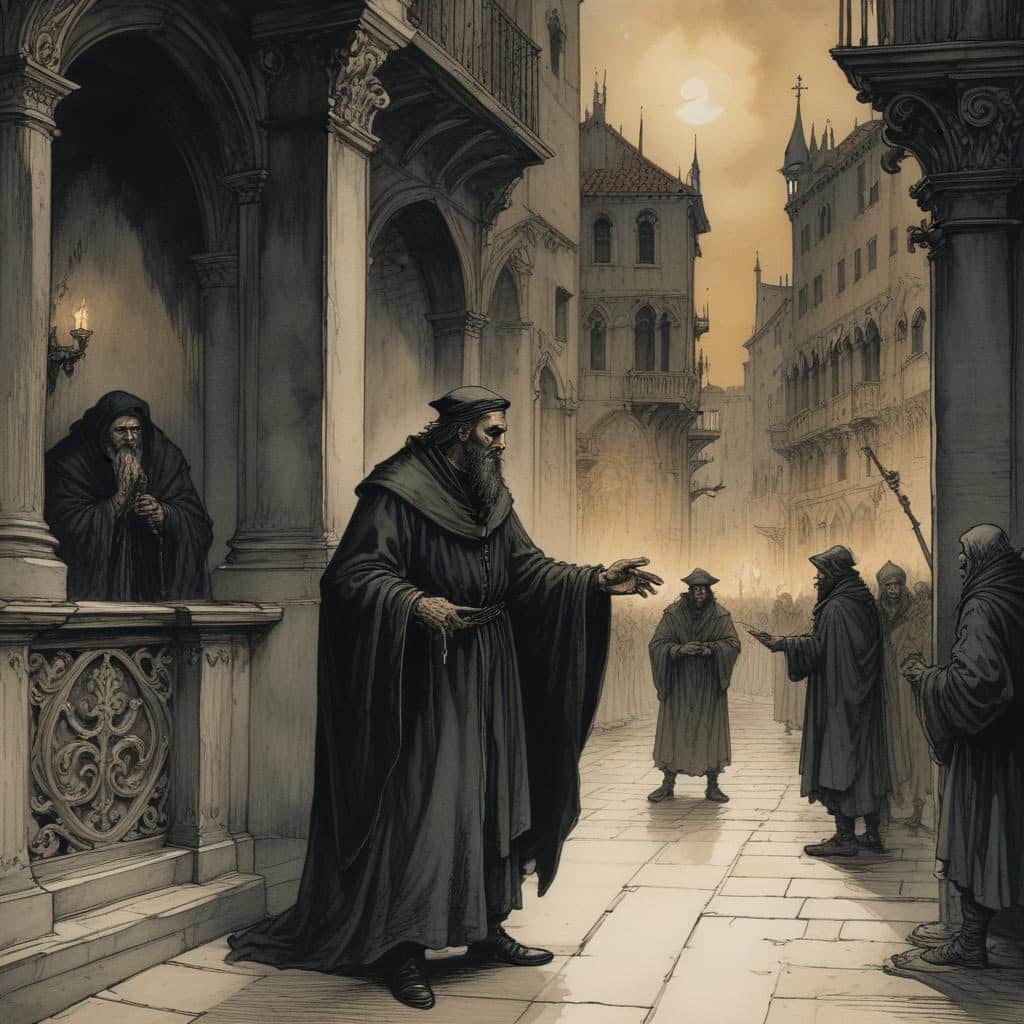
The Bond
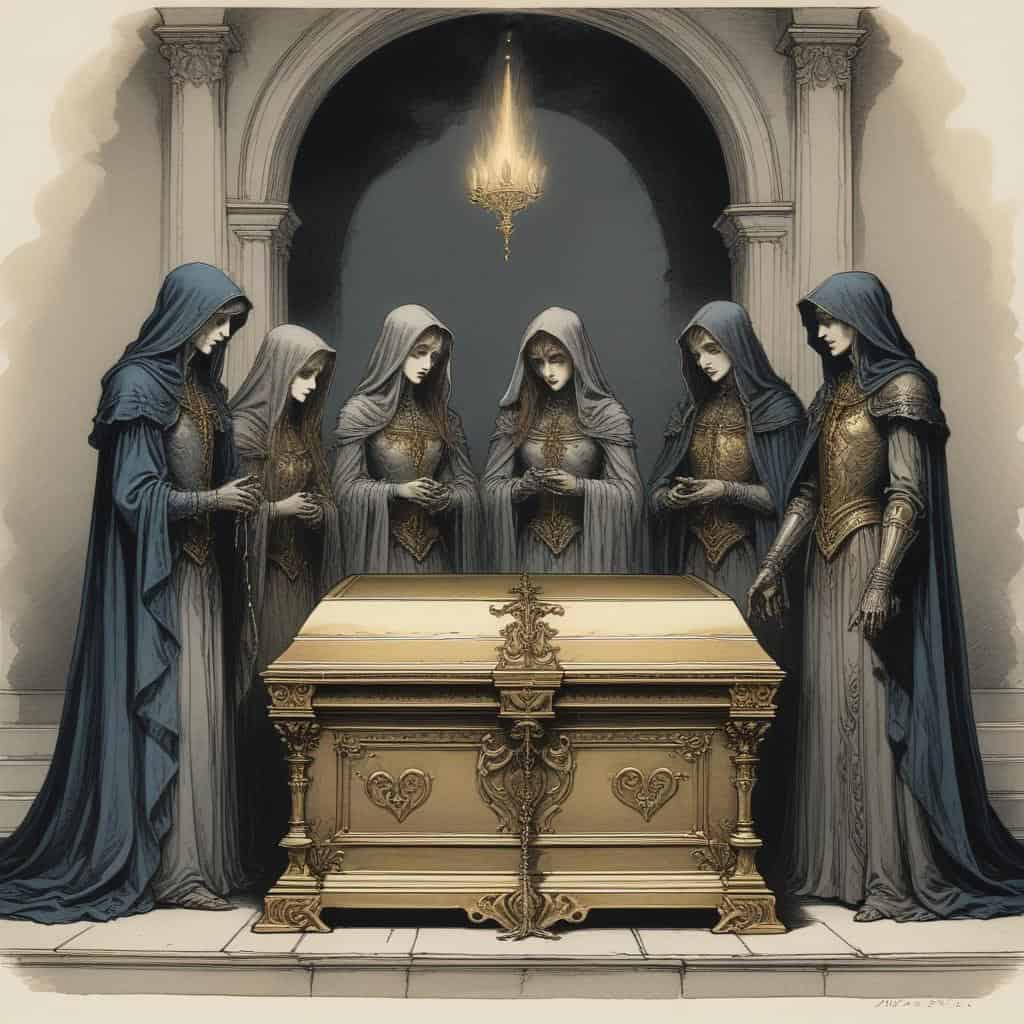
The Caskets
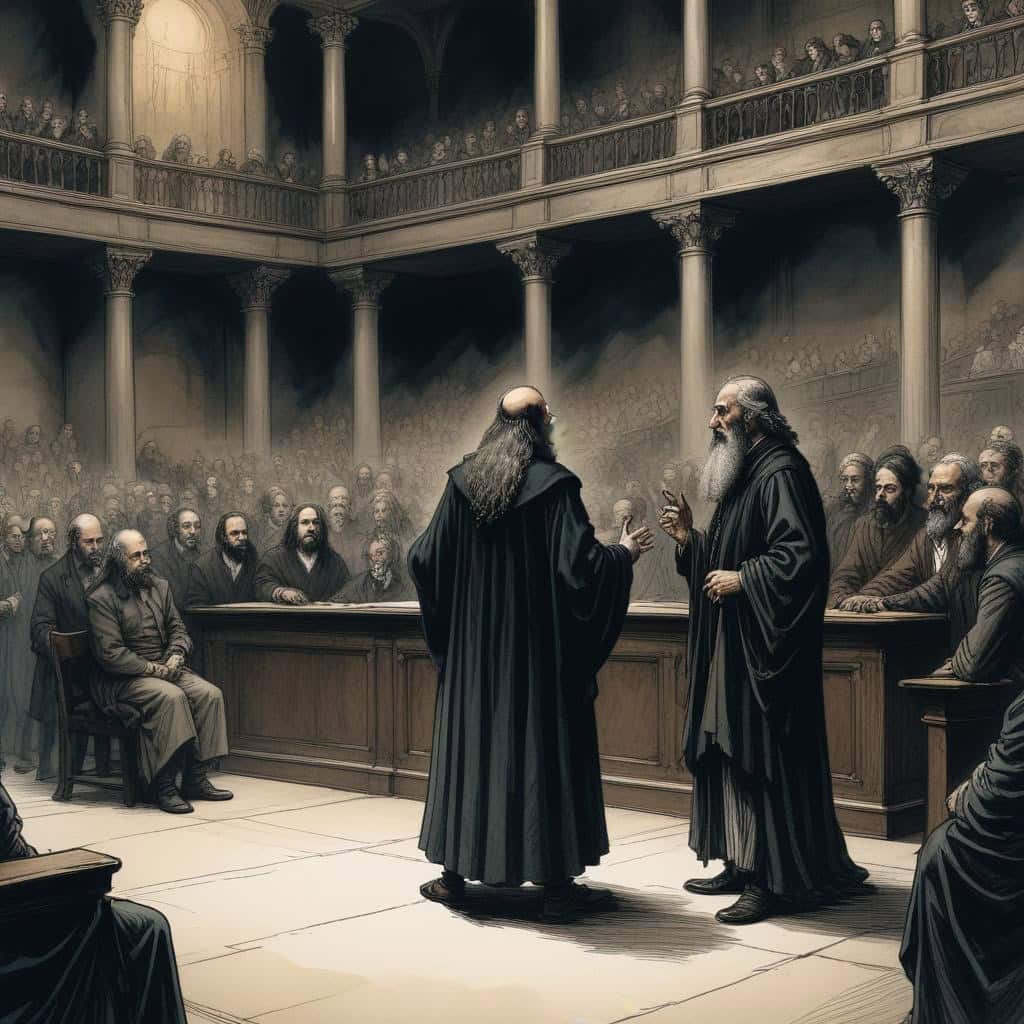
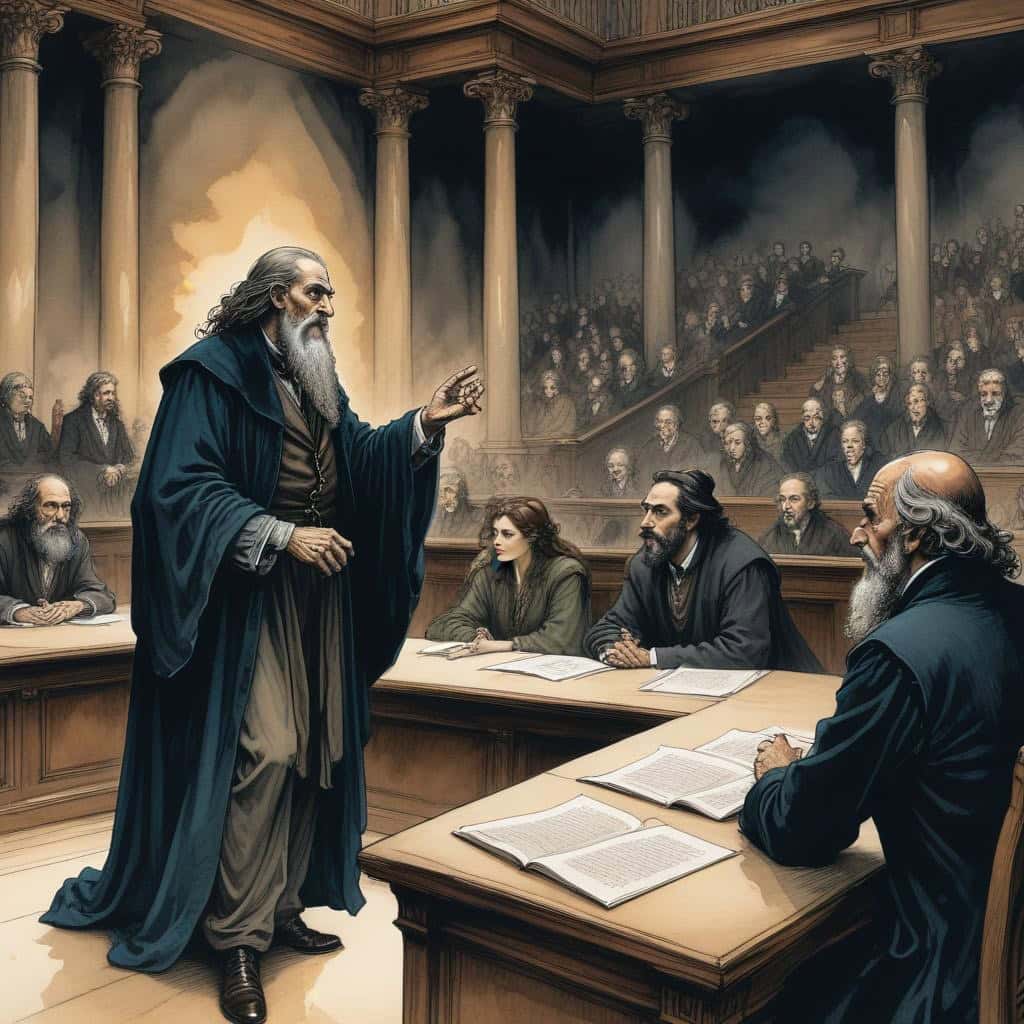
The Trial

The Ring
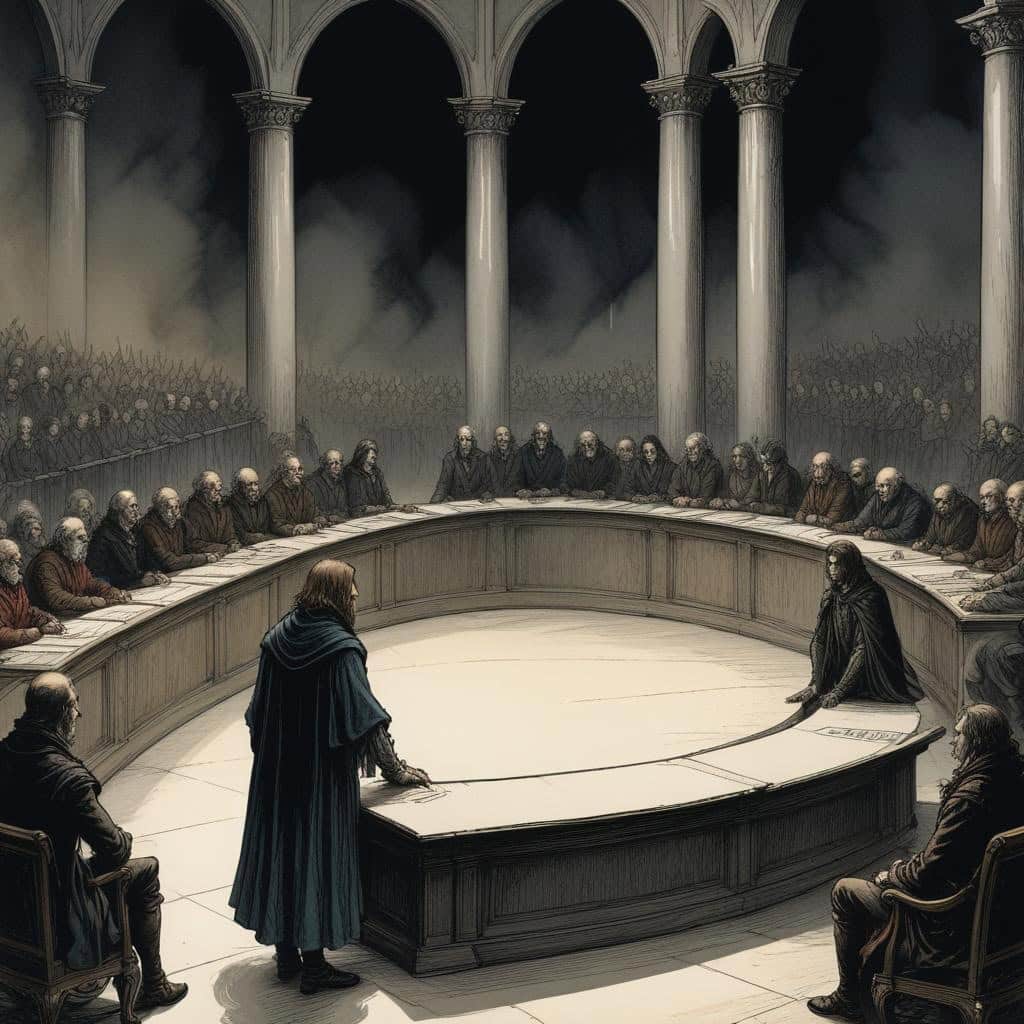
The Trial of the Rings
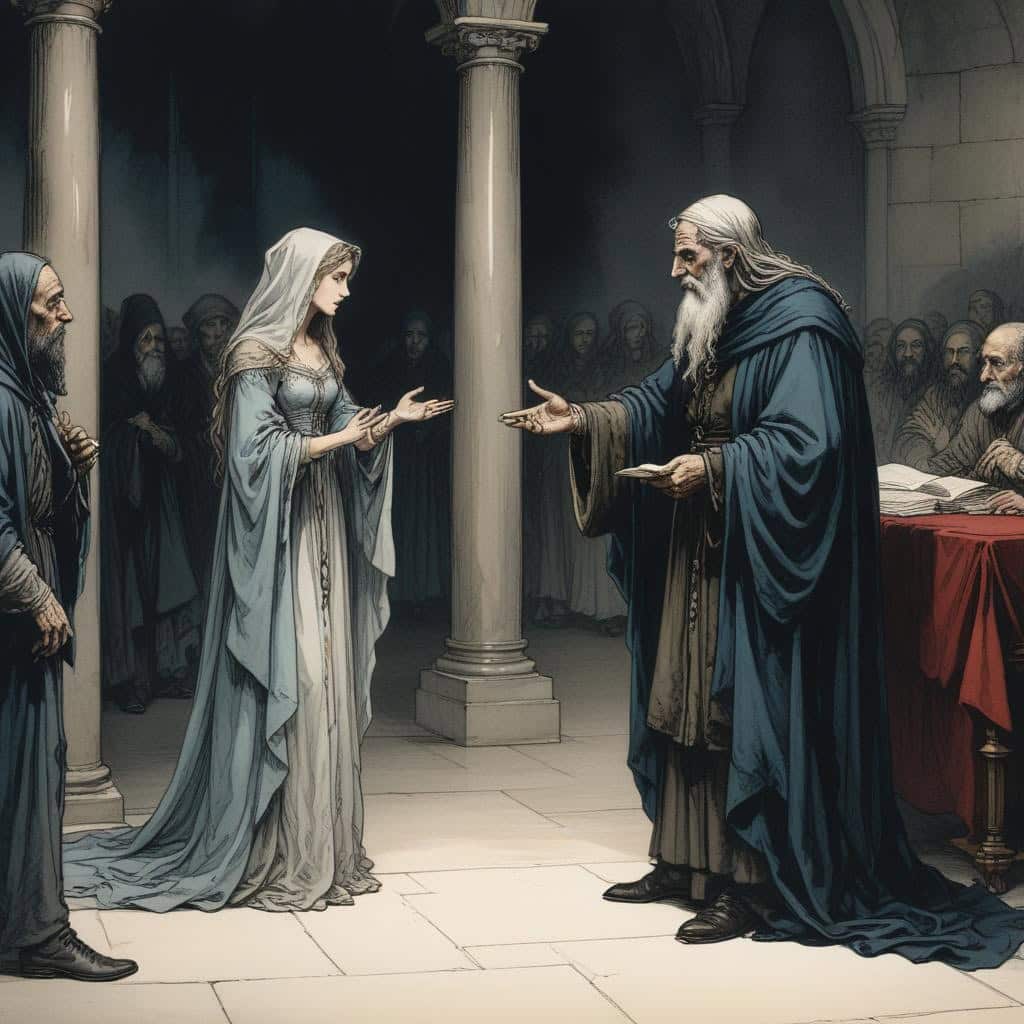
The Mercy

The Reconciliation
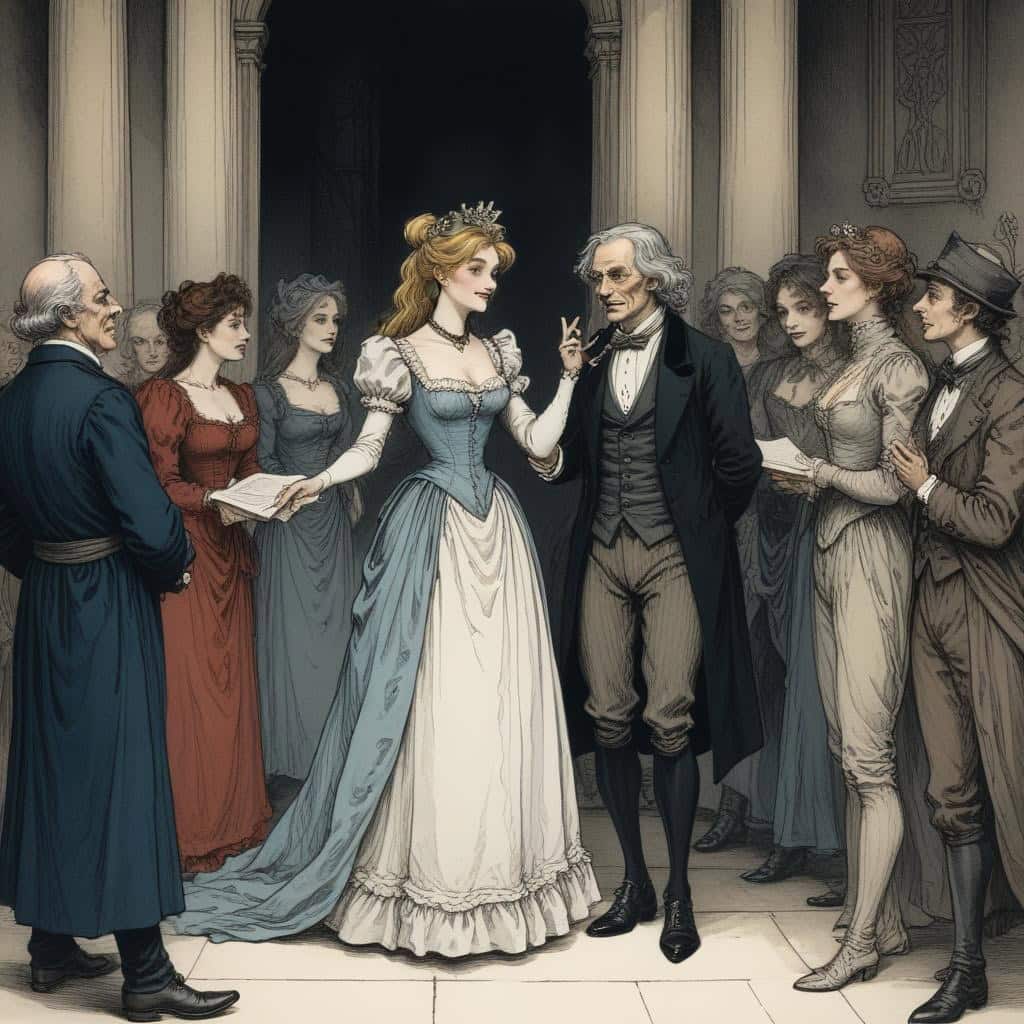
The Happy Ending
Lesson Details & Resources
In a Nutshell
- What: The Merchant of Venice by William Shakespeare
- When: Written in the Elizabethan era
- Who: Antonio, Shylock, Portia
- Theme: Prejudice, justice, mercy
List of Characters in The Merchant of Venice
-
Shylock
Shylock is a Jewish moneylender who seeks revenge on Antonio for defaulting on a loan.
-
Antonio
Antonio is a wealthy merchant who borrows money from Shylock to help his friend Bassanio.
-
Portia
Portia is a wealthy heiress who disguises herself as a male lawyer to save Antonio in court.
-
Bassanio
Bassanio is a young Venetian nobleman who borrows money from Antonio to woo Portia.
-
Jessica
Jessica is Shylock's daughter who elopes with Lorenzo, a Christian.
-
Lorenzo
Lorenzo is a friend of Antonio and Bassanio who elopes with Jessica.
-
Gratiano
Gratiano is a friend of Antonio and Bassanio who marries Nerissa.
-
Nerissa
Nerissa is Portia's lady-in-waiting who marries Gratiano.
-
Launcelot Gobbo
Launcelot Gobbo is Shylock's servant who leaves him to work for Bassanio.
Timeline of The Merchant of Venice
Antonio borrows money from Shylock.
Bassanio asks Antonio for a loan.
Bassanio borrows money from Antonio.
Portia's father sets up a casket test for her suitors.
Portia's suitors fail the casket test.
Bassanio chooses the correct casket and wins Portia's hand in marriage.
Shylock demands repayment from Antonio.
Shylock insists on his bond and takes the case to court.
Portia disguises herself as a lawyer and saves Antonio.
Shylock is forced to convert to Christianity and give up his wealth.
Antonio's ships return safely, and all debts are repaid.
Portia and Nerissa reveal their disguises to their husbands.
The couples celebrate their marriages and the resolution of the conflicts.
Vocabulary List
- Usurer
- A person who lends money at high interest rates
- Bond
- A written agreement in which a person promises to pay a certain amount of money if they fail to fulfill a specified obligation
- Casket
- A small decorative box used for holding valuable items
- Forfeit
- To lose or be deprived of something as a penalty for wrongdoing or neglect
- Pound of flesh
- A phrase referring to the insistence on the strict enforcement of a contract or agreement, even if it causes harm or suffering
- Dowry
- Property or money brought by a bride to her husband on their marriage
- Jew
- A member of the people and cultural community whose traditional religion is Judaism
- Pious
- Devoutly religious or morally righteous
- Pound
- The basic unit of currency in various countries, including the UK and some other Commonwealth countries
- Ducats
- A former European gold coin
- Merry
- Cheerful and lively in mood or disposition
- Mercy
- Compassion or forgiveness shown toward someone whom it is within one's power to punish or harm
- Justice
- The quality of being fair and reasonable
- Prejudice
- Preconceived opinion that is not based on reason or actual experience
- Villain
- A character whose evil actions or motives are important to the plot
- Revenge
- The action of inflicting hurt or harm on someone in retaliation for an injury or wrong suffered
- Eloquent
- Fluent or persuasive in speaking or writing
- Cunning
- Intelligent and crafty in a way that is intended to deceive or outwit others
- Egotistical
- Excessively self-centered or self-important
- Cruelty
- Behavior that causes physical or mental harm to others
- Rivalry
- Competition for the same objective or for superiority in the same field.
Key Facts
This is the information used in the fact matching game
- - The Merchant of Venice is a play written by William Shakespeare.
- - It was likely written between 1596 and 1598.
- - The play is set in Venice, Italy during the 16th century.
- - The main characters include Antonio, Portia, Shylock, and Bassanio.
- - Antonio is a wealthy merchant who borrows money from Shylock.
- - Shylock is a Jewish moneylender who seeks revenge on Antonio for mistreating him.
- - One of the most famous quotes from the play is "The quality of mercy is not strained."
- - Portia is a wealthy heiress who disguises herself as a male lawyer to save Antonio.
- - The play explores themes of love, friendship, justice, and prejudice.
- - The subplot involves the suitors of Portia, who must choose the correct casket to win her hand in marriage.
- - Bassanio, a friend of Antonio, successfully chooses the correct casket.
- - The play has been controversial for its depiction of Shylock, often seen as an anti-Semitic portrayal.
- - The character of Shylock delivers a famous monologue known as the "Hath not a Jew eyes?" speech.
- - The climax of the play is the courtroom scene where Portia delivers a speech on mercy.
- - Shylock's punishment in the courtroom includes having to convert to Christianity and give up his wealth.
- - The play ends with various characters finding love and happiness.
- - The play has been adapted into numerous films, operas, and stage productions.
- - The character of Portia, with her intelligence and wit, is often praised as one of Shakespeare's strongest female characters.
- - The Merchant of Venice is considered a tragicomedy due to its blend of comedic and tragic elements.
- - The play continues to be performed and studied for its exploration of complex themes and compelling characters.
Analysis & Significance
Impact on Literature
William Shakespeare’s ‘The Merchant of Venice’ has had a profound impact on literature, particularly in its exploration of themes such as love, justice, and prejudice. Its complex characters and moral dilemmas have inspired countless adaptations and interpretations in both literature and theater.
Enduring Themes
The timeless themes in ‘The Merchant of Venice’ continue to resonate with modern audiences. Issues of discrimination, loyalty, and the nature of mercy are still relevant today, making the play a powerful exploration of human nature and societal norms that transcends its original context.
Cultural Significance Today
Even centuries after its creation, ‘The Merchant of Venice’ remains culturally significant, with numerous adaptations in film, theater, and literature. Its controversial portrayal of Shylock and exploration of anti-Semitism continue to spark debate and reflection on issues of tolerance and justice in contemporary society.
The Merchant of Venice Games


Take Your Learning Offline
Want a convenient, print-ready study guide for this lesson? Become a Memory Wizards Pro member to unlock the downloadable " Memory Scrolls" for this topic and our entire library!
- ✓ Complete Vocabulary Lists
- ✓ Key Facts & Timelines
- ✓ Beautifully Formatted for Print & Mobile