
How Do You Learn Best?
Learn by Listening
Start with the 3-minute audio summary to get the key facts and narrative highlights quickly.
Learn by Reading
Immerse yourself in the 10-minute visual lesson for a comprehensive understanding of the topic.
Learn by Reviewing
Jump directly to the key facts, timeline, and vocabulary lists to build a solid foundation of details.
Learn by Doing
Challenge yourself! Jump straight into the interactive games to learn by trial, error, and discovery.
Audio Library
As one of our featured lessons, this topic includes premium audio guides.
Unlock the Wizard's Cram Session
This powerful audio study guide is a Pro-exclusive feature. Upgrade to Memory Wizards Pro to access this and all of our premium learning tools.
Upgrade to ProThe Comedy of Errors in 10 Minutes
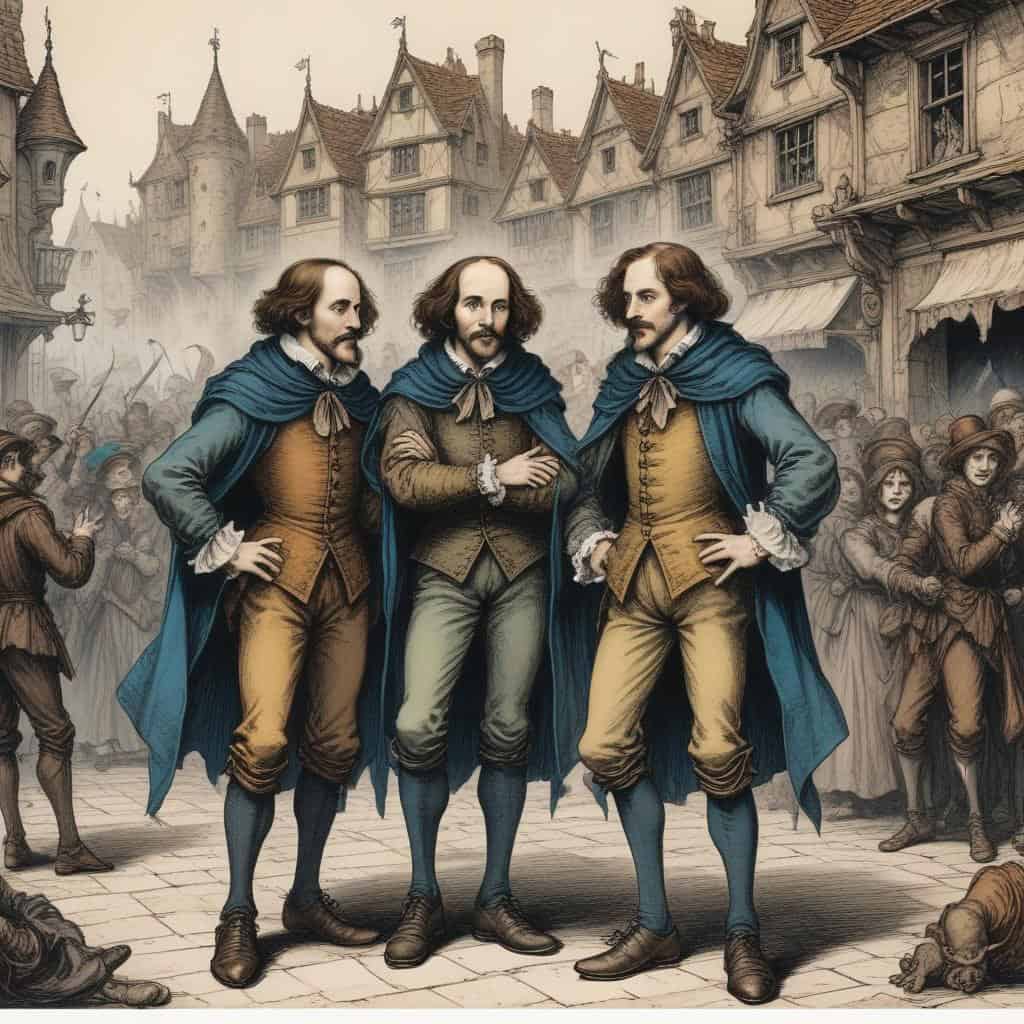
Introduction
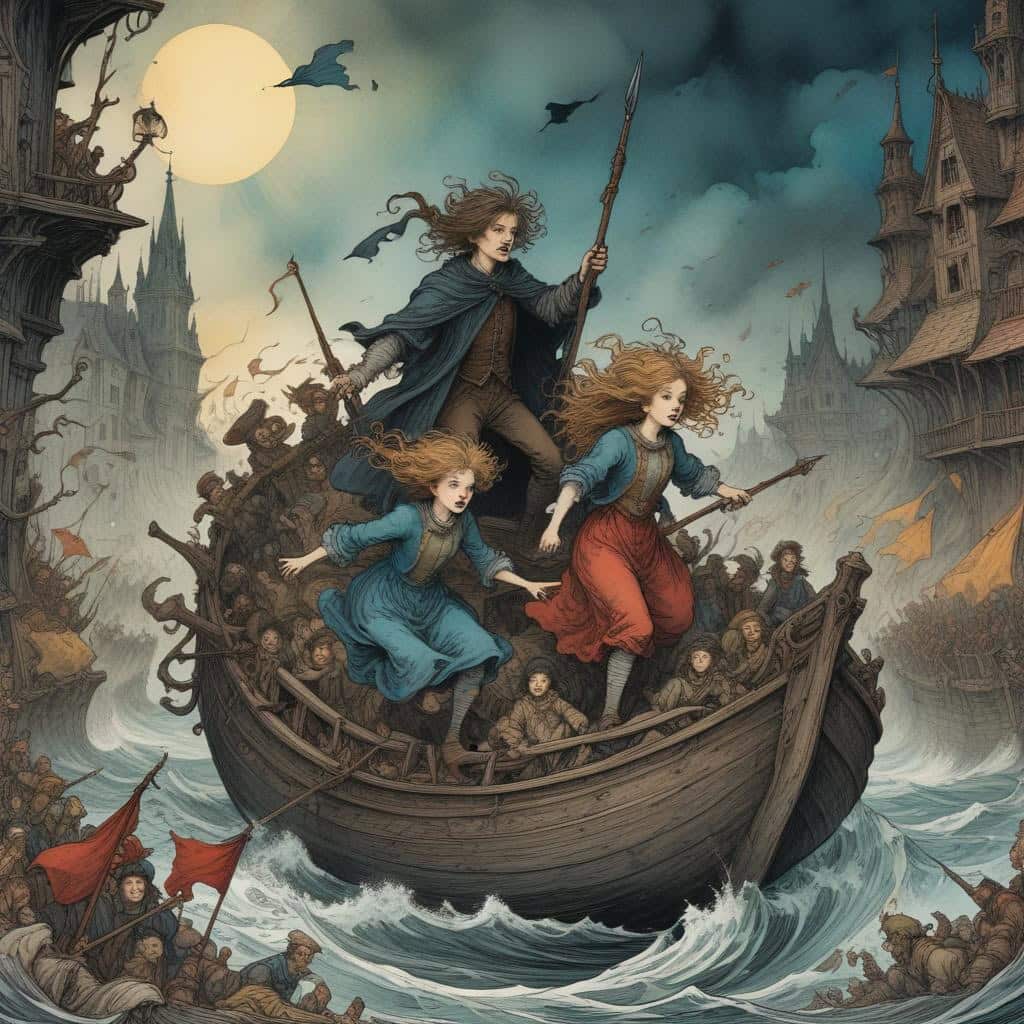
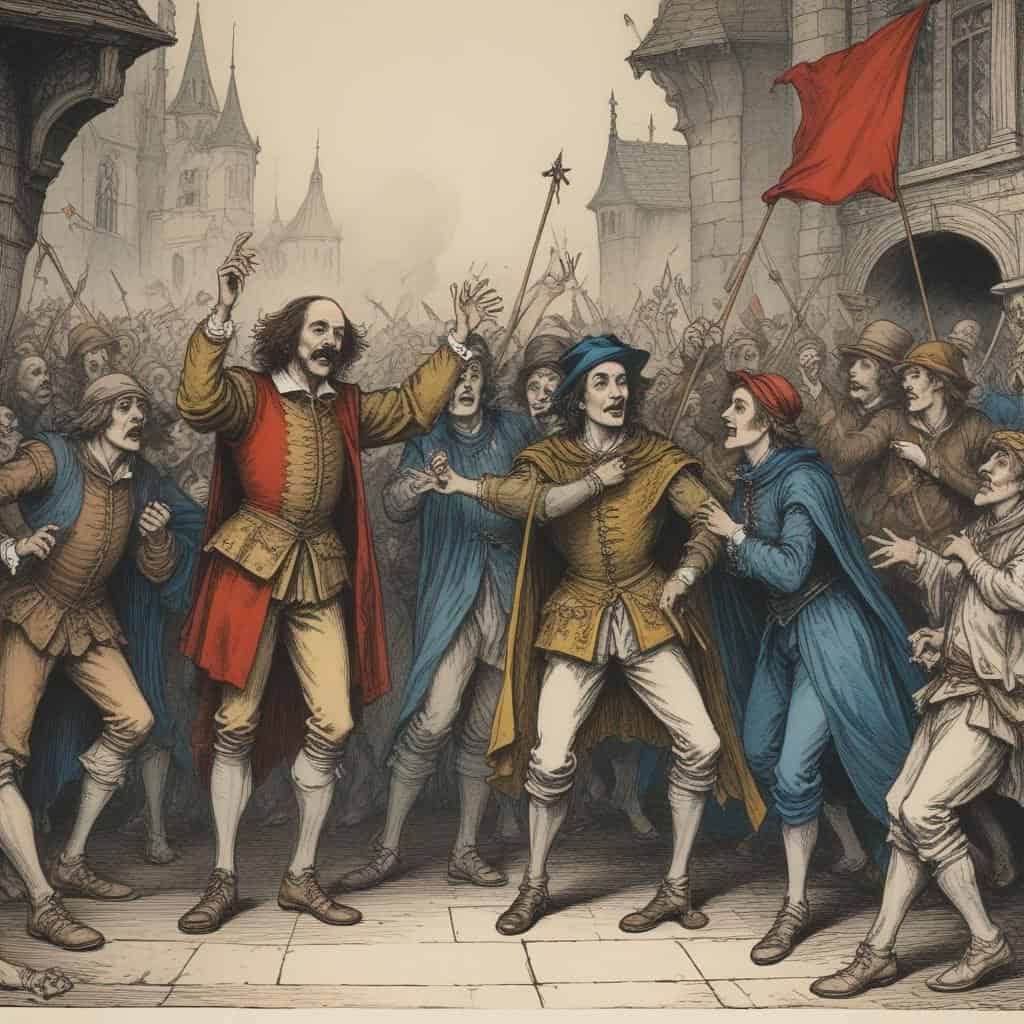

Antipholus of Syracuse

Antipholus of Ephesus

Dromio of Syracuse

Dromio of Ephesus

Adriana

Luciana
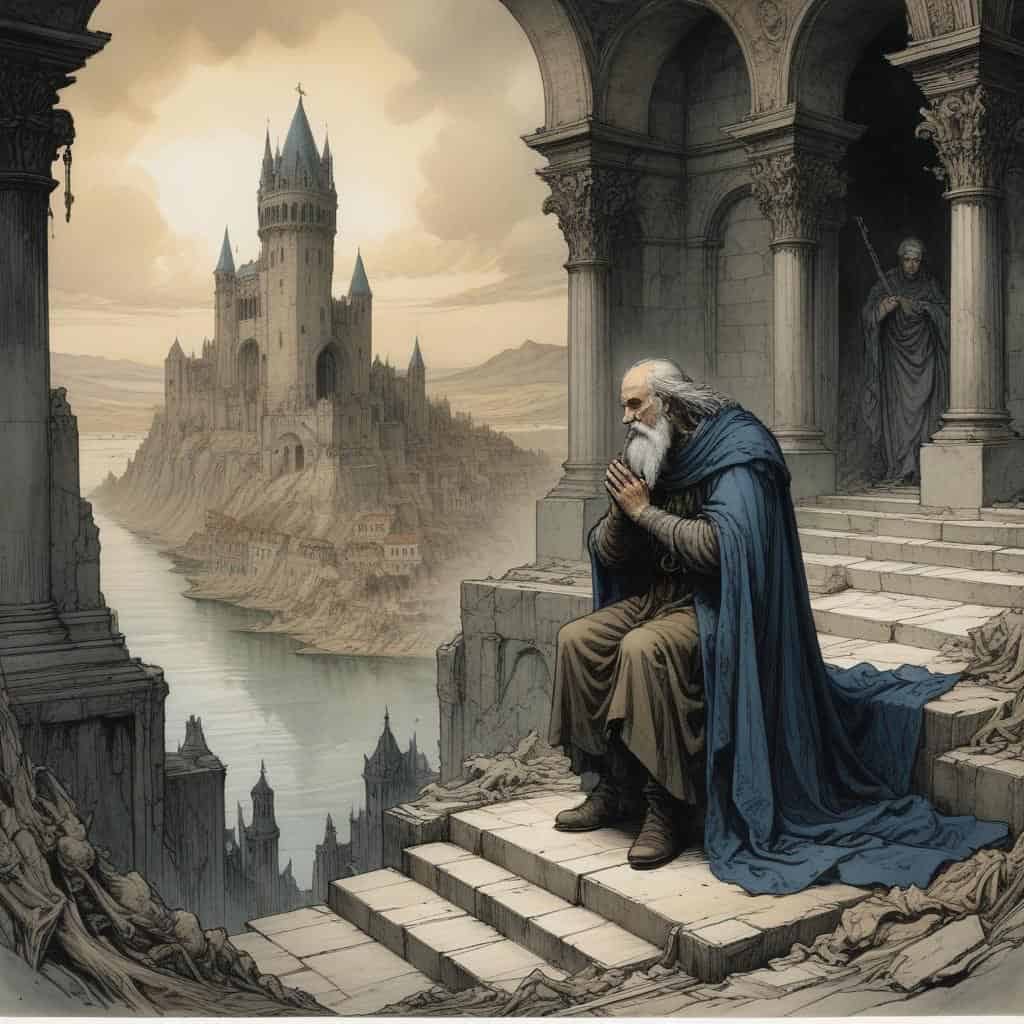
1. The Setup
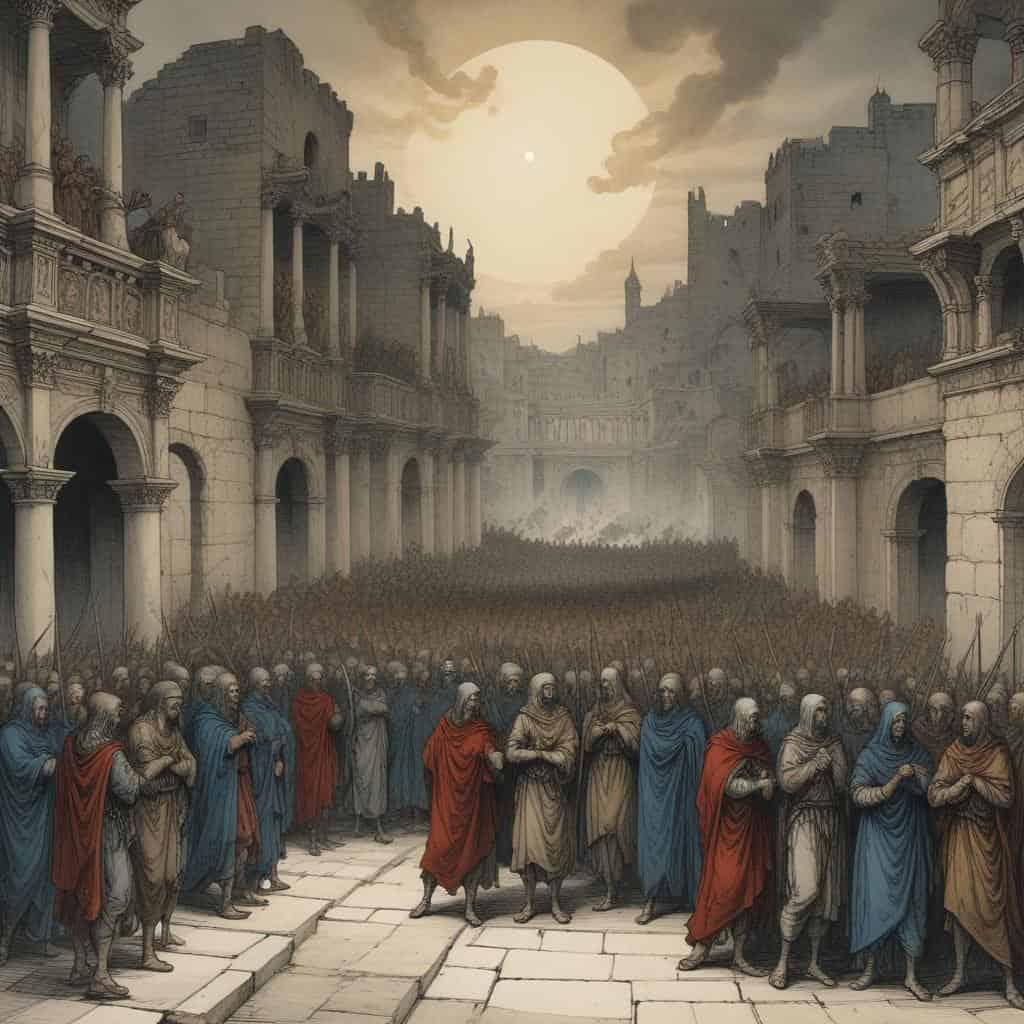
2. The Arrival of Antipholus of Syracuse
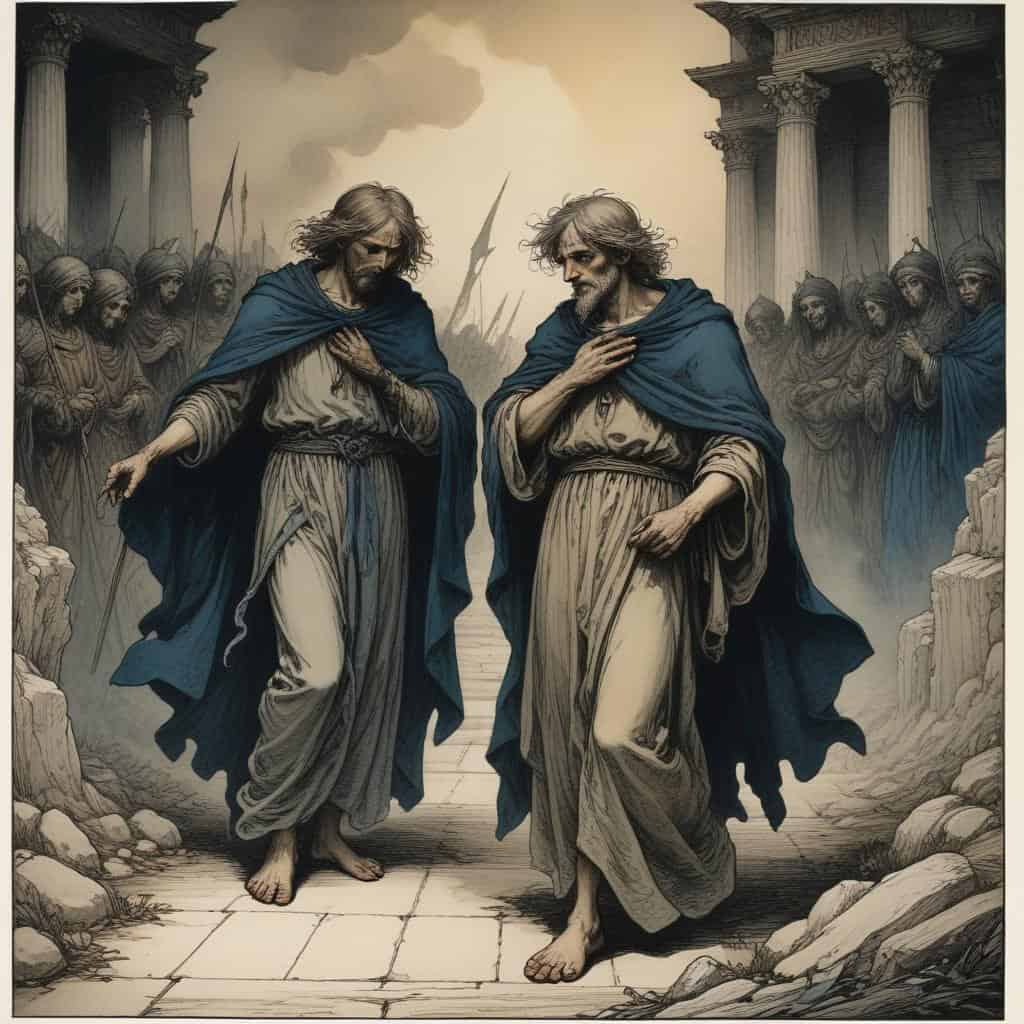
3. Confusion Begins
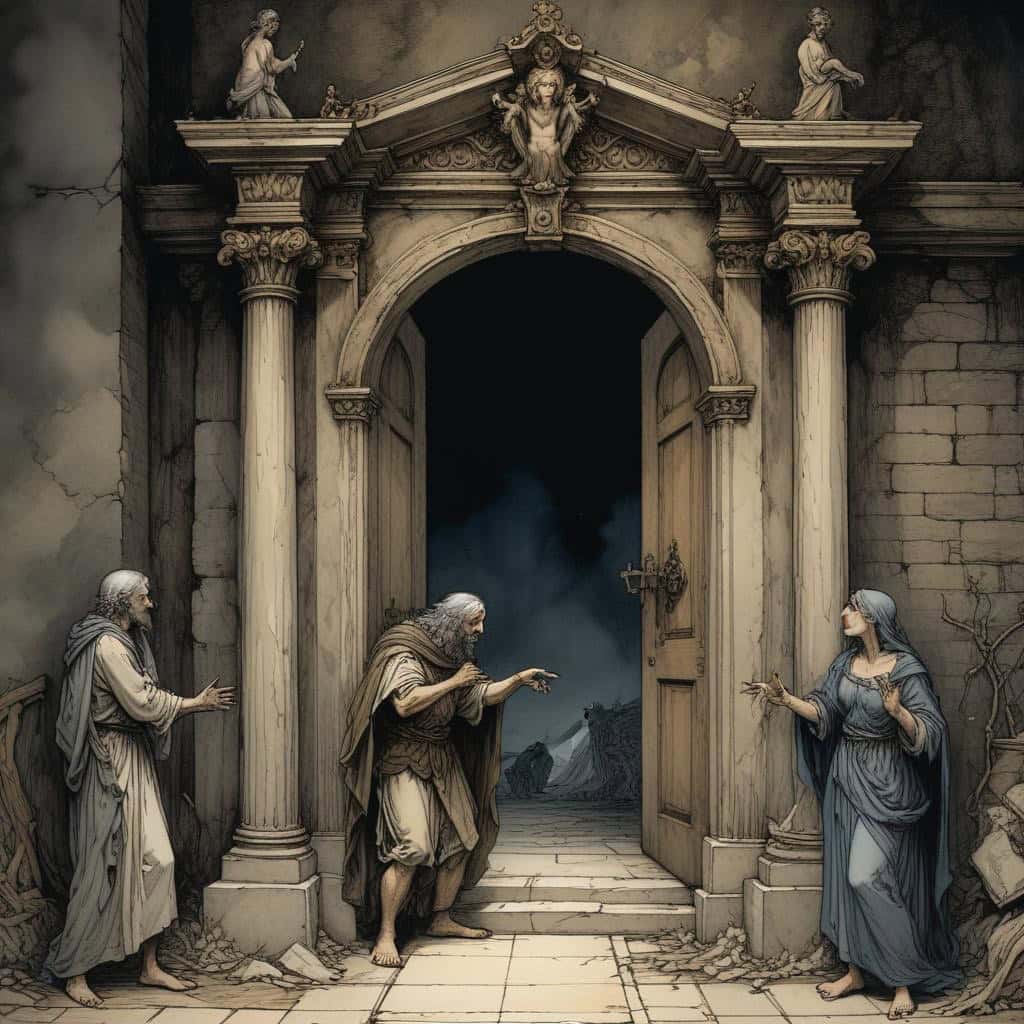
4. Mistaken Identities
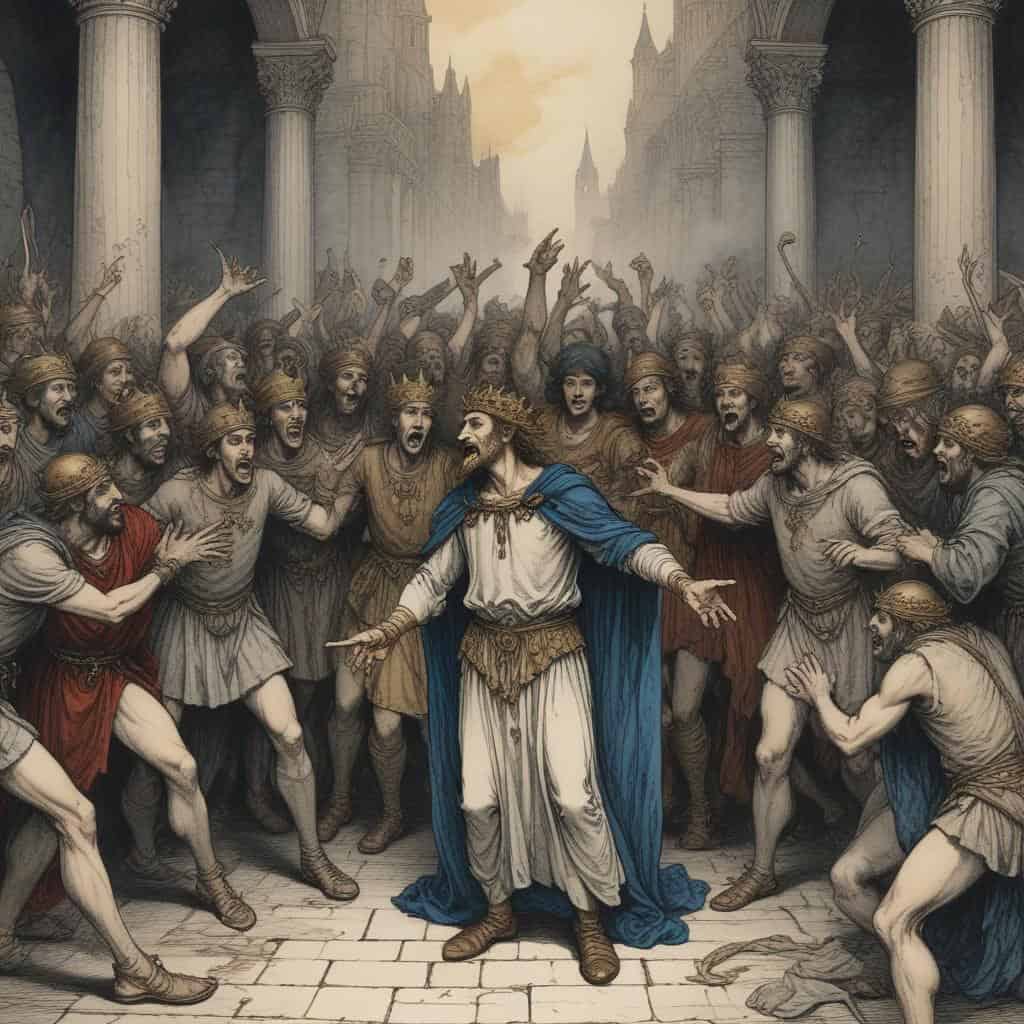
5. The Comedy of Errors Continues
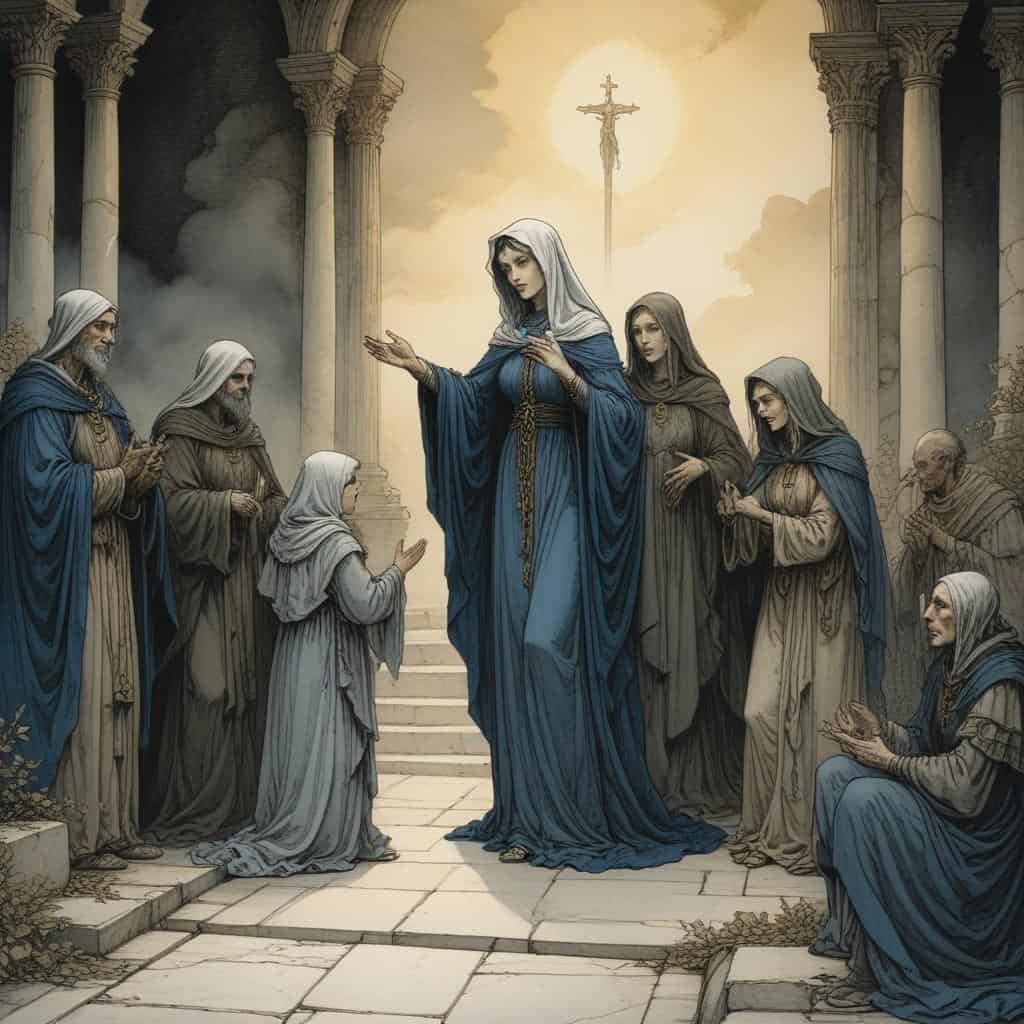
6. The Final Reveal
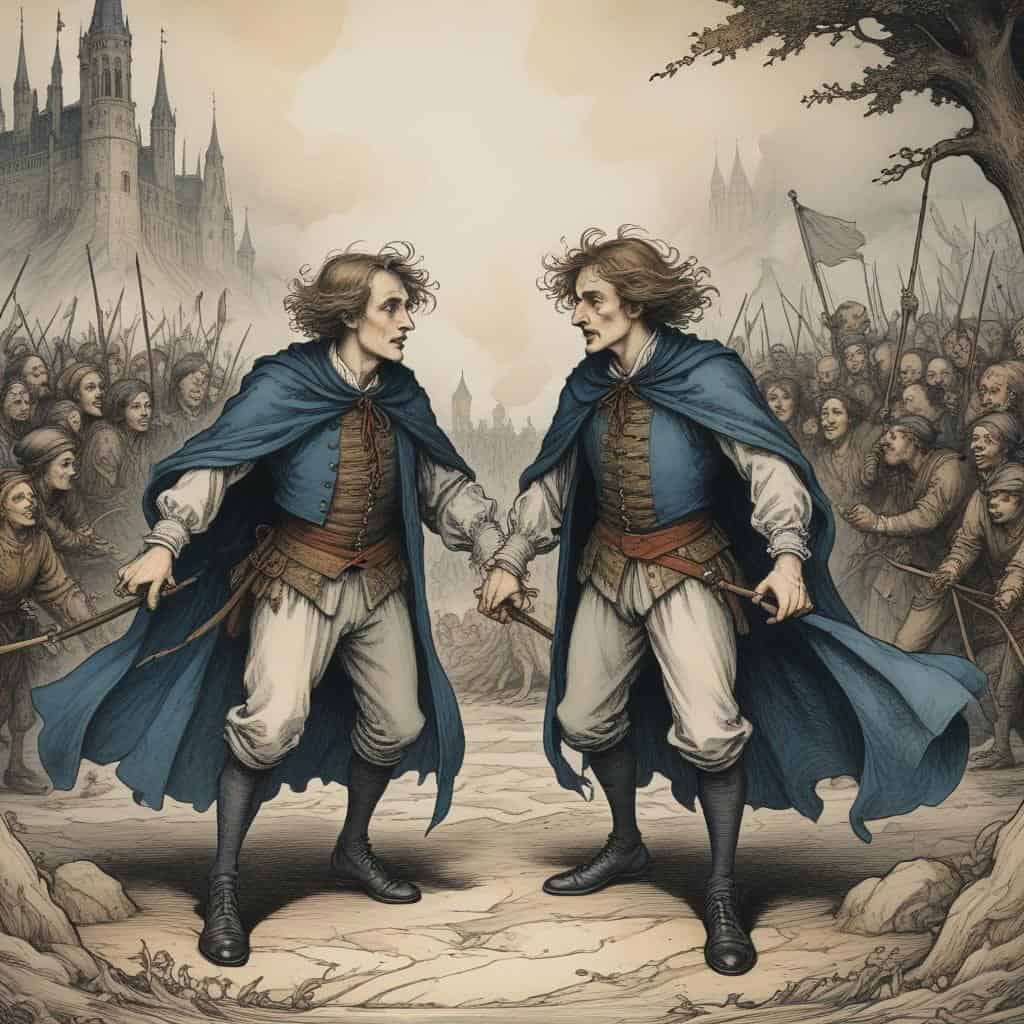
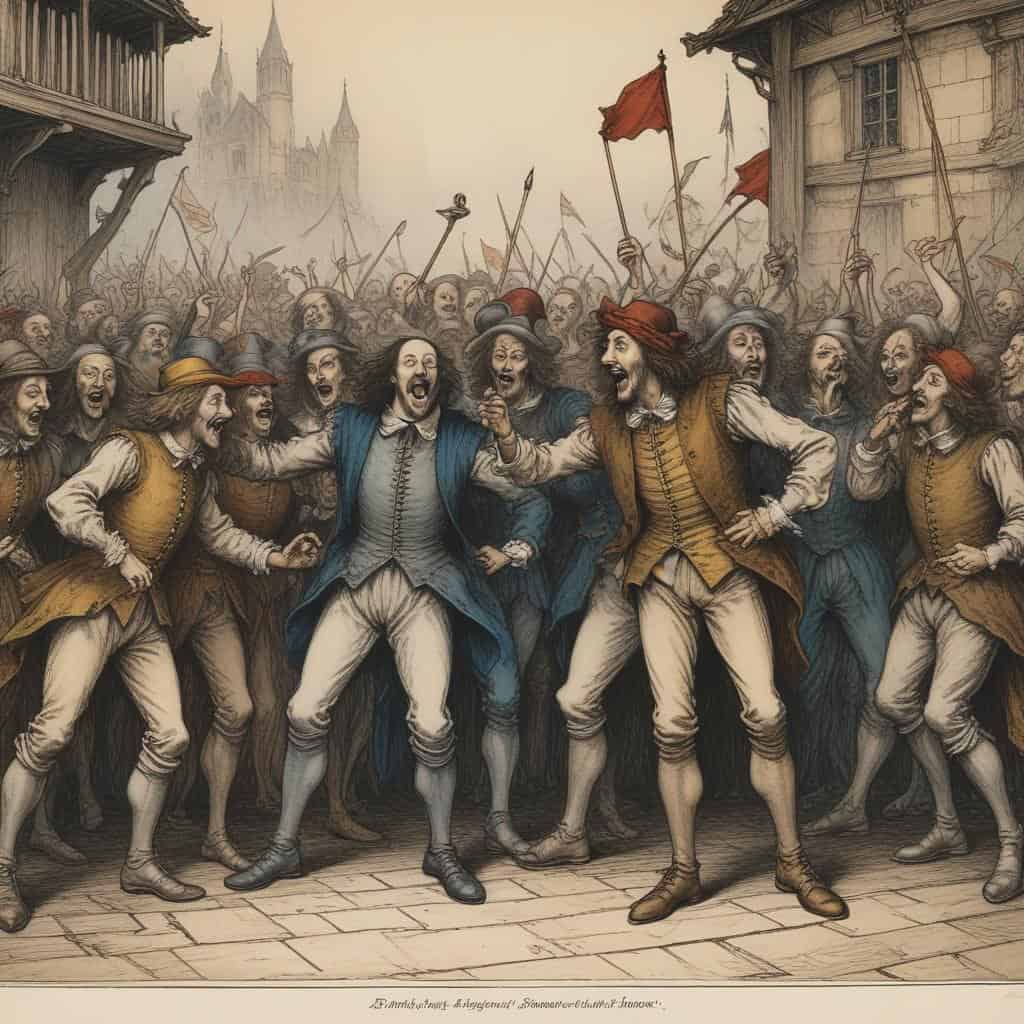
7. Comedy and Chaos
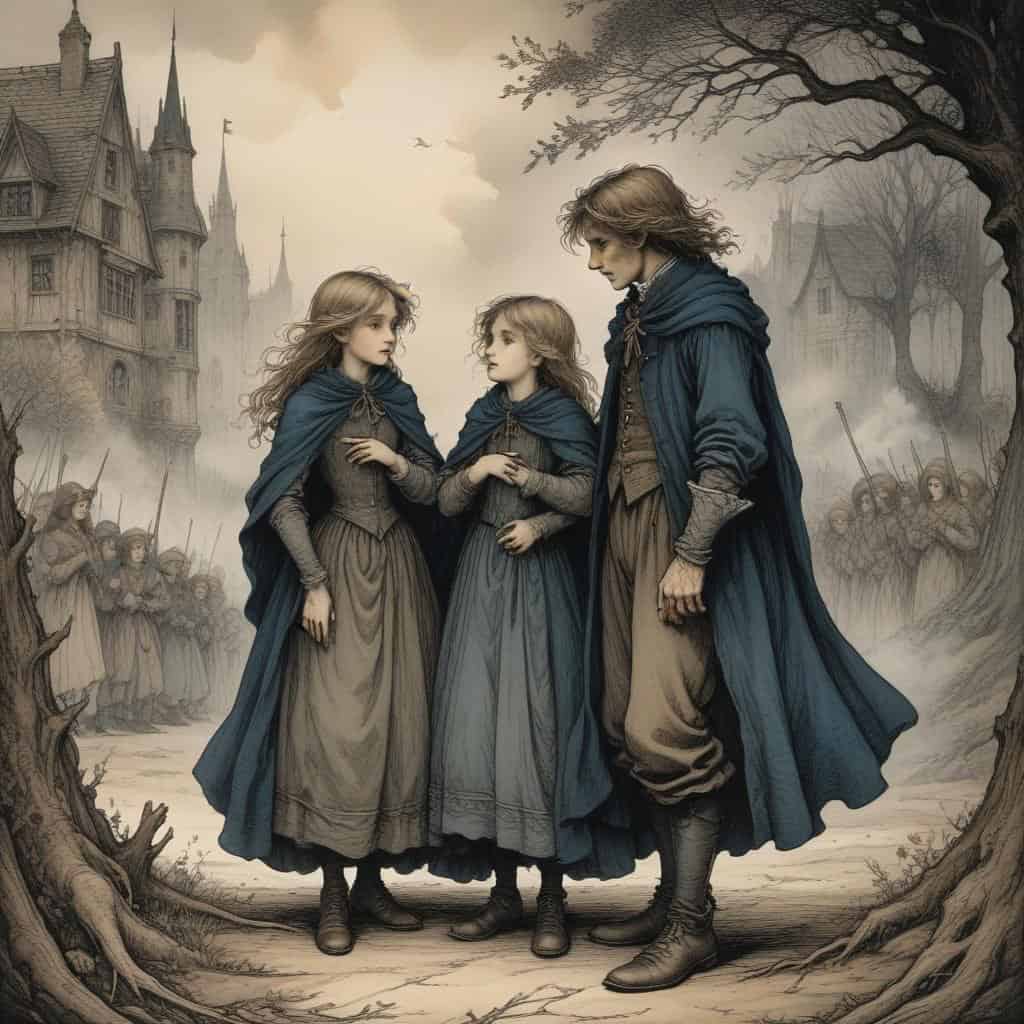
8. Themes of Identity and Family
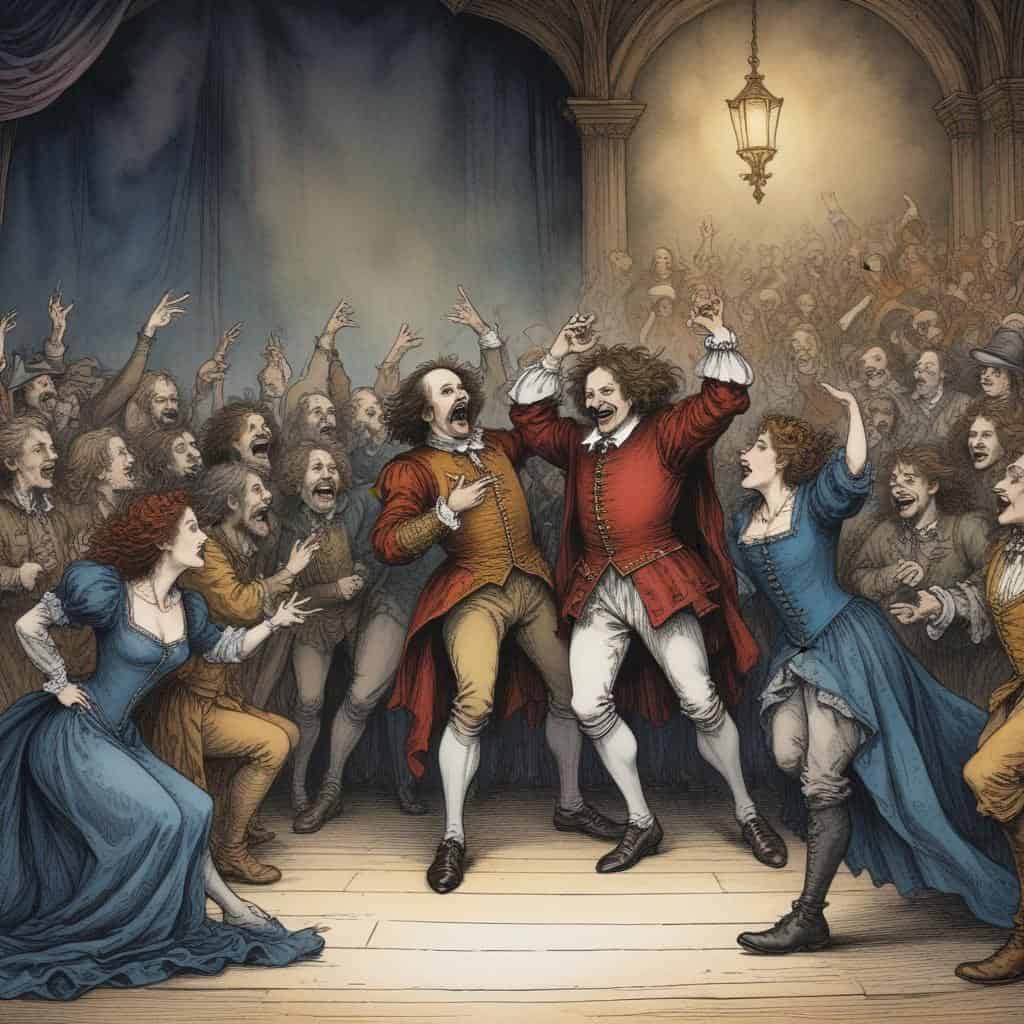
9. Shakespearean Comedy
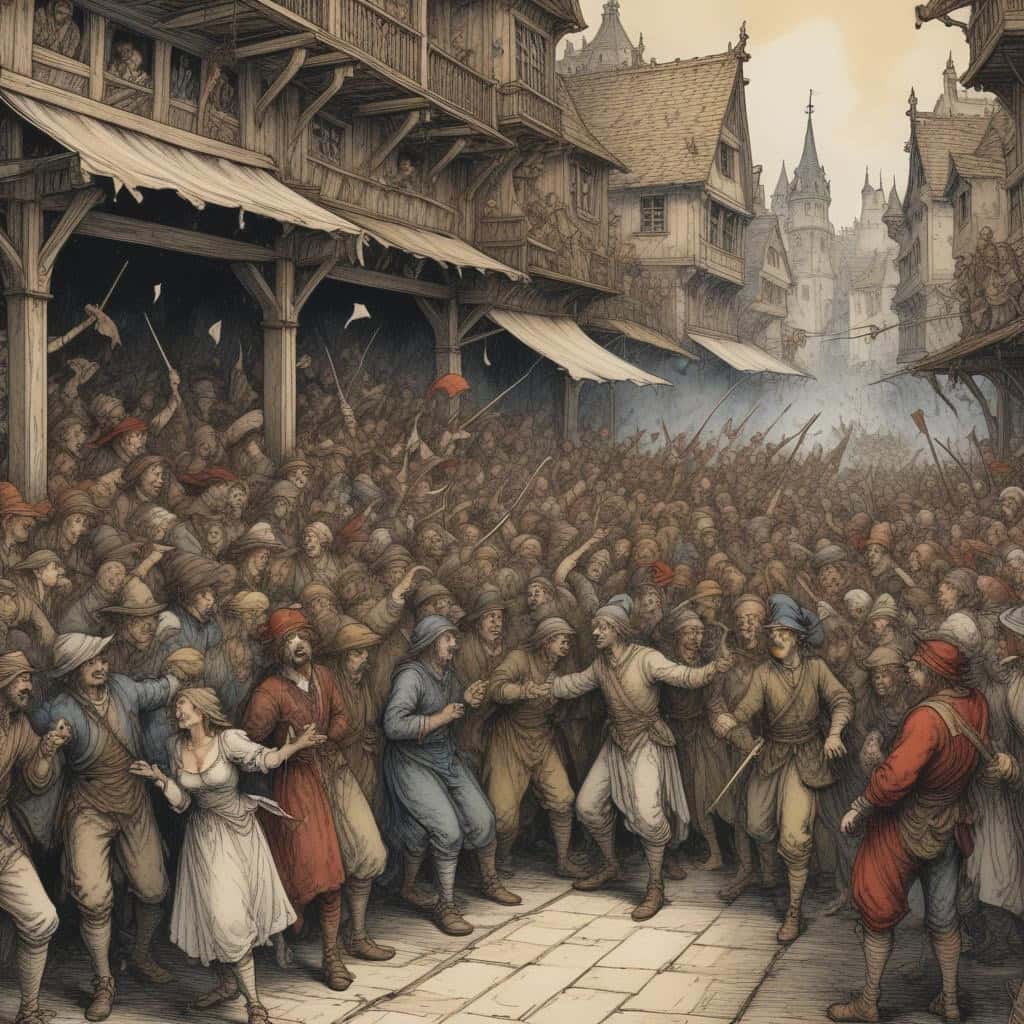
10. A Timeless Comedy
Lesson Details & Resources
In a Nutshell
- What: The Comedy of Errors by William Shakespeare
- When: Written in the Elizabethan era
- Who: Antipholus of Syracuse, Antipholus of Ephesus, Dromio of Syracuse
- Theme: Mistaken identity, confusion, and reconciliation
List of Characters in The Comedy of Errors
-
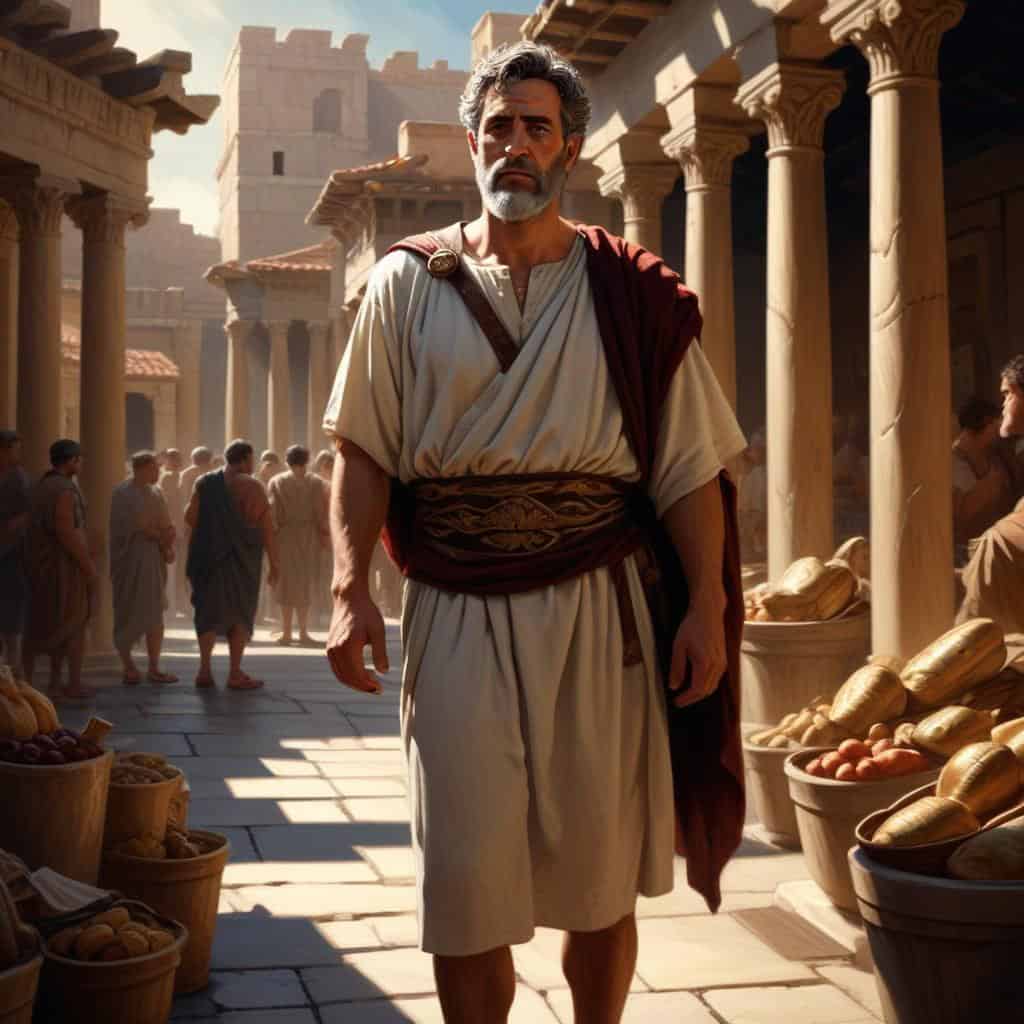
Antipholus of Syracuse
One of the twin brothers, searching for his lost family.
-
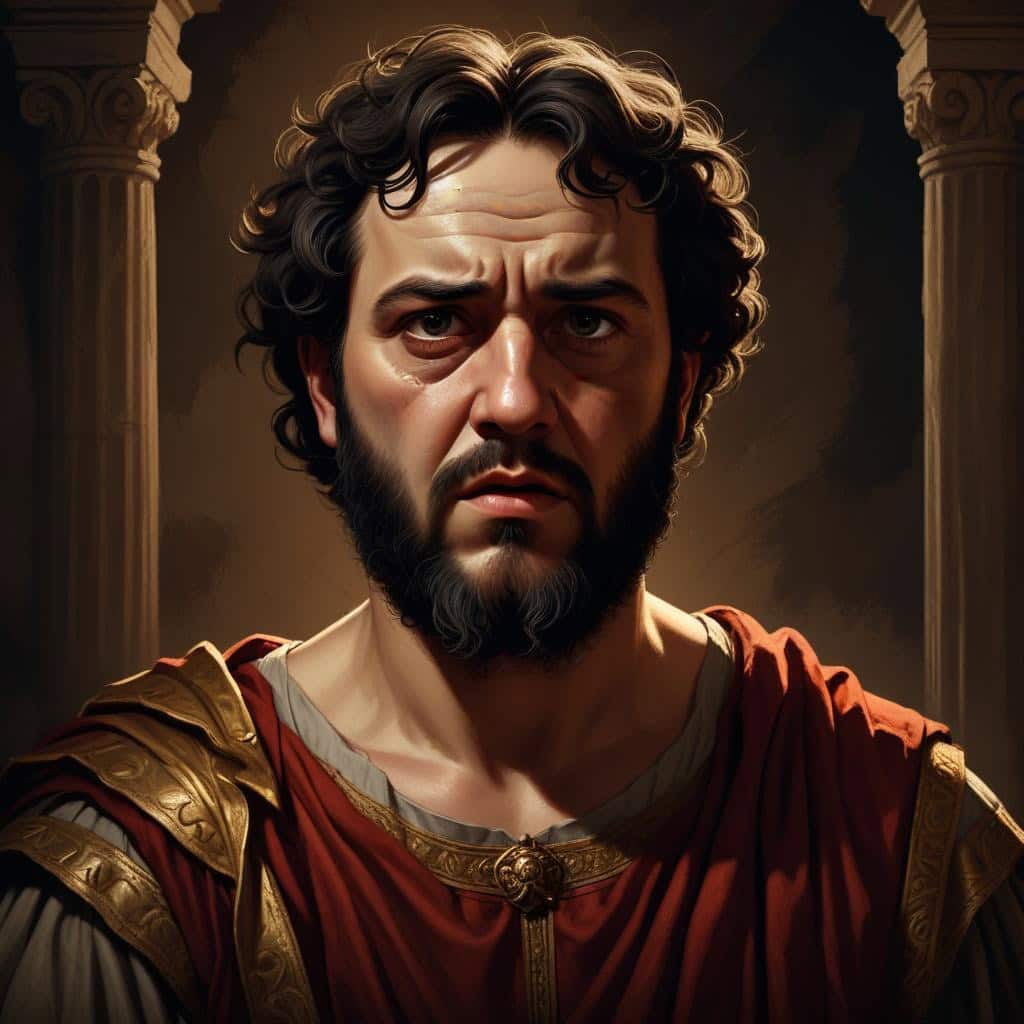
Antipholus of Ephesus
The other twin brother, who resides in Ephesus.
-
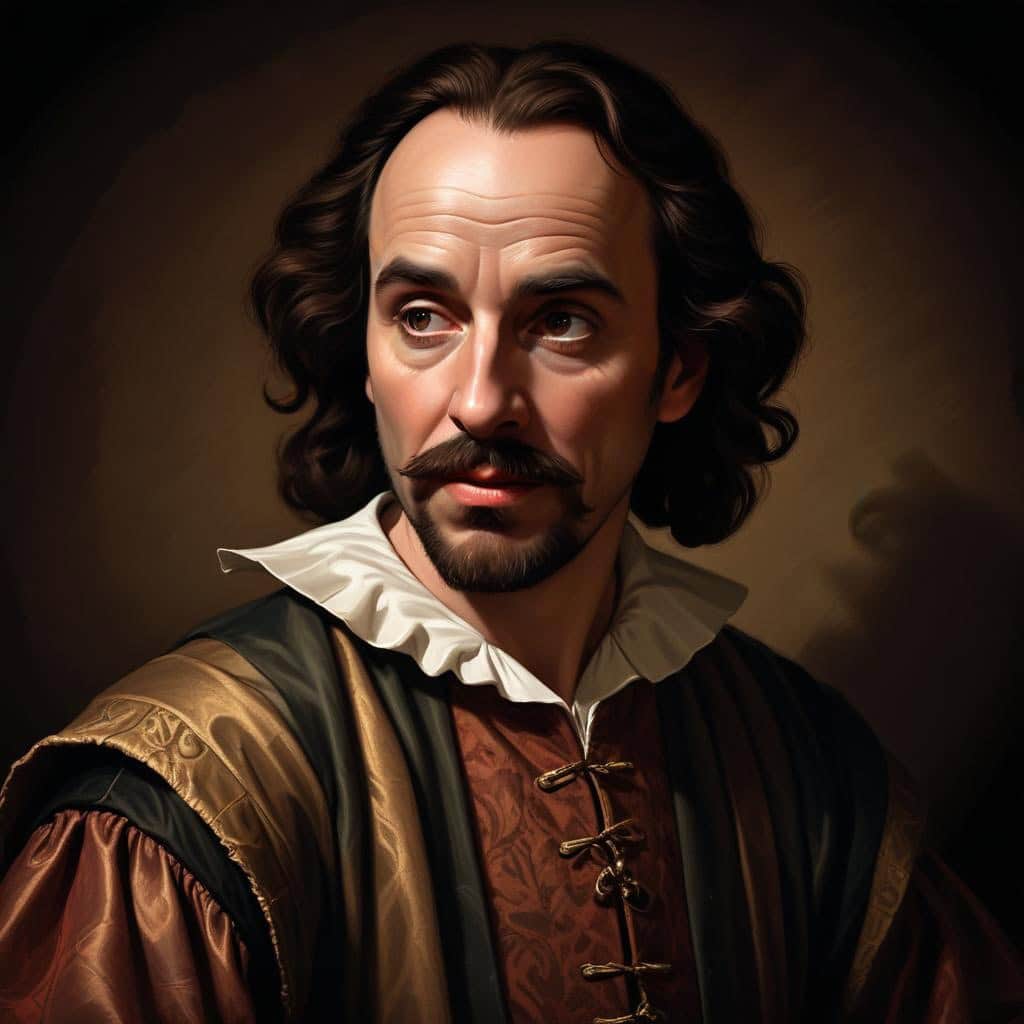
Dromio of Syracuse
The servant of Antipholus of Syracuse.
-
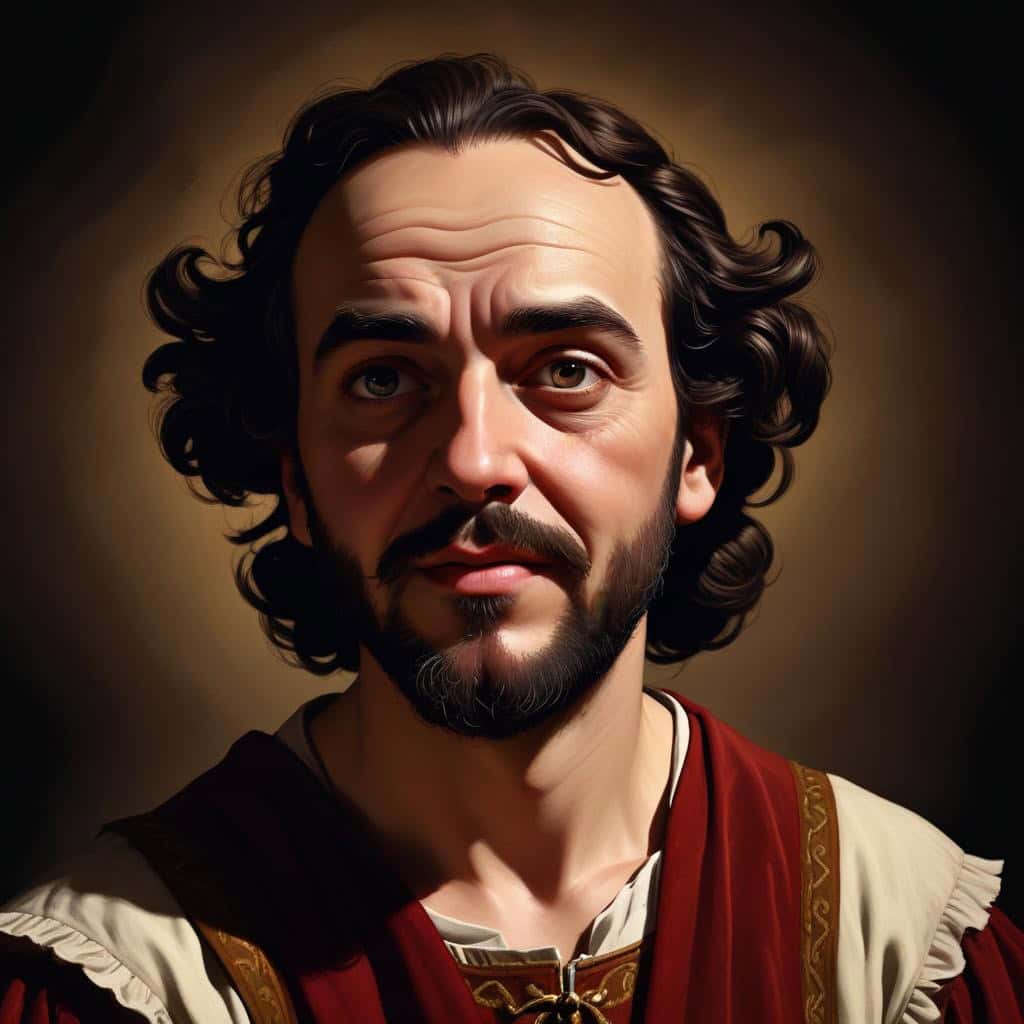
Dromio of Ephesus
The servant of Antipholus of Ephesus.
-

Adriana
The wife of Antipholus of Ephesus.
-

Luciana
Adriana's sister, who becomes the love interest of Antipholus of Syracuse.
-

Aegeon
Father of the twin brothers, facing execution in Ephesus.
-

Emilia
Abbess at the Priory, who helps reunite the family.
-
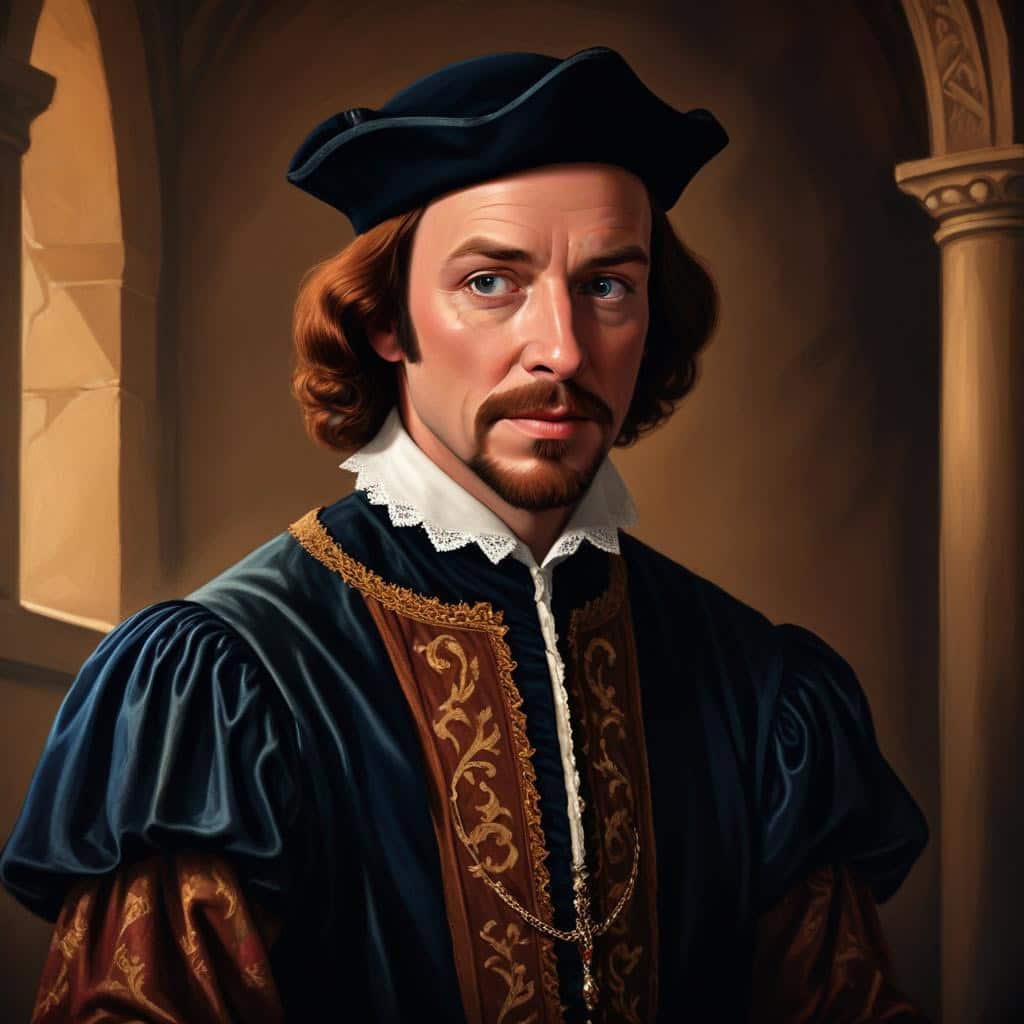
The Duke
The ruler of Ephesus.
-
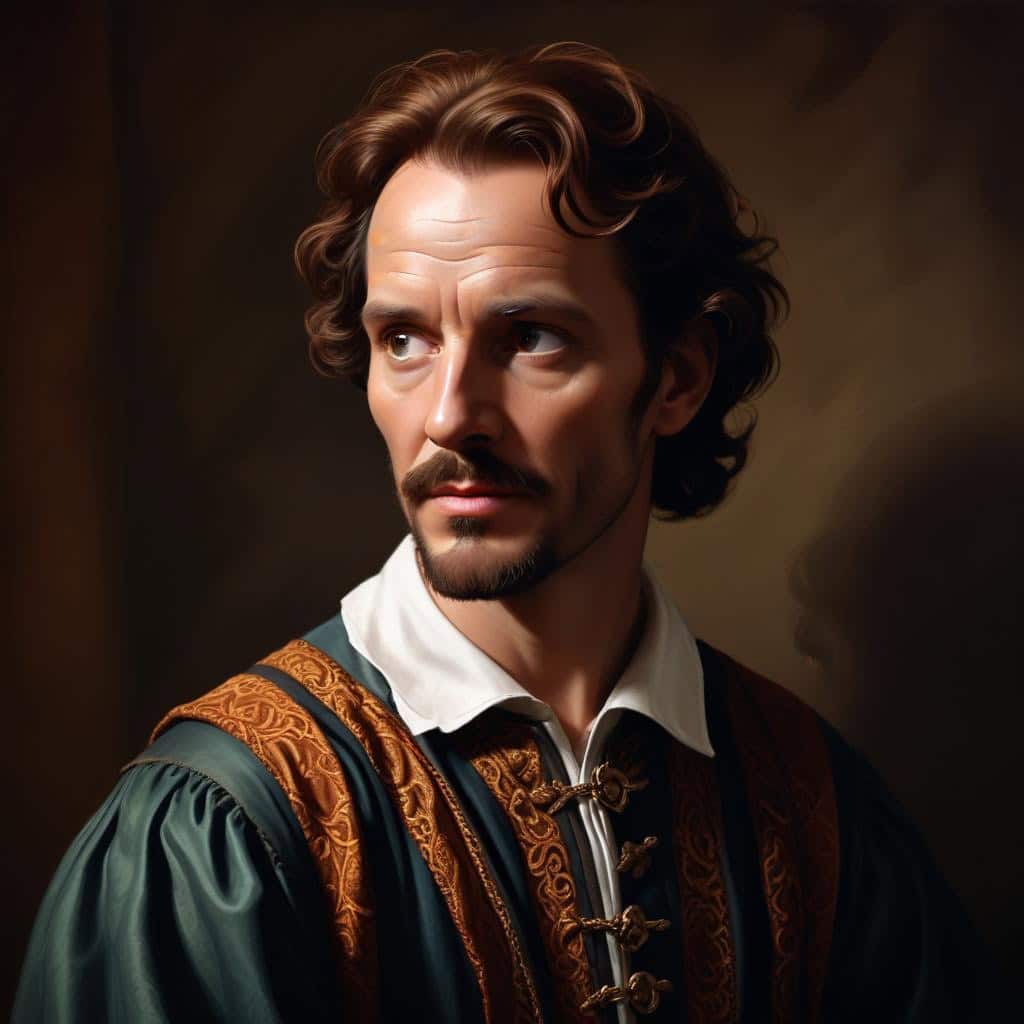
Balthazar
A merchant who helps out Antipholus of Syracuse.
-

Angelo
A goldsmith who plays a minor role in the story.
-
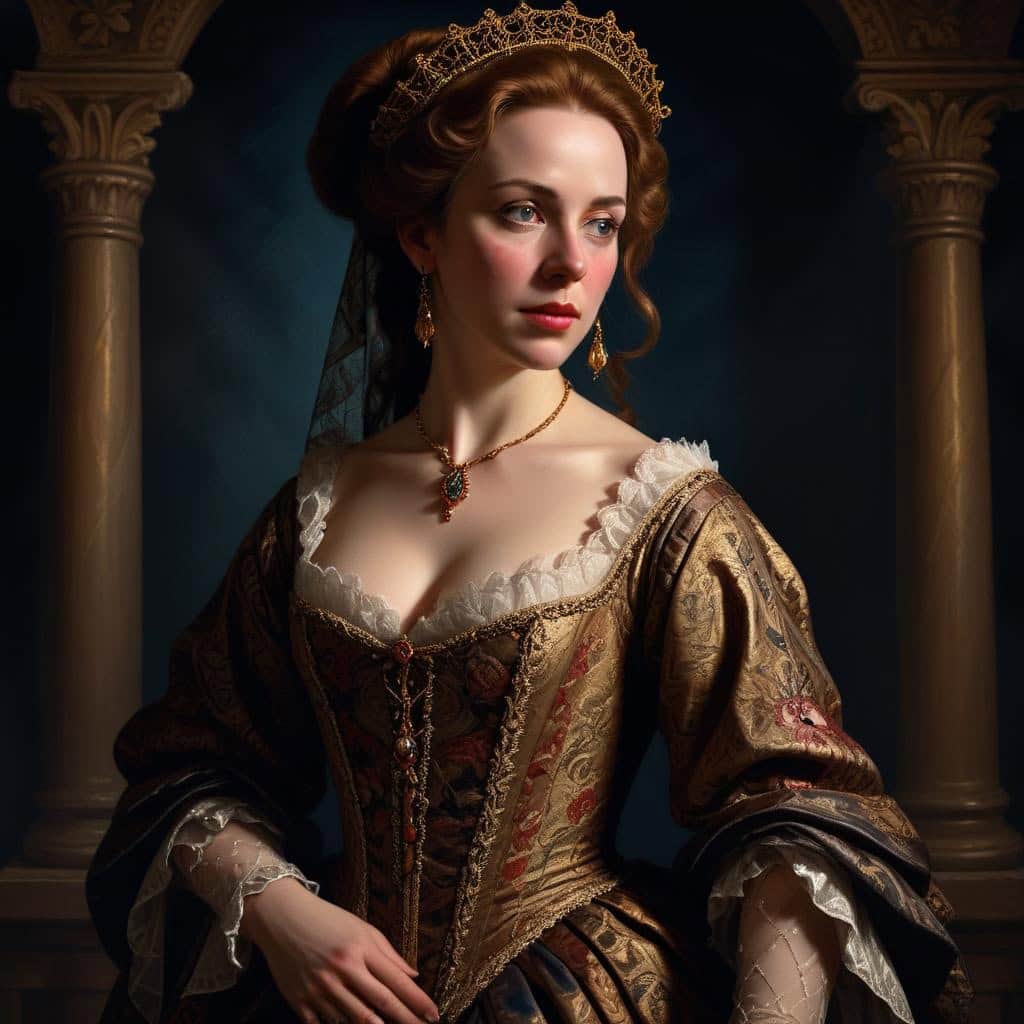
Courtesan
A woman who mistakes Antipholus of Syracuse for her husband.
Timeline of The Comedy of Errors
Antipholus of Syracuse and his servant, Dromio of Syracuse, arrive in Ephesus.
Antipholus of Syracuse is mistaken for his twin brother, Antipholus of Ephesus, by various people in the town.
Dromio of Syracuse is also mistaken for his twin brother, Dromio of Ephesus.
Antipholus of Syracuse encounters his wife, Adriana, who believes he is her husband and becomes furious when he denies knowing her.
Antipholus of Syracuse is invited to dine with Adriana, unaware that it is his brother's house.
Antipholus of Ephesus, who is locked out of his own house, encounters his brother's servant, Dromio of Syracuse, and beats him for not obeying his commands.
Antipholus of Ephesus is confronted by his wife, Adriana, who accuses him of cheating on her.
Antipholus of Syracuse and Dromio of Syracuse seek refuge in a nearby priory.
The confusion reaches its peak as both sets of twins end up in the same place, leading to a comical confrontation.
The Duke of Ephesus intervenes and resolves the misunderstandings by explaining the presence of two sets of twins.
The reunited families celebrate their reunion and the play ends on a note of joy and reconciliation.
Vocabulary List
- Comedy
- A genre of literature or performance characterized by humor and a happy ending
- Errors
- Mistakes or incorrect actions
- Identity
- The distinguishing character or personality of an individual
- Confusion
- A state of being bewildered or unclear
- Mistaken
- Wrong in one's belief or understanding
- Doppelgänger
- An apparition or double of a living person
- Misunderstanding
- A failure to understand something correctly
- Deception
- The act of misleading or tricking someone
- Chaos
- Complete disorder and confusion
- Disguise
- To change one's appearance or behavior to conceal one's identity
- Foolishness
- Lack of good sense or judgment
- Discovery
- The act of finding or uncovering something previously unknown
- Absurd
- Ridiculous or wildly unreasonable
- Deceit
- The action or practice of deceiving someone by concealing or misrepresenting the truth
- Irony
- A contrast between what is expected and what actually happens
- Farce
- A comic dramatic work using buffoonery and horseplay
- Hilarity
- Great amusement or laughter
- Slapstick
- Comedy that relies on exaggerated physicality and absurd situations
- Wit
- The ability to use words and ideas in a clever and humorous way
- Wordplay
- The clever and humorous use of words, especially to create puns or double entendres.
Key Facts
This is the information used in the fact matching game
- - The Comedy of Errors is one of William Shakespeare's earliest plays.
- - It is believed to have been written between 1589 and 1594.
- - The play is based on the ancient Roman play "Menaechmi" by Plautus.
- - The story revolves around two sets of identical twins separated at birth.
- - The twins' names are Antipholus of Syracuse, Antipholus of Ephesus, Dromio of Syracuse, and Dromio of Ephesus.
- - The play is set in the cities of Syracuse and Ephesus.
- - Both sets of twins have the same names, which leads to much confusion and mistaken identities.
- - Antipholus of Syracuse and his servant, Dromio of Syracuse, arrive in Ephesus searching for their long-lost twin brothers.
- - The citizens of Ephesus mistake the Syracuse twins for their Ephesus counterparts, leading to a series of hilarious misunderstandings.
- - The play explores themes of mistaken identity, love, and family.
- - Antipholus of Syracuse falls in love with Luciana, who is the sister of his brother's wife, Adriana.
- - Adriana, thinking her husband has gone mad, seeks the help of a local exorcist.
- - The play features a mix of slapstick comedy and wordplay.
- - The character of Aegeon, the father of the twin Antipholus and Dromio, is sentenced to death for being from Syracuse, but is saved in the end.
- - There are various subplots involving other characters, such as the courtesan, Angelo, and the goldsmith, among others.
- - The play ends with the revelation of the twins' true identities and a joyful reunion.
- - The Comedy of Errors is one of Shakespeare's shortest plays, with a runtime of about two hours.
- - It is often praised for its fast-paced and farcical nature.
- - The play has been adapted into various films, operas, and stage productions over the years.
- - The Comedy of Errors remains a popular choice for theater companies and audiences today.
Analysis & Significance
Impact on Literature
William Shakespeare’s ‘The Comedy of Errors’ is a classic example of mistaken identity and farce, influencing countless comedic works in literature. The play’s fast-paced plot and witty dialogue set a standard for comedic storytelling that continues to be emulated in modern literature.
Enduring Themes
The themes of identity, family, and forgiveness explored in ‘The Comedy of Errors’ are still relevant today. The play’s exploration of the complexities of human relationships and the importance of reconciliation resonate with modern audiences, making it a timeless piece of literature.
Cultural Significance Today
‘The Comedy of Errors’ remains a popular choice for adaptations and performances in modern culture. Its humor and universal themes have inspired numerous films, television shows, and theatrical productions, ensuring its legacy as a beloved and enduring work of literature.
The Comedy of Errors Games


Take Your Learning Offline
Want a convenient, print-ready study guide for this lesson? Become a Memory Wizards Pro member to unlock the downloadable " Memory Scrolls" for this topic and our entire library!
- ✓ Complete Vocabulary Lists
- ✓ Key Facts & Timelines
- ✓ Beautifully Formatted for Print & Mobile