
How Do You Learn Best?
Learn by Listening
Start with the 3-minute audio summary to get the key facts and narrative highlights quickly.
Learn by Reading
Immerse yourself in the 10-minute visual lesson for a comprehensive understanding of the topic.
Learn by Reviewing
Jump directly to the key facts, timeline, and vocabulary lists to build a solid foundation of details.
Learn by Doing
Challenge yourself! Jump straight into the interactive games to learn by trial, error, and discovery.
Audio Library
As one of our featured lessons, this topic includes premium audio guides.
Unlock the Wizard's Cram Session
This powerful audio study guide is a Pro-exclusive feature. Upgrade to Memory Wizards Pro to access this and all of our premium learning tools.
Upgrade to ProRichard III in 10 Minutes
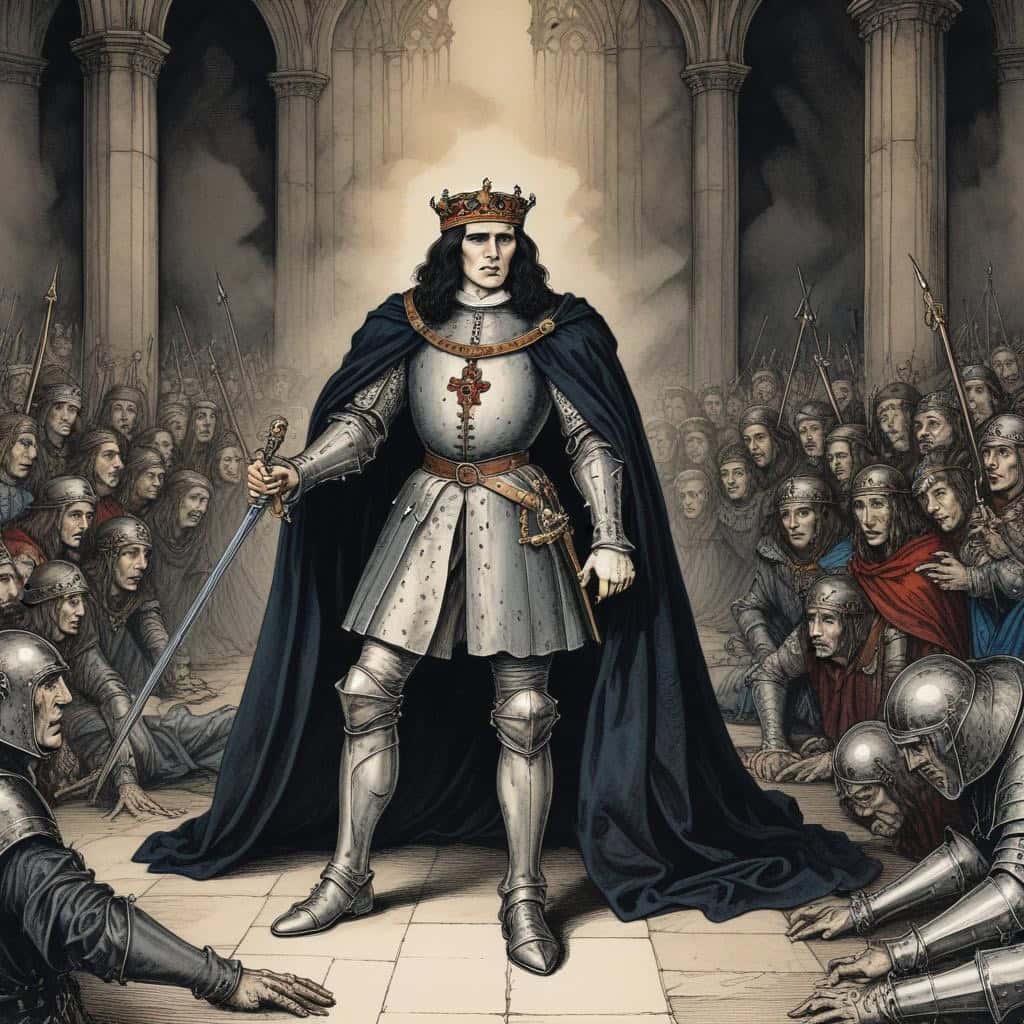
Introduction
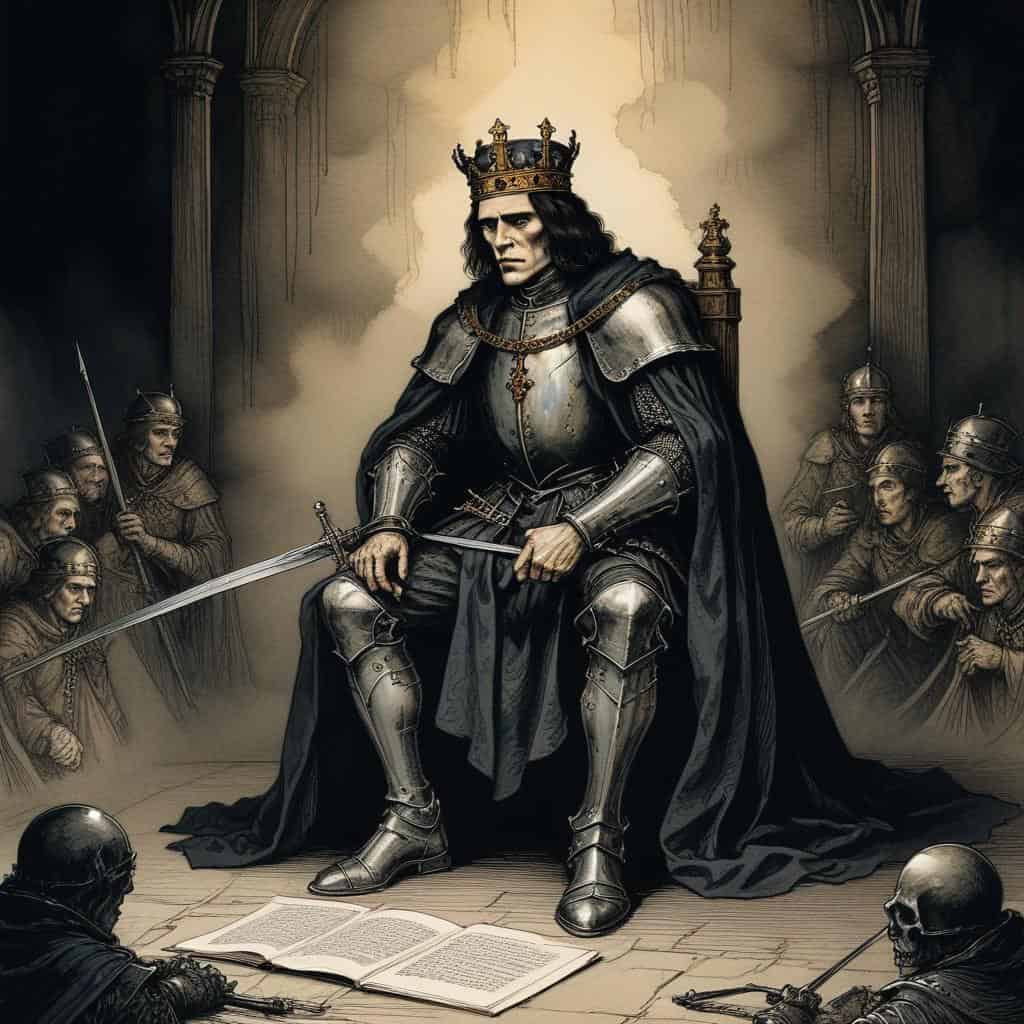

King Richard III

Queen Elizabeth

Prince Edward
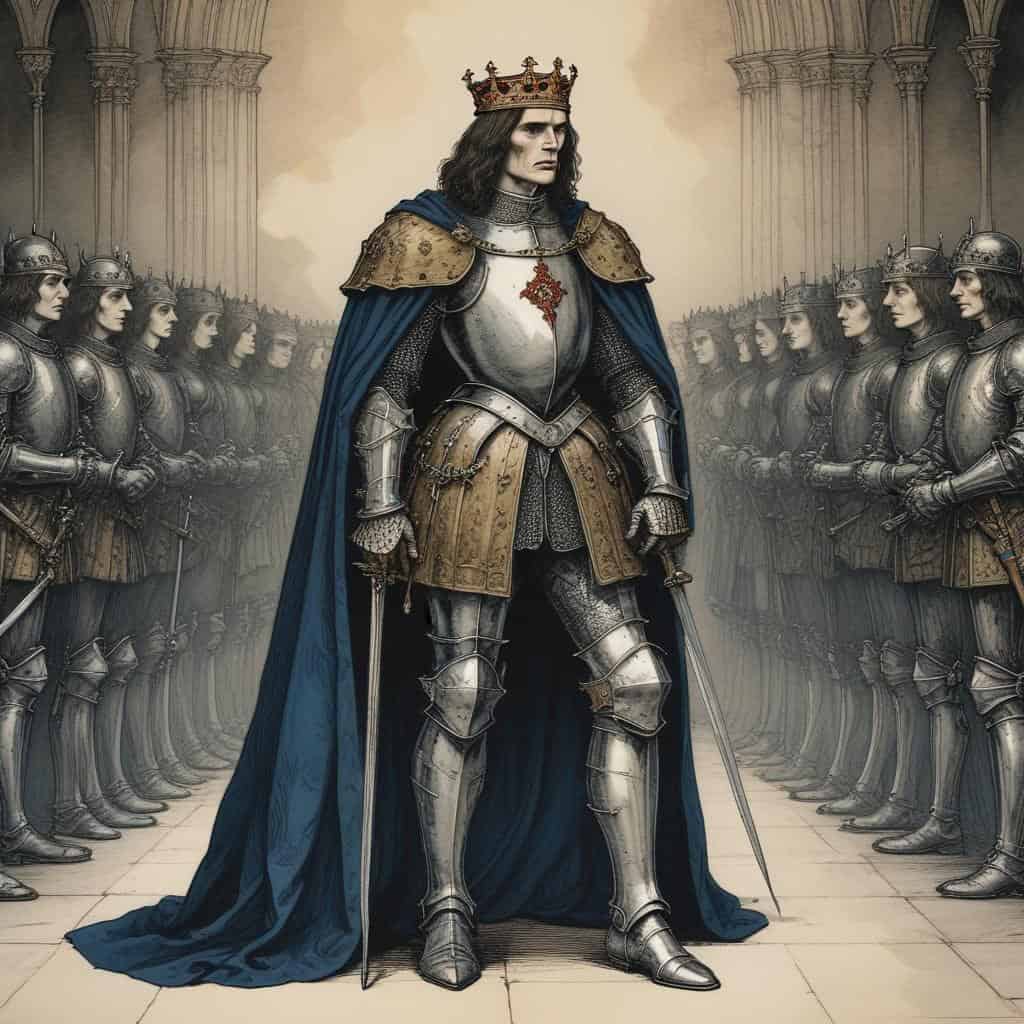
Richard, Duke of Buckingham

Lady Anne
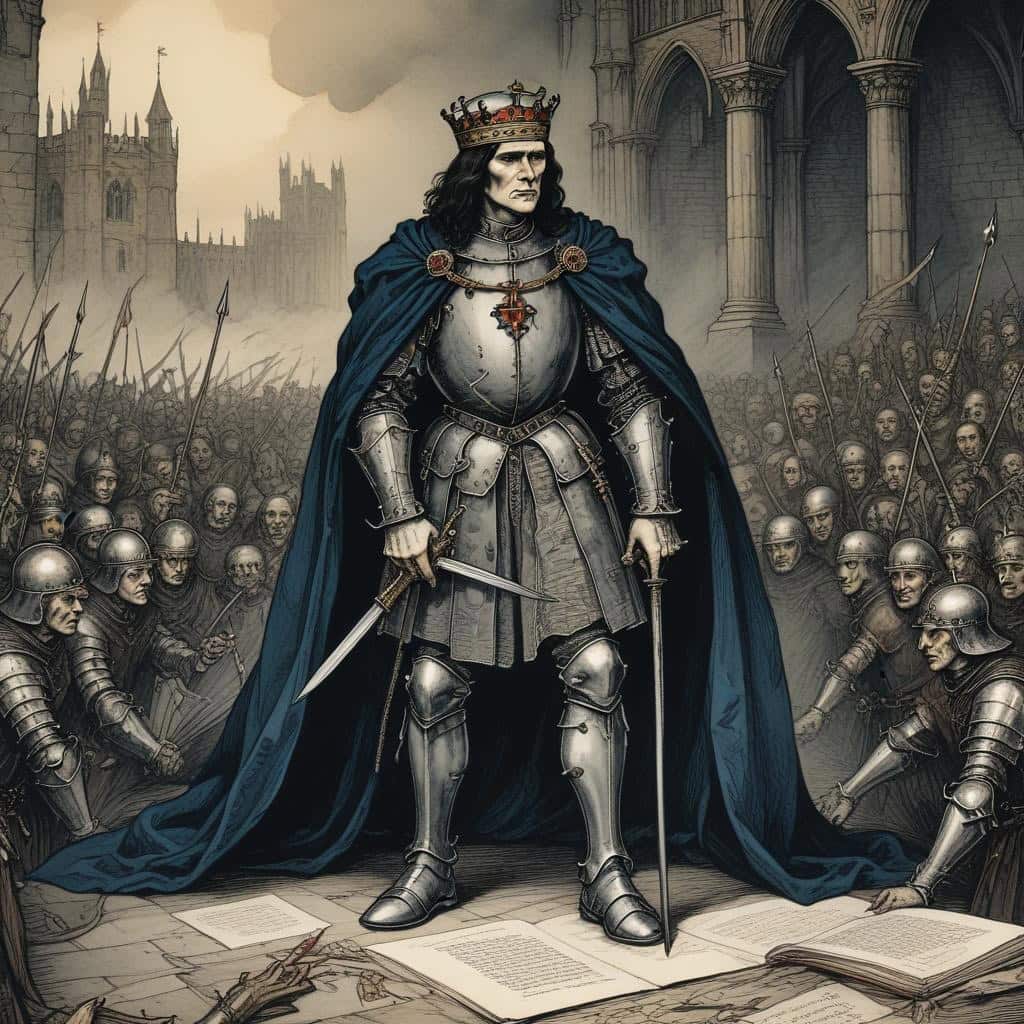
The Rise of Richard III
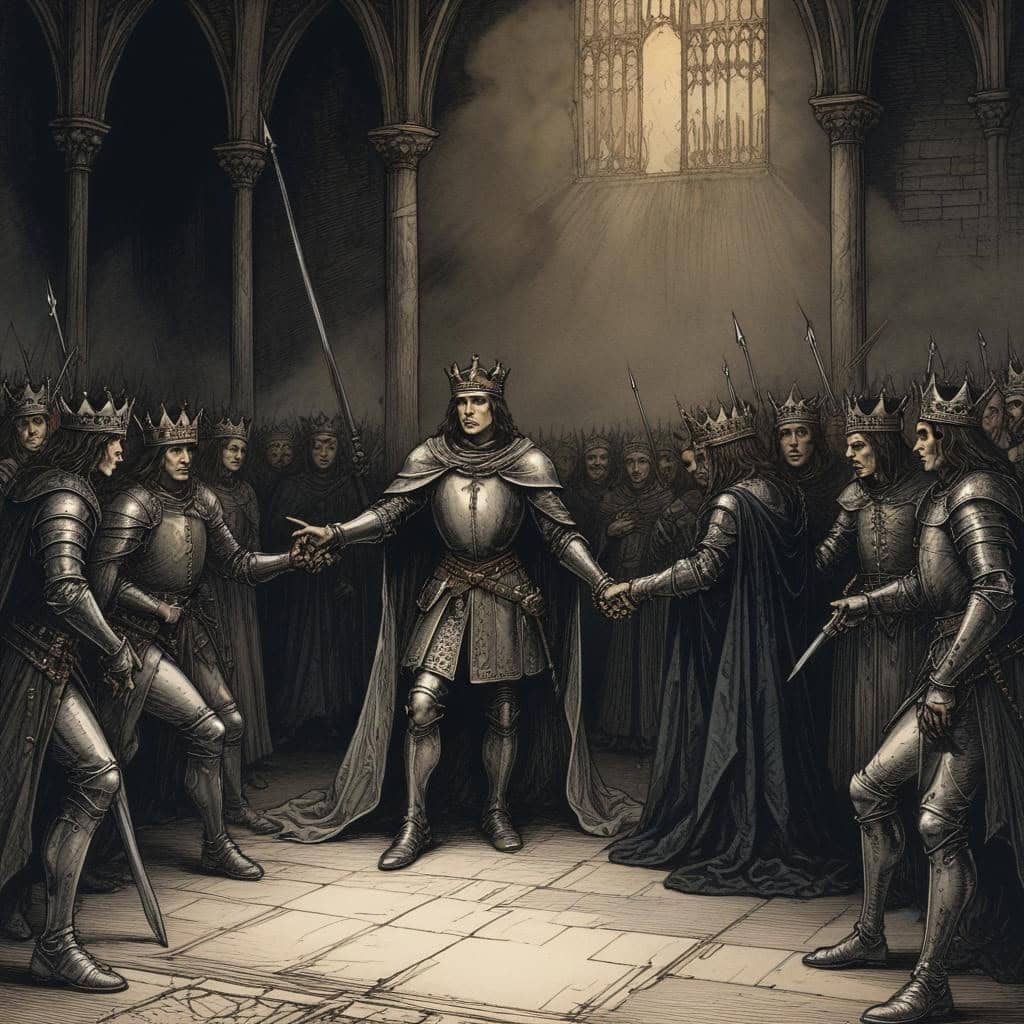
The Murder of King Edward IV
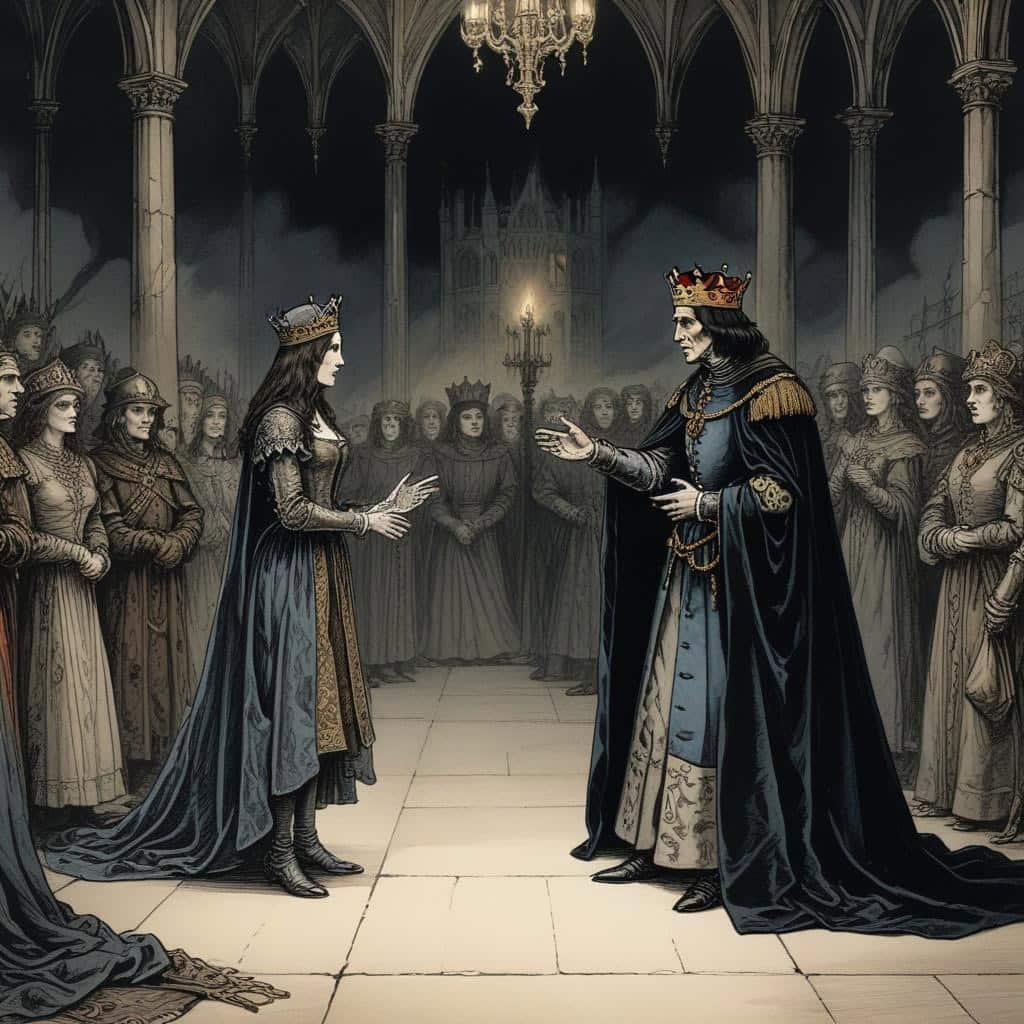
The Marriage Proposal
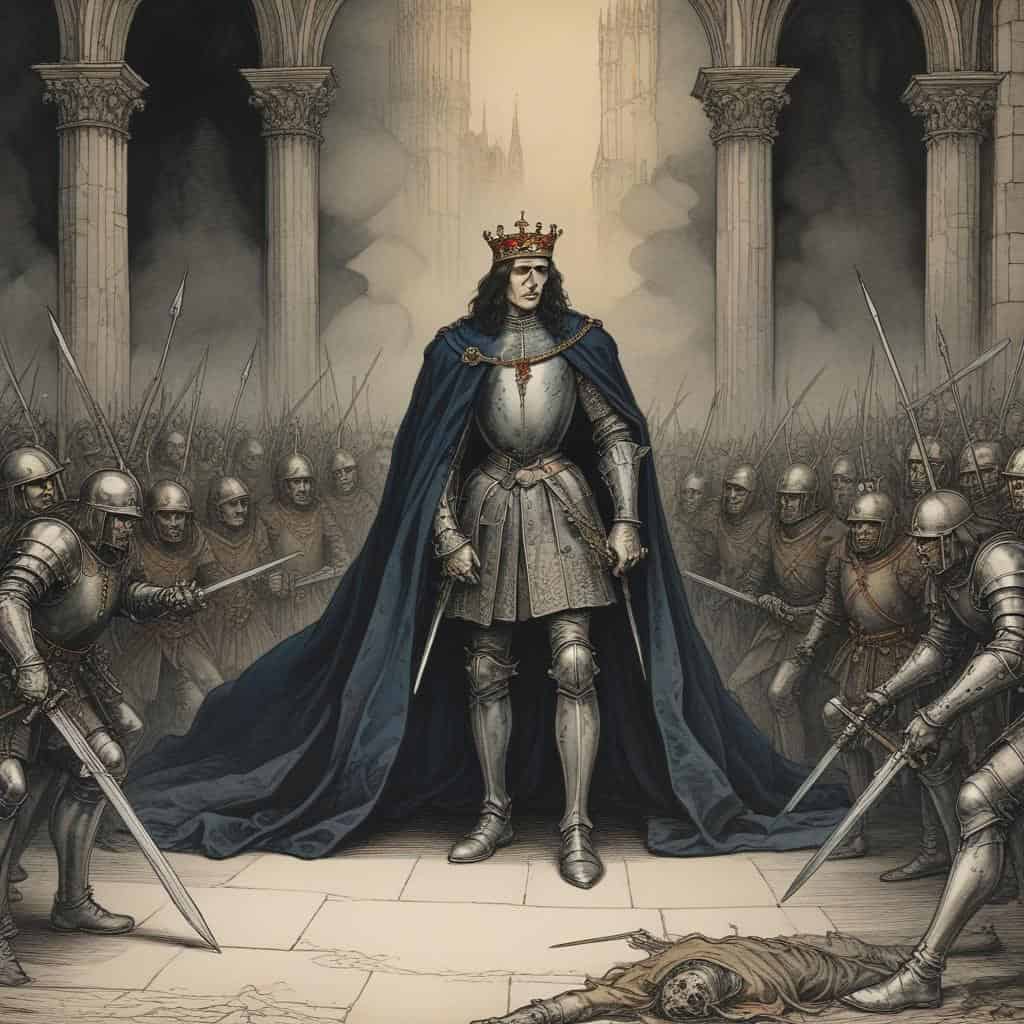
The Betrayal of Buckingham

The Battle of Bosworth Field
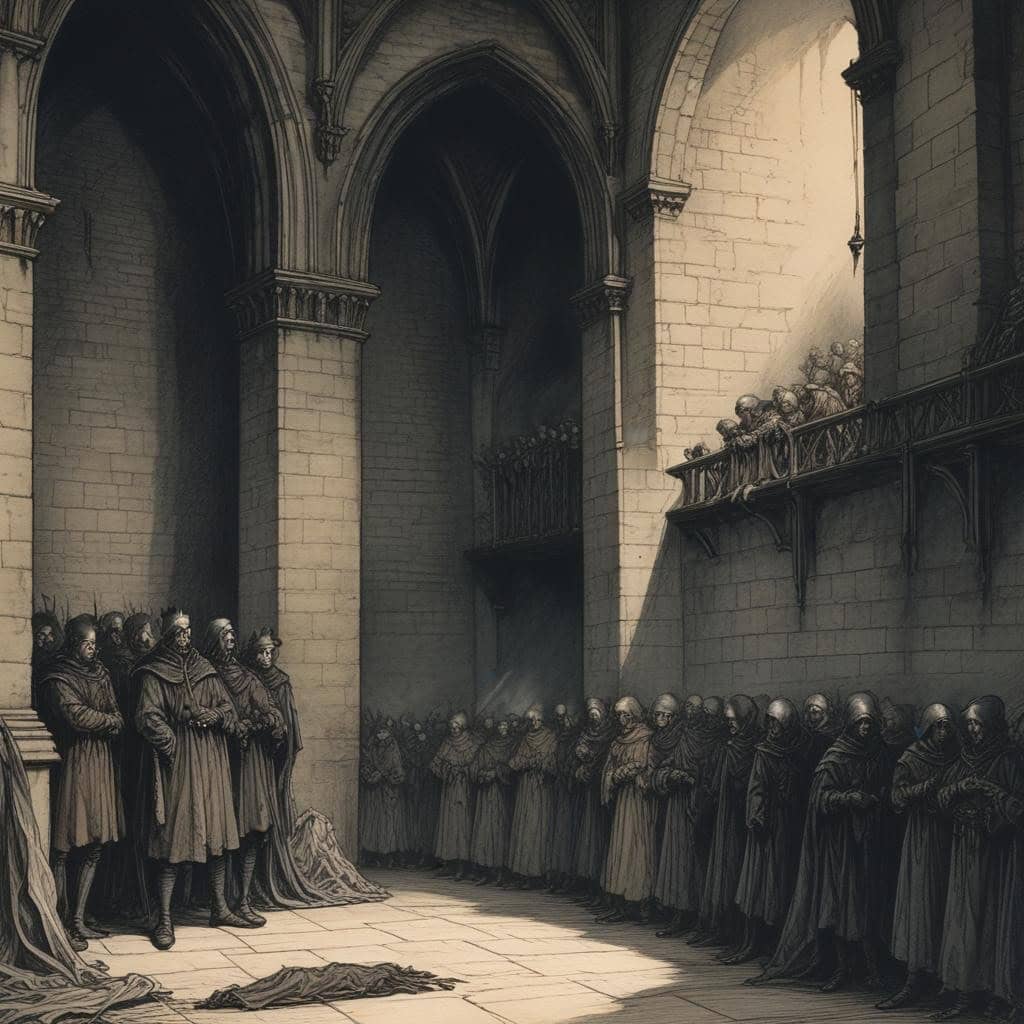
The Discovery of King Edwards Sons
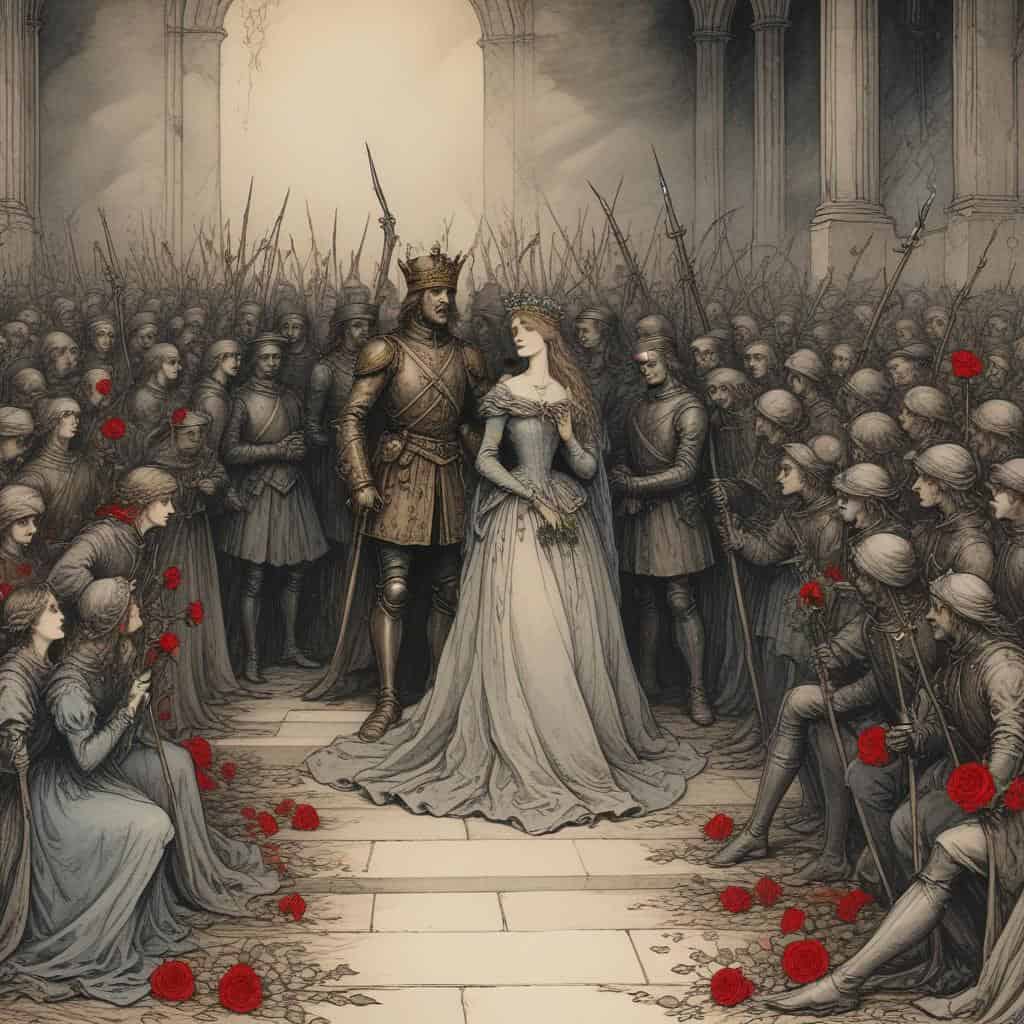
The End of the War of the Roses
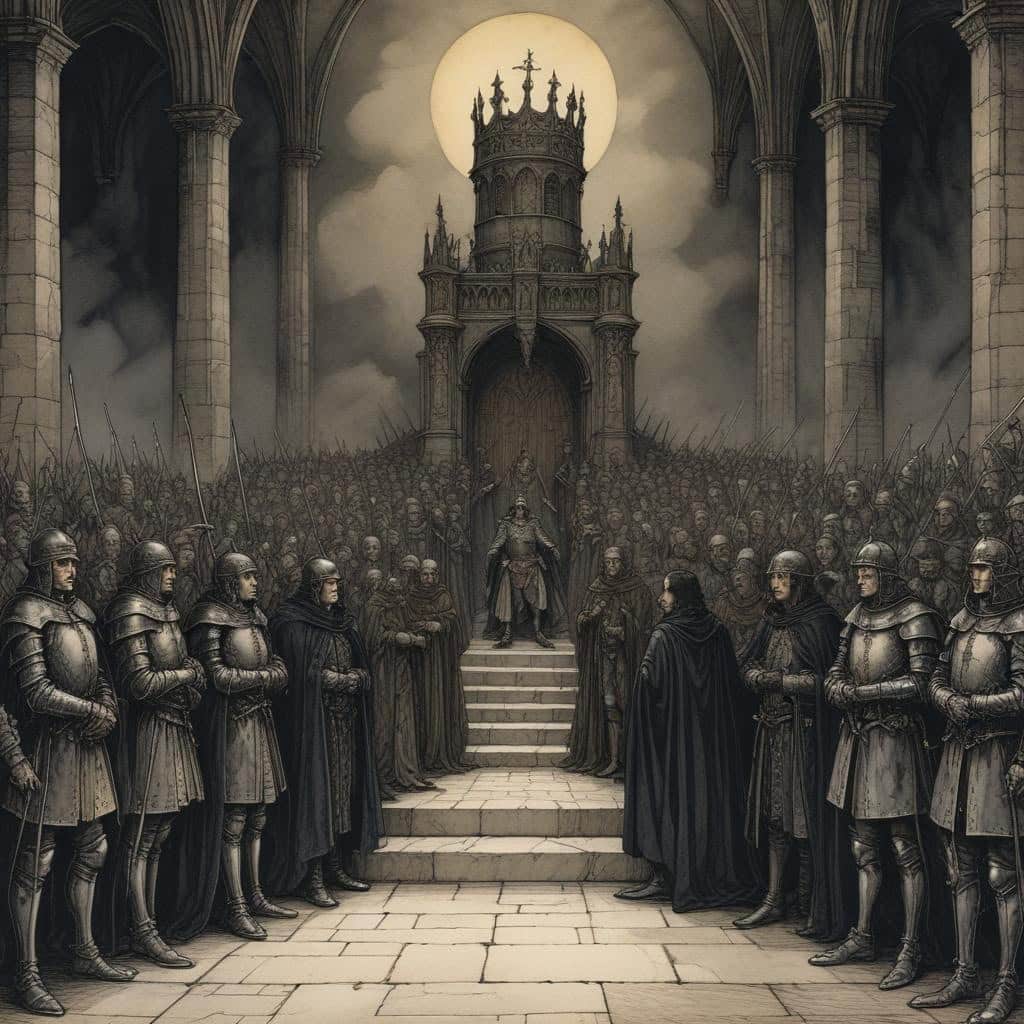
The Legacy of Richard III
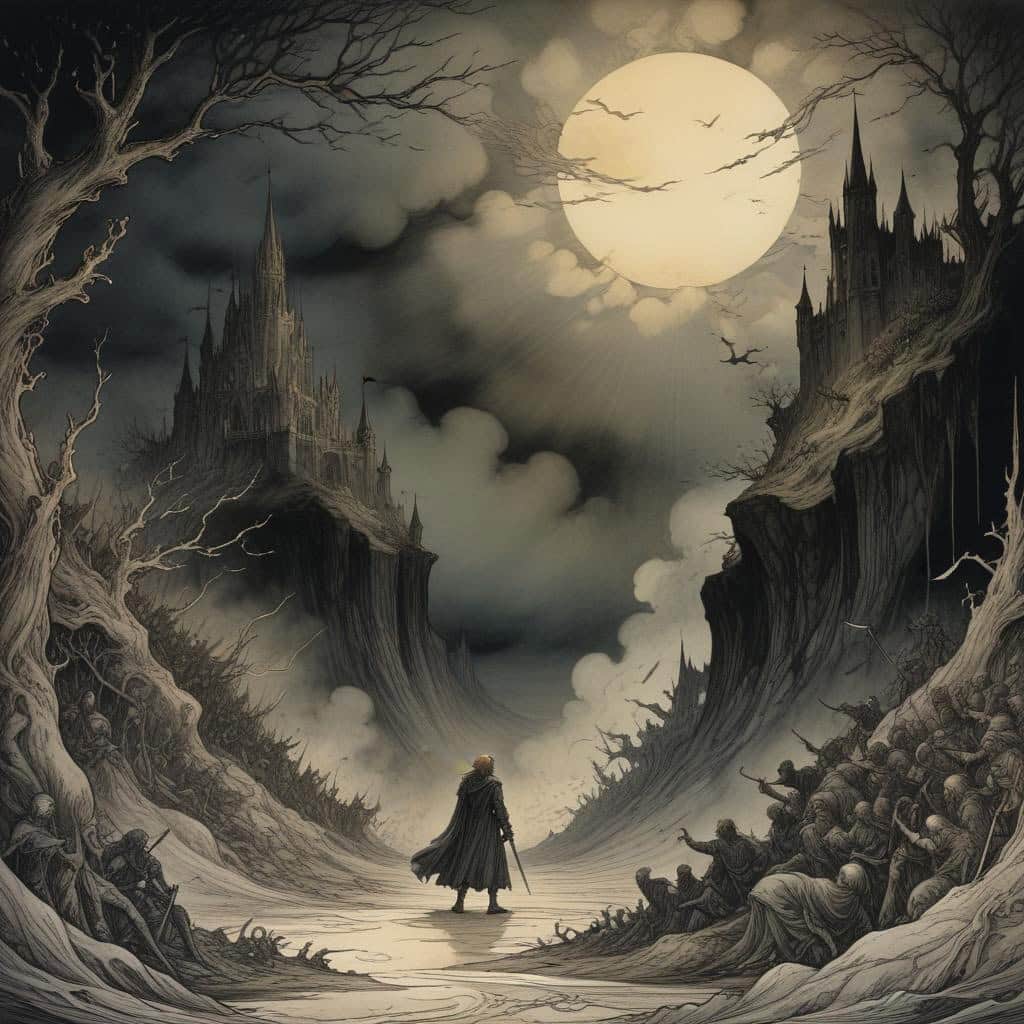
The Influence of Fate and Destiny
The Psychological Complexity of Richard III
Lesson Details & Resources
In a Nutshell
- What: 'Richard III' by William Shakespeare
- When: Written in the Elizabethan era
- Who: Richard III
- Theme: Power and deception
List of Characters in Richard III
-
Richard III
Richard III is the main character and antagonist of the play, known for his ruthless ambition and manipulation.
-
Queen Elizabeth
Queen Elizabeth is the wife of Edward IV and mother of the Princes in the Tower.
-
Edward IV
Edward IV is the King of England at the beginning of the play.
-
Clarence
Clarence is Richard's brother and is eventually killed by him.
-
Hastings
Hastings is a loyal supporter of Edward IV who is betrayed and executed by Richard.
-
Buckingham
Buckingham is a nobleman who aids Richard in his rise to power but eventually turns against him.
-
Richmond
Richmond is a rival claimant to the throne who ultimately defeats Richard in battle.
Timeline of Richard III
Richard, Duke of Gloucester, declares his intention to seize the throne.
Edward IV, the current king, falls ill and dies.
Richard's brother, Edward V, becomes king, but is young and vulnerable.
Richard accuses Edward IV's wife, Elizabeth Woodville, of witchcraft and has her family members arrested.
Richard has the young princes, Edward V and his brother Richard, imprisoned in the Tower of London.
Richard manipulates the nobles and convinces them to support his claim to the throne.
Richard's allies, Buckingham and Catesby, help him consolidate power.
Richard orders the execution of Lord Hastings, a former ally who becomes a threat.
Richard is crowned as King Richard III.
Richard proposes to Anne Neville, the widow of Prince Edward, whom he had killed, and she reluctantly agrees to marry him.
Richard arranges for the murder of his wife, Anne, so he can pursue a marriage alliance with Elizabeth of York.
Richard's plans to marry Elizabeth of York are foiled when she marries Henry Tudor, Earl of Richmond.
Richard faces opposition from various factions who support Henry Tudor's claim to the throne.
Richard's allies begin to abandon him, including Buckingham.
Richard's army is defeated by Henry Tudor's forces at the Battle of Bosworth Field.
Richard is killed in battle, and Henry Tudor becomes King Henry VII, ending the Plantagenet dynasty.
Vocabulary List
- Tyrannous
- Characterized by being oppressive or cruel
- Usurp
- To seize and hold power by force or without legal right
- Deformity
- A physical or mental impairment that greatly deviates from the normal
- Outrageous
- Shocking or bold in an unacceptable way
- Ambitious
- Having a strong desire for success, power, or achievement
- Treachery
- Betrayal or deceit
- Vengeance
- Inflicting punishment or harm in return for a perceived wrongdoing
- Intrigue
- The planning or scheming of a secret or underhanded plot
- Manipulation
- The act of controlling or influencing someone or something in a clever or dishonest way
- Conscience
- An inner feeling or voice that tells one what is right or wrong
- Ruthless
- Showing no mercy or compassion
- Prophecy
- A prediction or statement about what will happen in the future
- Deception
- The act of misleading or tricking someone
- Ambivalence
- Having mixed feelings or contradictory ideas about someone or something
- Fate
- The development of events beyond a person's control, regarded as predetermined
- Manipulative
- Characterized by clever or cunning control or influence over others
- Traitor
- A person who betrays a friend, country, or principle
- Vengeful
- Seeking to harm someone in return for a perceived wrongdoing
- Monarchy
- A form of government in which a monarch, such as a king or queen, exercises supreme authority
- Nobility
- The group of people belonging to the highest social class in a society.
Key Facts
This is the information used in the fact matching game
- - Richard III is a historical play written by William Shakespeare.
- - It was likely written between 1591 and 1592.
- - The play depicts the rise and fall of King Richard III of England.
- - Richard III is one of Shakespeare's longest plays, with an average performance time of about three hours.
- - The character of Richard III is often portrayed as a villain, known for his cunning and manipulation.
- - Shakespeare's portrayal of Richard III heavily influenced the public perception of the historical figure.
- - The play explores themes of power, ambition, and the consequences of unchecked ambition.
- - Richard III is the last play in Shakespeare's cycle of history plays known as the "Wars of the Roses" tetralogy.
- - It is believed that the play was performed during Shakespeare's lifetime, as it was mentioned in a contemporary diary.
- - Richard III is known for his famous opening monologue, beginning with the line "Now is the winter of our discontent."
- - The play features several memorable characters, including the ghosts of Richard's victims who haunt him in his dreams.
- - Richard III's reign as king lasted only two years, from 1483 to 1485.
- - The play includes several famous speeches, including Richard's soliloquies that reveal his true thoughts and intentions.
- - Richard III was the last English king to die in battle.
- - The play ends with the victory of Henry Tudor, who becomes King Henry VII after defeating Richard III.
- - Shakespeare's portrayal of Richard III has been criticized for its historical inaccuracies and biased depiction.
- - The discovery of Richard III's remains in 2012 in a car park in Leicester reignited interest in the play and the historical figure.
- - Richard III is often performed in modern adaptations and has been adapted into films, television series, and novels.
- - The play explores the concept of deformity, as Richard III is often depicted as physically deformed or hunchbacked.
- - Richard III's reign marked the end of the Plantagenet dynasty and the beginning of the Tudor dynasty in England.
Analysis & Significance
Impact on Literature
Richard III has had a significant impact on literature, particularly in the portrayal of villainous characters. Shakespeare’s complex depiction of Richard as a charismatic yet ruthless anti-hero has influenced countless works of fiction, inspiring writers to explore the darker aspects of human nature.
Enduring Themes
The themes of power, manipulation, and ambition in Richard III still resonate with modern audiences. The play’s exploration of political intrigue and the consequences of unchecked ambition continue to be relevant in today’s world, making it a timeless piece of literature.
Cultural Significance Today
Richard III remains culturally significant today, with numerous adaptations in film, television, and theater. The character of Richard has become an iconic figure in popular culture, with actors and directors continuing to interpret and reimagine the play’s themes for contemporary audiences.
Richard III Games


Take Your Learning Offline
Want a convenient, print-ready study guide for this lesson? Become a Memory Wizards Pro member to unlock the downloadable " Memory Scrolls" for this topic and our entire library!
- ✓ Complete Vocabulary Lists
- ✓ Key Facts & Timelines
- ✓ Beautifully Formatted for Print & Mobile