
How Do You Learn Best?
Learn by Listening
Start with the 3-minute audio summary to get the key facts and narrative highlights quickly.
Learn by Reading
Immerse yourself in the 10-minute visual lesson for a comprehensive understanding of the topic.
Learn by Reviewing
Jump directly to the key facts, timeline, and vocabulary lists to build a solid foundation of details.
Learn by Doing
Challenge yourself! Jump straight into the interactive games to learn by trial, error, and discovery.
Audio Library
As one of our featured lessons, this topic includes premium audio guides.
Unlock the Wizard's Cram Session
This powerful audio study guide is a Pro-exclusive feature. Upgrade to Memory Wizards Pro to access this and all of our premium learning tools.
Upgrade to ProMuch Ado About Nothing in 10 Minutes
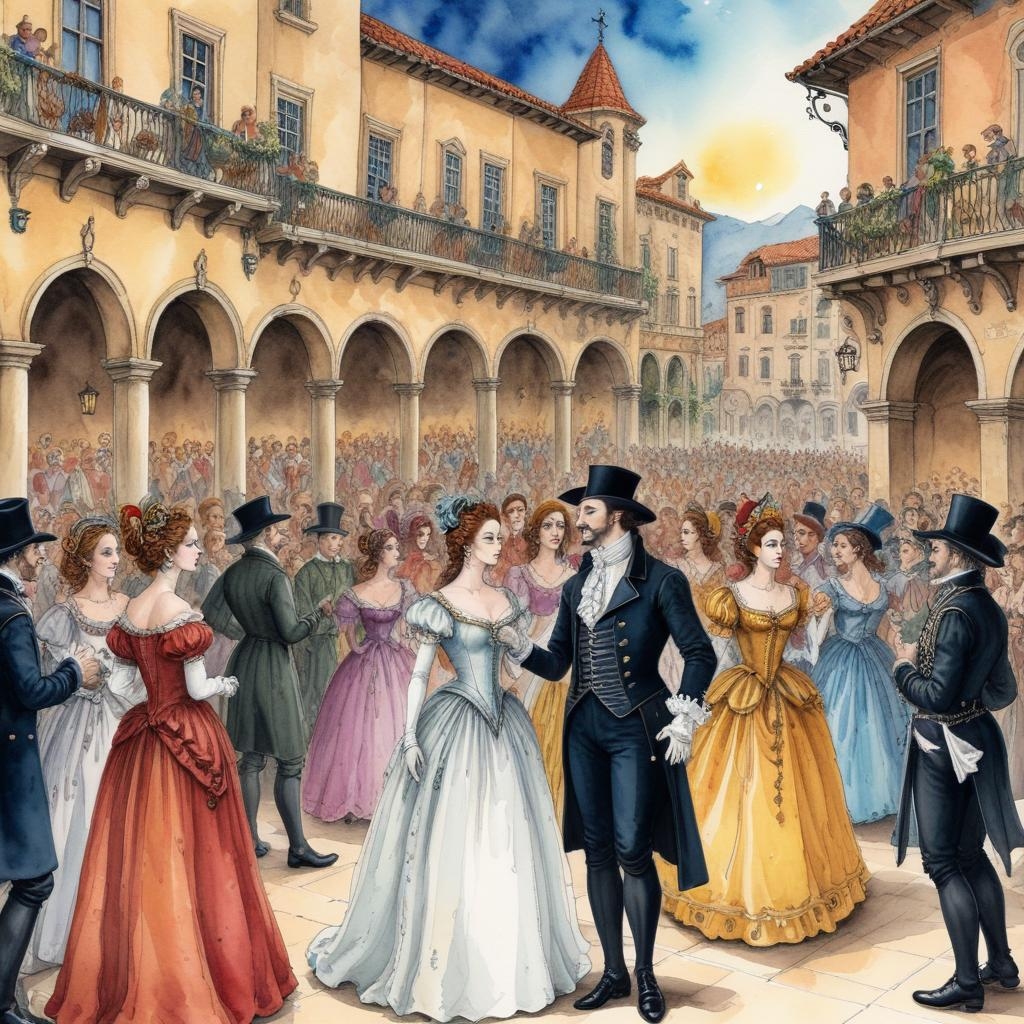
Introduction
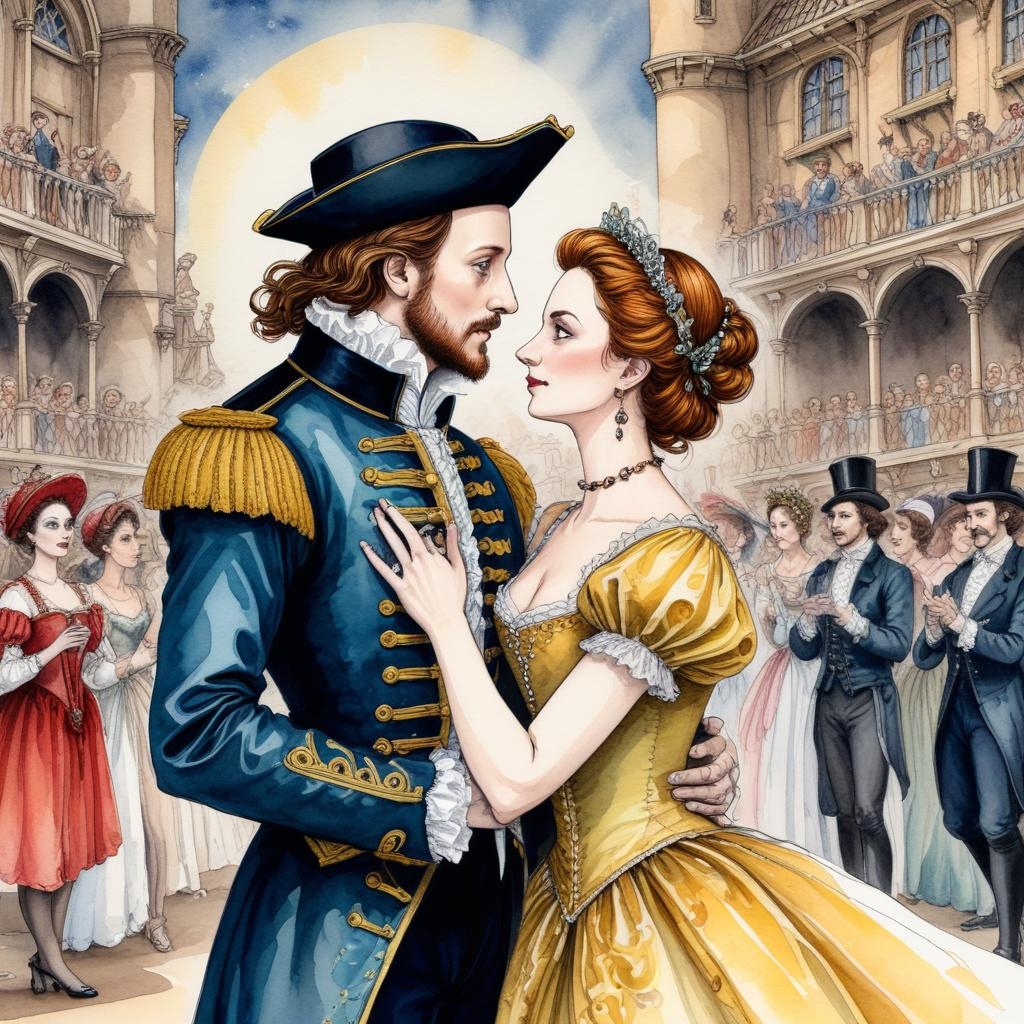
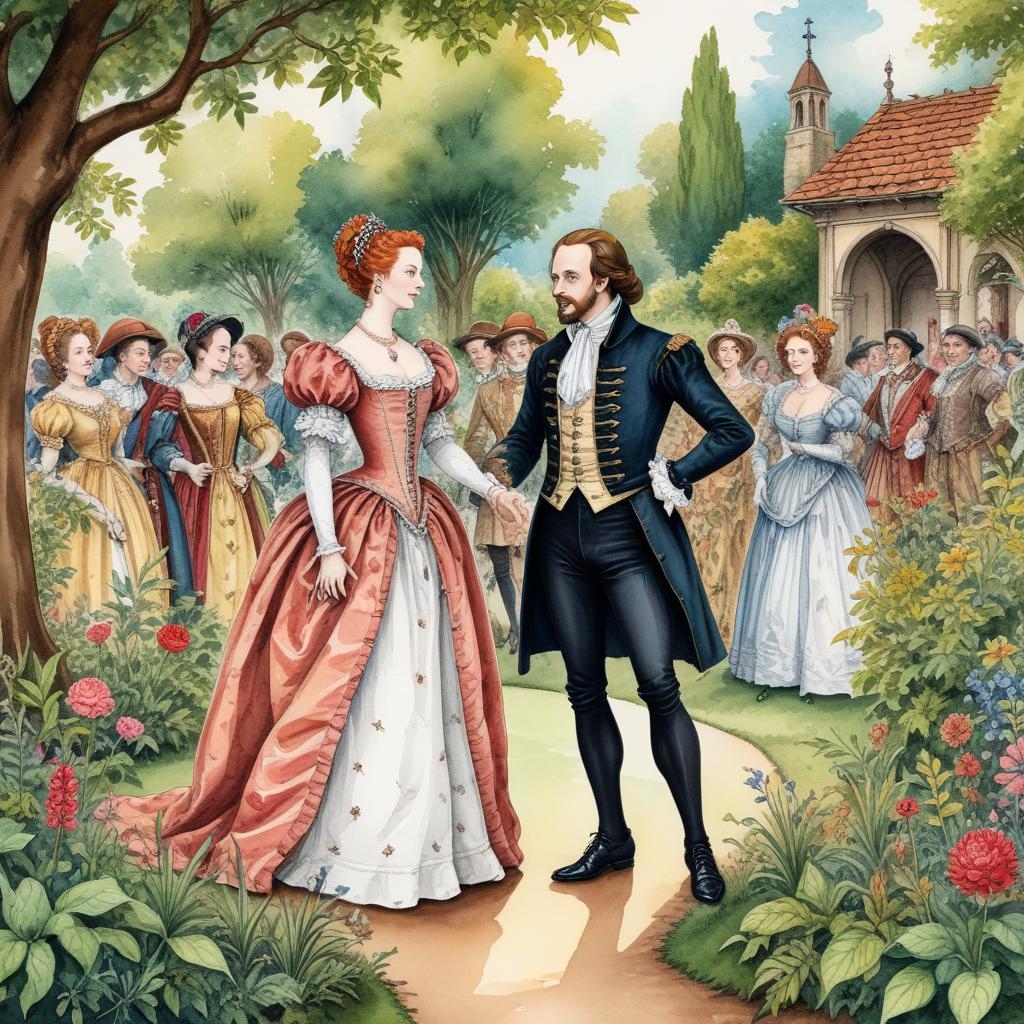

Beatrice

Benedick

Don Pedro

Claudio

Hero

Don John
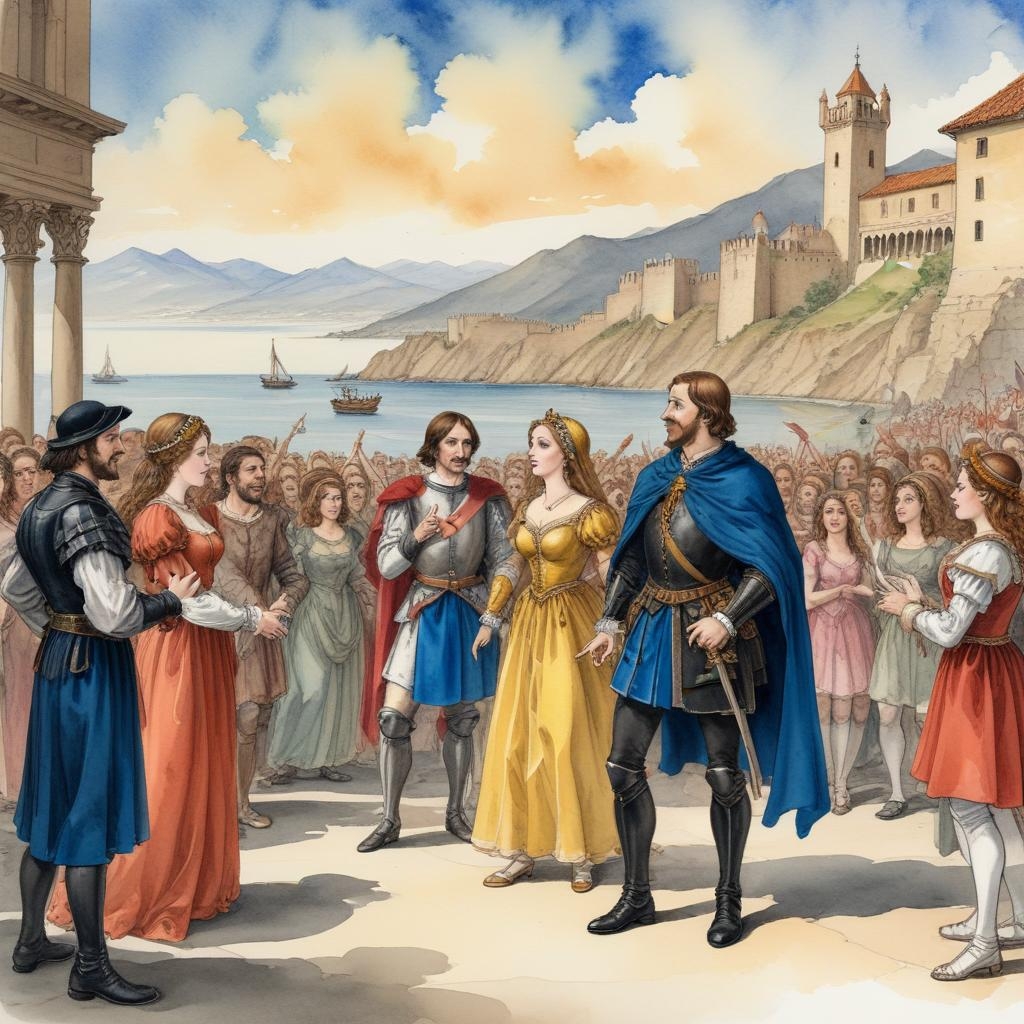
1. The Return of Don Pedro
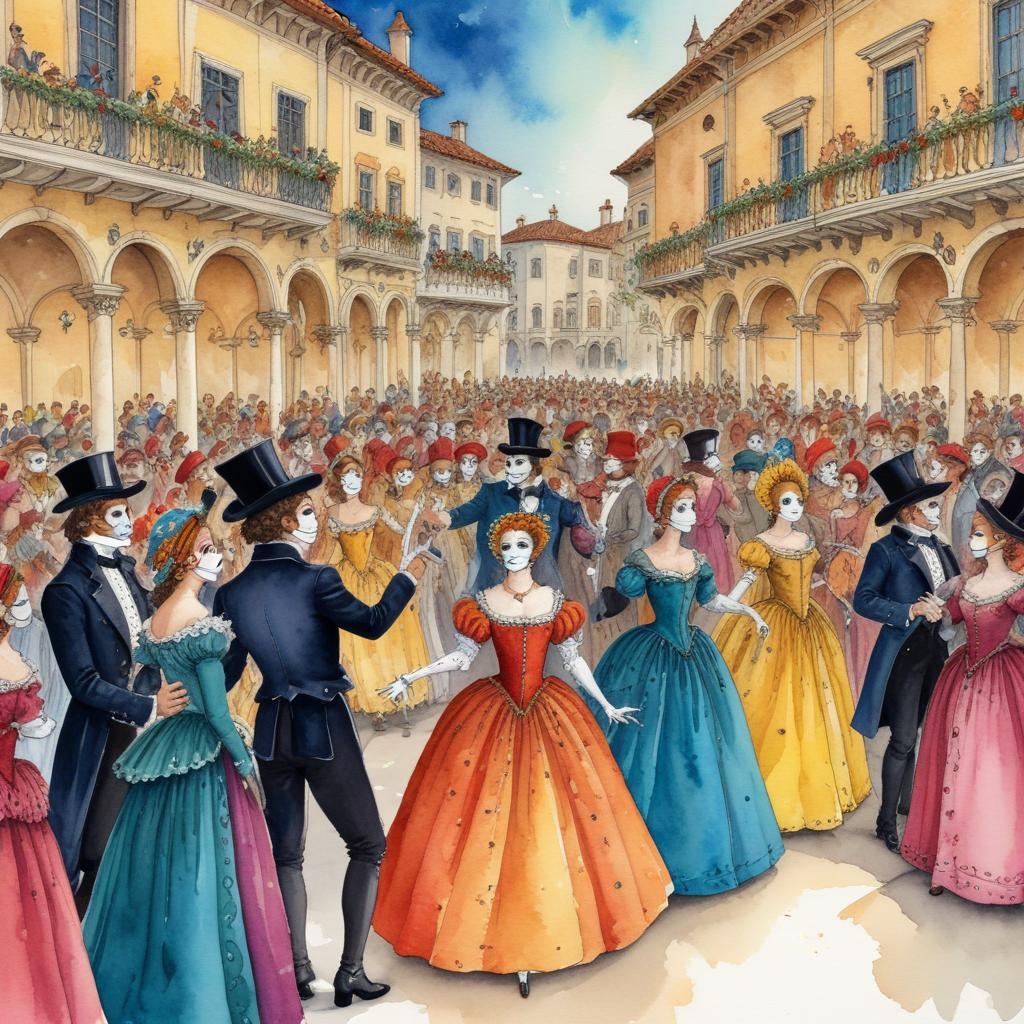
2. The Plot to Bring Benedick and Beatrice Together
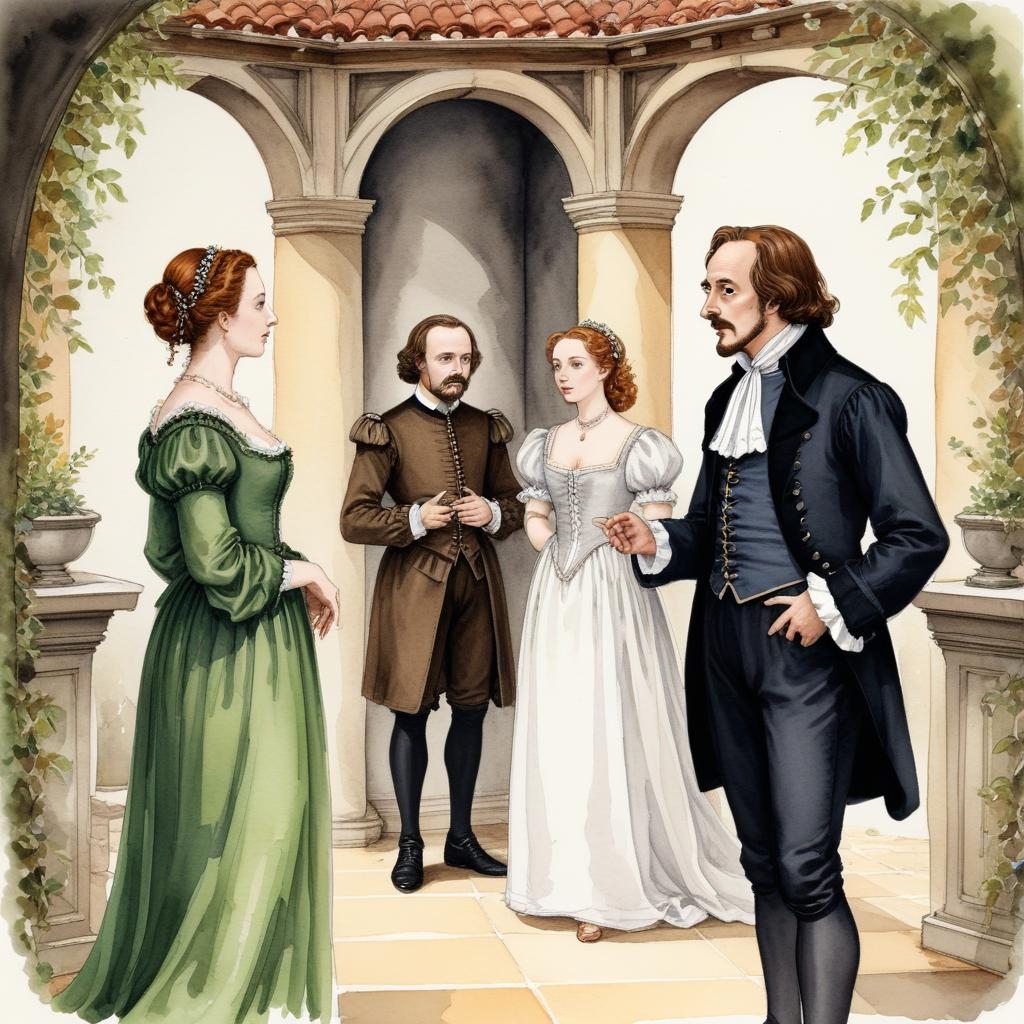
3. The Deception Unfolds
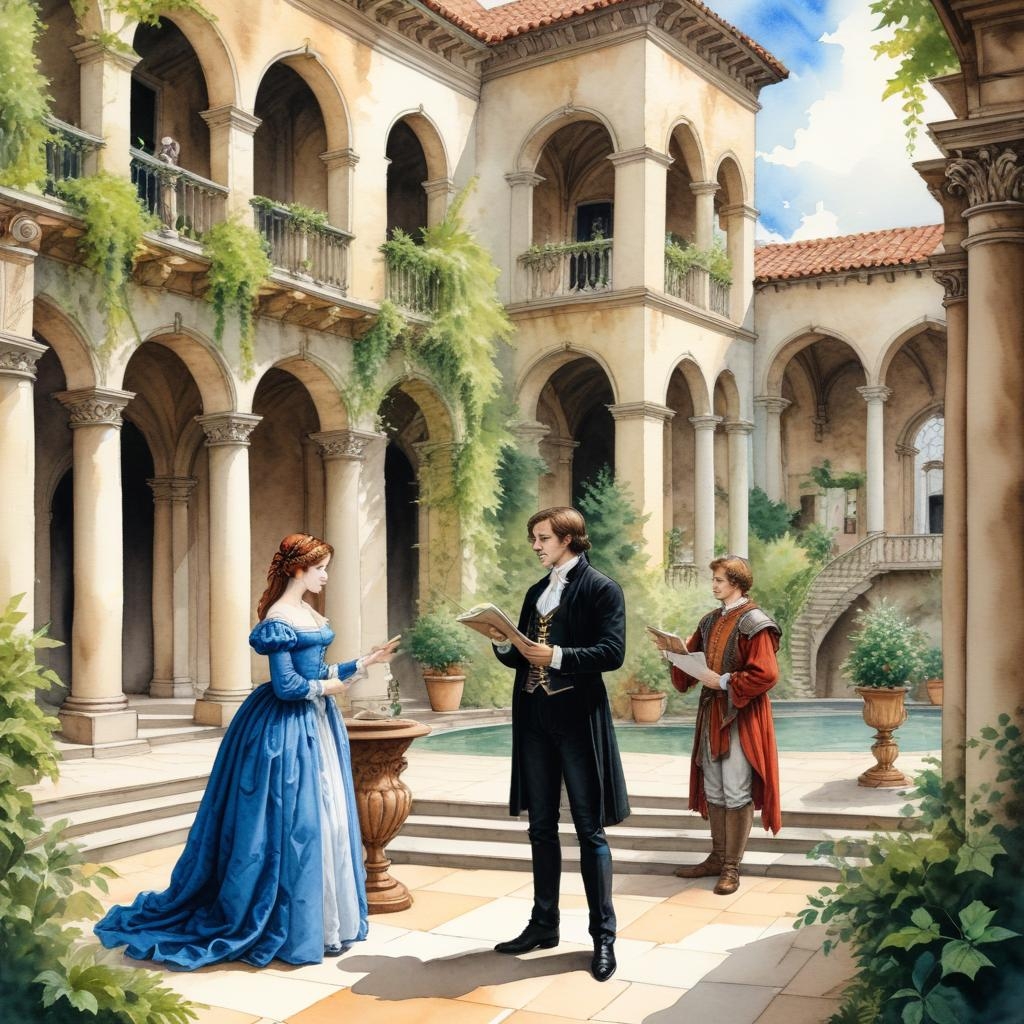
4. The Scheme Against Hero
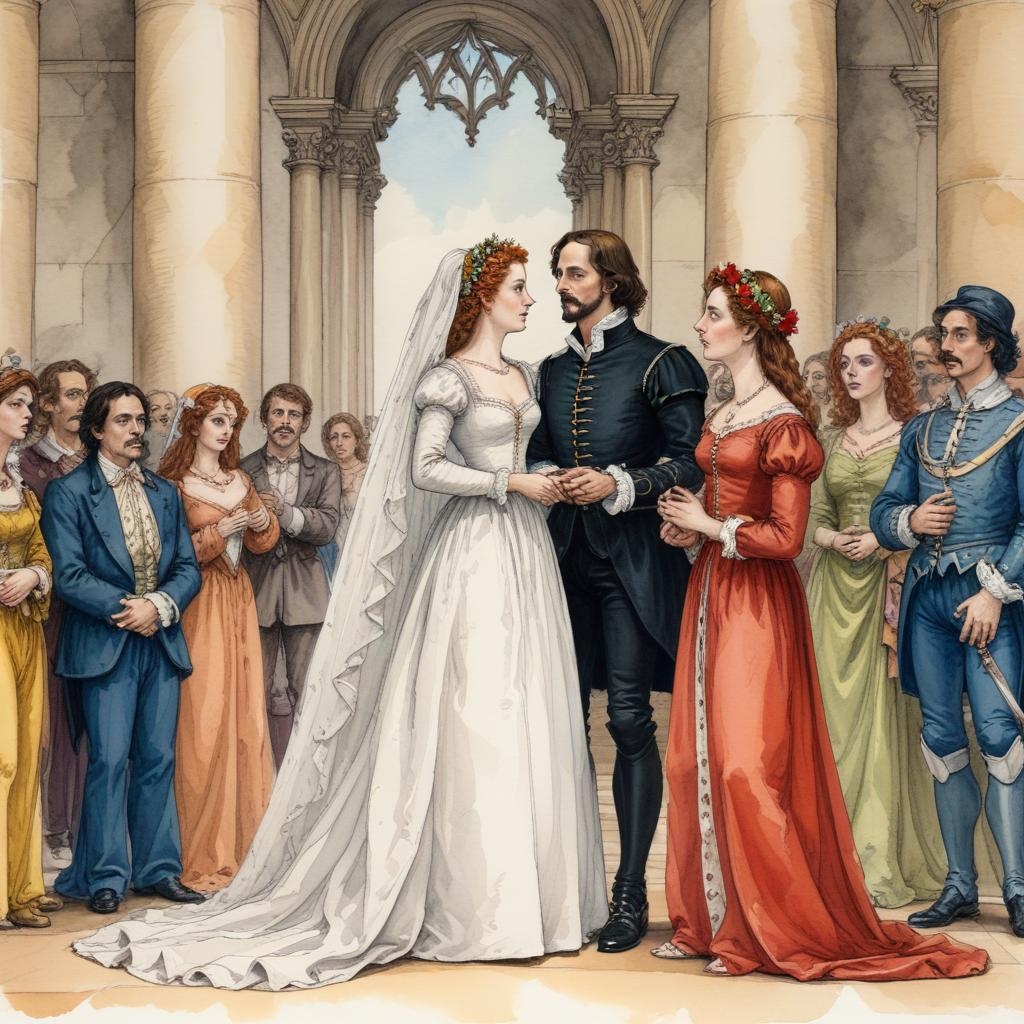
5. The Public Shaming of Hero
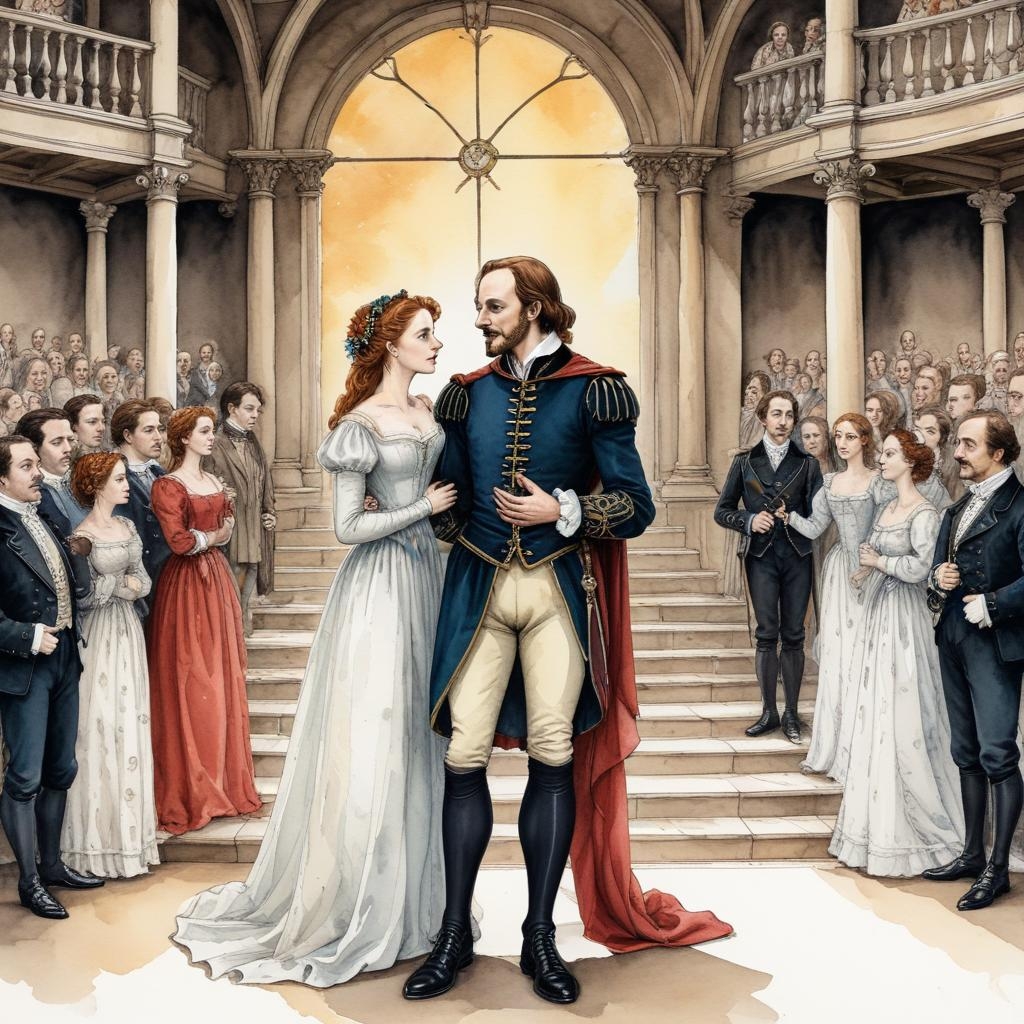
6. The Unmasking of the Truth
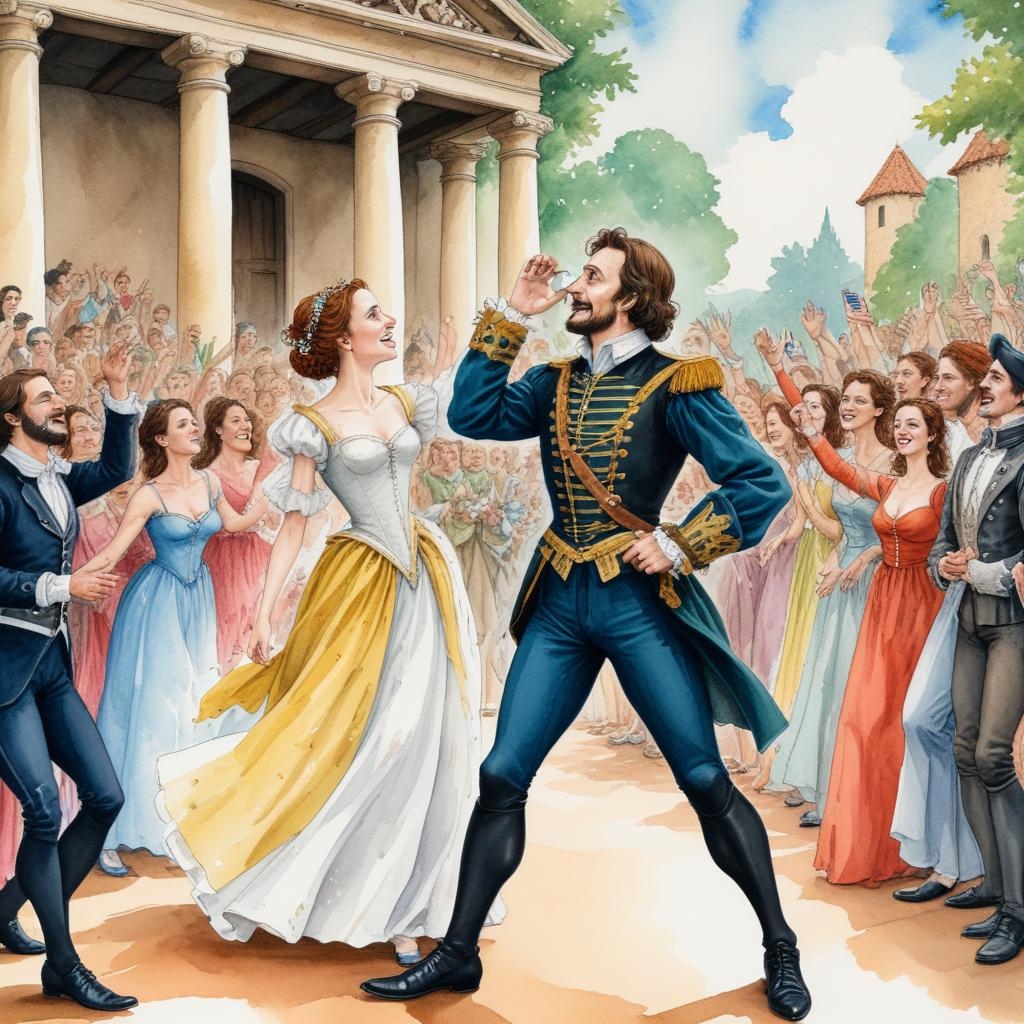
7. The Capture of Don John
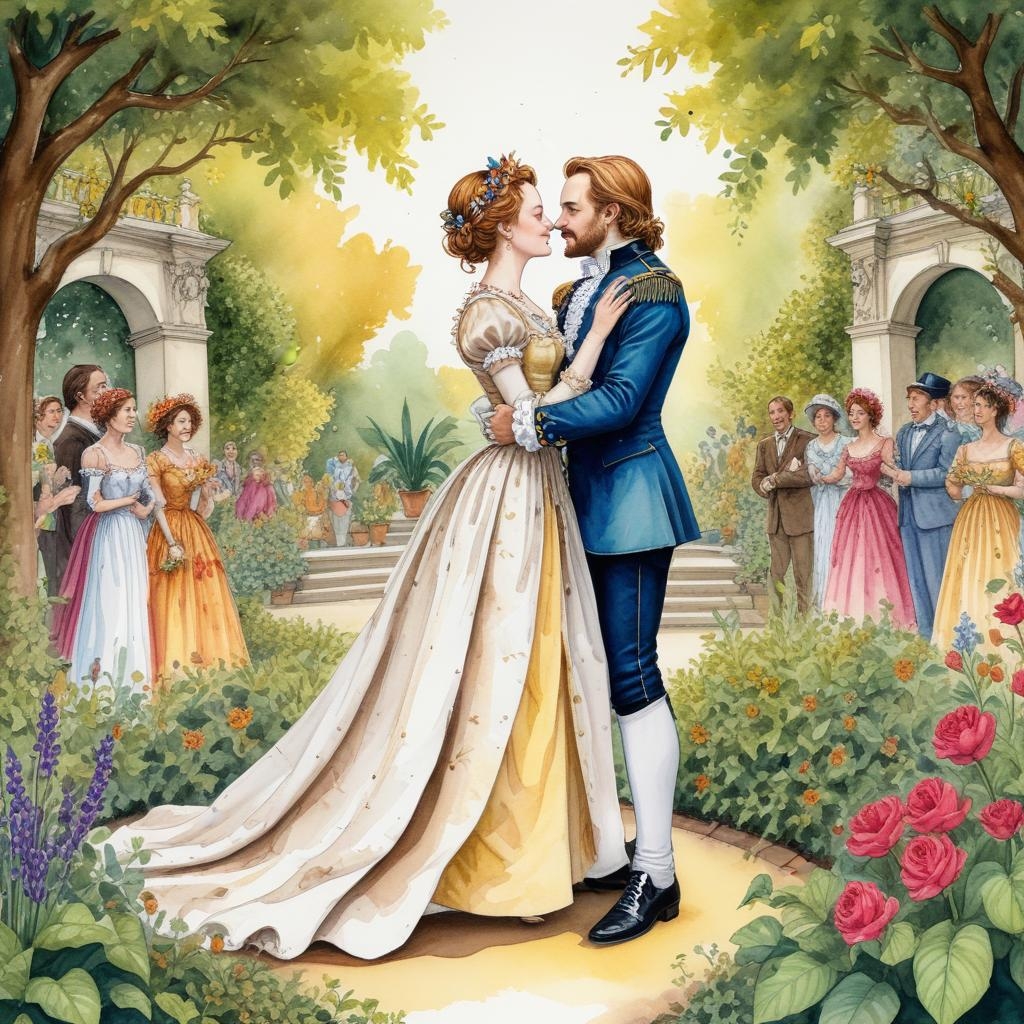
8. Benedick and Beatrices Happy Ending
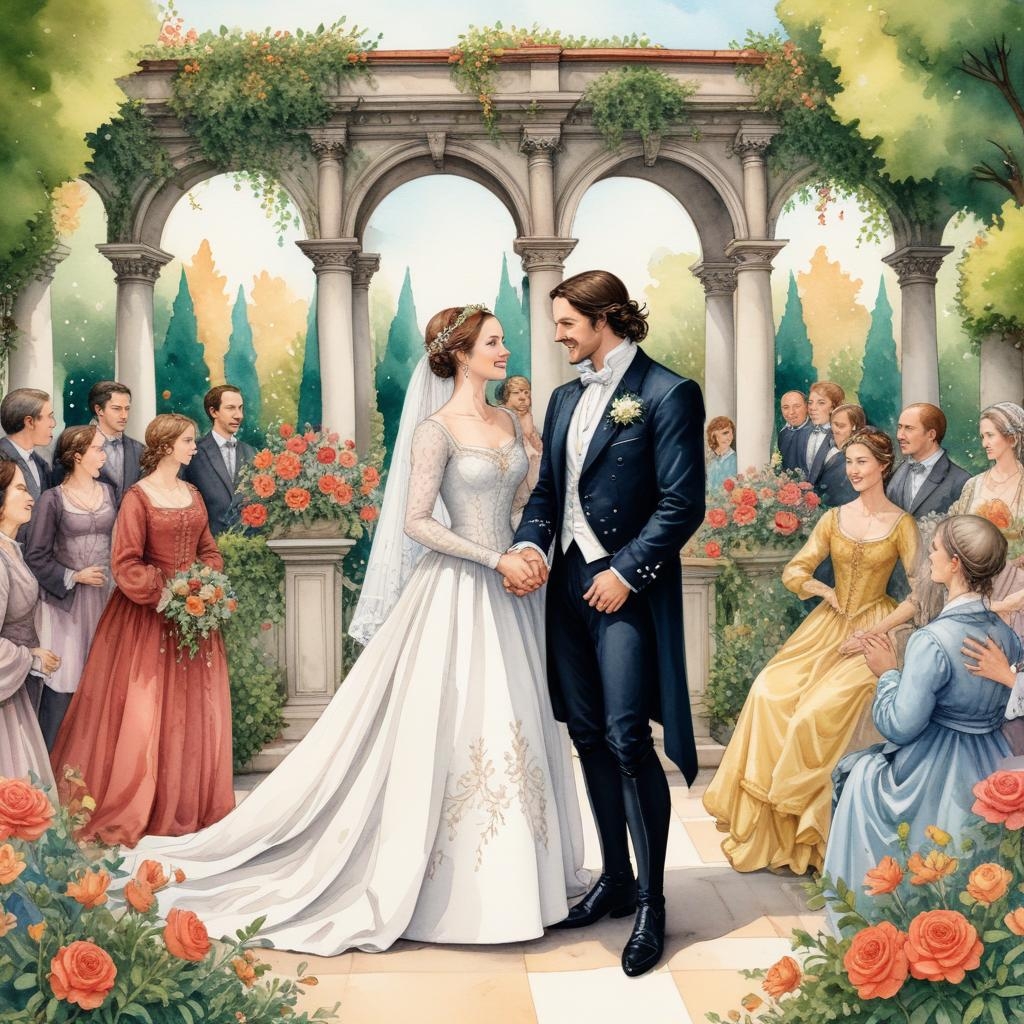
9. Claudio and Heros Reunion
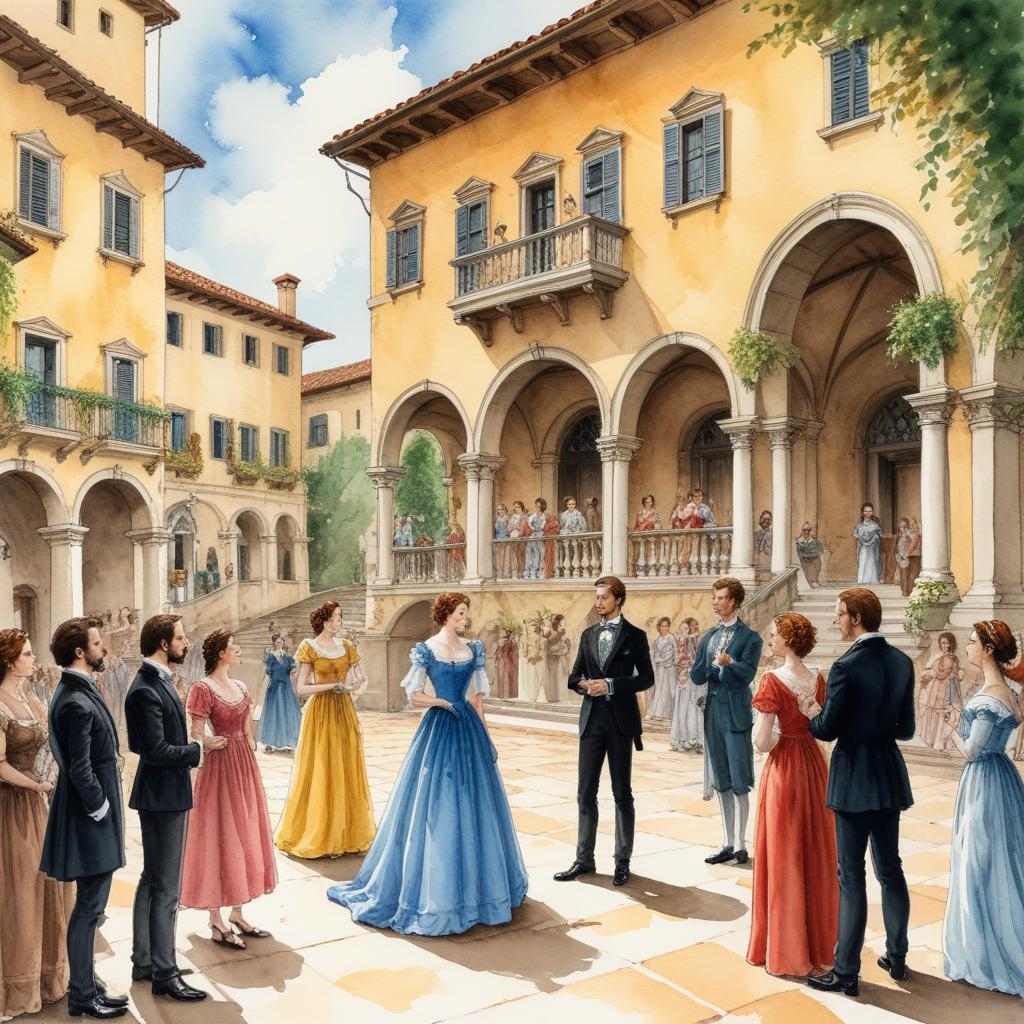
10. Lessons Learned
Lesson Details & Resources
In a Nutshell
- What: Play by William Shakespeare
- When: Written in the Elizabethan era
- Who: Beatrice, Benedick, Claudio
- Theme: Deception, love, and misunderstandings
List of Characters in Much Ado About Nothing
-
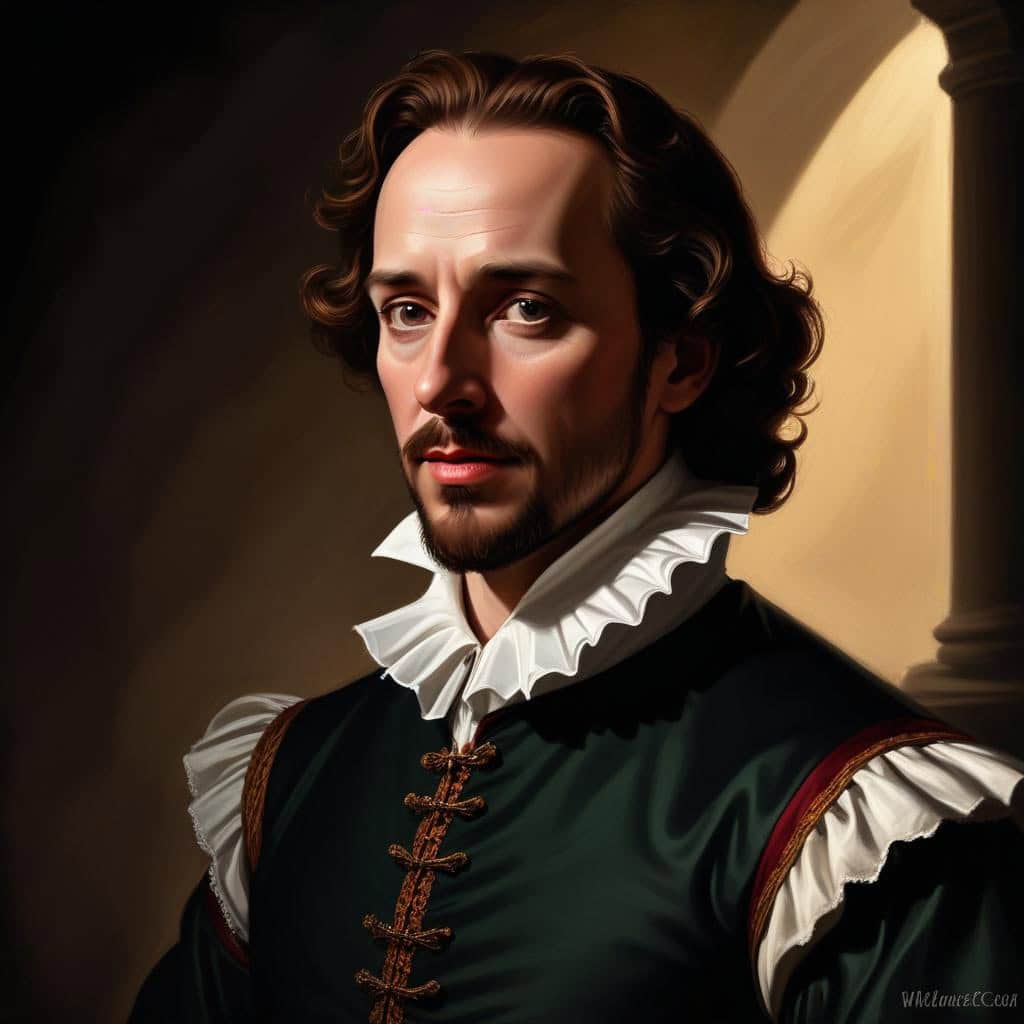
Benedick
A witty and stubborn nobleman who engages in a battle of wits with Beatrice.
-
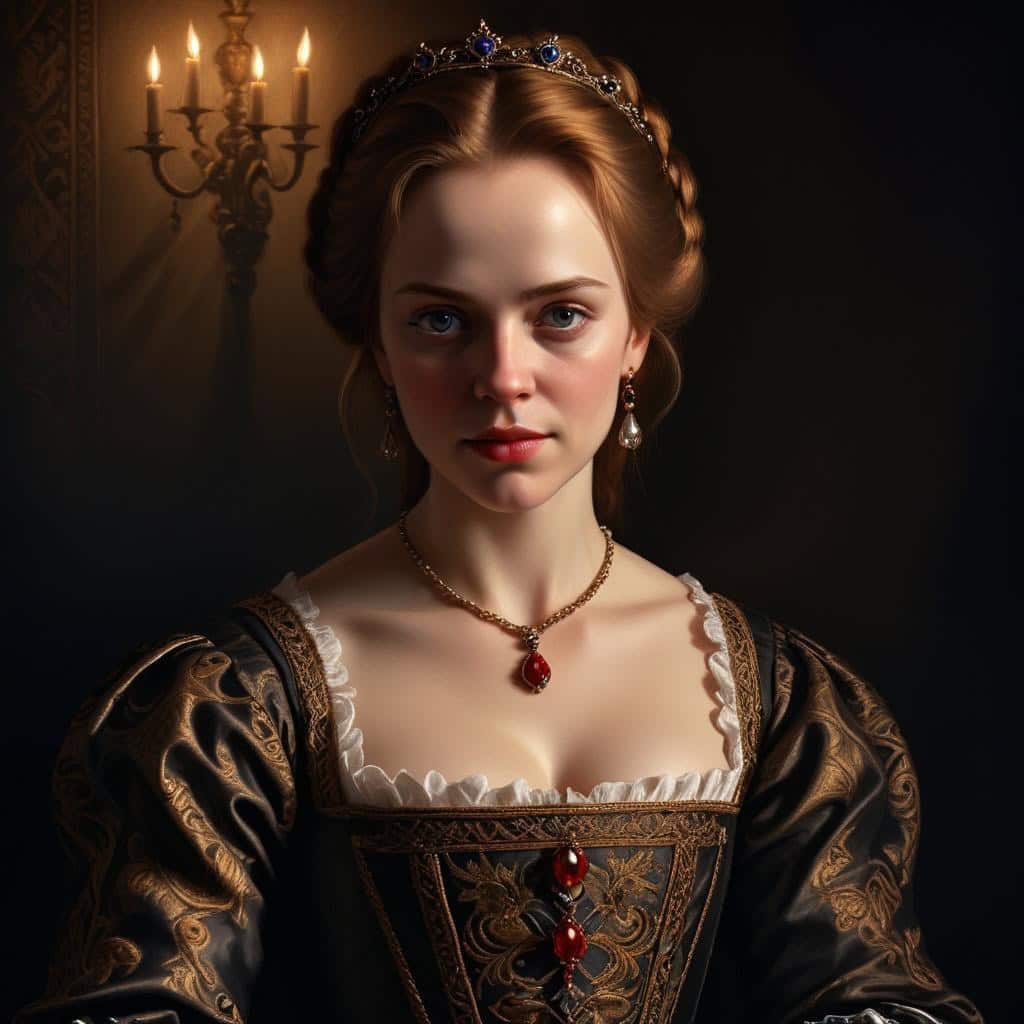
Beatrice
A sharp-tongued and independent noblewoman who engages in a battle of wits with Benedick.
-
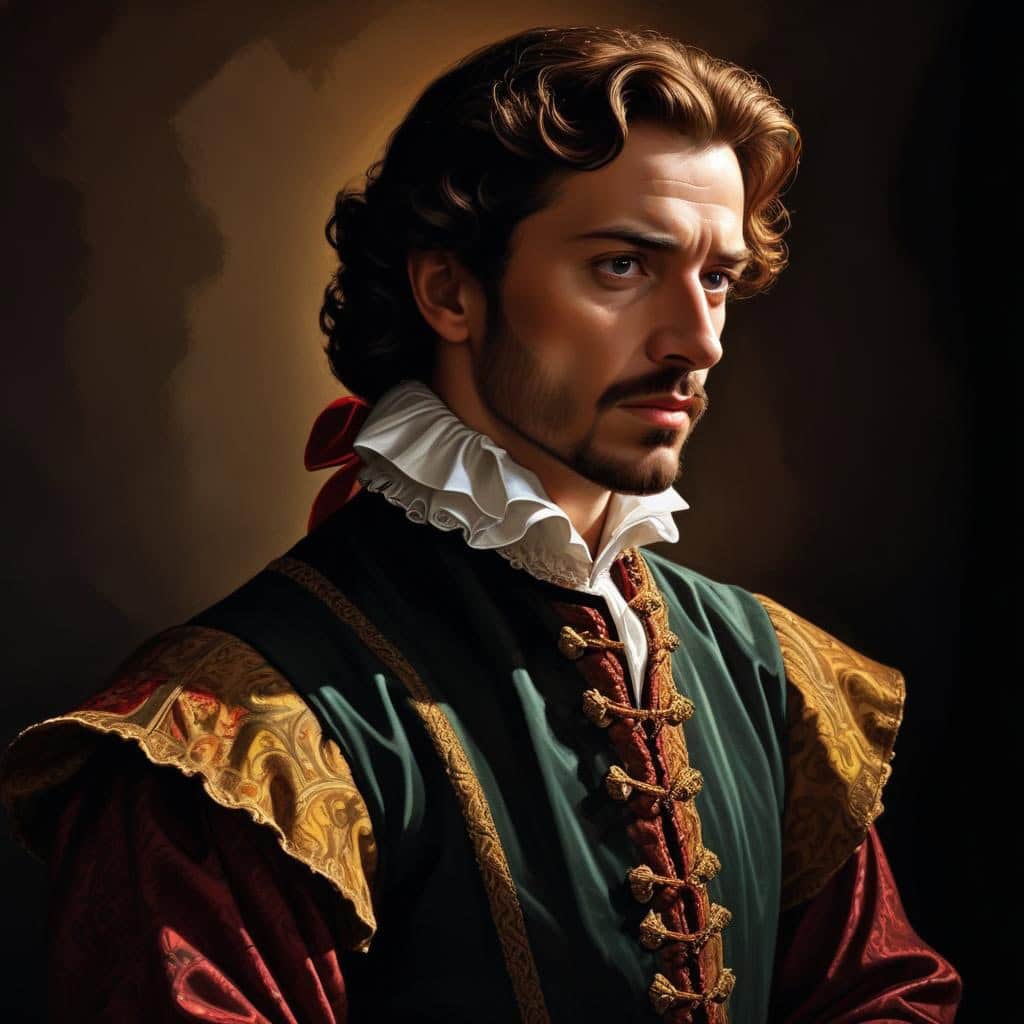
Claudio
A young and naive nobleman who falls in love with Hero.
-
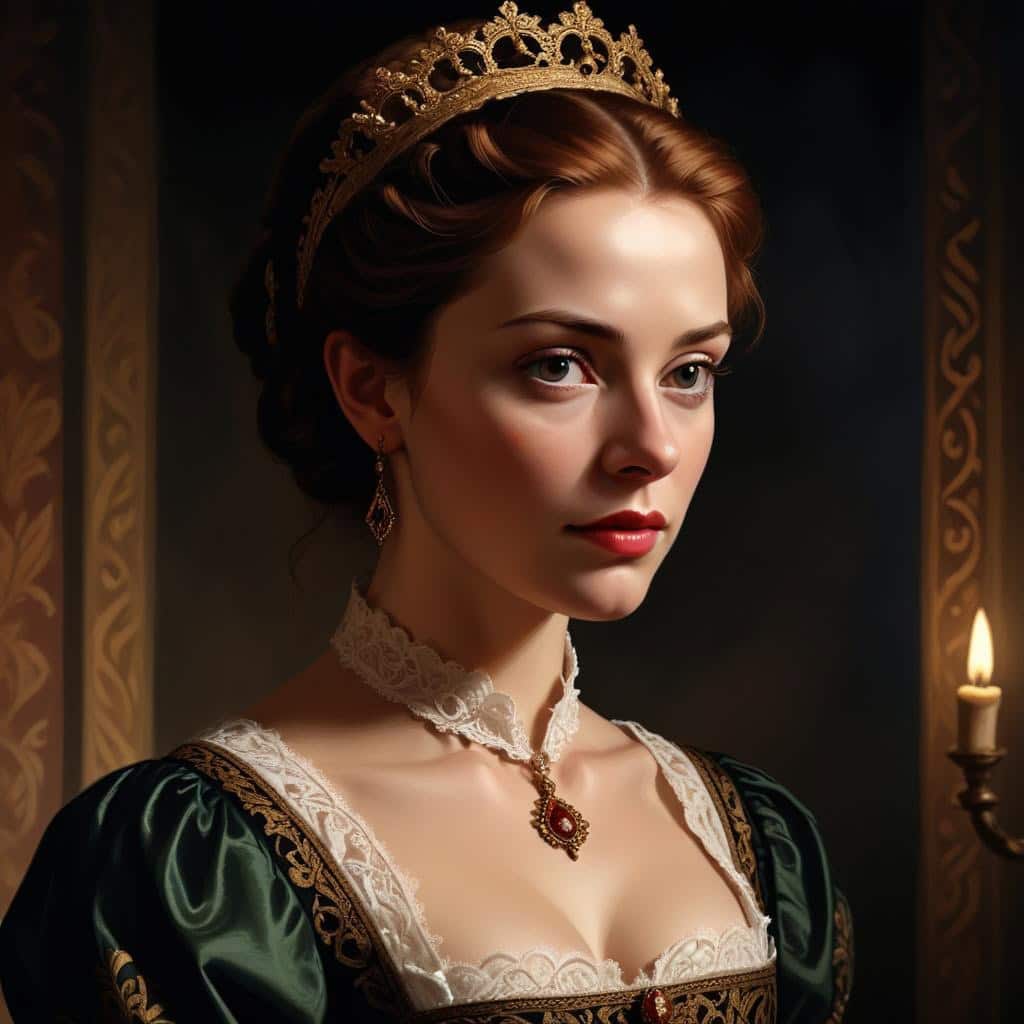
Hero
Hero's gentle and virtuous cousin who is wrongly accused of infidelity.
-
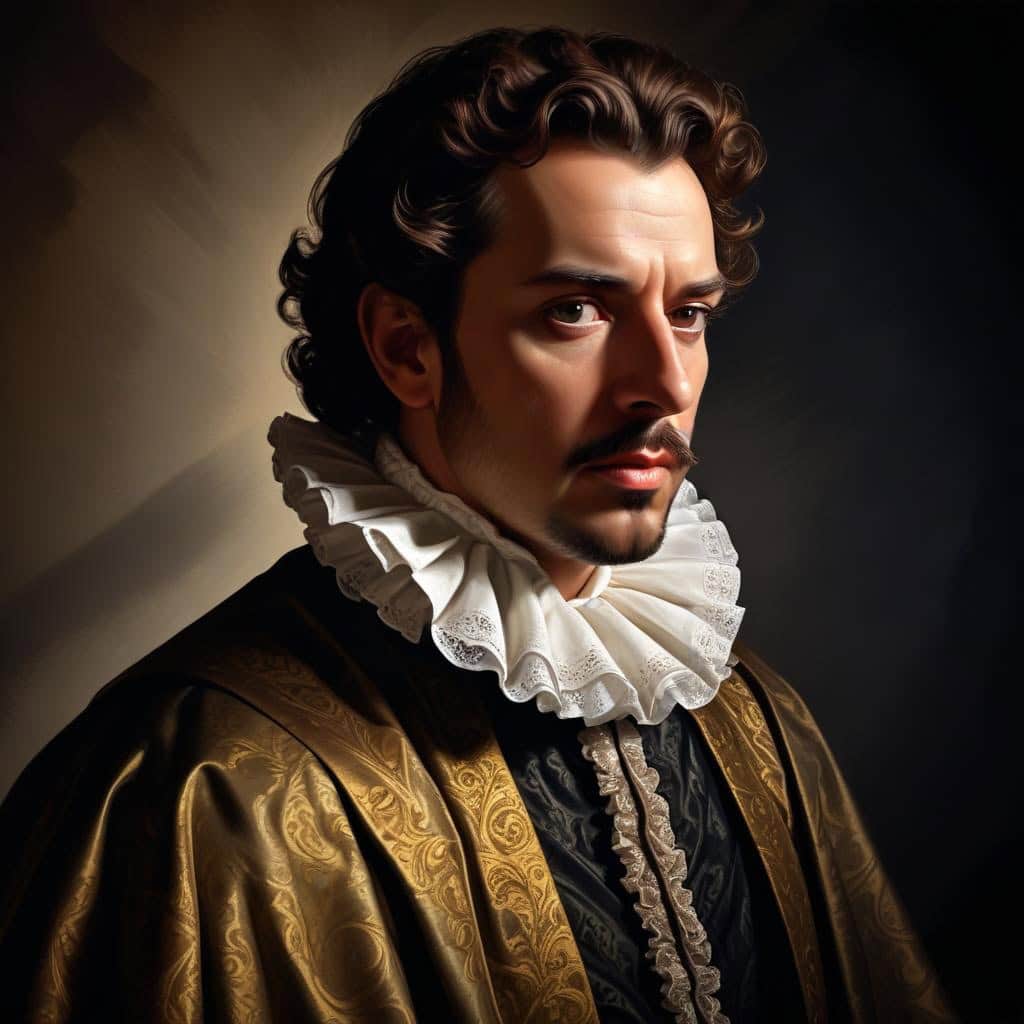
Don Pedro
A nobleman and Prince of Arragon who helps Claudio win Hero's hand in marriage.
-
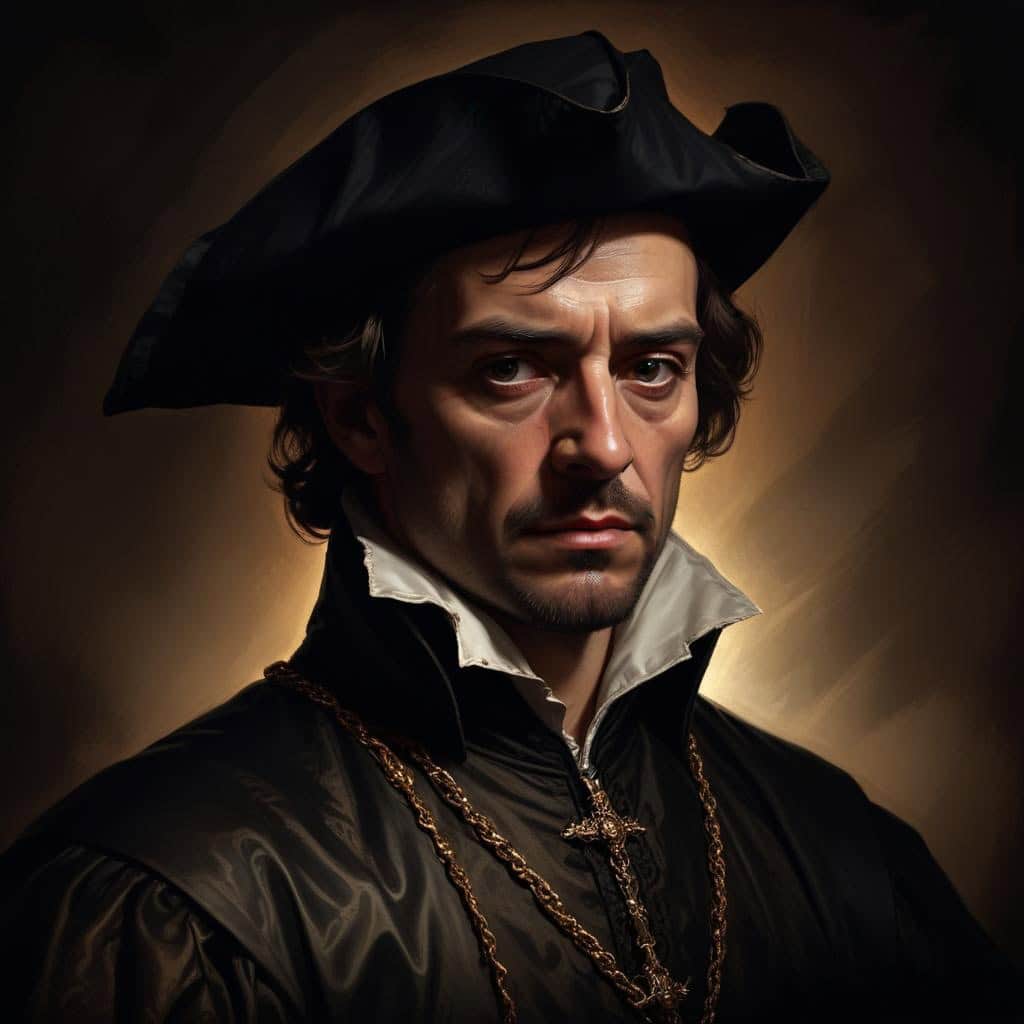
Don John
The illegitimate brother of Don Pedro, who plots to cause mischief and ruin relationships.
-
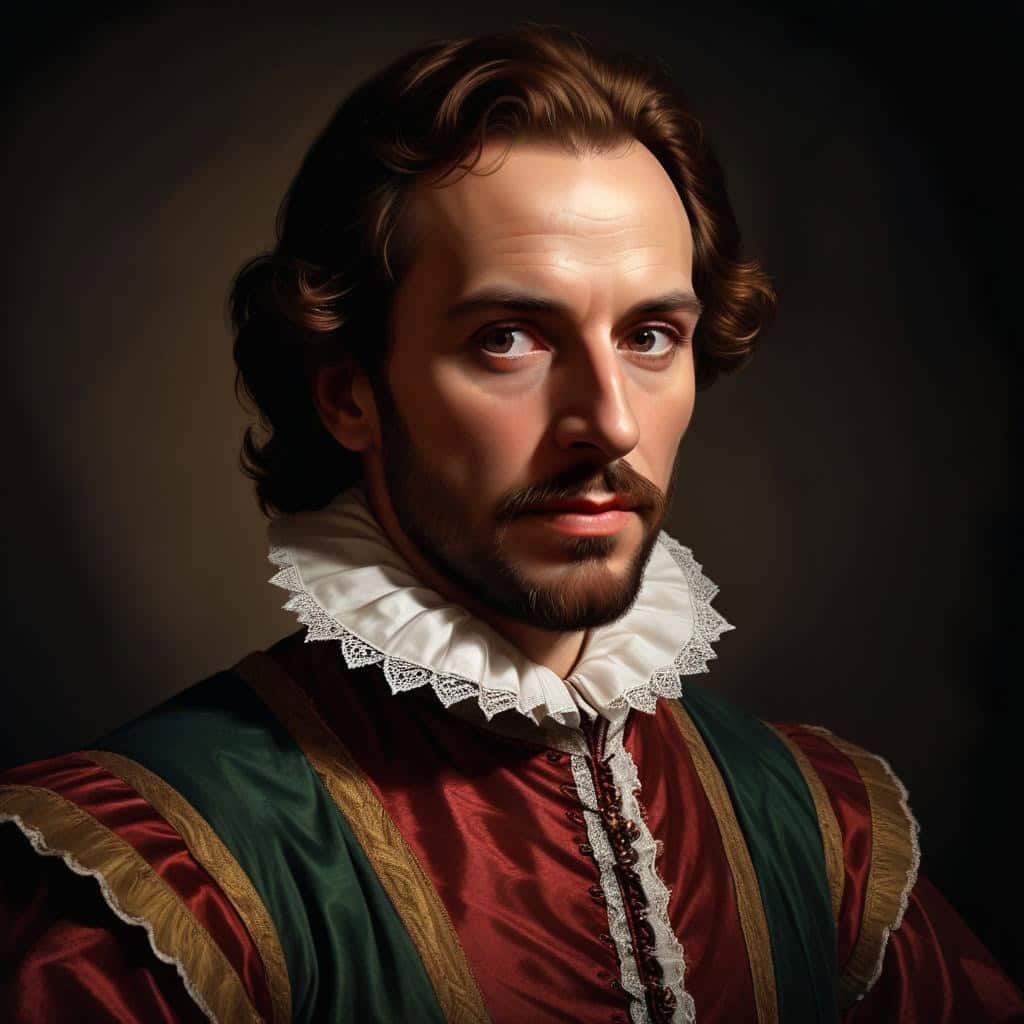
Leonato
Leonato's respected and wise governor who is the father of Hero and uncle of Beatrice.
-
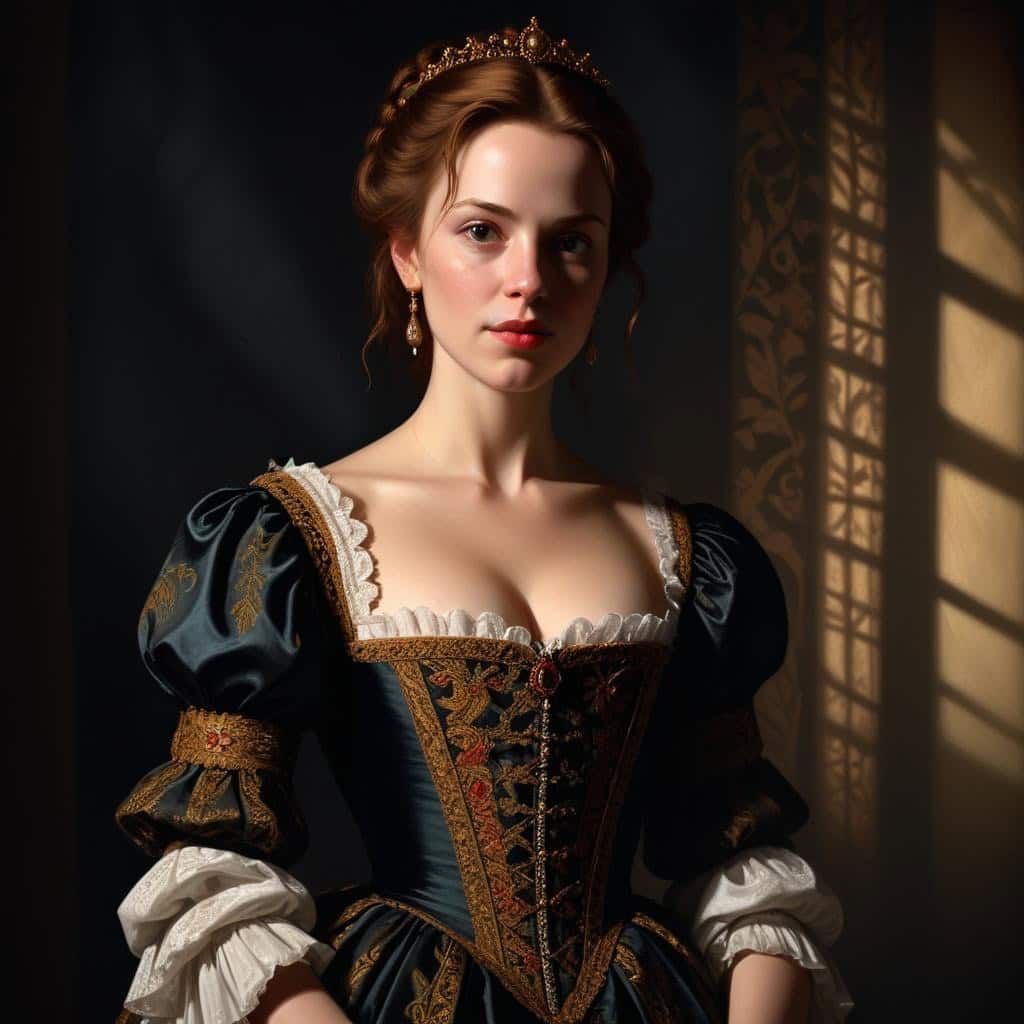
Margaret
Hero's gentlewoman who becomes involved in the plots against Hero's happiness.
-
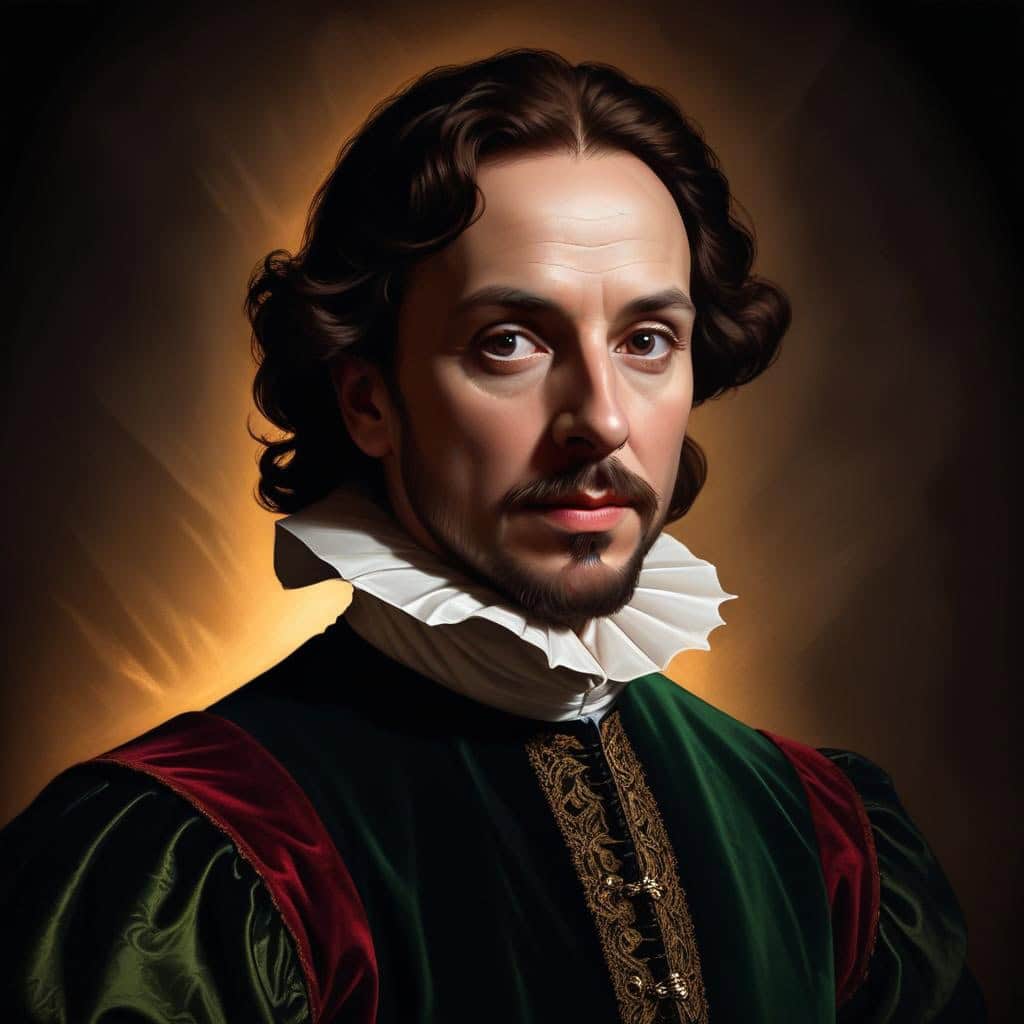
Borachio
A henchman who helps Don John in his mischievous plans.
-
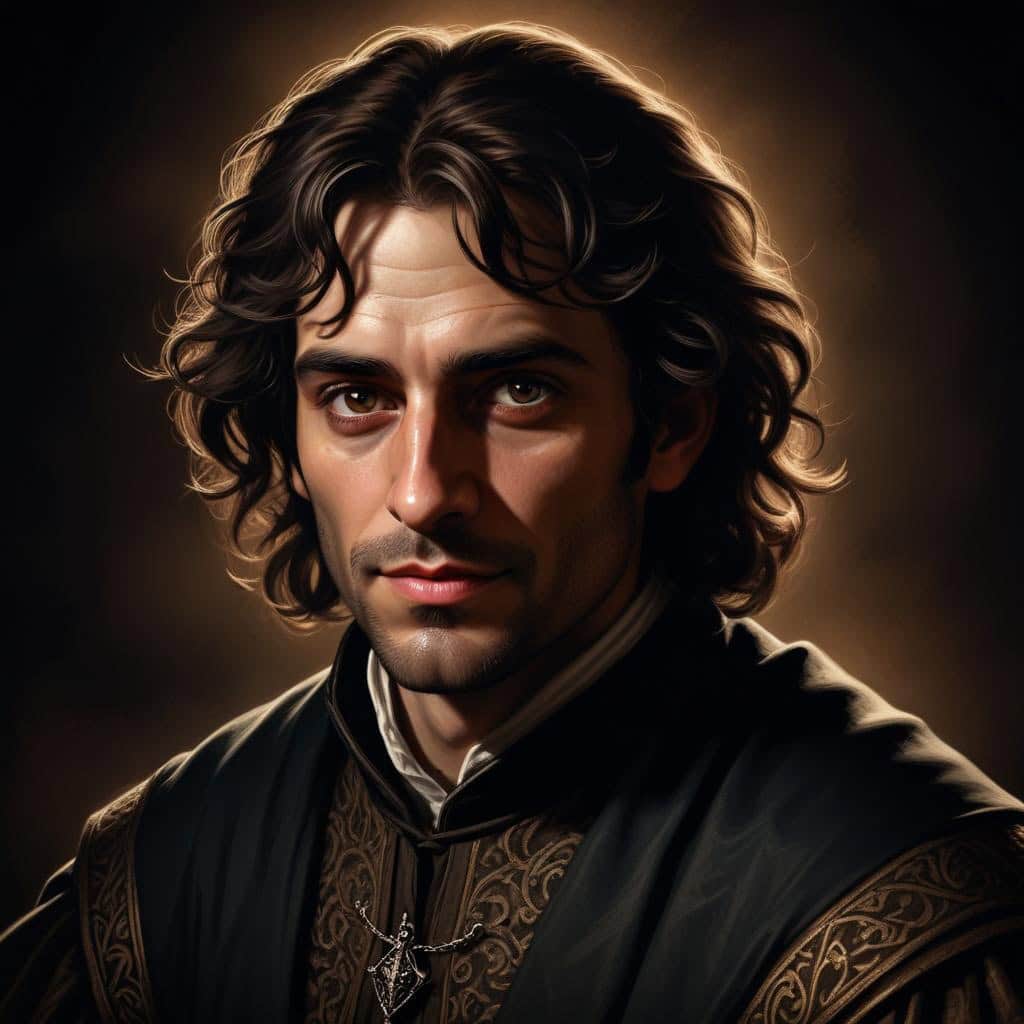
Conrade
A follower and companion of Don John.
-
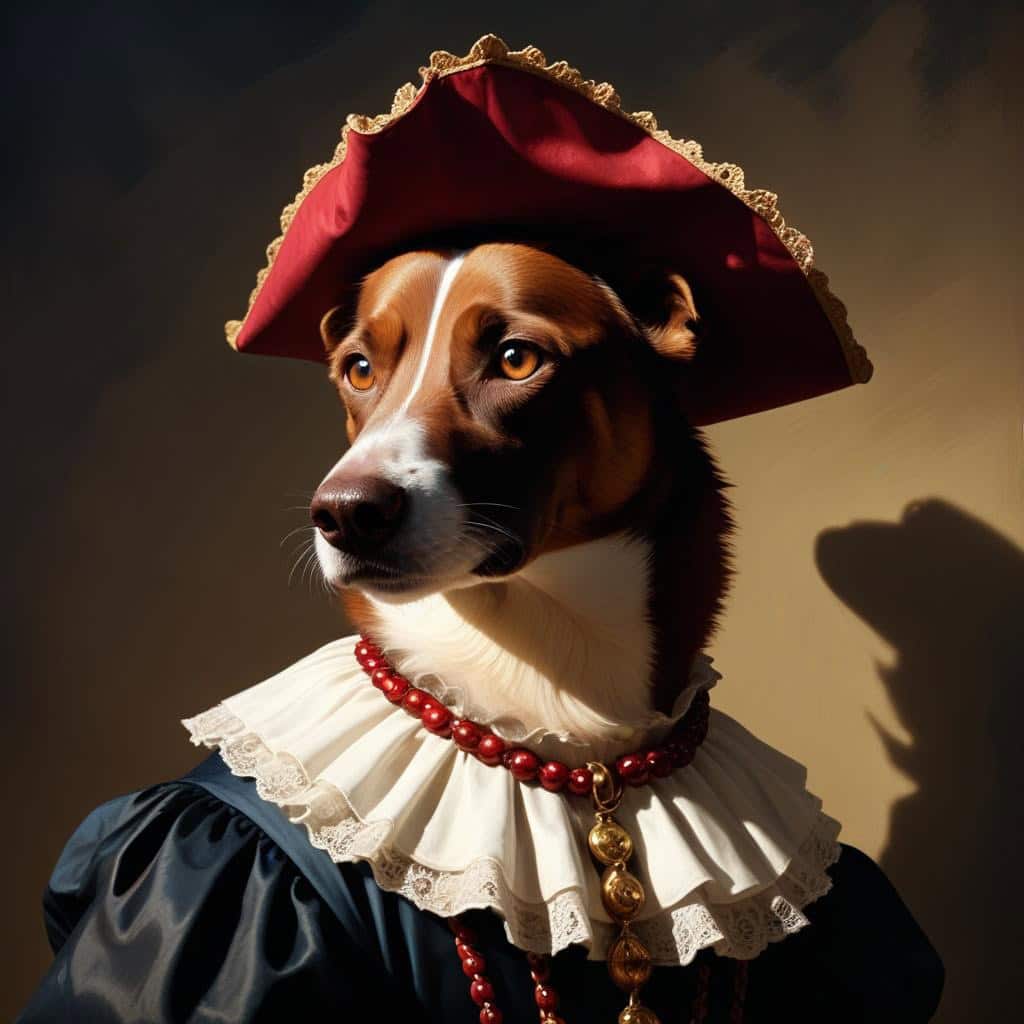
Dogberry
An inept constable who is in charge of maintaining order and preventing mischief.
-
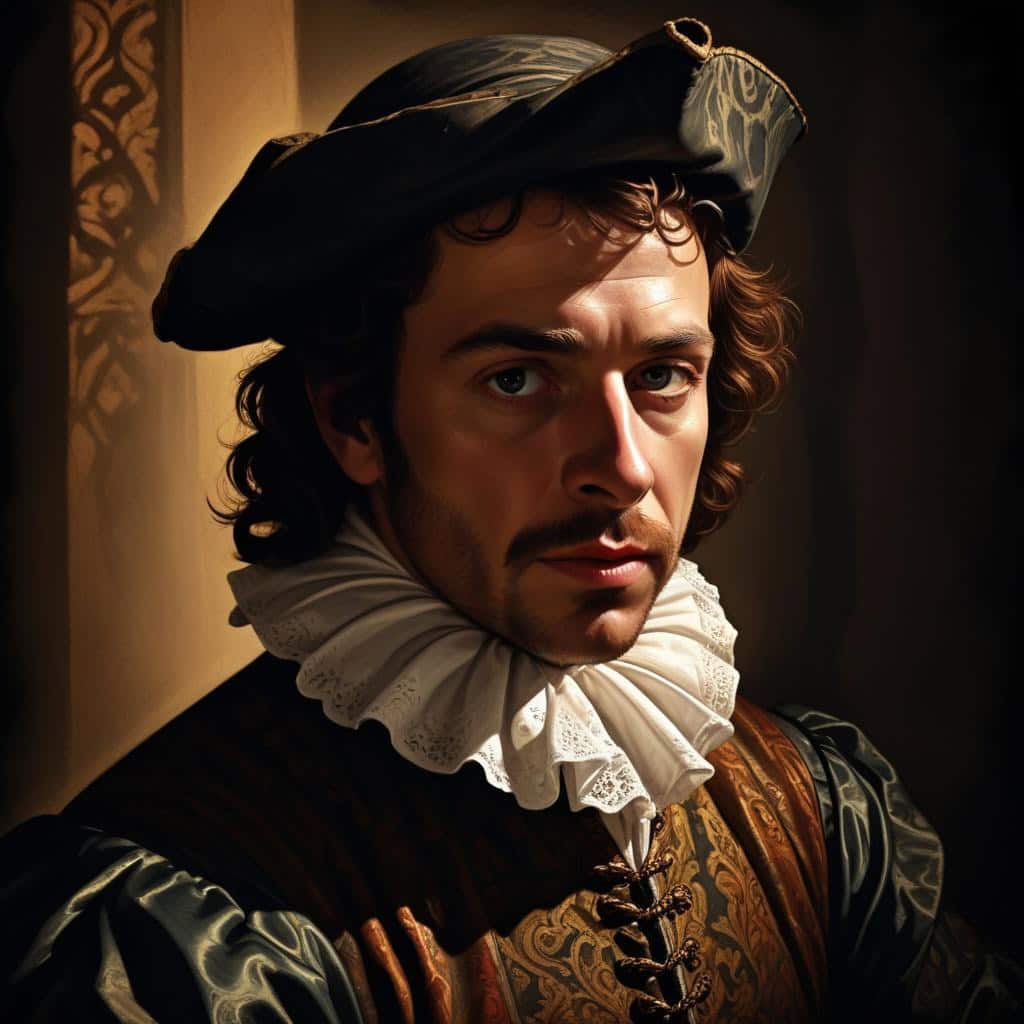
Verges
Dogberry's dim-witted partner who assists him in his duties.
-
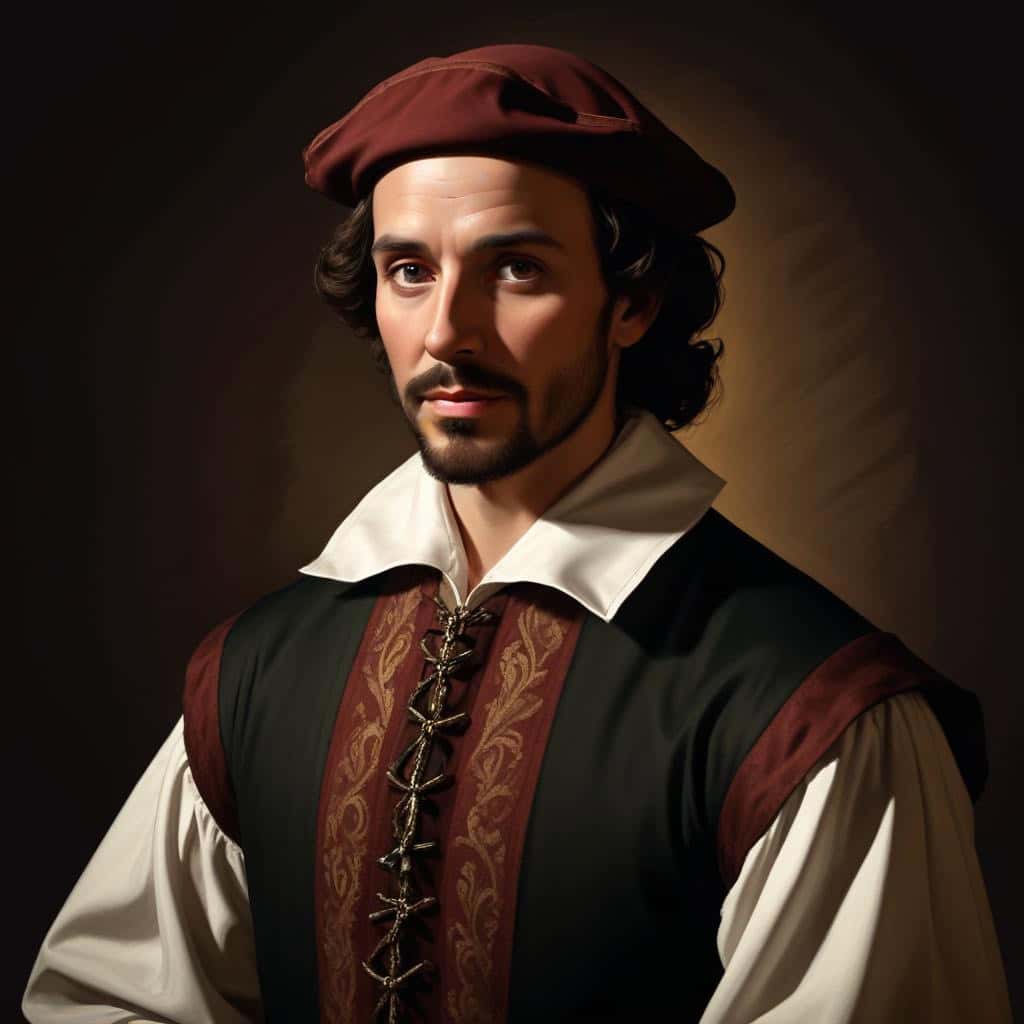
Antonio
Leonato's brother who supports and advises him throughout the story.
-
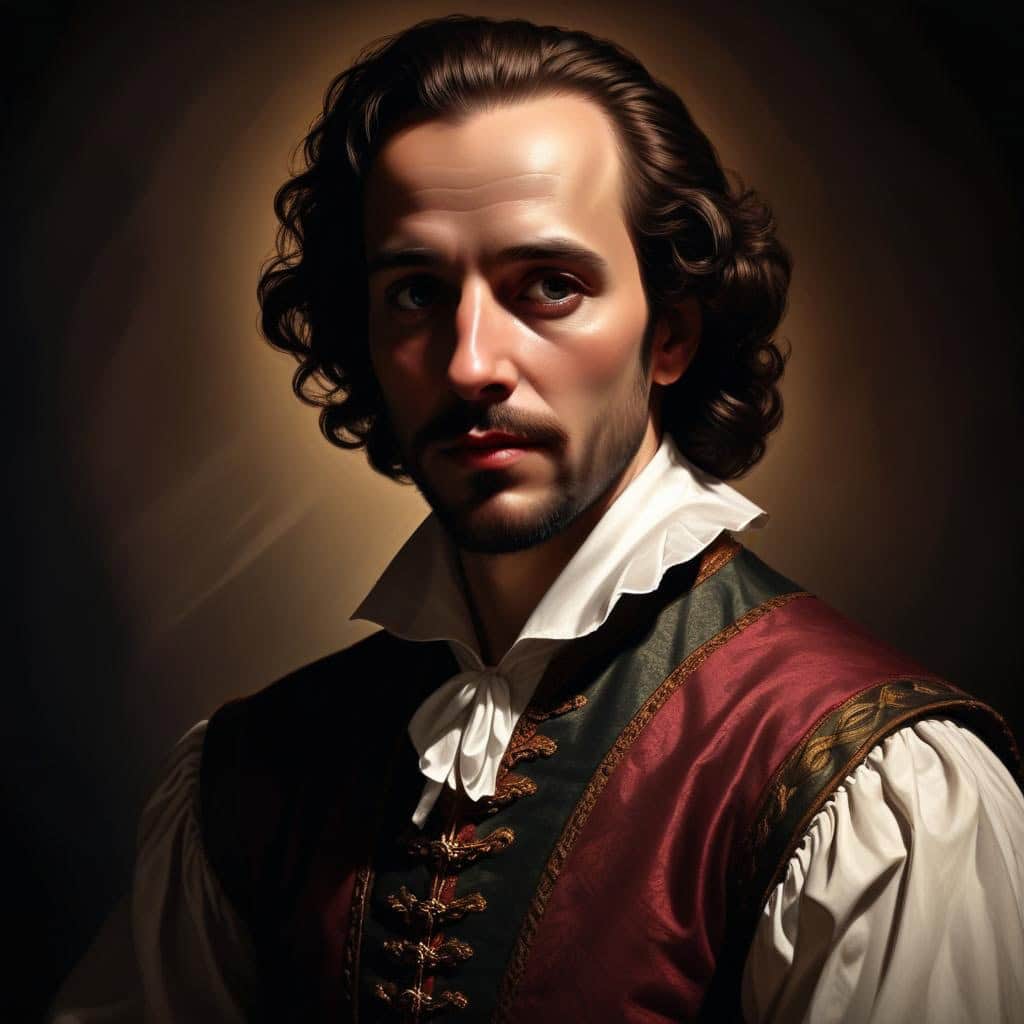
Balthasar
A singer who entertains the characters with music and songs.
-
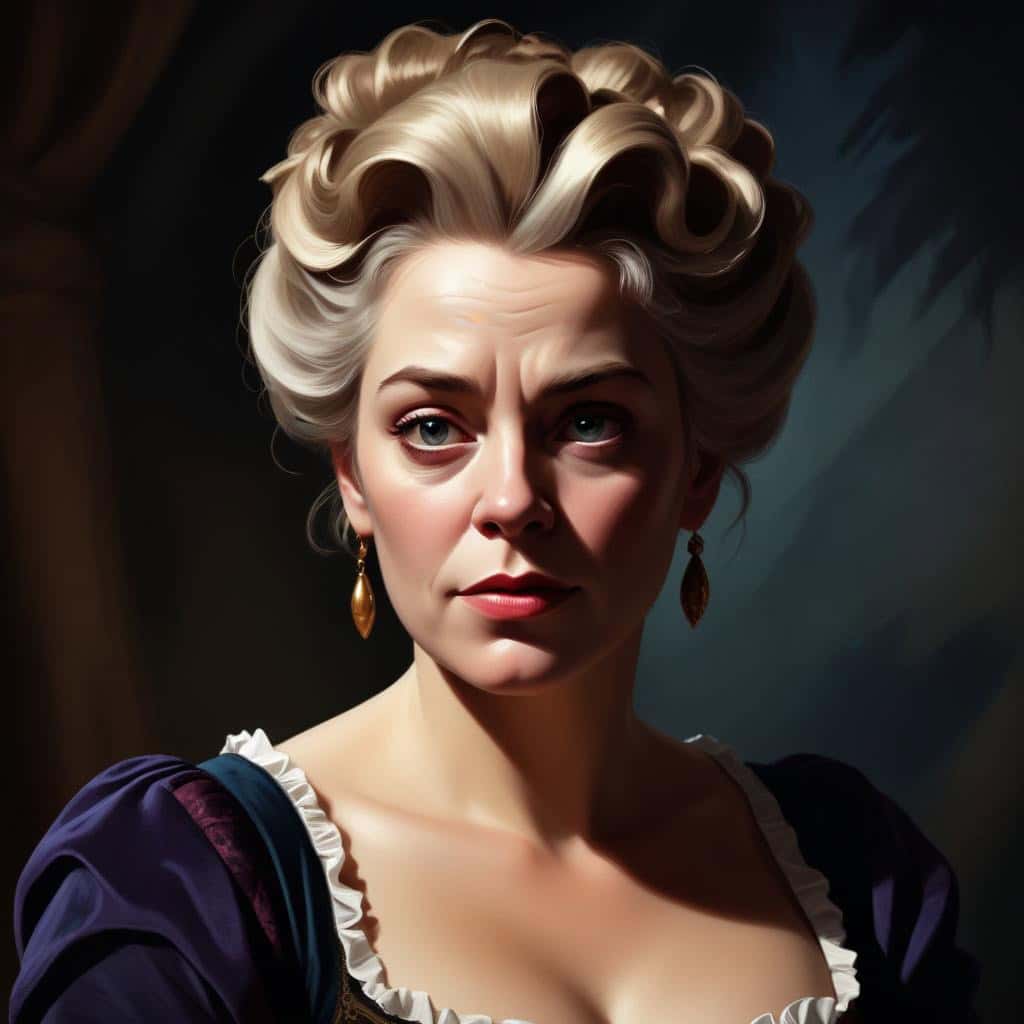
Ursula
A waiting-gentlewoman attending on Hero who becomes involved in the matchmaking schemes.
-
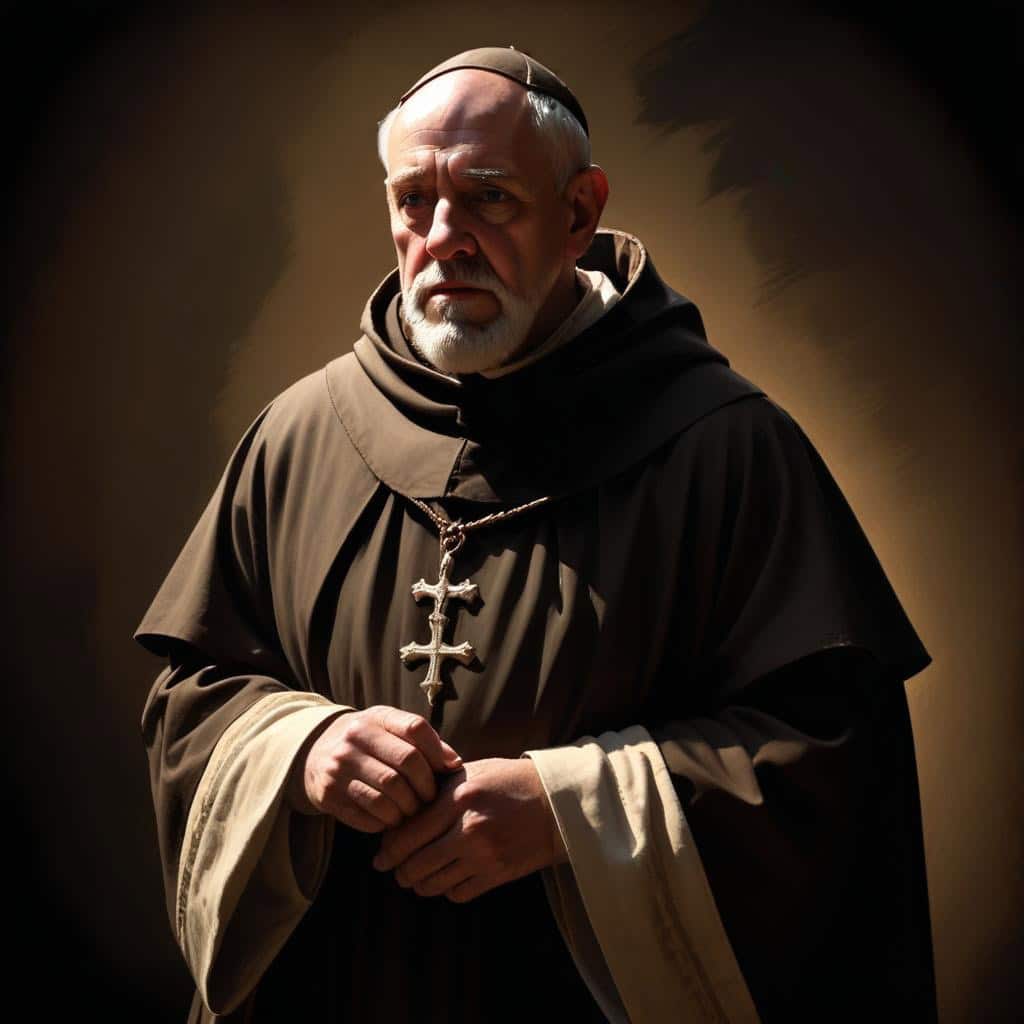
Friar Francis
A friar who plays a crucial role in uncovering the truth and resolving the conflicts.
Timeline of Much Ado About Nothing
Don Pedro and his men arrive in Messina after a victorious war.
Leonato, the governor of Messina, welcomes Don Pedro and his men.
Claudio falls in love with Hero, Leonato's daughter, and asks Don Pedro to help him woo her.
Don Pedro, Claudio, and Hero plan to marry in a week.
Don John, Don Pedro's illegitimate brother, schemes to ruin the upcoming wedding.
Benedick and Beatrice, two witty and independent characters, engage in a battle of wits and deny any romantic feelings towards each other.
Don John's henchmen, Borachio and Conrade, plot to make it appear as if Hero is unfaithful to Claudio.
The night before the wedding, Borachio and Margaret, Hero's maid, engage in a staged encounter that Claudio witnesses and believes to be Hero being unfaithful.
Claudio publicly shames Hero at the wedding ceremony and refuses to marry her.
Hero's family, along with the Friar, decide to pretend that Hero has died from the shock of Claudio's accusations in order to prove her innocence.
Dogberry, a bumbling constable, overhears Borachio bragging about his role in the plot and arrests him and Conrade.
Benedick and Beatrice confess their love for each other.
The Watchmen inform Leonato and the others about Borachio's confession and the truth about Hero's innocence.
Claudio is informed of Hero's innocence and agrees to marry her.
Don John is captured and brought back to Messina for punishment.
The play ends with a joyful celebration and the promise of future marriages between various characters.
Vocabulary List
- Gallant
- Brave and chivalrous
- Slander
- The action or crime of making a false spoken statement damaging to a person's reputation
- Woo
- Seek the favor, support, or custom of
- Mirth
- Amusement, especially as expressed in laughter
- Revel
- Enjoy oneself in a lively and noisy way, especially with drinking and dancing
- Impediment
- A hindrance or obstruction in doing something
- Tedious
- Too long, slow, or dull
- Melancholy
- A feeling of pensive sadness, typically with no obvious cause
- Disdain
- The feeling that someone or something is unworthy of one's consideration or respect
- Reproach
- Address someone in such a way as to express disapproval or disappointment
- Prattle
- Talk at length in a foolish or inconsequential way
- Perjury
- The offense of willfully telling an untruth in a court after having taken an oath or affirmation
- Scorn
- The feeling or belief that someone or something is worthless or despicable
- Wooing
- The act of seeking the affection or love of someone, typically with the intention of marriage
- Deceive
- Deliberately cause (someone) to believe something that is not true, especially for personal gain
- Flatter
- Praise (someone) excessively or dishonestly in order to gain favor or advantage
- Dissemble
- Conceal or disguise one's true feelings or beliefs
- Impulsive
- Acting or done without forethought
- Endeavor
- Try hard to do or achieve something
- Discord
- Disagreement between people
Key Facts
This is the information used in the fact matching game
- - Much Ado About Nothing is a comedic play written by William Shakespeare.
- - The play is set in the Italian city of Messina.
- - It was likely written between 1598 and 1599.
- - The central plot revolves around the love story of Beatrice and Benedick.
- - The character of Beatrice is known for her wit and sharp tongue.
- - The villain of the play is Don John, the illegitimate brother of Don Pedro.
- - Don John attempts to sabotage the relationships of the main characters.
- - Claudio is a young nobleman who falls in love with Hero, the daughter of Leonato.
- - Claudio and Hero's relationship faces obstacles due to Don John's schemes.
- - The play explores themes of deception, gender roles, and the power of language.
- - The comedic subplot involves the bumbling constable Dogberry and his watchmen.
- - Dogberry's malapropisms and misunderstandings provide comic relief.
- - The play features a masquerade ball, where mistaken identities and confusion occur.
- - Beatrice and Benedick are tricked into confessing their love for each other.
- - Hero is wrongly accused of being unfaithful by Claudio on their wedding day.
- - Hero's innocence is proven when her cousin, disguised as a lawyer, reveals the truth.
- - The play ends with multiple marriages and reconciliations.
- - Much Ado About Nothing is often performed and adapted into various mediums.
- - The play's title is believed to be a pun on "noting," meaning both "observing" and "gossiping."
- - Shakespeare's Much Ado About Nothing is one of his most beloved and frequently performed comedies.
Analysis & Significance
Impact on Literature
‘Much Ado About Nothing’ by William Shakespeare is a classic comedy that has had a lasting impact on the genre of romantic comedy. Its witty dialogue, clever plot twists, and exploration of themes such as love, deception, and mistaken identity have influenced countless writers and playwrights throughout the centuries.
Enduring Themes
The timeless themes of love and deception in ‘Much Ado About Nothing’ still resonate with modern audiences today. The complexities of relationships, the power of language, and the consequences of gossip are all themes that continue to be explored in literature and media.
Cultural Significance Today
The legacy of ‘Much Ado About Nothing’ can be seen in its numerous adaptations in film, television, and theater. From Kenneth Branagh’s acclaimed 1993 film adaptation to modern retellings set in different time periods and cultures, the play’s enduring appeal and universal themes continue to captivate audiences around the world.
Much Ado About Nothing Games


Take Your Learning Offline
Want a convenient, print-ready study guide for this lesson? Become a Memory Wizards Pro member to unlock the downloadable " Memory Scrolls" for this topic and our entire library!
- ✓ Complete Vocabulary Lists
- ✓ Key Facts & Timelines
- ✓ Beautifully Formatted for Print & Mobile